

Free Buffalo Travel Guide & Mobile App
Plan your Buffalo trip with Evendo. Get free guides to top attractions, restaurants, hotels, and bars. Web access or download the mobile app.


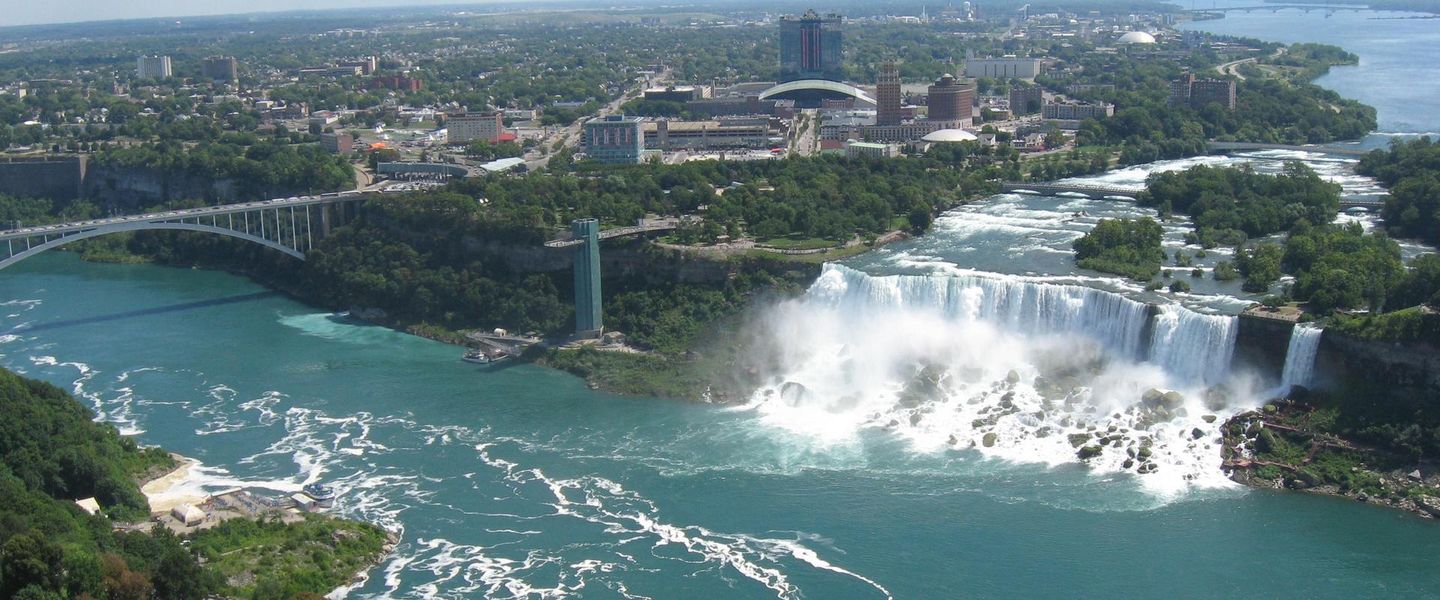


Buffalo, New York pairs Lake Erie waterfronts, Frank Lloyd Wright homes, Olmsted parks, acclaimed museums and a distinctive food culture with deep history.
Lake Erie and the City Grid
Buffalo stands at the eastern end of Lake Erie, where the lake, the Niagara River and the historic Erie Canal helped shape one of North America's most important inland ports. Its broad streets and orderly avenues reflect the ambitions of the early nineteenth-century city planner Joseph Ellicott, while the waterfront reveals successive eras of commerce, industry and regeneration. Canalside, the Outer Harbor and the Buffalo River now offer promenades, parks and waterside recreation on land once dominated by warehouses, railways and grain handling.Read more about Buffalo
Architecture and Cultural Life
Neighbourhoods and Local Character
When is the best time to visit Buffalo?
Best: June–August · 24–27°C| Month | High (°C) | Rainfall (mm) |
|---|---|---|
| January | 1 | 70 |
| February | 2 | 61 |
| March | 7 | 75 |
| April | 13 | 82 |
| May | 19 | 87 |
| June (best) | 24 | 93 |
| July (best) | 27 | 96 |
| August (best) | 26 | 93 |
| September | 22 | 89 |
| October | 16 | 86 |
| November | 9 | 85 |
| December | 3 | 87 |
Getting to and around Buffalo
How to get there
Transportation
Best attractions in Buffalo
Buffalo's principal attractions range from the waterfront spaces of Canalside and the Outer Harbor to the galleries of the Buffalo AKG Art Museum, whose collection spans European, American and modern art. The Buffalo History Museum places the city's industrial, civic and social development in context, while the Darwin D. Martin House reveals Frank Lloyd Wright's Prairie-style design through an exceptionally detailed residential complex. Delaware Park, part of Frederick Law Olmsted's park system, combines open lawns, woodland paths and cultural institutions, including the Buffalo Zoo. The colourful grain elevators along the Buffalo River offer a direct connection with the city's port and industrial past, while boat tours and seasonal waterside activities present that landscape from a different angle. Niagara Falls lies outside Buffalo and is a separate regional excursion rather than a city attraction.
-
 Event venue
Canalside
Explore the bustling Canalside in Buffalo, NY, where history meets modern attractions along the stunning waterfront.
13 min walk · 1.1 km from city centre
-
Arena
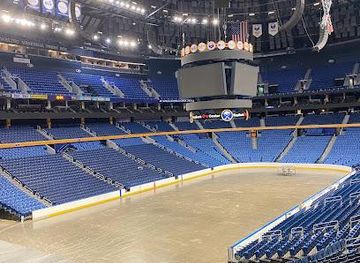
KeyBank Center
Discover the excitement of KeyBank Center in Buffalo, NY - home to thrilling sports events and unforgettable concerts in a vibrant downtown setting.
16 min walk · 1.3 km from city centre
-
Tourist attraction
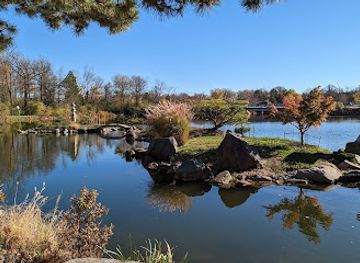
Delaware Park
Explore the beautiful Delaware Park, an oasis in Buffalo, combining sports, history, and nature for an unforgettable outdoor experience.
17 min drive · 5.5 km from city centre
-
Tourist attraction
The Buffalo Zoo
Experience wildlife and conservation at The Buffalo Zoo - a family-friendly attraction in the heart of Delaware Park, Buffalo, NY.
18 min drive · 6.0 km from city centre
Best landmarks in Buffalo
Buffalo City Hall is one of the city's defining civic landmarks, a monumental Art Deco building whose tower and interior decoration express the confidence of the early twentieth-century city. Nearby, the Guaranty Building is a pioneering steel-framed skyscraper associated with Louis Sullivan and notable for its ornamental terracotta surfaces. Frank Lloyd Wright's Darwin D. Martin House is a major residential landmark, designed as an integrated composition of house, conservatory and garden. Kleinhans Music Hall is celebrated for its modernist design and acoustic quality, while the Richardson Olmsted Campus occupies a former psychiatric hospital complex designed by Henry Hobson Richardson and Frederick Law Olmsted. Buffalo Central Terminal, though no longer a conventional operating passenger station, remains a powerful Art Deco presence and a reminder of the railway era that connected the city to national markets.
-
Event venue
Canalside
Discover the vibrant Canalside, a waterfront destination in Buffalo, blending history, entertainment, and stunning views for an unforgettable experience.
13 min walk · 1.1 km from city centre
-
Park
Delaware Park
Discover the natural beauty and historical charm of Delaware Park, an urban oasis in Buffalo, perfect for relaxation, recreation, and exploration.
17 min drive · 5.5 km from city centre
-
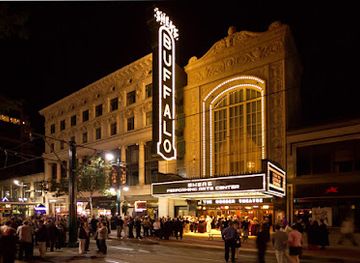
Performing arts theater
Shea's Buffalo Theatre
Discover the historic Shea's Buffalo Theatre, a cultural gem in downtown Buffalo, showcasing world-class performances and stunning architecture.
9 min walk · 0.7 km from city centre
-
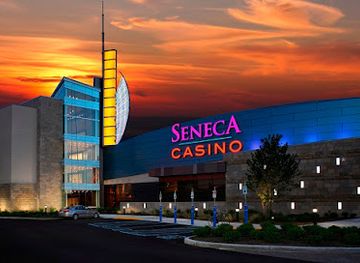
Casino
Seneca Buffalo Creek Casino
Discover the excitement of gaming, dining, and entertainment at Seneca Buffalo Creek Casino in Buffalo, New York—your ultimate destination for fun!
5 min drive · 1.5 km from city centre
Explore Buffalo on the map
Plan your Buffalo trip on one map. See where the top attractions, landmarks, restaurants, bars and hotels are, find what's near where you're staying, and book hotels and experiences in a few clicks.
Neighbourhoods in Buffalo
-

-

-

-

-


Swipe for more neighbourhoods
Best hotels in Buffalo
Best restaurants in Buffalo
Buffalo's food identity is anchored by chicken wings, which developed in the city in the twentieth century, and beef on weck, a roast-beef sandwich served on a kummelweck roll with caraway and salt. Sponge candy, loganberry drink and fish fries are other familiar local tastes, while Polish, German, Italian and wider immigrant traditions shape neighbourhood restaurants and bakeries. The Broadway Market remains an important setting for seasonal foods and community life, particularly around Easter, and the West Side Bazaar brings together small food businesses in a more contemporary market format. Dining spreads through Hertel Avenue, Elmwood Village, Allentown and Larkinville, where traditional taverns sit alongside cafés, pizzerias, chef-led restaurants and independent bars. The result is a scene that values generous regional staples as much as experimentation.
-
Barbecue
Dinosaur Bar-B-Que
Experience mouthwatering barbecue at Dinosaur Bar-B-Que in Buffalo—where flavor meets Southern charm in every bite.
10 min walk · 0.8 km from city centre
-
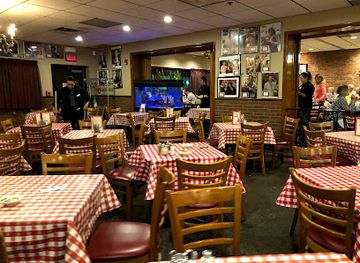
Italian
Chef's Restaurant
Experience the heart of Italy at Chef's Restaurant - a family-friendly haven serving delicious homemade pasta and traditional dishes in Buffalo.
17 min walk · 1.3 km from city centre
-
American
Gabriel's Gate
Experience the best of New American cuisine at Gabriel's Gate in Buffalo’s Allentown district - where flavor meets warmth.
18 min walk · 1.5 km from city centre
-
Greek
Kostas Family Restaurant
Experience the authentic taste of Greece at Kostas Family Restaurant in Buffalo - a must-visit for food lovers seeking delicious Greek cuisine.
22 min drive · 7.2 km from city centre
Best bars in Buffalo
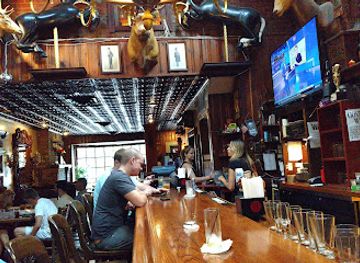
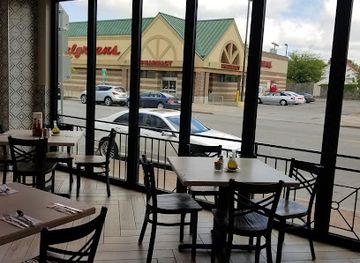
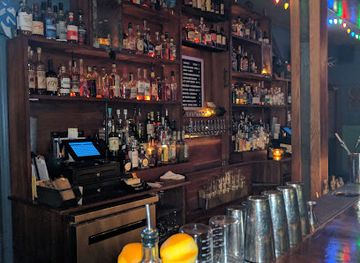
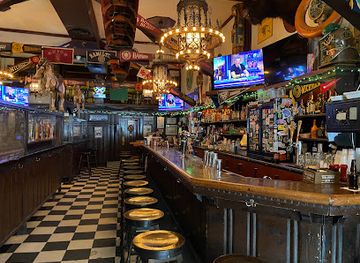
Buffalo's evening life is concentrated in walkable districts rather than spread evenly across the metropolitan area. Allentown combines long-established bars, music venues and late-night restaurants with an informal, arts-oriented atmosphere, while Chippewa Street is associated with a younger, club-focused downtown scene. Hertel Avenue and Elmwood Village offer quieter choices for beer, cocktails and conversation, and venues such as the Town Ballroom and Sportsmen's Tavern contribute concerts ranging from touring acts to local music. The Theatre District provides another kind of night out through performances at Shea's Buffalo Theatre and other downtown stages. Canalside and the waterfront host seasonal events and evening gatherings, although Buffalo's nightlife remains shaped by weather, neighbourhood character and the changing calendar of performances rather than by an all-night club culture.
-
American
Buffalo RiverWorks
Discover Buffalo RiverWorks, a vibrant American eatery with a brewery, skating rinks, and lively entertainment along the scenic Buffalo River.
6 min drive · 1.9 km from city centre
-
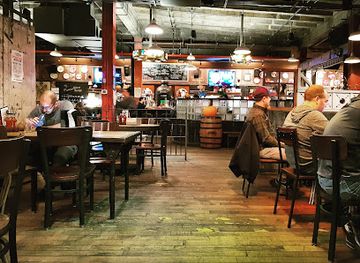
Brewpub
Pearl Street Grill & Brewery
Discover the taste of Buffalo at Pearl Street Grill & Brewery, where craft beers and hearty meals meet a vibrant downtown atmosphere.
8 min walk · 0.6 km from city centre
-
Grill
Ballyhoo
Experience the vibrant flavors and inviting atmosphere of Ballyhoo, a top grill destination in Downtown Buffalo, offering delicious food and signature cocktails.
5 min drive · 1.6 km from city centre
-
Irish pub
Cole's
Discover the essence of Irish hospitality at Cole's, a beloved pub in Buffalo's Elmwood Village, offering traditional fare and a lively atmosphere.
14 min drive · 4.5 km from city centre
Best nightclubs in Buffalo
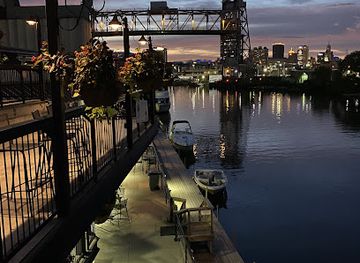
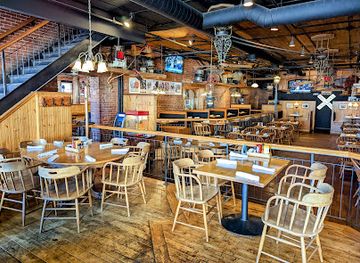
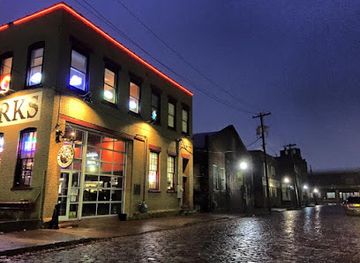
Buffalo's evening life is concentrated in walkable districts rather than spread evenly across the metropolitan area. Allentown combines long-established bars, music venues and late-night restaurants with an informal, arts-oriented atmosphere, while Chippewa Street is associated with a younger, club-focused downtown scene. Hertel Avenue and Elmwood Village offer quieter choices for beer, cocktails and conversation, and venues such as the Town Ballroom and Sportsmen's Tavern contribute concerts ranging from touring acts to local music. The Theatre District provides another kind of night out through performances at Shea's Buffalo Theatre and other downtown stages. Canalside and the waterfront host seasonal events and evening gatherings, although Buffalo's nightlife remains shaped by weather, neighbourhood character and the changing calendar of performances rather than by an all-night club culture.
-
Live Music
Buffalo Iron Works
Experience the electrifying live music scene and vibrant nightlife at Buffalo Iron Works, a historical venue in the heart of Buffalo, NY.
17 min walk · 1.4 km from city centre
-
Night club
Rec Room
Discover the ultimate nightlife experience at Rec Room, where live music, great food, and vibrant energy come together in Buffalo's downtown.
6 min walk · 0.5 km from city centre
-
Event venue
Community Empowerment Event Experience
Engage with Buffalo's culture at the Community Empowerment Event Experience, a vibrant venue for live music, banquets, and community gatherings.
12 min drive · 4.1 km from city centre
-
Club
The Buffalo Club
Experience elegance and sophistication at The Buffalo Club in Allentown, Buffalo, NY, where fine dining meets luxury leisure.
12 min walk · 1.0 km from city centre


Best shops in Buffalo
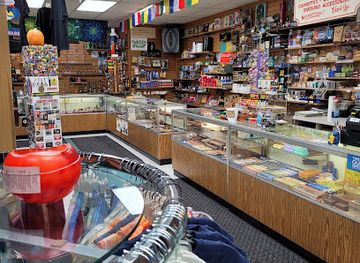
Shopping in Buffalo is strongest in independent neighbourhood districts rather than in a single central retail quarter. Elmwood Village has bookshops, boutiques, galleries, cafés and small specialist retailers along Elmwood Avenue, while Hertel Avenue combines local clothing, gift and homeware shops with restaurants and services. The Broadway Market, on the city's East Side, is the historic place to look for food products, baked goods and seasonal specialities, including items associated with Buffalo's Polish-American traditions. Allentown adds antique, art and design-oriented businesses, and local makers sell jewellery, prints, clothing and home goods across these districts. Visitors interested in regional food can seek out sponge candy, sauces, coffee and other Buffalo-made products, while architectural and sports-themed merchandise provides a more conventional souvenir choice. Retail hours and independent stock vary, particularly outside the main commercial streets.
-
Clothing store
Terrapin Station
Explore Terrapin Station in Buffalo for a unique selection of quality clothing and accessories that reflect your personal style.
21 min drive · 6.9 km from city centre
-
Market
The Broadway Market
Explore the flavors and culture of Buffalo at The Broadway Market, a vibrant destination for food lovers and cultural enthusiasts.
10 min drive · 3.4 km from city centre
-
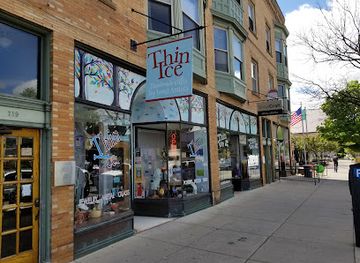
Gift shop
Thin Ice
Explore Thin Ice, Buffalo's charming gift shop, where local crafts and unique souvenirs await every traveler.
10 min drive · 3.4 km from city centre
-
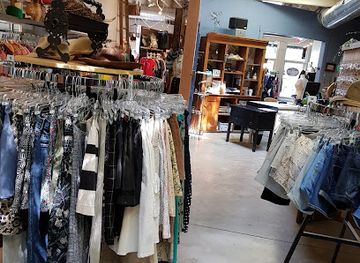
Consignment shop
Second Chic
Explore unique, sustainably sourced fashion at Second Chic, Buffalo's beloved consignment shop in the heart of Elmwood Village.
11 min drive · 3.6 km from city centre

Get your free copy of our complete guide to Buffalo, delivered straight to you.
Everything on this page, from attractions and restaurants to essentials and local phrases, in one PDF you can read offline, print or share.
Already have an account? Sign in
Your Buffalo guide is ready.
We'll send it to · Not you? Sign out

Getting your guide ready…
We are putting together a fresh copy of the Buffalo guide. This can take up to a minute.
This can take a few moments. If your browser asks, choose Allow so the download can start. You'll find the guide in your Downloads folder.
Nothing happened? Download it again
Sorry, the guide is taking longer than usual. Please try again in a minute, or get it by email instead.
Buffalo essentials
Currency and Payment
Safety
Emergency Situations
Do's and Don'ts
Local Tips
From Eve
Local phrases worth knowing
You don't need to get them perfect. A few words go a long way, and locals appreciate the effort.
Basics
| English | Local | Say it |
|---|---|---|
| Hello | Howdy | [haw-dee] |
| Goodbye | Catch ya later | [kach ya lay-ter] |
| Yes | Yup | [yuhp] |
| No | Nah | [na] |
| Please/You're welcome | Please and thank ya | [pleez and thangk yuh] |
| Thank you | Thanks a bunch | [thanks uh bunch] |
| Excuse me/Sorry | Sorry 'bout that | [sore-ee bawt that] |
| How are you? | How ya doin'? | [haw yuh doin'] |
| Fine. And you? | Good. You? | [good. yuh?] |
| Do you speak English? | Ya speak English? | [ya speak ing-glish?] |
| I don't understand | I ain't gettin' it | [I ent get-tin' it] |
Eating & Drinking
| English | Local | Say it |
|---|---|---|
| I'd like to see the menu, please | Can I check out the menu? | [kan I chek out the men-yoo?] |
| I don't eat meat | I don't do meat | [I don't do meat] |
| Cheers! | Bottoms up! | [bot-ums up] |
| I would like to pay, please | I'll settle up, thanks | [I'll set-tul up, thanks] |
Emergencies
| English | Local | Say it |
|---|---|---|
| Help! | I need a hand! | [I need a hand] |
| Go away! | Beat it! | [beat it] |
| Call the Police! | Get the cops! | [get the cops] |
| Call a doctor! | Get a doc! | [get a doc] |
| I'm lost | I'm turned around | [I'm turned around] |
| I'm ill | I'm feelin' under the weather | [I'm feelin' und-er the weath-ur] |
Shopping
| English | Local | Say it |
|---|---|---|
| I'd like to buy... | I'm lookin' to purchase... | [I'm look-in to pur-chase] |
| I'm just looking | Just browsin' | [just brow-zin'] |
| How much is it? | What's the damage? | [whats the dam-idge] |
| That's too expensive | That's steep | [that's steep] |
| Can you lower the price? | Can ya do better on the price? | [can yuh do bet-tur on the price] |
Time & Numbers
| English | Local | Say it |
|---|---|---|
| What time is it? | What's the time? | [whats the time] |
| It's one o'clock | It's one | [It's one] |
| Half past (10) | Ten thirty | [ten thur-tee] |
| Morning | Mornin' | [morn-in'] |
| Afternoon | Afternoon | [after-noon] |
| Evening | Evenin' | [even-in'] |
| Yesterday | Yesterday | [yester-day] |
| Today | Today | [to-day] |
| Tomorrow | Tomorrow | [to-mor-row] |
| 1 | One | [wun] |
| 2 | Two | [too] |
| 3 | Three | [three] |
| 4 | Four | [four] |
| 5 | Five | [five] |
| 6 | Six | [six] |
| 7 | Seven | [sev-en] |
| 8 | Eight | [ate] |
| 9 | Nine | [nine] |
| 10 | Ten | [ten] |
Transport & Directions
| English | Local | Say it |
|---|---|---|
| Where's a/the...? | Where's the... | [wheres the] |
| What's the address? | What's the addy? | [whats the add-ee] |
| Can you show me (on the map)? | Can ya point it out (on the map)? | [can ya point it out (on the map)] |
| When's the next (bus)? | When's the next (bus)? | [whens the next (bus)] |
| A ticket (to ....) | A ticket (to ....) | [a ticket (to ....)] |
History of Buffalo
Seneca Homeland and Early Settlement
The Buffalo area lies within the historic homeland of the Seneca, one of the Haudenosaunee nations. The settlement that became Buffalo grew around the eastern end of Lake Erie and the mouth of Buffalo Creek, locations important to Indigenous travel, trade and diplomacy. Following the American Revolution, treaties and land sales opened the region to large-scale settlement, although these processes displaced Indigenous communities and transferred control of their lands. In 1804, Joseph Ellicott of the Holland Land Company surveyed and planned the village with a broad, ordered street layout. That plan, influenced by contemporary ideas of rational urban design, helped establish the physical framework of the city that followed.
War, Rebuilding and Incorporation
Buffalo's position on the Great Lakes placed it close to the frontier during the War of 1812. British forces and their allies burned much of the settlement in December 1813, making reconstruction a defining early experience. Buffalo recovered quickly, and its strategic location continued to attract commerce and population. The village was incorporated as a city in 1832, by which time roads, shipping and expanding trade had strengthened its regional role. The city's rebuilding also helped establish the architectural and civic traditions that later accompanied its rise as a major American port.
The Erie Canal and Commercial Expansion
The opening of the Erie Canal in 1825 transformed Buffalo into the western terminus of the water route linking the Great Lakes with the Hudson River and New York City. Grain, timber and manufactured goods moved through the harbour, while canal traffic encouraged flour milling, warehousing and financial growth. Buffalo became a key transfer point between inland waterways and the Atlantic trade network. Its prosperity drew migrants from Ireland, Germany, Poland, Italy and elsewhere, creating neighbourhoods and institutions whose cultural influence remains visible. The canal and harbour economy also laid the foundations for the enormous grain elevators and processing industries that became symbols of the city.
Industry, Railways and Civic Ambition
During the late nineteenth century, Buffalo expanded through grain handling, steel, manufacturing, rail transport and shipping. The elevators along the waterfront represented a new industrial scale, using mechanised systems to store and transfer grain from Great Lakes vessels. Wealth generated by commerce supported substantial public buildings, churches, museums, parks and private houses. Frederick Law Olmsted designed a coordinated system of parks and parkways, including Delaware Park and Front Park, rather than isolated green spaces. Buffalo's prosperity was displayed at the Pan-American Exposition of 1901, although the event is also remembered for the assassination of President William McKinley at the exposition.
An Architectural and Cultural Landmark
Buffalo's early twentieth-century wealth produced an important concentration of modern American architecture. Frank Lloyd Wright designed the Darwin D. Martin House and other buildings for local clients, while Louis Sullivan's Guaranty Building demonstrated an innovative approach to the tall commercial block. Buffalo City Hall, completed in 1931, expressed civic confidence through its monumental Art Deco design, and Kleinhans Music Hall later became known for its architectural acoustics and modernist form. At the same time, music, religious institutions, labour organisations and immigrant associations gave the city a diverse cultural life beyond the buildings commissioned by its wealthiest citizens.
Decline, Preservation and Renewal
After the Second World War, changes in manufacturing, shipping, rail transport and population geography weakened Buffalo's traditional industrial economy. Suburban growth and the opening of the St Lawrence Seaway altered the commercial advantages once provided by the Erie Canal and the older harbour. Some historic buildings and neighbourhoods suffered neglect, while preservation organisations worked to protect the city's architectural inheritance. In the late twentieth and early twenty-first centuries, investment in Canalside, the Outer Harbor, former grain facilities and cultural institutions encouraged a new relationship with the waterfront. Buffalo's contemporary identity consequently combines industrial memory, historic preservation, neighbourhood renewal and an active arts scene.
Buffalo in Photos
Browse through our photo collection highlighting the charm and character of the destination.
Cities near Buffalo
The closest cities to Buffalo, if you have time for more than one stop.
-

-

-

-

-


Swipe for more cities
Explore more

Explore more of New York
Discover the electrifying energy, iconic landmarks, and diverse cultural experiences of New York City, the ultimate urban playground for travelers from around the world.
Explore New York