

Elmwood Village (Buffalo) Travel Guide - Free
Explore Elmwood Village in Buffalo with Evendo's free guide. Find the best shops, historic streets, restaurants, and gems on web or mobile.


Elmwood Village in Buffalo blends leafy Olmsted parkways, Victorian streetscapes, independent shops, cafés, restaurants and access to Delaware Park and museums.
Streets, Parks and Architecture
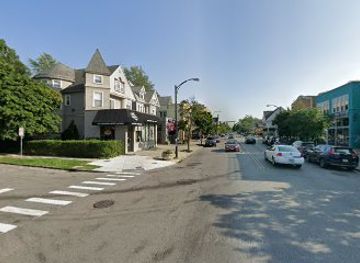
Elmwood Village occupies a walkable stretch of central Buffalo shaped by Elmwood Avenue, the Olmsted parkway system and a broad collection of late nineteenth- and early twentieth-century homes. Its commercial spine runs north from the busy junction with Allen Street towards Bidwell Parkway, while Richmond Avenue and Delaware Avenue frame the neighbourhood’s eastern and western edges. Tree-lined residential streets lead to porches, gables, brick apartment blocks and substantial houses built during Buffalo’s industrial expansion.Read more about Elmwood Village
A Local Cultural Centre
Exploring Elmwood Village
Best attractions in Elmwood Village
Elmwood Village’s principal attraction is the neighbourhood itself: a walkable sequence of Elmwood Avenue shopfronts, cafés and restaurants set among leafy streets of Victorian-era and early twentieth-century homes. Bidwell Parkway offers one of the clearest views of Buffalo’s Olmsted-inspired urban landscape, with broad planted space and a strong connection to the surrounding residential blocks. Architectural walking is especially rewarding around Elmwood Avenue, Richmond Avenue and the streets leading towards Delaware Avenue, where porches, gables, brick apartments and varied setbacks reveal the district’s gradual development. Delaware Park and the Buffalo AKG Art Museum lie immediately nearby and can be included in a wider outing, although they are not simply attractions on the commercial avenue itself. Seasonal activity at Bidwell Parkway, independent retail and the changing rhythm of the avenue provide the smaller-scale experiences that define the area.
-
Historical landmark
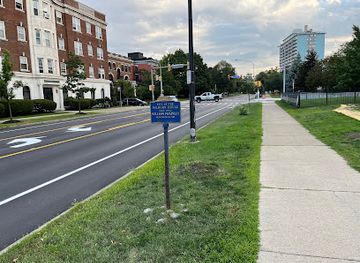
Historic Site of the Milburn House
Explore the rich architectural heritage of Milburn House, a historical landmark in Buffalo, NY, and discover the stories of the past.
6 min walk · 0.4 km from neighbourhood centre
-
Historical place
Elmwood Historic District–East
Explore the architectural beauty and vibrant culture of Elmwood Historic District–East, a historic gem in Buffalo, NY, filled with charm and history.
4 min walk · 0.3 km from neighbourhood centre
Best landmarks in Elmwood Village
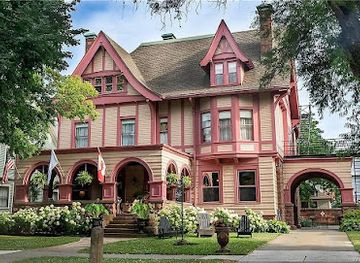
Elmwood Avenue is Elmwood Village’s defining built landmark, not because of one isolated monument but because its commercial frontage and surrounding houses preserve the form of a historic urban main street. Bidwell Parkway is equally important as part of Buffalo’s Olmsted-influenced network of broad, planted public ways connecting neighbourhoods with parks. The residential streets contain a substantial collection of late nineteenth- and early twentieth-century houses and apartment buildings, including Queen Anne-influenced, Colonial Revival and Arts and Crafts-era examples, although individual buildings should not be assigned a style without close architectural confirmation. Delaware Park and the Buffalo AKG Art Museum are significant nearby landmarks at the northern edge of the Elmwood experience, while the neighbourhood’s most meaningful symbols remain its mature trees, parkways, shopfronts and continuous relationship between private homes and public streets.
-
Historical place
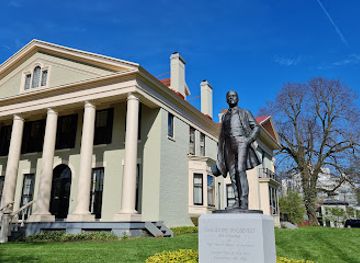
Theodore Roosevelt Inaugural National Historic Site
Visit the Theodore Roosevelt Inaugural National Historic Site in Buffalo, NY, and discover the legacy of America's 26th president through engaging exhibits and historic tours.
5 min drive · 1.5 km from neighbourhood centre
-
Hotel
InnBuffalo off Elmwood
Discover the charm of InnBuffalo off Elmwood, a boutique hotel nestled in the heart of Buffalo's vibrant Elmwood Village, perfect for your next getaway.
7 min walk · 0.6 km from neighbourhood centre
-
Historical landmark
Colonial Circle
Explore the serene beauty and historical significance of Colonial Circle, an enchanting landmark in Buffalo, NY, perfect for relaxation and reflection.
10 min walk · 0.8 km from neighbourhood centre
-
Festival
Elmwood VIllage Art Fest
Discover the creativity and local culture at the Elmwood Village Art Festival in Buffalo, NY, featuring talented artists and delicious local food.
6 min walk · 0.5 km from neighbourhood centre

Explore Elmwood Village on the map
A handpicked selection of must-see spots in Elmwood Village, mapped for you.
Best hotels in Elmwood Village
Best restaurants in Elmwood Village
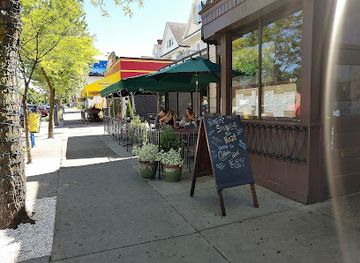
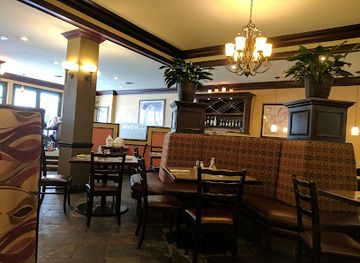
Dining in Elmwood Village centres on Elmwood Avenue, where independent restaurants, cafés, bakeries, bars and takeaway counters occupy a long, walkable commercial corridor. The choice is varied rather than tied to one defining cuisine: visitors encounter casual American cooking, pizza, sandwiches, vegetarian and internationally influenced dishes, coffee and brunch settings, and places suited to an evening meal. Local co-operative grocery shopping and specialist food businesses add an everyday dimension beyond restaurant visits, while the avenue’s older shopfronts give much of the dining scene a recognisably neighbourhood-scale setting. Restaurants and cafés around the Elmwood–Allen area can feel more closely linked to adjacent Allentown, so visitors should use the street layout rather than broad marketing labels when locating a venue. Menus, ownership and opening arrangements change, making current checks sensible before planning a specific meal.
-
Irish pub
Cole's
Discover the heart of Ireland at Cole's in Elmwood Village – where great food meets warm hospitality in Buffalo.
17 min walk · 1.4 km from neighbourhood centre
-
Greek
Mythos Restaurant
Discover authentic Greek flavors at Mythos Restaurant in Buffalo's Elmwood Village—where great food meets friendly service!
6 min walk · 0.5 km from neighbourhood centre
-
Authentic Japanese
SATO
Discover authentic Japanese cuisine at SATO in Buffalo - where every bite is a journey into Japan's rich culinary heritage.
4 min walk · 0.3 km from neighbourhood centre
-
Italian
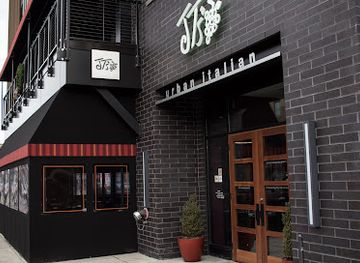
JT’s Restaurant
Experience authentic Italian cuisine at JT’s Restaurant in Buffalo's Elmwood Village – where every meal is a celebration of flavor.
10 min walk · 0.8 km from neighbourhood centre
Best bars in Elmwood Village
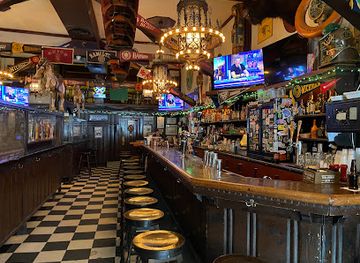
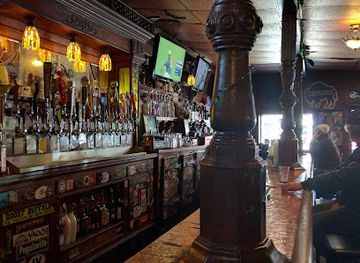
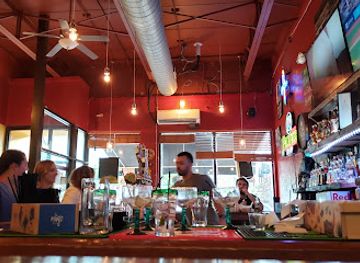
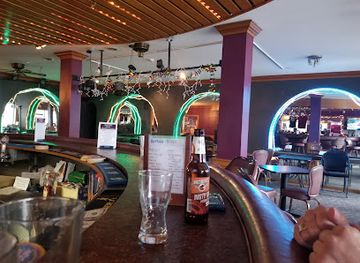
Elmwood Village’s evening life is concentrated along Elmwood Avenue and around its intersections with Allen Street and Bidwell Parkway, combining relaxed bars, pub-style rooms, cafés that stay open into the evening and restaurants with a social atmosphere. The district is not Buffalo’s main large-club destination; its nightlife is more about meeting friends, listening to conversation, having a drink with dinner or moving between small venues than about a single entertainment complex. Live music and late-evening activity are more strongly associated with the wider Elmwood and Allentown area than with every block of the village, so boundaries matter when choosing a venue. As the commercial avenue gives way to residential streets, the atmosphere becomes noticeably quieter, and visitors should keep noise down when walking back to accommodation.
-
Irish pub
Cole's
Experience the charm of an authentic Irish pub in Buffalo's Elmwood Village, with delicious food, craft beers, and lively atmosphere.
17 min walk · 1.4 km from neighbourhood centre
-
Bar
Mr. Goodbar
Discover the lively atmosphere of Mr. Goodbar in Buffalo, where great food, live music, and sports come together for an unforgettable experience.
17 min walk · 1.4 km from neighbourhood centre
-
Mexican
Aguacates Mexican Bar & Grill
Experience the vibrant flavors of Mexico at Aguacates Mexican Bar & Grill, a family-friendly gem in Buffalo's Elmwood Village, perfect for all occasions.
4 min walk · 0.3 km from neighbourhood centre
-
Grill
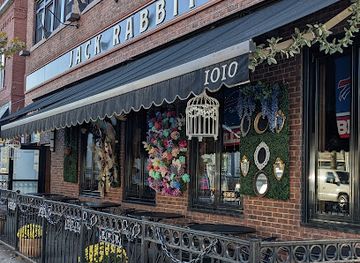
Jack Rabbit
Experience the vibrant flavors of Jack Rabbit in Buffalo, a top grill and bar perfect for food lovers seeking American classics with a modern twist.
14 min walk · 1.1 km from neighbourhood centre
Best nightclubs in Elmwood Village
Elmwood Village’s evening life is concentrated along Elmwood Avenue and around its intersections with Allen Street and Bidwell Parkway, combining relaxed bars, pub-style rooms, cafés that stay open into the evening and restaurants with a social atmosphere. The district is not Buffalo’s main large-club destination; its nightlife is more about meeting friends, listening to conversation, having a drink with dinner or moving between small venues than about a single entertainment complex. Live music and late-evening activity are more strongly associated with the wider Elmwood and Allentown area than with every block of the village, so boundaries matter when choosing a venue. As the commercial avenue gives way to residential streets, the atmosphere becomes noticeably quieter, and visitors should keep noise down when walking back to accommodation.
-
Night club
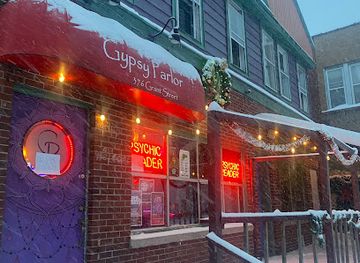
The Gypsy Parlor
Discover the vibrant nightlife at The Gypsy Parlor, where eclectic decor meets delicious food and live music in Buffalo's heart.
5 min drive · 1.6 km from neighbourhood centre
-
Bar
Mr. Goodbar
Discover the lively spirit of Mr. Goodbar in Buffalo, NY, where great food, drinks, and live music create unforgettable nights.
17 min walk · 1.4 km from neighbourhood centre
-
Night club
Thirsty Buffalo
Discover Thirsty Buffalo, where lively nights meet delicious American cuisine and a vibrant bar atmosphere, perfect for sports fans and food lovers alike.
5 min walk · 0.4 km from neighbourhood centre
-
Lounge
Milkie's
Experience the vibrant atmosphere and delicious American cuisine at Milkie's, Buffalo's beloved lounge and restaurant.
6 min walk · 0.5 km from neighbourhood centre
Best shops in Elmwood Village
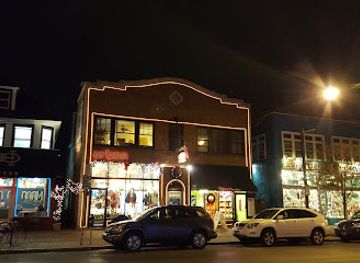
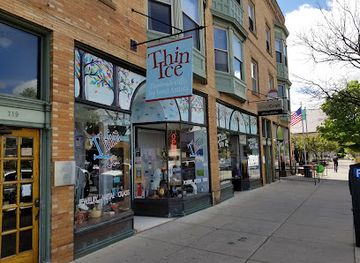
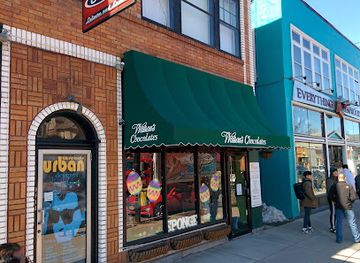
Shopping in Elmwood Village is concentrated along Elmwood Avenue and is characterised by independent, small-scale retail rather than a conventional enclosed shopping centre. Visitors can browse clothing and gift shops, books, records, homewares, personal services and specialist businesses among the cafés and restaurants, with the selection changing as local enterprises open, relocate or close. The avenue’s shopfronts make browsing part of a walk, while seasonal community markets and activity around Bidwell Parkway can add locally produced food, crafts or vintage-style stalls when scheduled. Elmwood Village is also a practical place for everyday provisions, reflected in the presence of local grocery businesses alongside visitor-oriented retail. Nearby Delaware and Hertel avenues offer different commercial environments, so they should not be folded into Elmwood Village’s boundaries when describing its shopping identity.
-
Gift shop
Thin Ice
Explore Thin Ice in Elmwood Village, where local artistry meets unique gifts, creating memorable souvenirs from Buffalo's vibrant culture.
3 min walk · 0.2 km from neighbourhood centre
-
Gift shop
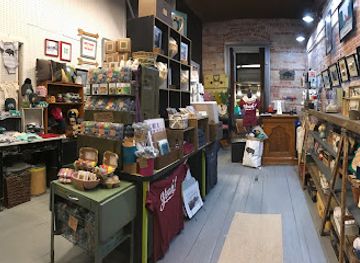
Buffalo ShopCraft, LLC
Explore Buffalo ShopCraft, a unique gift shop and art gallery offering locally crafted treasures in the heart of Elmwood Village.
5 min walk · 0.4 km from neighbourhood centre
-
Gift shop
Everything Elmwood
Explore Buffalo's unique gifts and local craftsmanship at Everything Elmwood, the heart of Elmwood Village shopping.
4 min walk · 0.3 km from neighbourhood centre
-
Gift shop
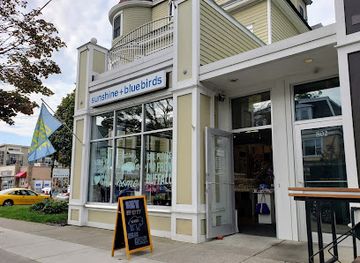
Sunshine and Bluebirds
Discover unique local crafts and gifts at Sunshine and Bluebirds, a charming shop in Buffalo's Elmwood Village.
6 min walk · 0.5 km from neighbourhood centre
Elmwood Village essentials
Getting There
Getting Around
Safety
Emergency Situations
Do's and Don'ts
Local Tips

From Eve
Local phrases worth knowing
You don't need to get them perfect. A few words go a long way, and locals appreciate the effort.
Basics
| English | Local | Say it |
|---|---|---|
| Hello | Hey | [Hey] |
| Goodbye | Bye | [Bye] |
| Yes | Yeah | [Yeah] |
| No | Nah | [Nah] |
| Please/You're welcome | Please/No problem | [Please/No problem] |
| Thank you | Thanks | [Thanks] |
| Excuse me/Sorry | Excuse me/Sorry | [Excuse me/Sorry] |
| How are you? | How you doin'? | [How you doin'?] |
| Fine. And you? | Good. You? | [Good. You?] |
| Do you speak English? | You speak English? | [You speak English?] |
| I don't understand | I don't get it | [I don't get it] |
Eating & Drinking
| English | Local | Say it |
|---|---|---|
| I'd like to see the menu, please | Menu, please | [Menu, please] |
| I don't eat meat | No meat for me | [No meat for me] |
| Cheers! | Cheers! | [Cheers!] |
| I would like to pay, please | Check, please | [Check, please] |
Emergencies
| English | Local | Say it |
|---|---|---|
| Help! | Help! | [Help!] |
| Go away! | Get lost! | [Get lost!] |
| Call the Police! | Call the cops! | [Call the cops!] |
| Call a doctor! | Get a doctor! | [Get a doctor!] |
| I'm lost | I'm lost | [I'm lost] |
| I'm ill | I'm sick | [I'm sick] |
Shopping
| English | Local | Say it |
|---|---|---|
| I'd like to buy... | I wanna buy... | [I wanna buy...] |
| I'm just looking | Just looking | [Just looking] |
| How much is it? | How much? | [How much?] |
| That's too expensive | Too pricey | [Too pricey] |
| Can you lower the price? | Can you do a deal? | [Can you do a deal?] |
Time & Numbers
| English | Local | Say it |
|---|---|---|
| What time is it? | What time is it? | [What time is it?] |
| It's one o'clock | It's one | [It's one] |
| Half past (10) | 10:30 | [10:30] |
| Morning | Morning | [Morning] |
| Afternoon | Afternoon | [Afternoon] |
| Evening | Evening | [Evening] |
| Yesterday | Yesterday | [Yesterday] |
| Today | Today | [Today] |
| Tomorrow | Tomorrow | [Tomorrow] |
| 1 | One | [One] |
| 2 | Two | [Two] |
| 3 | Three | [Three] |
| 4 | Four | [Four] |
| 5 | Five | [Five] |
| 6 | Six | [Six] |
| 7 | Seven | [Seven] |
| 8 | Eight | [Eight] |
| 9 | Nine | [Nine] |
| 10 | Ten | [Ten] |
Transport & Directions
| English | Local | Say it |
|---|---|---|
| Where's a/the...? | Where's the...? | [Where's the...?] |
| What's the address? | What's the address? | [What's the address?] |
| Can you show me (on the map)? | Can you show me on the map? | [Can you show me on the map?] |
| When's the next (bus)? | When's the next bus? | [When's the next bus?] |
| A ticket (to ....) | Ticket to ... | [Ticket to ...] |
History of Elmwood Village
From Rural Edge to Suburban District
Before urban development reached the area, the land around present-day Elmwood Village lay beyond Buffalo’s nineteenth-century built-up core and was associated with farms, country estates and routes leading north-west from the city. Buffalo’s rapid growth as a Great Lakes port and industrial centre gradually pushed residential development towards Elmwood Avenue. During the later nineteenth century, streets were laid out and substantial houses began appearing for middle- and upper-income residents seeking more spacious surroundings beyond the older commercial centre. The resulting district was absorbed into Buffalo’s expanding urban fabric rather than remaining a separate incorporated village, but the informal name Elmwood Village endured in local usage.
The Olmsted Parkway Influence
The creation of Buffalo’s park and parkway system in the nineteenth century strongly influenced Elmwood Village’s landscape. Frederick Law Olmsted and his associates planned a connected series of parks, parkways and avenues, including the routes linking the central city with Delaware Park. Bidwell Parkway and nearby tree-lined corridors brought open space, planting and generous street dimensions into the developing residential district. This planning tradition helped distinguish the area from denser parts of Buffalo and remains visible in its mature canopy, broad avenues and relationship with Delaware Park. The parkways were not simply ornamental; they formed part of a city-wide circulation and recreation system.
Houses, Apartments and Streetcar Access
By the late nineteenth and early twentieth centuries, Elmwood Village had developed a varied residential character, with Queen Anne-influenced houses, Colonial Revival and Arts and Crafts-era buildings, brick apartment blocks and smaller homes lining its streets. Streetcar routes along Elmwood Avenue and connections to Buffalo’s wider transit network encouraged commercial activity and made the district practical for residents travelling to employment and shopping areas. The avenue became a local main street, supporting grocers, service businesses and specialist shops alongside homes. Many surviving buildings date from this period of expansion, when Buffalo’s prosperity was translated into dense, walkable neighbourhoods rather than only downtown monuments.
Preservation and Contemporary Renewal
The twentieth century brought changing household patterns, suburban competition and periods when older urban housing and shopfronts required reinvestment. Elmwood Avenue nevertheless retained a strong commercial and residential presence, supported by local institutions and community activity. From the late twentieth century onwards, renewed interest in walkable neighbourhoods, historic houses and independent retail helped attract new businesses and visitors. That revival also brought familiar urban pressures, including rising demand for housing and debate over how commercial growth should coexist with long-term residents. Contemporary Elmwood Village is therefore both a preserved urban district and an active neighbourhood whose identity continues to develop around Elmwood Avenue, its parkways and its small businesses.
Elmwood Village in Photos
Browse through our photo collection highlighting the charm and character of the destination.
Neighbourhoods near Elmwood Village
The closest neighbourhoods to Elmwood Village, if you have time for more than one stop.
-

-

-

-

-


Swipe for more neighbourhoods
Explore more

Explore more of Buffalo
Buffalo, New York pairs Lake Erie waterfronts, Frank Lloyd Wright homes, Olmsted parks, acclaimed museums and a distinctive food culture with deep history.
Explore Buffalo