

Free Nueva Segovia Highlands Travel Guide & Mobile App
Explore Nueva Segovia Highlands with free travel guides. Discover regional history, expert tips, proposed trips, and audio guides on web or mobile app.


Explore Nueva Segovia Highlands for Nicaragua’s pine forests, coffee country, colonial history, Indigenous culture and mountain-border landscapes.
Read more about Nueva Segovia Highlands
When is the best time to visit Nueva Segovia Highlands?
Best: January–March · 24–25°C| Month | High (°C) | Rainfall (mm) |
|---|---|---|
| January (best) | 24 | 6 |
| February (best) | 24 | 8 |
| March (best) | 25 | 12 |
| April | 26 | 20 |
| May | 27 | 80 |
| June | 28 | 150 |
| July | 27 | 150 |
| August | 27 | 150 |
| September | 27 | 150 |
| October | 26 | 80 |
| November | 25 | 20 |
| December | 24 | 6 |
Getting to and around Nueva Segovia Highlands
How to get there
Transportation
Best attractions in Nueva Segovia Highlands
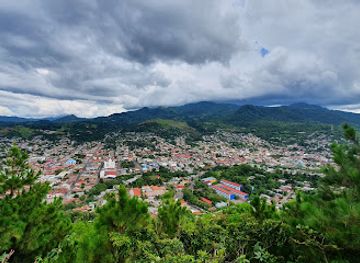
The Nueva Segovia Highlands offer a blend of rural nature, agricultural heritage and frontier history rather than a concentrated circuit of large ticketed attractions. Around Dipilto, pine-covered slopes, coffee farms and cool upland air create opportunities for guided walks, plantation visits and landscape photography. Cerro Mogotón, Nicaragua’s highest summit on the Honduran frontier, is an ambitious hiking objective that should be approached with local guidance and realistic expectations. Ocotal provides a useful introduction to regional life through its cathedral, markets, public spaces and everyday commerce. Ciudad Antigua is important for colonial history, while Mozonte brings Indigenous culture and craft traditions into the visitor experience. Other northern municipalities, including Jalapa and San Fernando, open into broad agricultural valleys and forested rural landscapes. The best experiences are often arranged through local hosts, cooperatives or guides, since many farms, trails and viewpoints are not formal attractions with regular visitor facilities. Travel is consequently slower and more conversational than in Nicaragua’s established tourism centres, with weather and road conditions playing a significant part in what can be reached.
-
Tourist attraction
Zoológico Nacional de Nicaragua
Explore the vibrant wildlife at Zoológico Nacional de Nicaragua, a family-friendly destination showcasing the country's rich biodiversity.
-
Tourist attraction
Waterfall Moon
Explore the natural beauty of Waterfall Moon, a captivating park in La Empresa featuring stunning waterfalls and lush landscapes for a perfect getaway.
-
Tourist attraction
Ruins of Old Leon
Discover the breathtaking Ruins of Old Leon, a UNESCO World Heritage site that reveals Nicaragua's rich colonial history amid stunning architectural remnants.
-
Church
Virgen de la Piedra
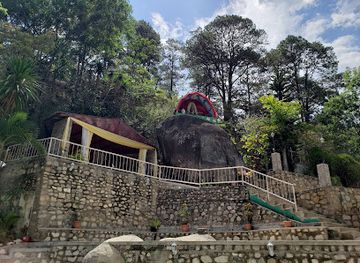
Explore Virgen de la Piedra in Dipilto, a stunning church offering tranquility, rich culture, and beautiful architecture in the heart of Nicaragua.


Best landmarks in Nueva Segovia Highlands
The most significant landmarks of Nueva Segovia reflect its colonial past, highland geography and contemporary regional life. Ciudad Antigua’s historic church and old settlement are reminders of the earlier Nueva Segovia and of the instability that shaped Spanish occupation of the northern frontier. In Ocotal, the cathedral and central civic area provide the clearest architectural expression of the department’s modern administrative centre, surrounded by markets and working-town streets rather than monumental urban planning. Cerro Mogotón is the region’s defining natural landmark, rising on the Honduran border and holding the distinction of Nicaragua’s highest summit; its remoteness and demanding access are part of its character. The pine forests and ridgelines around Dipilto form another recognisable landscape, closely associated with coffee production and the area’s cooler climate. Mozonte’s cultural presence is expressed through its community life, Indigenous heritage and craft traditions, which are significant landmarks of identity even where there is no single monumental structure.
-
Promenade
Plaza Nicaragua
Discover Plaza Nicaragua: A lively promenade in Managua, blending culture, nature, and local flair for an unforgettable experience.
-
Park
Granada Malecon
Experience the breathtaking views and vibrant culture at Granada Malecon, the perfect waterfront destination in Nicaragua.
-
Park
Reserva Natural Laguna de Tiscapa
Experience the serene beauty of Laguna de Tiscapa, a tranquil park in Managua offering breathtaking views and rich wildlife amidst historical significance.
-
Tourist attraction
Mirador Calvary
Discover the breathtaking views of Matagalpa at Mirador Calvary, where nature’s beauty meets tranquility in a stunning panoramic experience.

Explore Nueva Segovia Highlands on the map
Plan your trip on one map. See where the top cities, national parks and sights are, and book hotels and experiences in a few clicks.
Best hotels in Nueva Segovia Highlands
Best restaurants in Nueva Segovia Highlands
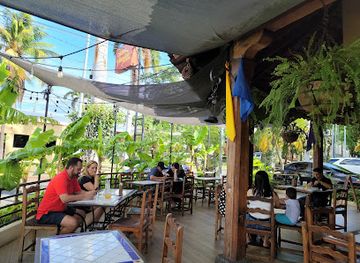
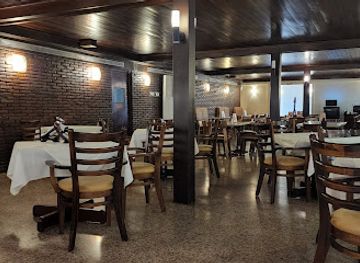
Dining in the Nueva Segovia Highlands is rooted in northern Nicaraguan home cooking, market produce and the agricultural calendar. Ocotal has the widest choice of cafés, comedor-style eateries, bakeries and family restaurants, while smaller towns and villages offer simpler meals built around rice, beans, tortillas, plantains, eggs, chicken and seasonal vegetables. Coffee is the defining regional product, and tastings or farm visits may reveal how cherries are processed, dried and prepared for export. Cheese, fresh milk, locally grown beans and maize also form part of the rural food economy. In market areas, visitors can sample snacks and fruit while observing the practical rhythm of regional trade. Menus are generally more traditional and less internationally oriented outside Ocotal, so dietary requirements should be explained clearly in Spanish and planned in advance for rural excursions. A meal at a local comedor or a farm-hosted table can provide a more accurate sense of the highlands than seeking a formal fine-dining scene.
-
Nicaraguan
Cocina de Doña Haydée
Experience the rich flavors of Nicaragua at Cocina de Doña Haydée – where tradition meets taste in every bite.
-
Steak
Restaurante El Eskimo
Experience the authentic taste of Nicaragua at Restaurante El Eskimo – where every steak tells a story.
-
Restaurant
Restaurante El Timón
Experience authentic Nicaraguan flavors at Restaurante El Timón in San Juan del Sur - where every meal is a celebration of coastal cuisine.
-
American
Jimmy "Three Fingers" Alabama Rib Shack
Experience authentic Southern barbecue at Jimmy 'Three Fingers' Alabama Rib Shack in Managua – where every bite tells a delicious story.

Best bars in Nueva Segovia Highlands
Evening life in the Nueva Segovia Highlands is centred on Ocotal and the larger municipal towns, where modest bars, cafés, restaurants and social venues provide the main choices after dark. Traditional Nicaraguan drinks, beer, rum and coffee appear alongside straightforward food, conversation and music, while rural communities generally become quiet earlier. Ocotal may offer occasional live music or dancing, but the department does not have the concentrated nightclub scene associated with Managua or some Pacific resort towns. In Dipilto, Ciudad Antigua and the countryside, evenings are more likely to involve a guesthouse, family restaurant or small local establishment than a dedicated nightlife district. Transport should be arranged before going out, particularly outside Ocotal, since taxis and buses are less dependable late at night. Nightlife is best treated as a social complement to highland travel rather than the region’s principal attraction.
-
Restaurant
Llamarada del Bosque
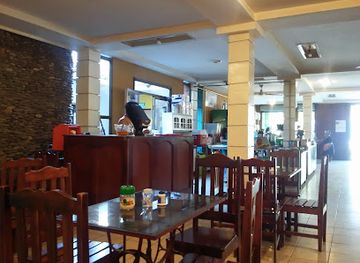
Experience the authentic flavors of Nicaragua at Llamarada del Bosque, a cozy restaurant in Ocotal offering delicious local dishes at affordable prices.
-
Restaurant
Rest Casa Vieja
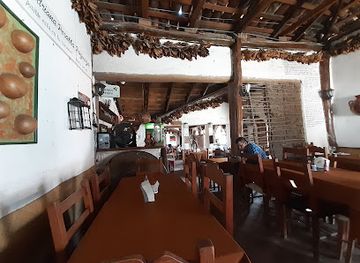
Experience the authentic taste of Nicaragua at Rest Casa Vieja in Ocotal, where tradition meets flavor in a cozy setting.
-
Espresso bar
Cinamon's Cafe
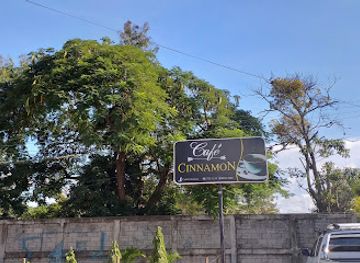
Discover the delightful flavors of locally-sourced coffee and pastries at Cinamon's Cafe in Ocotal, a haven for coffee lovers and food enthusiasts.
-
Bar
Sport Bar
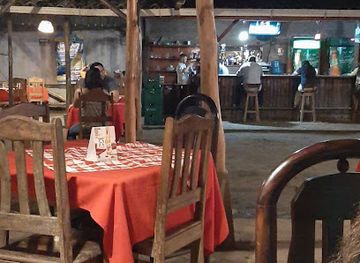
Experience the thrill of live sports in a vibrant atmosphere at Ocotal's top Sport Bar, perfect for fans and casual visitors alike.
Best nightclubs in Nueva Segovia Highlands
Evening life in the Nueva Segovia Highlands is centred on Ocotal and the larger municipal towns, where modest bars, cafés, restaurants and social venues provide the main choices after dark. Traditional Nicaraguan drinks, beer, rum and coffee appear alongside straightforward food, conversation and music, while rural communities generally become quiet earlier. Ocotal may offer occasional live music or dancing, but the department does not have the concentrated nightclub scene associated with Managua or some Pacific resort towns. In Dipilto, Ciudad Antigua and the countryside, evenings are more likely to involve a guesthouse, family restaurant or small local establishment than a dedicated nightlife district. Transport should be arranged before going out, particularly outside Ocotal, since taxis and buses are less dependable late at night. Nightlife is best treated as a social complement to highland travel rather than the region’s principal attraction.
-
Bar
Ron Kon Rolas
Discover the lively ambiance and local music scene at Ron Kon Rolas, a bar and concert hall in the heart of Managua.
-
Bar
The reef
Discover the vibrant nightlife at The Reef, Managua's top bar for cocktails, music, and memorable nights until dawn.
-
Disco club
El Chaman
Discover the pulse of Managua's nightlife at El Chaman, a lively disco club and bar offering a vibrant atmosphere and diverse music.
-
Disco club
Level One
Discover the vibrant nightlife of Granada at Level One, a premier disco club where locals and tourists dance the night away.




Best shops in Nueva Segovia Highlands
Shopping in the Nueva Segovia Highlands is practical, local and closely linked to agriculture and craft production. Ocotal has the broadest selection of markets, small shops, bakeries and everyday goods, while municipal markets in smaller towns are useful for fruit, vegetables, beans, tortillas and other regional provisions. Coffee is the most obvious purchase: visitors can look for locally produced roasted beans through cooperatives, farms or reputable shops, asking about origin and processing rather than assuming that every packet comes from the immediate area. Mozonte is associated with Indigenous craft traditions, including pottery and other handmade work, although designs, availability and prices vary by producer. Small rural workshops and community sales may offer more direct contact than formal retail outlets. Carry cash in córdobas, check that fragile pottery can be packed safely, and buy only wildlife products, timber or antiques when their legal and ethical provenance is clear.
-
Shopping mall
Metrocentro
Discover the largest shopping mall in Nicaragua - Metrocentro, a vibrant hub for shopping, dining, and entertainment in the heart of Managua.
-
Shopping mall
Multicentro Las Américas
Explore the vibrant Multicentro Las Américas in Managua, a shopping haven offering diverse stores, delicious dining, and lively entertainment. Perfect for all tourists!
-
Shopping mall
Plaza Inter
Discover Plaza Inter, Managua's premier shopping destination, offering a diverse range of shops, dining options, and entertainment for all ages.
-
Market
Mercado Roberto Huembes
Explore the lively Mercado Roberto Huembes in Managua for authentic crafts, delicious local foods, and a taste of Nicaraguan culture.

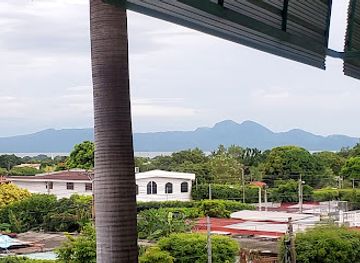

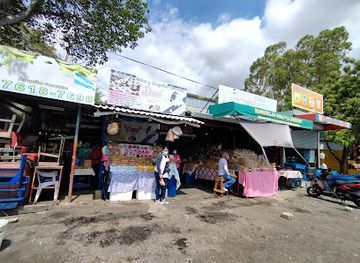
Get your free copy of our complete guide to Nueva Segovia Highlands, delivered straight to you.
Everything on this page, from attractions and restaurants to essentials and local phrases, in one PDF you can read offline, print or share.
Already have an account? Sign in
Your Nueva Segovia Highlands guide is ready.
We'll send it to · Not you? Sign out

Getting your guide ready…
We are putting together a fresh copy of the Nueva Segovia Highlands guide. This can take up to a minute.
This can take a few moments. If your browser asks, choose Allow so the download can start. You'll find the guide in your Downloads folder.
Nothing happened? Download it again
Sorry, the guide is taking longer than usual. Please try again in a minute, or get it by email instead.
Nueva Segovia Highlands essentials
Currency and Payment
Safety
Emergency Situations
Do's and Don'ts
Local Tips
From Eve
Local phrases worth knowing
You don't need to get them perfect. A few words go a long way, and locals appreciate the effort.
Basics
| English | Local | Say it |
|---|---|---|
| Hello | Hola | [Ola] |
| Goodbye | Adiós | [Adeeos] |
| Yes | Sí | [See] |
| No | No | [No] |
| Please/You're welcome | Por favor/De nada | [Por favor/De nada] |
| Thank you | Gracias | [Grah-syas] |
| Excuse me/Sorry | Perdón | [Pehr-don] |
| How are you? | ¿Cómo estás? | [Koh-mo es-tas] |
| Fine. And you? | Bien. ¿Y tú? | [Byen. Ee too] |
| Do you speak English? | ¿Hablas inglés? | [A-blas een-gles] |
| I don't understand | No entiendo | [No en-tee-en-do] |
Eating & Drinking
| English | Local | Say it |
|---|---|---|
| I'd like to see the menu, please | Me gustaría ver el menú, por favor | [Meh goo-stah-ree-ah vehr el meh-noo, por fah-vor] |
| I don't eat meat | No como carne | [No koh-mo kar-neh] |
| Cheers! | ¡Salud! | [Sah-lood] |
| I would like to pay, please | Me gustaría pagar, por favor | [Meh goo-stah-ree-ah pah-gar, por fah-vor] |
Emergencies
| English | Local | Say it |
|---|---|---|
| Help! | ¡Ayuda! | [A-yoo-dah] |
| Go away! | ¡Vete! | [Veh-teh] |
| Call the Police! | ¡Llama a la policía! | [Yah-mah ah lah poh-lee-syah] |
| Call a doctor! | ¡Llama a un doctor! | [Yah-mah ah oon dok-tor] |
| I'm lost | Estoy perdido | [Es-toy pehr-dee-do] |
| I'm ill | Estoy enfermo/a | [Es-toy en-fehr-mo/a] |
Shopping
| English | Local | Say it |
|---|---|---|
| I'd like to buy... | Me gustaría comprar... | [Meh goo-stah-ree-ah kom-prar] |
| I'm just looking | Solo estoy mirando | [So-lo es-toy mee-ran-do] |
| How much is it? | ¿Cuánto cuesta? | [Kwan-to kwes-ta] |
| That's too expensive | Eso es muy caro | [Eh-so es moo-ee kah-ro] |
| Can you lower the price? | ¿Puedes bajar el precio? | [Pweh-des bah-har el preh-syo] |
Time & Numbers
| English | Local | Say it |
|---|---|---|
| What time is it? | ¿Qué hora es? | [Keh or-ah es] |
| It's one o'clock | Es la una | [Es lah oo-nah] |
| Half past (10) | Y media (10) | [Ee meh-dee-ah (10)] |
| Morning | Mañana | [Mah-nyah-nah] |
| Afternoon | Tarde | [Tar-deh] |
| Evening | Noche | [Noh-cheh] |
| Yesterday | Ayer | [Ah-yer] |
| Today | Hoy | [Oy] |
| Tomorrow | Mañana | [Mah-nyah-nah] |
| 1 | Uno | [Oo-no] |
| 2 | Dos | [Dos] |
| 3 | Tres | [Tres] |
| 4 | Cuatro | [Kwah-tro] |
| 5 | Cinco | [Seen-ko] |
| 6 | Seis | [Says] |
| 7 | Siete | [Syay-teh] |
| 8 | Ocho | [Ocho] |
| 9 | Nueve | [Nweh-veh] |
| 10 | Diez | [Dyez] |
Transport & Directions
| English | Local | Say it |
|---|---|---|
| Where's a/the...? | ¿Dónde está un/una...? | [Dohn-deh es-tah oon/oo-nah] |
| What's the address? | ¿Cuál es la dirección? | [Kwahl es lah dee-rek-syon] |
| Can you show me (on the map)? | ¿Puedes mostrarme (en el mapa)? | [Pweh-des mos-trar-meh (en el mah-pah)] |
| When's the next (bus)? | ¿Cuándo sale el próximo (bus)? | [Kwan-do sah-leh el prok-see-mo (boos)] |
| A ticket (to ....) | Un boleto (a ....) | [Oon boh-leh-toh (ah ....)] |
History of Nueva Segovia Highlands
Indigenous Northern Communities before Spanish Rule
Before Spanish colonisation, northern Nicaragua was home to several Indigenous peoples and cultural communities, including groups associated with the Matagalpa area and the Chorotegan and other northern cultural zones. The mountains, forests and river valleys supported farming, hunting, exchange and local political networks rather than a single centralised state. In present-day Nueva Segovia, Indigenous identity remains especially visible in Mozonte, where community organisations and cultural traditions preserve a history that predates colonial boundaries. Visitors should understand that the region’s Indigenous heritage is living and contemporary, not simply an archaeological subject.
The Spanish Foundation of Nueva Segovia
The Spanish established Nueva Segovia in the sixteenth century as part of their expansion into northern Nicaragua and the wider Central American interior. The settlement occupied a frontier position, linking agricultural zones with mineral resources and routes towards Honduras. Colonial control was never complete: difficult terrain, resistance, long distances and insecurity limited the reach of officials and settlers. The original town’s history survives most clearly through Ciudad Antigua, whose name recalls the earlier location of Nueva Segovia and whose church and settlement pattern point to the region’s colonial beginnings.
Colonial Attacks and the Relocation of Settlements
During the colonial period, settlements in northern Nicaragua faced repeated attacks and instability associated with the wider frontier, including incursions by English-aligned forces and other raiders operating through the Caribbean and Central American borderlands. These pressures, together with the practical difficulties of maintaining a remote colonial town, contributed to the movement of Nueva Segovia to safer or more advantageous locations. Ciudad Antigua therefore represents not just an old town but a record of how violence, trade and geography repeatedly reshaped settlement in the northern highlands.
Mining, Agriculture and the Nineteenth-Century Frontier
Mining and agriculture became enduring foundations of the regional economy after independence. Gold-bearing districts in the north attracted prospectors and companies, while cattle, beans, maize and other crops supported local communities and trade. Mining activity was particularly associated with parts of the Nueva Segovia interior, although its scale and economic importance changed over time. The region’s scattered settlements, rough roads and links to Honduras reflect this frontier economy, in which agricultural production, mineral extraction and cross-border commerce developed alongside one another.
Ocotal and the Modern Department
Ocotal emerged as the administrative and commercial centre of modern Nueva Segovia. Its growth reflected the consolidation of roads, government services, markets and regional trade during the twentieth century. Unlike the old colonial settlement at Ciudad Antigua, Ocotal functions as a contemporary highland town, connected to national institutions while remaining closely tied to surrounding farms and forest communities. The city’s civic buildings, cathedral, markets and urban routines provide a useful lens on the transition from a remote frontier department to a regional centre.
Coffee and the Transformation of the Highlands
Coffee became one of the most important economic and cultural forces in the northern highlands, particularly around Dipilto and other elevated districts with suitable soils and temperatures. Production ranges from smallholder farms to larger estates and cooperatives, with harvesting providing seasonal employment and shaping local commerce. Coffee has also encouraged new forms of rural tourism, including farm visits, tastings and educational experiences. Its legacy is visible in plantation landscapes, processing activity and the continuing connection between highland identity and agricultural work.
Contemporary Borderland and Rural Development
Today Nueva Segovia remains a predominantly agricultural and border-oriented department, with Ocotal serving as its principal town and numerous municipalities linked by mountain roads. Economic life combines coffee, basic crops, cattle, forestry, small-scale trade and public services. Cross-border proximity to Honduras influences transport and commerce, while communities such as Mozonte maintain distinctive cultural identities within the modern Nicaraguan state. Tourism is developing gradually, centred on nature, coffee, heritage and rural encounters rather than large-scale resort infrastructure.
Nueva Segovia Highlands in Photos
Browse through our photo collection highlighting the charm and character of the destination.
Neighbouring regions of Nueva Segovia Highlands
The closest regions to Nueva Segovia Highlands, if you have time for more than one.
-

-

-

-

-


Swipe for more regions
Explore more
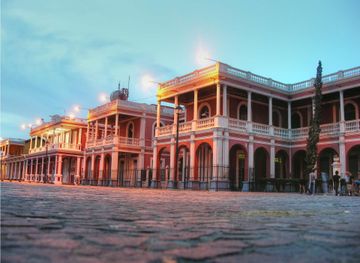
Explore more of Nicaragua
Discover Nicaragua: Explore breathtaking lakes, active volcanoes, colonial cities, and pristine beaches in a country rich with culture and adventure.
Explore Nicaragua