

Free Segovias Travel Guide & Mobile App
Explore Segovias with free travel guides. Discover regional history, expert tips, proposed trips, and audio guides on web or mobile app.


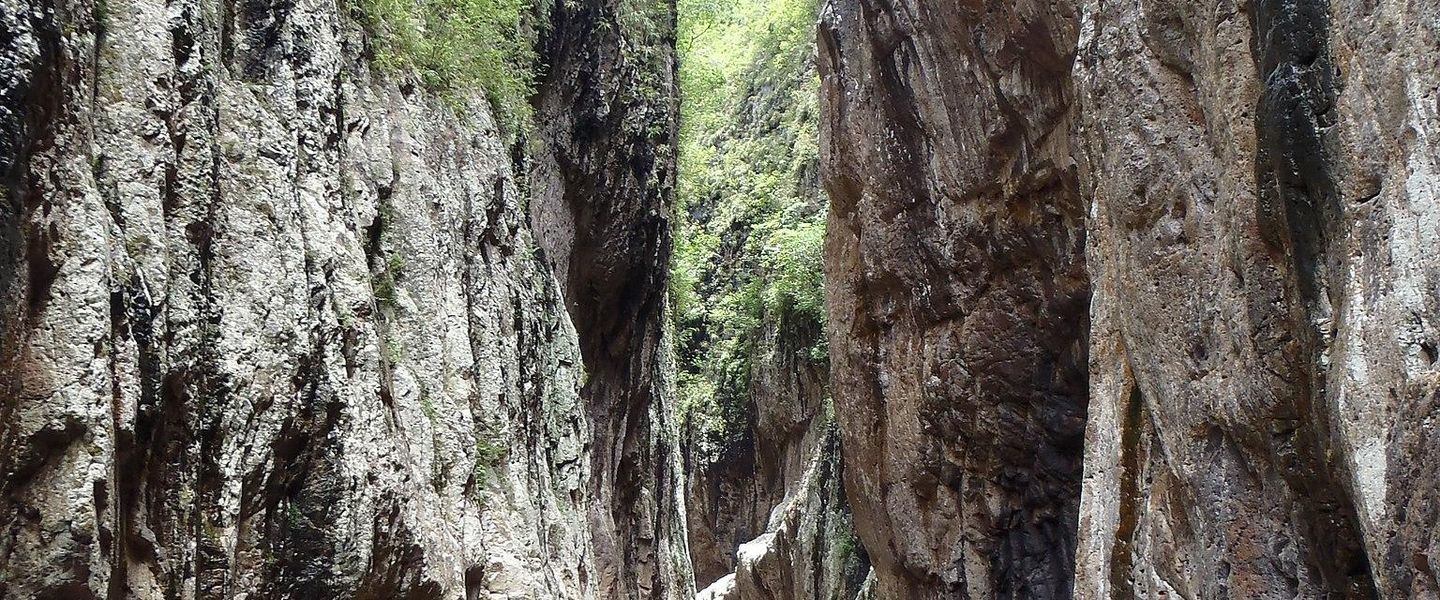


Explore Nicaragua’s Segovias for pine highlands, tobacco towns, coffee farms, indigenous craft traditions and the dramatic Somoto Canyon.
Read more about Segovias
When is the best time to visit Segovias?
Best: December–February · 28–29°C| Month | High (°C) | Rainfall (mm) |
|---|---|---|
| January (best) | 28 | 5 |
| February (best) | 29 | 6 |
| March | 29 | 8 |
| April | 30 | 20 |
| May | 30 | 100 |
| June | 29 | 200 |
| July | 29 | 150 |
| August | 29 | 150 |
| September | 28 | 200 |
| October | 28 | 150 |
| November | 28 | 100 |
| December (best) | 28 | 20 |
Getting to and around Segovias
How to get there
Transportation
Top city travel guides in Segovias
The cities of Segovias, and the easiest places to base yourself.

Swipe for more cities
Destinations in Segovias
Resorts, valleys and scenic spots worth a trip of their own.
-

-

-

-


Swipe for more destinations
Best attractions in Segovias
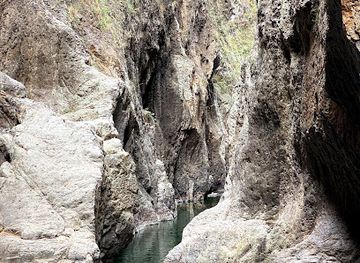
The Segovias offer a varied highland itinerary built around landscapes, working towns and outdoor excursions rather than a dense concentration of major monuments. Somoto Canyon is the region’s best-known natural attraction, with pale rock walls, river scenery and guided walking or floating excursions where conditions permit. Around Estelí, the Miraflor area combines forest, farms, waterfalls and community-based rural tourism, while the Tisey-La Estanzuela area provides wooded hills, viewpoints and trails close to the city. Nueva Segovia’s Dipilto and Jalapa districts are associated with coffee plantations, pine forests and mountain scenery. Estelí’s cigar workshops and factories provide insight into a specialised local industry, usually through arranged visits. Colonial and republican history can be explored in Ciudad Antigua and in the churches, plazas and streets of regional towns, while Madriz offers pottery and craft traditions connected to Indigenous communities. Birdwatching, hiking, farm visits and cycling are possible, but remote sites are best approached with local guides and realistic expectations about road conditions.
-
Tourist attraction
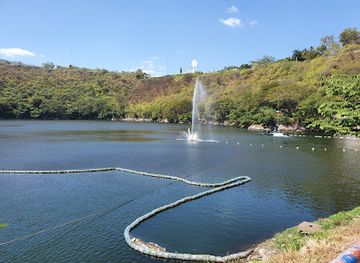
Reserva Natural Laguna de Tiscapa
Discover the serene landscapes and stunning vistas of Reserva Natural Laguna de Tiscapa, a must-visit natural park in the heart of Managua.
-
Tourist attraction
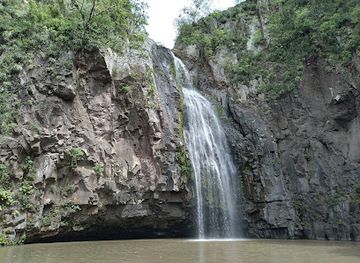
Reserva Natural Tisey-La Estanzuela
Explore the breathtaking landscapes and rich biodiversity of Reserva Natural Tisey-La Estanzuela, a premier nature preserve in Nicaragua.
-
City park
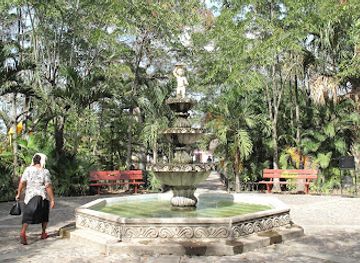
Central Park
Central Park in Somoto: A tranquil urban oasis filled with greenery, perfect for relaxation and cultural experiences.
-
Nature preserve
Reserva Natural Bosawás
Explore the vast biodiversity and stunning landscapes of Reserva Natural Bosawás, a must-visit nature preserve in Nicaragua for eco-tourists and adventure seekers.
Best landmarks in Segovias
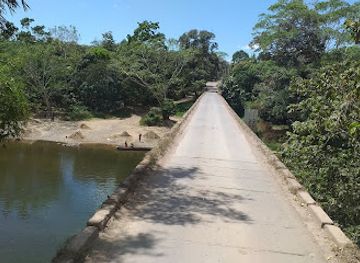
The Somoto Canyon is the Segovias’ most recognisable natural landmark, a narrow volcanic gorge carved through pale rock in Madriz and valued for both its geology and its dramatic river setting. Ciudad Antigua in Nueva Segovia is a significant historical landmark because it preserves the memory of early Spanish Nueva Segovia and the region’s colonial frontier history. Estelí’s cathedral and central urban streets express the importance of the city as a modern commercial centre, while its tobacco factories have become symbols of the town’s economic identity rather than historic monuments. The pine-covered mountains around Dipilto and the coffee highlands of Jalapa form a distinctive natural landscape on the Honduran frontier. Near Estelí, the hills and rock formations of Tisey provide a contrasting landmark environment of ridges, forest and rural farms. In Somoto and neighbouring Madriz communities, traditional churches, plazas and pottery workshops add a cultural dimension to the region’s built heritage.
-
City park
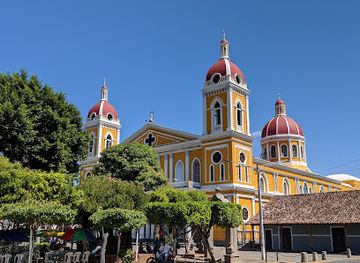
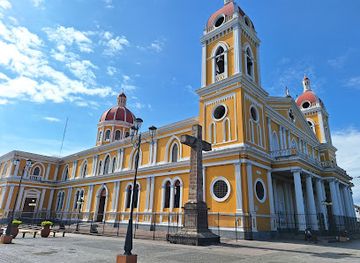
Parque Central de Granada
Experience the vibrant culture and lush beauty of Parque Central de Granada, the heart of Nicaragua's historic city.
-
Catholic cathedral
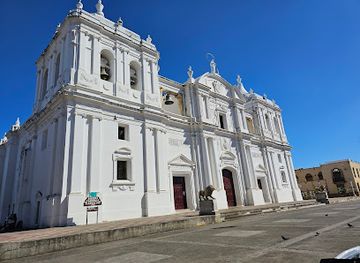
Cathedral-Basilica of the Assumption of the Blessed Virgin Mary
Explore the architectural wonder of León's Cathedral-Basilica, a UNESCO World Heritage site showcasing Nicaragua's rich cultural and historical legacy.
-
Promenade
Plaza Nicaragua
Explore the vibrant culture and scenic beauty of Plaza Nicaragua, the heart of Managua, where relaxation meets local charm for an unforgettable experience.
-
Park
Granada Malecon
Experience the breathtaking beauty of Granada Malecon, a scenic waterfront promenade that offers stunning views and vibrant local culture.

Explore Segovias on the map
Plan your trip on one map. See where the top cities, national parks and sights are, and book hotels and experiences in a few clicks.
Best hotels in Segovias
Best restaurants in Segovias
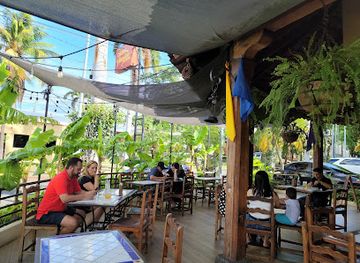
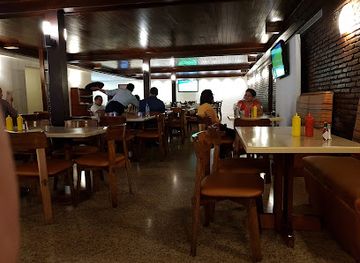
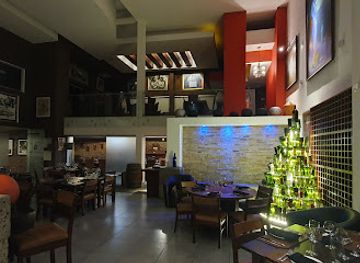
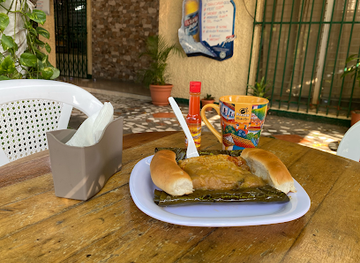
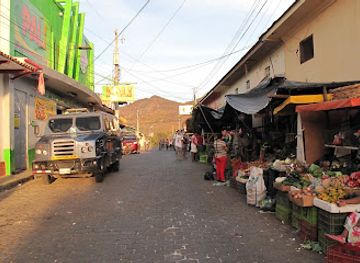
Dining in the Segovias is rooted in Nicaraguan highland cooking: corn tortillas, beans, rice, grilled meats, chicken soups, fresh cheese and seasonal vegetables are common across markets, cafés and family-run eateries. Estelí has the broadest choice, including casual restaurants, bakeries and places serving food alongside the town’s tobacco and commercial culture; Somoto and Ocotal offer more compact local scenes. In rural areas, meals may be arranged through farms, guesthouses or community tourism projects rather than selected from a lengthy menu. Coffee from the northern mountains is an important regional product, particularly around Nueva Segovia, and is often available alongside simple breakfasts and pastries. Markets are useful for fruit, dairy products and prepared snacks, while regional sweets and rosquillas, a baked corn-based speciality associated especially with northern Nicaragua, are widely encountered. Prices, menus and payment options vary considerably outside the main towns.
-
Nicaraguan
Cocina de Doña Haydée
Experience authentic Nicaraguan flavors at Cocina de Doña Haydée in Managua – where tradition meets taste!
-
Steak
Restaurante El Eskimo
Discover Restaurante El Eskimo in Managua - where succulent steaks meet vibrant flavors in an inviting atmosphere.
-
Restaurant
Los Ranchos
Experience exquisite Nicaraguan cuisine at Los Ranchos - a top-tier restaurant in Managua known for its vibrant atmosphere and exceptional service.
-
Steak
Restaurant Don Candido
Discover exquisite steaks and elegant dining at Restaurant Don Candido in Managua - a culinary gem for every meat lover.

Best bars in Segovias
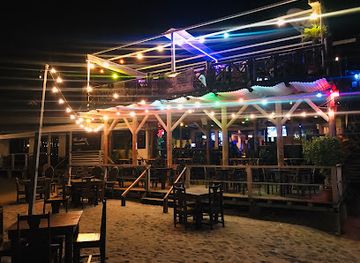
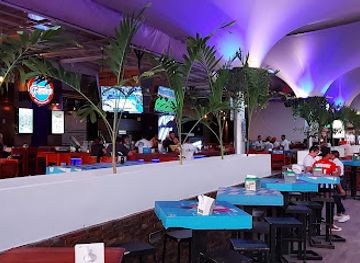
Evening life in the Segovias is concentrated in Estelí, with smaller-scale activity in Somoto and Ocotal. Estelí has the widest selection of traditional bars, casual restaurants, live-music settings and late-night venues, while the other towns tend to favour cafés, family establishments and straightforward bars near their central streets. In rural areas, nights are generally quiet and may centre on a guesthouse meal, a community event or conversation rather than organised nightlife. Local beer, rum-based drinks and coffee are widely available, but visitors should use reliable transport after dark and avoid accepting open drinks from strangers. Opening arrangements and venue status change, so accommodation staff are usually the best source of current information. The region’s evening culture is more social and town-based than club-oriented, with festivals and public celebrations adding occasional seasonal variety.
-
Bar
Iguana Bar
Experience the vibrant atmosphere of Iguana Bar in San Juan del Sur, where delicious food and tropical cocktails meet breathtaking sunsets.
-
Bar
Ron Kon Rolas
Experience the vibrant nightlife of Managua at Ron Kon Rolas, where live music and great drinks create unforgettable memories.
-
Bar
Famous Bar & Restaurante
Experience the lively atmosphere and delicious cuisine at Famous Bar & Restaurante in Estelí, where drinks and good times flow.
-
Bar
La Ventecita
Discover the vibrant flavors and inviting atmosphere of La Ventecita, a must-visit bar and restaurant in Managua, Nicaragua.

Best nightclubs in Segovias
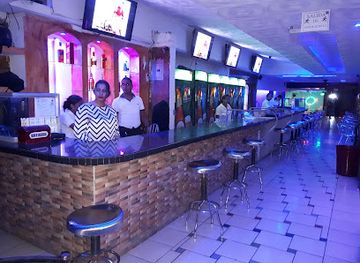
Evening life in the Segovias is concentrated in Estelí, with smaller-scale activity in Somoto and Ocotal. Estelí has the widest selection of traditional bars, casual restaurants, live-music settings and late-night venues, while the other towns tend to favour cafés, family establishments and straightforward bars near their central streets. In rural areas, nights are generally quiet and may centre on a guesthouse meal, a community event or conversation rather than organised nightlife. Local beer, rum-based drinks and coffee are widely available, but visitors should use reliable transport after dark and avoid accepting open drinks from strangers. Opening arrangements and venue status change, so accommodation staff are usually the best source of current information. The region’s evening culture is more social and town-based than club-oriented, with festivals and public celebrations adding occasional seasonal variety.
-
Disco club
Woods Lounge Bar
Discover the vibrant nightlife at Woods Lounge Bar in Matagalpa, where lively music and crafted cocktails create unforgettable memories.
-
Disco club
Dilectus
Discover Dilectus, Chinandega's ultimate disco club, where vibrant nightlife meets electrifying music and unforgettable experiences.
-
Disco club
El Chaman
Discover Managua's nightlife at El Chaman, a vibrant disco club offering a unique blend of music, dance, and local culture.
-
Disco club
Lounge BB Club
Lounge BB Club: Where Managua's nightlife pulses with energy, music, and unforgettable karaoke experiences.



Best shops in Segovias
Shopping in the Segovias is practical, local and closely tied to agriculture and craft production. Estelí has the region’s broadest selection of supermarkets, clothing shops, cafés, tobacco retailers and small independent businesses, while Somoto and Ocotal provide useful market-town shopping for food, household goods and regional produce. Coffee from Nueva Segovia, especially the highland areas around Dipilto and Jalapa, is one of the most appropriate gifts, provided it is bought from a reputable producer or shop. Estelí is also the principal place to enquire about cigars, although visitors should purchase from established businesses and be aware of customs rules when taking tobacco abroad. Madriz communities are known for pottery and other handmade goods, with styles and availability varying by town. Markets offer fruit, cheese, sweets, woven items and everyday Nicaraguan products; carry cash, compare quality and ask permission before photographing craftspeople or their work.
-
Shopping mall
Plaza Inter
Discover the vibrant shopping experience at Plaza Inter in Managua, featuring diverse shops, delightful dining, and family-friendly entertainment.
-
Shopping mall
Plaza La Fe
Explore Plaza La Fe in Managua, a lively shopping mall with diverse stores, dining options, and vibrant local culture perfect for tourists.
-
Supermarket
Palí Somoto
Explore Palí Somoto, the heart of local shopping in Somoto, Nicaragua, offering a rich selection of groceries and local flavors.
-
River
Somoto Canyon National Monument
Explore the stunning Somoto Canyon National Monument, a natural wonder in Nicaragua known for its breathtaking landscapes and outdoor adventures.

Get your free copy of our complete guide to Segovias, delivered straight to you.
Everything on this page, from attractions and restaurants to essentials and local phrases, in one PDF you can read offline, print or share.
Already have an account? Sign in
Your Segovias guide is ready.
We'll send it to · Not you? Sign out

Getting your guide ready…
We are putting together a fresh copy of the Segovias guide. This can take up to a minute.
This can take a few moments. If your browser asks, choose Allow so the download can start. You'll find the guide in your Downloads folder.
Nothing happened? Download it again
Sorry, the guide is taking longer than usual. Please try again in a minute, or get it by email instead.
Segovias essentials
Currency and Payment
Safety
Emergency Situations
Do's and Don'ts
Local Tips
From Eve
Local phrases worth knowing
You don't need to get them perfect. A few words go a long way, and locals appreciate the effort.
Basics
| English | Local | Say it |
|---|---|---|
| Hello | Hola | [Ola] |
| Goodbye | Adiós | [Adeeos] |
| Yes | Sí | [See] |
| No | No | [No] |
| Please/You're welcome | Por favor | [Por favor] |
| Thank you | Gracias | [Grah-sias] |
| Excuse me/Sorry | Disculpe | [Dees-kool-peh] |
| How are you? | ¿Cómo estás? | [Komo es-tas] |
| Fine. And you? | Bien. ¿Y tú? | [Bee-en. Ee too] |
| Do you speak English? | ¿Hablas inglés? | [A-blas een-gles] |
| I don't understand | No entiendo | [No en-tee-en-do] |
Eating & Drinking
| English | Local | Say it |
|---|---|---|
| I'd like to see the menu, please | Me gustaría ver el menú, por favor | [Me goo-stah-ree-ah ver el meh-noo, por fah-vor] |
| I don't eat meat | No como carne | [No koh-mo kar-neh] |
| Cheers! | ¡Salud! | [Sah-lood] |
| I would like to pay, please | Me gustaría pagar, por favor | [Me goo-stah-ree-ah pah-gar, por fah-vor] |
Emergencies
| English | Local | Say it |
|---|---|---|
| Help! | ¡Ayuda! | [A-yoo-da] |
| Go away! | ¡Vete! | [Veh-teh] |
| Call the Police! | ¡Llama a la policía! | [Ya-ma a la po-li-see-a] |
| Call a doctor! | ¡Llama a un doctor! | [Ya-ma a un dok-tor] |
| I'm lost | Estoy perdido | [Es-toy per-dee-do] |
| I'm ill | Estoy enfermo/a | [Es-toy en-fer-mo/a] |
Shopping
| English | Local | Say it |
|---|---|---|
| I'd like to buy... | Me gustaría comprar... | [Me goo-stah-ree-ah kom-prar] |
| I'm just looking | Solo estoy mirando | [So-lo es-toy mee-ran-do] |
| How much is it? | ¿Cuánto cuesta? | [Kwan-to kwes-ta] |
| That's too expensive | Eso es muy caro | [Eh-so es mooy ka-ro] |
| Can you lower the price? | ¿Puedes bajar el precio? | [Pwe-des ba-har el pre-syo] |
Time & Numbers
| English | Local | Say it |
|---|---|---|
| What time is it? | ¿Qué hora es? | [Ke o-ra es] |
| It's one o'clock | Es la una | [Es la oo-na] |
| Half past (10) | Y media (10) | [Ee me-dia (10)] |
| Morning | Mañana | [Ma-nya-na] |
| Afternoon | Tarde | [Tar-deh] |
| Evening | Noche | [No-che] |
| Yesterday | Ayer | [A-yer] |
| Today | Hoy | [Oy] |
| Tomorrow | Mañana | [Ma-nya-na] |
| 1 | Uno | [Oo-no] |
| 2 | Dos | [Dos] |
| 3 | Tres | [Tres] |
| 4 | Cuatro | [Kwah-tro] |
| 5 | Cinco | [Seen-ko] |
| 6 | Seis | [Sace] |
| 7 | Siete | [See-eh-te] |
| 8 | Ocho | [O-cho] |
| 9 | Nueve | [Nwe-veh] |
| 10 | Diez | [Dyez] |
Transport & Directions
| English | Local | Say it |
|---|---|---|
| Where's a/the...? | ¿Dónde está un/una ...? | [Don-de es-ta un/una ...] |
| What's the address? | ¿Cuál es la dirección? | [Kwal es la dee-rek-syon] |
| Can you show me (on the map)? | ¿Puedes mostrarme (en el mapa)? | [Pwe-des mos-trar-me (en el ma-pa)] |
| When's the next (bus)? | ¿Cuándo es el próximo (autobús)? | [Kwan-do es el prok-si-mo (au-to-boos)] |
| A ticket (to ....) | Un boleto (a ...) | [Un bo-le-to (a ...)] |
History of Segovias
Indigenous Northern Highlands Before Spanish Rule
Before Spanish colonisation, the northern Nicaraguan highlands were inhabited by several Indigenous communities, including Matagalpa-speaking peoples and communities associated with the Chorotega cultural sphere in parts of the west. Farming, hunting, exchange and movement through the mountain valleys connected the area to neighbouring parts of Honduras and central Nicaragua. Archaeological evidence and continuing craft and community traditions provide reminders that the Segovias were not an empty frontier awaiting settlement, but a lived-in highland region with its own social and economic networks.
The Founding of Nueva Segovia in the Sixteenth Century
Spanish colonisation established settlements associated with Nueva Segovia during the sixteenth century, linked to the search for land, labour and mineral wealth in the northern interior. The original colonial town was repeatedly affected by frontier insecurity and difficult communications, and the settlement history eventually produced Ciudad Antigua and later Nueva Segovia’s modern administrative centre, Ocotal. Churches, street plans and local traditions preserve elements of this colonial past, although the region’s historical identity also reflects Indigenous continuity and later migration.
Mining, Cattle and Frontier Trade
From the colonial era into the nineteenth century, gold mining, cattle raising and agricultural production helped connect the Segovias to wider commercial networks. Mining activity was particularly important in parts of Nueva Segovia, while ranching and subsistence farming shaped the valleys around Estelí and Madriz. The region’s proximity to Honduras encouraged movement and informal as well as formal trade, but also contributed to its reputation as a remote and contested frontier. These economic patterns helped establish the dispersed settlements and transport routes that travellers encounter today.
Coffee and Highland Agriculture in the Nineteenth and Twentieth Centuries
After Nicaragua’s independence, expanding export agriculture transformed the northern highlands. Coffee became important in the cooler and more elevated areas of Nueva Segovia and Madriz, while maize, beans, cattle and other crops remained central to household and regional economies. Roads and commercial links gradually strengthened the connections between mountain farms and towns such as Ocotal, Estelí and Somoto. Coffee production continues to shape the landscape, especially around the Dipilto and Jalapa highlands, where farms occupy slopes between pine forest and cultivated land.
Estelí Tobacco and the Rise of a Manufacturing Identity
Tobacco cultivation and cigar production became increasingly associated with Estelí during the twentieth century, particularly as Nicaragua’s northern valleys offered suitable agricultural conditions and the town developed as a manufacturing and trading centre. The industry has been influenced by regional expertise, migration and changing political circumstances, including the movement of Cuban cigar makers and producers after the Cuban Revolution. Today, tobacco workshops and factories are an important part of Estelí’s economy and public identity, although the wider region remains agriculturally diverse.
Sandino and the Northern Resistance, 1927–1934
The Segovias became a major theatre of the conflict between Augusto C. Sandino’s forces and the United States occupation of Nicaragua in the late 1920s and early 1930s. Mountainous terrain, cross-border routes and dispersed settlements allowed Sandino’s army to operate from the northern interior. Estelí and surrounding highlands were repeatedly drawn into the conflict, which left a powerful political and historical legacy in Nicaragua. Sandino was not born in the Segovias, but the region is central to the memory of his armed resistance and its relationship with rural communities.
War, Reconstruction and Contemporary Segovias
The northern borderlands were again heavily affected by political violence during the 1980s, when the Contra war brought military activity, displacement and economic disruption to communities across the Segovias. Since the peace process and demobilisation of the early 1990s, Estelí has developed as a regional commercial and manufacturing centre, while coffee, tobacco, livestock, crafts and nature tourism have supported other areas. The legacy of conflict remains part of local memory, but contemporary travel is more often shaped by agriculture, conservation and cross-border commerce.
Segovias in Photos
Browse through our photo collection highlighting the charm and character of the destination.
Neighbouring regions of Segovias
The closest regions to Segovias, if you have time for more than one.
-

-

-

-

-


Swipe for more regions
Explore more
Explore more of Nicaragua
Discover Nicaragua: Explore breathtaking lakes, active volcanoes, colonial cities, and pristine beaches in a country rich with culture and adventure.
Explore Nicaragua