

Jinotega Mountains, Nicaragua Travel Guide
Discover the serene beauty of the Jinotega Mountains in Nicaragua, a haven for nature lovers and coffee enthusiasts, offering stunning landscapes and rich cultural experiences.
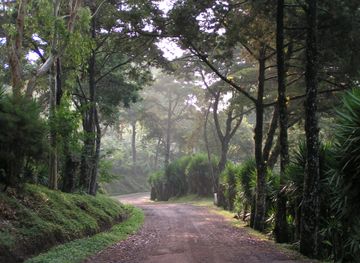
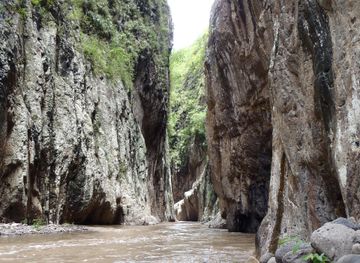
Nestled in the northern region of Nicaragua, the Jinotega Mountains offer a serene escape into nature. This region is a paradise for hikers, bird watchers, and those seeking a peaceful retreat. The lush, green mountains are dotted with coffee plantations, making it a perfect destination for coffee enthusiasts. The aroma of fresh coffee fills the air, adding to the charm of this picturesque landscape. The town of Jinotega, often referred to as 'The City of Mists,' serves as the gateway to these majestic mountains. Its cool climate and friendly locals make it a welcoming place to start your adventure. Explore the local markets, where you can find handmade crafts and fresh produce. Don't miss the opportunity to visit the nearby Lake Apanas, where you can enjoy boating and fishing surrounded by stunning mountain views. For those who love wildlife, the Jinotega Mountains do not disappoint. The region is home to a variety of bird species, making it a haven for bird watchers. You might even spot a quetzal, one of the most beautiful birds in Central America. The natural beauty, combined with the rich cultural heritage of the area, makes the Jinotega Mountains a must-visit destination in Nicaragua.

Know before you go
Hi, I'm Eve. Here are a few practical things to know before exploring Jinotega Mountains.
- Pack warm clothing as the climate can be cooler than the rest of Nicaragua, especially in the evenings.
- Visit local coffee plantations for a guided tour to learn about the coffee-making process and enjoy fresh samples.
- Bring binoculars for bird watching; the region is home to many unique bird species.
- Explore the local markets in the town of Jinotega for handmade crafts and fresh produce.
- Don't miss a trip to Lake Apanas for boating and fishing with stunning mountain views.
Top City Travel Guides in Jinotega Mountains
The cities of Jinotega Mountains, and the easiest places to base yourself.


Destinations in Jinotega Mountains
Resorts, valleys and scenic spots worth a trip of their own.



Explore Jinotega Mountains: Things to Do, Places to Eat, Hotels & More
Handpicked recommendations for top attractions, local dining, accommodations, and more

Top Attractions & Sightseeing in Jinotega Mountains
Top-rated picks
Best Attractions

Selva Negra
Discover the beauty of Selva Negra, a resort hotel blending luxury with nature in the heart of Matagalpa, Nicaragua.

Mirador Calvary
Discover the stunning views of Matagalpa from Mirador Calvary, a must-visit tourist attraction in Nicaragua offering peace and breathtaking landscapes.

Cascada La Bujona
Explore the serene beauty of Cascada La Bujona, a stunning waterfall in Jinotega, Nicaragua, perfect for nature lovers and adventurers alike.

Mirador Los Papales
Discover the breathtaking views and serene atmosphere at Mirador Los Papales, an essential observation deck in Jinotega, Nicaragua.

Best landmarks in Jinotega Mountains
Top-rated picks
Best Landmarks
Selva Negra
Experience the tranquility of Selva Negra, an enchanting resort in Matagalpa, blending nature, comfort, and cultural richness for an unforgettable getaway.

Mirador Calvary
Experience stunning vistas and serene hikes at Mirador Calvary, a picturesque viewpoint in the heart of Matagalpa, Nicaragua, perfect for nature lovers.

Mirador Mi Montañita
Experience exquisite local cuisine with breathtaking mountain views at Mirador Mi Montañita, a must-visit restaurant in Nicaragua.

Peña de La Cruz
Discover the breathtaking beauty of Peña de La Cruz in Jinotega, Nicaragua, where nature and culture converge for an unforgettable experience.

Best restaurants in Jinotega Mountains
Top-rated picks
Best Restaurants

Eco-Lodge Cascada Blanca
Experience nature's beauty at Eco-Lodge Cascada Blanca—where adventure meets tranquility in Nicaragua's lush landscape.

Soda El Tico
Experience authentic Nicaraguan cuisine at Soda El Tico in Jinotega – where flavor meets hospitality.

Selva Negra Ecolodge
Discover the enchanting Selva Negra Ecolodge – where nature meets authentic German cuisine amidst Nicaragua's breathtaking landscapes.

Mirador Mi Montañita
Experience breathtaking views and delightful local cuisine at Mirador Mi Montañita - Nicaragua's hidden culinary treasure.

Best bars in Jinotega Mountains
Top-rated picks
Best Bars

Soda El Tico
Discover the authentic tastes of Nicaragua at Soda El Tico in Jinotega, where every dish tells a story.

Woods Lounge Bar
Dive into the vibrant nightlife of Matagalpa at Woods Lounge Bar, where dance, music, and unforgettable experiences await every night.

Hotel Café
Experience the serene beauty of Jinotega at Hotel Café, a hidden gem offering comfort, local flavors, and stunning mountain views.

La Terraza Café Lounge
Discover the beauty of Jinotega at La Terraza Café Lounge, where stunning views meet delicious local flavors in a cozy atmosphere.

Best nightclubs in Jinotega Mountains
Top-rated picks
Best Nightclubs

Soda El Tico
Experience authentic Nicaraguan flavors at Soda El Tico, a beloved restaurant in Jinotega, where hospitality meets delicious local cuisine.

Woods Lounge Bar
Discover the heart of Matagalpa's nightlife at Woods Lounge Bar, where great music and delicious cocktails await you.
Eco Hostel La Fundadora
Discover the eco-friendly vibe at Eco Hostel La Fundadora, where comfort meets sustainability in the heart of Nicaragua.

Jinocuba
Experience the vibrant nightlife and local culture at Jinocuba, the must-visit bar in Jinotega, Nicaragua.

Best shops in Jinotega Mountains
Top-rated picks
Best Shops

Mirador de Catarina
Experience unparalleled beauty at the Mirador de Catarina, an iconic observatory with sweeping views of Lake Cocibolca and lush landscapes.

Mirador Calvary
Experience stunning vistas and local culture at Mirador Calvary, a must-visit viewpoint in the heart of Matagalpa, Nicaragua.

Waterfall Moon
Experience the stunning waterfalls and natural beauty of Waterfall Moon, a must-visit park in La Empresa, Nicaragua.

Burger Factory Nicaragua
Discover Burger Factory Nicaragua: a culinary haven in Matagalpa serving gourmet burgers and local coffee in a cozy, inviting atmosphere.

Explore Jinotega Mountains on the Map
A handpicked selection of must-see spots in Jinotega Mountains, mapped for you.
Jinotega Mountains Essentials
-
Jinotega Mountains are located in the northern part of Nicaragua. The nearest major city is Managua, where Augusto C. Sandino International Airport (MGA) is situated. From Managua, you can take a bus or hire a car to reach Jinotega. The journey by road typically takes around 3 to 4 hours, depending on traffic and weather conditions. Buses are available from the Mayoreo Bus Terminal in Managua to Jinotega. Alternatively, private shuttles and taxis can be arranged for a more comfortable trip.
-
Once in Jinotega, you can get around by local buses, taxis, or on foot. Local buses are an affordable option and connect the main town with surrounding villages. Taxis are also available and can be negotiated for day trips or specific destinations. For those who prefer flexibility, renting a car is a viable option, but be prepared for some unpaved roads in more remote areas. Walking is an excellent way to explore the town of Jinotega itself, with most attractions within a reasonable distance.
-
The official currency in Nicaragua is the Nicaraguan Córdoba (NIO). While some establishments in Jinotega accept credit cards, it is advisable to carry cash, especially for smaller shops, markets, and rural areas. ATMs are available in Jinotega town, but it is wise to withdraw sufficient cash in Managua to cover your expenses. U.S. dollars are also widely accepted, but ensure you have smaller denominations for easier transactions.
-
Jinotega is generally considered safe for tourists, but it is always important to take standard precautions. Avoid walking alone at night in less populated areas and keep an eye on your belongings in crowded places. While the town of Jinotega is relatively safe, it is recommended to stay vigilant, especially in more remote areas. Always check with locals or your accommodation for updated information on safety and avoid any known high-crime areas.
-
In case of emergency, dial 118 for police assistance or 128 for medical emergencies. Jinotega has a local hospital and several clinics where you can seek medical help. It is advisable to have travel insurance that covers medical emergencies and evacuation. Pharmacies are available in the town for over-the-counter medications. For more serious health issues, you may need to travel to a larger medical facility in Managua.
-
Fashion: Do dress modestly, especially when visiting religious sites or rural communities. Avoid wearing overly revealing clothing. Religion: Do respect local customs and traditions. When entering churches or participating in religious events, dress conservatively and behave respectfully. Public Transport: Do be courteous and give up your seat to elderly passengers. Avoid eating or drinking on public transport. Greetings: Do greet people with a handshake and a friendly smile. A slight nod or bow of the head is also a sign of respect. Eating & Drinking: Do try local dishes and accept food offerings graciously. Don't refuse hospitality, as it is considered impolite.
-
To experience Jinotega Mountains like a local, visit the local markets where you can buy fresh produce and traditional Nicaraguan goods. Engage with locals, as they are often friendly and willing to share stories about the region's history and culture. Don't miss exploring the coffee farms, as Jinotega is known for its high-quality coffee. For a unique experience, hike to the top of Peña de la Cruz for breathtaking views of the surrounding mountains and valleys.
When is the best time to visit Jinotega Mountains?
Useful Local Phrases for Jinotega Mountains
You don't need to speak the language perfectly. Even learning a few simple words can make conversations warmer—and locals usually appreciate the effort.
— Eve

Here are the phrases I use most often in Jinotega Mountains. Try a few—you'll be surprised how far they go! 😊
❤️
-
- HelloHola
[Oh-lah] - GoodbyeAdiós
[Ah-dee-ohs] - YesSí
[See] - NoNo
[No] - Please/You're welcomePor favor
[Por fah-vor] - Thank youGracias
[Grah-see-as] - Excuse me/SorryDisculpe
[Dees-kool-peh] - How are you?¿Cómo estás?
[Koh-moh es-tahs] - Fine. And you?Bien. ¿Y tú?
[Bee-en. Ee too] - Do you speak English?¿Hablas inglés?
[Ah-blahs een-glays] - I don't understandNo entiendo
[No en-tyen-do]
- HelloHola
-
- I'd like to see the menu, pleaseMe gustaría ver el menú, por favor
[Meh goos-tah-ree-ah vehr el meh-noo, por fah-vor] - I don't eat meatNo como carne
[No koh-mo kar-neh] - Cheers!¡Salud!
[Sah-lood] - I would like to pay, pleaseQuisiera pagar, por favor
[Kee-syeh-rah pah-gar, por fah-vor]
- I'd like to see the menu, pleaseMe gustaría ver el menú, por favor
-
- Help!¡Ayuda!
[Ah-yoo-dah] - Go away!¡Vete!
[Veh-teh] - Call the Police!¡Llama a la policía!
[Yah-mah ah lah poh-lee-see-ah] - Call a doctor!¡Llama a un doctor!
[Yah-mah ah oon dok-tor] - I'm lostEstoy perdido
[Es-toy per-dee-do] - I'm illEstoy enfermo
[Es-toy en-fair-mo]
- Help!¡Ayuda!
-
- I'd like to buy...Me gustaría comprar...
[Meh goos-tah-ree-ah kom-prar] - I'm just lookingSolo estoy mirando
[Soh-lo es-toy mee-ran-do] - How much is it?¿Cuánto cuesta?
[Kwan-toh kwes-tah] - That's too expensiveEs muy caro
[Es moo-ee kah-roh] - Can you lower the price?¿Puedes bajar el precio?
[Pweh-des bah-har el preh-syo]
- I'd like to buy...Me gustaría comprar...
-
- What time is it?¿Qué hora es?
[Ke or-ah es] - It's one o'clockEs la una
[Es lah oo-nah] - Half past (10)Y diez y media
[Ee dyez ee meh-dee-ah] - MorningMañana
[Mahn-yah-nah] - AfternoonTarde
[Tar-deh] - EveningNoche
[Noh-cheh] - YesterdayAyer
[Ah-yer] - TodayHoy
[Oy] - TomorrowMañana
[Mahn-yah-nah] - 1Uno
[Oo-no] - 2Dos
[Dohs] - 3Tres
[Tres] - 4Cuatro
[Kwah-tro] - 5Cinco
[Seen-koh] - 6Seis
[Says] - 7Siete
[Syet-eh] - 8Ocho
[Oh-choh] - 9Nueve
[Nweh-veh] - 10Diez
[Dyez]
- What time is it?¿Qué hora es?
-
- Where's a/the...?¿Dónde está el...?
[Don-deh es-tah el] - What's the address?¿Cuál es la dirección?
[Kwahl es lah dee-rek-syon] - Can you show me (on the map)?¿Puedes mostrarme (en el mapa)?
[Pweh-des mos-trar-me (en el mah-pah)] - When's the next (bus)?¿Cuándo es el próximo (bus)?
[Kwan-do es el prok-see-mo (boos)] - A ticket (to ....)Un boleto (a ...)
[Oon bo-leh-toh (ah ...)]
- Where's a/the...?¿Dónde está el...?
History of Jinotega Mountains
-
Long before the arrival of the Spanish, the Jinotega Mountains were inhabited by indigenous tribes such as the Matagalpa and Jinotega peoples. These tribes were skilled agriculturists and hunters who developed complex societies. Evidence of their existence can be found in ancient petroglyphs and archaeological sites scattered throughout the region.
-
In the early 16th century, Spanish explorers arrived in Nicaragua, marking the beginning of a new era for the Jinotega region. The Spanish colonizers established settlements and began exploiting the area's natural resources. The indigenous populations were subjected to forced labor and harsh conditions, leading to significant cultural and demographic shifts.
-
The late 19th and early 20th centuries saw a dramatic transformation in the Jinotega Mountains with the advent of coffee cultivation. The region's fertile soil and favorable climate made it an ideal location for coffee plantations. This period brought economic prosperity but also introduced social changes, including the displacement of indigenous communities and the rise of a landowning elite.
-
The Jinotega Mountains played a significant role during the Sandinista Revolution of the 1970s and 1980s. The rugged terrain provided a natural stronghold for Sandinista guerrilla fighters. The local population was deeply affected by the conflict, with many joining the revolutionary cause or being caught in the crossfire. The legacy of this period is still evident in the region's political and social landscape.
-
Today, the Jinotega Mountains are a testament to the region's rich cultural heritage. Traditional crafts, music, and dance continue to thrive, reflecting a blend of indigenous and Spanish influences. Festivals and local markets offer a glimpse into the vibrant culture of the Jinotega people, making it a unique destination for travelers seeking an immersive experience.
Neighbouring Regions of Jinotega Mountains
The closest regions to Jinotega Mountains, if you have time for more than one.



Your all‑in‑one travel companion app
Explore expert travel guides, compare and book tours, experiences, hotels, and more—all from the palm of your hand. Download now for seamless trip planning wherever your wanderlust takes you.


Explore More of Nicaragua
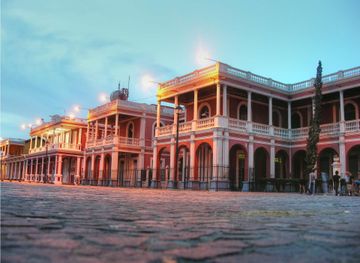
Looking beyond Jinotega Mountains? Discover Nicaragua for broader travel guides, local hot-spots, and regional highlights.
Explore NicaraguaJinotega Mountains in Photos
Browse through our photo collection highlighting the charm and character of the destination.


The Enchanting Jinotega Mountains
Nestled in the northern region of Nicaragua, the Jinotega Mountains offer a serene escape into nature. This region is a paradise for hikers, bird watchers, and those seeking a peaceful retreat. The lush, green mountains are dotted with coffee plantations, making it a perfect destination for coffee enthusiasts. The aroma of fresh coffee fills the air, adding to the charm of this picturesque landscape. The town of Jinotega, often referred to as 'The City of Mists,' serves as the gateway to these majestic mountains. Its cool climate and friendly locals make it a welcoming place to start your adventure. Explore the local markets, where you can find handmade crafts and fresh produce. Don't miss the opportunity to visit the nearby Lake Apanas, where you can enjoy boating and fishing surrounded by stunning mountain views. For those who love wildlife, the Jinotega Mountains do not disappoint. The region is home to a variety of bird species, making it a haven for bird watchers. You might even spot a quetzal, one of the most beautiful birds in Central America. The natural beauty, combined with the rich cultural heritage of the area, makes the Jinotega Mountains a must-visit destination in Nicaragua.