

Estelí Plateau, Nicaragua Travel Guide
Discover the refreshing highlands of the Estelí Plateau, where natural beauty meets cultural richness in Nicaragua's northern region.
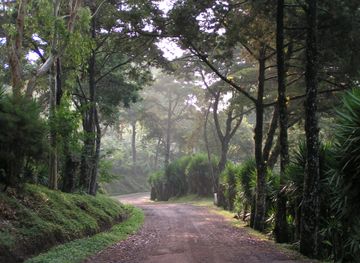
Nestled in the northern highlands of Nicaragua, the Estelí Plateau offers a unique blend of natural beauty and cultural richness. This elevated region is known for its cooler climate, making it a refreshing escape from the tropical heat that characterizes much of the country. The plateau is surrounded by lush forests, rolling hills, and fertile valleys, providing a stunning backdrop for all sorts of outdoor adventures. The town of Estelí itself is a vibrant hub of activity, with a rich history and a thriving local culture. Visitors can explore the colorful markets, where artisans sell handcrafted goods, or visit one of the many tobacco farms that produce some of the finest cigars in the world. The town is also home to several museums and galleries that showcase the region's history and artistic heritage. Nature lovers will find plenty to do in the surrounding areas. The Miraflor Natural Reserve is a must-visit, offering hiking trails that wind through cloud forests, past waterfalls, and into open meadows where you can spot a variety of wildlife. For those interested in adventure sports, the plateau provides excellent conditions for rock climbing, zip-lining, and bird watching. With its combination of natural splendor and cultural charm, the Estelí Plateau is a destination that promises an enriching and memorable experience.

Know before you go
Hi, I'm Eve. Here are a few practical things to know before exploring Estelí Plateau.
- Bring a light jacket; the highland climate can be cooler than expected.
- Visit the local markets early in the morning for the freshest produce and best handicrafts.
- Hire a local guide for the best experience in the Miraflor Natural Reserve.
- Try the local cuisine, especially dishes featuring fresh, organic ingredients from the plateau.
Top City Travel Guides in Estelí Plateau
The cities of Estelí Plateau, and the easiest places to base yourself.

Destinations in Estelí Plateau
Resorts, valleys and scenic spots worth a trip of their own.


Explore Estelí Plateau: Things to Do, Places to Eat, Hotels & More
Handpicked recommendations for top attractions, local dining, accommodations, and more

Top Attractions & Sightseeing in Estelí Plateau
Top-rated picks
Best Attractions

Reserva Natural Tisey-La Estanzuela
Explore the breathtaking landscapes of Reserva Natural Tisey-La Estanzuela, a nature preserve in Nicaragua bursting with diverse flora and fauna.

Salto de Estanzuela
Explore the captivating Salto de Estanzuela, a stunning nature preserve in Nicaragua featuring breathtaking waterfalls and vibrant wildlife.

Laguna La Bruja
Explore the natural beauty of Laguna La Bruja, a serene lagoon in San Antonio, Nicaragua, perfect for relaxation, adventure, and unforgettable memories.

Esculturas en piedra "Don Alberto Gutierrez"
Explore the captivating stone sculptures of Don Alberto Gutierrez in Nicaragua's Reserva Tisey, where art meets nature in a breathtaking display.

Best landmarks in Estelí Plateau
Top-rated picks
Best Landmarks

Plaza Parque Domingo Gadea
Experience the serene charm of Plaza Parque Domingo Gadea, a vibrant park in Estelí, perfect for relaxation and cultural immersion.

Reserva Natural Tisey-La Estanzuela
Discover the breathtaking landscapes and rich biodiversity of Reserva Natural Tisey-La Estanzuela, a top nature preserve in Nicaragua.

Hotel Hex Estelí
Discover the charm of Estelí at Hotel Hex, your perfect base for exploring Nicaragua’s vibrant culture and stunning landscapes.
Apart Hotel Acuarious de Luis
Discover the charm and comfort of Apart Hotel Acuarious de Luis in Estelí, a perfect base for exploring Nicaragua's rich culture and breathtaking landscapes.

Best restaurants in Estelí Plateau
Top-rated picks
Best Restaurants

Cafetín y Lácteos El Quesito
Experience authentic Nicaraguan cuisine at Cafetín y Lácteos El Quesito in Estelí - where tradition meets flavor.

Salsa 's Kayro
Discover the ultimate chicken wing experience at Salsa's Kayro in Esteli, Nicaragua - where flavor meets fun in every bite!

Rostipollos Esteli
Discover the taste of Nicaragua at Rostipollos Esteli – where succulent rotisserie chicken meets vibrant local culture.

Trattorí Pizzería L’ Italiano
Experience authentic Italian flavors in Estelí at Trattorí Pizzería L’ Italiano – where every dish tells a story.

Best bars in Estelí Plateau
Top-rated picks
Best Bars

Famous Bar & Restaurante
Experience the lively ambiance and authentic flavors at Famous Bar & Restaurante in Estelí, Nicaragua, where every visit is a celebration of local culture.

Restaurante La Terraza Colombiana
Experience the vibrant flavors of Colombian cuisine at Restaurante La Terraza Colombiana in Estelí, a must-visit for food lovers.

Bliss Lounge
Discover Bliss Lounge: Your go-to spot for lively drinks and vibrant nightlife in Estelí, Nicaragua.

Vivewin
Experience the vibrant nightlife of Estelí at Vivewin, a lively bar serving up local drinks and a welcoming atmosphere.

Best nightclubs in Estelí Plateau
Top-rated picks
Best Nightclubs

Famous Bar & Restaurante
Experience the vibrant nightlife of Estelí at Famous Bar & Restaurante, where great drinks and lively atmosphere await every visitor.

Bliss Lounge
Experience the vibrant nightlife at Bliss Lounge in Estelí, a bar known for its energetic atmosphere and creative cocktails.

Axis
Discover Estelí's nightlife at Axis Disco Club, where vibrant music and an energetic atmosphere create unforgettable evenings.

Sky 44
Experience the vibrant nightlife at Sky 44, a premier disco club in Nicaragua, perfect for dancing and meeting new friends.

Best shops in Estelí Plateau
Top-rated picks
Best Shops

Las Segovias Supermarket
Explore Las Segovias Supermarket in Estelí for a taste of local flavors, fresh produce, and a vibrant shopping experience in Nicaragua.

Reserva Natural Tisey-La Estanzuela
Explore the diverse ecosystems and breathtaking landscapes of Reserva Natural Tisey-La Estanzuela, a hidden gem in Nicaragua's natural beauty.
Apart Hotel Acuarious de Luis
Experience the perfect blend of comfort, culture, and local charm at Apart Hotel Acuarious de Luis in the heart of Estelí, Nicaragua.
Casa Vínculos
Experience the beauty and culture of Estelí at Casa Vínculos, a serene hotel offering comfort and local artisan charm.

Explore Estelí Plateau on the Map
A handpicked selection of must-see spots in Estelí Plateau, mapped for you.
Estelí Plateau Essentials
-
Estelí Plateau is accessible primarily through Managua, the capital of Nicaragua. The nearest major airport is Augusto C. Sandino International Airport in Managua, about 150 kilometers away. From Managua, you can take a bus or a private shuttle to Estelí. The bus journey takes approximately 2.5 to 3 hours, and there are several daily departures from the Mercado Mayoreo bus terminal. Alternatively, you can rent a car and drive to Estelí, which offers the flexibility to explore the region at your own pace.
-
Once in Estelí, you can get around by local buses, taxis, or on foot. Local buses are the most economical option and connect different parts of the city and nearby villages. Taxis are readily available and relatively inexpensive; however, it is advisable to agree on a fare before starting your journey. For those wanting more freedom, renting a car is also an option, though driving conditions can be challenging in more remote areas.
-
The official currency in Nicaragua is the Nicaraguan Córdoba (NIO). Credit cards are accepted in most hotels, restaurants, and larger stores in Estelí, but it is advisable to carry cash for smaller establishments and markets. ATMs are available in the city, but it is recommended to withdraw sufficient cash in Managua before heading to more rural areas, where ATMs might be scarce.
-
Estelí is generally a safe destination for tourists, but it is important to take standard precautions. Avoid walking alone at night in unfamiliar areas and keep an eye on your belongings in crowded places such as markets. While Estelí does not have specific high-crime areas targeting tourists, staying vigilant and aware of your surroundings is always wise.
-
In case of an emergency, dial 118 for police assistance or 128 for medical emergencies. Estelí has a local police station and several medical facilities, including the Estelí Regional Hospital. It is recommended to have travel insurance that covers medical emergencies. For minor health issues, there are numerous pharmacies in the city where you can purchase over-the-counter medications.
-
Fashion: Do dress modestly, especially when visiting religious or rural areas. Avoid wearing revealing clothing. Religion: Do respect local customs and traditions, and be mindful when visiting churches or participating in religious events. Public Transport: Do be respectful and give up your seat to elderly passengers. Don't eat or drink on public transport. Greetings: Do greet people with a handshake and a friendly smile. A slight nod of the head is also a sign of respect. Eating & Drinking: Do try local delicacies and accept food offerings graciously. Don't refuse hospitality, as it is considered impolite.
-
To experience Estelí Plateau like a local, visit the local markets, such as Mercado Central, where you can buy fresh produce and traditional Nicaraguan goods. Engage with locals, as they are often friendly and willing to share stories about the region's history and culture. Don't miss visiting the Tisey Estanzuela Natural Reserve for breathtaking landscapes and the cigar factories, which are a significant part of Estelí's economy and culture. For a unique experience, take a guided tour of local coffee plantations and learn about the coffee production process from bean to cup.
When is the best time to visit Estelí Plateau?
Useful Local Phrases for Estelí Plateau
You don't need to speak the language perfectly. Even learning a few simple words can make conversations warmer—and locals usually appreciate the effort.
— Eve

Here are the phrases I use most often in Estelí Plateau. Try a few—you'll be surprised how far they go! 😊
❤️
-
- HelloHola
[OH-lah] - GoodbyeAdiós
[ah-DYOS] - YesSí
[SEE] - NoNo
[NO] - Please/You're welcomePor favor/De nada
[por fah-VOR/deh NAH-dah] - Thank youGracias
[GRAH-syahs] - Excuse me/SorryDisculpe/Lo siento
[dees-KOOL-peh/loh SYEN-toh] - How are you?¿Cómo está?
[KOH-moh es-TAH] - Fine. And you?Bien. ¿Y usted?
[BYEN. ee oos-TED] - Do you speak English?¿Habla inglés?
[AH-blah een-GLES] - I don't understandNo entiendo
[NO en-TYEN-doh]
- HelloHola
-
- I'd like to see the menu, pleaseMe gustaría ver el menú, por favor
[meh goo-stah-REE-ah ver el meh-NOO, por fah-VOR] - I don't eat meatNo como carne
[NO KOH-moh KAR-neh] - Cheers!¡Salud!
[sah-LOOD] - I would like to pay, pleaseMe gustaría pagar, por favor
[meh goo-stah-REE-ah pah-GAR, por fah-VOR]
- I'd like to see the menu, pleaseMe gustaría ver el menú, por favor
-
- Help!¡Ayuda!
[ah-YOO-dah] - Go away!¡Vete!
[VEH-teh] - Call the Police!¡Llame a la policía!
[YAH-meh ah lah poh-lee-SEE-ah] - Call a doctor!¡Llame a un doctor!
[YAH-meh ah oon dok-TOR] - I'm lostEstoy perdido
[es-TOY pehr-DID-oh] - I'm illEstoy enfermo
[es-TOY en-FER-mo]
- Help!¡Ayuda!
-
- I'd like to buy...Me gustaría comprar...
[meh goo-stah-REE-ah kom-PRAR] - I'm just lookingSolo estoy mirando
[SO-lo es-TOY mee-RAN-doh] - How much is it?¿Cuánto cuesta?
[KWAN-toh KWES-tah] - That's too expensiveEso es muy caro
[EH-so es moo-ee KAH-roh] - Can you lower the price?¿Puede bajar el precio?
[PWEH-deh bah-HAR el PREH-syoh]
- I'd like to buy...Me gustaría comprar...
-
- What time is it?¿Qué hora es?
[KEH OH-rah es] - It's one o'clockEs la una
[es lah OO-nah] - Half past (10)Y diez y media
[ee DYAYS ee MEH-dee-ah] - MorningMañana
[mah-NYAH-nah] - AfternoonTarde
[TAR-deh] - EveningNoche
[NO-cheh] - YesterdayAyer
[ah-YER] - TodayHoy
[OY] - TomorrowMañana
[mah-NYAH-nah] - 1Uno
[OO-no] - 2Dos
[DOS] - 3Tres
[TRES] - 4Cuatro
[KWAT-roh] - 5Cinco
[SEEN-koh] - 6Seis
[SAYS] - 7Siete
[SYEH-teh] - 8Ocho
[OH-choh] - 9Nueve
[NWEH-beh] - 10Diez
[DYAYS]
- What time is it?¿Qué hora es?
-
- Where's a/the...?¿Dónde está un/los...?
[DON-deh es-TAH oon/LOHS] - What's the address?¿Cuál es la dirección?
[KWAL es lah dee-rek-SYON] - Can you show me (on the map)?¿Me puede mostrar (en el mapa)?
[meh PWEH-deh mohs-TRAR (en el MAH-pah)] - When's the next (bus)?¿Cuándo es el próximo (bus)?
[KWAN-doh es el PROK-see-mo (boos)] - A ticket (to ....)Un boleto (a ....)
[oon boh-LEH-toh (ah ....)]
- Where's a/the...?¿Dónde está un/los...?
History of Estelí Plateau
-
The Estelí Plateau has been inhabited for thousands of years, originally by indigenous tribes such as the Chorotega and Matagalpa peoples. These groups were skilled in agriculture, pottery, and weaving. Archaeological finds, including petroglyphs and ancient artifacts, provide a glimpse into their rich cultural heritage and advanced societal structures.
-
In the early 16th century, the Spanish arrived in Nicaragua, significantly impacting the indigenous societies of the Estelí Plateau. The area became part of the Spanish colonial empire, leading to the establishment of new settlements and the introduction of European agricultural practices. The colonial period also saw the construction of churches and other colonial architecture that still stand today.
-
The late 19th and early 20th centuries marked a period of significant economic change for the Estelí Plateau, driven by the booming coffee industry. The region's fertile soil and favorable climate made it ideal for coffee cultivation. Coffee plantations proliferated, bringing wealth and infrastructure improvements to the area, including the expansion of roads and railways.
-
The Estelí Plateau played a pivotal role during the Sandinista Revolution in the late 20th century. The region was a strategic stronghold for the Sandinista National Liberation Front (FSLN), which fought against the Somoza dictatorship. Estelí saw significant battles and was heavily impacted by the civil conflict, with many local residents participating in the struggle for social and political change.
-
In recent decades, the Estelí Plateau has experienced a cultural renaissance, with a focus on preserving and celebrating its rich history and traditions. The region is now known for its vibrant cultural festivals, artisan crafts, and growing tourism industry. Modern Estelí is a blend of historical legacy and contemporary innovation, attracting visitors with its unique charm and cultural depth.
Neighbouring Regions of Estelí Plateau
The closest regions to Estelí Plateau, if you have time for more than one.




Your all‑in‑one travel companion app
Explore expert travel guides, compare and book tours, experiences, hotels, and more—all from the palm of your hand. Download now for seamless trip planning wherever your wanderlust takes you.


Explore More of Nicaragua
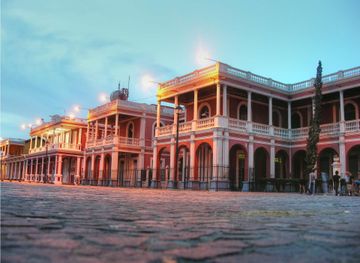
Looking beyond Estelí Plateau? Discover Nicaragua for broader travel guides, local hot-spots, and regional highlights.
Explore NicaraguaEstelí Plateau in Photos
Browse through our photo collection highlighting the charm and character of the destination.


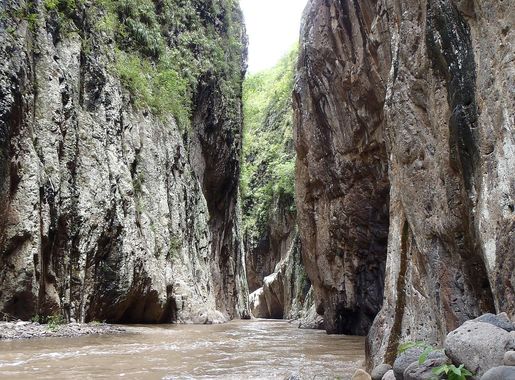


The Verdant Haven of the Estelí Plateau
Nestled in the northern highlands of Nicaragua, the Estelí Plateau offers a unique blend of natural beauty and cultural richness. This elevated region is known for its cooler climate, making it a refreshing escape from the tropical heat that characterizes much of the country. The plateau is surrounded by lush forests, rolling hills, and fertile valleys, providing a stunning backdrop for all sorts of outdoor adventures. The town of Estelí itself is a vibrant hub of activity, with a rich history and a thriving local culture. Visitors can explore the colorful markets, where artisans sell handcrafted goods, or visit one of the many tobacco farms that produce some of the finest cigars in the world. The town is also home to several museums and galleries that showcase the region's history and artistic heritage. Nature lovers will find plenty to do in the surrounding areas. The Miraflor Natural Reserve is a must-visit, offering hiking trails that wind through cloud forests, past waterfalls, and into open meadows where you can spot a variety of wildlife. For those interested in adventure sports, the plateau provides excellent conditions for rock climbing, zip-lining, and bird watching. With its combination of natural splendor and cultural charm, the Estelí Plateau is a destination that promises an enriching and memorable experience.