

Free Dallol Maouri Travel Guide & Mobile App
Explore Dallol Maouri with free travel guides. Discover regional history, expert tips, proposed trips, and audio guides on web or mobile app.


Dallol Maouri reveals Niger’s fertile Sahelian valleys, Maouri culture, seasonal waterways and Niger River landscapes through carefully planned travel.
Read more about Dallol Maouri
When is the best time to visit Dallol Maouri?
Best: December–February · 28–30°C| Month | High (°C) | Rainfall (mm) |
|---|---|---|
| January (best) | 28 | 1 |
| February (best) | 30 | 1 |
| March | 35 | 2 |
| April | 38 | 5 |
| May | 42 | 10 |
| June | 45 | 20 |
| July | 43 | 30 |
| August | 41 | 28 |
| September | 38 | 19 |
| October | 35 | 10 |
| November | 30 | 3 |
| December (best) | 28 | 1 |
Getting to and around Dallol Maouri
How to get there
Transportation
Best attractions in Dallol Maouri
Dallol Maouri’s attractions are primarily landscape- and community-based rather than a collection of ticketed monuments. The ancient valley itself is the central subject: seasonal channels, cultivated depressions, shade trees and changing Sahelian vegetation show how people have adapted agriculture to a dry environment. Carefully arranged visits may include rural markets, farming areas, traditional compounds and settlements where a local guide can explain Maouri history, Islamic life, crop production and livestock keeping. Towards the south, the wider Niger River environment offers a different ecological setting, with riverine vegetation, fishing activity and more humid scenery than the interior valley. Gaya and other larger settlements can serve as practical bases for learning about regional commerce, although facilities for international tourism are limited. Birdwatching and landscape observation are possible in suitable areas, especially after the rains, but should be undertaken only with reliable local advice. There are no extensive formal visitor services, marked recreational trails or established wildlife safaris comparable with Niger’s better-known protected areas. The value of Dallol Maouri lies in understanding a living agricultural corridor, not in collecting a checklist of attractions, and every excursion should be assessed against current security guidance and local consent.
-
National park
W National Park Benin
Explore the mesmerizing landscapes and vibrant wildlife of W National Park in Benin, a top destination for nature lovers and adventure seekers.
Best landmarks in Dallol Maouri
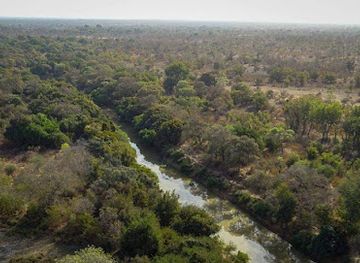
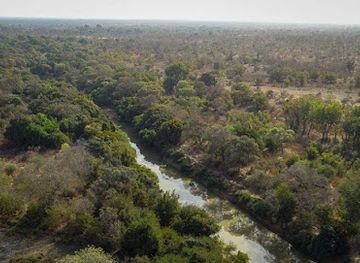
Dallol Maouri’s defining landmark is geographical rather than monumental: the long, low valley and its ancient drainage channels form a visible contrast with the drier plains around them. Seasonal watercourses, cultivated alluvial ground and lines of vegetation reveal why the corridor has supported settlement and farming for generations. In the southern part of the area, the Niger River is an important natural landmark and a major ecological and economic reference point, linking riverbank communities with wider regional commerce. Earthen compounds, village mosques, market spaces and mature shade trees provide the principal human landmarks, although most are working places rather than preserved monuments. Gaya is significant as a southern urban and commercial centre associated with access to the riverine zone, but visitors should not expect a consolidated historic quarter or extensive museum infrastructure. The strongest sense of historical continuity comes from the relationship between settlements, fields, water and routes of movement. Because security conditions and local sensitivities are important, access to religious buildings, government facilities, river crossings and rural communities should always be arranged through a trusted local contact.
-
National park
W National Park Benin
Discover the breathtaking landscapes and diverse wildlife of W National Park in Benin, a UNESCO World Heritage site perfect for nature lovers.
Explore Dallol Maouri on the map
Plan your trip on one map. See where the top cities, national parks and sights are, and book hotels and experiences in a few clicks.
Best hotels in Dallol Maouri
Best restaurants in Dallol Maouri
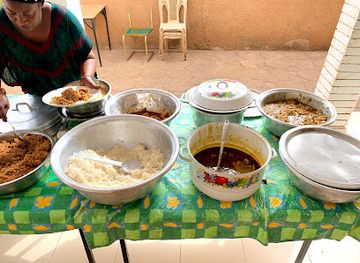
Dining in Dallol Maouri is closely connected to household agriculture, local markets and the wider culinary traditions of southern Niger. Meals commonly draw on millet, sorghum, rice, maize, cowpeas, groundnuts, vegetables and seasonal produce, with meat or fish more available in larger settlements and along the Niger River than in isolated villages. Porridges, grain-based dishes, sauces and grilled or stewed ingredients are more characteristic than a distinct restaurant cuisine. Small eateries and market stalls in larger towns may provide filling local meals, while guesthouses and organised tours are the most dependable settings for visitors requiring predictable food and drinking water. Regional produce and livestock are more important than formal fine dining, and menus can change with harvests, supply routes and religious observance. Travellers should carry safe water, eat food that has been thoroughly cooked and explain dietary restrictions clearly through a local intermediary. Alcohol is not central to public dining culture, and visitors should respect the predominantly Muslim social setting.
-
Italian
The Pillar Restaurant
Discover The Pillar Restaurant: A Taste of Italy in Niamey Offering Authentic Dishes and Warm Hospitality.
-
Restaurant
RESTAURANT DADIN-KOWA
Experience the authentic tastes of Niger at Restaurant Dadin-Kowa in Dogondoutchi - a culinary gem blending tradition with hospitality.
-
Restaurant
ALMINA Restaurant
Discover exquisite dining at ALMINA Restaurant in Niamey – where local flavors meet global cuisine.
-
African
Restaurant Ile de Goree
Experience authentic African cuisine at Restaurant Ile de Goree in Niamey, where every dish tells a story of tradition and flavor.

Best bars in Dallol Maouri
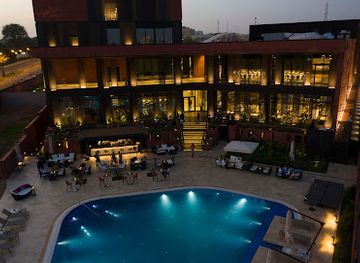
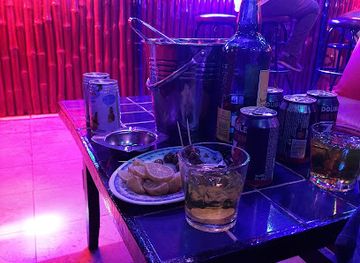
Dallol Maouri does not have a substantial nightclub or bar scene, and evening life generally centres on family compounds, neighbourhood conversation, tea, local restaurants, market activity and community or religious gatherings. In larger towns, modest cafés and eateries may remain active after sunset, but opening arrangements and availability are variable. Alcohol-focused tourism is inappropriate for the region and may conflict with local expectations, particularly in rural communities. Night travel is also ill-advised because of security concerns, poor lighting, animals on roads, vehicle hazards and limited emergency assistance. Visitors staying with an established organisation should follow its curfew, movement and communications procedures rather than seeking entertainment independently. In secure settings, the more meaningful evening experience is often listening to local explanations of farming, oral history and seasonal life, with permission and without treating private community activities as public performances.
-
Bar
New York Restaurant and Bar
Discover the vibrant flavors of Niger at New York Restaurant and Bar, where exquisite dining meets lively nightlife in the heart of Niamey.
-
Bar
Le Patio Club
Discover the lively ambiance of Le Patio Club in Niamey, where local culture meets modern entertainment in a vibrant bar setting.
-
Restaurant
RESTAURANT DADIN-KOWA
Discover the authentic flavors of Niger at Restaurant Dadin-Kowa in Dogondoutchi, where every meal is a celebration of local cuisine.
-
Restaurant
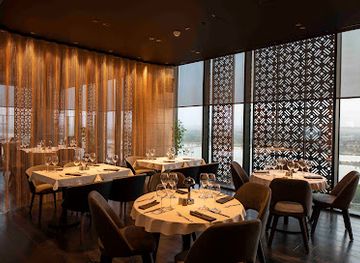
Zaxi Rooftop Lounge & Bar
Discover the breathtaking views and exquisite flavors of Zaxi Rooftop Lounge & Bar, the perfect dining experience in Niamey.
Best nightclubs in Dallol Maouri
Dallol Maouri does not have a substantial nightclub or bar scene, and evening life generally centres on family compounds, neighbourhood conversation, tea, local restaurants, market activity and community or religious gatherings. In larger towns, modest cafés and eateries may remain active after sunset, but opening arrangements and availability are variable. Alcohol-focused tourism is inappropriate for the region and may conflict with local expectations, particularly in rural communities. Night travel is also ill-advised because of security concerns, poor lighting, animals on roads, vehicle hazards and limited emergency assistance. Visitors staying with an established organisation should follow its curfew, movement and communications procedures rather than seeking entertainment independently. In secure settings, the more meaningful evening experience is often listening to local explanations of farming, oral history and seasonal life, with permission and without treating private community activities as public performances.
-
National park
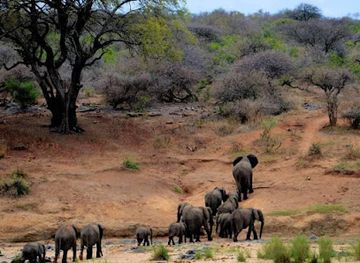
W National Park Benin
Discover W National Park in Benin, a breathtaking expanse of nature where wildlife roams freely and adventure awaits at every turn.
-
Bar
Mess Fan Club
Experience the lively atmosphere of Mess Fan Club in Tahoua, where delicious drinks and local culture come together for an unforgettable night.
Best shops in Dallol Maouri
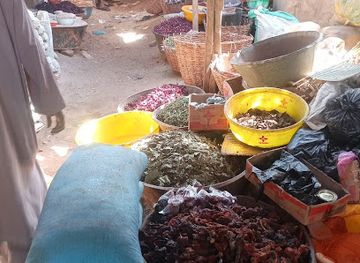
Shopping in Dallol Maouri is principally a matter of local markets, small shops and agricultural exchange rather than dedicated visitor retail. Larger settlements such as Gaya provide more opportunities to buy food, household necessities, fabrics, clothing and practical travel supplies, while village markets vary according to the weekly cycle, harvest season and security situation. Useful regional purchases may include locally grown grains, cowpeas, groundnuts and other produce when transport and hygiene arrangements permit. Handcrafted household objects, woven materials and leather goods may appear in markets, but the quality, provenance and availability of items should be discussed locally rather than assumed to be traditional souvenirs. Bargaining can be part of ordinary market exchange, though it should remain courteous and proportionate. Carry cash in small denominations, inspect food carefully and avoid purchasing archaeological objects, wildlife products or items whose export status is unclear. The most responsible shopping supports ordinary local traders and producers without encouraging the removal of cultural material.
-
National park
W National Park Benin
Explore W National Park in Benin, where lush landscapes and diverse wildlife await every adventurous traveler seeking an unforgettable experience.
-
Grocery store
Auto Gare
Experience the local flavors of Badegucheri at Auto Gare, your go-to grocery store for fresh produce and authentic regional delicacies.
-
Produce market
Grand Marche Bkonni
Experience the vibrant culture and fresh produce at Grand Marche Bkonni in Birnin Konni, a must-visit market for every traveler.
-
 Produce market
Marché de badaguichiri
Explore the Marché de Badaguichiri, a vibrant produce market in Badegucheri, where local flavors and culture come alive in a colorful atmosphere.

Get your free copy of our complete guide to Dallol Maouri, delivered straight to you.
Everything on this page, from attractions and restaurants to essentials and local phrases, in one PDF you can read offline, print or share.
Already have an account? Sign in
Your Dallol Maouri guide is ready.
We'll send it to · Not you? Sign out

Getting your guide ready…
We are putting together a fresh copy of the Dallol Maouri guide. This can take up to a minute.
This can take a few moments. If your browser asks, choose Allow so the download can start. You'll find the guide in your Downloads folder.
Nothing happened? Download it again
Sorry, the guide is taking longer than usual. Please try again in a minute, or get it by email instead.
Dallol Maouri essentials
Currency and Payment
Safety
Emergency Situations
Do's and Don'ts
Local Tips
From Eve
Local phrases worth knowing
You don't need to get them perfect. A few words go a long way, and locals appreciate the effort.
Basics
| English | Local | Say it |
|---|---|---|
| Hello | Salam | [sah-lahm] |
| Goodbye | Besslama | [behs-lah-mah] |
| Yes | Iye | [ee-yeh] |
| No | Laa | [lah] |
| Please/You're welcome | Afwan | [ahf-wahn] |
| Thank you | Shukran | [shook-rahn] |
| Excuse me/Sorry | Asif | [ah-see-f] |
| How are you? | Keif halak? | [kayf hah-lak] |
| Fine. And you? | Mnih, w enta? | [mnee-h, w en-tah] |
| Do you speak English? | Hal tatakallam al-inglizia? | [hal tah-tah-kah-lahm al-ing-lee-zee-ah] |
| I don't understand | Ana la afham | [ah-nah lah af-ham] |
Eating & Drinking
| English | Local | Say it |
|---|---|---|
| I'd like to see the menu, please | Arju an arakib al-menu, afwan | [ahr-joo an ah-rah-keeb al-men-oo, ahf-wahn] |
| I don't eat meat | Ana la akul lahm | [ah-nah lah ah-kool lahm] |
| Cheers! | Sahtein! | [sah-tayn] |
| I would like to pay, please | Arju an ado al-hisab, afwan | [ahr-joo an ah-do al-hee-sab, ahf-wahn] |
Emergencies
| English | Local | Say it |
|---|---|---|
| Help! | Aid! | [aye-d] |
| Go away! | Izhab! | [iz-hab] |
| Call the Police! | Ittasil bil-shurta! | [it-ta-sil bil-shoor-tah] |
| Call a doctor! | Ittasil bi-doctor! | [it-ta-sil bi-doc-tor] |
| I'm lost | Ana dhahabtu | [ah-nah dhah-hab-too] |
| I'm ill | Ana marid | [ah-nah mah-reed] |
Shopping
| English | Local | Say it |
|---|---|---|
| I'd like to buy... | Arju an ashtari... | [ahr-joo an ash-ta-ree] |
| I'm just looking | Ana faqat an-nadhur | [ah-nah fah-kat an-nah-dhoor] |
| How much is it? | Kam thamanuh? | [kam thah-ma-nuh] |
| That's too expensive | Hadha ghalil jiddan | [hah-dah ghah-leel jid-dan] |
| Can you lower the price? | Hal mumkin an tukhafid al-thaman? | [hal moom-kin an too-khah-feed al-tha-man] |
Time & Numbers
| English | Local | Say it |
|---|---|---|
| What time is it? | Ay sa'a? | [ay sah-ah] |
| It's one o'clock | Al-saa'a wahida | [al-sah-ah wah-hee-dah] |
| Half past (10) | Nisf al-saa'a (10) | [nisf al-sah-ah (10)] |
| Morning | Sabah | [sah-bah] |
| Afternoon | Ba'ad al-duhr | [ba'ad al-dohr] |
| Evening | Masa' | [mah-sah] |
| Yesterday | Ams | [ams] |
| Today | Al-yawm | [al-yawm] |
| Tomorrow | Ghad | [ghad] |
| 1 | Wahid | [wa-hid] |
| 2 | Ithnain | [ith-nain] |
| 3 | Thalatha | [tha-lah-tah] |
| 4 | Arba'a | [ahr-ba-ah] |
| 5 | Khamsa | [khahm-sah] |
| 6 | Sitta | [sit-tah] |
| 7 | Sab'a | [sahb-ah] |
| 8 | Thamaniya | [tha-mah-nee-yah] |
| 9 | Tis'a | [tis-ah] |
| 10 | Ashra | [ash-rah] |
Transport & Directions
| English | Local | Say it |
|---|---|---|
| Where's a/the...? | Ayna ...? | [ay-nah] |
| What's the address? | Ma huwa al-'unwan? | [ma hoo-wah al-un-wahn] |
| Can you show me (on the map)? | Hal mumkin an turini (ala al-kharita)? | [hal moom-kin an too-ree-nee (ah-lah al-khah-ree-tah)] |
| When's the next (bus)? | Mata al-bus al-qadim? | [mah-tah al-boos al-qah-deem] |
| A ticket (to ....) | Tazkara (ila ...) | [taz-kah-rah (ee-lah)] |
History of Dallol Maouri
Ancient River Valleys and Early Settlement
Dallol Maouri forms part of a network of ancient valleys and drainage channels that have long provided more favourable conditions for settlement than the surrounding semi-arid plains. Seasonal water, fertile alluvial soils and access to grazing encouraged repeated occupation and cultivation over many centuries. Archaeological evidence across southwestern Niger demonstrates that communities adapted to major climatic changes, moving between farming, herding and riverine environments as water availability shifted. The valley’s historical importance therefore begins with its landscape: it was a route of movement and a productive ecological corridor well before the emergence of modern administrative boundaries.
Sahelian and Riverine Exchange
Before colonial rule, communities in the Dallol Maouri area participated in trading systems linking the inland Sahel with the Niger River and the market centres of the southern savannah. Grain, livestock, leather, household goods and other commodities moved through local markets and along established routes. The valley brought together agricultural settlements, pastoral users and river communities, creating a history shaped by negotiation over land, water and seasonal access. Rather than belonging to one uniform kingdom, the area experienced overlapping political and cultural influences from Hausa-speaking societies, Zarma-Songhai communities and the Maouri people.
Maouri Communities and Local Political Traditions
The Maouri are one of the important peoples of southwestern Niger, with communities concentrated around the Dallol Maouri and neighbouring areas. Their history is connected to farming, local authority, Islamic institutions and commercial links extending towards the Niger River and the southern borderlands. Political organisation changed over time as local leaders, larger regional powers and religious authorities competed or cooperated over territory and trade. Much of this history survives through oral traditions, settlement patterns, family lineages and customary institutions rather than through large surviving monuments.
Islamic Scholarship and Sahelian Society
Islam spread through the wider Niger valley and Sahel over a long period through travelling scholars, merchants, clerics and local conversion rather than one single event. Mosques, Quranic education and Islamic legal and social practices became important features of community life, while local customs continued to shape farming, marriage, authority and festivals. In Dallol Maouri, religious buildings are generally community landmarks rather than monumental tourist sites. Visitors should remember that active mosques and religious schools are places of worship and learning, and access or photography requires local permission.
French Colonial Rule and New Boundaries
French expansion into the central and western Sudanese Sahel during the late nineteenth and early twentieth centuries brought military conquest, taxation, administrative reorganisation and new territorial boundaries to the Dallol Maouri area. Colonial authorities linked settlements to wider transport and administrative systems, while agriculture and labour were increasingly assessed for the needs of the colonial economy. The boundaries imposed or formalised during this period did not erase older cultural and trading connections across what later became Niger, Nigeria and Benin. Many contemporary administrative divisions and road corridors reflect this colonial restructuring.
Independence and Agricultural Change
Niger became independent in 1960, and communities in Dallol Maouri subsequently experienced the opportunities and pressures affecting much of the country’s rural south-west. Population growth, expanding cultivation, changing rainfall patterns and the commercial importance of roads and markets altered relationships between farmland, grazing and seasonal water. Millet, sorghum, cowpeas and livestock remain central to the regional economy, while riverine areas permit different forms of production. Development has brought schools, health facilities and improved connections in some larger settlements, but rural services remain uneven.
Contemporary Environmental and Security Pressures
Today the valley’s future is shaped by variable rainfall, soil depletion, flooding after intense storms, pressure on land and water, and the need to support a growing population. Producers combine established farming knowledge with soil and water conservation, livestock strategies and market adaptation, although conditions vary from one locality to another. The wider security crisis affecting the Sahel has also changed travel, commerce and access to rural areas. Any contemporary visit must therefore be planned with current local information, and environmental or cultural interest should never be separated from the realities faced by resident communities.
Dallol Maouri in Photos
Browse through our photo collection highlighting the charm and character of the destination.
Neighbouring regions of Dallol Maouri
The closest regions to Dallol Maouri, if you have time for more than one.
-
-

-

-

-


Swipe for more regions
Explore more

Explore more of Niger
Discover the untamed beauty of Niger – a land of desert wonders, rich traditions, and vibrant cultures, nestled in the heart of West Africa.
Explore Niger