

Free Tahoua Region Travel Guide & Mobile App
Explore Tahoua Region with free travel guides. Discover regional history, expert tips, proposed trips, and audio guides on web or mobile app.


Tahoua Region reveals Niger's Ader plateaux, Maggia valleys, Sahelian markets and diverse pastoral cultures through carefully planned travel.
Read more about Tahoua Region
When is the best time to visit Tahoua Region?
Best: December–February · 25–29°C| Month | High (°C) | Rainfall (mm) |
|---|---|---|
| January (best) | 25 | 0 |
| February (best) | 29 | 0 |
| March | 33 | 1 |
| April | 37 | 1 |
| May | 41 | 2 |
| June | 43 | 2 |
| July | 41 | 3 |
| August | 39 | 4 |
| September | 37 | 3 |
| October | 34 | 2 |
| November | 29 | 1 |
| December (best) | 27 | 0 |
Getting to and around Tahoua Region
How to get there
Transportation
Top city travel guides in Tahoua Region
The cities of Tahoua Region, and the easiest places to base yourself.

Swipe for more cities
Best attractions in Tahoua Region
Tahoua Region's attractions are chiefly geological, cultural and landscape-based. The Ader-Doutchi-Maggia area provides the region's most distinctive scenery, with sandstone heights, escarpments, dry valleys and cultivated depressions that show how communities work with seasonal water. Around Madaoua and neighbouring parts of the Maggia, irrigated or moisture-retaining lowlands contrast with the surrounding semi-arid plateaux. Tahoua's markets and urban streets offer a practical introduction to regional commerce, while Madaoua and Birni-N'Konni are important places to observe the movement of agricultural goods, livestock and household products. In northern districts such as Abalak and Tchintabaraden, the experience is more closely associated with pastoral landscapes and Tuareg cultural heritage than with formal sightseeing facilities. Rural visits, walking routes and scenic drives must be arranged with local permission and current security guidance. There are few conventional museums or visitor complexes, so the value of a journey lies in understanding the relationship between geology, farming, pastoral mobility and settlement. Seasonal conditions are crucial: rain can make valleys hazardous but also briefly transforms the landscape, while the dry season offers clearer access but more intense heat and dust.
-
Park
Place publique
Experience the serenity of Place Publique in Tahoua, a beautiful park perfect for relaxation and cultural immersion in Niger.
-
Mosque
Grande Mosquée de Tahoua
Discover the Grande Mosquée de Tahoua, a stunning architectural marvel and a serene spiritual haven in the heart of Niger.
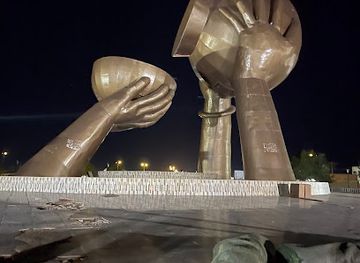

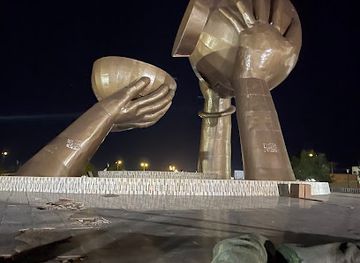
Best landmarks in Tahoua Region
The Ader-Doutchi-Maggia escarpments and valleys are Tahoua Region's most recognisable natural landmarks. Their layered rock faces, broken plateaux and seasonal drainage channels create a geographical identity distinct from the flatter southern savannah and the more open pastoral country farther north. The Maggia valley near Madaoua is particularly notable for the contrast between cultivated lowlands and dry rocky margins, while the wider Ader plateau provides the setting for Tahoua and many surrounding settlements. Tahoua's principal mosque and market area are important urban reference points, although they should be approached as living religious and commercial places rather than staged monuments; photography requires permission and visitors must dress respectfully. In the north, the broad pastoral horizons around Abalak and Tchintabaraden are significant cultural landscapes, shaped by routes between wells, grazing areas and settlements. These landmarks are dispersed and often lack formal interpretation, signage or visitor facilities. Their significance is best understood through a local guide who can explain seasonal water, agriculture, pastoral movement and community history without intruding on private or sacred spaces.
-
Public university
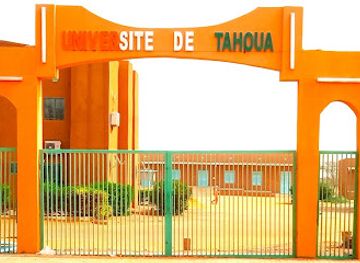
UNIVERSITE DE TAHOUA
Explore the educational excellence and cultural richness at Université de Tahoua, Niger's premier public university, where knowledge meets local traditions.
-
Park
Place publique
Experience the vibrant culture and serene beauty of Place Publique in Tahoua, a must-visit park for tourists and locals alike.
-
Mosque
Grande Mosquée de Tahoua
Discover the Grande Mosquée de Tahoua, a stunning architectural marvel and spiritual sanctuary reflecting Niger's rich cultural heritage.

Explore Tahoua Region on the map
Plan your trip on one map. See where the top cities, national parks and sights are, and book hotels and experiences in a few clicks.
Best hotels in Tahoua Region
Best restaurants in Tahoua Region
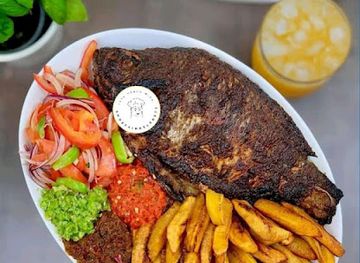
Dining in Tahoua Region is generally simple, local and closely tied to the availability of grain, vegetables and livestock products. Millet and sorghum are staples, commonly served as porridges, couscous-like dishes or with sauces, while rice, beans, pasta and grilled meat are available in larger towns. Niébé beans, onions and seasonal vegetables are important in the farming belt, and milk and other dairy products have a stronger presence in pastoral communities when conditions allow. Tahoua, Madaoua and Birni-N'Konni offer modest restaurants, cafés, tea stalls and cooked-food stands, while smaller settlements may have only informal eating places. Meals should be chosen with attention to hygiene, water and food turnover, particularly in hot weather. Regional food is part of the wider Nigerien Sahelian tradition rather than a separate cuisine with a single defining dish. Visitors should expect early closing in some towns and should arrange food supplies before rural journeys. Drinking tea, sharing a meal and buying produce in a market can provide cultural insight, but always follow local guidance about hospitality, household privacy and photography.
-
Restaurant
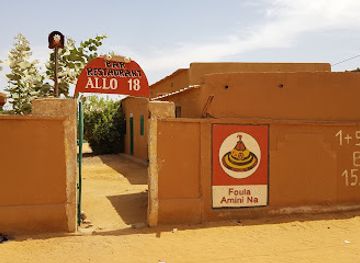
Restaurant Oasis
Experience authentic local cuisine at Restaurant Oasis in Abalak – where tradition meets taste in a cozy atmosphere.
-
Restaurant
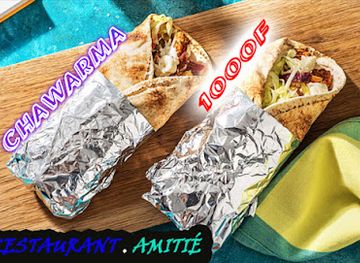
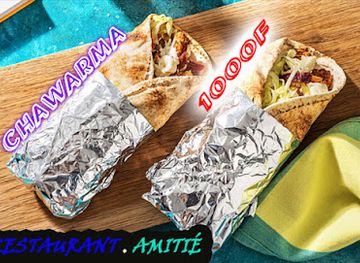
Restaurant L'amitié
Experience the authentic flavors of Niger at Restaurant L'amitié in Tahoua – where every meal is a celebration.
-
Restaurant
Restorant - Bar
Experience authentic local cuisine at Restorant - Bar in Tahoua, where delicious flavors meet warm hospitality.
-
Restaurant
Restaurant Asusu
Experience authentic Nigerien cuisine at Restaurant Asusu in Tahoua - a local gem with delicious dishes and affordable prices.
Best bars in Tahoua Region
Nightlife in Tahoua Region is restrained and centred on tea stalls, cafés, restaurants, family compounds and occasional social gatherings rather than a large club scene. Tahoua has the broadest choice of evening meeting places, while Madaoua and Birni-N'Konni may offer modest cafés and restaurants serving local residents, drivers and traders. In smaller towns and rural districts, evenings are shaped by heat, prayer times, market routines and limited electricity, so entertainment is usually conversational and community-based. Alcohol is not central to public life and may be unavailable or inappropriate in some settings; visitors should not assume that nightlife follows European patterns. Music, weddings and seasonal celebrations can be important, but they are community occasions requiring local introductions and permission rather than events to enter uninvited. Security restrictions may also limit movement after dark, and visitors should follow their accommodation, guide or security team's advice instead of walking between venues independently.
-
Shopping mall
Grand Marché de Tahoua
Experience the vibrant culture and local flavors at Grand Marché de Tahoua, a bustling shopping mall in the heart of Niger.
-
Hotel
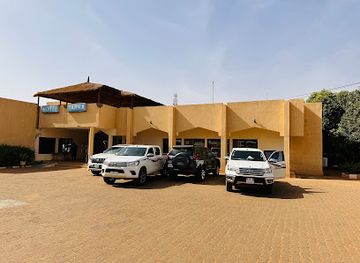
HOTEL TARKA
Experience the ultimate blend of comfort and local culture at Hotel Tarka, a welcoming oasis for travelers in Niger.
-
Bar
Mess Fan Club
Discover the lively atmosphere and diverse drink selection at Mess Fan Club, a favorite bar in the heart of Tahoua, where locals and tourists unite.
-
Restaurant
Restaurant L'amitié
Experience authentic Nigerien cuisine at Restaurant L'amitié, a culinary haven in Tahoua known for its warm hospitality and delightful flavors.

Best nightclubs in Tahoua Region
Nightlife in Tahoua Region is restrained and centred on tea stalls, cafés, restaurants, family compounds and occasional social gatherings rather than a large club scene. Tahoua has the broadest choice of evening meeting places, while Madaoua and Birni-N'Konni may offer modest cafés and restaurants serving local residents, drivers and traders. In smaller towns and rural districts, evenings are shaped by heat, prayer times, market routines and limited electricity, so entertainment is usually conversational and community-based. Alcohol is not central to public life and may be unavailable or inappropriate in some settings; visitors should not assume that nightlife follows European patterns. Music, weddings and seasonal celebrations can be important, but they are community occasions requiring local introductions and permission rather than events to enter uninvited. Security restrictions may also limit movement after dark, and visitors should follow their accommodation, guide or security team's advice instead of walking between venues independently.
-
Shopping mall
Grand Marché de Tahoua
Discover the vibrant atmosphere and rich culture of Tahoua at the Grand Marché de Tahoua, a local shopping gem filled with treasures.
-
Lounge
HAF Lounge
Discover HAF Lounge in Minna: Your serene retreat for relaxation and delicious culinary experiences in a vibrant atmosphere.
-
Bar
Club Mooky
Discover the vibrant nightlife of Niamey at Club Mooky, a lively bar offering a unique blend of local culture, drinks, and entertainment.
-
Lounge
M7 Creamery and Lounge
Discover a delightful blend of modern comfort and sweet treats at M7 Creamery and Lounge in Minna, Nigeria.

Best shops in Tahoua Region
Shopping in Tahoua Region is concentrated in traditional markets and the commercial streets of Tahoua, Madaoua and Birni-N'Konni. Visitors will find millet, onions, beans, spices, household goods, clothing, leather items and livestock-related products, with the range changing according to season and supply routes. Northern districts are associated with Tuareg craft traditions and pastoral economies, although the provenance and quality of individual items should be discussed directly with sellers rather than assumed from appearance. Useful purchases include locally produced foodstuffs, woven materials, leatherwork and modest household crafts, provided they can be transported responsibly. Market bargaining is common in many settings, but it should remain courteous and prices should be agreed before a transaction or service begins. Smaller settlements may have very limited retail choice, so essential medicines, toiletries, batteries, cash and travel supplies should be obtained in a larger town. Ask about restrictions before buying archaeological-looking objects, animal products or old cultural artefacts, and avoid purchasing anything that may have been illicitly removed from a site.
-
Shopping mall
Grand Marché de Tahoua
Explore the Grand Marché de Tahoua, a bustling shopping mall featuring local crafts, fresh produce, and the vibrant culture of Niger.
-
Shopping mall
Agence Airtel Niger
Experience the vibrant shopping scene at Agence Airtel Niger in Tahoua, where local culture meets modern retail.
-
Ministry of Education
Agence Orange Tahoua
Explore Agence Orange Tahoua, a unique fusion of education, photography, and local craftsmanship in the heart of Niger.
-
Supermarket
Alimentation Génerale Diamond
Discover the vibrant flavors and essentials at Alimentation Génerale Diamond, your go-to supermarket in the heart of Tahoua.
Get your free copy of our complete guide to Tahoua Region, delivered straight to you.
Everything on this page, from attractions and restaurants to essentials and local phrases, in one PDF you can read offline, print or share.
Already have an account? Sign in
Your Tahoua Region guide is ready.
We'll send it to · Not you? Sign out

Getting your guide ready…
We are putting together a fresh copy of the Tahoua Region guide. This can take up to a minute.
This can take a few moments. If your browser asks, choose Allow so the download can start. You'll find the guide in your Downloads folder.
Nothing happened? Download it again
Sorry, the guide is taking longer than usual. Please try again in a minute, or get it by email instead.
Tahoua Region essentials
Currency and Payment
Safety
Emergency Situations
Do's and Don'ts
Local Tips
From Eve
Local phrases worth knowing
You don't need to get them perfect. A few words go a long way, and locals appreciate the effort.
Basics
| English | Local | Say it |
|---|---|---|
| Hello | Sannu | [sahn-noo] |
| Goodbye | Sai | [sah-ee] |
| Yes | Eh | [eh] |
| No | A’a | [ah-ah] |
| Please/You're welcome | Don Allah | [dawn ah-lah] |
| Thank you | Nagode | [nah-goh-day] |
| Excuse me/Sorry | Yi hakuri | [yee hah-koh-ree] |
| How are you? | Lafiya lau? | [lah-fee-yah low] |
| Fine. And you? | Lafiya, kai fa? | [lah-fee-yah, kai fah] |
| Do you speak English? | Kana jin Ingilishi? | [kah-nah jeen in-gee-lee-shee] |
| I don't understand | Ban fahimta | [bahn fah-heem-tah] |
Eating & Drinking
| English | Local | Say it |
|---|---|---|
| I'd like to see the menu, please | Zan so in ga menu, don Allah | [zahn soh een gah meh-noo, dawn ah-lah] |
| I don't eat meat | Ban ci nama | [bahn chee nah-mah] |
| Cheers! | Sannu da zuwa! | [sahn-noo dah zoo-wah] |
| I would like to pay, please | Zan so in biya, don Allah | [zahn soh een bee-yah, dawn ah-lah] |
Emergencies
| English | Local | Say it |
|---|---|---|
| Help! | Taimako! | [tie-mah-koh] |
| Go away! | Tafi! | [tah-fee] |
| Call the Police! | Kira 'yan sanda! | [kee-rah yan sahn-dah] |
| Call a doctor! | Kira likita! | [kee-rah lee-kee-tah] |
| I'm lost | Na bace | [nah bah-chay] |
| I'm ill | Ina jin ciwo | [ee-nah jeen chee-woh] |
Shopping
| English | Local | Say it |
|---|---|---|
| I'd like to buy... | Zan so in sayi... | [zahn soh een sah-yee] |
| I'm just looking | Ina duba ne | [ee-nah doo-bah neh] |
| How much is it? | Nawa ne? | [nah-wah neh] |
| That's too expensive | Wannan yana da tsada | [wahn-nahn yah-nah dah tsah-dah] |
| Can you lower the price? | Za ka iya rage farashi? | [zah kah ee-yah rah-geh fah-rah-shee] |
Time & Numbers
| English | Local | Say it |
|---|---|---|
| What time is it? | Wane lokaci ne? | [wah-neh loh-kah-chee neh] |
| It's one o'clock | Karfe daya | [kar-feh dah-yah] |
| Half past (10) | Rabi bayan (10) | [rah-bee bye-ahn] |
| Morning | Safiya | [sah-fee-yah] |
| Afternoon | Yamma | [yah-mah] |
| Evening | Yammaci | [yah-mah-chee] |
| Yesterday | Jiya | [jee-yah] |
| Today | Yau | [yah-oo] |
| Tomorrow | Gobe | [goh-beh] |
| 1 | Daya | [dah-yah] |
| 2 | Biyu | [bee-yoo] |
| 3 | Uku | [oo-koo] |
| 4 | Hudu | [hoo-doo] |
| 5 | Biyar | [bee-yahr] |
| 6 | Shida | [shee-dah] |
| 7 | Bakwai | [bah-kwhy] |
| 8 | Takwas | [tah-kwahs] |
| 9 | Tara | [tah-rah] |
| 10 | Goma | [goh-mah] |
Transport & Directions
| English | Local | Say it |
|---|---|---|
| Where's a/the...? | Ina ...? | [ee-nah] |
| What's the address? | Menene adireshin? | [meh-neh-neh ah-dee-reh-sheen] |
| Can you show me (on the map)? | Za ka iya nuna mini (a taswira)? | [zah kah ee-yah noo-nah mee-nee] |
| When's the next (bus)? | Yaushe ne na gaba (bas)? | [yow-sheh neh nah gah-bah] |
| A ticket (to ....) | Tikit (zuwa ...) | [tee-kit] |
History of Tahoua Region
Early Sahelian settlement and the Ader landscape
The plateaux and valleys of the Ader-Doutchi area have long provided a balance between defensible higher ground, seasonal water and cultivable soils. Archaeological evidence from the wider central Niger region indicates very ancient human occupation, although the surviving record is uneven and many sites are not formally prepared for visitors. Over time, farming communities adapted to the alternation of short rainy seasons and prolonged dry periods, while pastoral groups used wider corridors across the Sahel. This interaction between cultivation and livestock movement remains a central feature of the region's geography.
Hausa states and trans-Sahelian exchange
Southern and central Tahoua developed within the wider world of Hausa-speaking states and commercial networks linking the savannah zones of present-day Niger and northern Nigeria. Market towns connected agricultural districts with livestock routes and long-distance trade, while Islam spread through scholars, merchants and political authorities. The Ader plateau was not an isolated frontier: its valleys and passes connected communities moving between the southern farming belt and northern pastoral areas. Many present-day patterns of language, settlement and commerce reflect these centuries of regional exchange.
Tuareg and Fulani pastoral traditions
Northern districts, including areas around Abalak and Tchintabaraden, have been shaped by Tuareg and Fulani pastoral societies whose movements traditionally followed pasture, wells and seasonal water. Their histories are linked to the broader political and commercial networks of the central Sahara and Sahel, while their social institutions, languages, dress, craft traditions and livestock economies remain important elements of regional identity. These traditions should not be treated as static: drought, administrative borders, changing markets and pressure on grazing land have repeatedly altered patterns of movement.
Colonial incorporation and new administrative routes
French conquest and administration brought the Ader and surrounding territories into the colonial structure that later became Niger. Colonial authorities established new administrative routes, taxation systems and political boundaries, often reshaping older relationships between farming and pastoral communities. Roads linking southern markets with Tahoua and northern centres increased the importance of certain towns, while the colonial system also relied on existing local authorities. The administrative geography inherited at independence continued to influence the region's towns, services and transport corridors.
Independence, agriculture and pastoral adaptation
Since Niger became independent in 1960, Tahoua Region has remained an important agricultural and pastoral zone. Population growth, expansion of cultivation and investment in water-control and soil-conservation schemes have changed the use of the Ader-Doutchi-Maggia valleys. Towns such as Tahoua, Madaoua and Birni-N'Konni have expanded as administrative and commercial centres. At the same time, pastoral households have had to negotiate reduced grazing space, variable rainfall and the effects of recurring drought, making mobility and access to wells especially significant.
Drought, food insecurity and contemporary change
Severe droughts affecting the Sahel in the 1970s and 1980s exposed the vulnerability of communities dependent on rain-fed farming and livestock. Relief programmes, migration, remittances, improved water access and local techniques for protecting soils and retaining water all contributed to later adaptation, but climatic pressure remains substantial. In Tahoua Region, contemporary life therefore combines longstanding knowledge of seasonal landscapes with changing markets, demographic growth and humanitarian concerns. Present travel conditions are also strongly affected by Niger's wider political and security situation.
Tahoua Region in Photos
Browse through our photo collection highlighting the charm and character of the destination.
Neighbouring regions of Tahoua Region
The closest regions to Tahoua Region, if you have time for more than one.
-

-

-

-

-


Swipe for more regions
Explore more

Explore more of Niger
Discover the untamed beauty of Niger – a land of desert wonders, rich traditions, and vibrant cultures, nestled in the heart of West Africa.
Explore Niger