

Free Dosso Region Travel Guide & Mobile App
Explore Dosso Region with free travel guides. Discover regional history, expert tips, proposed trips, and audio guides on web or mobile app.


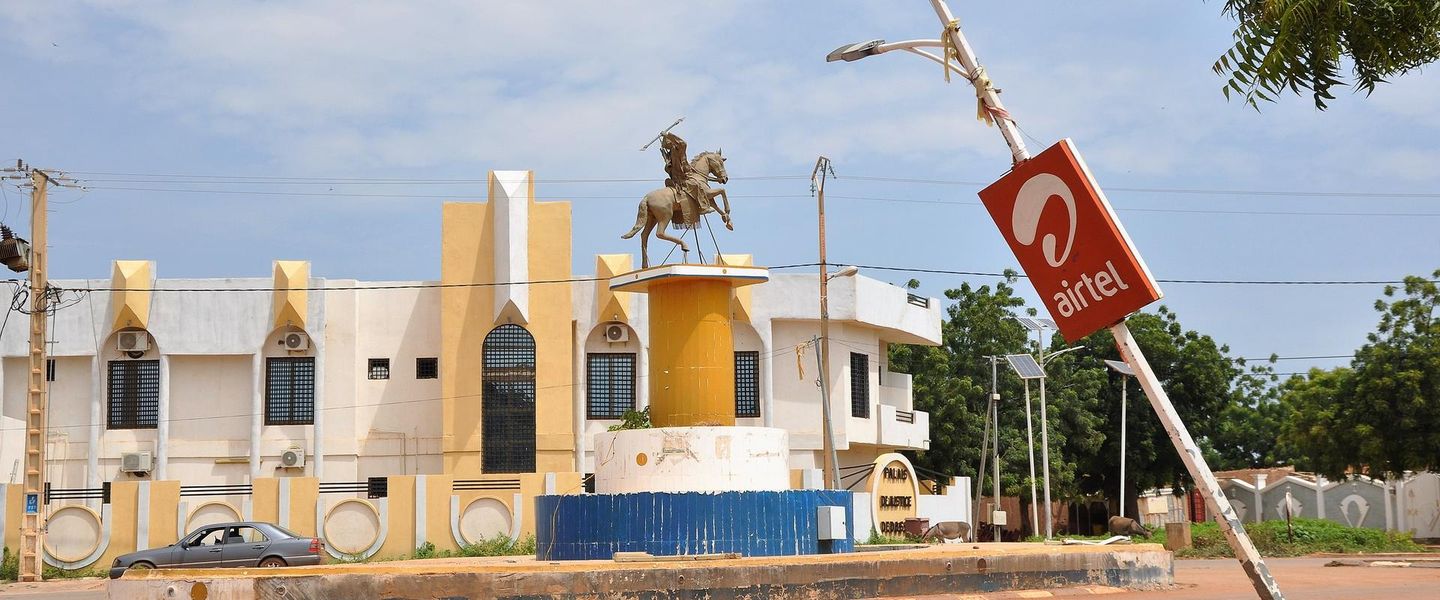


Dosso Region reveals south-western Niger through Zarma heritage, Niger River landscapes, agricultural towns and cross-border Sahelian culture.
Read more about Dosso Region
When is the best time to visit Dosso Region?
Best: December–February · 29–33°C| Month | High (°C) | Rainfall (mm) |
|---|---|---|
| January (best) | 29 | 0 |
| February (best) | 33 | 0 |
| March | 37 | 1 |
| April | 42 | 2 |
| May | 45 | 4 |
| June | 42 | 10 |
| July | 37 | 25 |
| August | 36 | 30 |
| September | 38 | 15 |
| October | 38 | 6 |
| November | 34 | 1 |
| December (best) | 31 | 0 |
Getting to and around Dosso Region
How to get there
Transportation
Top city travel guides in Dosso Region
The cities of Dosso Region, and the easiest places to base yourself.

Swipe for more cities
Destinations in Dosso Region
Resorts, valleys and scenic spots worth a trip of their own.

Swipe for more destinations
Best attractions in Dosso Region
-
Store
Grand Market Niamey
Explore the vibrant Grand Market Niamey, a cultural hub filled with local crafts, delicious street food, and a unique shopping experience in Niger's capital.
-
Racecourse
Race Course
Discover the vibrant atmosphere of Niamey's Race Course, where thrilling horse races meet local culture in the heart of Niger's capital.
-
Tourist attraction
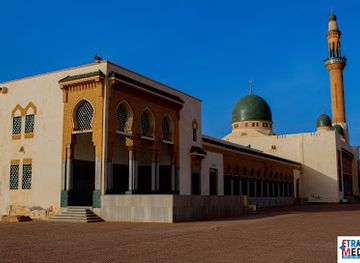
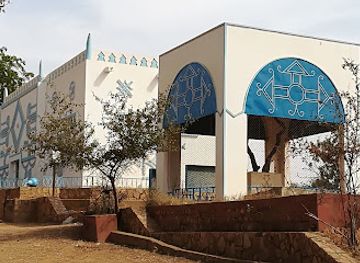
Great Mosque of Niamey
Explore the stunning Great Mosque of Niamey, an architectural wonder showcasing the rich heritage and culture of Niger's capital.
-
Local history museum
Boubou Hama National Museum
Explore the cultural richness of Niger at Boubou Hama National Museum, where history comes alive through fascinating exhibits and artifacts.
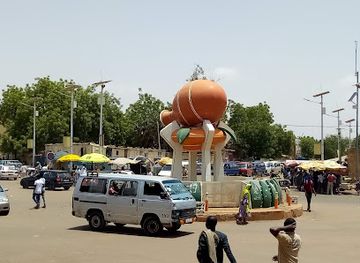
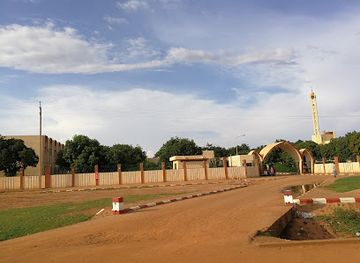
Best landmarks in Dosso Region
The most significant human landmark in Dosso Region is the traditional seat and ceremonial heritage associated with the Zarmakoy in Dosso town. Its importance is political and cultural as much as architectural: it represents the historical organisation of Zarma society and the survival of customary authority within the modern Republic of Niger. Access, photography and public ceremonies should be treated according to local protocol. The Niger River near Gaya is the region’s defining natural landmark, creating a greener corridor of floodplain, cultivated banks, fishing activity and commercial movement in contrast with the drier inland savannah. The road approaches to Dosso and Gaya also form a modern geographical marker, linking Niger’s capital with the southern borderlands. Rather than a collection of monumental castles or cathedrals, Dosso’s landmarks are found in the relationship between traditional institutions, market towns, river landscapes and the long-distance routes that have connected the region with Benin and Nigeria. Their significance is best understood with local explanation, particularly where a place has religious, ceremonial or administrative sensitivities.
-
Store
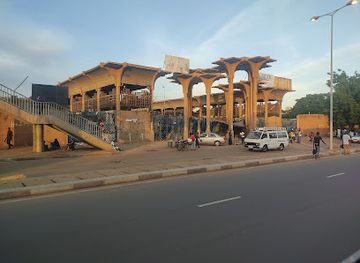
Grand Market Niamey
Discover the essence of Niamey at Grand Market, a vibrant hub of local culture, crafts, and cuisine in Niger's bustling capital.
-
Stadium
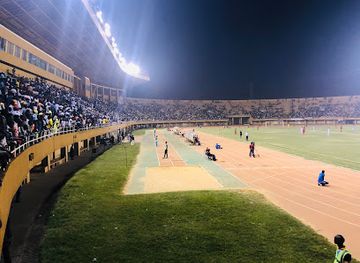
General Seyni Kountche Stadium
Discover the excitement of General Seyni Kountche Stadium in Niamey, a hub for sports, culture, and unforgettable local experiences.
-
Hotel
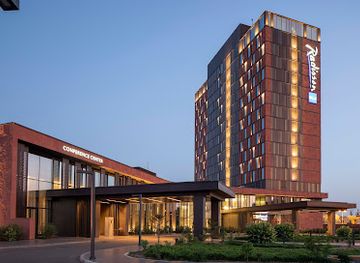
Radisson Blu Hotel & Conference Center, Niamey
Discover luxury and comfort at the Radisson Blu Hotel & Conference Center in Niamey, the ultimate destination for business and leisure travelers in Niger.
-
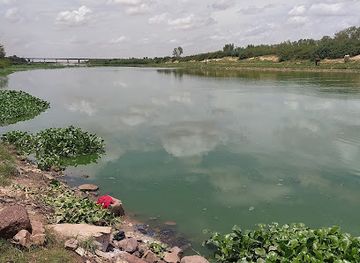
River
Niger
Experience the enchanting Niger River, where nature meets culture in the heart of West Africa's stunning landscapes.
Explore Dosso Region on the map
Plan your trip on one map. See where the top cities, national parks and sights are, and book hotels and experiences in a few clicks.
Best hotels in Dosso Region
Best restaurants in Dosso Region
Dining in Dosso Region is grounded in Sahelian and West African staples, with millet, sorghum, rice, maize, beans and locally available vegetables forming the basis of many meals. Regional cooking may include grain-based porridges, couscous-style dishes, rice with sauces, grilled meat and fish, particularly in communities connected to the Niger River. Gaya and other southern markets benefit from riverine and cross-border food networks, while Dosso has a broader selection of simple restaurants, street-food stalls and hotel dining rooms. Meals are often accompanied by spicy sauces, onions, tomatoes or leafy vegetables, and seasonal fruit appears more readily in the south. Tea is an important social drink, while bottled water should be chosen carefully and consumed regularly in the heat. Formal restaurant choice is limited compared with larger West African capitals, and menus can be shaped by market supply rather than fixed opening patterns. Travellers with dietary restrictions should explain them clearly in French and carry suitable provisions for longer road journeys.
-
Restaurant
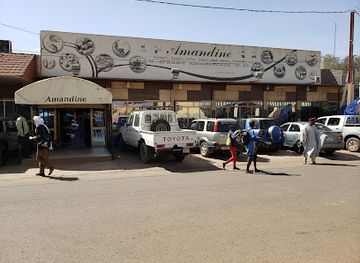
Amandine
Discover the authentic flavors of Nigerien cuisine at Amandine in Niamey - a culinary haven for food lovers.
-
Restaurant
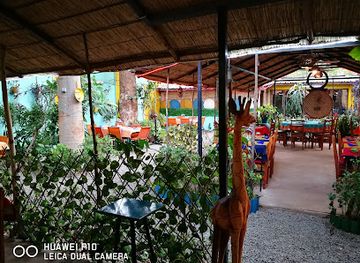
La Cabane
Discover the authentic flavors of Niger at La Cabane – where local ingredients meet culinary creativity in the heart of Niamey.
-
Restaurant
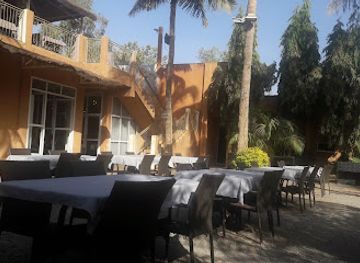
Côté Jardin
Discover exquisite flavors at Côté Jardin, where local ingredients meet international cuisine in an enchanting setting.
-
Italian
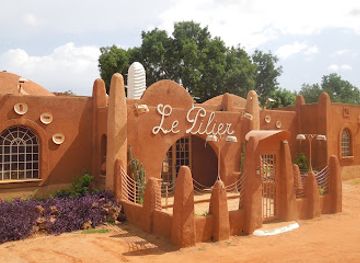
The Pillar Restaurant
Experience authentic Italian cuisine at The Pillar Restaurant in Niamey—where every dish tells a story of tradition and flavor.
Best bars in Dosso Region
Evening life in Dosso Region is generally modest and locally oriented. In Dosso and Gaya, visitors may find cafés, tea stalls, hotel restaurants and small bars, while many social gatherings take place in homes, courtyards or community settings rather than in dedicated nightlife districts. Traditional music, drumming and praise-singing may accompany ceremonies or celebrations, but these are cultural occasions rather than scheduled entertainment for visitors. The region does not have a major nightclub scene, and security conditions make late-night movement inadvisable. Alcohol is available in some licensed establishments, but drinking is not central to experiencing local culture, and discretion is particularly important in conservative or predominantly Muslim communities. Confirm arrangements locally, return to accommodation before dark and avoid photographing social gatherings without clear permission.
-
Hotel
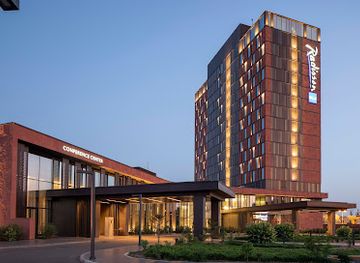
Radisson Blu Hotel & Conference Center, Niamey
Discover unparalleled luxury and convenience at Radisson Blu Hotel & Conference Center in Niamey, offering exquisite dining and modern amenities.
-
Restaurant
La Cabane
Discover the culinary delights of La Cabane in Niamey, where local flavors meet international cuisine in a warm and inviting atmosphere.
-
Restaurant
Côté Jardin
Discover authentic Nigerien flavors in a serene garden setting at Côté Jardin, the culinary gem of Niamey.
-
Italian
The Pillar Restaurant
Experience the heart of Italy in Niamey at The Pillar Restaurant, where authentic flavors and a welcoming atmosphere await.

Best nightclubs in Dosso Region
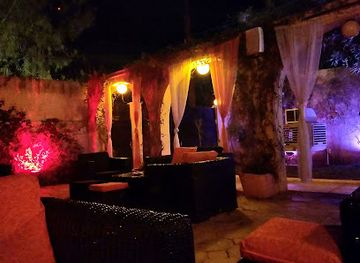
Evening life in Dosso Region is generally modest and locally oriented. In Dosso and Gaya, visitors may find cafés, tea stalls, hotel restaurants and small bars, while many social gatherings take place in homes, courtyards or community settings rather than in dedicated nightlife districts. Traditional music, drumming and praise-singing may accompany ceremonies or celebrations, but these are cultural occasions rather than scheduled entertainment for visitors. The region does not have a major nightclub scene, and security conditions make late-night movement inadvisable. Alcohol is available in some licensed establishments, but drinking is not central to experiencing local culture, and discretion is particularly important in conservative or predominantly Muslim communities. Confirm arrangements locally, return to accommodation before dark and avoid photographing social gatherings without clear permission.
-
Bar
Le Patio Club
Experience the vibrant nightlife at Le Patio Club, where music, dance, and a welcoming atmosphere come together in the heart of Niamey.
-
Lounge
Sky Lounge
Experience the vibrant nightlife of Niamey at Sky Lounge, where stunning views meet a delightful atmosphere.
-
Restaurant
Eden’s Parc & Lounge
Experience the best of Niamey at Eden’s Parc & Lounge, where culinary delights meet outdoor entertainment in a vibrant setting.
-
Bar
Club Mooky
Discover the lively nightlife at Club Mooky in Niamey, where music and drinks create unforgettable experiences for every visitor.
Best shops in Dosso Region
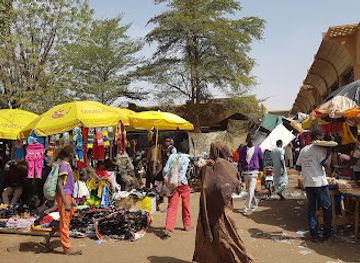
Shopping in Dosso Region is centred on practical markets and locally traded produce rather than formal retail districts. Dosso’s markets serve surrounding farming communities and commonly handle grain, beans, onions, livestock, vegetables, household goods, clothing and basic manufactured items. Gaya’s commercial character reflects its position near the Niger River and the borders with Benin and Nigeria, with goods moving through wider regional networks. Visitors may find woven items, leatherwork, simple jewellery, baskets and locally made household objects, although quality and availability vary and products should not automatically be presented as exclusive regional crafts. Food products such as dried produce, spices and grains can be interesting purchases when transport and customs rules permit. Bargaining is normal in informal markets, but it should remain courteous and proportionate. Carry cash in small notes, ask before photographing stalls and avoid buying archaeological objects, wildlife products or anything that may be restricted at border crossings.
-
Store
Grand Market Niamey
Explore the vibrant Grand Market in Niamey, where local culture meets an array of authentic goods and unique shopping experiences.
-
Costume store
Ado Boutique
Explore the vibrant costumes of Ado Boutique in Niamey, where culture meets creativity in a unique shopping experience.
-
Digital printer
Bugtique mai
Discover creativity and technology at Bugtique Mai in Niamey, where custom designs meet digital printing excellence.
-
Clothing store
Número Uno
Explore contemporary and traditional Nigerien fashion at Número Uno, a stylish clothing store in the heart of Niamey, perfect for tourists seeking unique finds.

Get your free copy of our complete guide to Dosso Region, delivered straight to you.
Everything on this page, from attractions and restaurants to essentials and local phrases, in one PDF you can read offline, print or share.
Already have an account? Sign in
Your Dosso Region guide is ready.
We'll send it to · Not you? Sign out

Getting your guide ready…
We are putting together a fresh copy of the Dosso Region guide. This can take up to a minute.
This can take a few moments. If your browser asks, choose Allow so the download can start. You'll find the guide in your Downloads folder.
Nothing happened? Download it again
Sorry, the guide is taking longer than usual. Please try again in a minute, or get it by email instead.
Dosso Region essentials
Currency and Payment
Safety
Emergency Situations
Do's and Don'ts
Local Tips
From Eve
Local phrases worth knowing
You don't need to get them perfect. A few words go a long way, and locals appreciate the effort.
Basics
| English | Local | Say it |
|---|---|---|
| Hello | Nya | [nyah] |
| Goodbye | Nya no | [nyah noh] |
| Yes | Eey | [ay] |
| No | Ayi | [ah-yee] |
| Please/You're welcome | S'il vous plaît | [seel voo pleh] |
| Thank you | Mesi | [meh-see] |
| Excuse me/Sorry | Pardone | [par-dohn] |
| How are you? | Nya baani? | [nyah bah-nee] |
| Fine. And you? | Nya baani. A wa? | [nyah bah-nee. ah wah] |
| Do you speak English? | A waani Anglais? | [ah wah-nee ahn-glay] |
| I don't understand | Ayi vaa | [ah-yee vah] |
Eating & Drinking
| English | Local | Say it |
|---|---|---|
| I'd like to see the menu, please | Misi kan menu, s'il vous plaît | [mee-see kahn meh-noo, seel voo pleh] |
| I don't eat meat | Ayi vaa nyam | [ah-yee vah nyam] |
| Cheers! | Nya ma! | [nyah mah] |
| I would like to pay, please | Misi kan paie, s'il vous plaît | [mee-see kahn pah-ee, seel voo pleh] |
Emergencies
| English | Local | Say it |
|---|---|---|
| Help! | Ayi ganda! | [ah-yee gahn-dah] |
| Go away! | Dogo! | [doh-goh] |
| Call the Police! | Ayi jé Police! | [ah-yee zhay poh-lees] |
| Call a doctor! | Ayi jé docteur! | [ah-yee zhay dok-teur] |
| I'm lost | Ayi ganda | [ah-yee gahn-dah] |
| I'm ill | Ayi nyami | [ah-yee nyah-mee] |
Shopping
| English | Local | Say it |
|---|---|---|
| I'd like to buy... | Misi kan jé | [mee-see kahn zhay] |
| I'm just looking | Ayi waani | [ah-yee wah-nee] |
| How much is it? | Ayi yaa? | [ah-yee yah] |
| That's too expensive | Nya lahi ganda | [nyah lah-hee gahn-dah] |
| Can you lower the price? | A waani ganda taari? | [ah wah-nee gahn-dah tah-ree] |
Time & Numbers
| English | Local | Say it |
|---|---|---|
| What time is it? | Nya wa ti? | [nyah wah tee] |
| It's one o'clock | Nya wan ti | [nyah wahn tee] |
| Half past (10) | Duo ti (10) | [doo-oh tee] |
| Morning | Waka | [wah-kah] |
| Afternoon | Baani | [bah-nee] |
| Evening | Ganda | [gahn-dah] |
| Yesterday | Dala | [dah-lah] |
| Today | Nya | [nyah] |
| Tomorrow | Koya | [koh-yah] |
| 1 | Kaya | [kah-yah] |
| 2 | Biyu | [bee-yoo] |
| 3 | Tati | [tah-tee] |
| 4 | Nayi | [nah-yee] |
| 5 | Biyaru | [bee-yah-roo] |
| 6 | Shida | [shee-dah] |
| 7 | Saba | [sah-bah] |
| 8 | Takwas | [tah-kwahs] |
| 9 | Tasi'a | [tah-see-ah] |
| 10 | Goma | [goh-mah] |
Transport & Directions
| English | Local | Say it |
|---|---|---|
| Where's a/the...? | Nya wa ...? | [nyah wah ...?] |
| What's the address? | Nya wa adresse? | [nyah wah ah-dress] |
| Can you show me (on the map)? | A waani jé (kan map)? | [ah wah-nee zhay (kahn mahp)] |
| When's the next (bus)? | Nya wa sa'a (bus)? | [nyah wah sah-ah (boos)] |
| A ticket (to ....) | Jé ticket (to ...) | [zhay tee-ket (to ...)] |
History of Dosso Region
Early settlement and the Niger River corridor
The southern part of present-day Dosso Region has long benefited from the Niger River and its floodplain, which supported farming, fishing and movement between communities. Archaeological knowledge of the wider Niger basin indicates long-term human occupation, while later settlement patterns were shaped by access to cultivable land and seasonal water. The river corridor also connected the interior with communities in present-day Benin and Nigeria, making the area a zone of exchange rather than an isolated frontier.
The rise of Zarma political authority
Dosso became closely associated with Zarma political organisation and the institution of the Zarmakoy, traditionally understood as the ruler of Dosso. Zarma communities established influential centres in the south-western Niger valley, with authority expressed through alliances, tribute, customary law and ceremonial institutions. The Zarmakoy remains an important symbol of regional history and continuity. Traditional authority exists alongside Niger’s modern state institutions and should not be treated as a substitute for official administration.
Hausa and Songhai-Zarma commercial networks
For centuries, communities in the region participated in interconnected trading systems linking the Niger River, the Hausa-speaking markets to the east and settlements south of the river. Grain, livestock, agricultural produce and manufactured goods circulated through market towns. Gaya’s position near the modern borders with Benin and Nigeria reflects this older pattern of movement. These connections also explain the region’s cultural mixture, where languages, religious practices and commercial customs overlap rather than fitting into rigid geographic categories.
French conquest and colonial administration
French expansion into the western Sudan and the central Niger basin brought the Dosso area into the colonial military and administrative system during the late nineteenth and early twentieth centuries. Colonial rule reorganised authority, taxation and transport, while relying in part on existing local institutions. Roads and administrative posts strengthened links with Niamey and the southern borderlands, but the period also involved coercive labour, taxation and political subordination. The contrast between traditional authority and state administration remains part of the region’s historical landscape.
Independence and the modern republic
Niger became independent from France in 1960, and Dosso developed as one of the country’s important southern administrative regions. Public services, schools, road links and market infrastructure expanded unevenly, while customary authorities continued to play visible social and ceremonial roles. Regional towns became increasingly connected to national trade routes, and agricultural production remained central to livelihoods. The region’s modern identity therefore combines republican institutions, local political traditions and cross-border economic relationships.
Agriculture, irrigation and contemporary pressures
Rain-fed farming remains fundamental across Dosso Region, with millet, sorghum, cowpeas and other crops adapted to the Sahelian climate. Around the Niger River and other better-watered areas, irrigation, gardening and fishing provide additional livelihoods. Population growth, climate variability, soil pressure and fluctuating rainfall have increased the importance of water management and seasonal mobility. These pressures are visible in the contrast between productive riverine zones and drier inland areas, as well as in the continuing importance of markets and regional trade.
Dosso Region in Photos
Browse through our photo collection highlighting the charm and character of the destination.
Neighbouring regions of Dosso Region
The closest regions to Dosso Region, if you have time for more than one.
-

-

-

-

-


Swipe for more regions
Explore more

Explore more of Niger
Discover the untamed beauty of Niger – a land of desert wonders, rich traditions, and vibrant cultures, nestled in the heart of West Africa.
Explore Niger