

Free Liptako Travel Guide & Mobile App
Explore Liptako with free travel guides. Discover regional history, expert tips, proposed trips, and audio guides on web or mobile app.


Liptako in western Niger offers Sahelian landscapes, Niger River communities and Fulani history, although serious security constraints require careful planning.
Read more about Liptako
When is the best time to visit Liptako?
Best: November–January · 31–33°C| Month | High (°C) | Rainfall (mm) |
|---|---|---|
| January (best) | 32 | 0 |
| February | 35 | 1 |
| March | 38 | 2 |
| April | 41 | 5 |
| May | 44 | 10 |
| June | 45 | 20 |
| July | 42 | 40 |
| August | 39 | 60 |
| September | 38 | 40 |
| October | 36 | 10 |
| November (best) | 33 | 4 |
| December (best) | 31 | 1 |
Getting to and around Liptako
How to get there
Transportation
Top city travel guides in Liptako
The cities of Liptako, and the easiest places to base yourself.

Swipe for more cities
Destinations in Liptako
Resorts, valleys and scenic spots worth a trip of their own.

Swipe for more destinations
Best attractions in Liptako
Liptako's principal interest lies in its cultural landscape rather than a developed collection of visitor attractions. The Niger River and its floodplain around settlements such as Ayorou show how fishing, cultivation and trade persist within an otherwise arid environment. Inland, the region's broad Sahelian plains, seasonal valleys, lateritic plateaux and pastoral routes provide the setting for understanding local livelihoods and the environmental pressures facing them. Towns including Téra and Bankilaré reflect the region's trading and administrative importance, although public access and services cannot be assumed. Historical interest centres on the wider legacy of the Liptako Emirate, Islamic scholarship, Fulani pastoral culture and Songhai riverine traditions. Traditional compounds, mosques, market spaces and craft practices may be culturally significant, but visitors should seek permission and local guidance rather than treating them as open-air exhibits. Wildlife viewing, river excursions and rural walks are not established tourism products, and security conditions currently make independent exploration inappropriate. Any attraction-based visit would require advance verification, local authorisation and specialist logistical support.
-
Local history museum
Boubou Hama National Museum
Explore the heritage of Niger at Boubou Hama National Museum, a cultural treasure in Niamey showcasing history, art, and local traditions.
-
Farm household tour
FERME YOUYOU
Experience the beauty of nature and the taste of local cuisine at Ferme Youyou, a serene farm destination in Niamey, Niger.
-
Memorial park
Place of Veterans
Explore the Place of Veterans in Niamey, a solemn memorial park honoring the courage and sacrifices of Niger's armed forces.

Best landmarks in Liptako
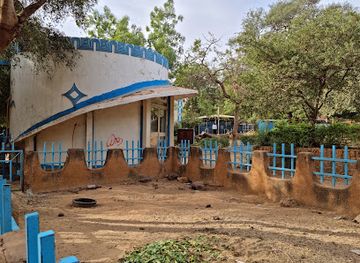
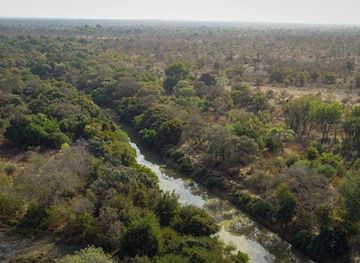
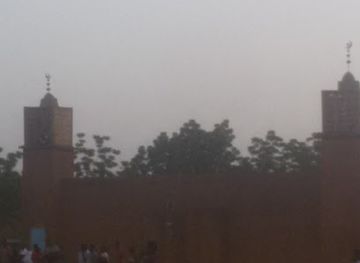
The Niger River is Liptako's most important natural landmark in Niger, cutting through the dry landscape as a corridor of water, cultivation, fishing and settlement. Its floodplain near Ayorou and other river communities contrasts sharply with the surrounding Sahelian scrub and open agricultural plains. The broader Liptako landscape is also marked by low lateritic plateaux, seasonal valleys, wells and tracks shaped by pastoral movement rather than monumental architecture. In towns such as Téra and Bankilaré, mosques, earthen compounds and market spaces express the region's Islamic and Sahelian architectural traditions, though they should be viewed respectfully and only with local permission. The historic significance of Liptako itself is a landmark of memory rather than a single preserved monument: the emirate's main historic centre at Dori lies outside Niger, while the Nigerien side preserves parts of the cross-border cultural world that it once connected. Access to all such places must be assessed against current security restrictions.
-
National park
W National Park Benin
Explore the breathtaking landscapes and rich wildlife of W National Park, a must-visit natural wonder in Benin for every adventurous traveler.
-
Farm household tour
FERME YOUYOU
Experience the serene beauty and rich culture of Niamey's Ferme Youyou, where farm life meets delightful local cuisine and recreational fun.
-
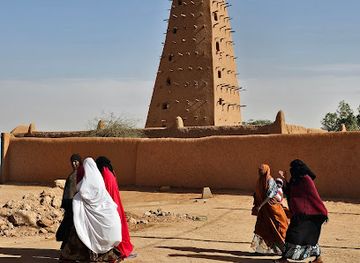
Mosque
Grande Mosquée d'Agadez
Explore the Grande Mosquée d'Agadez, a UNESCO World Heritage site and architectural marvel that embodies Niger's rich cultural heritage and history.
Explore Liptako on the map
Plan your trip on one map. See where the top cities, national parks and sights are, and book hotels and experiences in a few clicks.
Best hotels in Liptako
Best restaurants in Liptako
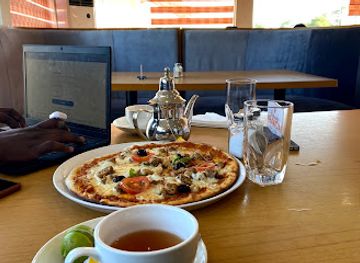
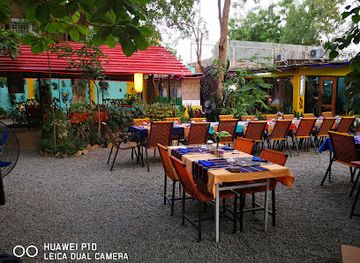
There is no established destination dining scene in Liptako, and food options are generally concentrated in local households, markets, simple cafés and small roadside eateries rather than formal restaurants. Sahelian staples include millet or sorghum preparations, rice, beans, sauces, grilled meat and seasonal vegetables; tô, a firm grain dish served with sauce, is common across the broader region. Around the Niger River, fish may be available when local conditions and supply allow, while soured milk and other dairy products reflect the importance of pastoral livelihoods. Sweet tea and strong coffee are often part of social hospitality, although practices vary between communities. Food availability can be limited outside larger settlements, and visitors should carry safe drinking water and essential dietary supplies. Eat through trusted local arrangements, take care with hygiene and avoid assuming that market food or untreated water is suitable for every traveller.
-
Restaurant
Amandine
Experience the rich flavors of Nigerien cuisine at Amandine, a must-visit restaurant in Niamey offering delightful dishes and warm hospitality.
-
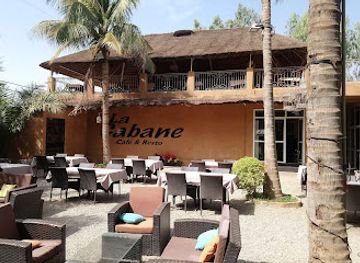
Restaurant
La Cabane
Experience the rich flavors of Niger at La Cabane, where local culture meets culinary delight in the heart of Niamey.
-
Restaurant
Rawda
Savor the authentic flavors of Niger at Rawda – where culinary tradition meets modern comfort in the heart of Niamey.
-
Restaurant
Côté Jardin
Discover Côté Jardin in Niamey - where local flavors meet international cuisine in a serene garden setting.
Best bars in Liptako
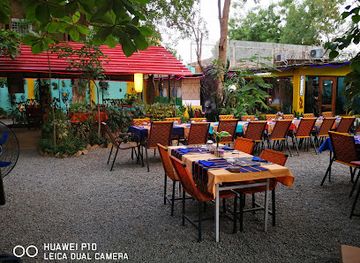
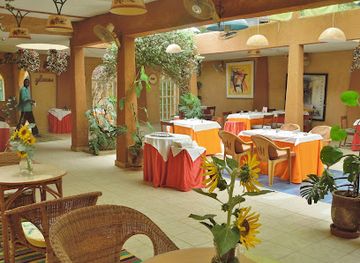
Liptako does not have a developed nightclub or late-night entertainment scene, and current security conditions make evening movement particularly inadvisable. Social life in towns and villages is more likely to centre on family compounds, tea gatherings, cafés, markets and community events than on bars. Alcohol is not central to public life in many communities, reflecting the region's predominantly Muslim culture, and visitors should follow local norms discreetly. Larger settlements may have simple restaurants or informal evening meeting places, but opening arrangements and public access can change without notice. Travellers should return to secure accommodation before dark, avoid isolated streets and never mistake a convivial local gathering for an organised tourism activity.
-
Restaurant
Côté Jardin
Experience the flavors of Niger in a serene garden setting at Côté Jardin, a must-visit culinary gem in Niamey.
-
Italian
The Pillar Restaurant
Experience the flavors of Italy at The Pillar Restaurant in Niamey, where every meal is a delightful culinary journey.
-
Restaurant
Tabakady by Bravia Eco Hotels
Experience the authentic flavors of Niger at Tabakady by Bravia Eco Hotels, where every meal tells a story of rich culinary traditions.
-
Restaurant
New York Restaurant and Bar
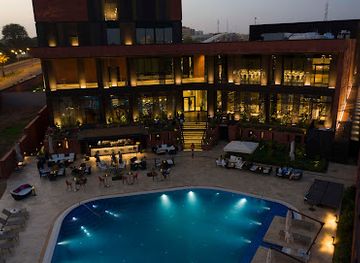
Discover the exquisite blend of local and international cuisine at New York Restaurant and Bar, Niamey's top dining destination.
Best nightclubs in Liptako
Liptako does not have a developed nightclub or late-night entertainment scene, and current security conditions make evening movement particularly inadvisable. Social life in towns and villages is more likely to centre on family compounds, tea gatherings, cafés, markets and community events than on bars. Alcohol is not central to public life in many communities, reflecting the region's predominantly Muslim culture, and visitors should follow local norms discreetly. Larger settlements may have simple restaurants or informal evening meeting places, but opening arrangements and public access can change without notice. Travellers should return to secure accommodation before dark, avoid isolated streets and never mistake a convivial local gathering for an organised tourism activity.
-
Restaurant
Eden’s Parc & Lounge
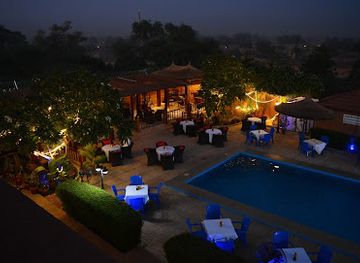
Explore the culinary delights and vibrant atmosphere of Eden’s Parc & Lounge in Niamey, where dining meets entertainment under the stars.
-
Club
DIAM'S NIGHT CLUB
Discover the heart of Niamey's nightlife at DIAM'S NIGHT CLUB, where music and culture come alive in an unforgettable atmosphere.
-
Live music bar
Bar Restaurant G8
Experience the vibrant culture of Niamey at Bar Restaurant G8, where live music meets delicious food for an unforgettable night out.
-
Night club
The on1e club
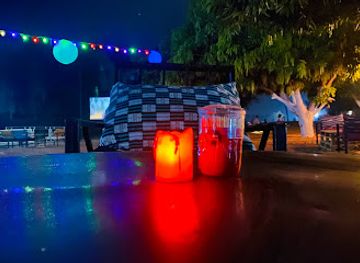
Dive into the energetic nightlife of Niamey at The on1e Club, where music, dancing, and vibrant atmosphere create unforgettable nights.


Best shops in Liptako
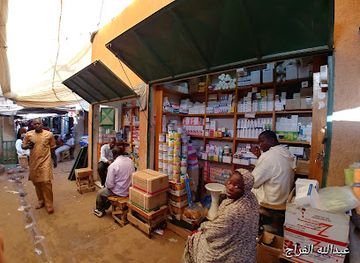
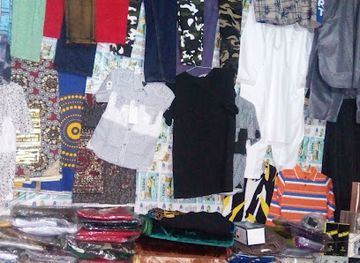
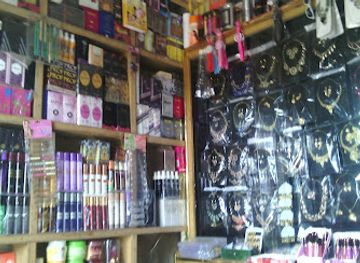
Shopping in Liptako is primarily local and practical, centred on market towns and periodic markets rather than dedicated tourist retail. Where markets are operating and accessible, visitors may find millet, rice, livestock products, household goods, simple leatherwork, woven items and locally made clothing. Téra, Bankilaré and Ayorou are associated with regional commerce, but market days, stock and access can change with weather, insecurity and administrative restrictions. Small purchases should be made respectfully and without photographing sellers or goods without permission. Cash in West African CFA francs is normally required, and bargaining should remain courteous rather than aggressive. Because supply chains are fragile, travellers should not expect a reliable range of souvenirs, packaged food or imported goods. The most appropriate purchases are modest locally made items bought through trusted contacts, provided that doing so does not create security or cultural difficulties.
-
Store
Grand Market Niamey
Experience the heart of Niger at Grand Market Niamey, a vibrant hub of local culture, crafts, and cuisine that brings the essence of the region to life.
-
Market
Grand Marché de Say
Explore the Grand Marché de Say, a lively market brimming with local culture and unique treasures in the heart of Niger.
-
Clothing store
KENZOLY
Explore the vibrant fashion scene at KENZOLY, Niamey's premier clothing store for unique local styles and contemporary trends.
-
Store
Stores
Experience vibrant shopping in Diko, Niger, where local culture and unique finds await every visitor.

Get your free copy of our complete guide to Liptako, delivered straight to you.
Everything on this page, from attractions and restaurants to essentials and local phrases, in one PDF you can read offline, print or share.
Already have an account? Sign in
Your Liptako guide is ready.
We'll send it to · Not you? Sign out

Getting your guide ready…
We are putting together a fresh copy of the Liptako guide. This can take up to a minute.
This can take a few moments. If your browser asks, choose Allow so the download can start. You'll find the guide in your Downloads folder.
Nothing happened? Download it again
Sorry, the guide is taking longer than usual. Please try again in a minute, or get it by email instead.
Liptako essentials
Currency and Payment
Safety
Emergency Situations
Do's and Don'ts
Local Tips
From Eve
Local phrases worth knowing
You don't need to get them perfect. A few words go a long way, and locals appreciate the effort.
Basics
| English | Local | Say it |
|---|---|---|
| Hello | Sannu | [sah-noo] |
| Goodbye | Sai an jima | [sigh an jee-mah] |
| Yes | Eh | [eh] |
| No | A'a | [ah-ah] |
| Please/You're welcome | Don Allah | [dawn ah-lah] |
| Thank you | Na gode | [nah goh-day] |
| Excuse me/Sorry | Yi hakuri | [yee hah-koor-ee] |
| How are you? | Lafiya lau? | [lah-fee-yah lah-oo] |
| Fine. And you? | Lafiya. Kai fa? | [lah-fee-yah. kye fah?] |
| Do you speak English? | Ka ka magana da turanci? | [kah kah mah-gah-nah dah too-rahn-chee?] |
| I don't understand | Ban gane ba | [bahn gah-neh bah] |
Eating & Drinking
| English | Local | Say it |
|---|---|---|
| I'd like to see the menu, please | Zan so in ga menu, don Allah | [zahn soh in gah meh-noo, dawn ah-lah] |
| I don't eat meat | Ba na cin nama | [bah nah cheen nah-mah] |
| Cheers! | Lafiya! | [lah-fee-yah!] |
| I would like to pay, please | Zan so in biya, don Allah | [zahn soh in bee-yah, dawn ah-lah] |
Emergencies
| English | Local | Say it |
|---|---|---|
| Help! | Taimako! | [tie-mah-koh!] |
| Go away! | Tafi! | [tah-fee!] |
| Call the Police! | Kira 'yan sanda! | [kee-rah yan sahn-dah!] |
| Call a doctor! | Kira likita! | [kee-rah lee-kee-tah!] |
| I'm lost | Na bata | [nah bah-tah] |
| I'm ill | Ina rashin lafiya | [ee-nah rah-sheen lah-fee-yah] |
Shopping
| English | Local | Say it |
|---|---|---|
| I'd like to buy... | Zan so in sayi... | [zahn soh in sigh-ee...] |
| I'm just looking | Ina duba ne | [ee-nah doo-bah neh] |
| How much is it? | Nawa ne? | [nah-wah neh?] |
| That's too expensive | Wannan yana da tsada | [wahn-nahn yah-nah dah tsah-dah] |
| Can you lower the price? | Za ka iya rage farashi? | [zah kah ee-yah rah-geh fah-rah-shee?] |
Time & Numbers
| English | Local | Say it |
|---|---|---|
| What time is it? | Wane lokaci ne? | [wah-neh loh-kah-chee neh?] |
| It's one o'clock | Karfe daya | [kar-feh dah-yah] |
| Half past (10) | Rabi bayan (10) | [rah-bee bye-ahn (ten)] |
| Morning | Safiya | [sah-fee-yah] |
| Afternoon | Yamma | [yah-mah] |
| Evening | Yamma | [yeh-mah] |
| Yesterday | Jiya | [jee-yah] |
| Today | Yau | [yow] |
| Tomorrow | Gobe | [goh-beh] |
| 1 | Daya | [dah-yah] |
| 2 | Biyu | [bee-yoo] |
| 3 | Uku | [oo-koo] |
| 4 | Hudu | [hoo-doo] |
| 5 | Biyar | [bee-yahr] |
| 6 | Shida | [shee-dah] |
| 7 | Bakwai | [bah-kwhy] |
| 8 | Takwas | [tah-kwahs] |
| 9 | Tara | [tah-rah] |
| 10 | Goma | [goh-mah] |
Transport & Directions
| English | Local | Say it |
|---|---|---|
| Where's a/the...? | Ina ...? | [ee-nah ...?] |
| What's the address? | Menene adireshin? | [meh-neh-neh ah-dee-reh-sheen?] |
| Can you show me (on the map)? | Za ka iya nuna mini (a taswirar)? | [zah kah ee-yah noo-nah mee-nee (ah tahs-wee-rah)?] |
| When's the next (bus)? | Yaushe za a kawo (baba)? | [yow-sheh zah ah kah-woh (boo-s)?] |
| A ticket (to ....) | Tikit (zuwa ...) | [tee-kit (zoo-wah ...)] |
History of Liptako
Early Sahelian Settlement and River Trade
The western Niger section of Liptako has long been shaped by the contrast between dry inland plains and the more productive Niger River corridor. Communities combining cultivation, livestock keeping, fishing and commerce developed around seasonal water sources and river settlements. Songhai cultural and political influence was especially important along the Niger, while pastoral groups used wider grazing routes across what are now the frontiers of Niger, Burkina Faso and Mali. These older patterns explain why the region's historical geography does not fit neatly within modern national boundaries.
Islamic Scholarship and Regional Networks
From the medieval and early modern periods, Islam spread through trade routes, clerical lineages and centres of learning across the western Sahel. Religious teachers, merchants and pastoral communities connected towns and villages in present-day western Niger with the wider Niger Bend and the lands to the west. Islamic practice became a major influence on education, law, architecture and social life, while local traditions continued to shape community organisation and livelihoods. The region's historic mosques, Qur'anic schools and Muslim festivals belong to this long process of cultural exchange.
The Foundation of the Liptako Emirate
Around 1809, Fulani leaders established the Emirate of Liptako, generally associated with the figure of Ibrahim, also known as Brahima, and centred at Dori in present-day Burkina Faso. The emirate extended its influence across a wider zone than its core territory, including parts of what is now western Niger. Its authority rested on political leadership, Islamic legitimacy, tribute and control of pastoral and trading routes. Although the emirate's principal seat lies outside Niger, its history remains fundamental to understanding the identity of Nigerien Liptako.
Colonial Borders and French Administration
French expansion into the central Sahel during the late nineteenth and early twentieth centuries brought Liptako under colonial rule and divided its long-established networks between separate administrative territories. The boundaries that eventually separated Niger, French Sudan and Upper Volta cut across pastoral routes, commercial links and communities with shared histories. Colonial administration also introduced new systems of taxation, policing and transport, while relying heavily on existing local authorities. The present-day cross-border character of Liptako is partly a legacy of these imposed divisions.
Independence and the Tillabéri Borderland
Niger became independent in 1960, and the Nigerien part of Liptako was administered principally through the western regions around the Niger River and the present Tillabéri area. Government services, roads and markets remained concentrated in larger towns, while rural livelihoods continued to depend on a fragile balance of rain-fed farming, pastoralism, fishing and seasonal trade. Droughts and environmental pressure periodically intensified competition over land and water. National borders became more politically significant, even though families, languages, commerce and pastoral movements continued to cross them.
Contemporary Insecurity in the Liptako-Gourma
Since the 2010s, the wider Liptako-Gourma area has experienced escalating armed conflict, militant activity, communal violence, banditry and displacement. Western Tillabéri has been particularly affected, alongside neighbouring parts of Mali and Burkina Faso. Insecurity has disrupted farming, herding, trade, education and access to public services, and it has severely restricted tourism. The region's current reality therefore cannot be separated from humanitarian and security concerns. Any future visitor access will depend on local conditions, official restrictions and the restoration of reliable security.
Liptako in Photos
Browse through our photo collection highlighting the charm and character of the destination.
Neighbouring regions of Liptako
The closest regions to Liptako, if you have time for more than one.
-

-

-

-

-


Swipe for more regions
Explore more

Explore more of Niger
Discover the untamed beauty of Niger – a land of desert wonders, rich traditions, and vibrant cultures, nestled in the heart of West Africa.
Explore Niger