

Tillabéri Region, Niger Travel Guide
Discover Tillabéri Region: A blend of natural beauty, rich culture, and wildlife in the heart of Niger, offering an off-the-beaten-path adventure for every traveler.
Nestled in the heart of Niger, the Tillabéri Region offers a unique blend of natural beauty and cultural heritage. This lesser-known destination boasts the meandering Niger River, providing life and lushness to the surrounding landscapes. The river is a lifeline for the region, supporting diverse ecosystems and vibrant communities. Travelers to Tillabéri will find a wealth of experiences waiting for them. From exploring the rustic villages and learning about traditional cultures to witnessing stunning sunsets over the river, there's something for everyone. The region is also home to W National Park, a UNESCO World Heritage site, where you can spot elephants, lions, and a variety of bird species in their natural habitat. Visiting Tillabéri is a chance to step off the beaten path and discover a side of Niger that few tourists see. The warm hospitality of the local people, combined with the region's natural wonders, makes it a must-visit for any adventurous traveler. Whether you're an avid birdwatcher, a history enthusiast, or simply looking to relax by the river, Tillabéri promises an unforgettable experience.

Know before you go
Hi, I'm Eve. Here are a few practical things to know before exploring Tillabéri Region.
- Visit between November and February to avoid the extreme heat.
- Consider hiring a local guide to enhance your experience and support the community.
- Don't miss the W National Park for a chance to see incredible wildlife.
- Bring cash, as ATMs and credit card facilities are scarce.
- Respect local customs and dress modestly, especially in rural areas.
Top City Travel Guides in Tillabéri Region
The cities of Tillabéri Region, and the easiest places to base yourself.

Destinations in Tillabéri Region
Resorts, valleys and scenic spots worth a trip of their own.

Explore Tillabéri Region: Things to Do, Places to Eat, Hotels & More
Handpicked recommendations for top attractions, local dining, accommodations, and more

Top Attractions & Sightseeing in Tillabéri Region
Top-rated picks
Best Attractions

Great Mosque of Niamey
Experience the architectural beauty and cultural significance of the Great Mosque of Niamey, a must-visit landmark in Niger's capital.

Boubou Hama National Museum
Explore the cultural treasures of the Boubou Hama National Museum, where the history of Niger comes to life through captivating exhibits and artifacts.

W National Park Benin
Discover the breathtaking wildlife and diverse ecosystems of W National Park in Benin, a must-visit destination for nature lovers and adventurers.

Pendjari National Park
Discover the breathtaking wildlife and stunning landscapes of Pendjari National Park - a true gem in the heart of Benin.

Best landmarks in Tillabéri Region
Top-rated picks
Best Landmarks

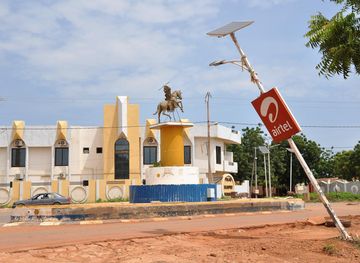
Rond point Y_Tillaberi_Kabia
Explore the lush greenery of Rond Point Y_Tillaberi_Kabia in Tillabéri - a perfect blend of tranquility and local culture.

Site Aurifère de Tillaberi
Discover the Aurifère Site of Tillabéri, a historical landmark showcasing the ancient gold mining heritage of Niger and its cultural significance.

Best restaurants in Tillabéri Region
Top-rated picks
Best Restaurants

Amandine
Discover Amandine in Niamey: where local flavors meet international cuisine in a warm and inviting atmosphere.

La Cabane
Discover La Cabane: A vibrant restaurant in Niamey serving delicious local cuisine amidst an inviting atmosphere.

Côté Jardin
Discover the flavors of Niger at Côté Jardin – where culinary excellence meets serene ambiance in Niamey.

The Pillar Restaurant
Experience authentic Italian cuisine at The Pillar Restaurant in Niamey, where every dish tells a story of flavor and tradition.

Best bars in Tillabéri Region
Top-rated picks
Best Bars

La Cabane
Experience the best of Nigerien and international cuisine at La Cabane, a top dining destination in Niamey.

Le Patio Club
Discover the vibrant nightlife at Le Patio Club in Niamey, where great drinks and friendly vibes come together for an unforgettable evening.

New York Restaurant and Bar
Savor the vibrant flavors of Niamey at New York Restaurant and Bar, where culinary excellence meets a lively atmosphere.

Cap Banga
Explore Cap Banga in Niamey, where vibrant nightlife meets delicious local and international cuisine in a welcoming atmosphere.

Best nightclubs in Tillabéri Region
Top-rated picks
Best Nightclubs

Le Patio Club
Discover the vibrant nightlife of Niamey at Le Patio Club, a lively bar offering local drinks, music, and an unforgettable social atmosphere.

Sky Lounge
Experience the vibrant nightlife and serene views at Sky Lounge, a must-visit destination in Niamey for tourists seeking relaxation and entertainment.

Club Mooky
Discover the vibrant nightlife at Club Mooky in Niamey, where lively music and friendly atmosphere create unforgettable evenings.

DIAM'S NIGHT CLUB
Discover the pulsating nightlife of Niamey at DIAM'S NIGHT CLUB, where music, dance, and vibrant energy come alive in the heart of the city.

Best shops in Tillabéri Region
Top-rated picks
Best Shops

Grand Market Niamey
Discover the essence of Niamey at Grand Market Niamey - a vibrant hub for shopping, local culture, and culinary delights.

Ets BABY SHOP
Discover quality baby clothing and accessories at Ets BABY SHOP, Niamey's delightful destination for families on the go.

Chic Store
Explore the vibrant Chic Store in Niamey, your go-to supermarket for local delicacies and international groceries in the heart of Niger.

Ahlame Shop
Explore Ahlame Shop, a boutique sanctuary offering unique local crafts and fashion, perfect for travelers seeking authentic souvenirs.

Explore Tillabéri Region on the Map
A handpicked selection of must-see spots in Tillabéri Region, mapped for you.
Tillabéri Region Essentials
-
Tillabéri Region is located in the western part of Niger. The nearest international airport is Diori Hamani International Airport in Niamey, the capital city of Niger. From Niamey, you can reach Tillabéri by road. The journey typically takes around 2 to 3 hours by car or bus. Public buses and shared taxis operate between Niamey and Tillabéri, offering a cost-effective mode of transportation.
-
Within the Tillabéri Region, transportation options include minibuses, taxis, and motorcycle taxis (zemidjans). Minibuses and shared taxis are commonly used for intercity travel, while motorcycle taxis are convenient for short distances within towns. Renting a car with a driver can also be arranged for more flexibility. Be prepared for varying road conditions, especially during the rainy season.
-
The official currency in Niger is the West African CFA franc (XOF). Credit cards are not widely accepted, so it is advisable to carry cash. ATMs are available in larger towns like Tillabéri, but they may not always be reliable. It's a good idea to withdraw sufficient cash in Niamey before heading to more remote areas. Currency exchange services are available in Niamey.
-
While Tillabéri Region is generally safe for tourists, certain areas have higher crime rates. Avoid traveling to border areas near Mali and Burkina Faso due to security concerns. Stay vigilant in crowded places and avoid displaying valuables openly. It is also advisable to travel with a local guide who is familiar with the region. Always follow travel advisories issued by your home country.
-
In case of emergency, dial 17 for police assistance and 15 for medical emergencies. The main hospital in Tillabéri can handle most medical issues, but for serious conditions, you may need to be transported to a medical facility in Niamey. Having travel insurance that covers medical emergencies is highly recommended. Pharmacies are available in larger towns for over-the-counter medications.
-
Fashion: Do dress conservatively, especially in rural areas. Avoid wearing revealing clothing. Religion: Do respect local customs and traditions. Always ask for permission before taking photos of people. Public Transport: Do be respectful and give up your seat to elderly passengers. Don't eat or drink on public transport. Greetings: Do greet people with a handshake and a smile. A slight bow of the head shows respect. Eating & Drinking: Do try local dishes and accept food offerings graciously. Don’t refuse hospitality, as it is considered impolite.
-
To experience Tillabéri Region like a local, visit the weekly markets where you can buy fresh produce and traditional goods. Engage with locals, who are often friendly and eager to share stories about their culture. Don’t miss the opportunity to attend a local festival or traditional dance performance. Exploring the Niger River and its surroundings can offer unique insights into the daily lives of the local communities.
When is the best time to visit Tillabéri Region?
Useful Local Phrases for Tillabéri Region
You don't need to speak the language perfectly. Even learning a few simple words can make conversations warmer—and locals usually appreciate the effort.
— Eve

Here are the phrases I use most often in Tillabéri Region. Try a few—you'll be surprised how far they go! 😊
❤️
-
- HelloSannu
[sah-noo] - GoodbyeSai
[sigh] - YesEh
[eh] - NoA'a
[ah-ah] - Please/You're welcomeDon Allah
[dohn ah-lah] - Thank youNa gode
[nah goh-deh] - Excuse me/SorryYi hakuri
[yee hah-khoo-ree] - How are you?Lafiya lau?
[lah-fee-yah lah-oo] - Fine. And you?Lafiya. Kai fa?
[lah-fee-yah. kye fah?] - Do you speak English?Kana magana da Turanci?
[kah-nah mah-gah-nah dah too-rah-n-chee] - I don't understandBan gane ba
[bahn gah-neh bah]
- HelloSannu
-
- I'd like to see the menu, pleaseZan so in ga menu, don Allah
[zahn soh een gah meh-noo, dohn ah-lah] - I don't eat meatBan ci nama
[bahn chee nah-mah] - Cheers!Lafiya
[lah-fee-yah] - I would like to pay, pleaseZan so in biya, don Allah
[zahn soh een bee-yah, dohn ah-lah]
- I'd like to see the menu, pleaseZan so in ga menu, don Allah
-
- Help!Taimako!
[tie-mah-koh] - Go away!Ka tafi!
[kah tah-fee!] - Call the Police!Kira 'yan sanda!
[kee-rah yan sahn-dah!] - Call a doctor!Kira likita!
[kee-rah lee-kee-tah!] - I'm lostNa rasa hanya
[nah rah-sah hahn-yah] - I'm illIna jin ciwo
[ee-nah jeen chee-woh]
- Help!Taimako!
-
- I'd like to buy...Zan so in sayi...
[zahn soh een sah-yee...] - I'm just lookingIna duba ne
[ee-nah doo-bah neh] - How much is it?Nawa ne?
[nah-wah neh?] - That's too expensiveHakan yana da tsada
[hah-kahn yah-nah dah tsah-dah] - Can you lower the price?Za ka iya rage farashi?
[zah kah ee-yah rah-geh fah-rah-shee?]
- I'd like to buy...Zan so in sayi...
-
- What time is it?Wane lokaci ne?
[wah-neh loh-kah-chee neh?] - It's one o'clockKarfe daya
[kar-feh dah-yah] - Half past (10)Rabi (10)
[rah-bee (10)] - MorningSafiya
[sah-fee-yah] - AfternoonYammaci
[yah-mah-chee] - EveningYamma
[yah-mah] - YesterdayJiya
[jee-yah] - TodayYau
[yah-oo] - TomorrowGobe
[goh-beh] - 1Daya
[dah-yah] - 2Biyu
[bee-yoo] - 3Uku
[oo-koo] - 4Hudu
[hoo-doo] - 5Biyar
[bee-yahr] - 6Shida
[shee-dah] - 7Bakwai
[bah-kwhy] - 8Takwas
[tah-kwahs] - 9Tara
[tah-rah] - 10Goma
[goh-mah]
- What time is it?Wane lokaci ne?
-
- Where's a/the...?Ina ...?
[ee-nah ...?] - What's the address?Menene adireshi?
[meh-neh-neh ah-dee-reh-shee?] - Can you show me (on the map)?Za ka iya nuna min (a taswira)?
[zah kah ee-yah noo-nah meen (ah tahs-weerah)?] - When's the next (bus)?Yaushe ne na gaba (bus)?
[yah-oo-sheh neh nah gah-bah (bus)?] - A ticket (to ....)Tikit (zuwa ...)
[tee-kit (zoo-wah ...)]
- Where's a/the...?Ina ...?
History of Tillabéri Region
-
The Tillabéri Region, a vital part of the Sahel, has been inhabited for centuries. It was once a crucial area for ancient empires such as the Songhai Empire, which thrived between the 15th and 16th centuries. The region's strategic location along the Niger River made it an essential hub for trade, connecting West Africa to North Africa and beyond.
-
During the late 19th and early 20th centuries, Tillabéri Region fell under French colonial rule, becoming part of French West Africa. The French established administrative and military posts in the region, which played a significant role in their efforts to control and exploit the resources of the Sahel. The colonial period brought significant changes to the social, economic, and political landscape of the region.
-
Following Niger's independence from France in 1960, the Tillabéri Region underwent various developmental changes. The construction of infrastructure, such as roads and schools, aimed to improve the living standards of the local population. However, the region also faced challenges such as droughts, political instability, and economic hardships that have shaped its modern history.
-
The Tillabéri Region is home to a diverse array of ethnic groups, including the Zarma, Tuareg, and Fulani people. Each group has its own unique customs, traditions, and languages. Traditional music, dance, and festivals play a significant role in the cultural life of the region. The annual 'Gani Festival' celebrated by the Zarma people is one of the most vibrant cultural events, showcasing the rich heritage of the region.
-
The Niger River, Africa's third-longest river, is a lifeline for the Tillabéri Region. It supports agriculture, fishing, and transportation, and has been central to the livelihoods of the people for generations. The river's fertile banks are dotted with villages and towns that rely on its resources. The W National Park, a UNESCO World Heritage site, is another significant natural landmark, known for its biodiversity and conservation efforts.
-
In recent years, Tillabéri Region has faced challenges such as security threats from insurgent groups and the impacts of climate change. Efforts are being made to address these challenges through regional cooperation and international support. Development projects focusing on education, healthcare, and sustainable agriculture aim to improve the resilience and prospects of the region's communities.
Neighbouring Regions of Tillabéri Region
The closest regions to Tillabéri Region, if you have time for more than one.




Your all‑in‑one travel companion app
Explore expert travel guides, compare and book tours, experiences, hotels, and more—all from the palm of your hand. Download now for seamless trip planning wherever your wanderlust takes you.


Explore More of Niger

Looking beyond Tillabéri Region? Discover Niger for broader travel guides, local hot-spots, and regional highlights.
Explore NigerTillabéri Region in Photos
Browse through our photo collection highlighting the charm and character of the destination.


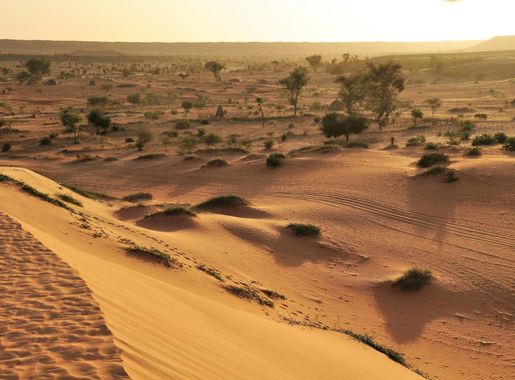


Tillabéri Region: The Hidden Gem of Niger
Nestled in the heart of Niger, the Tillabéri Region offers a unique blend of natural beauty and cultural heritage. This lesser-known destination boasts the meandering Niger River, providing life and lushness to the surrounding landscapes. The river is a lifeline for the region, supporting diverse ecosystems and vibrant communities. Travelers to Tillabéri will find a wealth of experiences waiting for them. From exploring the rustic villages and learning about traditional cultures to witnessing stunning sunsets over the river, there's something for everyone. The region is also home to W National Park, a UNESCO World Heritage site, where you can spot elephants, lions, and a variety of bird species in their natural habitat. Visiting Tillabéri is a chance to step off the beaten path and discover a side of Niger that few tourists see. The warm hospitality of the local people, combined with the region's natural wonders, makes it a must-visit for any adventurous traveler. Whether you're an avid birdwatcher, a history enthusiast, or simply looking to relax by the river, Tillabéri promises an unforgettable experience.