

Free Damergou Travel Guide & Mobile App
Explore Damergou with free travel guides. Discover regional history, expert tips, proposed trips, and audio guides on web or mobile app.


Damergou in Niger offers Sahelian landscapes, pastoral culture, market life and historic caravan-country perspectives near Tanout.
Read more about Damergou
When is the best time to visit Damergou?
Best: December–February · 24–26°C| Month | High (°C) | Rainfall (mm) |
|---|---|---|
| January (best) | 24 | 1 |
| February (best) | 26 | 1 |
| March | 30 | 2 |
| April | 34 | 3 |
| May | 38 | 7 |
| June | 40 | 15 |
| July | 38 | 25 |
| August | 36 | 20 |
| September | 35 | 15 |
| October | 32 | 7 |
| November | 28 | 3 |
| December (best) | 24 | 2 |
Getting to and around Damergou
How to get there
Transportation
Best landmarks in Damergou
Damergou's most characteristic landmarks are landscapes and working places rather than grand monuments. Tanout serves as the region's principal urban reference point, with its market area and public buildings reflecting the town's role as a link between settled farming districts and pastoral routes. Across the surrounding country, wells and seasonal watercourses are practical landmarks whose locations have historically determined movement, grazing and caravan travel. The open Sahelian horizon, scattered thorn vegetation and occasional rocky outcrops provide the region's strongest visual identity, especially on routes northwards from the cultivated belt. The significance of these places is cultural as well as geographical: a well can be a meeting point, a market can reveal patterns of exchange, and a track can preserve the logic of an older caravan corridor. Visitors should avoid treating any rural feature as an informal sightseeing stop without local permission, since water points, compounds and grazing areas remain part of active community life.
-
 Hotel
Hotel Tenere
Discover the comfort and charm of Hotel Tenere in Niamey, where modern amenities meet traditional hospitality for an unforgettable stay.
-
International airport
Diori Hamani International Airport
Discover the vibrant culture and landscapes of Niger through Diori Hamani International Airport, your gateway to adventure in Niamey.
-
Hotel
Bravia Hotel Niamey
Experience the blend of luxury and local culture at Bravia Hotel Niamey, your perfect retreat in Niger's vibrant capital.
-
Tourist attraction
Gurara Waterfalls
Gurara Waterfalls: A Natural Paradise in Niger State, Nigeria, Perfect for Hiking and Scenic Beauty.


Explore Damergou on the map
Plan your trip on one map. See where the top cities, national parks and sights are, and book hotels and experiences in a few clicks.
Best hotels in Damergou
Best restaurants in Damergou
Dining in Damergou is modest, local and closely tied to available grain, livestock and seasonal produce. In Tanout, visitors are most likely to encounter simple meals based on millet or sorghum, rice, sauces, beans and meat, with tea served as an important part of social hospitality. Goat, mutton and beef may appear where supplies permit, while fresh vegetables are more dependable in settled markets than on rural journeys. Street food and small eating places should be approached with attention to hygiene and water quality, and travellers should carry familiar provisions for longer excursions. Nigerien cuisine shares broad Sahelian traditions with neighbouring regions, so not every dish encountered here is exclusive to Damergou; the regional distinction lies in the setting, the use of locally available staples and the relationship between market agriculture and pastoral production. There is little reason to expect a formal restaurant scene outside the main town, and meals are best arranged in advance when travelling beyond Tanout.
-
Restaurant
Amandine
Discover the vibrant flavors of Niger at Amandine, Niamey's premier destination for authentic cuisine in a welcoming atmosphere.
-
Restaurant
La Cabane
Experience authentic Nigerien cuisine at La Cabane - where tradition meets taste in the heart of Niamey.
-
Restaurant
Côté Jardin
Discover the flavors of Niger at Côté Jardin – a serene dining experience in Niamey with diverse culinary delights.
-
Italian
The Pillar Restaurant
Experience authentic Italian cuisine at The Pillar Restaurant in Niamey – where every meal is a celebration of flavor and warmth.


Best bars in Damergou
Damergou does not have a significant nightclub or late-night entertainment scene. Evening life is centred on family compounds, guesthouses, tea gatherings, small restaurants and the social activity of Tanout after the heat of the day has eased. Tea is an important feature of hospitality, while conversation and local news provide much of the evening's character. Travellers should not expect a broad selection of alcohol, cocktail bars or live-music venues, particularly outside the main town, and public drinking is inappropriate in many local contexts. Because of security conditions and limited lighting, movement after dark should be kept to a minimum and arranged with a trusted host or driver. The most meaningful evening experience is usually quiet observation of local rhythms rather than organised nightlife.
-
Restaurant
Amandine
Experience the vibrant flavors of Niger at Amandine, a must-visit restaurant in Niamey offering a delightful culinary journey.
-
Restaurant
La Cabane
Discover La Cabane, a culinary oasis in Niamey, blending local and international flavors in a vibrant setting perfect for all occasions.
-
Restaurant
Côté Jardin
Experience the culinary charm of Côté Jardin in Niamey, where local flavors meet a tranquil garden ambiance for an unforgettable dining experience.
-
Restaurant
Tabakady by Bravia Eco Hotels
Explore the flavors of Niger at Tabakady by Bravia Eco Hotels, where culinary excellence meets a warm atmosphere in Niamey.


Best nightclubs in Damergou
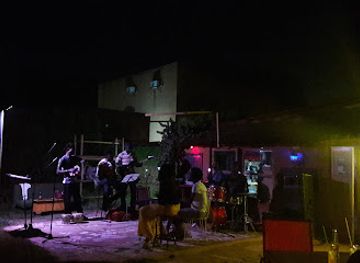
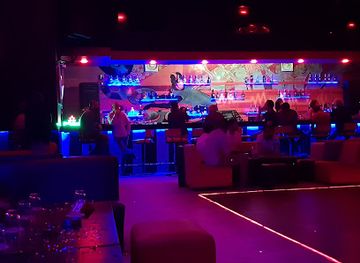
Damergou does not have a significant nightclub or late-night entertainment scene. Evening life is centred on family compounds, guesthouses, tea gatherings, small restaurants and the social activity of Tanout after the heat of the day has eased. Tea is an important feature of hospitality, while conversation and local news provide much of the evening's character. Travellers should not expect a broad selection of alcohol, cocktail bars or live-music venues, particularly outside the main town, and public drinking is inappropriate in many local contexts. Because of security conditions and limited lighting, movement after dark should be kept to a minimum and arranged with a trusted host or driver. The most meaningful evening experience is usually quiet observation of local rhythms rather than organised nightlife.
-
Bar
Club Mooky
Discover the vibrant nightlife at Club Mooky, Niamey's premier bar for drinks, music, and a taste of local culture.
-
Club
DIAM'S NIGHT CLUB
Unleash your nightlife spirit at DIAM'S NIGHT CLUB in Niamey, where vibrant music and an energetic crowd create unforgettable evenings.
-
Night club
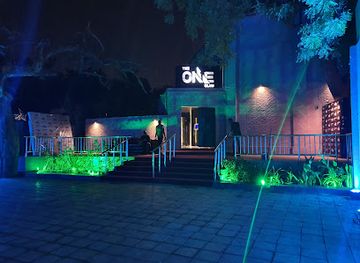
The on1e club
Discover the pulse of Niamey's nightlife at The on1e Club, where music, dance, and culture come alive until dawn.
-
Night club
LEVEL CLUB & LOUNGE
Discover Niamey's vibrant nightlife at LEVEL CLUB & LOUNGE, where music, drinks, and fun merge for an unforgettable experience.

Best shops in Damergou
Shopping in Damergou is concentrated on practical local markets rather than dedicated tourist retail. Tanout is the most useful place to look for grain, dates and other food supplies, household goods, clothing, leather items and products connected with livestock and farming. Markets may bring together settled producers and pastoral traders, giving them a social importance beyond simple purchasing. Visitors should ask locally about market days because activity can vary with seasons, rainfall and security conditions. Souvenirs are likely to be modest and should be bought through fair, consensual transactions rather than from historic or archaeological material. Useful purchases for travellers include locally made textiles, leatherwork and small craft items when their provenance is clear, although selection is irregular. Outside Tanout, retail choice becomes very limited, so food, water, fuel and personal necessities should be obtained before setting out on rural routes.
-
Store
Grand Market Niamey
Explore the vibrant Grand Market Niamey, a cultural hub brimming with local crafts, delicious street food, and lively market experiences in Niger.
-
Grocery store
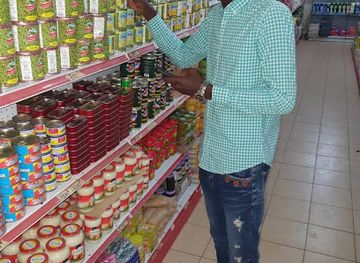
N'wala store
Discover local flavors and vibrant culture at N'wala Store in Zinder, your go-to grocery store for authentic Nigerien ingredients.
-
Supermarket
Chic Store
Discover a diverse range of products at Chic Store in Niamey, blending local flavors with global brands in a vibrant shopping experience.
-
Store
Diamond Store
Uncover the splendor of local craftsmanship at the Diamond Store in Niamey, where exquisite jewelry meets cultural artistry.



Get your free copy of our complete guide to Damergou, delivered straight to you.
Everything on this page, from attractions and restaurants to essentials and local phrases, in one PDF you can read offline, print or share.
Already have an account? Sign in
Your Damergou guide is ready.
We'll send it to · Not you? Sign out

Getting your guide ready…
We are putting together a fresh copy of the Damergou guide. This can take up to a minute.
This can take a few moments. If your browser asks, choose Allow so the download can start. You'll find the guide in your Downloads folder.
Nothing happened? Download it again
Sorry, the guide is taking longer than usual. Please try again in a minute, or get it by email instead.
Damergou essentials
Currency and Payment
Safety
Emergency Situations
Do's and Don'ts
Local Tips
From Eve
Local phrases worth knowing
You don't need to get them perfect. A few words go a long way, and locals appreciate the effort.
Basics
| English | Local | Say it |
|---|---|---|
| Hello | Sannu | [sahn-oo] |
| Goodbye | Sai anjima | [sigh an-jee-ma] |
| Yes | Eh | [eh] |
| No | A'a | [ah-ah] |
| Please/You're welcome | Don Allah | [dawn ah-lah] |
| Thank you | Nagode | [nah-goh-deh] |
| Excuse me/Sorry | Yi hakuri | [yee hah-kur-ee] |
| How are you? | Lafiya lau? | [lah-fee-yah lah-oo] |
| Fine. And you? | Lafiya. Kai fa? | [lah-fee-yah. kye fah] |
| Do you speak English? | Kana jin turanci? | [kah-nah jeen too-ran-chee] |
| I don't understand | Ban fahimta | [bahn fah-hee-mah] |
Eating & Drinking
| English | Local | Say it |
|---|---|---|
| I'd like to see the menu, please | Zan so in ga menu, don Allah | [zahn soh een gah meh-noo, dawn ah-lah] |
| I don't eat meat | Ban ci nama | [bahn chee nah-mah] |
| Cheers! | Lafiya! | [lah-fee-yah] |
| I would like to pay, please | Zan so in biya, don Allah | [zahn soh een bee-yah, dawn ah-lah] |
Emergencies
| English | Local | Say it |
|---|---|---|
| Help! | Taimako! | [tie-mah-koh] |
| Go away! | Tafi! | [tah-fee] |
| Call the Police! | Kira 'yan sanda! | [kee-rah yan sahn-dah] |
| Call a doctor! | Kira likita! | [kee-rah lee-kee-tah] |
| I'm lost | Na bata | [nah bah-tah] |
| I'm ill | Na ji ciwo | [nah jee chee-woh] |
Shopping
| English | Local | Say it |
|---|---|---|
| I'd like to buy... | Zan so in sayi... | [zahn soh een sigh-ee] |
| I'm just looking | Ina duba ne | [ee-nah doo-bah neh] |
| How much is it? | Nawa ne? | [nah-wah neh] |
| That's too expensive | Wannan yana da tsada | [wahn-nahn yah-nah dah tsah-dah] |
| Can you lower the price? | Za ka iya rage farashi? | [zah kah ee-yah rah-geh fah-rah-shee] |
Time & Numbers
| English | Local | Say it |
|---|---|---|
| What time is it? | Wane lokaci ne? | [wah-neh loh-kah-chee neh] |
| It's one o'clock | Karfe daya | [kar-feh dah-yah] |
| Half past (10) | Rabi bayan (10) | [rah-bee bye-ahn (10)] |
| Morning | Safiya | [sah-fee-yah] |
| Afternoon | Yammaci | [yahm-mah-chee] |
| Evening | Yammaci | [yahm-mah-chee] |
| Yesterday | Jiya | [jee-yah] |
| Today | Yau | [yow] |
| Tomorrow | Gobe | [goh-beh] |
| 1 | Daya | [dah-yah] |
| 2 | Biyu | [bee-yoo] |
| 3 | Uku | [oo-koo] |
| 4 | Hudu | [hoo-doo] |
| 5 | Biyar | [bee-yahr] |
| 6 | Shida | [shee-dah] |
| 7 | Bakwai | [bahk-wah-ee] |
| 8 | Takwas | [tahk-wahs] |
| 9 | Tara | [tah-rah] |
| 10 | Goma | [goh-mah] |
Transport & Directions
| English | Local | Say it |
|---|---|---|
| Where's a/the...? | Ina ...? | [ee-nah ...?] |
| What's the address? | Menene adireshin? | [meh-neh-neh ah-dee-reh-sheen?] |
| Can you show me (on the map)? | Za ka iya nuna mini (a taswirar)? | [zah kah ee-yah noo-nah mee-nee (ah tahs-we-rah)?] |
| When's the next (bus)? | Yaushe ne na gaba (bas)? | [yow-sheh neh nah gah-bah (bahs)?] |
| A ticket (to ....) | Tikit (zuwa ...) | [tee-kit (zoo-wah ...)] |
History of Damergou
Early Sahelian Settlement and Pastoral Routes
Damergou forms part of the wider Sahelian zone where communities have long combined agriculture, pastoralism and seasonal movement. Archaeological evidence across central Niger indicates that the region has experienced major environmental changes since prehistoric times, with wetter periods supporting more extensive human and animal activity than is possible today. Although many traces are modest and dispersed, the enduring pattern is clear: access to wells, seasonal watercourses and grazing shaped settlement more decisively than fixed political boundaries. This environmental history helps explain the region's scattered villages, mobile livestock economy and reliance on local knowledge.
Trans-Sahelian Exchange Before Colonial Rule
Before European rule, the area around Damergou was connected to wider networks linking the Hausa towns of the south with the caravan routes leading towards Agadez and the central Sahara. Trade was conducted through a chain of market settlements, wells and stopping places rather than through a single permanent highway. Livestock, grain, leather goods and other regional products moved alongside salt and desert commodities. Political authority varied between settled rulers, local communities and mobile groups, and the practical importance of a place often depended on water and security as much as on its size.
The Zinder Sphere and Regional Hausa Culture
Damergou's southern connections have historically tied it to the Hausa cultural and commercial world centred on Zinder. The expansion of Hausa states and trading communities strengthened links between market towns, farming villages and pastoral territories. These connections left a lasting cultural imprint in language, architectural traditions, craft production and patterns of exchange. Damergou nevertheless retained its own frontier character, with a more pronounced interaction between settled agriculture and mobile herding than in the densely cultivated areas farther south.
Colonial Conquest and the Reorganisation of Travel
French colonial expansion into the central Niger region in the early twentieth century brought new administrative boundaries, military routes and systems of taxation. Older caravan corridors were increasingly interpreted through colonial posts and roads, while local rulers and communities were incorporated into the administration of French West Africa. The colonial period did not end pastoral mobility or market exchange, but it altered the political framework in which they operated. Tanout and surrounding settlements subsequently developed as administrative and commercial points within the modern territory that became the Republic of Niger.
Independence and the Modern Nigerien State
Niger became independent in 1960, and Damergou was incorporated into the national administrative and economic system rather than remaining a separate political territory. Government services, schools, roads and market regulation gradually linked the region more closely with Zinder and other urban centres. Development has remained constrained by distance, aridity and limited infrastructure, particularly outside Tanout. The region's modern history is therefore marked by both integration into a national state and the persistence of local systems based on kinship, farming, herding and seasonal movement.
Drought, Mobility and Sahelian Change
Repeated droughts from the 1970s onwards, together with population growth and fluctuating rainfall, have reshaped livelihoods throughout Damergou. Pastoralists have had to adjust grazing routes, while farming communities have faced pressure on soils, water and cultivable land. Migration, livestock trade and temporary movement to larger towns have become important forms of adaptation. These changes are not simply environmental events: they affect relations between communities, the timing of markets and the practical meaning of traditional routes. Contemporary Damergou is consequently a region where long-established livelihoods are continually being modified by climate and economic change.
Damergou in Photos
Browse through our photo collection highlighting the charm and character of the destination.
Neighbouring regions of Damergou
The closest regions to Damergou, if you have time for more than one.
-

-

-

-

-


Swipe for more regions
Explore more

Explore more of Niger
Discover the untamed beauty of Niger – a land of desert wonders, rich traditions, and vibrant cultures, nestled in the heart of West Africa.
Explore Niger