

Free Zinder Region Travel Guide & Mobile App
Explore Zinder Region with free travel guides. Discover regional history, expert tips, proposed trips, and audio guides on web or mobile app.


Zinder Region combines Hausa-Sahelian history, the old city of Zinder, traditional crafts and atmospheric cultural landscapes in south-eastern Niger.
Read more about Zinder Region
When is the best time to visit Zinder Region?
Best: November–January · 27–31°C| Month | High (°C) | Rainfall (mm) |
|---|---|---|
| January (best) | 28 | 0 |
| February | 31 | 0 |
| March | 35 | 0 |
| April | 39 | 1 |
| May | 42 | 2 |
| June | 41 | 3 |
| July | 36 | 5 |
| August | 35 | 6 |
| September | 36 | 4 |
| October | 34 | 2 |
| November (best) | 31 | 0 |
| December (best) | 27 | 0 |
Getting to and around Zinder Region
How to get there
Transportation
Best landmarks in Zinder Region
The most recognisable landmark in Zinder is the Sultan’s Palace, associated with the rulers of Damagaram and the city’s former political importance. Its significance is both architectural and symbolic: it represents the sultanate that made Zinder a major regional capital before and during the colonial period. The Grand Mosque and the older structures of Birni form another important group, with earthen construction, enclosed compounds and narrow urban passages reflecting Hausa-Islamic architectural traditions. The historic quarters themselves are more important than any single façade, because they preserve the spatial character of an established Sahelian city. Zinder’s former colonial administrative buildings add a distinct twentieth-century layer, although access and preservation arrangements vary. Outside the city, the most meaningful landmarks are often modest: mosques, market spaces, old compounds and routes connected with the region’s agricultural and pastoral communities. Their value lies in their relationship to living settlement and trade rather than in monumental scale, and visitors should approach them with local permission and respect.
-
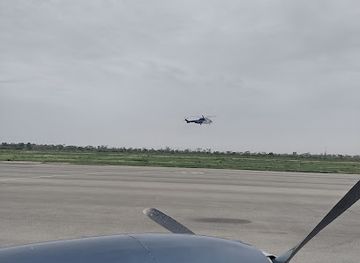
International airport
Zinder International Airport
Experience the vibrant culture and history of Zinder through its international airport, a gateway to unforgettable adventures in Niger.
-
Wellness hotel
GAMZAKI DE ZINDER
Discover tranquility and wellness at Gamzaki De Zinder, your peaceful retreat in the heart of Zinder, Niger.
-
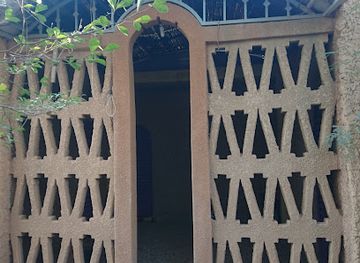
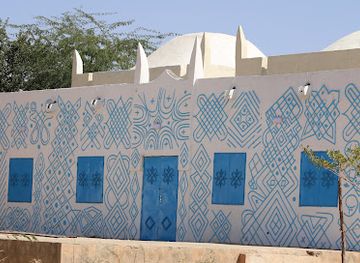
Mosque
Grande Mosquée (Idi) de Zinder
Explore the Grande Mosquée (Idi) de Zinder, a stunning example of Islamic architecture and a vibrant cultural hub in Niger.
-
Museum
Musée regional
Explore the vibrant history and culture of Niger at Musée Regional in Zinder, where every artifact tells a story.

Explore Zinder Region on the map
Plan your trip on one map. See where the top cities, national parks and sights are, and book hotels and experiences in a few clicks.
Best hotels in Zinder Region
Best restaurants in Zinder Region
Dining in Zinder reflects the foodways of southern Niger and the wider Hausa-Sahelian region. Millet is fundamental, appearing in porridges, couscous-like preparations and other staples, while rice, beans, sorghum, vegetables and sauces are common in urban meals. Grilled meat, broths and simple rice dishes may be found at local eateries, roadside stalls and market areas, with menus shaped by seasonal availability. Tea is an important part of social hospitality, and sweet drinks and regional juices may be available in the heat. In Zinder city, visitors will find modest restaurants, cafés, street-food sellers and hotel dining rooms rather than a highly formalised restaurant scene. Hygiene standards and refrigeration can vary, so choose busy establishments, eat food served hot and drink treated or sealed water. Markets are useful for seeing the range of grains, dried foods, spices and produce that support regional cooking. Dietary requirements should be explained clearly in French or with help from a local host, as English is not widely used.
-
Restaurant
Hotel Birni House
Discover the essence of Zinder's culinary scene at Hotel Birni House - where local meets international flavors.
-
Restaurant
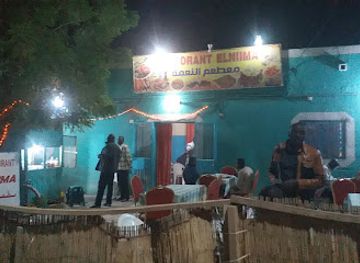
Restaurant El NIIMA
Experience authentic Nigerien cuisine at Restaurant El NIIMA in Zinder – where every meal tells a story.
-
Restaurant
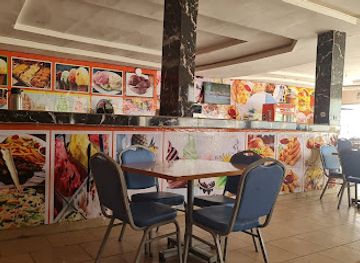
Restaurant Fast food hight class
Savor delicious fast food with a high-class twist in the heart of Zinder - perfect for every tourist's palate.
-
Restaurant
NUSNAN
Experience authentic Nigerien flavors at NUSNAN in Zinder – where every dish tells a story.
Best bars in Zinder Region
Zinder’s evening culture is shaped more by family visits, tea, cafés, informal food stalls and local social life than by a large nightclub sector. Some hotels and urban restaurants may provide evening meals or refreshments, while nightlife in the rural parts of the region is limited and generally not organised around tourist venues. Alcohol availability is restricted compared with many international destinations, and visitors should follow the practices of the establishment and community they are in. After dark, movement requires particular caution because of security concerns, limited street lighting and uneven roads. Live music, celebrations and religious or family occasions may create evening activity, but these are local events rather than dependable tourist entertainment. Ask a trusted host about appropriate places to go and avoid photographing gatherings without permission.
-
Bar
Le Patio Club
Discover the lively ambiance of Le Patio Club, a must-visit bar in Niamey offering cold drinks, games, and a friendly atmosphere.
-
Restaurant
Zaxi Rooftop Lounge & Bar
Discover the vibrant atmosphere and stunning views at Zaxi Rooftop Lounge & Bar, Niamey's premier destination for relaxation and socializing.
-
Bar
Mess Fan Club
Discover the vibrant atmosphere of Mess Fan Club in Tahoua, where locals and travelers unite over drinks and live music.
-
 Bar
Planza Bar Restaurant
Discover the vibrant atmosphere of Planza Bar Restaurant in Birnin Konni, where local cuisine meets a lively bar experience.

Best nightclubs in Zinder Region
Zinder’s evening culture is shaped more by family visits, tea, cafés, informal food stalls and local social life than by a large nightclub sector. Some hotels and urban restaurants may provide evening meals or refreshments, while nightlife in the rural parts of the region is limited and generally not organised around tourist venues. Alcohol availability is restricted compared with many international destinations, and visitors should follow the practices of the establishment and community they are in. After dark, movement requires particular caution because of security concerns, limited street lighting and uneven roads. Live music, celebrations and religious or family occasions may create evening activity, but these are local events rather than dependable tourist entertainment. Ask a trusted host about appropriate places to go and avoid photographing gatherings without permission.
-
Night club
Abdou Kadri
Immerse yourself in the vibrant nightlife of Zinder at Abdou Kadri, a lively night club blending music, dance, and local culture.
Best shops in Zinder Region
Shopping in Zinder centres on markets, small urban shops and craft workshops rather than large commercial centres. Visitors may encounter locally made leather goods, woven textiles, embroidered clothing, metal objects, mats and practical household items, although quality, provenance and availability vary. Markets also display the agricultural life of the region through millet, grains, beans, spices, dried foods and seasonal produce. Haggling is common in informal markets, but a courteous exchange is more appropriate than aggressive bargaining. Ask whether an item was made locally before presenting it as a regional souvenir, and avoid purchasing antiquities or archaeological objects whose export may be illegal. Urban shops can supply basic clothing, toiletries and food, while rural settlements offer much less predictable retail choice. Cash is normally necessary, and carrying smaller CFA franc notes makes everyday purchases easier. Where possible, buying directly from artisans or established cooperatives provides a clearer connection with the work and avoids pressuring people who do not wish to be photographed or approached.
-
Shopping mall
Ikeja City Mall
Discover Ikeja City Mall: Your ultimate shopping, dining, and entertainment experience in Lagos, Nigeria.
-
Shopping mall
Jabi Lake Mall
Experience the best of shopping, dining, and entertainment at Jabi Lake Mall in Abuja, Nigeria's vibrant capital city.
-
Shopping mall
The Palms Shopping Mall
Explore the vibrant shopping scene at The Palms Shopping Mall in Lekki, Lagos, featuring diverse stores, dining, and entertainment for every traveler.
-
Store
Grand Market Niamey
Experience the vibrant culture, delicious food, and unique crafts at Grand Market Niamey - a must-visit destination in Niger.


Get your free copy of our complete guide to Zinder Region, delivered straight to you.
Everything on this page, from attractions and restaurants to essentials and local phrases, in one PDF you can read offline, print or share.
Already have an account? Sign in
Your Zinder Region guide is ready.
We'll send it to · Not you? Sign out

Getting your guide ready…
We are putting together a fresh copy of the Zinder Region guide. This can take up to a minute.
This can take a few moments. If your browser asks, choose Allow so the download can start. You'll find the guide in your Downloads folder.
Nothing happened? Download it again
Sorry, the guide is taking longer than usual. Please try again in a minute, or get it by email instead.
Zinder Region essentials
Currency and Payment
Safety
Emergency Situations
Do's and Don'ts
Local Tips
From Eve
Local phrases worth knowing
You don't need to get them perfect. A few words go a long way, and locals appreciate the effort.
Basics
| English | Local | Say it |
|---|---|---|
| Hello | Sannu | [sahn-noo] |
| Goodbye | Sai | [sigh] |
| Yes | Eh | [eh] |
| No | A'a | [ah-ah] |
| Please/You're welcome | Don Allah | [don ah-lah] |
| Thank you | Na gode | [nah goh-deh] |
| Excuse me/Sorry | Yi hakuri | [yee hah-koo-ree] |
| How are you? | Lafiya lau? | [lah-fee-yah lah-oo] |
| Fine. And you? | Lafiya. Kai fa? | [lah-fee-yah. kai fah] |
| Do you speak English? | Ka iya turanci? | [kah ee-yah too-rahn-chee] |
| I don't understand | Ban fahimta ba | [ban fah-eem-tah bah] |
Eating & Drinking
| English | Local | Say it |
|---|---|---|
| I'd like to see the menu, please | Zan so in ga menu, don Allah | [zan so in gah meh-noo, don ah-lah] |
| I don't eat meat | Ban ci nama | [ban chee nah-mah] |
| Cheers! | Dara! | [dah-rah] |
| I would like to pay, please | Zan so in biya, don Allah | [zan so in bee-yah, don ah-lah] |
Emergencies
| English | Local | Say it |
|---|---|---|
| Help! | Taimako! | [tai-mah-koh] |
| Go away! | Tashi! | [tah-shee] |
| Call the Police! | Kira 'yan sanda! | [kee-rah yan sahn-dah] |
| Call a doctor! | Kira likita! | [kee-rah lee-kee-tah] |
| I'm lost | Na bata | [nah bah-tah] |
| I'm ill | Ina jin ciwo | [ee-nah jeen chee-woh] |
Shopping
| English | Local | Say it |
|---|---|---|
| I'd like to buy... | Zan so in sayi... | [zan so in sah-yee] |
| I'm just looking | Ina kallo ne | [ee-nah kah-loh neh] |
| How much is it? | Nawa ne? | [nah-wah neh] |
| That's too expensive | Wannan yana da tsada | [wahn-nahn yah-nah dah tsah-dah] |
| Can you lower the price? | Za ka iya rage farashi? | [zah kah ee-yah rah-geh fah-rah-shee] |
Time & Numbers
| English | Local | Say it |
|---|---|---|
| What time is it? | Wane lokaci ne? | [wah-neh loh-kah-chee neh] |
| It's one o'clock | Karfe daya | [kar-feh dah-yah] |
| Half past (10) | Rabi bayan (10) | [rah-bee bye-ahn (10)] |
| Morning | Safe | [sah-feh] |
| Afternoon | Yamma | [yah-mah] |
| Evening | Yamma | [yah-mah] |
| Yesterday | Jiya | [jee-yah] |
| Today | Yau | [yow] |
| Tomorrow | Gobe | [goh-beh] |
| 1 | Daya | [dah-yah] |
| 2 | Biyu | [bee-yoo] |
| 3 | Uku | [oo-koo] |
| 4 | Hudu | [hoo-doo] |
| 5 | Biyar | [bee-yahr] |
| 6 | Shida | [shee-dah] |
| 7 | Bakwai | [bah-kwah-ee] |
| 8 | Takwas | [tah-kwahs] |
| 9 | Tara | [tah-rah] |
| 10 | Goma | [goh-mah] |
Transport & Directions
| English | Local | Say it |
|---|---|---|
| Where's a/the...? | Ina ...? | [ee-nah ...?] |
| What's the address? | Menene adireshin? | [meh-neh-neh ah-dee-reh-sheen?] |
| Can you show me (on the map)? | Za ka iya nuna mini (a taswira)? | [zah kah ee-yah noo-nah mee-nee (ah tah-swee-rah)?] |
| When's the next (bus)? | Yaushe ne na gaba (bas)? | [yow-sheh neh nah gah-bah (bahs)?] |
| A ticket (to ....) | Tikit (zuwa ...) | [tee-kit (zoo-wah ...)] |
History of Zinder Region
Early Sahelian Settlement and Trade
The area around present-day Zinder has long been shaped by seasonal agriculture, pastoral movement and exchange across the southern Sahara and Sahel. Communities developed around access to water, cultivable land and routes linking Hausa-speaking towns with markets farther north and south. Although much of the region’s early history is preserved through oral traditions and archaeology rather than monumental remains, its position between the central Sahel and northern Nigeria made it part of wider networks carrying livestock, grain, leather, textiles and other goods.
Hausa States and Islamic Influence
Zinder developed within the broader political and cultural world of the Hausa states. Islam reached Hausa urban centres through trans-Saharan and regional networks, influencing scholarship, law, architecture and administration. The growth of mosques, Qur’anic learning and merchant communities helped connect the region to cities across present-day Niger and northern Nigeria. Hausa language and cultural forms remain central to Zinder’s identity, although the region has always included several communities and pastoral traditions.
The Sultanate of Damagaram, Eighteenth to Nineteenth Centuries
Damagaram became a major political power in the Zinder area during the eighteenth and nineteenth centuries. Its rulers established Zinder as a fortified and commercially important capital, generally associated with the old city known as Birni. The sultanate controlled or influenced surrounding territories, benefited from regional trade and developed administrative and military institutions. Earthen walls, palace traditions, urban compounds and the continuing authority of the sultanate’s symbols preserve aspects of this period in modern Zinder.
Regional Commerce and the Zinder Market World
Zinder’s importance rested partly on its position within trading systems linking the central Sahel to Kano and other Hausa centres in present-day Nigeria, as well as to routes leading towards Agadez and the Sahara. Merchants exchanged agricultural products, livestock, leather, textiles and manufactured goods. Markets also brought together settled farmers, pastoralists and craft specialists. This commercial history helped make Zinder a multilingual and culturally connected city rather than an isolated settlement.
French Conquest and Colonial Administration
French forces occupied Zinder at the beginning of the twentieth century during the extension of colonial rule across the central Sudan and Sahara. The existing sultanate was subordinated to the colonial administration, while Zinder became an important administrative and military centre. French rule altered patterns of authority, taxation, transport and trade but did not erase the city’s Islamic institutions or Hausa social and cultural life. Colonial buildings and administrative traces form a later layer alongside the older earthen city.
Zinder as Colonial Capital and the Formation of Niger
Zinder served as the capital of the colony that became Niger until the administrative centre was transferred to Niamey in 1926. The move reflected changing colonial priorities and the growing importance of the western Niger River corridor. Zinder nevertheless remained a major city in the east and south-east, retaining institutional, commercial and cultural importance. Its former capital status helps explain the concentration of historic buildings, political memories and regional services found in the city today.
Independence and Contemporary Regional Change
Niger became independent in 1960, and Zinder Region continued as one of the country’s major population and agricultural areas. Expansion of cultivation, population growth, livestock mobility, market activity and connections with northern Nigeria have reshaped the region. At the same time, drought, rainfall variability and pressure on land and water have affected rural livelihoods. Modern Zinder combines the legacy of Damagaram and colonial administration with the practical demands of a fast-growing Sahelian regional centre.
Zinder Region in Photos
Browse through our photo collection highlighting the charm and character of the destination.
Neighbouring regions of Zinder Region
The closest regions to Zinder Region, if you have time for more than one.
-

-

-
-

-


Swipe for more regions
Explore more

Explore more of Niger
Discover the untamed beauty of Niger – a land of desert wonders, rich traditions, and vibrant cultures, nestled in the heart of West Africa.
Explore Niger