

Free Maradi Region Travel Guide & Mobile App
Explore Maradi Region with free travel guides. Discover regional history, expert tips, proposed trips, and audio guides on web or mobile app.


Maradi Region combines Hausa culture, Sahelian farming landscapes, cross-border trade and the market energy of southern Niger.
Read more about Maradi Region
When is the best time to visit Maradi Region?
Best: November–January · 30–34°C| Month | High (°C) | Rainfall (mm) |
|---|---|---|
| January (best) | 31 | 0 |
| February | 34 | 1 |
| March | 38 | 1 |
| April | 41 | 2 |
| May | 43 | 7 |
| June | 41 | 15 |
| July | 37 | 75 |
| August | 36 | 100 |
| September | 38 | 40 |
| October | 38 | 10 |
| November (best) | 34 | 1 |
| December (best) | 30 | 0 |
Getting to and around Maradi Region
How to get there
Transportation
Best attractions in Maradi Region
Maradi’s attractions are primarily cultural, geographic and experiential rather than a concentrated collection of ticketed sights. In Maradi city, markets, workshops, mosques and busy transport areas provide an insight into the region’s role as a southern Nigerien trading centre, although visits should be made with local permission and security guidance. The city’s surrounding agricultural plain reveals the importance of millet, sorghum, cowpeas, groundnuts and livestock to everyday life. Madarounfa, south of Maradi, is associated with a lake and religious traditions that give the area a significance beyond its modest scale; access and local arrangements should be confirmed before travelling. Other rural districts, including Guidan Roumdji, Mayahi and Tessaoua, offer views of Sahelian farming settlements and seasonal landscapes rather than conventional tourist infrastructure. Visitors interested in cultural geography can learn from local markets, craft production, Islamic architecture and community life, while birdlife and changing vegetation may be observed around seasonal water sources. Because the region has limited visitor facilities and serious security constraints, attractions should be approached as carefully organised local encounters, not as an improvised circuit of independent excursions.
-
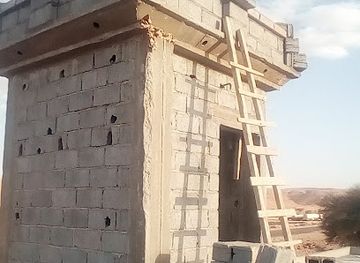
Amusement park
MJC89398968
Experience the Thrills and Cultural Delights at Maradi's Premier Amusement Park, Perfect for Families and Adventurers Alike.
Best landmarks in Maradi Region
Maradi’s most recognisable landmarks are associated with religious life, commerce and the Sahelian setting rather than monumental stone architecture. The mosques of Maradi and the city’s dense market areas express its importance as a Hausa commercial centre, although religious buildings should be viewed respectfully and entered only where permission is given. Lake Madarounfa, near the town of Madarounfa, is the region’s most distinctive natural and cultural landmark. Its water, surrounding vegetation and local sacred traditions set it apart from the largely cultivated plain, while nearby religious narratives connect the site to regional pilgrimage and memory. The broad agricultural landscapes around Maradi are also significant: seasonal fields, village compounds, wells and livestock routes show how settlement has adapted to a demanding Sahelian climate. Rather than a single monumental skyline, the region’s identity is legible in the relationship between market town, mosque, farmland and seasonal water. Security and access arrangements should be confirmed before visiting any landmark outside Maradi city.
-
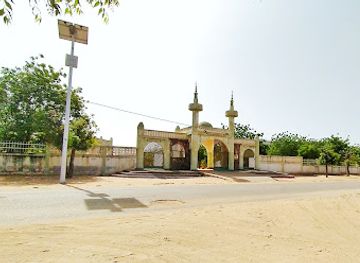
Mosque
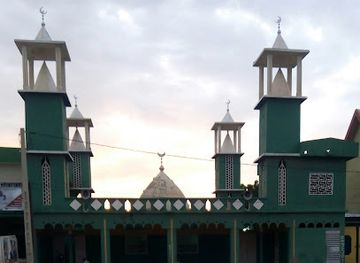
Maradi Grand Mosque
Discover the architectural beauty and spiritual significance of the Maradi Grand Mosque, a cultural gem in the heart of Niger.
-
Mosque
Great Mosque of Maradi
Explore the Great Mosque of Maradi, a stunning architectural marvel and cultural hub reflecting Niger's rich Islamic heritage.
-
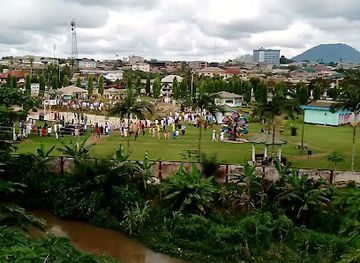
 Park
ParkRond Point Gouvernorat
Discover the serene beauty of Rond Point Gouvernorat, a lush park in Maradi that offers a peaceful escape and a glimpse into local culture.
-
Mosque
MOSQUEE ABDESSALEM NABIL VILLAGE SARKIN ASKA - MARADI NIGER
Experience the tranquil beauty and rich cultural heritage of Mosque Abdessalem in Baraya, Niger—a true spiritual haven.
Explore Maradi Region on the map
Plan your trip on one map. See where the top cities, national parks and sights are, and book hotels and experiences in a few clicks.
Best hotels in Maradi Region
Best restaurants in Maradi Region
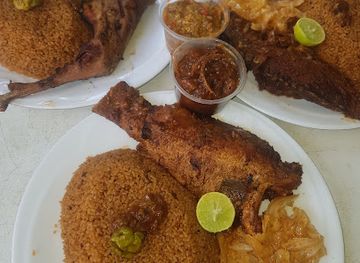
Dining in Maradi reflects the foodways of southern Niger and the wider Hausa cultural zone. Meals commonly centre on millet, sorghum, rice or maize, served with bean, vegetable, okra or meat-based sauces; cowpeas and groundnuts are important crops and ingredients, while grilled meat and simple broths are familiar in urban food settings. Tea, sweet drinks and small fried snacks are common informal refreshments, and seasonal produce appears in markets when harvests allow. In Maradi city, visitors will find a mixture of modest local eateries, market food, hotel dining rooms and restaurants serving familiar West African dishes, but standards and opening arrangements can change. Outside the capital, options are more limited and travellers should not assume that reliable restaurant service is available. Food purchased from busy, well-used stalls is generally easier to assess than unattended food, and visitors should use treated or bottled water and take sensible precautions with raw produce. Hospitality is often expressed through shared meals, so dietary restrictions should be explained clearly through a trusted interpreter.
-
Restaurant
Restaurant Eden
Discover authentic Nigerien flavors at Restaurant Eden in Maradi, where every meal tells a story.
-
Restaurant
Palace Air
Experience authentic Nigerien cuisine at Palace Air, Maradi's premier restaurant offering delightful dishes in a warm atmosphere.
-
Restaurant
Restaurant La Teranga
Discover authentic Nigerien cuisine at Restaurant La Teranga in Maradi, where local flavors meet warm hospitality.
-
Restaurant
CERCLE MESS DES OFFICIERS
Experience authentic Nigerien cuisine at Cercle Mess des Officiers in Maradi – where tradition meets flavor in every dish.
Best bars in Maradi Region
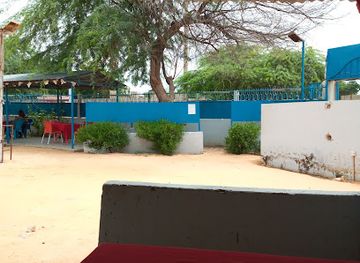
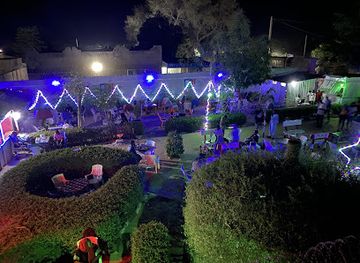
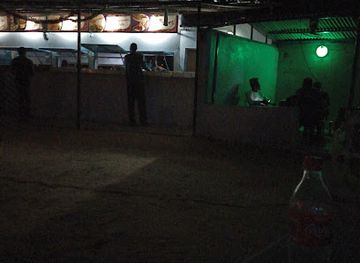
Maradi’s evening life is shaped more by family visits, tea stalls, restaurants, community gatherings and religious or cultural activity than by a large bar and nightclub scene. As a predominantly Muslim region, public drinking culture is limited and alcohol may be unavailable or discreetly served in some establishments; visitors should not assume that nightlife follows European or coastal West African patterns. In the regional capital, a small number of hotels and restaurants may provide evening meals and social spaces, while informal tea stands and street activity are more characteristic of ordinary urban evenings. Smaller towns and rural districts become quiet after dark, and security conditions make late movement inadvisable. Visitors should follow local guidance, return to accommodation before curfews or security restrictions, and avoid photographing people or gatherings without permission. Evening entertainment is therefore best understood through conversation, food, markets and local cultural life rather than a developed club circuit.
-
Restaurant
Restaurant Eden
Experience the authentic flavors of Niger at Restaurant Eden, a culinary gem in Maradi that promises unforgettable dining moments.
-
Restaurant
Boulangerie La Mosquee
Discover the flavors of Maradi at Boulangerie La Mosquee, where traditional pastries and warm bread await in a welcoming ambiance.
-
Bar
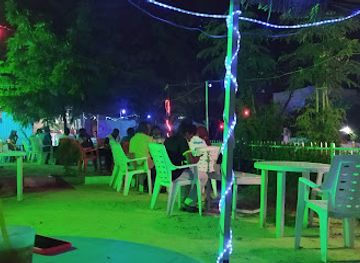
Lounge Garden
Discover Lounge Garden in Katsina, a vibrant bar offering a relaxing atmosphere, diverse drinks, and local entertainment for an unforgettable night out.
-
Restaurant
Palace Air
Experience the heart of Maradi's culinary scene at Palace Air, where local flavors meet a warm and inviting atmosphere.
Best nightclubs in Maradi Region
Maradi’s evening life is shaped more by family visits, tea stalls, restaurants, community gatherings and religious or cultural activity than by a large bar and nightclub scene. As a predominantly Muslim region, public drinking culture is limited and alcohol may be unavailable or discreetly served in some establishments; visitors should not assume that nightlife follows European or coastal West African patterns. In the regional capital, a small number of hotels and restaurants may provide evening meals and social spaces, while informal tea stands and street activity are more characteristic of ordinary urban evenings. Smaller towns and rural districts become quiet after dark, and security conditions make late movement inadvisable. Visitors should follow local guidance, return to accommodation before curfews or security restrictions, and avoid photographing people or gatherings without permission. Evening entertainment is therefore best understood through conversation, food, markets and local cultural life rather than a developed club circuit.
-
Night club
Boutique AL IMRANE
Discover the heart of Maradi's nightlife at Boutique AL IMRANE, where music, dance, and culture converge for an unforgettable experience.
Best shops in Maradi Region
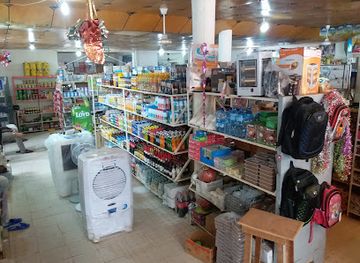
Shopping in Maradi is closely tied to its role as a major regional market and trading centre. The city’s commercial areas offer everyday household goods, clothing, grain, groundnuts, cowpeas, livestock-related products and imported merchandise moving through southern Niger and neighbouring Nigeria. Visitors may also encounter leatherwork, woven textiles, basketry and other practical crafts, though quality, provenance and availability vary and should not be assumed to be uniform across the region. Smaller market towns and rural markets are more focused on food, livestock, tools and household necessities than on souvenirs. Bargaining may be customary, but it should remain courteous and proportionate, particularly when buying directly from small producers. Regional food products such as groundnuts, cowpeas and grains can be interesting purchases where permitted and safely packaged, while travellers should check customs rules before carrying agricultural or animal products across borders. Retail hours, market days and security arrangements can change, so local advice is more reliable than planning around a fixed shopping schedule.
-
Shopping mall
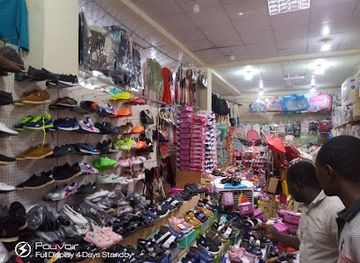
Kalla Transa Mall
Explore Kalla Transa Mall: Maradi's premier shopping destination offering a mix of local and international brands, dining, and vibrant entertainment.
-
Grocery store
Maradi Store
Explore the Maradi Store for a taste of local culture and fresh produce in the heart of Niger's vibrant marketplace.
-
Shopping mall
CANAL+ STORE-SAHEL-MARADI
Explore shopping, dining, and entertainment at CANAL+ STORE-SAHEL-MARADI, a vibrant hub in Maradi for tourists and locals alike.
-
Shopping mall
Centre Artisanal de Maradi
Explore the rich culture and craftsmanship at Centre Artisanal de Maradi, a vibrant shopping hub in the heart of Niger.
Get your free copy of our complete guide to Maradi Region, delivered straight to you.
Everything on this page, from attractions and restaurants to essentials and local phrases, in one PDF you can read offline, print or share.
Already have an account? Sign in
Your Maradi Region guide is ready.
We'll send it to · Not you? Sign out

Getting your guide ready…
We are putting together a fresh copy of the Maradi Region guide. This can take up to a minute.
This can take a few moments. If your browser asks, choose Allow so the download can start. You'll find the guide in your Downloads folder.
Nothing happened? Download it again
Sorry, the guide is taking longer than usual. Please try again in a minute, or get it by email instead.
Maradi Region essentials
Currency and Payment
Safety
Emergency Situations
Do's and Don'ts
Local Tips
From Eve
Local phrases worth knowing
You don't need to get them perfect. A few words go a long way, and locals appreciate the effort.
Basics
| English | Local | Say it |
|---|---|---|
| Hello | Sannu | [sah-noo] |
| Goodbye | Sai anjima | [sigh ahn-jee-mah] |
| Yes | Eh | [eh] |
| No | A'a | [ah-ah] |
| Please/You’re welcome | Don Allah | [dohn ah-lah] |
| Thank you | Nagode | [nah-goh-day] |
| Excuse me/Sorry | Yi hakuri | [yee hah-koo-ree] |
| How are you? | Lafiya lau? | [lah-fee-yah lau] |
| Fine. And you? | Lafiya. Kai fa? | [lah-fee-yah. kye fah] |
| Do you speak English? | Ka ka yi Ingilishi? | [kah kah yee in-gee-leash-ee] |
| I don't understand | Ban fahimta | [bahn fah-heem-tah] |
Eating & Drinking
| English | Local | Say it |
|---|---|---|
| I’d like to see the menu, please | Zan so in ji menu, don Allah | [zan so in jee meh-noo, dohn ah-lah] |
| I don't eat meat | Ban ci nama | [bahn chee nah-mah] |
| Cheers! | Lafiya! | [lah-fee-yah] |
| I would like to pay, please | Zan so in biya, don Allah | [zan so in bee-yah, dohn ah-lah] |
Emergencies
| English | Local | Say it |
|---|---|---|
| Help! | Taimako! | [tie-mah-koh] |
| Go away! | Ka tafi! | [kah tah-fee] |
| Call the Police! | Kira 'yan sanda! | [kee-rah yan sahn-dah] |
| Call a doctor! | Kira likita! | [kee-rah lee-kee-tah] |
| I’m lost | Na bata hanya | [nah bah-tah hahn-yah] |
| I’m ill | Ina jin zafi | [ee-nah jeen zah-fee] |
Shopping
| English | Local | Say it |
|---|---|---|
| I’d like to buy... | Zan so in siya... | [zan so in see-yah] |
| I’m just looking | Ina kallon ne | [ee-nah kah-lon neh] |
| How much is it? | Nawa ne? | [nah-wah neh] |
| That’s too expensive | Wannan ya yi tsada | [wahn-nahn yah yee tsah-dah] |
| Can you lower the price? | Za ka iya rage farashin? | [zah kah ee-yah rah-geh fah-rah-sheen] |
Time & Numbers
| English | Local | Say it |
|---|---|---|
| What time is it? | Wane lokaci ne? | [wah-neh loh-kah-chee neh] |
| It’s one o'clock | Daya karfe ne | [dah-yah kar-feh neh] |
| Half past (10) | Rabi bayan (10) | [rah-bee bye-ahn (10)] |
| Morning | Safiya | [sah-fee-yah] |
| Afternoon | Yamma | [yah-mah] |
| Evening | Yamma | [yah-mah] |
| Yesterday | Jiya | [jee-yah] |
| Today | Yau | [yow] |
| Tomorrow | Gobe | [goh-beh] |
| 1 | Daya | [dah-yah] |
| 2 | Biyu | [bee-yoo] |
| 3 | Ukku | [ook-koo] |
| 4 | Hudu | [hoo-doo] |
| 5 | Biyar | [bee-yar] |
| 6 | Shida | [shee-dah] |
| 7 | Bakwai | [bah-kwhy] |
| 8 | Takwas | [tah-kwahs] |
| 9 | Tara | [tah-rah] |
| 10 | Goma | [goh-mah] |
Transport & Directions
| English | Local | Say it |
|---|---|---|
| Where's a/the...? | Ina ...? | [ee-nah ...?] |
| What’s the address? | Menene adireshin? | [meh-neh-neh ah-dee-reh-sheen] |
| Can you show me (on the map)? | Za ka iya nuna mini (a kan taswirar)? | [zah kah ee-yah noo-nah mee-nee (ah kahn tahs-wee-rah)] |
| When's the next (bus)? | Yaushe za a kawo (bas)? | [yow-sheh zah ah kah-woh (bahs)] |
| A ticket (to ....) | Tikit (zuwa ...) | [tee-kit (zoo-wah ...)] |
History of Maradi Region
Early Hausa Settlement and Agricultural Communities
The southern Maradi plain has long supported farming communities because its seasonal rainfall and soils are more favourable than those of northern Niger. Millet, sorghum, cowpeas and groundnuts became central to local livelihoods, while wells and seasonal watercourses helped sustain villages and livestock. The region’s history is therefore closely connected to the wider development of Hausa-speaking societies across what is now southern Niger and northern Nigeria. Settlement patterns, compound architecture, farming practices and market exchange all preserve elements of this long relationship between people and the Sahelian environment.
Hausa States and Trans-Sahelian Exchange
Before colonial rule, the Maradi area was influenced by the political and commercial world of the Hausa states, including neighbouring centres south of the present international border. Trade in grain, livestock, leather, cloth and other goods connected local communities to larger markets and caravan routes. Political authority was often divided among rulers, local chiefs, religious leaders and village communities rather than controlled through one modern territorial administration. This legacy helps explain Maradi’s enduring importance as a commercial crossroads and the persistence of Hausa cultural links across the Niger–Nigeria frontier.
Islamic Scholarship and Religious Networks
Islam became established in Hausa societies over many centuries through trade, scholarship and the work of religious teachers. In the Maradi region, Islamic learning shaped public life, family customs, literacy in religious settings and the growth of mosques and clerical networks. Religious traditions also contributed to the importance of places such as Madarounfa, whose lake and associated sacred narratives remain part of local cultural memory. The region’s Islamic identity is diverse in practice, combining formal scholarship with local traditions and community observance.
French Colonial Administration
French expansion into the southern Sahel at the end of the nineteenth and beginning of the twentieth century brought the Maradi area into the colonial territory that later became Niger. Colonial authorities reorganised taxation, administration, transport and agricultural production, while relying on existing local structures to govern villages and towns. Roads and administrative stations strengthened Maradi’s links with other parts of the colony and with northern Nigeria, but colonial rule also imposed new obligations and disrupted established political and commercial relationships. The present regional capital grew in importance within this evolving administrative and trading system.
Independence and the Growth of Maradi
Niger became independent from France in 1960, after which Maradi developed further as one of the country’s leading urban and commercial centres. Population growth, expanded schooling, public administration and improved road connections reinforced the city’s role in the densely settled south. The region remained strongly dependent on rain-fed agriculture, leaving households exposed to drought, irregular rainfall, soil pressure and fluctuating food prices. Its economy also continued to be influenced by trade with Nigeria, whose proximity gives Maradi an importance that extends beyond its formal administrative boundaries.
Drought, Demographic Pressure and Contemporary Resilience
Since the late twentieth century, recurrent droughts, variable rainfall and rapid population growth have placed sustained pressure on Maradi’s farmland, water supplies and pastoral resources. Communities have responded through changes in cropping, seasonal migration, livestock keeping, small commerce and expanded links with urban markets. Development programmes have focused on food security, health, education, water and resilience, although conditions remain uneven. Contemporary Maradi is consequently shaped by both vulnerability and adaptability: traditional agricultural knowledge and social networks coexist with busy urban trade, mobile communications and increasingly complex regional movement.
Maradi Region in Photos
Browse through our photo collection highlighting the charm and character of the destination.
Neighbouring regions of Maradi Region
The closest regions to Maradi Region, if you have time for more than one.
-

-

-

-

-


Swipe for more regions
Explore more

Explore more of Niger
Discover the untamed beauty of Niger – a land of desert wonders, rich traditions, and vibrant cultures, nestled in the heart of West Africa.
Explore Niger