

Queen Victoria's Garden Travel Guide - Free Web & App
Your ultimate guide to Queen Victoria's Garden. Discover top landmarks, proposed trips, and local tips. Free on the web or via the Evendo companion app.


Queen Victoria's Garden on Norfolk Island offers a quiet Kingston retreat beside convict-era heritage, historic walks, gardens and island culture.
A Garden within Kingston's Historic Landscape
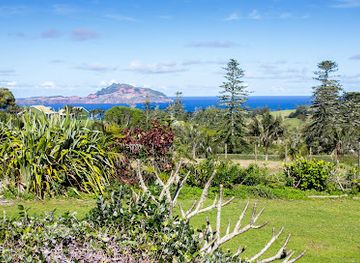
Queen Victoria's Garden is a small, peaceful green space in Kingston, Norfolk Island, where cultivated planting meets one of the South Pacific's most concentrated historic landscapes. The garden is best understood as part of the wider Kingston and Arthur's Vale Historic Area rather than as an isolated attraction. Its setting places visitors close to the remains of the island's convict settlements, the old military barracks, historic government buildings, Kingston Pier and the atmospheric burial grounds of the Kingston cemetery.Read more about Queen Victoria's Garden
Norfolk Island's Colonial Past
Exploring the Precinct
When is the best time to visit Queen Victoria's Garden?
Best: March–April, December · 25–26°C| Month | High (°C) | Rainfall (mm) |
|---|---|---|
| January | 27 | 80 |
| February | 26 | 80 |
| March (best) | 26 | 80 |
| April (best) | 25 | 80 |
| May | 23 | 80 |
| June | 22 | 80 |
| July | 21 | 80 |
| August | 21 | 80 |
| September | 21 | 80 |
| October | 23 | 80 |
| November | 24 | 80 |
| December (best) | 26 | 80 |
Getting to and around Queen Victoria's Garden
How to get there
Transportation
Best attractions in Queen Victoria's Garden
Queen Victoria's Garden is most rewarding as part of the Kingston and Arthur's Vale Historic Area, where visitors can combine a quiet garden visit with the Kingston and Arthur's Vale archaeological remains, the old military barracks, historic government buildings, Kingston Pier and the cemetery. The shoreline gives the precinct a strong maritime character, while the surrounding lawns and stonework reveal how the settlement developed around Arthur's Vale. Nearby attractions include All Saints Church, associated with Norfolk Island's Pitcairn Island community, and the remains of the former penal settlement. Beyond Kingston, Norfolk Island's attractions are reached by road and include subtropical forest, coastal cliffs, secluded bays and viewpoints shaped by volcanic terrain. The island's birdlife and Norfolk Island pines add a natural dimension, but Queen Victoria's Garden itself is primarily a small heritage garden and a place for quiet observation rather than an extensive botanical collection or major standalone visitor complex.
-
Tourist attraction
Captain Cook Lookout
Discover the stunning vistas and rich history at Captain Cook Lookout on Norfolk Island, a must-visit for nature lovers and history enthusiasts alike.
-
Museum
Bounty Museum
Discover the maritime history of Norfolk Island at the Bounty Museum, featuring captivating artifacts from the HMS Bounty and local heritage.
-
Bottle Shop and Liquor Store
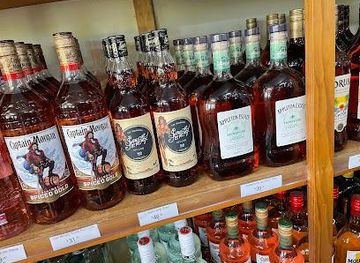
Norfolk Island Liquor Bond Store
Explore the finest selection of local and imported spirits at Norfolk Island's premier Liquor Bond Store, where every bottle embodies the island's rich heritage.
-
Alcoholic beverage wholesaler
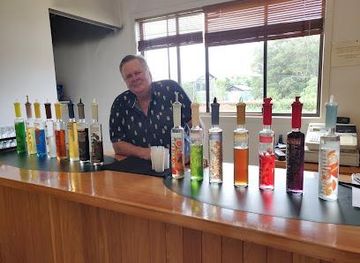
Norfolk Island Liquors
Experience the unique flavors of Norfolk Island at Norfolk Island Liquors, your gateway to local spirits and wines.


Best landmarks in Queen Victoria's Garden
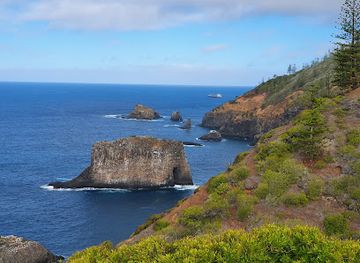
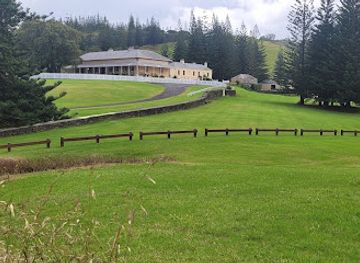
Queen Victoria's Garden belongs to the landmark-rich Kingston precinct, whose most important features include the convict-era ruins of Arthur's Vale, the Old Military Barracks, Kingston Pier and the historic cemetery. All Saints Church is a significant cultural landmark, linking the former penal settlement with the Pitcairn Island community that arrived in 1856. The shoreline and Emily Bay add natural landmarks to the setting, while the surrounding Norfolk Island pines express the island's distinctive landscape. Together, these features demonstrate how Kingston's identity was shaped by a sheltered coastal position, colonial administration, convict labour, maritime connections and continuing community life. The significance of the garden lies less in monumental scale than in its relationship with these surviving buildings, archaeological remains and open spaces, which form part of the Kingston and Arthur's Vale Historic Area and the Australian Convict Sites World Heritage property.
-
Vista point
Captain Cook Lookout
Discover breathtaking panoramas and rich history at Captain Cook Lookout on scenic Norfolk Island, a must-visit for every traveler.
-
Holiday apartment rental
Channers On Norfolk - Norfolk Island Holiday Packages, Tours, Accommodation | Travel to Norfolk Island
Discover the charm of Norfolk Island at Channers On Norfolk, a perfect blend of comfort, nature, and local culture for an unforgettable holiday experience.
-
National park
Norfolk Island National Park
Discover the breathtaking landscapes and unique wildlife of Norfolk Island National Park, a must-visit destination for nature lovers and adventure seekers.
-
Park
Mount Pitt Lookout
Discover the breathtaking views and serene beauty of Mount Pitt Lookout, the highest point on Norfolk Island, ideal for nature lovers and photographers.
Explore Queen Victoria's Garden on the map
Plan your trip on one map. See where the top attractions, landmarks, restaurants and hotels are, and book hotels and experiences in a few clicks.
Best hotels in Queen Victoria's Garden
Best restaurants in Queen Victoria's Garden
There is little reason to expect a substantial dining scene at Queen Victoria's Garden itself; eating options are concentrated in Burnt Pine and around other established service areas of Norfolk Island. Visitors can find cafés, restaurants, takeaways and hotel dining there, while some accommodation providers offer meals or self-catering facilities. Norfolk Island's food culture reflects its isolated island setting, including locally grown produce, home cooking, seafood and culinary traditions associated with the Pitcairn-descended community. The island is also known for regional products such as Norfolk Island honey and locally produced food, although availability varies. A practical approach is to arrange meals or provisions in Burnt Pine before spending time in Kingston, particularly outside peak visiting periods, when the historic precinct itself is focused on heritage rather than hospitality.
-
Restaurant
The Olive
Discover culinary delights at The Olive on Norfolk Island – where fresh local ingredients meet warm hospitality.
-
Restaurant
Hilli Restaurant & Cafe
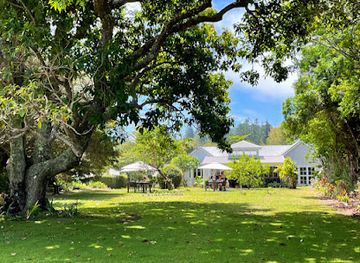
Experience exceptional dining at Hilli Restaurant & Cafe on Norfolk Island with fresh local ingredients and beautiful garden views.
-
Resort hotel
Governor's Lodge
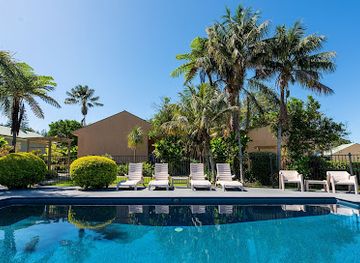
Experience tranquility at Governor's Lodge on Norfolk Island - your perfect escape into nature and history.
-
Western
Bounty Bar & Grill
Discover Bounty Bar & Grill on Norfolk Island - where Western flavors meet island hospitality for an unforgettable dining experience.
Best bars in Queen Victoria's Garden
Queen Victoria's Garden has no nightlife infrastructure and Kingston is generally quiet after the day's heritage visits. Evening entertainment on Norfolk Island is centred mainly on established hotels, restaurants, community venues and occasional cultural or historical programmes rather than a concentrated bar or nightclub district. Burnt Pine offers the island's broadest choice of places for an evening drink or meal, while some accommodation venues provide a more informal social atmosphere. Seasonal events and organised history experiences may add interest after dark, but programmes should be checked locally and not assumed to operate every night. The island's limited scale means that evenings are more commonly spent dining, attending a community event, stargazing or enjoying the rural quiet than moving between late-night venues.
-
Restaurant
The Olive
Experience the exquisite flavors of Norfolk Island at The Olive, where fresh ingredients and island charm come together in a delightful dining experience.
-
Restaurant
Hilli Restaurant & Cafe
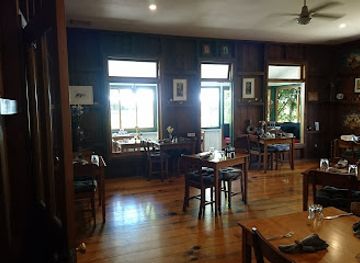
Experience exquisite dining at Hilli Restaurant & Cafe on Norfolk Island, where fresh local ingredients meet breathtaking views.
-
Restaurant
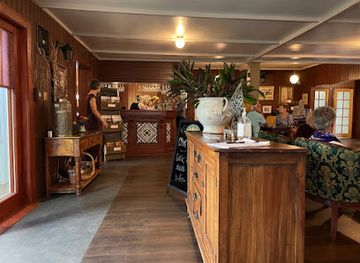
The Bowlo Bistro
Experience the best of local cuisine at The Bowlo Bistro, a charming restaurant in Burnt Pine, Norfolk Island, perfect for dining with family and friends.
-
Western
Bounty Bar & Grill
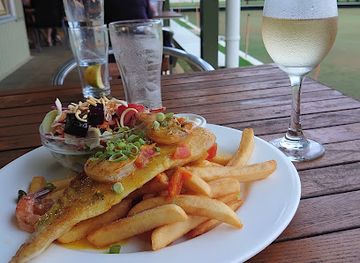
Discover the culinary delights of Bounty Bar & Grill, a premier destination for Western cuisine on beautiful Norfolk Island.

Best nightclubs in Queen Victoria's Garden
Queen Victoria's Garden has no nightlife infrastructure and Kingston is generally quiet after the day's heritage visits. Evening entertainment on Norfolk Island is centred mainly on established hotels, restaurants, community venues and occasional cultural or historical programmes rather than a concentrated bar or nightclub district. Burnt Pine offers the island's broadest choice of places for an evening drink or meal, while some accommodation venues provide a more informal social atmosphere. Seasonal events and organised history experiences may add interest after dark, but programmes should be checked locally and not assumed to operate every night. The island's limited scale means that evenings are more commonly spent dining, attending a community event, stargazing or enjoying the rural quiet than moving between late-night venues.
-
Club
Norfolk Island RSL Memorial Club
Discover the heart of Norfolk Island at the RSL Memorial Club, where live music and local culture create unforgettable experiences.
-
Brewpub
Norfolk Island Brewing
Experience the taste of Norfolk Island at Norfolk Island Brewing, where craft beer meets local cuisine in a vibrant brewpub atmosphere.
-
Club
Norfolk Island Leagues Club
Discover the heart of local entertainment and dining at Norfolk Island Leagues Club, a vibrant hub for visitors and residents alike.
-
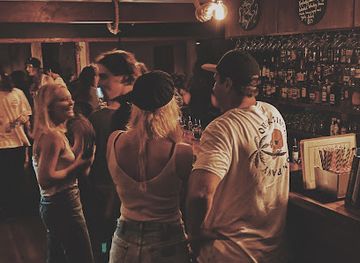
Bar
Black Anchor Bar
Experience the vibrant nightlife at the Black Anchor Bar, Norfolk Island's premier cocktail destination with a welcoming atmosphere.
Best shops in Queen Victoria's Garden
Shopping at Queen Victoria's Garden is limited because the site is a heritage garden rather than a retail area. The main concentration of shops is in Burnt Pine, where visitors can look for groceries, practical supplies, locally made crafts, books, souvenirs and regional food products. Norfolk Island's distinctive identity is reflected in island-produced honey, preserves, art, textiles and other small-scale goods, though individual stock and opening arrangements vary. Visitors interested in Pitcairn heritage may also encounter products associated with the island's history and descendants, while Norfolk Island pine items are a familiar regional motif. It is sensible to buy essentials in Burnt Pine before travelling to Kingston, where the emphasis is on historic buildings, gardens, archaeology and the coastal landscape rather than commercial activity.
-
Supermarket
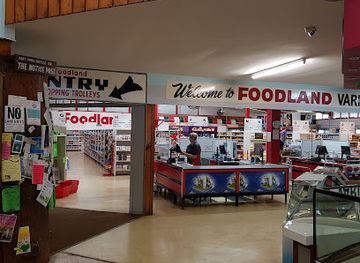
Foodland Supermarket
Explore local flavors and essentials at Foodland Supermarket, the culinary hub of Norfolk Island, offering fresh produce and unique island specialties.
-
Bottle Shop and Liquor Store
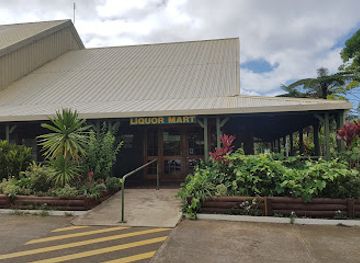
Norfolk Island Liquor Bond Store
Explore the Norfolk Island Liquor Bond Store - A unique bottle shop with local and international selections in a charming setting.
-
General store
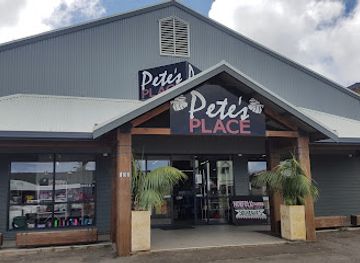
Pete's Place
Discover authentic local products and the warm charm of island life at Pete's Place, the beloved general store of Norfolk Island.
-
Coffee store
Prinke Eco Store
Discover eco-friendly treasures and artisanal coffee at Prinke Eco Store in Burnt Pine, Norfolk Island – a must-visit for sustainable shopping.
Get your free copy of our complete guide to Queen Victoria's Garden, delivered straight to you.
Everything on this page, from attractions and restaurants to essentials and local phrases, in one PDF you can read offline, print or share.
Already have an account? Sign in
Your Queen Victoria's Garden guide is ready.
We'll send it to · Not you? Sign out

Getting your guide ready…
We are putting together a fresh copy of the Queen Victoria's Garden guide. This can take up to a minute.
This can take a few moments. If your browser asks, choose Allow so the download can start. You'll find the guide in your Downloads folder.
Nothing happened? Download it again
Sorry, the guide is taking longer than usual. Please try again in a minute, or get it by email instead.
Queen Victoria's Garden essentials
Currency and Payment
Safety
Emergency Situations
Do's and Don'ts
Local Tips
From Eve
Local phrases worth knowing
You don't need to get them perfect. A few words go a long way, and locals appreciate the effort.
Basics
| English | Local | Say it |
|---|---|---|
| Hello | Kia ora | [kee-ah oh-rah] |
| Goodbye | Haere rā | [high-reh rah] |
| Yes | Āe | [eye] |
| No | Kāo | [kaa-oh] |
| Please/You're welcome | Whakawhetai | [fah-kah-feh-tie] |
| Thank you | Kia ora | [kee-ah oh-rah] |
| Excuse me/Sorry | Whakawātea | [fah-kah-why-teh-ah] |
| How are you? | Kei te pēhea koe? | [key teh pay-hair koh-eh] |
| Fine. And you? | Kei te pai. Ā koe? | [key teh pie. eye koh-eh] |
| Do you speak English? | Kōrerotia koe i te reo Pākehā? | [koh-reh-roh-tee-ah koh-eh ee teh reh-oh pah-keh-hah] |
| I don't understand | Kaore au e mohio | [kah-oh-reh oh-eh moh-hee-oh] |
Eating & Drinking
| English | Local | Say it |
|---|---|---|
| I'd like to see the menu, please | Me haere au ki te whakaaturanga, whakawhetai | [meh high-reh oh kee teh fah-kah-ah-too-rah-ngah, fah-kah-feh-tie] |
| I don't eat meat | Kaore au e kai mīti | [kah-oh-reh oh-eh kai mee-tee] |
| Cheers! | Kia ora! | [kee-ah oh-rah] |
| I would like to pay, please | Me hiahia au ki te utu, whakawhetai | [meh hee-ah-hee-ah oh kee teh oo-too, fah-kah-feh-tie] |
Emergencies
| English | Local | Say it |
|---|---|---|
| Help! | Āwhina! | [eye-fee-nah] |
| Go away! | Haere atu! | [high-reh ah-too] |
| Call the Police! | Karanga ki te Pirihimana! | [kah-rah-ngah kee teh pee-ree-hee-mah-nah] |
| Call a doctor! | Karanga ki te doctor! | [kah-rah-ngah kee teh daw-k-taw] |
| I'm lost | I hīkoi au | [ee hee-koy oh] |
| I'm ill | He mate ahau | [heh mah-teh ah-how] |
Shopping
| English | Local | Say it |
|---|---|---|
| I'd like to buy... | Me hiahia au ki te hoko... | [meh hee-ah-hee-ah oh kee teh hoh-koh] |
| I'm just looking | Kei te titiro noa au | [key teh tee-tee-raw noh-ah oh] |
| How much is it? | He aha te utu? | [heh ah-hah teh oo-too] |
| That's too expensive | He nui rawa te utu | [heh noo-ee rah-wah teh oo-too] |
| Can you lower the price? | Ka taea e koe te whakapiki i te utu? | [kah teh-ah eh koh-eh teh fah-kah-pee-kee ee teh oo-too] |
Time & Numbers
| English | Local | Say it |
|---|---|---|
| What time is it? | He aha te wa? | [heh ah-hah teh wah] |
| It's one o'clock | Kotahi te hāora | [koh-tah-hee teh hah-oh-rah] |
| Half past (10) | Tekau ma rima | [teh-kow mah ree-mah] |
| Morning | Ata | [ah-tah] |
| Afternoon | Ahiahi | [ah-hee-ah-hee] |
| Evening | Pō | [poh] |
| Yesterday | Heri | [heh-ree] |
| Today | Tēnei rā | [teh-nay rah] |
| Tomorrow | Āpōpō | [eye-poh-poh] |
| 1 | Tahi | [tah-hee] |
| 2 | Rua | [roo-ah] |
| 3 | Toru | [toh-roo] |
| 4 | Whā | [fah] |
| 5 | Rima | [ree-mah] |
| 6 | Ono | [aw-noh] |
| 7 | Whitu | [fee-too] |
| 8 | Waru | [wah-roo] |
| 9 | Iwa | [ee-wah] |
| 10 | Tekau | [teh-kow] |
Transport & Directions
| English | Local | Say it |
|---|---|---|
| Where's a/the...? | Kei hea te...? | [key hay-ah teh] |
| What's the address? | He aha te wāhitau? | [heh ah-hah teh wah-hee-tow] |
| Can you show me (on the map)? | Ka taea e koe te whakaatu i ahau (i te mahere)? | [kah teh-ah eh koh-eh teh fah-kah-ah-too ee ah-how (ee teh mah-heh-reh)] |
| When's the next (bus)? | Āhea te heke (pahi) whakamua? | [eye-heh-ah teh heh-keh pah-hee fah-kah-moo-ah] |
| A ticket (to ....) | He tiketi (ki ...) | [heh tee-keh-tee (kee)] |
History of Queen Victoria's Garden
A Volcanic Island in the Pacific
Norfolk Island is the visible summit of a volcanic seamount in the southwest Pacific, shaped by volcanic activity and later erosion long before human settlement. Its fertile soils, distinctive Norfolk Island pines and mild oceanic climate made it capable of supporting agriculture, while its isolated position gave it strategic value to European powers. The landscape encountered around Queen Victoria's Garden is therefore not simply ornamental: it belongs to an island whose natural resources, sheltered Kingston shoreline and position between Australia, New Zealand and Polynesia influenced the course of its later history.
The First Penal Settlement
After James Cook recorded Norfolk Island in 1774, Britain established a penal settlement at Kingston in 1788, shortly after the foundation of New South Wales. The settlement was intended to secure the island's resources and produce food, flax and timber, but its distance from the mainland made supply and administration difficult. Convicts and free workers developed farms, roads and buildings around Arthur's Vale. Although much of the original settlement has disappeared, the archaeological remains and surviving structures in the Kingston area provide the historical setting for Queen Victoria's Garden.
The Second Penal Era
Norfolk Island was resettled as a more severe secondary penal station in 1825, and Kingston expanded as the administrative centre. Convict labour produced roads, buildings, seawalls and other infrastructure, many of them using local stone. The settlement closed in 1855 after the British government decided that the penal system on Norfolk Island should end. The ruins, cemetery and government buildings around Kingston preserve evidence of this period, when the area was an isolated and tightly controlled colonial outpost rather than the tranquil garden setting seen today.
Pitcairn Islanders and a Living Heritage
In 1856, most of the population of Pitcairn Island, descendants of the Bounty mutineers and Polynesian inhabitants, moved to Norfolk Island. They occupied many of the buildings left by the penal settlement and created a new community whose language, family connections, Methodist faith and cultural traditions remain important to Norfolk Island. Queen Victoria's Garden belongs to a Kingston landscape subsequently shaped by this continuing community history. The area is now valued both for its convict-era remains and for the way its heritage remains connected to living island identity.
Conservation of Kingston's Heritage
The Kingston and Arthur's Vale Historic Area is recognised for its exceptional concentration of convict-era archaeological remains, buildings and cultural landscapes. Conservation has sought to protect the relationship between historic structures, open ground, the shoreline and the surviving settlement pattern. The area forms part of the UNESCO Australian Convict Sites World Heritage property, inscribed in 2010. Within that wider setting, Queen Victoria's Garden contributes a cultivated and reflective space to a precinct where interpretation, archaeology and community memory are closely interwoven.
Queen Victoria's Garden in Photos
Browse through our photo collection highlighting the charm and character of the destination.
Cities in Queen Victoria's Garden
The towns and cities of Queen Victoria's Garden, and the easiest places to base yourself.
-
-

-

-


Swipe for more cities
Neighbouring destination travel guides
The closest destinations to Queen Victoria's Garden, if you have time for more than one.
-

-

-

-

-


Swipe for more destinations
Explore more

Explore more of Mount Pitt
Discover the breathtaking views and natural wonders of Mount Pitt on Norfolk Island, a paradise for nature lovers and adventure seekers alike.
Explore Mount Pitt
Explore more of Norfolk Island
Discover Norfolk Island, a serene and historic gem in the South Pacific, known for its stunning landscapes, rich cultural heritage, and abundant natural beauty.
Explore Norfolk Island