

Free Roanoke Region Travel Guide & Mobile App
Explore Roanoke Region with free travel guides. Discover regional history, expert tips, proposed trips, and audio guides on web or mobile app.


Explore North Carolina's Roanoke Region for river towns, revolutionary history, canal heritage, outdoor recreation and eastern Carolina food traditions.
Read more about Roanoke Region
Getting to and around Roanoke Region
How to get there
Transportation
Best attractions in Roanoke Region
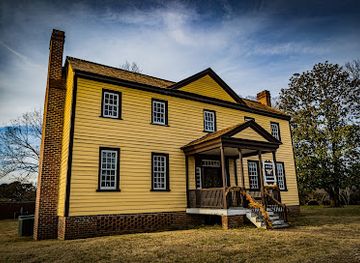
The Roanoke Region's attractions combine political history, industrial archaeology and outdoor recreation rather than concentrating in one large city. Historic Halifax State Historic Site is the essential starting point for understanding the colonial river port and the Halifax Resolves, with preserved buildings, archaeological interpretation and period settings. In Roanoke Rapids, the Roanoke Canal Museum and Trail follows the engineering landscape that helped power local industry and offers an accessible way to connect museum interpretation with the river corridor. Medoc Mountain State Park provides wooded trails, picnic areas and opportunities to observe the quieter upland landscape of Halifax County. Lake Gaston brings boating, fishing and lakeside recreation to the western part of the region, while the Roanoke River is particularly important for fishing, paddling and wildlife observation. Sylvan Heights Bird Park near Scotland Neck adds a specialised family and birding attraction, with collections and habitats focused on waterfowl and other birds. Small-town heritage, historic churches, local events and rural scenery complete an itinerary best explored by car and at an unhurried pace.
-
Cultural landmark
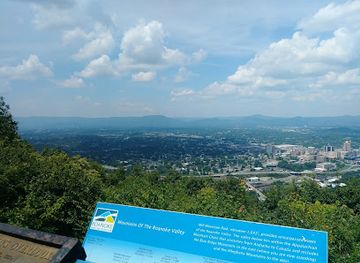
Mill Mountain Star
Explore the Mill Mountain Star in Roanoke, VA – a stunning cultural landmark offering breathtaking views and rich local history amidst the Blue Ridge Mountains.
-
Park
Mill Mountain Park
Experience the scenic trails, iconic star, and recreational activities at Mill Mountain Park, the crown jewel of Roanoke, Virginia.
-
Museum
Museum of the Albemarle
Explore the Museum of the Albemarle, where the rich history of northeastern North Carolina comes alive through engaging exhibits and community programs.
-
Park
Chockoyotte Park
Explore Chockoyotte Park in Roanoke Rapids, NC - a serene destination of green spaces, playgrounds, and picnic spots perfect for family outings.


Best landmarks in Roanoke Region
The Halifax County courthouse area and the preserved buildings of Historic Halifax State Historic Site form the Roanoke Region's most important group of historic landmarks. Their significance lies not only in their eighteenth-century architecture but also in Halifax's role as a colonial administrative centre and the setting of the 1776 Halifax Resolves. The Roanoke Canal, including its surviving locks, water-control features and associated industrial landscape near Roanoke Rapids, is a landmark of nineteenth-century engineering and textile-era development. The Roanoke River itself is the region's defining natural feature, appearing as a broad, changeable corridor of floodplain, fishing grounds and wooded banks. Weldon's riverfront and historic town fabric recall the community's importance as a landing and transport centre, while Medoc Mountain provides a contrasting natural landmark: a low wooded ridge rising above the surrounding coastal plain. Together these places explain how water, transport, political history and industry shaped the region's distinctive geography.
-
Historical place
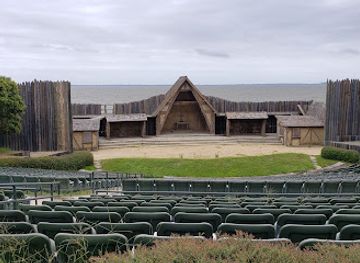
Fort Raleigh National Historic Site
Discover the legacy of America's first colonization efforts at Fort Raleigh National Historic Site, where history, nature, and adventure await.
-
Historical landmark
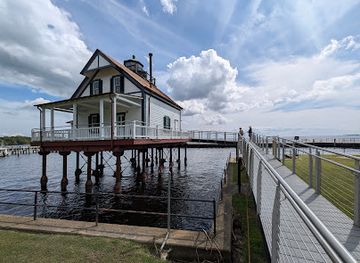
Roanoke River Lighthouse
Explore the Roanoke River Lighthouse in Edenton, NC – a historical gem showcasing maritime heritage and scenic views.
-
Museum
Roanoke Canal Museum & Trail
Discover the Roanoke Canal Museum & Trail, where history and nature intertwine in Roanoke Rapids, North Carolina.
-
Museum
Halifax State Historic Site
Discover the fascinating history of North Carolina at Halifax State Historic Site, a premier museum showcasing the roots of American independence.

Explore Roanoke Region on the map
Plan your trip on one map. See where the top cities, national parks and sights are, and book hotels and experiences in a few clicks.
Best hotels in Roanoke Region
Best restaurants in Roanoke Region
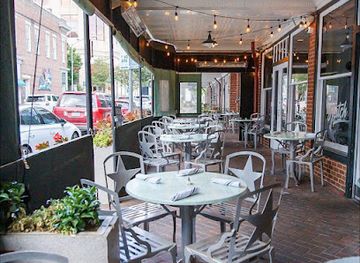
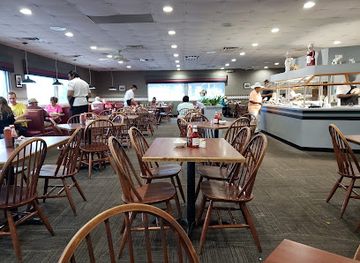
Dining in the Roanoke Region reflects the foodways of eastern North Carolina and the practical traditions of a rural river district. Barbecue is a regional staple, typically associated with pork and a sharp vinegar-based sauce, while fried seafood, catfish, chicken, collard greens, beans, slaw, biscuits and seasonal vegetables appear in homestyle menus. Roanoke Rapids and nearby towns offer the broadest choice of casual restaurants, cafés and family-run dining rooms; Halifax and Weldon provide a smaller-scale setting in which to look for traditional cooking and locally familiar service. Farm stands and seasonal markets can be useful places to find produce, peanuts and other products of the coastal plain. Lake Gaston adds a recreational, lakeside dining character, though options vary by community and season. Visitors should also expect many establishments to close earlier than restaurants in larger cities, especially outside the principal towns, and should distinguish eastern Carolina barbecue from the sweeter sauces more common elsewhere in the United States.
-
Restaurant
The Hatch
Discover the heart of Southern cuisine at The Hatch in Roanoke, where every meal tells a story of flavor and tradition.
-
Seafood
Tale of the Whale
Experience exquisite seafood dining at Tale of the Whale in Nags Head, NC - where fresh flavors meet stunning ocean views.
-
Barbecue
Ralph's Barbecue
Experience authentic Southern barbecue at Ralph's Barbecue in Weldon, NC – where flavor meets tradition.
-
American
BILLY’S
Discover Billy’s in Roanoke: where traditional American cuisine meets modern culinary artistry in an inviting atmosphere.
Best bars in Roanoke Region
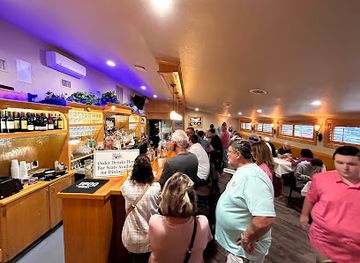
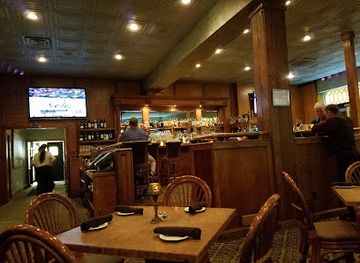
Evening life in the Roanoke Region is centred on restaurants, traditional bars, breweries where available, community events and the social life of small towns rather than a dense nightclub district. Roanoke Rapids has the widest choice of casual evening venues, while Halifax and Weldon are quieter and often more dependent on restaurants, local events and occasional live entertainment. Around Lake Gaston, evening activity is shaped by seasonal visitors, waterfront recreation and informal gatherings, but the pattern varies considerably between communities. Historic inns and neighbourhood bars can offer a more local setting than late-night clubs, and performances or events at regional cultural venues may provide alternatives to drinking-based nightlife. Opening arrangements, entertainment schedules and venue status can change, so visitors should check locally rather than rely on assumptions about late-night service. In rural areas, driving distances and limited taxis make planning a return journey particularly important.
-
Italian
The Jolly Roger Restaurant
Experience the vibrant flavors of Italy and fresh local seafood at The Jolly Roger Restaurant in Kill Devil Hills, a perfect spot for food lovers.
-
Seafood
Miller's Waterfront Restaurant
Experience fresh seafood and stunning views at Miller's Waterfront Restaurant in Nags Head, a premier dining destination on the Outer Banks.
-
Restaurant
Dave & Buster's Cary
Discover a world of fun and flavor at Dave & Buster's Cary, where gaming, dining, and nightlife unite for an unforgettable experience.
-
Grill
Mulligan's Grille in Historic Cottage Row
Experience the best of Southern cuisine and fresh seafood at Mulligan's Grille in Nags Head, where vibrant flavors meet a warm, inviting atmosphere.
Best nightclubs in Roanoke Region
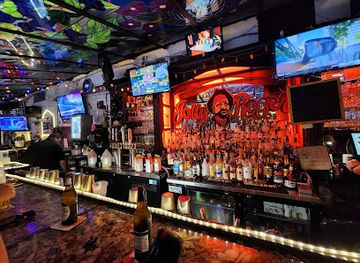
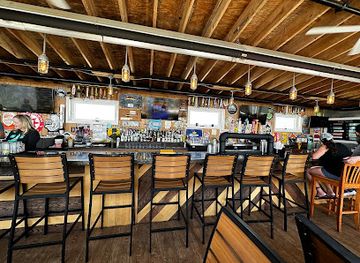
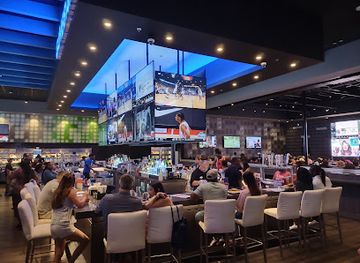
Evening life in the Roanoke Region is centred on restaurants, traditional bars, breweries where available, community events and the social life of small towns rather than a dense nightclub district. Roanoke Rapids has the widest choice of casual evening venues, while Halifax and Weldon are quieter and often more dependent on restaurants, local events and occasional live entertainment. Around Lake Gaston, evening activity is shaped by seasonal visitors, waterfront recreation and informal gatherings, but the pattern varies considerably between communities. Historic inns and neighbourhood bars can offer a more local setting than late-night clubs, and performances or events at regional cultural venues may provide alternatives to drinking-based nightlife. Opening arrangements, entertainment schedules and venue status can change, so visitors should check locally rather than rely on assumptions about late-night service. In rural areas, driving distances and limited taxis make planning a return journey particularly important.
-
Steak
Logan's Roadhouse
Experience the heart of Southern dining at Logan's Roadhouse, where delicious steaks and lively atmosphere create memorable meals.
-
Lounge
213 Lux Lounge
Discover Roanoke's nightlife at 213 Lux Lounge, the ultimate destination for cocktails, dining, and entertainment in a stylish atmosphere.
-
Night club
The Park Dance Club
Experience Roanoke's nightlife at The Park Dance Club, a vibrant hub for dancing, dining, and community in Virginia.
-
Pool hall
Hux's Billard
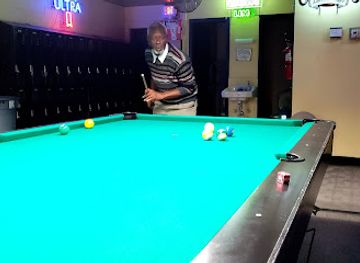
Discover Hux's Billiard in Roanoke Rapids, NC - a lively pool hall and bar perfect for socializing and enjoying affordable drinks.

Best shops in Roanoke Region
Shopping in the Roanoke Region is primarily local and practical, with independent stores, antique outlets, cafés, small galleries and everyday services concentrated in Roanoke Rapids, Halifax and Weldon. Historic Halifax is suited to browsing heritage-related items, books and locally themed gifts rather than large-scale retail. Farm stands and seasonal produce sellers offer a better connection with the surrounding countryside, where peanuts, vegetables and other crops are important to the local economy. Visitors staying near Lake Gaston will find convenience shops, outdoor equipment and recreational supplies, but the reservoir communities are not a major designer-shopping destination. Regional souvenirs are most likely to include North Carolina food products, barbecue-related items, locally made crafts, books on the Halifax Resolves and river or canal history, and birding or outdoor goods. For a wider selection of national retailers, travellers generally need to use the larger commercial areas around Roanoke Rapids or continue to a nearby city outside the region.
-
Outlet mall
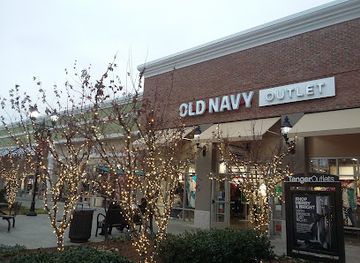
Tanger Outlets Mebane
Experience unbeatable savings and a diverse shopping experience at Tanger Outlets Mebane, North Carolina's ultimate destination for retail therapy.
-
Shopping mall
Tanglewood Mall
Explore Tanglewood Mall in Roanoke, Virginia - your ultimate shopping and dining destination with a vibrant atmosphere and diverse offerings.
-
General store
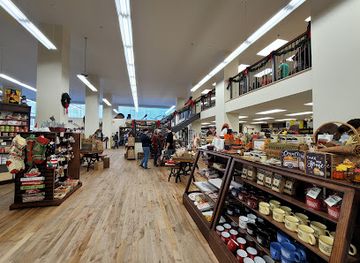
Mast General Store Roanoke
Discover the unique blend of outdoor gear, clothing, and nostalgic treats at Mast General Store Roanoke, a charming destination in the heart of Virginia.
-
Gift shop
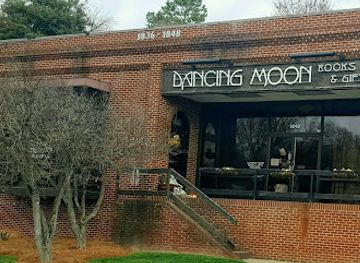
Dancing Moon Books & Gifts
Explore a unique gift shop in Raleigh, offering books, spiritual gifts, and a cozy atmosphere to enhance your travel experience.
Get your free copy of our complete guide to Roanoke Region, delivered straight to you.
Everything on this page, from attractions and restaurants to essentials and local phrases, in one PDF you can read offline, print or share.
Already have an account? Sign in
Your Roanoke Region guide is ready.
We'll send it to · Not you? Sign out

Getting your guide ready…
We are putting together a fresh copy of the Roanoke Region guide. This can take up to a minute.
This can take a few moments. If your browser asks, choose Allow so the download can start. You'll find the guide in your Downloads folder.
Nothing happened? Download it again
Sorry, the guide is taking longer than usual. Please try again in a minute, or get it by email instead.
Roanoke Region essentials
Currency and Payment
Safety
Emergency Situations
Do's and Don'ts
Local Tips
From Eve
Local phrases worth knowing
You don't need to get them perfect. A few words go a long way, and locals appreciate the effort.
Basics
| English | Local | Say it |
|---|---|---|
| Hello | Hey | [Hāy] |
| Goodbye | See ya | [Sē yə] |
| Yes | Yup | [Yəp] |
| No | Nope | [Nōp] |
| Please/You're welcome | Sure thing | [Shər thēng] |
| Thank you | Thanks | [Thāŋks] |
| Excuse me/Sorry | Excuse me | [Ēk'skyūz mē] |
| How are you? | How ya doin'? | [Hau yə doin'?] |
| Fine. And you? | I’m good. And you? | [I’m gʊd. And yə?] |
| Do you speak English? | Y’all speak English? | [Y’all spīk 'ɪŋɡlɪʃ?] |
| I don’t understand | I don’t get it | [I dōn't gɛt ɪt] |
Eating & Drinking
| English | Local | Say it |
|---|---|---|
| I’d like to see the menu, please | Can I see the menu? | [Kæn I sē thə mɛnju?] |
| I don’t eat meat | I’m a vegetarian | [I’m ə vɛdʒəˈtɛəriən] |
| Cheers! | Cheers! | [Chɪrz!] |
| I would like to pay, please | Can I get the check? | [Kæn I gɛt thə tʃɛk?] |
Emergencies
| English | Local | Say it |
|---|---|---|
| Help! | Help! | [Hɛlp!] |
| Go away! | Leave me alone! | [Liv mi əˈloʊn!] |
| Call the Police! | Call 911! | [Kɔl naɪn wʌn wʌn!] |
| Call a doctor! | Get me a doctor! | [Gɛt mi ə ˈdɑktər!] |
| I’m lost | I can’t find my way | [I kænt faɪnd maɪ weɪ] |
| I’m ill | I’m not feelin' well | [I’m nɑt ˈfiːlɪn wɛl] |
Shopping
| English | Local | Say it |
|---|---|---|
| I’d like to buy... | I want to buy... | [I wɑnt tə bā...] |
| I’m just looking | Just browsing | [Jʌst braʊzɪŋ] |
| How much is it? | What’s the price? | [Wʌt's thə praɪs?] |
| That’s too expensive | That’s way too high | [Thæt's weɪ tu haɪ] |
| Can you lower the price? | Can you knock it down? | [Kæn yə nɑk ɪt daʊn?] |
Time & Numbers
| English | Local | Say it |
|---|---|---|
| What time is it? | What time is it? | [Wʌt taɪm ɪz ɪt?] |
| It’s one o’clock | It’s one | [It’s wʌn] |
| Half past (10) | Half past ten | [Hæf pæst tɛn] |
| Morning | Mornin' | [Mɔrnɪn] |
| Afternoon | Afternoon | [ˌæftərˈnun] |
| Evening | Evenin' | [ˈivnɪn] |
| Yesterday | Yesterday | [ˈjɛstərdeɪ] |
| Today | Today | [təˈdeɪ] |
| Tomorrow | Tomorrow | [təˈmɔroʊ] |
| 1 | One | [Wʌn] |
| 2 | Two | [Tu] |
| 3 | Three | [θri] |
| 4 | Four | [fɔr] |
| 5 | Five | [faɪv] |
| 6 | Six | [sɪks] |
| 7 | Seven | [sɛvən] |
| 8 | Eight | [eɪt] |
| 9 | Nine | [naɪn] |
| 10 | Ten | [tɛn] |
Transport & Directions
| English | Local | Say it |
|---|---|---|
| Where's a/the...? | Where’s the...? | [Wɛrz thə...?] |
| What’s the address? | What’s the address? | [Wʌt's thə ˈædrɛs?] |
| Can you show me (on the map)? | Can you show me on the map? | [Kæn yə shoʊ mi ɑn thə mæp?] |
| When’s the next (bus)? | When’s the next bus? | [Wɛn's thə nɛkst bʌs?] |
| A ticket (to ....) | A ticket to... | [A ˈtɪkɪt tə...] |
History of Roanoke Region
Indigenous Homelands and the Roanoke River
Long before European settlement, the river corridors and forests of north-eastern North Carolina were used by Indigenous peoples for residence, hunting, fishing and travel. The wider area has connections with the Tuscarora and other Native communities whose histories continued through periods of colonial expansion, conflict and displacement. The Roanoke River was particularly important as a natural route through the coastal plain. Its floodplain supported fertile soils and abundant wildlife, helping to shape later settlement patterns even as colonial authorities imposed new political and landholding systems.
Halifax and Colonial Political Life
Halifax was established as a river port in the eighteenth century and became an important administrative and commercial centre for the surrounding countryside. Its position on the Roanoke River connected inland plantations and farms with wider trading networks. Public buildings, taverns, warehouses and private homes made the town a significant meeting place in the colony of North Carolina. Historic Halifax State Historic Site preserves the setting in which legal, political and commercial affairs were conducted, allowing visitors to see how a small river town acquired influence beyond its immediate population.
The Halifax Resolves, 1776
On 12 April 1776, North Carolina's Fourth Provincial Congress adopted the Halifax Resolves, instructing the colony's delegates to support independence from Great Britain. The measure was not itself a declaration of independence, but it was an important political step and is widely remembered as the first official action by an American colony calling for its delegates to support independence. The event placed Halifax in the story of the American Revolution and remains the region's most nationally recognised historical association.
Canal Engineering and River Commerce
The Roanoke Canal was developed in the nineteenth century to improve navigation around rapids and falls on the Roanoke River. Completed in the 1820s and later adapted for industrial power, it reflected a period when canals, turnpikes and river improvements were essential to connecting inland producers with markets. The canal's surviving structures and corridor near Roanoke Rapids reveal the practical engineering behind this transformation. Its history also explains why the town became more than a river landing: waterpower gave local industry a durable economic foundation.
Railways, Mills and Roanoke Rapids
During the late nineteenth and early twentieth centuries, rail transport and textile manufacturing reshaped the region. Roanoke Rapids developed as a planned mill community, with factories, workers' housing and civic facilities organised around textile production and the power available from the canal and river. Cotton processing linked the local economy to farms, manufacturers and markets across the American South. Although the dominance of textiles later declined, the town's street plan, industrial sites and canal landscape still preserve the physical imprint of this era.
A Changing River Economy
In the twentieth and twenty-first centuries, the Roanoke Region gradually moved from dependence on river commerce and textile manufacturing towards a more varied economy based on services, small business, heritage tourism, recreation and agriculture. The river remains economically and culturally important through fishing, boating, wildlife management and floodplain conservation. Historic Halifax, the Roanoke Canal and the region's parks and lakes now interpret earlier industries while supporting contemporary visitors. This transition is visible in the contrast between preserved industrial structures, revitalised town centres and the continued working countryside.
Roanoke Region in Photos
Browse through our photo collection highlighting the charm and character of the destination.
Neighbouring regions of Roanoke Region
The closest regions to Roanoke Region, if you have time for more than one.
-

-

-

-

-


Swipe for more regions
Explore more

Explore more of North Carolina
Discover North Carolina's blend of natural beauty, vibrant cities, and rich history. From the Outer Banks to the Blue Ridge Mountains, experience diverse landscapes and cultures.
Explore North Carolina