

Free Piedmont Travel Guide & Mobile App
Explore Piedmont with free travel guides. Discover regional history, expert tips, proposed trips, and audio guides on web or mobile app.


Explore North Carolina's Piedmont for lively cities, university culture, civil-rights history, rolling countryside, food traditions and outdoor recreation.
Read more about Piedmont
Getting to and around Piedmont
How to get there
Transportation
Top city travel guides in Piedmont
The cities of Piedmont, and the easiest places to base yourself.
-

-

-

-

-

-


Swipe for more cities
Destinations in Piedmont
Resorts, valleys and scenic spots worth a trip of their own.
-

-

-
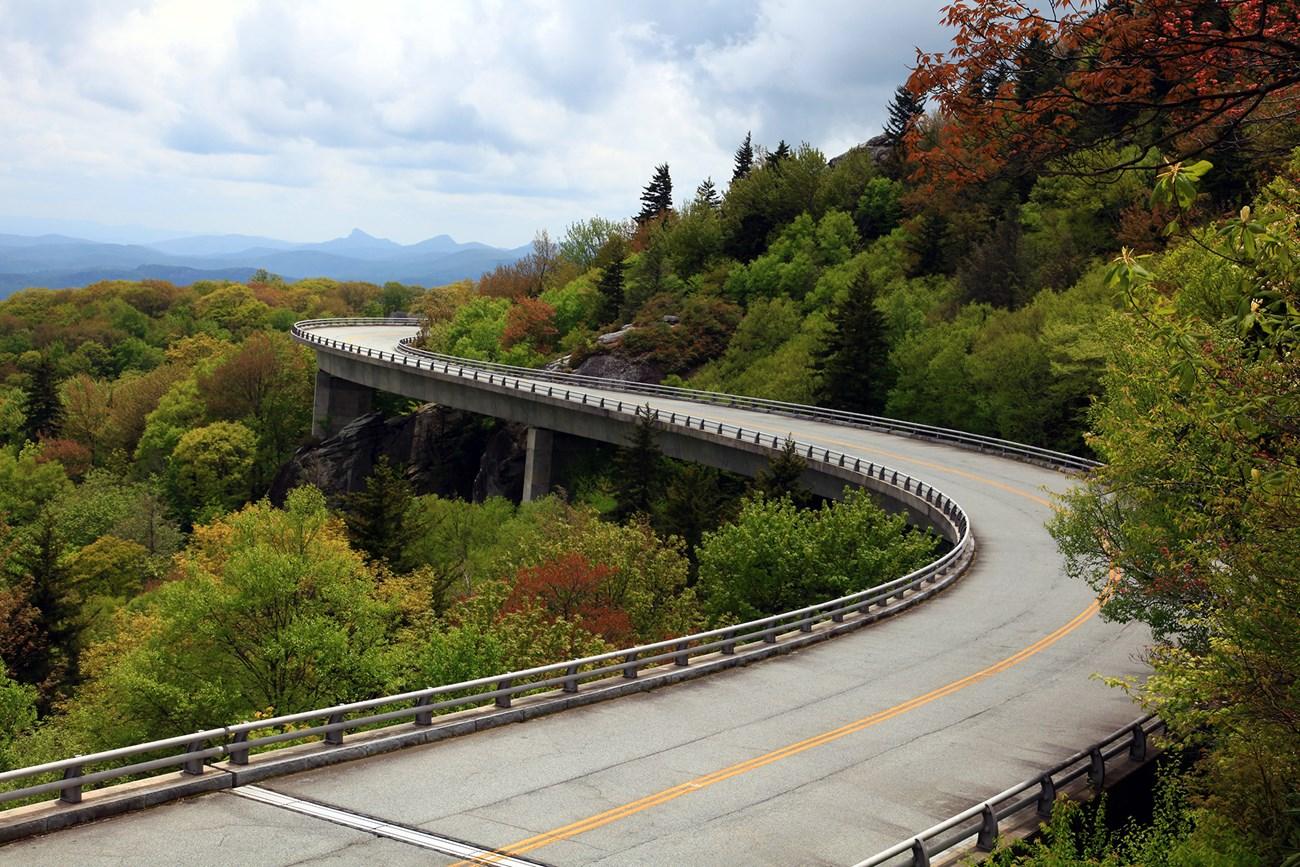 Blue Ridge Mountains
, North Carolina, offer scenic parkway drives, Appalachian trails, waterfalls, high peaks, Cherokee culture and mountain towns.
-

-

-


Swipe for more destinations
Best attractions in Piedmont
The Piedmont's attractions range from major urban museums and university campuses to battlefields, preserved settlements, wildlife parks and reservoirs. In Winston-Salem, Old Salem explains Moravian life through historic buildings, gardens and craft traditions, while the wider city has strong arts and cultural institutions. Greensboro combines the International Civil Rights Center & Museum with the Greensboro Science Center and access to the Guilford Courthouse battlefield. Raleigh, Durham and Chapel Hill offer museums, botanical gardens, galleries and university collections, including the North Carolina Museum of Art and Sarah P. Duke Gardens. The North Carolina Zoo near Asheboro provides a large-scale wildlife experience in a wooded setting, and the Uwharrie area offers hiking, paddling and historic landscapes. Around Charlotte, visitors can combine museums, sporting venues and cultural districts with lake recreation near Lake Norman. Greenways, state parks and river corridors throughout the region support cycling, fishing, walking and birdwatching, while former textile and tobacco buildings reveal the industrial history that shaped many Piedmont communities.
-
Historical place
Biltmore
Explore Biltmore in Asheville, NC: America's largest privately-owned home, a stunning historical landmark, and a beautiful estate filled with gardens and art.
-
State park
Morrow Mountain State Park
Experience the breathtaking landscapes and diverse activities at Morrow Mountain State Park, a nature lover's paradise in North Carolina.
-
Historical place museum
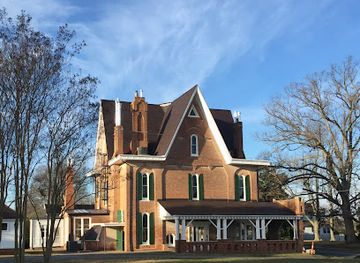
Körner's Folly
Explore the enchanting Körner's Folly, a historical museum in Kernersville, NC, showcasing unique architecture and rich cultural heritage in a whimsical setting.
-
Tourist attraction
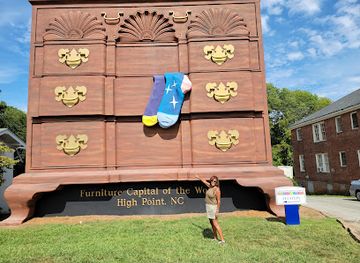
World's Largest Chest of Drawers
Discover the whimsical World's Largest Chest of Drawers in High Point, NC—a unique roadside attraction celebrating the city's furniture heritage.
Best landmarks in Piedmont
The Piedmont's landmarks reflect Indigenous history, colonial settlement, industrial expansion and modern civic change. Old Salem's restored Moravian buildings form one of the region's most recognisable historic townscapes, with Salem's church, workshops and domestic architecture illustrating an eighteenth-century planned community. Guilford Courthouse National Military Park preserves the setting of a crucial 1781 Revolutionary War battle, its memorials and trails connecting military history with a wooded Piedmont landscape. The former Woolworth building in Greensboro is a powerful civil-rights landmark because it was the site of the 1960 sit-in that helped challenge segregated public facilities. The Biltmore Estate is not in the Piedmont but in nearby Asheville's mountain region and should not be confused with a regional landmark. Within the Piedmont itself, former textile mills, tobacco warehouses, railway structures and mill villages in communities such as Burlington, Kannapolis, High Point and Winston-Salem reveal the physical legacy of industrialisation. Reservoir shorelines, wooded Uwharrie hills and the broad Catawba and Yadkin river valleys provide the region's principal natural landmarks.
-
Historical landmark
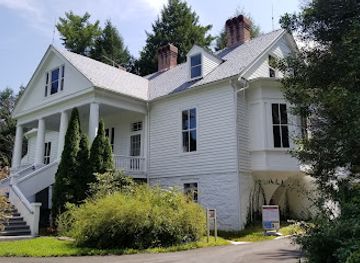
Carl Sandburg Home National Historic Site
Explore the Carl Sandburg Home National Historic Site, where literature and nature intertwine in the heart of North Carolina.
-
Historical landmark
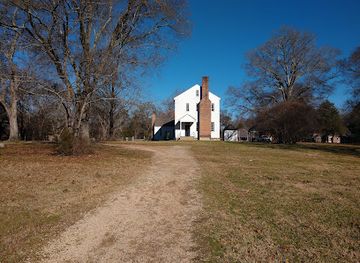
Latta Place Historic Site
Discover North Carolina's rich history at Latta Place Historic Site, a historical landmark offering immersive experiences and engaging exhibits for all ages.
-
State park
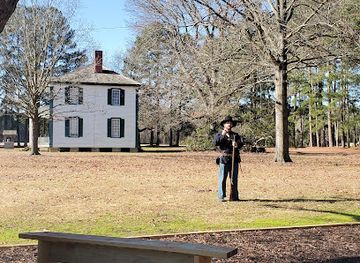
Bentonville Battlefield State Historic Site
Discover the rich history and serene beauty of Bentonville Battlefield State Historic Site, where nature meets American heritage in North Carolina.
-
Historical place museum
Körner's Folly
Explore the captivating history and whimsical architecture of Körner's Folly in Kernersville, NC, a must-visit destination for history enthusiasts and creative spirits.
Explore Piedmont on the map
Plan your trip on one map. See where the top cities, national parks and sights are, and book hotels and experiences in a few clicks.
Best hotels in Piedmont
Best restaurants in Piedmont
Piedmont dining combines North Carolina food traditions with the cosmopolitan influence of its cities and universities. Barbecue is central, but preparations and sauces vary across the state, so local menus may offer both vinegar-based and sweeter styles alongside smoked pork, chicken and regional sides. Biscuits, hush puppies, fried chicken, Brunswick stew, sweet potatoes, peanuts and seasonal vegetables appear in many forms, while nearby foothill and rural producers contribute apples, cheeses, honey and preserves. Raleigh, Durham, Chapel Hill, Greensboro, Winston-Salem and Charlotte have broad international dining scenes, independent bakeries, food halls and contemporary restaurants. Rural towns are more likely to centre on diners, family restaurants, barbecue establishments and traditional cafés. Farmers' markets are valuable for sampling produce and prepared foods, and the region's breweries, cider makers and coffee roasters have become part of its modern food culture without replacing older agricultural and community traditions.
-
Family-friendly
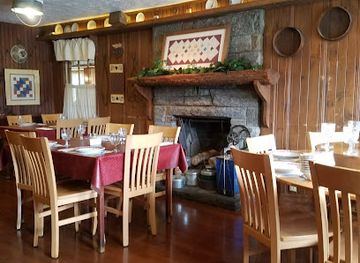
Dan'l Boone Inn
Experience authentic Southern hospitality at Dan'l Boone Inn in Boone, NC – where every meal feels like home.
-
Seafood
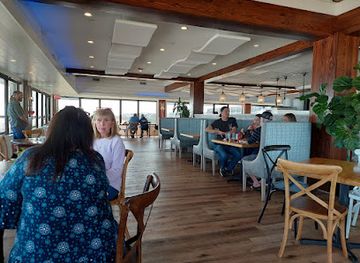
Oceanic
Experience coastal dining at its best with fresh seafood and stunning ocean views at Oceanic in Wrightsville Beach.
-
American
Webb Custom Kitchen
Experience exquisite American cuisine at Webb Custom Kitchen, where fine dining meets culinary artistry in Gastonia.
-
Bakery
La Farm Bakery
Discover the heartwarming flavors of La Farm Bakery in Cary, NC—where every bite is crafted with love and local ingredients.


Best bars in Piedmont
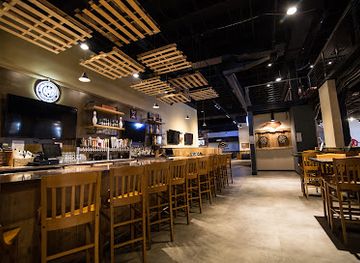
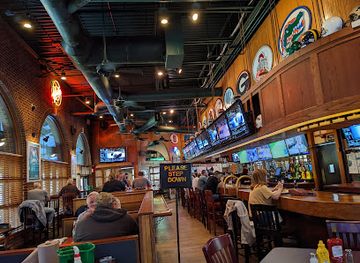
Evening life in the Piedmont is concentrated in its larger cities and university communities rather than spread evenly across the countryside. Raleigh, Durham and Chapel Hill have the strongest concentration of bars, breweries, live-music rooms, theatres and late-night restaurants, while Charlotte offers a broad metropolitan scene ranging from sports bars and cocktail venues to concert halls and clubs. Greensboro and Winston-Salem have established downtown nightlife shaped by students, arts organisations, independent bars and live performance. High Point and smaller towns generally favour restaurants, breweries, community events and traditional pubs over large nightclubs. Craft beer is widely available, but visitors can also find wine bars, coffee shops and alcohol-free evening venues. Transport options become more limited outside city centres, so plan a safe return journey rather than relying on a late rural connection.
-
Bar
Off The Wagon Dueling Piano Bar Asheville
Discover the vibrant nightlife at Off The Wagon Dueling Piano Bar in Asheville, where music, drinks, and fun create unforgettable memories.
-
Bar
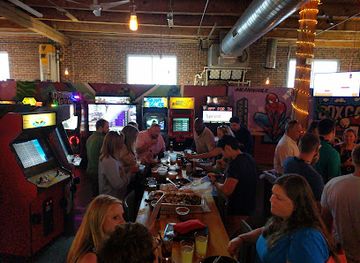
Boxcar Bar + Arcade
Experience the ultimate blend of fun and relaxation at Boxcar Bar + Arcade in Raleigh, NC - where games and great drinks come together!
-
Restaurant
Piedmont Social House
Discover Piedmont Social House in Charlotte, where delicious dining meets vibrant entertainment in a lively atmosphere.
-
Sports bar
Jocks & Jills
Experience the ultimate sports bar atmosphere at Jocks & Jills in Charlotte, NC, featuring delicious burgers, cold beers, and live game action.

Best nightclubs in Piedmont
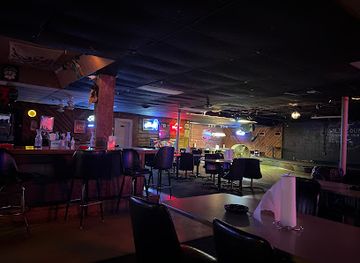
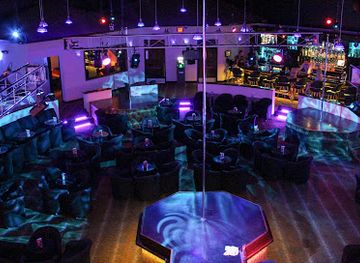
Evening life in the Piedmont is concentrated in its larger cities and university communities rather than spread evenly across the countryside. Raleigh, Durham and Chapel Hill have the strongest concentration of bars, breweries, live-music rooms, theatres and late-night restaurants, while Charlotte offers a broad metropolitan scene ranging from sports bars and cocktail venues to concert halls and clubs. Greensboro and Winston-Salem have established downtown nightlife shaped by students, arts organisations, independent bars and live performance. High Point and smaller towns generally favour restaurants, breweries, community events and traditional pubs over large nightclubs. Craft beer is widely available, but visitors can also find wine bars, coffee shops and alcohol-free evening venues. Transport options become more limited outside city centres, so plan a safe return journey rather than relying on a late rural connection.
-
Bar
Piedmont Social House
Experience the perfect blend of dining, drinks, and bowling at Piedmont Social House, a must-visit hotspot in Charlotte, NC.
-
Bar
Wild Country Saloon & Nightlife
Discover the lively atmosphere and delicious American cuisine at Wild Country Saloon & Nightlife in Piedmont, SC, perfect for a fun night out.
-
 Gay night club
Legends Nightclub
Discover the heart of Raleigh's nightlife at Legends Nightclub, a vibrant gay club celebrating diversity, music, and community spirit.
-
Night club
Mirage Exotic Nightlife
Discover a night of excitement at Mirage Exotic Nightlife, Greensboro's premier destination for adult entertainment, dining, and vibrant nightlife.

Best shops in Piedmont
Shopping in the Piedmont ranges from major urban retail districts and shopping centres to independent high streets, antique shops, galleries and farmers' markets. Charlotte offers the broadest metropolitan choice, including fashion, design and specialist food retail, while Raleigh, Durham and Chapel Hill combine university-oriented shops with bookshops, galleries, makers' goods and local food businesses. Greensboro and Winston-Salem have distinctive downtown and neighbourhood shopping, and High Point is internationally associated with its large furniture market, although the major trade event is aimed primarily at the industry rather than casual shoppers. In smaller towns, look for antiques, vintage goods, pottery, textiles, artwork and locally made preserves. Farmers' markets are a practical source of North Carolina produce, honey, baked goods and seasonal gifts. Regional souvenirs are often more meaningful when connected to the Piedmont's craft, agricultural and industrial heritage than when bought as generic tourist merchandise.
-
Shopping mall
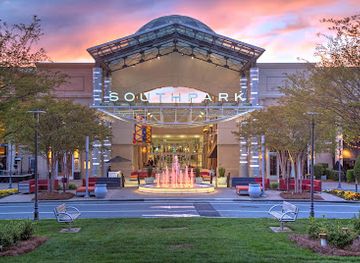
SouthPark
Discover SouthPark, Charlotte's premier shopping mall, featuring luxury brands, diverse dining options, and a vibrant atmosphere perfect for all visitors.
-
Outlet mall
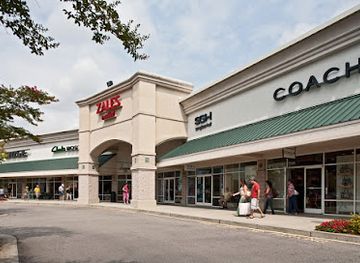
Charlotte Premium Outlets
Explore over 100 stores with unbeatable deals at Charlotte Premium Outlets, the ultimate shopping destination in North Carolina.
-
Outlet mall
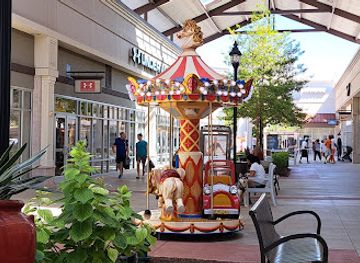
Carolina Premium Outlets
Discover unbeatable deals and a wide selection of brands at Carolina Premium Outlets, the ultimate shopping destination in North Carolina.
-
Outlet mall
Tanger Outlets Mebane
Discover unbeatable savings on top brands at Tanger Outlets Mebane, the ultimate shopping destination in North Carolina for tourists and locals alike.

Get your free copy of our complete guide to Piedmont, delivered straight to you.
Everything on this page, from attractions and restaurants to essentials and local phrases, in one PDF you can read offline, print or share.
Already have an account? Sign in
Your Piedmont guide is ready.
We'll send it to · Not you? Sign out

Getting your guide ready…
We are putting together a fresh copy of the Piedmont guide. This can take up to a minute.
This can take a few moments. If your browser asks, choose Allow so the download can start. You'll find the guide in your Downloads folder.
Nothing happened? Download it again
Sorry, the guide is taking longer than usual. Please try again in a minute, or get it by email instead.
Piedmont essentials
Currency and Payment
Safety
Emergency Situations
Do's and Don'ts
Local Tips
From Eve
Local phrases worth knowing
You don't need to get them perfect. A few words go a long way, and locals appreciate the effort.
Basics
| English | Local | Say it |
|---|---|---|
| Hello | Hey | [hey] |
| Goodbye | See ya | [see yah] |
| Yes | Yep | [yep] |
| No | Nope | [nope] |
| Please/You're welcome | Sure thing | [shur thing] |
| Thank you | Thanks | [thanks] |
| Excuse me/Sorry | Pardon me | [pardon me] |
| How are you? | How ya doin'? | [how ya doin'?] |
| Fine. And you? | Good. You? | [good. you?] |
| Do you speak English? | Ya speak English? | [ya speak English?] |
| I don't understand | I ain't gettin' it | [I ain't gettin' it] |
Eating & Drinking
| English | Local | Say it |
|---|---|---|
| I'd like to see the menu, please | Can I see the menu? | [can I see the menu?] |
| I don't eat meat | I don't do meat | [I don't do meat] |
| Cheers! | Cheers! | [cheers] |
| I would like to pay, please | Can I get the check? | [can I get the check?] |
Emergencies
| English | Local | Say it |
|---|---|---|
| Help! | Help! | [help] |
| Go away! | Leave me alone! | [leave me alone!] |
| Call the Police! | Call the cops! | [call the cops!] |
| Call a doctor! | Get a doctor! | [get a doctor!] |
| I'm lost | I'm lost | [I'm lost] |
| I'm ill | I ain't feelin' good | [I ain't feelin' good] |
Shopping
| English | Local | Say it |
|---|---|---|
| I'd like to buy... | I wanna buy... | [I wanna buy...] |
| I'm just looking | Just lookin' | [just lookin'] |
| How much is it? | How much for this? | [how much for this?] |
| That's too expensive | That's way too high | [that's way too high] |
| Can you lower the price? | Can ya bring it down? | [can ya bring it down?] |
Time & Numbers
| English | Local | Say it |
|---|---|---|
| What time is it? | What time is it? | [what time is it?] |
| It's one o'clock | It's one | [it's one] |
| Half past (10) | Half past ten | [half past ten] |
| Morning | Mornin' | [mornin'] |
| Afternoon | Afternoon | [afternoon] |
| Evening | Evenin' | [evenin'] |
| Yesterday | Yesterday | [yesterday] |
| Today | Today | [today] |
| Tomorrow | Tomorrow | [tomorrow] |
| 1 | One | [one] |
| 2 | Two | [two] |
| 3 | Three | [three] |
| 4 | Four | [four] |
| 5 | Five | [five] |
| 6 | Six | [six] |
| 7 | Seven | [seven] |
| 8 | Eight | [eight] |
| 9 | Nine | [nine] |
| 10 | Ten | [ten] |
Transport & Directions
| English | Local | Say it |
|---|---|---|
| Where's a/the...? | Where's the...? | [where's the...?] |
| What's the address? | What's the address? | [what's the address?] |
| Can you show me (on the map)? | Can ya show me on the map? | [can ya show me on the map?] |
| When's the next (bus)? | When's the next bus? | [when's the next bus?] |
| A ticket (to ....) | A ticket to... | [a ticket to...] |
History of Piedmont
Indigenous Piedmont Communities
Long before European colonisation, the central North Carolina Piedmont was home to Indigenous peoples who farmed, hunted, traded and travelled along its rivers and ridges. The Catawba Nation remains closely associated with the western Piedmont near the Catawba River, while other nations, including the Tuscarora, have histories extending across and beyond the region. Archaeological evidence records long-standing settlement and exchange networks. European expansion, disease, warfare and land loss profoundly disrupted these societies, but Indigenous history remains an essential part of the region's identity rather than a prelude that ended with colonial settlement.
Moravian Salem and Eighteenth-Century Settlement
Moravian settlers established Salem in the 1760s within a wider planned community known as Wachovia. Their religious, commercial and craft traditions left an unusually well-documented urban legacy, preserved today in Old Salem in Winston-Salem. Other eighteenth-century communities developed through Quaker settlement, Scots-Irish migration and plantation agriculture. Roads and river crossings connected farms and market towns, while the Piedmont's moderate terrain supported mixed agriculture. The resulting settlement pattern was less concentrated than in the coastal ports but laid the foundation for many of the region's later towns.
The Revolutionary Era in the Backcountry
The Piedmont became a major theatre of the American Revolutionary War's southern campaign. At the Battle of Guilford Courthouse in 1781, near present-day Greensboro, American forces under Nathanael Greene confronted the British army led by Charles Cornwallis. Although the British held the field, their losses contributed to a campaign that weakened their position in the Carolinas. The broader conflict divided local communities and drew the region's farms and roads into military operations. Guilford Courthouse National Military Park preserves the battlefield landscape and interprets this turning point in the war.
Railways, Tobacco and Industrial Growth
During the nineteenth century, railways reshaped the Piedmont by linking inland communities to ports and larger markets. Tobacco processing became especially important in Durham and Winston-Salem, while cotton mills expanded along rivers and rail lines in towns including Burlington, Kannapolis and Concord. Furniture production made High Point an important manufacturing centre, and textile employment transformed both urban and rural life. Industrial growth brought wealth and infrastructure but also difficult labour conditions, environmental damage and dependence on sectors vulnerable to later global competition. Former factories, warehouses and mill villages still mark this period.
The Civil Rights Movement in the Piedmont
The central Piedmont was a significant setting for the struggle against racial segregation. On 1 February 1960, four students from North Carolina Agricultural and Technical State University began a sit-in at the segregated Woolworth lunch counter in Greensboro. The action helped inspire demonstrations elsewhere and became an internationally recognised moment in the civil-rights movement. Greensboro's International Civil Rights Center & Museum occupies the former store site and interprets the protest within the wider history of student activism, segregation and desegregation. Universities, churches and community organisations across the region also supported campaigns for equal rights.
Manufacturing Change and the Research Economy
From the late twentieth century, textile, tobacco and furniture manufacturing declined or reorganised as production became more globalised. Piedmont communities faced factory closures and economic adjustment, while Raleigh, Durham and Chapel Hill expanded around universities, medicine, technology and research institutions. Charlotte developed into a major banking and business centre, and the Triad diversified through logistics, healthcare, education and advanced manufacturing. This transformation did not erase the industrial past: former mills have been reused as apartments, studios, offices and cultural venues, while historic districts preserve the architectural evidence of earlier economic eras.
Piedmont in Photos
Browse through our photo collection highlighting the charm and character of the destination.
Neighbouring regions of Piedmont
The closest regions to Piedmont, if you have time for more than one.
-

-

-

-

-


Swipe for more regions
Explore more

Explore more of North Carolina
Discover North Carolina's blend of natural beauty, vibrant cities, and rich history. From the Outer Banks to the Blue Ridge Mountains, experience diverse landscapes and cultures.
Explore North Carolina