

Free High Country Travel Guide & Mobile App
Explore High Country with free travel guides. Discover regional history, expert tips, proposed trips, and audio guides on web or mobile app.


Explore North Carolina’s High Country for Blue Ridge drives, Appalachian culture, mountain towns, hiking, skiing, craft food and changing seasonal scenery.
Getting to and around High Country
How to get there
Transportation
Top city travel guides in High Country
The cities of High Country, and the easiest places to base yourself.
-

-


Swipe for more cities
Destinations in High Country
Resorts, valleys and scenic spots worth a trip of their own.
-

-
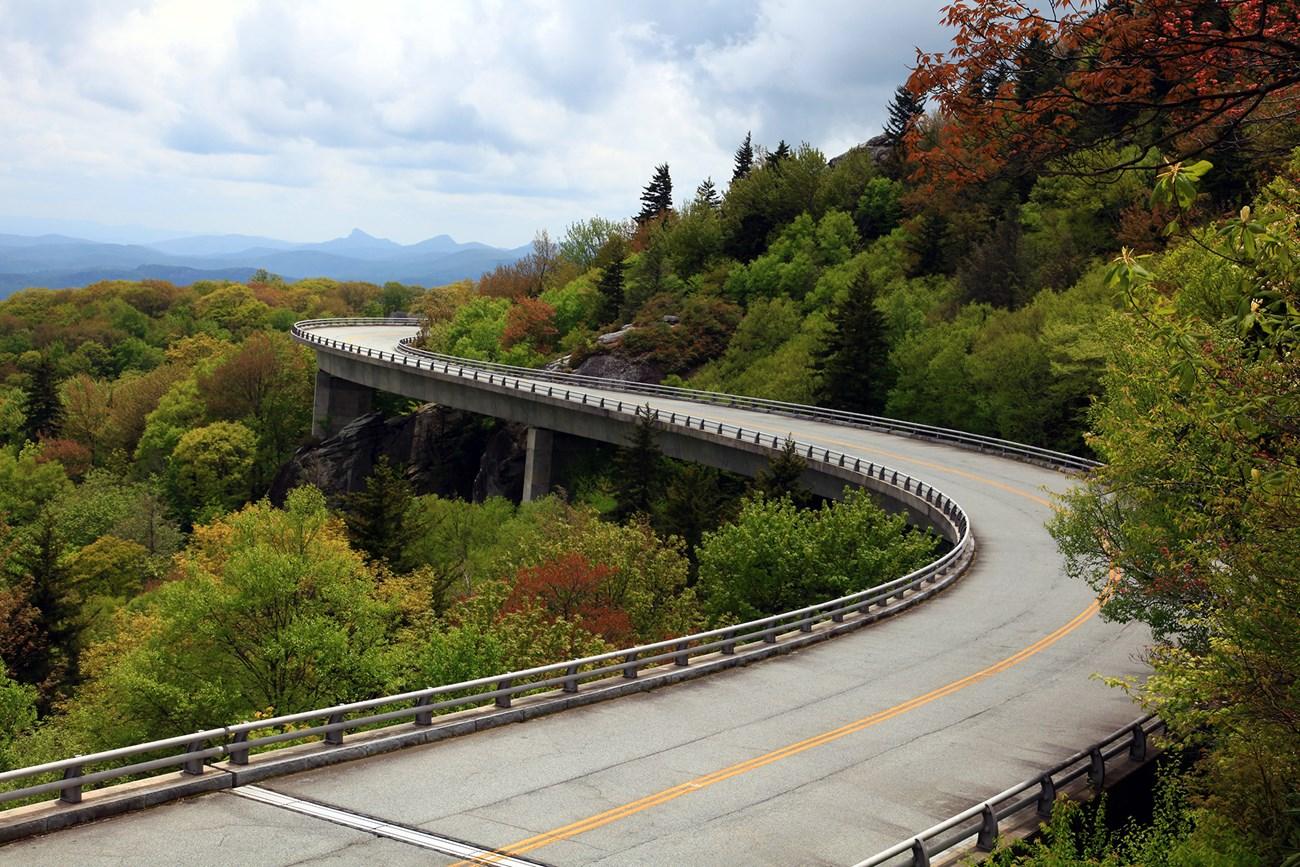 Blue Ridge Mountains
, North Carolina, offer scenic parkway drives, Appalachian trails, waterfalls, high peaks, Cherokee culture and mountain towns.
-


Swipe for more destinations
Best attractions in High Country
High Country attractions combine mountain scenery with a strong network of cultural and outdoor experiences. Grandfather Mountain in Avery County is known for its high-elevation habitats, wildlife and dramatic terrain, while nearby Linville Caverns offers an underground perspective on the region’s geology. Elk Knob State Park and Mount Jefferson State Natural Area provide hiking, forests and broad views from distinctly different parts of the uplands. Along the Blue Ridge Parkway, Moses H. Cone Memorial Park and Julian Price Memorial Park offer historic landscapes, trails and overlooks. New River State Park presents a quieter setting for paddling, fishing and riverside camping. Boone contributes museums, galleries, Appalachian music and university culture, while Blowing Rock, Banner Elk and West Jefferson add independent shops, seasonal events and craft traditions. In winter, ski areas on Beech Mountain, Sugar Mountain and near Boone shift the emphasis towards snow sports; in other seasons the same mountains support hiking, cycling and scenic drives. Orchards, farms and craft studios provide more grounded experiences between the major viewpoints.
-
 Tourist attraction
Great Smoky Mountains National Park
Discover the natural beauty and rich heritage of Great Smoky Mountains National Park, a top destination for adventure and exploration in the heart of the Appalachians.
-
Tourist attraction
Biltmore
Experience the grandeur of the Biltmore Estate, an iconic historical landmark and museum in Asheville, NC, offering breathtaking gardens and rich history.
-
Amusement park
Carowinds
Experience the ultimate thrill and family fun at Carowinds, North Carolina's premier amusement and water park destination.
-
Tourist attraction
North Carolina Zoo
Explore the North Carolina Zoo in Asheboro, a sprawling 500-acre sanctuary featuring diverse wildlife from North America and Africa. A family-friendly adventure awaits!

Best landmarks in High Country
Grandfather Mountain is one of the High Country’s defining natural landmarks, rising above Avery County with exposed rock, high-elevation forests and far-reaching views; its famous suspension bridge is part of a privately managed attraction rather than a state park. The Blue Ridge Parkway forms another major regional landmark, not as a single monument but as a carefully engineered scenic route through ridges, overlooks and historic landscapes. In Watauga County, the Moses H. Cone Memorial Park’s Flat Top Manor and surrounding carriage trails preserve the visible legacy of the Gilded Age resort era. The dramatic profile of Mount Jefferson gives Ashe County a distinctive geographic symbol, while Elk Knob marks a high, forested summit within a protected state natural area. Boone’s historic and civic landscape reflects its role as the region’s educational and commercial centre, whereas Blowing Rock retains the built character of an established mountain resort. The New River, among the oldest river systems in North America, is a landmark of a different kind: a slow, broad corridor around which farming communities, paddling routes and quieter public landscapes have developed.
-
Historical landmark
Biltmore
Experience the opulence of Biltmore Estate, America's largest home, where history, architecture, and stunning gardens come together in Asheville, NC.
-
Tourist attraction
Wright Brothers National Memorial
Explore the Wright Brothers National Memorial, where aviation history began and the spirit of innovation soars in North Carolina's Outer Banks.
-
Historical landmark
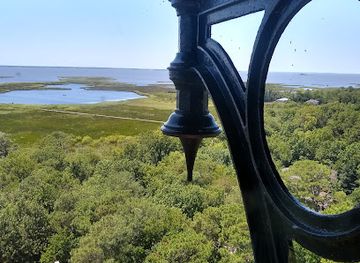
Currituck Beach Lighthouse
Experience history and breathtaking views at the Currituck Beach Lighthouse, a stunning landmark in Corolla, North Carolina.
-
Historical landmark
Cape Hatteras Lighthouse
Explore the historic Cape Hatteras Lighthouse, a majestic landmark offering panoramic views and rich maritime history in North Carolina's beautiful Outer Banks.

Explore High Country on the map
Plan your trip on one map. See where the top cities, national parks and sights are, and book hotels and experiences in a few clicks.
Best hotels in High Country
Best restaurants in High Country
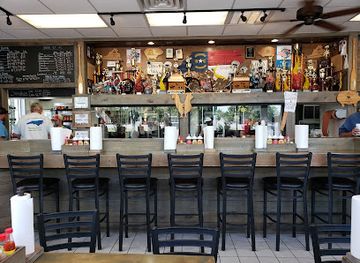
High Country dining draws on Appalachian ingredients while accommodating the region’s student, resort and outdoor-oriented visitors. Apples and cider are especially associated with the upland farming economy, and local producers also supply cheeses, preserves, baked goods and seasonal vegetables. Mountain trout appears on many menus, while ramps, mushrooms and other seasonal ingredients may feature in spring and autumn cooking. Boone has the broadest selection of cafés, casual restaurants, breweries and contemporary Southern cooking, with Blowing Rock and Banner Elk offering a mixture of resort dining, independent restaurants and traditional establishments. Rural communities are better known for family-run restaurants, country cooking, barbecue, bakeries and farm shops than for a concentrated dining district. Local breweries and cider producers complement meals, and farmers’ markets provide a useful way to understand the area’s agricultural character. Menus and seasonal availability vary, particularly outside the larger towns, so advance planning is sensible during foliage and ski weekends.
-
Steak
Angus Barn
Discover culinary excellence at Angus Barn, Raleigh's premier destination for exquisite steaks and seafood in an unforgettable setting.
-
Family-friendly
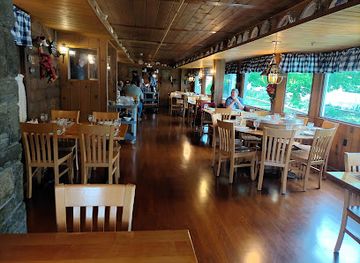
Dan'l Boone Inn
Experience authentic Southern comfort food at Dan'l Boone Inn in Boone, NC—where family-style dining meets Appalachian charm.
-
Barbecue
The Redneck BBQ Lab
Experience authentic Southern barbecue at The Redneck BBQ Lab in Benson, NC - where smoky flavors meet comfort food in a welcoming atmosphere.
-
Seafood
Oceanic
Discover Oceanic: A premier seafood restaurant in Wrightsville Beach offering fresh dishes and stunning ocean views.


Best bars in High Country
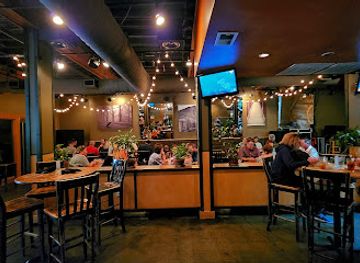
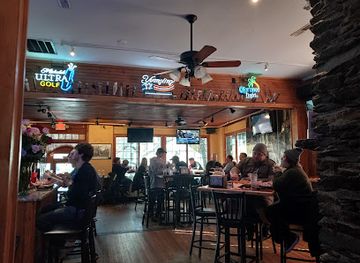
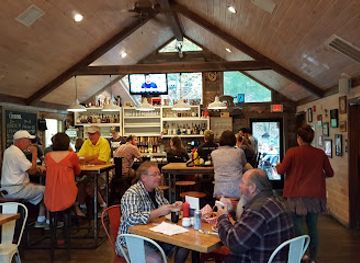
Evening life in the High Country is centred on Boone, where Appalachian State University supports a broad selection of pubs, breweries, cafés, live-music rooms and casual bars. The town’s music culture draws on bluegrass, old-time traditions, rock and contemporary performers, while some venues also host community events and arts programming. Blowing Rock and Banner Elk offer quieter evenings in restaurants, bars, breweries and historic-style inns, with activity increasing during summer and ski season. Beech Mountain and Sugar Mountain are primarily outdoor-resort destinations rather than major nightlife centres, although après-ski gatherings and seasonal dining are part of their visitor appeal. In rural Ashe and Alleghany counties, evening entertainment is more likely to involve a local restaurant, brewery, community performance or gathering than a nightclub. Check transport arrangements before drinking, as mountain roads are dark and winding and rideshare coverage can be limited away from Boone.
-
American
The Local
Discover a delightful fusion of American cuisine and live music at The Local, Boone's top dining destination for foodies and music lovers alike.
-
Sports bar
The Town Tavern
Discover the vibrant sports bar atmosphere at The Town Tavern in Blowing Rock, featuring live music, delicious food, and a wide selection of drinks.
-
Barbecue
The Pedalin' Pig
Experience the best of North Carolina barbecue at The Pedalin' Pig, where smoke meets flavor in a rustic and inviting atmosphere.
-
American
The Cardinal
Discover the flavors of America at The Cardinal in Boone, where fresh ingredients and creative cocktails make every meal memorable.

Best nightclubs in High Country
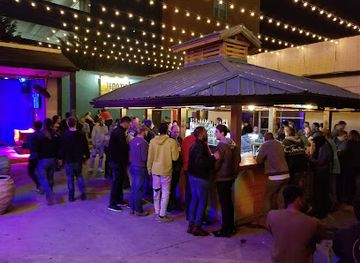
Evening life in the High Country is centred on Boone, where Appalachian State University supports a broad selection of pubs, breweries, cafés, live-music rooms and casual bars. The town’s music culture draws on bluegrass, old-time traditions, rock and contemporary performers, while some venues also host community events and arts programming. Blowing Rock and Banner Elk offer quieter evenings in restaurants, bars, breweries and historic-style inns, with activity increasing during summer and ski season. Beech Mountain and Sugar Mountain are primarily outdoor-resort destinations rather than major nightlife centres, although après-ski gatherings and seasonal dining are part of their visitor appeal. In rural Ashe and Alleghany counties, evening entertainment is more likely to involve a local restaurant, brewery, community performance or gathering than a nightclub. Check transport arrangements before drinking, as mountain roads are dark and winding and rideshare coverage can be limited away from Boone.
-
Night club
1614 Drinks-Music-Billiards / AfterHours Tavern
Experience the vibrant nightlife at 1614 Drinks-Music-Billiards in High Point, NC, featuring live music, billiards, and a laid-back atmosphere.
-
Gay night club
Legends Nightclub
Legends Nightclub: A vibrant gay nightclub in Raleigh, NC, offering an unforgettable nightlife experience with music, dancing, and inclusivity.
-
Night club
Mirage Exotic Nightlife
Discover the allure of Mirage Exotic Nightlife in Greensboro, NC; where vibrant entertainment meets exquisite dining in an unforgettable atmosphere.
-
Night club
Chemistry Nightclub
Discover Greensboro’s premier nightlife destination at Chemistry Nightclub - a vibrant space for dancing, karaoke, and unforgettable memories.



Best shops in High Country
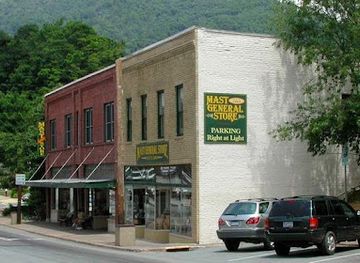
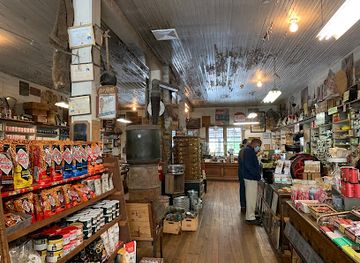
Shopping in the High Country ranges from Boone’s independent boutiques, bookshops, outdoor retailers, galleries and university-oriented businesses to the smaller-scale stores of Blowing Rock, Banner Elk, West Jefferson and Sparta. Craft remains an important part of the regional economy, with pottery, woodwork, woven goods, jewellery and visual art available through studios, galleries and seasonal shows. Ashe County is particularly associated with a strong craft community, while the broader mountain area supports makers whose work reflects local materials and Appalachian design traditions without being confined to a single style. Farm shops and markets are useful for apples, cider, preserves, cheese, honey, baked goods and other edible gifts. Visitors should distinguish locally made work from generic Appalachian-themed merchandise, and should ask about provenance when buying craft products. Retail hours and market schedules can be seasonal, especially in rural communities, so larger towns are the most reliable places for everyday shopping and outdoor equipment.
-
General store
Mast General Store Boone
Explore Mast General Store in Boone, NC for a unique shopping experience featuring outdoor gear, local candy, and authentic Appalachian goods.
-
General store
Original Mast General Store
Experience the unique blend of charm and adventure at the Original Mast General Store in Sugar Grove, NC, your perfect stop for outdoor gear and local treats.
-
General store
Mast General Store Annex
Discover the charm of Mast General Store Annex, where outdoor gear meets local specialties in the heart of Banner Elk, North Carolina.
-
Shopping mall
Shoppes on the Parkway
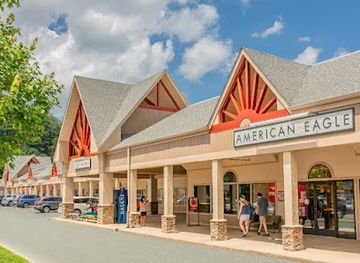
Discover unique shops and local treasures at Shoppes on the Parkway in Blowing Rock, North Carolina, where the mountains meet delightful shopping experiences.

Get your free copy of our complete guide to High Country, delivered straight to you.
Everything on this page, from attractions and restaurants to essentials and local phrases, in one PDF you can read offline, print or share.
Already have an account? Sign in
Your High Country guide is ready.
We'll send it to · Not you? Sign out

Getting your guide ready…
We are putting together a fresh copy of the High Country guide. This can take up to a minute.
This can take a few moments. If your browser asks, choose Allow so the download can start. You'll find the guide in your Downloads folder.
Nothing happened? Download it again
Sorry, the guide is taking longer than usual. Please try again in a minute, or get it by email instead.
High Country essentials
Currency and Payment
Safety
Emergency Situations
Do's and Don'ts
Local Tips
From Eve
Local phrases worth knowing
You don't need to get them perfect. A few words go a long way, and locals appreciate the effort.
Basics
| English | Local | Say it |
|---|---|---|
| Hello | Howdy | [haʊdi] |
| Goodbye | See y'all later | [si jɔl ˈleɪtər] |
| Yes | Yep | [jɛp] |
| No | Nope | [noʊp] |
| Please/You're welcome | Please | [pliz] |
| Thank you | Thank ya | [θæŋk jɑ] |
| Excuse me/Sorry | Pardon me | [ˈpɑrdən mi] |
| How are you? | How ya doin'? | [haʊ jə ˈduɪn] |
| Fine. And you? | I’m good. How 'bout you? | [aɪm gʊd. haʊ baʊt ju] |
| Do you speak English? | Do ya talk English? | [du jə tɔk ˈɪŋɡlɪʃ] |
| I don't understand | I ain't gettin' it | [aɪ eɪnt ˈɡɛtɪn ɪt] |
Eating & Drinking
| English | Local | Say it |
|---|---|---|
| I'd like to see the menu, please | Can I see the menu, please? | [kæn aɪ si ðə ˈmɛnju, pliz] |
| I don't eat meat | I don’t eat no meat | [aɪ doʊnt it noʊ mit] |
| Cheers! | Cheers! | [ʧɪrz] |
| I would like to pay, please | I’d like to settle up, please | [aɪd laɪk tə ˈsɛtl ʌp, pliz] |
Emergencies
| English | Local | Say it |
|---|---|---|
| Help! | Help! | [hɛlp] |
| Go away! | Get away! | [ɡɛt əˈweɪ] |
| Call the Police! | Call the cops! | [kɔl ðə kɑps] |
| Call a doctor! | Get a doctor! | [ɡɛt ə ˈdɑktər] |
| I'm lost | I’m lost | [aɪm lɔst] |
| I'm ill | I’m feelin’ bad | [aɪm ˈfilɪn bæd] |
Shopping
| English | Local | Say it |
|---|---|---|
| I'd like to buy... | I want to buy... | [aɪ wɑnt tə baɪ] |
| I'm just looking | Just lookin’ around | [dʒʌst ˈlʊkɪn əˈraʊnd] |
| How much is it? | How much is it? | [haʊ mʌʧ ɪz ɪt] |
| That's too expensive | That’s too high priced | [ðæts tu haɪ praɪst] |
| Can you lower the price? | Can ya bring down the price? | [kæn jə brɪŋ daʊn ðə praɪs] |
Time & Numbers
| English | Local | Say it |
|---|---|---|
| What time is it? | What time is it? | [wɑt taɪm ɪz ɪt] |
| It's one o'clock | It’s one o’clock | [ɪts wʌn əˈklɒk] |
| Half past (10) | Half past ten | [hæf pæst tɛn] |
| Morning | Mornin’ | [ˈmɔrnɪn] |
| Afternoon | Afternoon | [ˌɑftərˈnun] |
| Evening | Evenin’ | [ˈivnɪn] |
| Yesterday | Yesterday | [ˈjɛstərdeɪ] |
| Today | Today | [təˈdeɪ] |
| Tomorrow | Tomorrow | [təˈmɔroʊ] |
| 1 | One | [wʌn] |
| 2 | Two | [tu] |
| 3 | Three | [θri] |
| 4 | Four | [fɔr] |
| 5 | Five | [faɪv] |
| 6 | Six | [sɪks] |
| 7 | Seven | [sɛvən] |
| 8 | Eight | [eɪt] |
| 9 | Nine | [naɪn] |
| 10 | Ten | [tɛn] |
Transport & Directions
| English | Local | Say it |
|---|---|---|
| Where's a/the...? | Where's a...? | [wɛrz ə...?] |
| What's the address? | What’s the address? | [wɑt ðə əˈdrɛs] |
| Can you show me (on the map)? | Can ya show me on the map? | [kæn jə ʃoʊ mi ɑn ðə mæp] |
| When's the next (bus)? | When's the next bus? | [wɛn ðə nɛkst bʌs] |
| A ticket (to ....) | A ticket to... | [ə ˈtɪkɪt tə...] |
History of High Country
Cherokee Homelands and Ancient Mountain Landscapes
The mountains of north-western North Carolina lie within a wider landscape long used and inhabited by Indigenous peoples, including the Cherokee. Rivers, ridges and upland passes supported travel, hunting and exchange well before European settlement. Archaeological evidence across the southern Appalachians records ancient communities and enduring relationships with the land. Although the main Qualla Boundary of the Eastern Band of Cherokee Indians lies farther west, Cherokee history remains an essential part of the regional context and should not be reduced to a backdrop for later settler or tourist narratives.
The Watauga Settlement and Revolutionary-Era Frontier
European-American settlement expanded into the upper valleys during the eighteenth century, including the Watauga area around present-day Boone. The region’s difficult terrain limited large-scale plantation agriculture and encouraged small farms, mills and locally connected communities. During the American Revolution, frontier settlers from the western Carolinas and neighbouring areas took part in the Overmountain campaign, culminating in the Battle of Kings Mountain in 1780 outside the modern High Country. The period established patterns of self-reliant mountain settlement that remained influential for generations.
County Towns, Churches and Mountain Communities
During the nineteenth century, county seats and small settlements developed around courts, stores, churches, schools, farms and trading routes. Boone, Jefferson, Sparta, Blowing Rock and other communities became local service centres in a landscape where travel was slow and difficult. Agriculture included livestock, corn, grains, orchards and small-scale production suited to upland conditions. Religious congregations, fiddle traditions, ballad singing and practical craft skills helped form cultural networks that later became central to the region’s public identity, although mountain life was never culturally uniform.
Timber, Roads and the Arrival of Tourism
Improved roads and the expansion of timber activity in the late nineteenth and early twentieth centuries connected isolated valleys with wider markets. Logging altered some forests, while rail and road links made it easier for visitors from the Piedmont and beyond to reach the cooler mountain climate. Blowing Rock developed an early resort identity, and summer tourism gradually spread through the region. The construction and improvement of highways, together with the later Blue Ridge Parkway, transformed travel patterns and made scenery itself a major economic resource.
Education and Appalachian Cultural Preservation
Education became a major force in the region, particularly through the institution now known as Appalachian State University in Boone. Founded in 1899 as a school for teacher training, it grew into a university with strong connections to the mountains and to research, performance and public understanding of Appalachian culture. The region’s craft schools, music programmes, galleries and festivals likewise helped preserve and reinterpret local traditions. These institutions have also brought new residents, businesses and cultural influences to a previously more isolated area.
Ski Resorts and the Modern Four-Season Economy
From the mid-twentieth century, skiing and winter recreation added a new dimension to the High Country economy. Beech Mountain, Sugar Mountain and Appalachian Ski Mountain developed as principal ski areas, while hiking, mountain biking, festivals, restaurants and second homes broadened tourism beyond summer. Today the region balances visitor demand with the pressures of seasonal traffic, housing costs, changing weather and environmental stewardship. Agriculture, craft production, education and outdoor recreation continue alongside tourism, giving the High Country a more varied economy than its resort image alone suggests.
High Country in Photos
Browse through our photo collection highlighting the charm and character of the destination.
Neighbouring regions of High Country
The closest regions to High Country, if you have time for more than one.
-
 Foothills
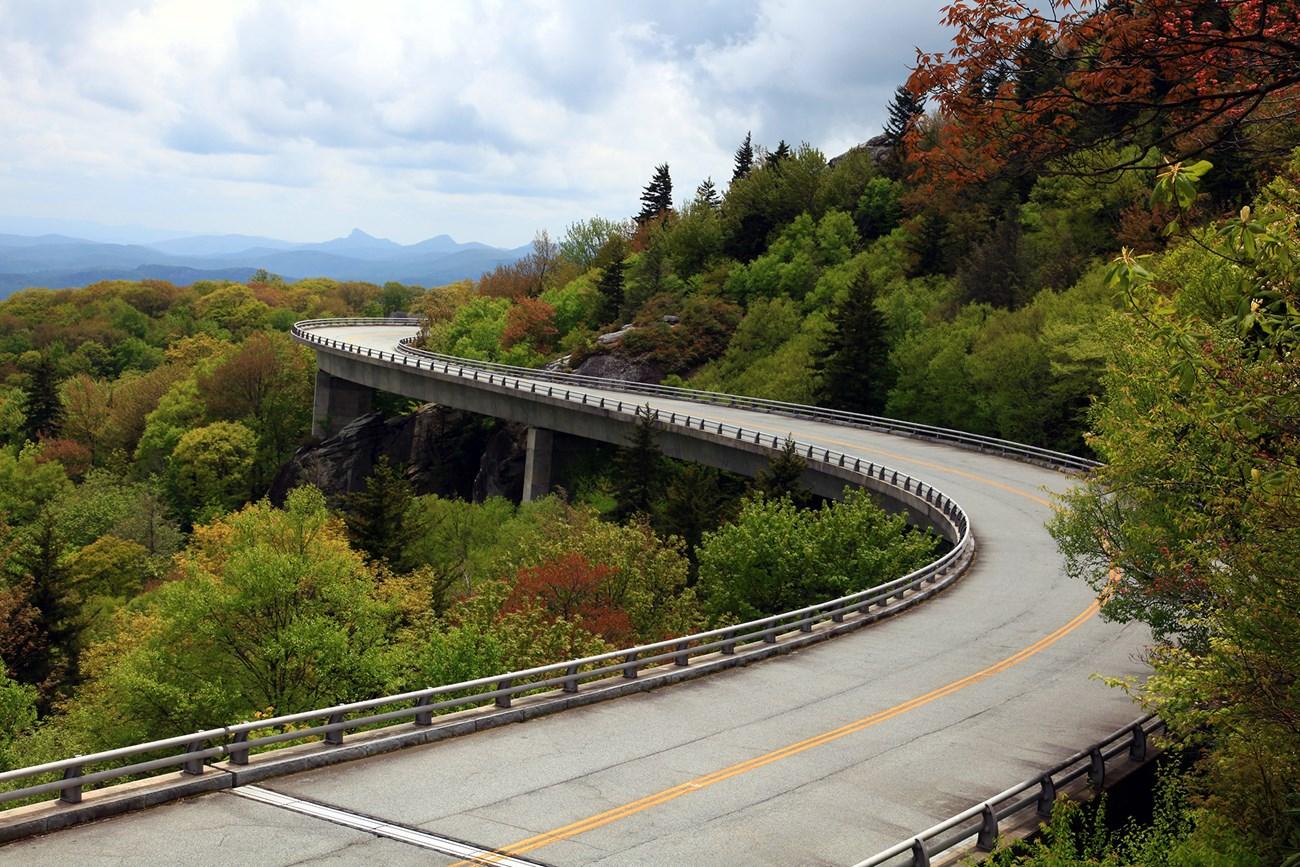
Explore North Carolina’s Foothills for forested ridges, mountain lakes, craft towns, outdoor trails, furniture heritage and distinctive Southern food.
-
 Blue Ridge Mountains
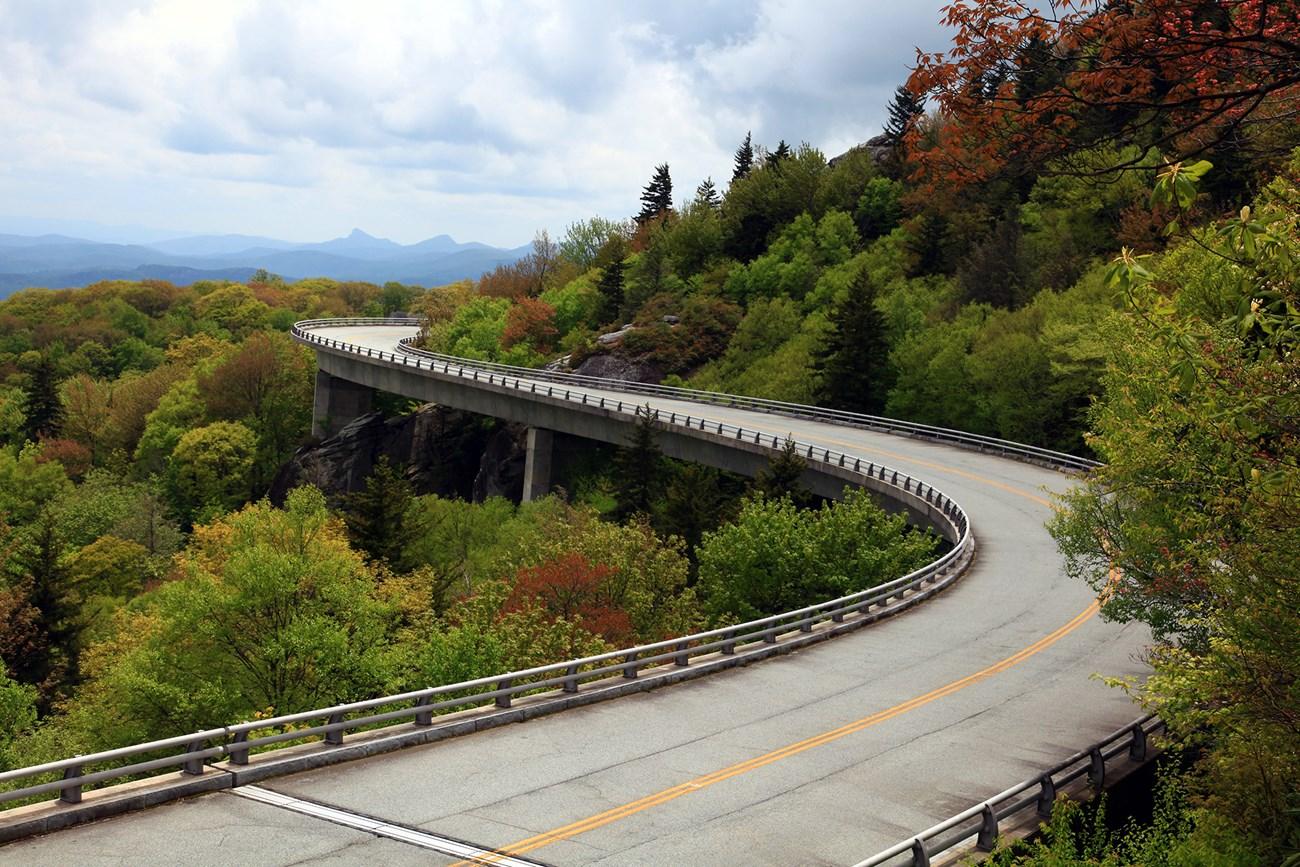
Explore North Carolina's Blue Ridge Mountains for scenic parkway drives, high-country hikes, waterfalls, craft traditions and Appalachian food.
-
-
 Mountain Region
Explore North Carolina’s Mountain Region for Blue Ridge scenery, Appalachian culture, Cherokee heritage, craft towns and outdoor adventures.
-


Swipe for more regions
Explore more

Explore more of North Carolina
Discover North Carolina's blend of natural beauty, vibrant cities, and rich history. From the Outer Banks to the Blue Ridge Mountains, experience diverse landscapes and cultures.
Explore North Carolina