

Free Piedmont Triad Travel Guide & Mobile App
Explore Piedmont Triad with free travel guides. Discover regional history, expert tips, proposed trips, and audio guides on web or mobile app.


Explore the Piedmont Triad for Greensboro culture, Winston-Salem heritage, High Point design, Carolina barbecue and wooded mountain escapes.
Read more about Piedmont Triad
When is the best time to visit Piedmont Triad?
Best: May, September–October · 21–28°C| Month | High (°C) | Rainfall (mm) |
|---|---|---|
| January | 9 | 89 |
| February | 12 | 89 |
| March | 17 | 108 |
| April | 21 | 89 |
| May (best) | 26 | 103 |
| June | 30 | 99 |
| July | 33 | 111 |
| August | 32 | 100 |
| September (best) | 28 | 98 |
| October (best) | 21 | 79 |
| November | 16 | 79 |
| December | 11 | 84 |
Getting to and around Piedmont Triad
How to get there
Transportation
Top city travel guides in Piedmont Triad
The cities of Piedmont Triad, and the easiest places to base yourself.
-

-

-

-

-

-


Swipe for more cities
Destinations in Piedmont Triad
Resorts, valleys and scenic spots worth a trip of their own.
-

-

-


Swipe for more destinations
Best attractions in Piedmont Triad
The Piedmont Triad's attractions range from urban museums and cultural institutions to state parks and working landscapes. In Winston-Salem, Old Salem Museums & Gardens presents Moravian buildings, crafts, gardens and foodways, while the nearby Reynolda Estate combines historic grounds, gardens and art collections. Greensboro offers the International Civil Rights Center & Museum, the Greensboro Science Center, the Weatherspoon Art Museum and the Greensboro History Museum, providing perspectives from civil rights to science and regional culture. High Point's showrooms and design heritage become especially prominent during High Point Market. Outside the cities, Hanging Rock State Park brings hiking, waterfalls, cliffs and lake recreation, while Pilot Mountain State Park offers trails and striking views around its distinctive peak. Asheboro's North Carolina Zoo occupies a large naturalistic site and warrants a full day. Smaller museums, historic homes, vineyards and agricultural attractions fill the spaces between these headline destinations, making the region particularly rewarding for visitors who combine city culture with a car-based exploration of the countryside.
-
Movie theater
The Grand Winston-Salem by Santikos
Experience the best of cinema at The Grand Winston-Salem, where every film is a journey and every visit is unforgettable.
-
Bar
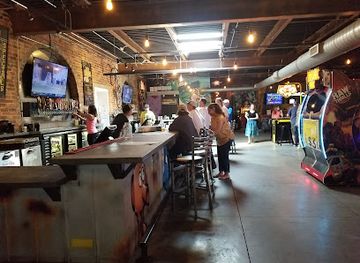
Boxcar Bar + Arcade
Discover the ultimate fun zone in Greensboro, where arcade games meet delicious pizza and drinks in a lively bar setting.
-
Park
Center City Park @ Greensboro Downtown Parks, Inc.
Discover the heart of Greensboro at Center City Park, a lively urban park perfect for relaxation, recreation, and community events.
-
Performing arts theater
Carolina Theatre of Greensboro
Discover the rich cultural tapestry of Greensboro at the Carolina Theatre, where history meets contemporary performance in a stunning venue.


Best landmarks in Piedmont Triad
Old Salem's timber-framed buildings, church, workshops and orderly streets are among the Piedmont Triad's clearest architectural expressions of Moravian settlement. In Greensboro, the former Woolworth building, now housing the International Civil Rights Center & Museum, is a landmark of the American civil-rights movement because of the 1960 student sit-in. Winston-Salem's Reynolda House and gardens represent the scale and design of an early twentieth-century tobacco fortune, while the former R.J. Reynolds industrial landscape remains influential around the city's Innovation Quarter. High Point's concentration of furniture showrooms gives its skyline and commercial districts a distinctive design-oriented character. Further north, Pilot Mountain's isolated quartzite peak is one of the region's most recognisable natural features, and Hanging Rock's cliffs, ridges and waterfalls provide a contrasting landscape landmark. The Guilford Courthouse National Military Park near Greensboro commemorates the major 1781 Revolutionary War battle fought in the area, linking the modern city to a decisive episode in the southern campaign.
-
State park
Pilot Mountain State Park
Explore the breathtaking views and diverse landscapes of Pilot Mountain State Park, a natural wonder in North Carolina perfect for outdoor adventures.
-
Historical landmark
N.C. Transportation Museum
Explore the N.C. Transportation Museum, where history meets innovation in the heart of North Carolina, showcasing the evolution of transportation through the ages.
-
Visitor center
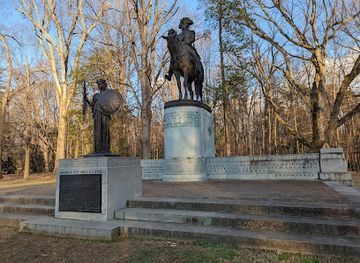
Guilford Courthouse National Military Park
Discover the rich history of the American Revolutionary War at Guilford Courthouse National Military Park in Greensboro, North Carolina.
-
Tourist attraction
Tanger Family Bicentennial Garden
Discover the tranquil beauty of Tanger Family Bicentennial Garden, a peaceful retreat in Greensboro, NC, featuring stunning floral displays and serene pathways.



Explore Piedmont Triad on the map
Plan your trip on one map. See where the top cities, national parks and sights are, and book hotels and experiences in a few clicks.
Best hotels in Piedmont Triad
Best restaurants in Piedmont Triad
Food in the Piedmont Triad reflects both North Carolina traditions and a growing urban dining scene. Lexington and surrounding western Piedmont communities are strongly associated with pork barbecue served with a tangy vinegar-based sauce, slaw and hush puppies, although local recipes and preferences vary. Greensboro, Winston-Salem and High Point provide a wider range of Southern cooking, international food, bakeries, coffee shops, breweries and contemporary restaurants. Moravian food heritage is represented by distinctive baking traditions, including spiced cookies and festive breads, while regional farms supply seasonal vegetables, peaches, apples and other produce. Country stores, diners and rural restaurants remain useful stops beyond the cities, and farmers' markets offer a direct introduction to local agriculture. North Carolina sweet potatoes, biscuits, fried chicken and seafood from the wider state are common, but should not all be treated as exclusively Piedmont dishes. Barbecue trails and market visits are best approached as regional food traditions rather than a search for one definitive establishment.
-
Hamburger
Hops Burger Bar
Discover the ultimate burger experience at Hops Burger Bar in Greensboro – where gourmet meets great taste.
-
Fine Dining
Print Works Bistro
Discover culinary excellence at Print Works Bistro in Greensboro, NC - where exquisite flavors meet elegant dining.
-
Fine Dining
Green Valley Grill
Experience culinary delight at Green Valley Grill - where Mediterranean flavors meet fine dining elegance in Greensboro.
-
Chicken
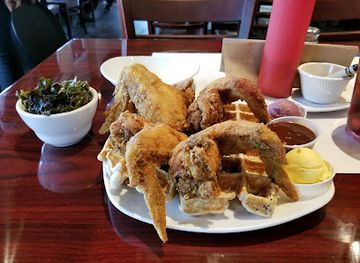
Dame's Chicken & Waffles
Experience the perfect blend of crispy fried chicken and fluffy waffles at Dame's Chicken & Waffles in Greensboro – A true taste of Southern comfort.
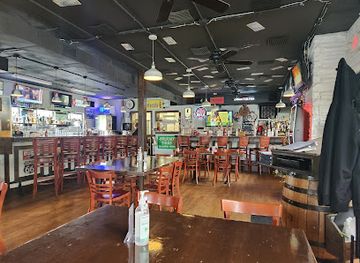
Best bars in Piedmont Triad
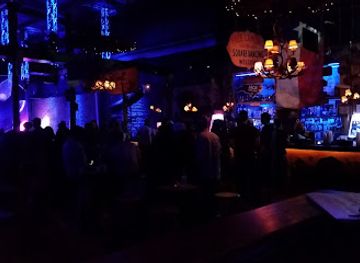
Evening life is concentrated in downtown Greensboro, Winston-Salem and High Point, with the largest selection of restaurants, breweries, cocktail bars, live music and arts programming found in these urban centres. Winston-Salem's historic and renovated industrial districts support a mix of bars, performance spaces and independent venues, while Greensboro has a substantial student, arts and event-oriented evening scene. High Point's nightlife expands during major furniture-market periods but is quieter at other times. In smaller Triad communities, traditional pubs, taprooms, local restaurants and live music generally matter more than nightclubs, and rural evenings are often early and low-key. Seasonal festivals, theatre, concerts and university events can add variety, but arrangements change, so visitors should check current listings rather than rely on permanent assumptions. Alcohol is only one part of the region's evening culture; galleries, cinemas, performing arts and late dining provide alternatives.
-
Bar
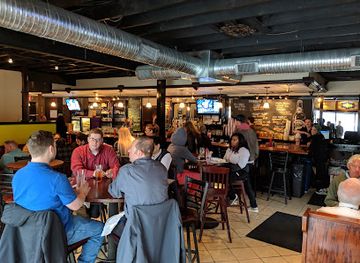
Boxcar Bar + Arcade
Discover unforgettable fun at Boxcar Bar + Arcade in Greensboro, where delicious pizza, refreshing drinks, and retro games unite for an epic night out.
-
American
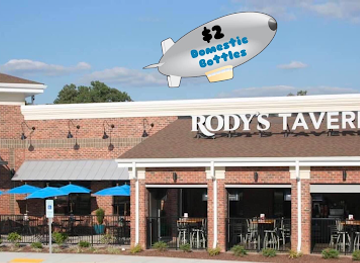
Rody's Tavern
Experience the vibrant atmosphere of Rody's Tavern, a premier American sports bar in Greensboro, offering delicious food and a great selection of drinks.
-
Pub
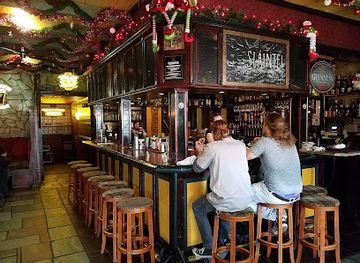
M'Coul's Public House
Discover M'Coul's Public House, a gastropub in Greensboro blending American flavors with European flair for a delightful culinary experience.
-
Gastropub
Bites and Pints Gastro Pub
Experience the vibrant flavors of Greensboro at Bites and Pints Gastro Pub, where gourmet cuisine meets craft beer in a welcoming atmosphere.
Best nightclubs in Piedmont Triad
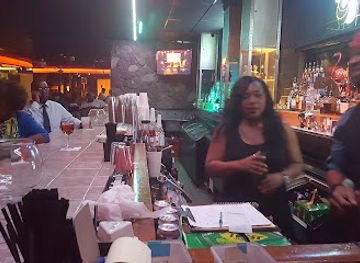
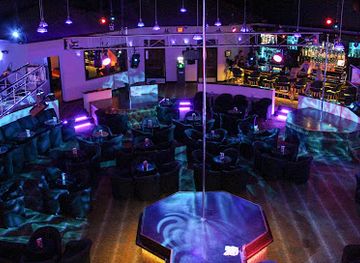
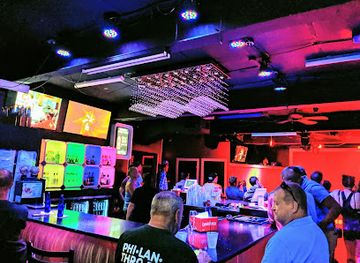
Evening life is concentrated in downtown Greensboro, Winston-Salem and High Point, with the largest selection of restaurants, breweries, cocktail bars, live music and arts programming found in these urban centres. Winston-Salem's historic and renovated industrial districts support a mix of bars, performance spaces and independent venues, while Greensboro has a substantial student, arts and event-oriented evening scene. High Point's nightlife expands during major furniture-market periods but is quieter at other times. In smaller Triad communities, traditional pubs, taprooms, local restaurants and live music generally matter more than nightclubs, and rural evenings are often early and low-key. Seasonal festivals, theatre, concerts and university events can add variety, but arrangements change, so visitors should check current listings rather than rely on permanent assumptions. Alcohol is only one part of the region's evening culture; galleries, cinemas, performing arts and late dining provide alternatives.
-
Night club
Boston's
Discover the Pulse of Greensboro’s Nightlife at Boston's Night Club - A Must-Visit for Music and Dance Enthusiasts.
-
Night club
Mirage Exotic Nightlife
Discover the vibrant nightlife at Mirage Exotic Nightlife in Greensboro, NC. Dance, drink, and enjoy unforgettable entertainment in a lively atmosphere.
-
Night club
Chemistry Nightclub
Dive into the vibrant nightlife at Chemistry Nightclub in Greensboro, where music, dance, and inclusive fun await every visitor.
-
Night club
Arizona Pete's
Discover the thrill of line dancing and mechanical bull riding at Arizona Pete's, Greensboro's favorite night club for a night of fun and entertainment.
Best shops in Piedmont Triad
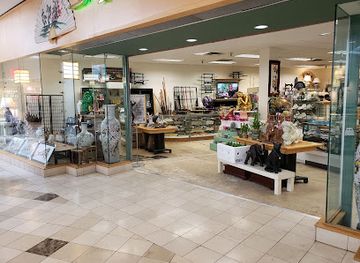
Shopping in the Piedmont Triad ranges from city high streets and independent boutiques to design showrooms, antiques and farm-market produce. High Point is the region's strongest destination for furniture and interiors, with an extensive showroom district and a global profile that becomes especially pronounced during High Point Market; many trade showrooms operate differently from ordinary retail shops, so visitors should check access arrangements. Downtown Greensboro and Winston-Salem offer books, clothing, galleries, homewares and locally made goods, while historic areas such as Old Salem include craft demonstrations and food products connected with Moravian traditions. Farmers' markets across the cities and market towns are good places to find seasonal produce, baked goods, honey and regional specialities. Rural routes may also lead to roadside stands, vineyards and small craft businesses, but opening patterns vary. Barbecue sauces, Moravian cookies, North Carolina food products, pottery, artwork and furniture-related objects make more regionally meaningful souvenirs than generic merchandise.
-
Shopping mall
Friendly Center
Discover a shopping paradise at Friendly Center in Greensboro, NC, featuring top brands, diverse dining, and lively entertainment for all ages.
-
Shopping mall
Four Seasons Town Centre
Discover a world of shopping, dining, and entertainment at Four Seasons Town Centre in Greensboro, NC – a perfect getaway for every visitor.
-
Shopping mall
Thruway Shopping Center
Discover Thruway Shopping Center in Winston-Salem: A vibrant retail hub with diverse stores and delightful dining options.
-
Shopping mall
Wendover Place
Discover Wendover Place in Greensboro, NC - a vibrant shopping mall offering a wide array of stores, dining options, and entertainment for every visitor.
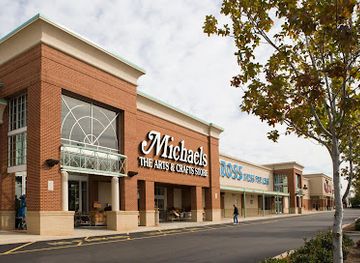
Get your free copy of our complete guide to Piedmont Triad, delivered straight to you.
Everything on this page, from attractions and restaurants to essentials and local phrases, in one PDF you can read offline, print or share.
Already have an account? Sign in
Your Piedmont Triad guide is ready.
We'll send it to · Not you? Sign out

Getting your guide ready…
We are putting together a fresh copy of the Piedmont Triad guide. This can take up to a minute.
This can take a few moments. If your browser asks, choose Allow so the download can start. You'll find the guide in your Downloads folder.
Nothing happened? Download it again
Sorry, the guide is taking longer than usual. Please try again in a minute, or get it by email instead.
Piedmont Triad essentials
Currency and Payment
Safety
Emergency Situations
Do's and Don'ts
Local Tips
From Eve
Local phrases worth knowing
You don't need to get them perfect. A few words go a long way, and locals appreciate the effort.
Basics
| English | Local | Say it |
|---|---|---|
| Hello | Hey | [hey] |
| Goodbye | Bye | [bye] |
| Yes | Yeah | [yeh] |
| No | Nope | [nohp] |
| Please/You’re welcome | Please/You’re welcome | [pleez/yer welcum] |
| Thank you | Thank you | [thank yew] |
| Excuse me/Sorry | Excuse me/Sorry | [exkyoos mee/sorree] |
| How are you? | How y’all doin’? | [how y'all doin'?] |
| Fine. And you? | I’m good. And you? | [I'm good. And yew?] |
| Do you speak English? | Y’all speak English? | [y'all speek ing-glish?] |
| I don't understand | I don’t get it | [I don’t get it] |
Eating & Drinking
| English | Local | Say it |
|---|---|---|
| I’d like to see the menu, please | Can I see the menu, please? | [kan I see the menu, pleez?] |
| I don't eat meat | I don’t eat meat | [I don’t eet meet] |
| Cheers! | Cheers! | [cheers] |
| I would like to pay, please | I’d like to pay, please | [I'd like to pay, pleez] |
Emergencies
| English | Local | Say it |
|---|---|---|
| Help! | Help! | [help] |
| Go away! | Get away! | [get away] |
| Call the Police! | Call the cops! | [call the cops] |
| Call a doctor! | Call a doctor! | [call a doctor] |
| I’m lost | I’m lost | [I'm lost] |
| I’m ill | I’m sick | [I'm sick] |
Shopping
| English | Local | Say it |
|---|---|---|
| I’d like to buy... | I wanna buy... | [I wanna buy...] |
| I’m just looking | I’m just lookin’ | [I'm just lookin'] |
| How much is it? | How much is it? | [how much is it?] |
| That’s too expensive | That’s way too high | [that's way too high] |
| Can you lower the price? | Can y’all lower the price? | [can y'all lower the price?] |
Time & Numbers
| English | Local | Say it |
|---|---|---|
| What time is it? | What time is it? | [what time is it?] |
| It’s one o'clock | It’s one o'clock | [it's one o'clock] |
| Half past (10) | Half past ten | [half past ten] |
| Morning | Morning | [mornin'] |
| Afternoon | Afternoon | [afternoon] |
| Evening | Evenin' | [evenin'] |
| Yesterday | Yesterday | [yesterdy] |
| Today | Today | [today] |
| Tomorrow | Tomorrow | [tomorrow] |
| 1 | One | [won] |
| 2 | Two | [too] |
| 3 | Three | [three] |
| 4 | Four | [for] |
| 5 | Five | [five] |
| 6 | Six | [six] |
| 7 | Seven | [seven] |
| 8 | Eight | [eight] |
| 9 | Nine | [nine] |
| 10 | Ten | [ten] |
Transport & Directions
| English | Local | Say it |
|---|---|---|
| Where's a/the...? | Where's a...? | [where's a...?] |
| What's the address? | What’s the address? | [what's the address?] |
| Can you show me (on the map)? | Can you show me on the map? | [can yew show me on the map?] |
| When's the next (bus)? | When's the next bus? | [when's the next bus?] |
| A ticket (to ....) | A ticket to ... | [a ticket to ...] |
History of Piedmont Triad
Indigenous Homelands and Early Settlement
The Piedmont Triad lies within the historic homelands and travel networks of Indigenous peoples, including the Saura and other Catawba-associated communities, before sustained European settlement. Archaeological evidence across central North Carolina records long periods of habitation, cultivation and movement along rivers and ridges. European colonisation altered these landscapes through land grants, agriculture and disease, while Indigenous communities endured displacement and continuing cultural change. The region's modern place names and historical institutions do not tell the whole story, so visitors should understand the Triad as a landscape with a much older history than its colonial towns and industrial cities suggest.
Moravian Wachovia and the Founding of Salem
In the eighteenth century, Moravian settlers established the Wachovia tract, creating a network of planned communities in what is now the Winston-Salem area. Salem, founded in 1766, became a centre of religious, educational and craft activity, with carefully organised streets, workshops and communal buildings. Its surviving architecture and interpreted interiors form the basis of Old Salem Museums & Gardens, one of the region's most important historic environments. Moravian traditions influenced building methods, music, education, foodways and record-keeping, leaving a legacy that remains especially visible in Winston-Salem.
Quaker Communities and Agricultural Expansion
Quakers established important communities in the central Piedmont during the eighteenth century, including New Garden near present-day Greensboro and Deep River settlements farther south. Their meetinghouses, schools and farms helped shape local patterns of landholding and civic life. European American agriculture expanded through wheat, corn, livestock and, later, tobacco, while enslaved African Americans performed much of the labour on many farms and estates. The rural landscape around Greensboro, High Point, Asheboro and the smaller market towns still contains meetinghouses, cemeteries and historic properties that reflect these layered religious and agricultural histories.
The Civil War and Reconstruction
The Piedmont Triad was affected by the Civil War through military movement, supply networks, economic disruption and the destruction of slavery. Salem and other communities supported hospitals and logistical activity, while the Battle of Guilford Courthouse, fought in 1781 during the American Revolution near Greensboro, remained a powerful earlier Revolutionary memory rather than a Civil War event. After 1865, formerly enslaved people sought land, education, political rights and independent institutions during Reconstruction, even as white supremacy restricted those gains. The period laid foundations for later struggles over citizenship, labour and racial justice.
Railways, Tobacco and Industrial Growth
Rail connections in the nineteenth century helped transform the Triad from a collection of agricultural and religious settlements into an interconnected commercial region. Winston-Salem grew around tobacco manufacturing and distribution, Greensboro became a major transport and business centre, and High Point developed a strong furniture and manufacturing economy. Textile mills, warehouses and related industries expanded across the Piedmont, drawing workers from rural areas and contributing to the growth of towns such as Burlington and Thomasville. Former factories, warehouses and company landscapes remain visible reminders of the industrial economy that shaped the region.
Furniture, Design and the High Point Market
High Point's furniture industry developed from nineteenth-century woodworking and manufacturing into an international design and trade centre. The High Point Market, held twice annually, grew into a major event for the global home-furnishings industry, bringing buyers and designers to showrooms throughout the city. Its influence extends beyond the market dates: furniture production, interior design, antiques and related education have become part of the region's public identity. The industry also reflects broader changes, including mechanisation, international competition and the transition from factory employment towards design, logistics and services.
The Greensboro Sit-In and the Civil-Rights Movement
On 1 February 1960, four Black students from North Carolina Agricultural and Technical State University sat at the segregated lunch counter in Greensboro's Woolworth store and requested service. Their protest continued and helped inspire sit-ins across the American South. The former store site is now home to the International Civil Rights Center & Museum, which interprets the action within the wider history of segregation, student activism and Black freedom movements. Greensboro's historically Black university, churches and civic organisations were central to the event and remain important to understanding the Triad's twentieth-century history.
Piedmont Triad in Photos
Browse through our photo collection highlighting the charm and character of the destination.
Neighbouring regions of Piedmont Triad
The closest regions to Piedmont Triad, if you have time for more than one.
-

-
-

-
-


Swipe for more regions
Explore more

Explore more of North Carolina
Discover North Carolina's blend of natural beauty, vibrant cities, and rich history. From the Outer Banks to the Blue Ridge Mountains, experience diverse landscapes and cultures.
Explore North Carolina