

Skeikampen Travel Guide - Free Web & App
Your ultimate guide to Skeikampen. Discover top landmarks, proposed trips, and local tips. Free on the web or via the Evendo companion app.


Skeikampen, Norway, combines alpine skiing, summer hiking, mountain biking and broad Gausdal views with easy holidays near Lillehammer in every season.
Highlands and Open Mountain Country
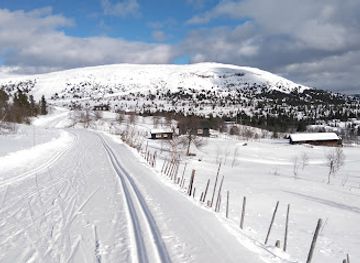
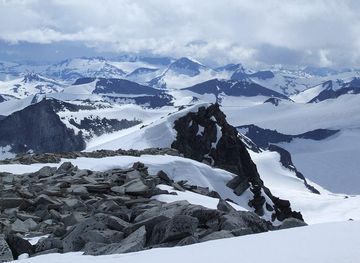
Skeikampen is a year-round mountain destination in Gausdal, Innlandet, centred on the rounded summit of Skeikampen, which rises to 1,121 metres. The area lies about 38 kilometres north-west of Lillehammer and combines an established ski resort with broad upland terrain, birch woodland, small lakes and open grazing landscapes. Its elevation brings reliable winter conditions, while the surrounding plateau offers extensive walking and cycling opportunities during the warmer months. The landscape is characteristic of Norway’s inland mountain districts: spacious rather than dramatic, with long views towards the Jotunheimen and Rondane mountain regions on clear days.Read more about Skeikampen
A Four-Season Resort
Mountain Life and Local Character
When is the best time to visit Skeikampen?
Best: June–August · 16–18°C| Month | High (°C) | Rainfall (mm) |
|---|---|---|
| January | -3 | 30 |
| February | -2 | 28 |
| March | 0 | 26 |
| April | 5 | 23 |
| May | 12 | 21 |
| June (best) | 16 | 20 |
| July (best) | 18 | 18 |
| August (best) | 17 | 19 |
| September | 12 | 21 |
| October | 8 | 23 |
| November | 2 | 26 |
| December | -2 | 28 |
Getting to and around Skeikampen
How to get there
Transportation
Best attractions in Skeikampen
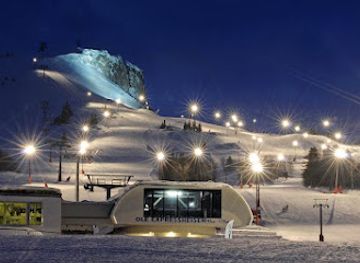
Skeikampen Alpinsenter is the area’s principal winter attraction, offering downhill skiing on the slopes of Skeikampen and access to the wider network of prepared cross-country trails. In summer, the summit and surrounding ridges provide walking routes with broad views across Gausdal and towards Norway’s central mountain regions. Austlid, a short distance from the resort, is another useful focus for trails, lakeside scenery and access to mountain roads. The highland landscape itself is an important attraction, combining birch forest, open pasture, peatland, small lakes and rounded ridges rather than sharp alpine peaks. The seasonal Peer Gyntvegen gives motorists and cyclists a scenic route towards Espedalen when conditions allow, while the lower Gausdal valley introduces visitors to farms, woodland and rural settlements. Lillehammer, outside Skeikampen, adds museums and urban culture for those combining the mountain area with a wider Gudbrandsdal itinerary.
-
Tourist attraction
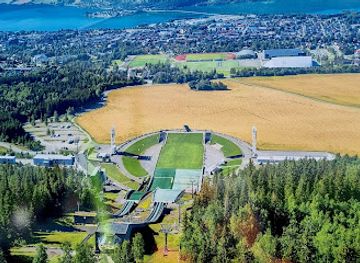
Lysgårdsbakkene Hoppanlegg
Experience the excitement of ski jumping at Lysgårdsbakkene Hoppanlegg, a top tourist attraction in Lillehammer, Norway, with stunning views and rich winter sports heritage.
-
Tourist attraction
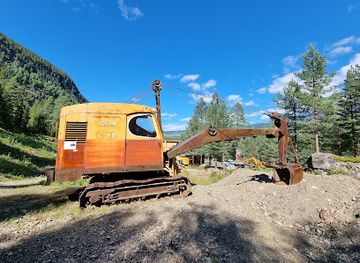
Norwegian Road Museum
Discover the rich history of Norway's roads and infrastructure at the captivating Norwegian Road Museum in Fåberg.
-
Tourist attraction
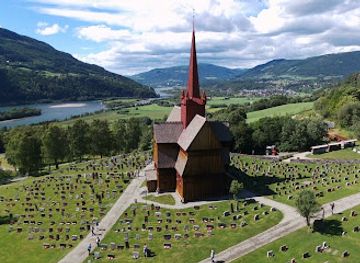
Ringebu Stavkirke
Explore the historic Ringebu Stavkirke, a masterpiece of Norwegian stave architecture surrounded by stunning natural beauty.
-
Tourist attraction
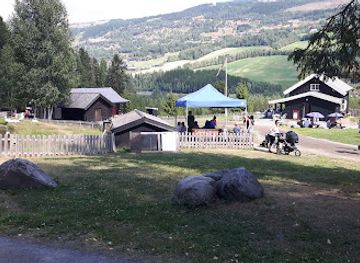
Kid's farm Hunderfossen
Experience family fun and adventure at Kid's Farm Hunderfossen, Norway's enchanting amusement park for children and parents alike.
Best landmarks in Skeikampen
The defining natural landmark is Skeikampen itself, a rounded 1,121-metre mountain whose accessible summit and broad profile dominate the resort landscape. The surrounding Gausdal highlands form a second, more expansive landmark: open ridges, birch woodland, grazing ground and small lakes reveal the interaction between glacial landforms and traditional mountain farming. Austlid is a recognised local landscape focus, while the Peer Gyntvegen is an important scenic route across the uplands rather than a single monument. In the lower district, farmsteads and seasonal pasture buildings reflect Gausdal’s agricultural heritage, though they are working elements of the landscape rather than museum exhibits. Lillehammer’s historic and cultural landmarks are nearby additions to an itinerary, but they should not be confused with landmarks within Skeikampen itself.
-
Wellness center
Thon Hotel Skeikampen
Experience unparalleled relaxation and adventure at Thon Hotel Skeikampen, your gateway to Norway's stunning landscapes and outdoor activities.
-
Restaurant
Skeistua
Discover the culinary delights of Skeistua in Svingvoll, where traditional Norwegian flavors meet stunning natural beauty.
-
 Cabin rental agency
Skeikampen Booking
Explore the breathtaking beauty of Norway with a stay at Skeikampen Booking, your perfect cabin rental for adventure and relaxation.
-
RV park
Segalstad Seter camping - Skeikampen
Discover the stunning landscapes and outdoor adventures at Segalstad Seter Camping, your gateway to Norway's natural beauty and tranquility.
Explore Skeikampen on the map
Plan your trip on one map. See where the top attractions, landmarks, restaurants and hotels are, and book hotels and experiences in a few clicks.
Best hotels in Skeikampen
Best restaurants in Skeikampen
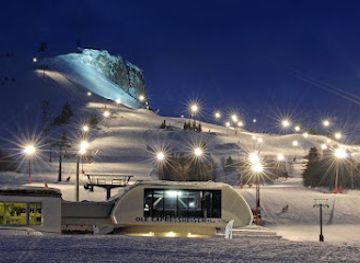
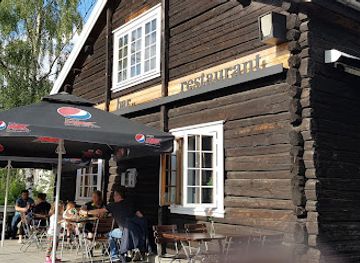
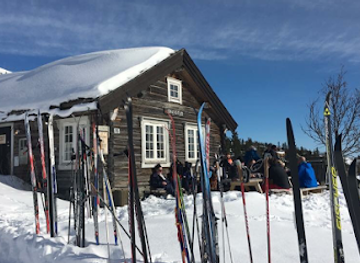
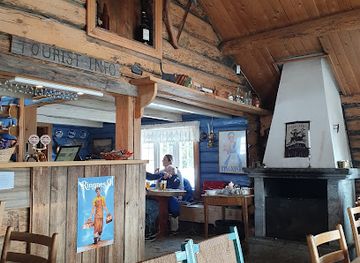
Dining at Skeikampen is concentrated around hotels, apartment complexes and resort accommodation rather than a large independent restaurant district. Menus commonly draw on Norwegian mountain and farming traditions, including soups, stews, game when available, cured meats, potatoes, dairy products and baked goods, with familiar international choices also found in resort settings. Visitors staying in cabins often use local shops or bring provisions from Lillehammer and Gausdal, while Segalstad Bru offers further everyday services below the mountain. Traditional cafés and hospitality venues in the wider Gudbrandsdal region provide opportunities to try coffee, waffles and seasonal cakes alongside more substantial meals. The selection can be quieter outside the ski season, so self-catering is a practical option for visitors based in remote cabins or planning full days on the trails.
-
Restaurant
Skavlen Restaurant
Discover Skavlen Restaurant: A premier destination in Øyer offering delectable local cuisine amidst stunning natural beauty.
-
Restaurant
Thon Hotel Skeikampen
Experience alpine luxury at Thon Hotel Skeikampen—your gateway to skiing adventures and serene mountain escapes.
-
Restaurant
Fjøset Restaurant & Bar
Experience the rich flavors of Norway at Fjøset Restaurant & Bar in Øyer - where local ingredients meet culinary creativity.
-
Restaurant
Skeistua
Discover authentic Norwegian flavors at Skeistua in Svingvoll - where local ingredients meet traditional recipes.
Best bars in Skeikampen
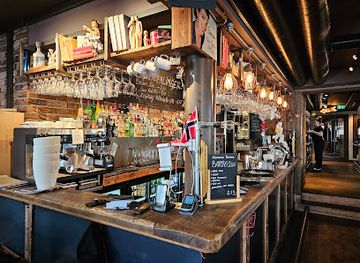
Skeikampen has a restrained evening scene shaped by its role as a mountain resort rather than a nightlife destination. Après-ski-style socialising, drinks and informal gatherings are generally associated with hotel and resort hospitality, particularly during the winter season, while evenings in cabin areas are usually quiet and self-contained. Visitors may find a traditional pub atmosphere in some accommodation venues or village establishments, but opening patterns and entertainment vary. There is no substantial nightclub district in Skeikampen. For a wider choice of bars, cultural performances and late-evening services, Lillehammer is the nearest larger urban option, although it is outside the destination and requires transport. In rural areas, plan a return journey in advance and do not assume that venues remain open late.
-
Gastropub
Heim Lillehammer
Discover the vibrant flavors and warm atmosphere of Heim Lillehammer, a premier gastropub in the heart of Norway's charming town.
-
Restaurant
Bryggerikjelleren Restaurant
Discover Bryggerikjelleren Restaurant in Lillehammer, a gourmet destination for steak lovers and cocktail enthusiasts, set in a charming atmosphere.
-
Restaurant
Thon Hotel Skeikampen
Discover the perfect mountain retreat at Thon Hotel Skeikampen, where comfort meets adventure in stunning Norwegian landscapes.
-
Pub
Haakons pub AS
Discover Haakons Pub in Lillehammer - a cozy pub offering local brews, delicious meals, and a vibrant atmosphere for an unforgettable experience.
Best nightclubs in Skeikampen
Skeikampen has a restrained evening scene shaped by its role as a mountain resort rather than a nightlife destination. Après-ski-style socialising, drinks and informal gatherings are generally associated with hotel and resort hospitality, particularly during the winter season, while evenings in cabin areas are usually quiet and self-contained. Visitors may find a traditional pub atmosphere in some accommodation venues or village establishments, but opening patterns and entertainment vary. There is no substantial nightclub district in Skeikampen. For a wider choice of bars, cultural performances and late-evening services, Lillehammer is the nearest larger urban option, although it is outside the destination and requires transport. In rural areas, plan a return journey in advance and do not assume that venues remain open late.
-
Wellness center
Thon Hotel Skeikampen
Discover the ideal blend of relaxation and adventure at Thon Hotel Skeikampen, a premier resort in Norway's stunning mountainous landscape.
-
Restaurant
Skeistua
Discover the culinary delights of Skeistua, a charming restaurant in Svingvoll, serving authentic Norwegian cuisine with a focus on local ingredients.
-
Bar
Toppen Skybar
Toppen Skybar in Lillehammer offers breathtaking views, exquisite cocktails, and a vibrant atmosphere, perfect for an unforgettable night out.
-
Restaurant
Treffen Kafè Skeikampen
Experience the essence of Norwegian cuisine at Treffen Kafè Skeikampen, where local flavors meet breathtaking scenery in Svingvoll.
Best shops in Skeikampen
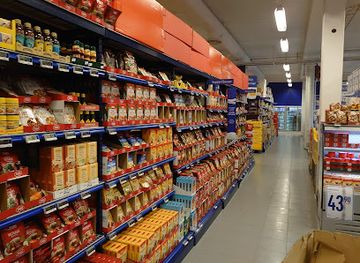
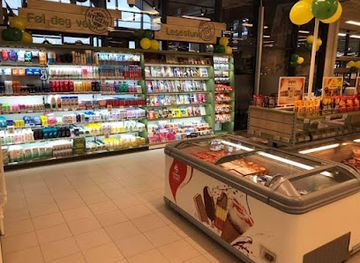
Shopping at Skeikampen is practical and resort-oriented, with supplies, leisure essentials and outdoor equipment more readily available than a broad range of independent retail. Cabin visitors often stock up in Lillehammer or in Gausdal’s larger settlements before travelling up to the mountain, while local accommodation businesses may provide limited provisions and gifts. Regional products worth seeking in the wider area include Norwegian cheeses, cured meats, preserves, baked goods, woollen items and locally produced food from the Gudbrandsdal region. Segalstad Bru can serve everyday needs below the resort, whereas Lillehammer offers the widest choice of specialist shops, crafts and locally themed products. There is no extensive shopping street or permanent large-scale market at Skeikampen, and retail availability can be more limited outside the main winter and summer seasons.
-
Supermarket
KIWI Gausdal
Explore local flavors at KIWI Gausdal, your go-to supermarket in Østre Gausdal, Norway, offering fresh produce and Norwegian specialties.
-
Grocery store
REMA 1000 GAUSDAL
Explore REMA 1000 Gausdal for a wide selection of groceries, local delicacies, and quality products in the heart of Østre Gausdal.
-
Restaurant
Skeistua
Experience the culinary delights of Skeistua in Svingvoll, where local ingredients meet exceptional service in a cozy, inviting atmosphere.
-
Grocery store
Joker Skeikampen
Explore Joker Skeikampen: Your one-stop grocery store for local delicacies and essentials in the heart of Svingvoll, Norway.
Get your free copy of our complete guide to Skeikampen, delivered straight to you.
Everything on this page, from attractions and restaurants to essentials and local phrases, in one PDF you can read offline, print or share.
Already have an account? Sign in
Your Skeikampen guide is ready.
We'll send it to · Not you? Sign out

Getting your guide ready…
We are putting together a fresh copy of the Skeikampen guide. This can take up to a minute.
This can take a few moments. If your browser asks, choose Allow so the download can start. You'll find the guide in your Downloads folder.
Nothing happened? Download it again
Sorry, the guide is taking longer than usual. Please try again in a minute, or get it by email instead.
Skeikampen essentials
Currency and Payment
Safety
Emergency Situations
Do's and Don'ts
Local Tips
From Eve
Local phrases worth knowing
You don't need to get them perfect. A few words go a long way, and locals appreciate the effort.
Basics
| English | Local | Say it |
|---|---|---|
| Hello | Hei | [hay] |
| Goodbye | Ha det | [ha deh] |
| Yes | Ja | [yah] |
| No | Nei | [nay] |
| Please/You're welcome | Vær så god | [ver saw go] |
| Thank you | Takk | [tahk] |
| Excuse me/Sorry | Unnskyld | [oon-shuld] |
| How are you? | Hvordan har du det? | [vohr-dan har doo deh] |
| Fine. And you? | Bra. Og du? | [bra oh doo] |
| Do you speak English? | Snakker du engelsk? | [snak-er doo eng-elsk] |
| I don't understand | Jeg forstår ikke | [yay for-stor ee-keh] |
Eating & Drinking
| English | Local | Say it |
|---|---|---|
| I'd like to see the menu, please | Jeg vil gjerne se menyen, takk | [yay vil yer-neh seh mayn-yen tahk] |
| I don't eat meat | Jeg spiser ikke kjøtt | [yay spee-ser ee-keh shøt] |
| Cheers! | Skål! | [skawl] |
| I would like to pay, please | Jeg vil gjerne betale, takk | [yay vil yer-neh beh-tah-leh tahk] |
Emergencies
| English | Local | Say it |
|---|---|---|
| Help! | Hjelp! | [yelp] |
| Go away! | Gå bort! | [goh bohrt] |
| Call the Police! | Ring politiet! | [ring poh-lee-tee-et] |
| Call a doctor! | Ring en lege! | [ring en leh-geh] |
| I'm lost | Jeg har gått meg vill | [yay har goht may vill] |
| I'm ill | Jeg er syk | [yay er sook] |
Shopping
| English | Local | Say it |
|---|---|---|
| I'd like to buy... | Jeg vil kjøpe... | [yay vil shø-peh] |
| I'm just looking | Jeg bare ser | [yay bah-reh sehr] |
| How much is it? | Hvor mye koster det? | [vohr myeh kohs-ter deh] |
| That's too expensive | Det er for dyrt | [deh er for deert] |
| Can you lower the price? | Kan du senke prisen? | [kahn doo sen-keh prees-en] |
Time & Numbers
| English | Local | Say it |
|---|---|---|
| What time is it? | Hva er klokken? | [vah er klohk-ken] |
| It's one o'clock | Klokken er ett | [klohk-ken er et] |
| Half past (10) | Halv ti | [hahlv tee] |
| Morning | Morgen | [mohr-gen] |
| Afternoon | Ettermiddag | [et-ter-mee-dahg] |
| Evening | Kveld | [kvehld] |
| Yesterday | I går | [ee gor] |
| Today | I dag | [ee dahg] |
| Tomorrow | I morgen | [ee mohr-gen] |
| 1 | En | [en] |
| 2 | To | [too] |
| 3 | Tre | [treh] |
| 4 | Fire | [fee-reh] |
| 5 | Fem | [fem] |
| 6 | Seks | [sehks] |
| 7 | Sju | [shoo] |
| 8 | Åtte | [ot-teh] |
| 9 | Ni | [nee] |
| 10 | Ti | [tee] |
Transport & Directions
| English | Local | Say it |
|---|---|---|
| Where's a/the...? | Hvor er...? | [vohr er] |
| What's the address? | Hva er adressen? | [vah er ah-drehs-sehn] |
| Can you show me (on the map)? | Kan du vise meg (på kartet)? | [kahn doo vee-seh may (poh kahr-teh)] |
| When's the next (bus)? | Når går neste (buss)? | [nahr gohr neh-ste (booss)] |
| A ticket (to ....) | En billett (til ....) | [en bee-leht (teel)] |
History of Skeikampen
A Landscape Shaped by Ice and Upland Use
Skeikampen’s rounded summit and surrounding uplands were shaped by the long action of glaciers and later by erosion, frost and seasonal snow. The resulting terrain of open ridges, shallow valleys, birch woodland and mountain lakes has long supported summer grazing. Farm communities in Gausdal traditionally moved livestock to mountain pastures during the warmer months, using the higher land as part of a wider agricultural economy. This pattern of seasonal use remains visible in the open character of the landscape and in the relationship between farms in the valley and the surrounding highlands.
Gausdal’s Farming and Mountain Communities
The lower Gausdal valley developed as an agricultural district connected by local roads and trade routes to Lillehammer and the Gudbrandsdal valley. Farms, summer pasture buildings and rural settlements formed the cultural setting for the mountain area, while forestry became another important source of work and income. Skeikampen itself was not a historic town, but part of this wider working landscape. Traditional land use helped maintain the mixture of woodland and open grazing ground that distinguishes the plateau from more densely settled valley floors.
The Rise of Mountain Tourism
Tourism expanded in the late nineteenth and early twentieth centuries as improved roads and growing interest in mountain air, walking and winter sports brought visitors to Gausdal. Skeikampen gradually developed from a rural upland into a recognised mountain resort, with accommodation and organised outdoor facilities established around the base of the mountain. Skiing became particularly important, and the area’s accessible terrain helped it attract both beginners and experienced cross-country skiers. Its proximity to Lillehammer strengthened that role, especially as the town became better connected to Norway’s rail network.
From Ski Destination to Four-Season Resort
Modern Skeikampen combines the historic appeal of a Norwegian mountain sanatorium and ski destination with a broader four-season tourism economy. Downhill facilities, prepared cross-country trails, cabins and hotel accommodation now sit alongside hiking and mountain biking infrastructure. The wider highlands are also used for grazing, forestry and nature-based recreation, so tourism operates within an active cultural landscape rather than an empty wilderness. Seasonal road management, trail maintenance and protection of upland habitats remain important to keeping the area accessible without eroding its mountain character.
Skeikampen in Photos
Browse through our photo collection highlighting the charm and character of the destination.
Neighbouring destination travel guides
The closest destinations to Skeikampen, if you have time for more than one.
-

-

-

-

-


Swipe for more destinations
Explore more
Explore more of Oppland
Discover Oppland: A blend of breathtaking nature, rich history, and vibrant culture in the heart of Norway.
Explore Oppland
Explore more of Norway
Explore Norway's spectacular fjords, vibrant cities, and natural wonders. Experience the Northern Lights, Midnight Sun, and rich cultural heritage in this Scandinavian gem.
Explore Norway