

Kvitfjell Ski Resort Travel Guide - Free Web & App
Your ultimate guide to Kvitfjell Ski Resort. Discover top landmarks, proposed trips, and local tips. Free on the web or via the Evendo companion app.


Kvitfjell Ski Resort in Norway combines Olympic downhill heritage, extensive pistes, mountain lodging and Gudbrandsdalen scenery for winter breaks and summer trails.
Mountain Setting and Skiing
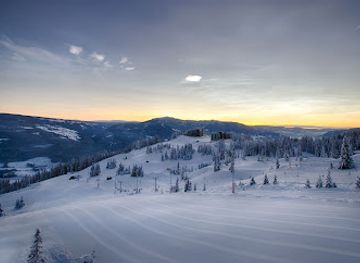
Kvitfjell Ski Resort rises above the Gudbrandsdalen valley in Innlandet, central Norway, approximately 45 kilometres north-west of Lillehammer and close to the village of Fåvang in Ringebu municipality. Its ski area is arranged on a broad mountainside with views across forested valleys and rounded uplands, combining terrain suited to beginners and families with demanding, fast pistes associated with its World Cup and Olympic reputation. The resort is divided into areas linked by lifts and ski routes, so visitors benefit from understanding the trail map before setting out.Read more about Kvitfjell Ski Resort
Olympic Heritage and Resort Character
Beyond the Slopes
When is the best time to visit Kvitfjell Ski Resort?
Best: June–August · 18–21°C| Month | High (°C) | Rainfall (mm) |
|---|---|---|
| January | -2 | 70 |
| February | -1 | 60 |
| March | 0 | 50 |
| April | 5 | 40 |
| May | 12 | 30 |
| June (best) | 18 | 30 |
| July (best) | 21 | 40 |
| August (best) | 20 | 50 |
| September | 13 | 60 |
| October | 8 | 70 |
| November | 3 | 80 |
| December | -1 | 90 |
Getting to and around Kvitfjell Ski Resort
How to get there
Transportation
Best attractions in Kvitfjell Ski Resort
Kvitfjell's principal attraction is its alpine ski area, whose groomed pistes range from learning terrain to the demanding Olympic downhill course and other steeper runs. The mountain is divided into linked sections, giving experienced skiers room to explore while retaining gentler areas for families and beginners. Beyond the marked slopes, the wider landscape offers views over Gudbrandsdalen, forested lower mountain terrain and open uplands shaped by snow, weather and traditional farming. In summer, Kvitfjell serves as a starting point for hiking and mountain biking, subject to marked routes and seasonal conditions. The nearby village of Fåvang provides a useful local base, while Ringebu adds historic valley character and services. Lillehammer, outside Kvitfjell, is the larger regional gateway and offers museums and Olympic-related attractions for visitors extending their trip. The surrounding valley's farms, churches, rivers and woodland roads provide a slower cultural counterpoint to the ski area's concentrated sporting infrastructure.
-
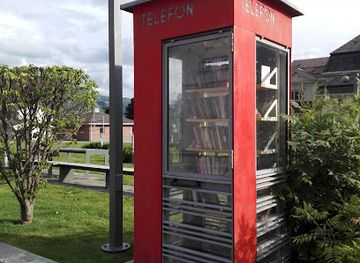
Park
Kaupangerparken
Experience the tranquility of Kaupangerparken, a serene park in Ringebu, Norway, perfect for relaxation, picnics, and family outings amidst nature.
-
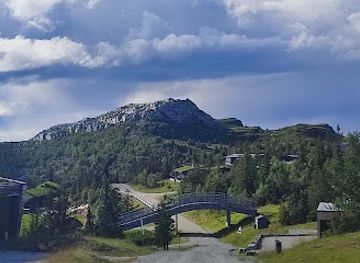
Hiking area
Kvitfjellet
Explore Kvitfjellet: A Majestic Hiking Area in Fåvang, Norway, Offering Stunning Scenery and Year-Round Outdoor Adventures.
-
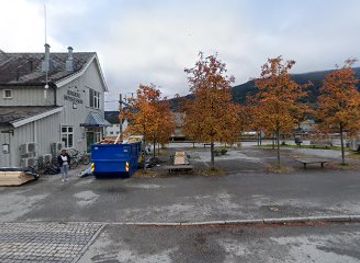
Park
Skysstasjonen
Experience the tranquil beauty of Skysstasjonen Park in Ringebu, Norway, a perfect escape for nature lovers and outdoor enthusiasts.
-
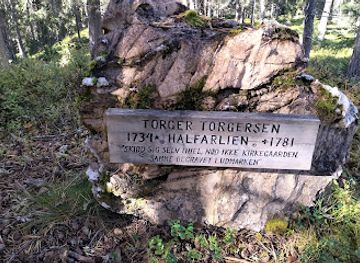
Tourist attraction
Hælvfarlèlia
Explore Hælvrfarlèlia in Ringebu, Norway – a captivating destination for nature lovers and adventure seekers amidst stunning landscapes.
Best landmarks in Kvitfjell Ski Resort
Kvitfjell's defining landmark is the Olympic downhill course, a demanding alpine route created for the 1994 Lillehammer Winter Olympics and still central to the resort's sporting identity. The mountain itself is also a landmark of the Gudbrandsdalen skyline, rising above the valley with broad forested slopes below and more open terrain higher up. Fåvang and Ringebu connect the ski area to the older cultural landscape of the valley, where farms, traditional buildings and historic churches reflect long-established settlement. Ringebu Stave Church, in the wider Ringebu area rather than on the ski mountain, is one of the region's most important surviving medieval wooden churches. Together, the Olympic infrastructure, mountain terrain and valley heritage show how modern winter sport and older rural landscapes coexist in this part of Norway.
-
Ski resort
Kvitfjell ski resort
Explore Kvitfjell Ski Resort: A premier destination for skiing, breathtaking views, and family-friendly winter adventures in Norway.
Explore Kvitfjell Ski Resort on the map
Plan your trip on one map. See where the top attractions, landmarks, restaurants and hotels are, and book hotels and experiences in a few clicks.
Best hotels in Kvitfjell Ski Resort
Best restaurants in Kvitfjell Ski Resort
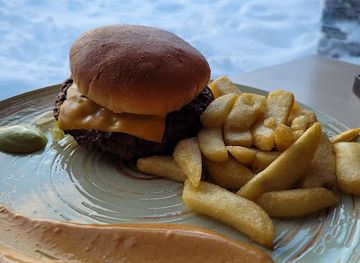
Dining at Kvitfjell is centred on accommodation venues, mountain facilities and the resort's visitor infrastructure rather than a large independent restaurant district. Visitors can expect practical ski-day food and Norwegian café fare in or near the ski area, while the wider Gudbrandsdalen provides traditional inns, cafés and restaurants in settlements such as Fåvang, Ringebu and Lillehammer. Regional food culture reflects the valley's farming heritage, with Norwegian staples, dairy products, breads, preserved foods and meat dishes appearing alongside modern cooking. Gudbrandsdalsost, the distinctive brown cheese associated with Gudbrandsdalen, is a notable local product to look for in shops and breakfast spreads. Provisioning from supermarkets in the valley can be useful for self-catering accommodation, particularly outside busy winter periods when mountain dining options may be more limited.
-
Norwegian
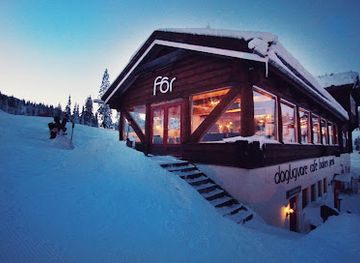
Fôr Restaurant
Discover authentic Norwegian cuisine at Fôr Restaurant in Fåvang - where fresh ingredients meet traditional flavors.
-
Restaurant
Beite Restaurant & Afterski
Discover authentic Norwegian cuisine at Beite Restaurant & Afterski - your cozy retreat after mountain adventures.
-
Restaurant
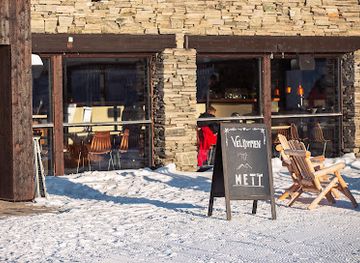
Restaurant Mett
Discover authentic Norwegian cuisine at Restaurant Mett in Fåvang - where local flavors meet breathtaking mountain views.
Best bars in Kvitfjell Ski Resort
Kvitfjell's evening scene is shaped by ski-resort hospitality rather than a substantial nightclub district. Après-ski and informal drinks may be available through resort accommodation and mountain venues during the winter season, but the atmosphere is generally compact and dependent on operating schedules, events and visitor numbers. Fåvang and Ringebu offer quieter local pubs and hospitality options, while Lillehammer, outside the destination, provides the region's broader choice of bars, restaurants and cultural evenings. In the resort itself, evenings often revolve around shared meals, social spaces and the mountain setting rather than late-night entertainment. Visitors should check seasonal opening arrangements rather than assume that every venue operates throughout the year.
-
Ski resort
Kvitfjell ski resort
Experience the thrill of skiing, the beauty of nature, and the charm of Norway at Kvitfjell Ski Resort, a top winter destination for all adventurers.
-
Hotel
Gudbrandsgard Hotel
Discover the enchanting Gudbrandsgard Hotel in Fåvang, a perfect blend of comfort and nature for your next adventure in Norway.
-
 Hotel
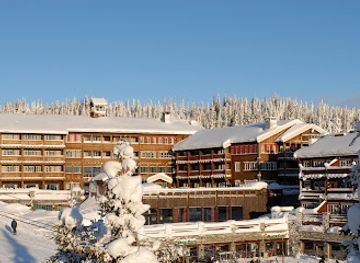
HotelKvitfjell Hotel
Experience the serene beauty and thrilling adventures of Norway at Kvitfjell Hotel, your perfect mountain getaway.
-
Norwegian
Fôr Restaurant
Experience the heart of Norwegian cuisine at Fôr Restaurant in Fåvang, where tradition meets modern flavors in a cozy atmosphere.
Best nightclubs in Kvitfjell Ski Resort
Kvitfjell's evening scene is shaped by ski-resort hospitality rather than a substantial nightclub district. Après-ski and informal drinks may be available through resort accommodation and mountain venues during the winter season, but the atmosphere is generally compact and dependent on operating schedules, events and visitor numbers. Fåvang and Ringebu offer quieter local pubs and hospitality options, while Lillehammer, outside the destination, provides the region's broader choice of bars, restaurants and cultural evenings. In the resort itself, evenings often revolve around shared meals, social spaces and the mountain setting rather than late-night entertainment. Visitors should check seasonal opening arrangements rather than assume that every venue operates throughout the year.
-
Bar
Koia Afterski
Experience the ultimate après-ski culture at Koia Afterski, an intimate bar in Fåvang with stunning mountain views and a warm, inviting atmosphere.
-
Bar
Koia
Discover Koia, an enchanting bar in Fåvang, where scenic views meet a delightful drink selection, perfect for relaxation and socializing.

Best shops in Kvitfjell Ski Resort
Shopping at Kvitfjell is primarily practical, with ski equipment, clothing, accessories and everyday provisions available through resort-related services when operating. The selection is considerably broader in Lillehammer, while Ringebu and Fåvang provide useful local shops and food provisioning for visitors staying in the valley. Regional products are a more meaningful purchase than conventional souvenir shopping: look for Gudbrandsdalsost brown cheese, Norwegian food specialities, woollen goods, outdoor clothing, local art and crafts where offered by established businesses. Availability varies by season, and visitors staying in self-catering accommodation may find it sensible to buy larger supplies before travelling up to the mountain. The resort should not be approached as a major shopping destination.
-
Grocery store
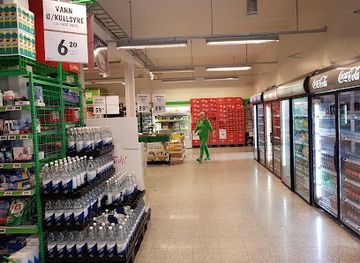
KIWI Ringebu
Discover local flavors and essentials at KIWI Ringebu, the grocery store that connects tourists with Norwegian culinary culture.
-
Hotel
Gudbrandsgard Hotel
Discover tranquility and adventure at Gudbrandsgard Hotel, where comfort meets the stunning landscapes of Fåvang, Norway.
-
Hotel
Kvitfjell Hotel
Discover the beauty of Norway at Kvitfjell Hotel, where adventure meets comfort in the heart of the mountains.
-
Meat products store
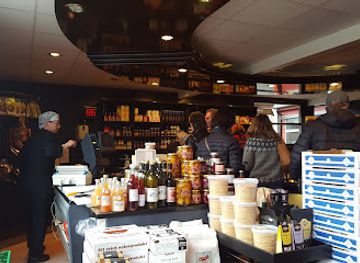
Annis Pølsemakeri AS
Discover the rich flavors of Norway at Annis Pølsemakeri, a premier meat products store in the heart of Ringebu, offering artisanal sausages and local delicacies.
Get your free copy of our complete guide to Kvitfjell Ski Resort, delivered straight to you.
Everything on this page, from attractions and restaurants to essentials and local phrases, in one PDF you can read offline, print or share.
Already have an account? Sign in
Your Kvitfjell Ski Resort guide is ready.
We'll send it to · Not you? Sign out

Getting your guide ready…
We are putting together a fresh copy of the Kvitfjell Ski Resort guide. This can take up to a minute.
This can take a few moments. If your browser asks, choose Allow so the download can start. You'll find the guide in your Downloads folder.
Nothing happened? Download it again
Sorry, the guide is taking longer than usual. Please try again in a minute, or get it by email instead.
Kvitfjell Ski Resort essentials
Currency and Payment
Safety
Emergency Situations
Do's and Don'ts
Local Tips
From Eve
Local phrases worth knowing
You don't need to get them perfect. A few words go a long way, and locals appreciate the effort.
Basics
| English | Local | Say it |
|---|---|---|
| Hello | Hei | [hay] |
| Goodbye | Ha det | [ha deh] |
| Yes | Ja | [ya] |
| No | Nei | [nay] |
| Please/You're welcome | Vær så god | [ver saw goh] |
| Thank you | Takk | [tahk] |
| Excuse me/Sorry | Unnskyld | [oon-skuld] |
| How are you? | Hvordan har du det? | [vohr-dan har doo deh] |
| Fine. And you? | Fint. Og du? | [feent. ooh doo] |
| Do you speak English? | Snakker du engelsk? | [snah-ker doo eng-elsk] |
| I don't understand | Jeg forstår ikke | [yay for-stor eek-keh] |
Eating & Drinking
| English | Local | Say it |
|---|---|---|
| I'd like to see the menu, please | Jeg vil gjerne se menyen, takk | [yay vil yern-eh seh meh-nyen, tahk] |
| I don't eat meat | Jeg spiser ikke kjøtt | [yay spee-ser eek-keh shøt] |
| Cheers! | Skål! | [skohl] |
| I would like to pay, please | Jeg vil gjerne betale, takk | [yay vil yern-eh beh-tah-leh, tahk] |
Emergencies
| English | Local | Say it |
|---|---|---|
| Help! | Hjelp! | [yelp] |
| Go away! | Gå bort! | [goh bohrt] |
| Call the Police! | Ring politiet! | [ring poh-lee-tee-et] |
| Call a doctor! | Ring en lege! | [ring en leh-geh] |
| I'm lost | Jeg er lost | [yay ehr lost] |
| I'm ill | Jeg er syk | [yay ehr sook] |
Shopping
| English | Local | Say it |
|---|---|---|
| I'd like to buy... | Jeg vil kjøpe... | [yay vil shø-peh] |
| I'm just looking | Jeg bare ser | [yay bah-reh sehr] |
| How much is it? | Hvor mye koster det? | [vor myeh kohs-ter deh] |
| That's too expensive | Det er for dyrt | [deh ehr foor deert] |
| Can you lower the price? | Kan du senke prisen? | [kahn doo sehn-keh prees-en] |
Time & Numbers
| English | Local | Say it |
|---|---|---|
| What time is it? | Hva er klokka? | [hvah ehr klok-ka] |
| It's one o'clock | Klokka er ett | [klok-ka ehr eht] |
| Half past (10) | Halv ti | [hahlv tee] |
| Morning | Morgen | [mohr-gehn] |
| Afternoon | Ettermiddag | [et-ter-mee-dahg] |
| Evening | Kveld | [kvehld] |
| Yesterday | I går | [ee gohr] |
| Today | I dag | [ee dahg] |
| Tomorrow | I morgen | [ee mohr-gehn] |
| 1 | En | [ehn] |
| 2 | To | [too] |
| 3 | Tre | [treh] |
| 4 | Fire | [feer-eh] |
| 5 | Fem | [fem] |
| 6 | Seks | [sehks] |
| 7 | Syv | [soov] |
| 8 | Åtte | [oh-teh] |
| 9 | Ni | [nee] |
| 10 | Ti | [tee] |
Transport & Directions
| English | Local | Say it |
|---|---|---|
| Where's a/the...? | Hvor er en/et...? | [vor ehr en/et] |
| What's the address? | Hva er adressen? | [hvah ehr ah-drah-sen] |
| Can you show me (on the map)? | Kan du vise meg (på kartet)? | [kahn doo vee-seh meh (poh kart-et)] |
| When's the next (bus)? | Når går neste (buss)? | [nahr gohr neh-steh (booss)] |
| A ticket (to ....) | En billett (til ....) | [ehn bee-leht (teel)] |
History of Kvitfjell Ski Resort
Gudbrandsdalen Before the Resort
Kvitfjell belongs to the wider Gudbrandsdalen, one of Norway's historic inland valleys and a long-established corridor between eastern lowlands and the mountain country. Farming communities developed along the valley floor and lower slopes, using hay meadows, woodland and high mountain pastures in a seasonal pattern characteristic of rural Norway. The area around Ringebu and Fåvang retains links to this agricultural landscape, while the valley's transport routes encouraged movement, trade and settlement long before modern skiing created a new reason to visit the uplands.
The Rise of Norwegian Ski Tourism
Organised skiing and mountain tourism expanded in Norway during the nineteenth and twentieth centuries, supported by railways, roads and growing interest in outdoor recreation. The Gudbrandsdalen became increasingly accessible to visitors travelling north from the Oslo region and Lillehammer. Nearby winter destinations helped establish the valley as a ski region, but Kvitfjell itself remained primarily a mountain landscape until plans for the Lillehammer Winter Olympics gave the slopes a major international purpose.
An Olympic Alpine Venue
Kvitfjell was developed as an alpine venue for the 1994 Lillehammer Winter Olympics. Its steep, fast terrain was selected for the men's downhill and super-G events, placing the mountain on the international racing calendar. The Olympic course and associated infrastructure created the foundation for the contemporary ski resort, while Lillehammer's wider Games legacy strengthened the region's profile as a destination for winter sport. The resort's name remains closely associated with high-level alpine competition.
From Games Venue to Four-Season Resort
After the Olympics, Kvitfjell evolved from a specialist competition venue into a commercial ski resort serving recreational skiers, families and race training. Lifts, accommodation and piste facilities developed around the existing mountain terrain, while World Cup racing continued to reinforce the resort's sporting identity. Summer use has also grown through hiking, cycling and other outdoor activities. Today, Kvitfjell is understood both as an Olympic mountain and as part of the broader leisure economy of Ringebu and Gudbrandsdalen.
Kvitfjell Ski Resort in Photos
Browse through our photo collection highlighting the charm and character of the destination.
Neighbouring destination travel guides
The closest destinations to Kvitfjell Ski Resort, if you have time for more than one.
-

-

-

-

-


Swipe for more destinations
Explore more
Explore more of Oppland
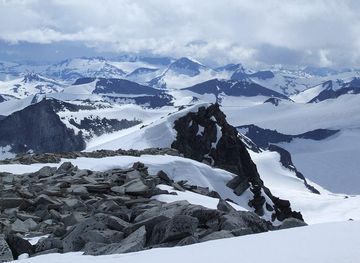
Discover Oppland: A blend of breathtaking nature, rich history, and vibrant culture in the heart of Norway.
Explore Oppland
Explore more of Norway
Explore Norway's spectacular fjords, vibrant cities, and natural wonders. Experience the Northern Lights, Midnight Sun, and rich cultural heritage in this Scandinavian gem.
Explore Norway