

Free Oppland Travel Guide & Mobile App
Explore Oppland with free travel guides. Discover regional history, expert tips, proposed trips, and audio guides on web or mobile app.


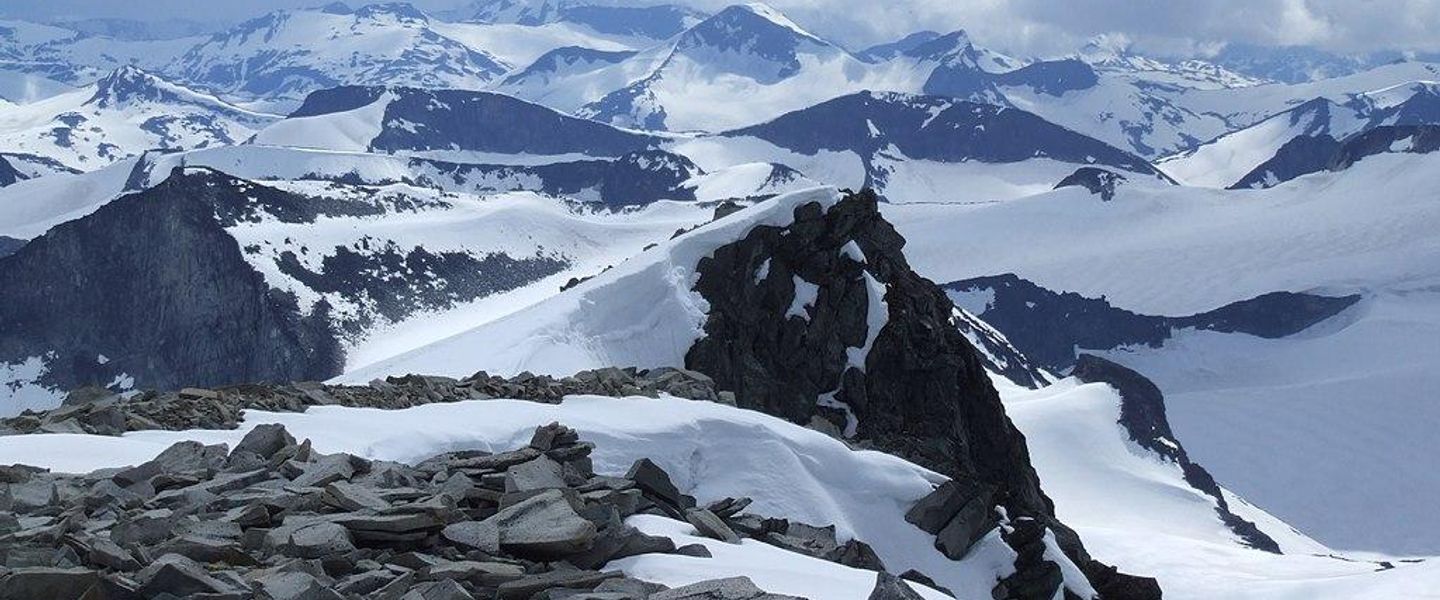


Explore Oppland’s historic valleys, stave churches, Lillehammer and Norway’s high mountain landscapes through hiking, heritage and local food.
Read more about Oppland
When is the best time to visit Oppland?
Best: June–August · 18–19°C| Month | High (°C) | Rainfall (mm) |
|---|---|---|
| January | -2 | 60 |
| February | 0 | 50 |
| March | 4 | 50 |
| April | 8 | 55 |
| May | 14 | 65 |
| June (best) | 18 | 75 |
| July (best) | 19 | 85 |
| August (best) | 19 | 85 |
| September | 14 | 75 |
| October | 8 | 65 |
| November | 2 | 55 |
| December | 0 | 60 |
Getting to and around Oppland
How to get there
Transportation
Top city travel guides in Oppland
The cities of Oppland, and the easiest places to base yourself.

Swipe for more cities
Destinations in Oppland
Resorts, valleys and scenic spots worth a trip of their own.
-

-

-

-

-

-


Swipe for more destinations
Best attractions in Oppland
Oppland’s attractions combine major mountain environments with a dense layer of rural and cultural heritage. Lillehammer’s Maihaugen is one of Norway’s leading open-air museums, presenting historic buildings and regional ways of life, while the town also provides access to Olympic-era winter-sports facilities. Along Gudbrandsdalen, visitors can explore stave churches, historic farms, local museums and traditional valley settlements. Lom is an important base for Jotunheimen, where hiking routes lead towards Norway’s highest peaks, while Rondane offers high plateaux, marked trails and a distinctive mountain silhouette. Dovrefjell provides broad upland scenery and opportunities for wildlife watching, subject to seasonal conditions and responsible distance from animals. Valdres combines lake districts, farming landscapes and routes into the surrounding mountains, with cultural attractions including the Valdres Folk Museum at Fagernes. Around Gjøvik and Lake Mjøsa, museums, lakeside recreation and industrial heritage provide a gentler contrast to the high mountains. Winter brings extensive cross-country skiing, snowshoeing and other snow-based activities, while summer supports walking, cycling, fishing and scenic driving.
-
Tourist attraction
Maihaugen
Explore Maihaugen in Lillehammer, a captivating open-air museum showcasing Norway's rich history through traditional buildings and artifacts.
-
Tourist attraction
Jotunheimen National Park
Explore Jotunheimen National Park, Norway's breathtaking national treasure, renowned for its majestic peaks and stunning hiking trails.
-
Tourist attraction
Lom stavkyrkje
Discover the architectural beauty and cultural heritage of Lom Stavkyrkje, a magnificent stave church in the heart of Norway's breathtaking landscapes.
-
Tourist attraction
Langedrag Nature Park
Experience the enchanting beauty of Langedrag Nature Park, a wildlife haven in Norway offering unique encounters with native animals and stunning natural landscapes.


Best landmarks in Oppland
Lillehammer’s best-known modern landmark is its Olympic ski-jump complex, which occupies the hillside above the town and symbolises the region’s winter-sports history. Maihaugen’s collection of historic buildings provides a visual record of inland Norwegian architecture, from rural farmhouses to urban structures. The wooden stave churches at Lom, Ringebu and Vågå are among Oppland’s most significant medieval landmarks, each displaying distinctive construction and later layers of religious and local history. In Gudbrandsdalen, large timber farms and traditional valley settlements reveal how agriculture shaped the social landscape. Jotunheimen supplies the region’s most imposing natural landmarks, including the summits around Galdhøpiggen and the dramatic Besseggen ridge, while Rondane is recognised by its line of high, rounded peaks. The Sohlbergplassen viewpoint, near Rondane, is an important example of contemporary architecture framing a mountain landscape. Around Lake Mjøsa, the lake itself remains a defining geographical feature, linking Gjøvik and the southern part of the historic region with a broad expanse of water and cultivated shore.
-
Castle
The Royal Palace
Discover the Royal Palace in Oslo, a majestic symbol of Norway's history and royal heritage surrounded by beautiful gardens and rich cultural significance.
-
Open air museum
Maihaugen
Explore Maihaugen, Norway's largest open-air museum, and immerse yourself in the rich tapestry of Norwegian history and culture amidst stunning landscapes.
-
National park
Jotunheimen National Park
Discover the breathtaking beauty and adventure awaiting you in Jotunheimen National Park, Norway's spectacular outdoor paradise.
-
Protestant church
Lom stavkyrkje
Explore Lom Stavkyrkje, one of Norway's oldest stave churches, where history and stunning architecture converge in the heart of Fossbergom.


Explore Oppland on the map
Plan your trip on one map. See where the top cities, national parks and sights are, and book hotels and experiences in a few clicks.
Best hotels in Oppland
Best restaurants in Oppland
Dining in Oppland reflects the resources of inland farms, forests, lakes and mountain pastures. Restaurants, cafés and rural inns commonly serve lamb, game, freshwater fish, potatoes, root vegetables, dairy products and locally produced breads. Gudbrandsdalsost, the region’s well-known brown cheese, is associated particularly strongly with Gudbrandsdalen and is often served with bread or waffles. Traditional dishes may include sour cream porridge, cured meats and hearty stews, while contemporary kitchens reinterpret local ingredients in seasonal menus. Around Lillehammer and the larger valley towns, visitors will find the broadest choice of international food, cafés and modern restaurants. Smaller settlements tend to rely on bakeries, hotel dining rooms, farm-based producers and traditional inns. Farmers’ markets and specialist food shops are useful places to find cheese, preserves, cured meats and mountain produce, although their availability varies by season. Norway’s coffee culture is also evident in town cafés, where cakes, waffles and open sandwiches are practical refreshments during a day of sightseeing.
-
Restaurant
Egon
Experience culinary excellence at Egon in Lillehammer - where local flavors meet global cuisine in an inviting atmosphere.
-
Indian
Spicy Bite Indisk Restaurant & Bar
Experience authentic Indian cuisine at Spicy Bite Indisk Restaurant & Bar in Lillehammer - where every dish is bursting with flavor!
-
Hotel
Lemonsjøen Fjellstue & Hyttegrend
Discover the natural beauty and traditional flavors at Lemonsjøen Fjellstue & Hyttegrend, your ultimate retreat in Norway.
-
Restaurant
Bryggerikjelleren Restaurant
Discover the exquisite flavors of Bryggerikjelleren Restaurant in Lillehammer, where culinary tradition meets modern elegance.


Best bars in Oppland
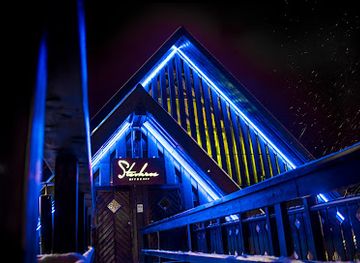
Evening life in Oppland is generally centred on pubs, hotel bars, cafés and restaurants rather than a large nightclub scene. Lillehammer has the region’s broadest choice, with bars, student-oriented venues, live music and cultural events, while Gjøvik also offers a more urban evening circuit. In Gudbrandsdalen, Valdres and other rural districts, traditional pubs and social venues are often attached to hotels or town-centre restaurants, and nightlife can be quieter outside weekends and holiday periods. Ski resorts and mountain communities may have more activity during the winter season, but programming and opening arrangements change. Local breweries and drinks may appear on menus, although alcohol remains relatively expensive and regulated under national Norwegian rules. Visitors should not assume that a remote mountain lodge operates as a late-night bar; many focus on meals, conversation and early starts for outdoor activities.
-
Restaurant
Bryggerikjelleren Restaurant
Experience the exquisite flavors of Bryggerikjelleren Restaurant in Lillehammer, where premium steak, fine wines, and crafted cocktails await.
-
Bar
Fahlstrøm Bar and Grill
Experience the vibrant flavors and welcoming atmosphere of Fahlstrøm Bar and Grill in Gjøvik, where culinary delights meet local charm.
-
Pub
Haakons pub AS
Experience the warmth of Norwegian hospitality at Haakons Pub AS in Lillehammer, where great food and drinks await!
-
Bar
Gullkorn Ølbar
Discover the vibrant atmosphere and extensive beer selection at Gullkorn Ølbar, a top bar in Hamar for craft beer enthusiasts and social gatherings.


Best nightclubs in Oppland
Evening life in Oppland is generally centred on pubs, hotel bars, cafés and restaurants rather than a large nightclub scene. Lillehammer has the region’s broadest choice, with bars, student-oriented venues, live music and cultural events, while Gjøvik also offers a more urban evening circuit. In Gudbrandsdalen, Valdres and other rural districts, traditional pubs and social venues are often attached to hotels or town-centre restaurants, and nightlife can be quieter outside weekends and holiday periods. Ski resorts and mountain communities may have more activity during the winter season, but programming and opening arrangements change. Local breweries and drinks may appear on menus, although alcohol remains relatively expensive and regulated under national Norwegian rules. Visitors should not assume that a remote mountain lodge operates as a late-night bar; many focus on meals, conversation and early starts for outdoor activities.
-
Night club
Stavkroa
Discover the vibrant nightlife of Hemsedal at Stavkroa, a premier night club offering dance, live music, and the best afterski experience in Norway.
-
Pub
Haakons pub AS
Experience the warm ambiance of Haakons Pub in Lillehammer, where great drinks and local flavors come together for an unforgettable night.
-
Bar
Paddy's
Experience the vibrant atmosphere of Paddy's, Lillehammer's premier Irish pub, offering a diverse drink selection and lively entertainment.
-
Sports bar
Nikkers Sport
Nikkers Sport: Lillehammer's go-to sports bar for thrilling live matches, delicious food, and a vibrant atmosphere.


Best shops in Oppland
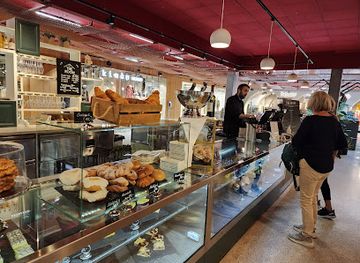
Shopping in Oppland is concentrated in Lillehammer, Gjøvik, Fagernes, Otta and other valley towns, where independent retailers, practical outdoor shops, bookshops, cafés and ordinary Norwegian high-street stores serve local communities. Lillehammer’s historic centre is particularly suited to browsing small shops alongside museums and cafés, while larger towns offer supermarkets and more extensive everyday retail. Rural areas are better for buying regional foods, farm products and traditional crafts than for extensive fashion shopping. Look for brown cheese, cured meats, preserves, bakery goods and locally made woollen or wooden items, bearing in mind that availability is seasonal and varies between producers. Craft galleries and museum shops may sell textiles, ceramics, prints and items inspired by local folk traditions. Farmers’ markets and temporary food events are useful when operating, but visitors should check local listings rather than assume a market takes place daily. Outdoor equipment is widely available in the larger centres and is practical for visitors preparing for mountain activities.
-
Shopping mall
Paleet
Discover Paleet, Oslo's vibrant shopping mall with a blend of local and international brands, dining options, and a lively atmosphere.
-
Outlet mall
Oslo Fashion Outlet Vestby
Discover unbeatable fashion deals at Oslo Fashion Outlet Vestby, the ultimate shopping destination near Oslo with top brands and incredible discounts.
-
Shopping mall
Strandtorget
Explore Strandtorget, Lillehammer's premier shopping destination with a blend of local charm and international flair, perfect for every tourist.
-
Department store
Steen & Strøm Department Store
Explore the elegance of Steen & Strøm, Oslo's iconic department store featuring luxury shopping, gourmet dining, and chic cafes in a historic setting.


Get your free copy of our complete guide to Oppland, delivered straight to you.
Everything on this page, from attractions and restaurants to essentials and local phrases, in one PDF you can read offline, print or share.
Already have an account? Sign in
Your Oppland guide is ready.
We'll send it to · Not you? Sign out

Getting your guide ready…
We are putting together a fresh copy of the Oppland guide. This can take up to a minute.
This can take a few moments. If your browser asks, choose Allow so the download can start. You'll find the guide in your Downloads folder.
Nothing happened? Download it again
Sorry, the guide is taking longer than usual. Please try again in a minute, or get it by email instead.
Oppland essentials
Currency and Payment
Safety
Emergency Situations
Do's and Don'ts
Local Tips
From Eve
Local phrases worth knowing
You don't need to get them perfect. A few words go a long way, and locals appreciate the effort.
Basics
| English | Local | Say it |
|---|---|---|
| Hello | Hei | [hay] |
| Goodbye | Ha det | [hah deh] |
| Yes | Ja | [yah] |
| No | Nei | [nay] |
| Please/You’re welcome | Vær så snill | [vair shoh snil] |
| Thank you | Takk | [tahk] |
| Excuse me/Sorry | Unnskyld | [oon-shild] |
| How are you? | Hvordan har du det? | [vor-dahn har doo deh] |
| Fine. And you? | Bra. Og du? | [brah. oh doo?] |
| Do you speak English? | Snakker du engelsk? | [snahk-er doo eng-elsk?] |
| I don't understand | Jeg forstår ikke | [yai for-stor ee-keh] |
Eating & Drinking
| English | Local | Say it |
|---|---|---|
| I’d like to see the menu, please | Jeg vil gjerne se menyen, vær så snill | [yai vil yar-neh seh meh-nuen, vair shoh snil] |
| I don't eat meat | Jeg spiser ikke kjøtt | [yai spee-ser ee-keh chyet] |
| Cheers! | Skål! | [skohl] |
| I would like to pay, please | Jeg vil gjerne betale, vær så snill | [yai vil yar-neh be-tah-leh, vair shoh snil] |
Emergencies
| English | Local | Say it |
|---|---|---|
| Help! | Hjelp! | [yelp] |
| Go away! | Gå bort! | [go bort] |
| Call the Police! | Ring politiet! | [ring po-li-teh] |
| Call a doctor! | Ring en lege! | [ring en leh-geh] |
| I’m lost | Jeg er tapt | [yai ar tahpt] |
| I’m ill | Jeg er syk | [yai ar seek] |
Shopping
| English | Local | Say it |
|---|---|---|
| I’d like to buy... | Jeg vil gjerne kjøpe... | [yai vil yar-neh shuh-peh...] |
| I’m just looking | Jeg ser bare | [yai ser bar-eh] |
| How much is it? | Hvor mye koster det? | [vor mee-eh kos-ter deh?] |
| That’s too expensive | Det er for dyrt | [deh ar for deer-t] |
| Can you lower the price? | Kan du senke prisen? | [kan doo sen-keh pree-sen?] |
Time & Numbers
| English | Local | Say it |
|---|---|---|
| What time is it? | Hva er klokka? | [vah ar klok-kah?] |
| It’s one o’clock | Det er ett | [deh ar ett] |
| Half past (10) | Halv (ti) | [halv (tee)] |
| Morning | Morgen | [mor-gen] |
| Afternoon | Ettermiddag | [et-ter-mid-dahg] |
| Evening | Kveld | [kveld] |
| Yesterday | I går | [ee gor] |
| Today | I dag | [ee dahg] |
| Tomorrow | I morgen | [ee mor-gen] |
| 1 | 1 | [1] |
| 2 | 2 | [2] |
| 3 | 3 | [3] |
| 4 | 4 | [4] |
| 5 | 5 | [5] |
| 6 | 6 | [6] |
| 7 | 7 | [7] |
| 8 | 8 | [8] |
| 9 | 9 | [9] |
| 10 | 10 | [10] |
Transport & Directions
| English | Local | Say it |
|---|---|---|
| Where's a/the...? | Hvor er en...? | [vor ar en...?] |
| What’s the address? | Hva er adressen? | [vah ar ad-dres-sen?] |
| Can you show me (on the map)? | Kan du vise meg (på kartet)? | [kan doo vee-seh mai (poh kar-tet)?] |
| When's the next (bus)? | Når går den neste (bussen)? | [nor gor den nes-teh (boos-sen)?] |
| A ticket (to ....) | En billett (til ....) | [en bil-let (til ....)] |
History of Oppland
Early Settlement and Iron Age Landscapes
People have lived around Lake Mjøsa and the inland valleys since prehistoric times, using fertile river terraces, forests and mountain pastures. Archaeological remains, burial mounds and old routeways show that the valleys were not isolated backwaters but active corridors linking eastern Norway with the interior. Iron Age communities combined farming with hunting, fishing and control of movement through the mountain passes. Many later settlements grew along these same productive valley floors, where rivers provided water and transport while surrounding uplands offered timber, grazing and seasonal resources.
Medieval Valley Communities and Christianity
During the medieval period, Christianity reshaped Oppland’s communities and architecture. Churches were established along the major valleys and routes, while farming estates and trading centres became more closely connected to the Norwegian kingdom. The stave churches at Lom, Ringebu and Vågå are surviving expressions of this period, although each has been altered over time. Gudbrandsdalen and Valdres also developed strong traditions of law, landholding and local authority. Medieval travel through the region was demanding, but the valleys formed important routes between eastern Norway, Trøndelag and the western fjord districts.
Pilgrimage and the Route to Nidaros
Oppland was traversed by routes leading north to Nidaros, present-day Trondheim, where pilgrims visited the shrine of Saint Olav. The Gudbrandsleden and related mountain routes passed through farms, churches and upland landscapes, strengthening links between communities and the wider medieval religious world. Pilgrimage declined after the Reformation, but sections of the route have been restored for modern walking. Its legacy is visible in historic churches, waymarkers, accommodation traditions and the continuing importance of long-distance foot travel through Gudbrandsdalen and over the mountain passes.
Farming, Timber and Valley Trade
For centuries, Oppland’s economy combined grain and livestock farming in the valleys with forestry, hunting and summer mountain dairying. Timber was floated down rivers and transported towards markets, while farm goods moved along roads connecting inland settlements with towns around Lake Mjøsa and beyond. The practice of moving livestock to seasonal mountain farms helped shape both the landscape and local food culture. Large valley farms, clustered villages and timber buildings record the influence of agriculture and forestry, while traditions of craft, music and storytelling grew from life in relatively dispersed rural communities.
Roads, Railways and the Transformation of Travel
Modern transport altered Oppland profoundly during the nineteenth and twentieth centuries. Improved roads and steamship connections on Lake Mjøsa linked inland communities to national markets, followed by railway construction along the Gjøvik and Gudbrandsdal routes. The railway made Lillehammer and valley settlements more accessible and supported tourism, trade and migration. Roads later opened the mountain districts to motor travel, although many routes remain seasonal. This transport network still determines how visitors move between the urban centres, valley corridors and remote trailheads.
Lillehammer and the Rise of Winter Tourism
Lillehammer developed a national reputation as a winter-sports centre before hosting the 1994 Olympic Winter Games. The event brought major investment in venues, transport and accommodation and placed the surrounding region firmly on the international winter-tourism map. Its legacy remains visible in facilities around Lillehammer and in the continuing popularity of cross-country skiing and other snow activities. The wider region’s tourism, however, also rests on summer hiking, cultural heritage and traditional mountain settlements rather than on the Olympics alone.
Administrative Change and Contemporary Regional Identity
Oppland existed as a Norwegian county until the 2020 administrative reform, when it was merged with Hedmark to form Innlandet county. The former county’s name remains useful in travel and cultural contexts because it describes a recognisable group of valleys, mountain areas and communities west of the former Hedmark districts. Contemporary Oppland balances outdoor tourism, agriculture, forestry, public services and small-town life. Its historic identity is therefore still legible, even though county administration is now organised on a larger regional basis.
Oppland in Photos
Browse through our photo collection highlighting the charm and character of the destination.
Neighbouring regions of Oppland
The closest regions to Oppland, if you have time for more than one.
-

-
-
-

-


Swipe for more regions
Explore more

Explore more of Norway
Explore Norway's spectacular fjords, vibrant cities, and natural wonders. Experience the Northern Lights, Midnight Sun, and rich cultural heritage in this Scandinavian gem.
Explore Norway