

Hafjell Travel Guide - Free Web & App
Your ultimate guide to Hafjell. Discover top landmarks, proposed trips, and local tips. Free on the web or via the Evendo companion app.


Hafjell, Norway, pairs mountain skiing with summer bike trails, family attractions, Gudbrandsdalen scenery and easy year-round access from Lillehammer.
A Resort in the Gudbrandsdalen Landscape
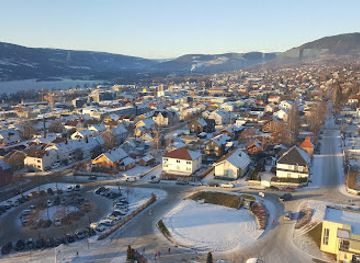
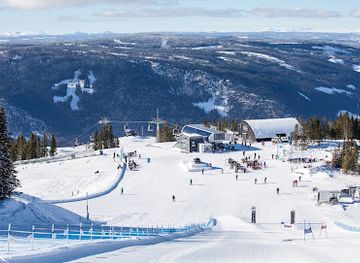
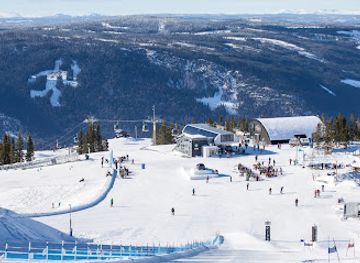
Hafjell is a year-round mountain resort in Øyer municipality, a short distance north of Lillehammer in Norway’s Innlandet county. Its ski slopes rise above the eastern side of the Gudbrandsdalen valley, where spruce forests, open uplands and broad views towards the surrounding mountains create a setting that feels distinctly alpine without being remote. The resort is closely associated with Hafjell Alpine Centre, one of Norway’s established ski areas, and its position beside the E6 makes it one of the more accessible mountain destinations from eastern Norway.Read more about Hafjell
Winter and Summer on the Mountain
Family Attractions and Local Character
When is the best time to visit Hafjell?
Best: June–August · 18–21°C| Month | High (°C) | Rainfall (mm) |
|---|---|---|
| January | -2 | 29 |
| February | -1 | 28 |
| March | 3 | 29 |
| April | 8 | 44 |
| May | 14 | 57 |
| June (best) | 18 | 72 |
| July (best) | 21 | 74 |
| August (best) | 20 | 64 |
| September | 15 | 50 |
| October | 9 | 47 |
| November | 4 | 38 |
| December | 1 | 34 |
Getting to and around Hafjell
How to get there
Transportation
Best attractions in Hafjell
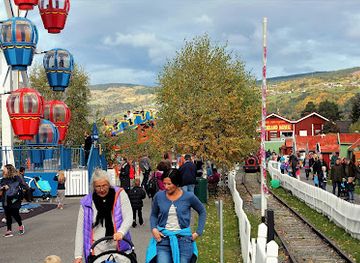
Hafjell Alpine Centre is the resort’s central attraction, spreading across wooded lower slopes and higher mountain terrain used for downhill skiing in winter. In summer, Hafjell Bike Park brings lift-served downhill and trail riding to the same landscape, while the gondola provides access to elevated viewpoints and mountain walks when operating. Lilleputthammer, located in Hafjell, is a family park built around a miniature Norwegian town and railway, making it especially appealing to younger visitors. Just south of the resort near Lillehammer, Hunderfossen Familiepark offers fairytale-themed rides and attractions and is best treated as a nearby regional destination rather than part of the mountain itself. Lillehammer’s open-air Maihaugen museum, Olympic venues and compact historic centre widen the cultural programme, while the Gudbrandsdalen valley provides opportunities to see farms, forests and broad river landscapes beyond the developed resort.
-
Tourist attraction
Hunderfossen Adventure Park
Experience the enchanting world of Hunderfossen Adventure Park, where magic and adventure await in Norway's beautiful landscape.
-
Tourist attraction
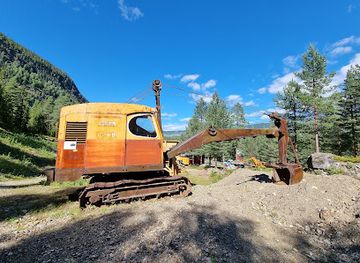
Norwegian Road Museum
Discover Norway's road transport history at the Norwegian Road Museum, featuring vintage vehicles and interactive exhibits for all ages.
-
Tourist attraction
Lilleputthammer
Discover the charm of Lilleputthammer, a family-friendly amusement park in Øyer, Norway, filled with enchanting rides and delightful experiences for all ages.
-
Tourist attraction
Energy Center - Energy Center DA
Explore the innovative world of energy at Energy Center DA in Fåberg, Norway, a unique attraction blending education with sustainability.

Best landmarks in Hafjell
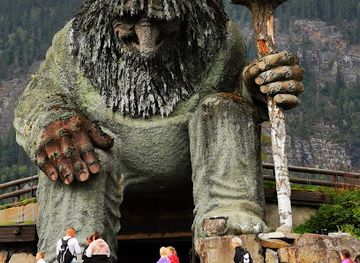
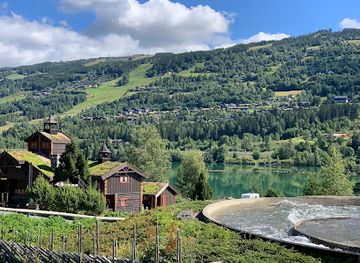
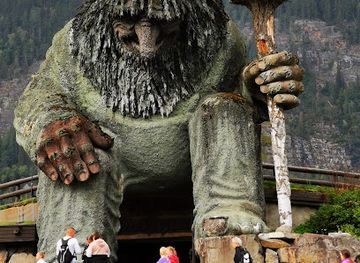
Hafjell’s defining landmark is the mountain itself, rising above Gudbrandsdalen and combining forested ski terrain with open upper slopes and long views across the valley. The Olympic association is central to the resort’s modern identity: Hafjell hosted alpine skiing during the 1994 Lillehammer Winter Olympics, and the sporting infrastructure remains part of the landscape. The E6 and the Gudbrandsdalslågen valley below provide a clear geographical context for the resort’s accessibility and development. Nearby Lilleputthammer is a distinctive cultural and family landmark within Hafjell, while Hunderfossen’s fairytale installations form a prominent attraction just south of the resort. In the wider area, Lillehammer’s Maihaugen open-air museum and preserved historic buildings offer a contrasting landmark landscape shaped by Norwegian rural architecture and regional history.
-
Amusement park
Hunderfossen Adventure Park
Discover the magic of Hunderfossen Adventure Park, where thrilling rides meet enchanting fairy tales in Norway's stunning landscape.
-
Museum
Norwegian Road Museum
Explore Norway's rich automotive history at the Norwegian Road Museum, a family-friendly attraction featuring vintage vehicles and interactive exhibits.
-
Amusement park
Lilleputthammer
Experience the enchanting Lilleputthammer, an amusement park in Øyer, Norway, where families create unforgettable memories among miniature wonders.
-
 Hotel
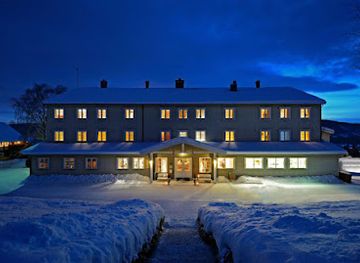
HotelScandic Hafjell
Discover the perfect blend of comfort and adventure at Scandic Hafjell, your gateway to Norway's stunning landscapes and outdoor activities.
Explore Hafjell on the map
Plan your trip on one map. See where the top attractions, landmarks, restaurants and hotels are, and book hotels and experiences in a few clicks.
Best hotels in Hafjell
Best restaurants in Hafjell
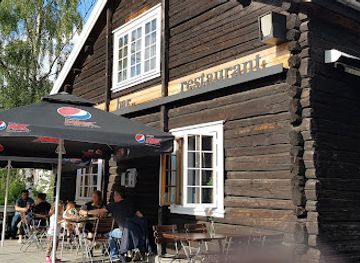
Dining in Hafjell is centred on resort restaurants, hotel dining rooms, cafés and self-catering accommodation rather than a large independent restaurant district. Menus commonly draw on Norwegian ingredients and familiar mountain fare, with hearty meals suited to days outdoors; visitors may also encounter local dairy products, game, fish and traditional baked goods across the wider Innlandet region. Øyer provides local services close to the resort, while Lillehammer has the broadest choice of restaurants, cafés, bakeries and food shops within easy reach by road. Self-catering apartments and cabins are popular, making supermarkets and farm-linked food producers useful for visitors who prefer to cook. In smaller settlements and mountain locations, opening patterns can be seasonal, so dining plans should take account of the distance between accommodation and the nearest populated centre.
-
Restaurant
Scandic Hafjell
Discover unparalleled comfort at Scandic Hafjell – your gateway to adventure in Øyer's stunning landscapes.
-
Hotel
Hafjell Hotell
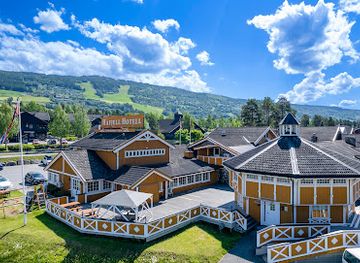
Discover comfort and exquisite Scandinavian cuisine at Hafjell Hotell, your gateway to Norway's stunning landscapes.
-
Restaurant
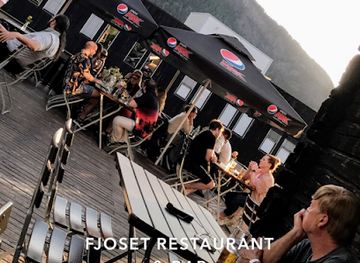
Fjøset Restaurant & Bar
Experience the flavors of Spain at Fjøset Restaurant & Bar in Øyer, Norway - where culinary delight meets warm hospitality.
-
Restaurant
Nermo Hotell
Discover comfort and exquisite dining at Nermo Hotell in Øyer – your gateway to Norway's stunning nature.
Best bars in Hafjell
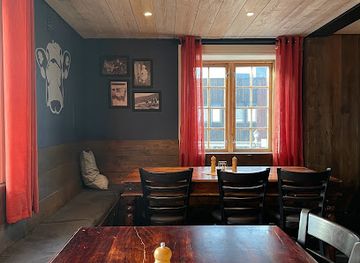
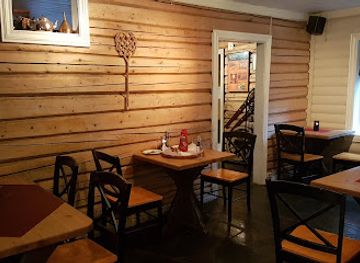
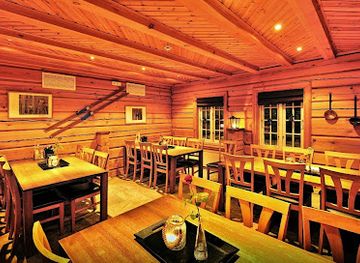
Hafjell’s evening scene is predominantly quiet and resort-based rather than centred on nightclubs. Visitors can usually find après-ski atmosphere, hotel bars and casual social spaces associated with winter activity, while restaurants and cafés provide much of the evening hospitality outside the busiest periods. Øyer has a small-town character, and Lillehammer is the nearest place for a broader selection of pubs, bars, cultural performances and later evening entertainment, although it remains a relatively compact regional town rather than a major nightlife centre. Summer evenings tend to focus on outdoor leisure, accommodation-based gatherings and seasonal events rather than a concentrated entertainment district. Check current arrangements locally, as resort venues and cultural programming can change between the winter, summer and shoulder seasons.
-
Bar
Scandic Hafjell
Discover the perfect blend of adventure and comfort at Scandic Hafjell, your gateway to Norway's stunning landscapes and thrilling activities.
-
Restaurant
Fjøset Restaurant & Bar
Discover the rich flavors of Norway at Fjøset Restaurant & Bar in Øyer, where local ingredients meet exceptional culinary artistry.
-
Restaurant
Hafjell Pizza Drive Og Restaurant
Enjoy delicious pizza and Italian dishes at Hafjell Pizza Drive Og Restaurant, a family-friendly spot in Øyer with great takeout options.
-
Restaurant
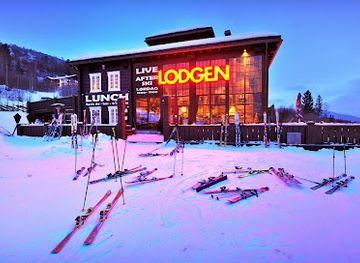
Lodgen Mat og Drikke
Discover the flavors of Norway at Lodgen Mat og Drikke, a cozy restaurant and cabin rental agency in the heart of Hafjell.
Best nightclubs in Hafjell
Hafjell’s evening scene is predominantly quiet and resort-based rather than centred on nightclubs. Visitors can usually find après-ski atmosphere, hotel bars and casual social spaces associated with winter activity, while restaurants and cafés provide much of the evening hospitality outside the busiest periods. Øyer has a small-town character, and Lillehammer is the nearest place for a broader selection of pubs, bars, cultural performances and later evening entertainment, although it remains a relatively compact regional town rather than a major nightlife centre. Summer evenings tend to focus on outdoor leisure, accommodation-based gatherings and seasonal events rather than a concentrated entertainment district. Check current arrangements locally, as resort venues and cultural programming can change between the winter, summer and shoulder seasons.
-
Cycling park
Hafjell Alpinsenter
Discover the breathtaking beauty and thrilling activities at Hafjell Alpinsenter, Norway's premier destination for skiing and cycling adventures.
-
Bar
Scandic Hafjell
Discover the beauty of Norway from Scandic Hafjell, your cozy retreat for adventure and relaxation in Øyer.
-
Restaurant
Fjøset Restaurant & Bar
Discover the exquisite flavors of Spain at Fjøset Restaurant & Bar, a must-visit culinary destination in Øyer, Norway.
-
Restaurant
Lodgen Mat og Drikke
Experience the charm and flavors of Norway at Lodgen Mat og Drikke, a perfect dining retreat in Øyer, surrounded by breathtaking landscapes.
Best shops in Hafjell
Shopping in Hafjell is practical and visitor-oriented, with resort shops and local services focused on outdoor equipment, winter sports, cycling and everyday provisions rather than an extensive retail district. Øyer supplies additional basic shopping, while Lillehammer offers the widest range of independent shops, supermarkets, galleries, cafés and regional products. Visitors may find Norwegian knitwear, outdoor clothing, food specialities and locally made crafts across the Lillehammer and Gudbrandsdalen area, although the selection varies by season and individual business. Farm shops and small food producers are worth seeking out where open, particularly for cheeses, preserves and other regional provisions, but they are not concentrated in one permanent market at Hafjell. Plan substantial shopping in Lillehammer if staying in a self-catering cabin or apartment in the mountains.
-
Ski resort
Hafjell Alpinsenter
Discover the magic of Hafjell Alpinsenter, Norway's premier ski resort and cycling park, perfect for year-round outdoor adventures.
-
Amusement park
Lilleputthammer
Experience family-friendly fun at Lilleputthammer, Norway's enchanting amusement park with delightful rides and attractions for all ages.
-
Hotel
Scandic Hafjell
Experience the perfect blend of comfort and adventure at Scandic Hafjell, your gateway to the stunning landscapes of Norway.
-
Grocery store
KIWI Øyer
Explore KIWI Øyer for a delightful shopping experience filled with local flavors and essentials in the heart of Norway.
Get your free copy of our complete guide to Hafjell, delivered straight to you.
Everything on this page, from attractions and restaurants to essentials and local phrases, in one PDF you can read offline, print or share.
Already have an account? Sign in
Your Hafjell guide is ready.
We'll send it to · Not you? Sign out

Getting your guide ready…
We are putting together a fresh copy of the Hafjell guide. This can take up to a minute.
This can take a few moments. If your browser asks, choose Allow so the download can start. You'll find the guide in your Downloads folder.
Nothing happened? Download it again
Sorry, the guide is taking longer than usual. Please try again in a minute, or get it by email instead.
Hafjell essentials
Currency and Payment
Safety
Emergency Situations
Do's and Don'ts
Local Tips
From Eve
Local phrases worth knowing
You don't need to get them perfect. A few words go a long way, and locals appreciate the effort.
Basics
| English | Local | Say it |
|---|---|---|
| Hello | Hei | [hay] |
| Goodbye | Ha det | [ha deh] |
| Yes | Ja | [yah] |
| No | Nei | [nay] |
| Please/You're welcome | Vær så god | [ver soh good] |
| Thank you | Takk | [tahk] |
| Excuse me/Sorry | Unnskyld | [oon-shuld] |
| How are you? | Hvordan har du det? | [vohr-dan har doo deh] |
| Fine. And you? | Bra. Og du? | [bra oh doo] |
| Do you speak English? | Snakker du engelsk? | [snah-ker doo eng-elsk] |
| I don't understand | Jeg forstår ikke | [yay for-stor eek-eh] |
Eating & Drinking
| English | Local | Say it |
|---|---|---|
| I'd like to see the menu, please | Jeg vil gjerne se menyen, takk | [yay vil yehr-neh seh meh-nyen tahk] |
| I don't eat meat | Jeg spiser ikke kjøtt | [yay spee-ser ee-keh shyutt] |
| Cheers! | Skål! | [skohl] |
| I would like to pay, please | Jeg vil gjerne betale, takk | [yay vil yehr-neh beh-tah-leh tahk] |
Emergencies
| English | Local | Say it |
|---|---|---|
| Help! | Hjelp! | [yelp] |
| Go away! | Gå bort! | [goh bohrt] |
| Call the Police! | Ring politiet! | [reen po-lee-tee-eh] |
| Call a doctor! | Ring en lege! | [reen en leh-geh] |
| I'm lost | Jeg har gått meg vill | [yay har goht may vill] |
| I'm ill | Jeg er syk | [yay err sook] |
Shopping
| English | Local | Say it |
|---|---|---|
| I'd like to buy... | Jeg vil kjøpe... | [yay vil shyuh-peh] |
| I'm just looking | Jeg bare ser | [yay bah-re seh] |
| How much is it? | Hvor mye koster det? | [vohr moo-eh kus-ter deh] |
| That's too expensive | Det er for dyrt | [deh err for deert] |
| Can you lower the price? | Kan du senke prisen? | [kahn doo sen-keh pree-sen] |
Time & Numbers
| English | Local | Say it |
|---|---|---|
| What time is it? | Hva er klokka? | [vah err klok-kah] |
| It's one o'clock | Klokken er ett | [klok-ken err ett] |
| Half past (10) | Halv ti | [halv tee] |
| Morning | Morgen | [mohr-gehn] |
| Afternoon | Ettermiddag | [et-ter-meed-dahg] |
| Evening | Kveld | [kveld] |
| Yesterday | I går | [ee gohr] |
| Today | I dag | [ee dahg] |
| Tomorrow | I morgen | [ee mohr-gehn] |
| 1 | En | [en] |
| 2 | To | [too] |
| 3 | Tre | [treh] |
| 4 | Fire | [feer-eh] |
| 5 | Fem | [fem] |
| 6 | Seks | [seks] |
| 7 | Syv | [soov] |
| 8 | Åtte | [ooh-teh] |
| 9 | Ni | [nee] |
| 10 | Ti | [tee] |
Transport & Directions
| English | Local | Say it |
|---|---|---|
| Where's a/the...? | Hvor er... | [vohr err] |
| What's the address? | Hva er adressen? | [vah err ah-dress-en] |
| Can you show me (on the map)? | Kan du vise meg (på kartet)? | [kahn doo vee-seh may (poh kahr-teh)] |
| When's the next (bus)? | Når går neste (buss)? | [nahr gohr nes-teh (boos)] |
| A ticket (to ....) | En billett (til ....) | [en bee-leht (teel)] |
History of Hafjell
Valley Settlement and Farming
Hafjell stands within the historic Gudbrandsdalen, one of Norway’s major inland valleys and a long-established route between the south-east and central regions. Øyer’s settlements developed around farming, forestry and movement along the valley, while the slopes above the cultivated land were used for summer grazing and other seasonal activities. The valley’s geography shaped local life: farms occupied the more manageable lower ground, and mountain areas supported transhumance, known in Norway as seterbruk. Although the modern resort has altered the visitor economy, the surrounding landscape still contains the agricultural pattern and dispersed settlement characteristic of Gudbrandsdalen.
Roads, Railways and Regional Access
Hafjell’s later development was closely connected with improved transport through Gudbrandsdalen. Roads and the railway made Lillehammer and the valley more accessible from Oslo and eastern Norway, while the modern E6 provides the principal road approach to Øyer and the resort. Lillehammer’s growth as a regional centre and its emergence as a tourism destination strengthened the commercial importance of the surrounding mountain areas. These transport links help explain why Hafjell became a practical ski destination rather than an isolated mountain settlement, with visitors able to reach it from the valley and use Lillehammer as a nearby cultural and service hub.
The Rise of Hafjell Alpine Centre
Hafjell developed as an alpine ski centre during the expansion of organised winter tourism in Norway in the late twentieth century. Its slopes and proximity to Lillehammer gave the resort a strong regional position, and Hafjell became internationally known when it hosted the alpine skiing events during the 1994 Olympic Winter Games at Lillehammer. Olympic-related investment raised the profile of the area and contributed to the infrastructure associated with modern downhill skiing. The resort’s identity has since broadened beyond competition, with facilities and accommodation serving recreational skiers, families and visitors exploring the mountain in other seasons.
A Four-Season Mountain Economy
Since the Olympic period, Hafjell has increasingly promoted activities outside the traditional winter season. Summer mountain biking, hiking and family tourism now complement skiing, while nearby attractions such as Lilleputthammer and Hunderfossen support a broader leisure economy in the Øyer–Lillehammer area. This development reflects a wider shift in Norwegian mountain tourism towards year-round use, while also requiring careful management of trails, slopes, water and vegetation. Hafjell remains a working resort landscape set within a settled valley, where tourism coexists with forestry, farming and the environmental pressures associated with intensive recreation.
Hafjell in Photos
Browse through our photo collection highlighting the charm and character of the destination.
Neighbouring destination travel guides
The closest destinations to Hafjell, if you have time for more than one.
-

-

-

-

-


Swipe for more destinations
Explore more
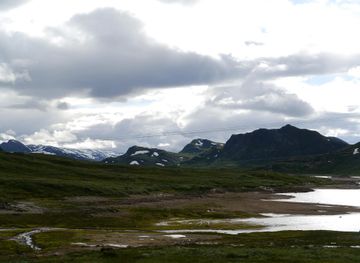
Explore more of Innlandet
Discover Innlandet: A harmonious blend of breathtaking natural landscapes and rich cultural heritage in the heart of Norway.
Explore Innlandet
Explore more of Norway
Explore Norway's spectacular fjords, vibrant cities, and natural wonders. Experience the Northern Lights, Midnight Sun, and rich cultural heritage in this Scandinavian gem.
Explore Norway