

Over-the-Rhine (Cincinnati) Travel Guide - Free
Explore Over-the-Rhine in Cincinnati with Evendo's free guide. Find the best shops, historic streets, restaurants, and gems on web or mobile.


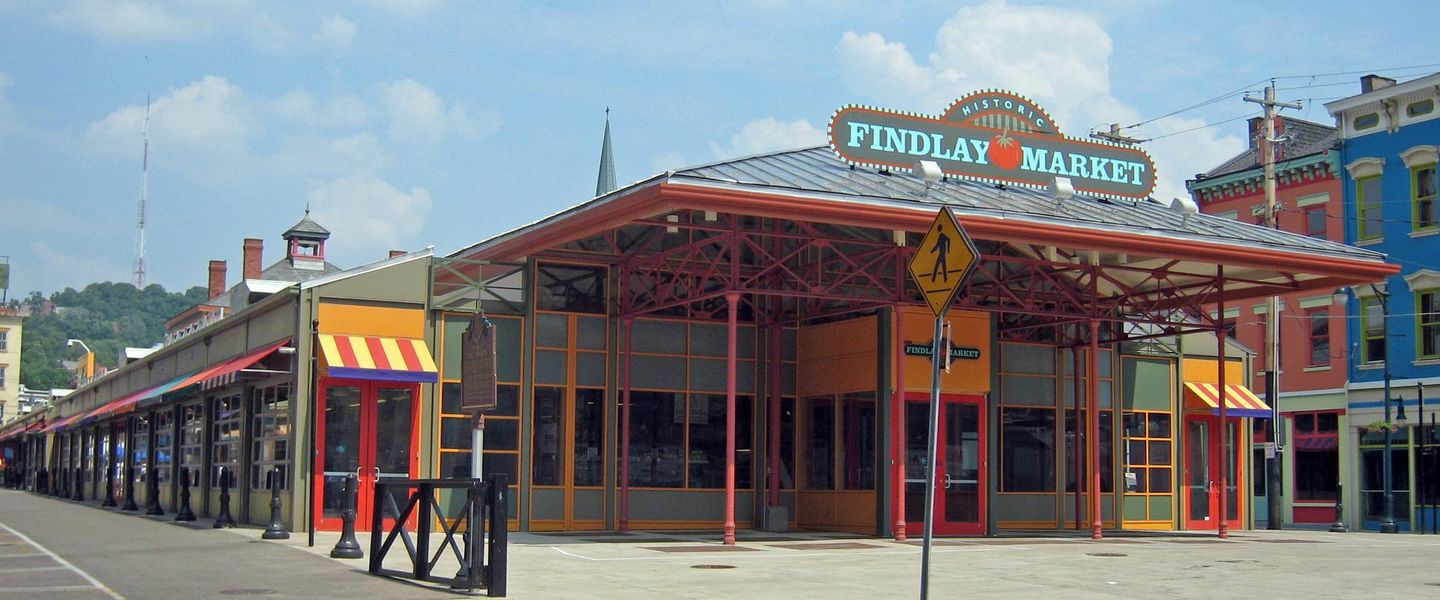


Over-the-Rhine in Cincinnati pairs German-American history, Findlay Market, historic architecture, craft breweries, live music and independent dining
A Historic Urban District
Over-the-Rhine occupies the area immediately north of downtown Cincinnati, where nineteenth-century brick buildings, broad streets and contemporary public spaces form one of the city’s most recognisable urban landscapes. Its name reflects the German immigrant communities who settled here in the nineteenth century, when the Miami and Erie Canal was compared with the Rhine River. Today, the canal is gone, but the neighbourhood retains an unusually coherent collection of Italianate commercial blocks, churches, breweries, theatres and workers’ housing.Read more about Over-the-Rhine
Markets, Music and Architecture
Street Life and Renewal
Best attractions in Over-the-Rhine
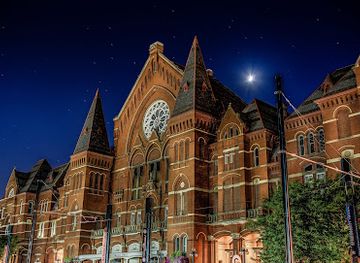
Findlay Market is Over-the-Rhine’s most established visitor attraction, combining a historic public market setting with food stalls, produce sellers, specialist vendors and businesses in the surrounding blocks. Washington Park provides lawns, gardens, seating and a broad view towards Cincinnati Music Hall, making it one of the district’s principal public spaces. Music Hall itself is a major cultural venue and an important example of the neighbourhood’s nineteenth-century institutional architecture, while the nearby Memorial Hall adds another formal historic interior. Along Vine, Main, Walnut and Elm streets, visitors can explore restored commercial buildings, galleries, independent businesses, breweries and changing public art. The Brewery District offers a more specialised look at the area’s brewing heritage, with substantial brick structures and cellar spaces adapted for contemporary uses. The Cincinnati Bell Connector makes it easy to combine these local sights with downtown without treating the whole city as part of Over-the-Rhine.
-
Tourist attraction
American Legacy Tours
Explore Cincinnati's rich history with American Legacy Tours, offering immersive guided experiences through the city's vibrant past and hidden gems.
3 min walk · 0.2 km from neighbourhood centre
-
Escape room center
OTR Escape
Experience the thrill of escape rooms at OTR Escape in Cincinnati's Over-The-Rhine district, a unique adventure for friends and family.
3 min walk · 0.2 km from neighbourhood centre
-
Park
Lytle Park Historic District
Experience the beauty and history of Lytle Park Historic District, a serene urban park in Cincinnati perfect for relaxation and exploration.
15 min walk · 1.2 km from neighbourhood centre
-
Tourist attraction
The Queen Shares Mural
Explore 'The Queen Shares Mural' in Cincinnati, a vibrant public artwork celebrating local culture and history, perfect for art lovers and tourists.
6 min walk · 0.5 km from neighbourhood centre


Best landmarks in Over-the-Rhine
Cincinnati Music Hall is Over-the-Rhine’s defining landmark, a grand nineteenth-century performance building facing Washington Park and closely associated with the city’s orchestral and choral traditions. Findlay Market is another essential landmark, not only as a place to buy food but as a long-running civic institution that anchors the northern district. St Francis Seraph Church and Old St Mary’s Church express the religious infrastructure created by German-speaking communities, while the dense Italianate façades along Vine, Main, Walnut and adjoining streets reveal the scale of nineteenth-century commercial development. The Brewery District’s brick industrial buildings and surviving underground spaces point to the area’s former brewing economy, even where the structures now contain modern businesses. These landmarks matter as a connected urban ensemble: churches, market halls, theatres, breweries and tightly packed homes show how commerce, worship, entertainment and domestic life once operated within a walkable district.
-
Tourist attraction
American Legacy Tours
Explore Cincinnati's rich history with American Legacy Tours, where every tour reveals the fascinating stories of this iconic city.
3 min walk · 0.2 km from neighbourhood centre
-
Historical place museum
William Howard Taft National Historic Site
Experience the rich history of the U.S. at the William Howard Taft National Historic Site, where past meets present in a beautifully preserved setting.
16 min walk · 1.3 km from neighbourhood centre
-
Historical place
Tyler Davidson Fountain
Discover the Tyler Davidson Fountain, a stunning historical landmark in Cincinnati's Central Business District, symbolizing the city's rich cultural heritage.
10 min walk · 0.8 km from neighbourhood centre
-
Park
Lytle Park Historic District
Explore the serene Lytle Park Historic District in Cincinnati, where history meets beauty in a peaceful urban oasis.
15 min walk · 1.2 km from neighbourhood centre


Explore Over-the-Rhine on the map
A handpicked selection of must-see spots in Over-the-Rhine, mapped for you.
Best hotels in Over-the-Rhine
Best restaurants in Over-the-Rhine
Over-the-Rhine’s dining scene reflects both its German-American history and its contemporary redevelopment. Findlay Market is the best place to sample the district’s everyday food culture, with prepared foods, baked goods, produce and specialist vendors gathered in and around the market buildings. Vine Street, Main Street and nearby blocks offer restaurants ranging from casual counter-service places and pizzerias to polished dining rooms, bakeries and modern interpretations of regional cooking. Established names such as Salazar, Senate, Taste of Belgium, The Eagle and Abigail Street are associated with the neighbourhood’s better-known restaurant scene, while market traders provide a more informal alternative. The area’s food identity is not limited to German dishes: Cincinnati-style chilli, local beer culture and a broad mixture of immigrant and contemporary influences all appear across the district. Dining rooms can be concentrated around a few busy corridors, with quieter residential streets in between.
-
Chicken
The Eagle OTR
Discover delicious fried chicken at The Eagle OTR in Cincinnati - where Southern flavors meet craft drinks in a vibrant setting.
3 min walk · 0.2 km from neighbourhood centre
-
Belgian
Taste of Belgium - Over The Rhine
Experience authentic Belgian flavors at Taste of Belgium - Over The Rhine; savor delicious waffles and more in a charming atmosphere.
1 min walk · 0.1 km from neighbourhood centre
-
Mexican
Bakersfield OTR
Discover authentic Mexican cuisine at Bakersfield OTR in Cincinnati's Over-The-Rhine—home to delicious tacos and a vibrant atmosphere.
1 min walk · 0.1 km from neighbourhood centre
-
Argentinian
Ché
Experience authentic Argentinian cuisine at Ché in Cincinnati's Over-The-Rhine—where every dish tells a story.
3 min walk · 0.2 km from neighbourhood centre


Best bars in Over-the-Rhine
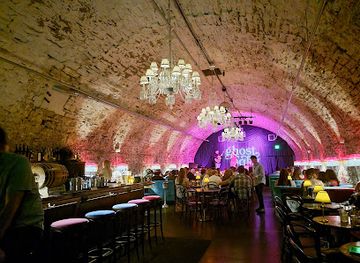
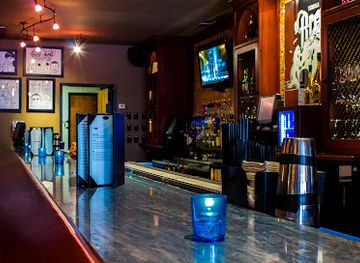
After dark, Over-the-Rhine has one of Cincinnati’s most concentrated evening scenes, although its character varies by street. Main Street is associated with bars, music venues, cocktail rooms and late-night socialising, while Vine Street mixes restaurants with breweries and more polished drinking spaces. MOTR Pub provides a long-standing live-music presence, Rhinegeist occupies a major former brewery complex in the Brewery District, and venues such as Japp’s and Taft’s Ale House contribute different styles of evening entertainment. Washington Park and Cincinnati Music Hall also shape the night-time calendar through concerts, performances and civic events rather than clubbing alone. The district is not uniformly nocturnal: residential blocks become quieter, and sound carries around busy venues. Check individual venues for current programmes, access arrangements and age restrictions, and plan the journey home before leaving the main entertainment corridors.
-
Lounge
Ghost Baby
Experience Cincinnati's vibrant nightlife at Ghost Baby, a unique cocktail lounge in Over-The-Rhine, perfect for unforgettable evenings.
2 min walk · 0.2 km from neighbourhood centre
-
Cocktail bar
Sundry and Vice
Discover Sundry and Vice, Cincinnati's chic cocktail bar where creative mixology meets a stylish atmosphere, perfect for any cocktail lover.
2 min walk · 0.2 km from neighbourhood centre
-
Bar
Somerset Bar
Experience the vibrant atmosphere and craft cocktails at Somerset Bar, a beloved spot in Cincinnati's Over-The-Rhine neighborhood.
7 min walk · 0.6 km from neighbourhood centre
-
Lounge
The Lackman
Discover The Lackman, a chic lounge in Cincinnati’s Over-the-Rhine, offering craft cocktails, local brews, and a vibrant atmosphere for relaxation.
1 min walk · 0.1 km from neighbourhood centre


Best nightclubs in Over-the-Rhine
After dark, Over-the-Rhine has one of Cincinnati’s most concentrated evening scenes, although its character varies by street. Main Street is associated with bars, music venues, cocktail rooms and late-night socialising, while Vine Street mixes restaurants with breweries and more polished drinking spaces. MOTR Pub provides a long-standing live-music presence, Rhinegeist occupies a major former brewery complex in the Brewery District, and venues such as Japp’s and Taft’s Ale House contribute different styles of evening entertainment. Washington Park and Cincinnati Music Hall also shape the night-time calendar through concerts, performances and civic events rather than clubbing alone. The district is not uniformly nocturnal: residential blocks become quieter, and sound carries around busy venues. Check individual venues for current programmes, access arrangements and age restrictions, and plan the journey home before leaving the main entertainment corridors.
-
Lounge
Ghost Baby
Experience the unique ambiance and innovative cocktails at Ghost Baby, Cincinnati's premier lounge nestled in the charming Over-The-Rhine district.
2 min walk · 0.2 km from neighbourhood centre
-
Night club
Mr Pitiful's OTR
Discover the lively atmosphere of Mr. Pitiful's OTR, a captivating night club and event venue in Cincinnati's Over-The-Rhine district, perfect for nightlife lovers.
3 min walk · 0.2 km from neighbourhood centre
-
Lounge
Nostalgia Wine & Jazz Lounge
Discover the perfect blend of exquisite wines and live jazz at Nostalgia Wine & Jazz Lounge in Over-The-Rhine, Cincinnati.
4 min walk · 0.4 km from neighbourhood centre
-
Lounge
Scene Ultra Lounge
Scene Ultra Lounge: Where Elegance Meets Excitement in Cincinnati's Nightlife Scene.
8 min walk · 0.6 km from neighbourhood centre


Best shops in Over-the-Rhine
Shopping in Over-the-Rhine is anchored by Findlay Market, where visitors can browse produce, prepared food, baked goods, flowers and specialist goods in a setting that remains connected to local grocery shopping as well as tourism. Around the market, small food businesses and independent retailers extend the experience beyond the main stalls. Vine, Main and Walnut streets contain a changing mix of boutiques, design-led shops, galleries, vintage-oriented businesses, book and gift retailers, and specialist food outlets, though the commercial landscape is uneven and redevelopment continues. The district is better suited to browsing independent businesses and buying edible or locally themed goods than to conventional department-store shopping. Its strongest retail character comes from the contrast between the long-established market and newer shops occupying renovated historic buildings. Visitors should distinguish the neighbourhood’s independent retail streets from the larger chain shopping areas in downtown Cincinnati.
-
Gift shop
MiCA 12-v
Discover unique gifts and local art at MiCA 12/v, Cincinnati's premier gift shop and art gallery in the trendy Over-The-Rhine district.
1 min walk · 0.1 km from neighbourhood centre
-
Clothing store
Idlewild Boutique
Explore Idlewild Boutique in Over-The-Rhine, Cincinnati, for unique clothing and stylish footwear that captures the essence of local fashion.
1 min walk · 0.1 km from neighbourhood centre
-
Gift shop
Kismet
Explore Kismet in Over-The-Rhine for unique gifts, stylish clothing, and handcrafted jewelry that embody Cincinnati's creative spirit.
1 min walk · 0.1 km from neighbourhood centre
-
Clothing store
The Native One
Explore The Native One in Cincinnati's Over-The-Rhine for unique, high-quality clothing that celebrates local craftsmanship and style.
3 min walk · 0.3 km from neighbourhood centre


Over-the-Rhine essentials
Getting There
Getting Around
Safety
Emergency Situations
Do's and Don'ts
Local Tips

From Eve
Local phrases worth knowing
You don't need to get them perfect. A few words go a long way, and locals appreciate the effort.
Basics
| English | Local | Say it |
|---|---|---|
| Hello | Hey there | [hey thair] |
| Goodbye | See ya later | [see yuh ley-tur] |
| Yes | Yeah | [yeh] |
| No | Nah | [nah] |
| Please/You're welcome | Please/No problem | [pleez/no pah-blum] |
| Thank you | Thanks | [thanks] |
| Excuse me/Sorry | Sorry | [sor-ee] |
| How are you? | How ya doin'? | [how yuh doo-in] |
| Fine. And you? | Good. And you? | [good. and yuh?] |
| Do you speak English? | Ya speak English? | [ya speek ing-glish?] |
| I don't understand | I ain't gettin' it | [eye ent get-tin it] |
Eating & Drinking
| English | Local | Say it |
|---|---|---|
| I'd like to see the menu, please | Can I check out the menu? | [kan eye chek out the men-yoo?] |
| I don't eat meat | I don't eat meat | [eye dont eet meet] |
| Cheers! | Cheers! | [cheers] |
| I would like to pay, please | I'll settle up now, thanks | [eye-l set-ul up now, thanks] |
Emergencies
| English | Local | Say it |
|---|---|---|
| Help! | Help! | [help] |
| Go away! | Git! | [git] |
| Call the Police! | Call the cops! | [call the cops] |
| Call a doctor! | Call a doc! | [call a doc] |
| I'm lost | I'm lost | [eye-em lost] |
| I'm ill | I'm sick | [eye-em sik] |
Shopping
| English | Local | Say it |
|---|---|---|
| I'd like to buy... | I'm lookin' to purchase... | [eye-em look-in to pur-chas] |
| I'm just looking | Just browsin' | [just brow-sin] |
| How much is it? | How much does this cost? | [how much duz this cost] |
| That's too expensive | That's a bit steep | [thats a bit steep] |
| Can you lower the price? | Can ya do any better on the price? | [kan yuh do any bet-tur on the price] |
Time & Numbers
| English | Local | Say it |
|---|---|---|
| What time is it? | What time is it? | [what time iz it] |
| It's one o'clock | It's one | [its one] |
| Half past (10) | Half past ten | [half past ten] |
| Morning | Mornin' | [morn-in] |
| Afternoon | Afternoon | [after-noon] |
| Evening | Evenin' | [even-in] |
| Yesterday | Yesterday | [yes-tur-day] |
| Today | Today | [to-day] |
| Tomorrow | Tomorrow | [to-mor-row] |
| 1 | One | [wun] |
| 2 | Two | [too] |
| 3 | Three | [three] |
| 4 | Four | [four] |
| 5 | Five | [fiv] |
| 6 | Six | [siks] |
| 7 | Seven | [sev-un] |
| 8 | Eight | [ate] |
| 9 | Nine | [nine] |
| 10 | Ten | [ten] |
Transport & Directions
| English | Local | Say it |
|---|---|---|
| Where's a/the...? | Where's the...at? | [wheres the...at] |
| What's the address? | What's the address? | [whats the address] |
| Can you show me (on the map)? | Can ya show me (on the map)? | [kan yuh show me (on the map)] |
| When's the next (bus)? | When's the next (bus)? | [whens the next (bus)] |
| A ticket (to ....) | A ticket (to ....) | [a ticket (to)] |
History of Over-the-Rhine
German Settlement and the Canal Era
Over-the-Rhine developed north of Cincinnati’s central business district during the nineteenth century as German-speaking immigrants established homes, businesses, churches, breweries and social institutions in the area. The neighbourhood’s name refers to the Miami and Erie Canal, which ran along its southern edge and was likened by local residents to the Rhine. The canal connected Cincinnati with inland communities before declining in importance and eventually being covered. Its presence helped shape the district’s street pattern and commercial growth, while German cultural life left a lasting mark on architecture, food, music and brewing.
Markets, Breweries and Dense City Life
By the mid-nineteenth century, Over-the-Rhine had become a densely built working and middle-class district linked to Cincinnati’s manufacturing, river trade and retail economy. Findlay Market was established in 1852, giving the northern neighbourhood a durable centre for food commerce. Breweries and beer cellars took advantage of the area’s underground spaces and proximity to consumers, while churches, schools, theatres and mutual-aid organisations supported community life. Italianate commercial façades, narrow residential buildings and substantial religious structures created much of the architectural character visible today.
Twentieth-Century Decline and Disinvestment
Industrial change, suburbanisation, population loss and disinvestment altered Over-the-Rhine during the twentieth century. Some businesses and institutions remained, but many buildings deteriorated and the neighbourhood experienced poverty, vacant properties and strained housing conditions. Cincinnati Music Hall and other major institutions continued to provide an important cultural presence, while Findlay Market remained a working market rather than becoming solely a visitor attraction. The district’s historic building stock increasingly attracted preservationists, even as residents faced the effects of uneven investment and limited opportunity.
Preservation, Redevelopment and Debate
Over-the-Rhine’s late twentieth- and early twenty-first-century revival brought historic-building rehabilitation, new restaurants, breweries, apartments, public-space improvements and renewed attention to its cultural institutions. Washington Park was redesigned as a major gathering space, and the Cincinnati Bell Connector later improved the streetcar connection between the district, downtown and the riverfront. Redevelopment has also raised familiar questions about affordability, displacement, public investment and whose history is represented in a changing neighbourhood. Contemporary Over-the-Rhine therefore combines heritage conservation and renewed commercial energy with an ongoing, locally significant debate about equitable urban change.
Over-the-Rhine in Photos
Browse through our photo collection highlighting the charm and character of the destination.
Neighbourhoods near Over-the-Rhine
The closest neighbourhoods to Over-the-Rhine, if you have time for more than one stop.
-

-

-

-


Swipe for more neighbourhoods
Explore more

Explore more of Cincinnati
Cincinnati blends Ohio River views, German heritage, historic architecture, acclaimed arts, lively markets and distinctive neighbourhoods for memorable sightseeing.
Explore Cincinnati