

Downtown Cincinnati (Cincinnati) Travel Guide - Free
Explore Downtown Cincinnati in Cincinnati with Evendo's free guide. Find the best shops, historic streets, restaurants, and gems on web or mobile.


Downtown Cincinnati blends Art Deco towers, riverfront parks, Fountain Square, museums, restaurants and sports venues in Ohio’s historic core.
A Compact Urban Centre
Downtown Cincinnati occupies the city’s central river terrace between the Ohio River and the rise towards Over-the-Rhine, creating a compact district of office towers, historic commercial buildings, civic institutions and major sports venues. Its streets are laid out on a relatively easy-to-navigate grid, with Fountain Square serving as the symbolic centre. From here, Walnut Street, Vine Street, Main Street and Fourth Street lead towards theatres, restaurants, hotels and public spaces, while the Cincinnati Bell Connector links Downtown with nearby Over-the-Rhine.Read more about Downtown Cincinnati
Architecture and Civic Life
Riverfront and Evening Atmosphere
Best attractions in Downtown Cincinnati
Downtown Cincinnati’s attractions range from civic gathering places to riverfront recreation and major cultural institutions. Fountain Square is the city’s principal public meeting place, framed by offices, restaurants and the Tyler Davidson Fountain, while the Contemporary Arts Center presents modern and contemporary work in a distinctive building near Sixth Street. The National Underground Railroad Freedom Center, beside the Ohio River, examines slavery, abolition and continuing struggles for freedom through exhibitions and public programmes. Smale Riverfront Park offers gardens, fountains, play areas and broad views towards Northern Kentucky, with pedestrian paths leading towards Great American Ball Park and the Banks. Carew Tower and its surrounding commercial complex provide a close look at Downtown’s vertical architecture. The Aronoff Center contributes theatre and performance activity, while the Cincinnati Bell Connector makes it easy to extend a sightseeing walk into nearby Over-the-Rhine.
-
Park
Washington Park
Discover Washington Park, Cincinnati's vibrant urban oasis, where nature meets culture in a stunning setting filled with activities for all ages.
12 min walk · 1.0 km from neighbourhood centre
-
Museum
National Underground Railroad Freedom Center
Explore the powerful legacy of freedom at the National Underground Railroad Freedom Center, where history inspires hope and justice.
5 min walk · 0.4 km from neighbourhood centre
-
Observation deck
Carew Tower Observation Deck
Experience the breathtaking views of Cincinnati from the Carew Tower Observation Deck, a historic gem offering stunning panoramas of the city and beyond.
1 min walk · 0.1 km from neighbourhood centre
-
Historical place
Tyler Davidson Fountain
Experience the enchanting Tyler Davidson Fountain, a symbol of Cincinnati's rich heritage and a must-visit landmark in the heart of the city.
1 min walk · 0.1 km from neighbourhood centre


Best landmarks in Downtown Cincinnati
Fountain Square and the Tyler Davidson Fountain are Downtown’s central civic landmarks, marking the heart of the city’s public life since the nineteenth century. Carew Tower dominates the skyline with its 1930s Art Deco design and remains one of Cincinnati’s most recognisable buildings, while the historic Hilton Netherland Plaza contributes elaborate interior decoration and hotel architecture. St Peter in Chains Cathedral, on Plum Street, is a monumental nineteenth-century Roman Catholic church distinguished by its classical scale and prominent façade. The National Underground Railroad Freedom Center is a modern landmark whose riverside location reflects Cincinnati’s position on the Ohio border and its connection to stories of escape, abolition and human rights. Smale Riverfront Park, Great American Ball Park and the stadium district are newer landmarks, representing the city’s deliberate reconnection with its waterfront.
-
Tourist attraction
Sing the Queen City Sign
Experience the vibrant spirit of Cincinnati at the iconic Sing the Queen City Sign, a must-see landmark for memorable travel photos.
6 min walk · 0.5 km from neighbourhood centre
-
Historical landmark
Dixie Terminal
Explore the architectural beauty and historical significance of Dixie Terminal in Cincinnati, a landmark that reflects the city's rich transportation heritage and culture.
1 min walk · 0.1 km from neighbourhood centre
-
Historical place
Tyler Davidson Fountain
Explore the Tyler Davidson Fountain, a historic landmark in Cincinnati, showcasing exquisite artistry and rich community spirit in the heart of the city.
1 min walk · 0.1 km from neighbourhood centre
-
Park
Lytle Park Historic District
Experience the serene beauty and rich history of Lytle Park Historic District in Cincinnati, a perfect escape for tourists and locals alike.
8 min walk · 0.6 km from neighbourhood centre


Explore Downtown Cincinnati on the map
A handpicked selection of must-see spots in Downtown Cincinnati, mapped for you.
Best hotels in Downtown Cincinnati
Best restaurants in Downtown Cincinnati
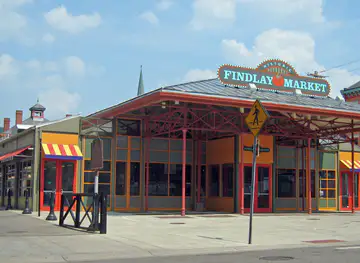
Downtown’s dining scene is shaped by office workers, theatre audiences, sports crowds and visitors moving between the central streets and the riverfront. Around Fountain Square and Fourth Street, restaurants cover polished contemporary dining, casual American food, steakhouses, cafés and familiar Cincinnati specialities such as Cincinnati-style chilli and locally associated ice-cream traditions. Orchids at Palm Court, located in the historic Hilton Netherland Plaza, represents the district’s grand hotel dining heritage, while Sotto and Boca offer more formal choices in the central area. The Banks adds restaurants and bars beside the stadiums, with especially strong demand around game and concert times. Broadway and Vine streets provide further options, although the larger concentration of independent cafés, bakeries and immigrant-influenced food businesses lies just north in adjacent Over-the-Rhine and at Findlay Market. Visitors should distinguish that neighbouring food culture from Downtown’s more business-oriented restaurant mix.
-
New American
Yard House
Discover Cincinnati's vibrant dining scene at Yard House - where New American cuisine meets an extensive beer selection in a lively atmosphere.
6 min walk · 0.5 km from neighbourhood centre
-
Belgian
Taste of Belgium - The Banks
Experience authentic Belgian cuisine at Taste of Belgium - The Banks in Cincinnati, where delicious waffles and traditional dishes await.
5 min walk · 0.4 km from neighbourhood centre
-
Italian
Sotto
Discover the enchanting flavors of Italy at Sotto in Cincinnati's Central Business District - where authentic cuisine meets cozy ambiance.
3 min walk · 0.2 km from neighbourhood centre
-
Breakfast
Maplewood Kitchen and Bar
Experience exceptional breakfast and brunch at Maplewood Kitchen and Bar in Cincinnati's vibrant Central Business District.
3 min walk · 0.3 km from neighbourhood centre


Best bars in Downtown Cincinnati
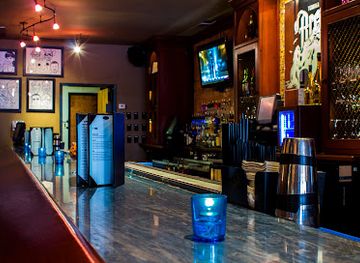
Downtown’s evening scene is concentrated rather than continuous, with activity clustered around Fountain Square, Fourth Street, the Banks and venues serving theatre and sports audiences. Hotel bars and polished cocktail rooms provide a quieter way to begin an evening, while the riverfront district fills with casual bars and restaurants when Great American Ball Park or nearby venues host events. Fountain Square itself often acts as an outdoor social focus during programmed public activities, though the character changes with the season and event calendar. The Aronoff Center and Taft Theatre broaden the after-dark offer through performances rather than clubbing. Downtown is not Cincinnati’s main late-night club district; adjacent Over-the-Rhine has a denser bar and music scene, reachable by the Connector or on foot, while Downtown’s quieter office streets can empty relatively early outside event nights.
-
Gastropub
Nicholson's Fine Food & Whiskey
Discover the culinary delights of Nicholson's Fine Food & Whiskey in Cincinnati, offering gourmet pub fare and an exquisite selection of whiskey.
3 min walk · 0.3 km from neighbourhood centre
-
Grill
The Blind Pig
Discover the flavors of Cincinnati at The Blind Pig, a lively grill offering delicious dishes and live music in a charming atmosphere.
4 min walk · 0.3 km from neighbourhood centre
-
Bar
O'Malleys In the Alley
Experience the heart of Cincinnati's nightlife at O'Malleys In the Alley, a vibrant bar with a lively atmosphere and delicious drinks.
3 min walk · 0.2 km from neighbourhood centre
-
Cocktail bar
Igby's
Discover the vibrant cocktail culture at Igby's, a stylish bar in Cincinnati's Central Business District, known for its exquisite drinks and lively atmosphere.
3 min walk · 0.2 km from neighbourhood centre


Best nightclubs in Downtown Cincinnati
Downtown’s evening scene is concentrated rather than continuous, with activity clustered around Fountain Square, Fourth Street, the Banks and venues serving theatre and sports audiences. Hotel bars and polished cocktail rooms provide a quieter way to begin an evening, while the riverfront district fills with casual bars and restaurants when Great American Ball Park or nearby venues host events. Fountain Square itself often acts as an outdoor social focus during programmed public activities, though the character changes with the season and event calendar. The Aronoff Center and Taft Theatre broaden the after-dark offer through performances rather than clubbing. Downtown is not Cincinnati’s main late-night club district; adjacent Over-the-Rhine has a denser bar and music scene, reachable by the Connector or on foot, while Downtown’s quieter office streets can empty relatively early outside event nights.
-
Night club
Mr Pitiful's OTR
Experience the vibrant nightlife of Cincinnati at Mr. Pitiful's OTR, a lively night club and event venue with exciting live music and a welcoming bar atmosphere.
13 min walk · 1.1 km from neighbourhood centre
-
Cocktail bar
The Härth Room
Experience the vibrant cocktail culture at The Härth Room, where live jazz and expertly crafted drinks create an unforgettable night out in Cincinnati.
4 min walk · 0.3 km from neighbourhood centre
-
Lounge
Scene Ultra Lounge
Discover the heart of Cincinnati's nightlife at Scene Ultra Lounge, a stylish venue for cocktails, music, and unforgettable evenings.
4 min walk · 0.3 km from neighbourhood centre
-
Night club
Energy Nightclub
Dive into the vibrant nightlife of Cincinnati at Energy Nightclub, where dance, live music, and fun come together for an unforgettable experience.
14 min walk · 1.1 km from neighbourhood centre



Best shops in Downtown Cincinnati
Shopping in Downtown is more limited and workday-oriented than in nearby Over-the-Rhine, but the central district still offers useful retail within historic commercial buildings, hotel arcades and streets around Fountain Square. Visitors will find convenience shops, cafés, gift retailers, beauty and service businesses, along with selected fashion and speciality stores rather than a continuous independent shopping street. Carew Tower’s commercial complex is an important architectural setting for browsing, even as its retail mix changes over time. The Banks combines dining, entertainment and some visitor-focused retail beside the riverfront. For vintage clothing, design-led independents, records, small galleries and food shopping, continue north into Over-the-Rhine and Findlay Market, which are nearby but distinct neighbourhood destinations. Downtown is therefore best approached as a place for architecture, culture and event-related purchases rather than a specialist retail quarter.
-
Gift shop
MiCA 12-v
Explore MiCA 12/v in Cincinnati, where unique gifts and local art come together in a vibrant shopping experience.
11 min walk · 0.9 km from neighbourhood centre
-
Gift shop
I Love Cincinnati Shop
Explore the heart of Cincinnati through unique gifts and local treasures at I Love Cincinnati Shop, your go-to souvenir destination.
2 min walk · 0.1 km from neighbourhood centre
-
Clothing store
Idlewild Boutique
Explore Idlewild Boutique for unique clothing and shoes in Cincinnati's Over-The-Rhine, reflecting local culture and style.
12 min walk · 1.0 km from neighbourhood centre
-
Gift shop
Kismet
Discover Kismet, a boutique gift shop in Over-The-Rhine, Cincinnati, offering unique treasures from local artisans and stylish fashion finds.
12 min walk · 0.9 km from neighbourhood centre


Downtown Cincinnati essentials
Getting There
Getting Around
Safety
Emergency Situations
Do's and Don'ts
Local Tips

From Eve
Local phrases worth knowing
You don't need to get them perfect. A few words go a long way, and locals appreciate the effort.
Basics
| English | Local | Say it |
|---|---|---|
| Hello | Hey there | [Hey thair] |
| Goodbye | See ya | [See yah] |
| Yes | Yep | [Yep] |
| No | Nah | [Nah] |
| Please/You're welcome | Please/No problem | [Pleez/No problum] |
| Thank you | Thanks | [Thanks] |
| Excuse me/Sorry | Excuse me/Sorry | [Ex-kyoos me/Sorry] |
| How are you? | How you doin'? | [How yoo doin'] |
| Fine. And you? | Good. You? | [Good. Yoo?] |
| Do you speak English? | Ya speak English? | [Ya speak Ing-lish?] |
| I don't understand | I don't get it | [I don't get it] |
Eating & Drinking
| English | Local | Say it |
|---|---|---|
| I'd like to see the menu, please | Can I check out the menu? | [Can I chek out the menu?] |
| I don't eat meat | I'm vegetarian | [I'm veh-jah-tair-ee-an] |
| Cheers! | Cheers! | [Cheers!] |
| I would like to pay, please | I'll take the bill, thanks | [I'll take the bill, thanks] |
Emergencies
| English | Local | Say it |
|---|---|---|
| Help! | Help! | [Help!] |
| Go away! | Get lost! | [Get lost!] |
| Call the Police! | Call the cops! | [Call the cops!] |
| Call a doctor! | Get a doctor! | [Get a doctor!] |
| I'm lost | I'm lost | [I'm lost] |
| I'm ill | I'm sick | [I'm sick] |
Shopping
| English | Local | Say it |
|---|---|---|
| I'd like to buy... | I wanna buy... | [I wanna buy...] |
| I'm just looking | Just browsing | [Just brows-ing] |
| How much is it? | How much does it cost? | [How much duz it cost?] |
| That's too expensive | That's a bit pricey | [That's a bit pry-see] |
| Can you lower the price? | Any chance for a discount? | [Any chance for a dis-count?] |
Time & Numbers
| English | Local | Say it |
|---|---|---|
| What time is it? | What's the time? | [What's the time?] |
| It's one o'clock | It's one | [It's one] |
| Half past (10) | Ten thirty | [Ten thur-tee] |
| Morning | Morning | [Morning] |
| Afternoon | Afternoon | [Afternoon] |
| Evening | Evening | [Evening] |
| Yesterday | Yesterday | [Yesterday] |
| Today | Today | [Today] |
| Tomorrow | Tomorrow | [Tomorrow] |
| 1 | One | [One] |
| 2 | Two | [Two] |
| 3 | Three | [Three] |
| 4 | Four | [Four] |
| 5 | Five | [Five] |
| 6 | Six | [Six] |
| 7 | Seven | [Seven] |
| 8 | Eight | [Eight] |
| 9 | Nine | [Nine] |
| 10 | Ten | [Ten] |
Transport & Directions
| English | Local | Say it |
|---|---|---|
| Where's a/the...? | Where's the...? | [Where's the...?] |
| What's the address? | What's the address? | [What's the address?] |
| Can you show me (on the map)? | Can you show me (on the map)? | [Can you show me (on the map)?] |
| When's the next (bus)? | When's the next (bus)? | [When's the next (bus)?] |
| A ticket (to ....) | A ticket (to ....) | [A ticket (to ....)] |
History of Downtown Cincinnati
Losantiville on the Ohio
The area now known as Downtown developed from the settlement of Losantiville, established in 1788 on the north bank of the Ohio River. Renamed Cincinnati in 1790, it grew around a landing whose river access supported movement of people, livestock and goods into the developing Northwest Territory. The early town occupied a narrow terrace between the river and the hills, and its position helped establish the commercial and civic importance that Downtown still holds. The riverfront also placed Cincinnati within the complicated history of slavery, freedom and migration along the Ohio border, a context explored today at the National Underground Railroad Freedom Center.
Canals, Warehouses and Commerce
During the nineteenth century, Downtown became the core of Cincinnati’s expanding trade. River landings, warehouses, markets, banks and offices clustered near the waterfront, while the Miami and Erie Canal connected the Ohio River with inland communities from the 1820s. Its basin occupied land in the central city before the canal was eventually filled, allowing new streets and commercial development. Railways, streetcars and bridges further strengthened Downtown’s role as the region’s principal exchange point. The dense Victorian business district created the pattern of streets, property lines and commercial blocks that remains visible beneath later towers and redevelopment.
Fountain Square and the Modern City
Civic identity became increasingly concentrated around Fountain Square, created in the 1870s after the Tyler Davidson Fountain was presented to the city. The square became a gathering place for public ceremonies, celebrations and everyday meetings, while department stores, theatres and office buildings expanded around it. Cincinnati’s early twentieth-century prosperity produced substantial commercial architecture, including Carew Tower, completed in 1930 as part of a major complex of offices, shops and hotels. These buildings gave Downtown the vertical skyline and Art Deco character that distinguish it from the lower-rise historic districts nearby.
Riverfront Renewal and Cultural Reinvestment
The second half of the twentieth century brought suburban growth, declining traditional retail and major changes to the riverfront. Roads, parking areas and large-scale redevelopment altered the relationship between Downtown and the Ohio River, while plans for new sports facilities reshaped the eastern and western edges of the central district. The opening of the National Underground Railroad Freedom Center in 2004 and the creation of Smale Riverfront Park helped restore public access and cultural purpose to the waterfront. Concert venues, restaurants, sports grounds and improved pedestrian links have since reinforced Downtown as a civic and visitor centre, while nearby Over-the-Rhine has developed as a distinct adjacent neighbourhood rather than part of Downtown itself.
Downtown Cincinnati in Photos
Browse through our photo collection highlighting the charm and character of the destination.
Neighbourhoods near Downtown Cincinnati
The closest neighbourhoods to Downtown Cincinnati, if you have time for more than one stop.
-
-

-

-


Swipe for more neighbourhoods
Explore more

Explore more of Cincinnati
Cincinnati blends Ohio River views, German heritage, historic architecture, acclaimed arts, lively markets and distinctive neighbourhoods for memorable sightseeing.
Explore Cincinnati