

Free Findlay Travel Guide & Mobile App
Plan your Findlay trip with Evendo. Get free guides to top attractions, restaurants, hotels, and bars. Web access or download the mobile app.


Discover Findlay, Ohio: A blend of historic charm, vibrant arts, and scenic outdoor spaces, perfect for a family-friendly getaway or a relaxing retreat.
Read more about Findlay
When is the best time to visit Findlay?
Best: May–June, September · 21–27°C| Month | High (°C) | Rainfall (mm) |
|---|---|---|
| January | 3 | 41 |
| February | 4 | 36 |
| March | 9 | 46 |
| April | 16 | 51 |
| May (best) | 21 | 61 |
| June (best) | 27 | 66 |
| July | 29 | 71 |
| August | 28 | 69 |
| September (best) | 24 | 64 |
| October | 17 | 51 |
| November | 11 | 46 |
| December | 4 | 41 |
Getting to and around Findlay
How to get there
Transportation
Best attractions in Findlay
Findlay, Ohio offers a charming blend of history, culture, and natural beauty. Visitors can explore the rich heritage of the area at the Hancock Historical Museum and the Mazza Museum, which showcases a vast collection of children's book illustrations. Nature lovers will enjoy the Riverside Park, with its picturesque river views and walking trails. Art enthusiasts can visit the Findlay Art League Gallery or catch a performance at the Marathon Center for the Performing Arts. Foodies can indulge in local flavors at the Findlay Market House or sample craft beers at the Findlay Brewing Company. With something for everyone, Findlay is a hidden gem waiting to be discovered.
-
Tourist attraction
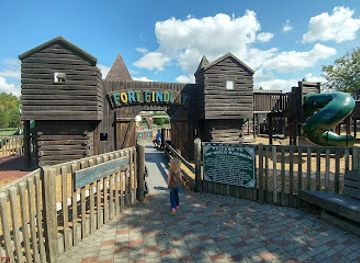
Emory Adams Park
Experience the natural charm and recreational delights of Emory Adams Park in Findlay, Ohio, where tranquility meets adventure in a beautiful outdoor setting.
6 min drive · 2.1 km from city centre
-
Tourist attraction
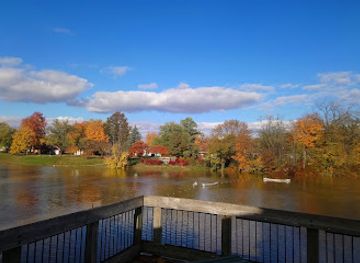
Riverside Park Pool
Discover Riverside Park Pool in Findlay, Ohio—a perfect summer getaway for families with swimming, sunbathing, and nature activities.
5 min drive · 1.6 km from city centre
-
Event venue
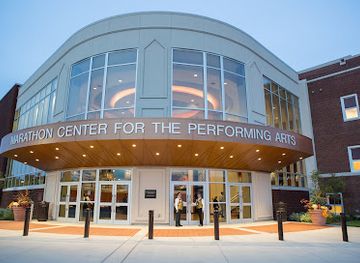
Marathon Center for the Performing Arts
Experience the vibrant cultural scene at Marathon Center for the Performing Arts in Findlay, Ohio, with exceptional performances and artistic events year-round.
4 min walk · 0.3 km from city centre
-
Tourist attraction
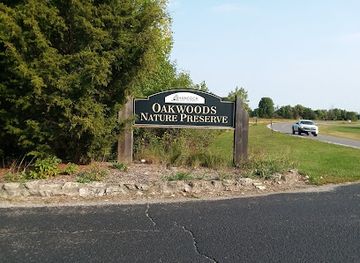
Oakwoods Nature Preserve
Experience the tranquility of Oakwoods Nature Preserve in Findlay, Ohio, where nature meets serenity in a stunning park setting.
10 min drive · 3.2 km from city centre
Best landmarks in Findlay
Findlay in Ohio offers visitors a rich tapestry of historical landmarks to explore, from the majestic Hancock County Courthouse with its stunning architecture to the fascinating Mazza Museum showcasing a diverse collection of children's book illustrations. Discover the beauty of Riverside Park along the Blanchard River, where you can admire the scenic views and relax in the peaceful surroundings. Don't miss the opportunity to visit the historic Jones Mansion, a beautifully preserved Victorian home that offers a glimpse into Findlay's past. With its charming downtown area filled with shops, restaurants, and galleries, Findlay is a destination that promises a memorable experience for all visitors.
-
Park
Emory Adams Park
Discover the natural beauty and community spirit of Emory Adams Park in Findlay, Ohio—a perfect place for relaxation and outdoor activities.
6 min drive · 2.1 km from city centre
-
Nature preserve
Oakwoods Nature Preserve
Explore the breathtaking landscapes and tranquil trails of Oakwoods Nature Preserve in Findlay, Ohio - a peaceful escape for nature lovers.
10 min drive · 3.2 km from city centre
-
Children's museum
Children's Museum of Findlay
Experience endless fun and learning at the Children's Museum of Findlay, a vibrant destination for families and young explorers in Ohio.
11 min drive · 3.7 km from city centre
-
Park
Rawson Park
Discover the natural beauty of Rawson Park in Findlay, Ohio – a perfect destination for relaxation, recreation, and family fun.
18 min walk · 1.4 km from city centre
Explore Findlay on the map
Plan your Findlay trip on one map. See where the top attractions, landmarks, restaurants, bars and hotels are, find what's near where you're staying, and book hotels and experiences in a few clicks.
Best hotels in Findlay
Best restaurants in Findlay
Findlay offers a diverse and vibrant dining scene that caters to all tastes and preferences. From cozy cafes serving up delicious pastries and coffee to upscale restaurants offering fine dining experiences, visitors can explore a culinary journey like no other. Local eateries showcase the city's rich agricultural heritage with farm-to-table options, while international cuisines bring a taste of the world to Findlay. Whether you're craving classic American comfort food, fresh seafood, or exotic dishes from far-off lands, Findlay's restaurants are sure to satisfy every palate. With friendly service, inviting atmospheres, and a commitment to quality, dining in Findlay is not just a meal - it's an unforgettable experience.
-
Steak
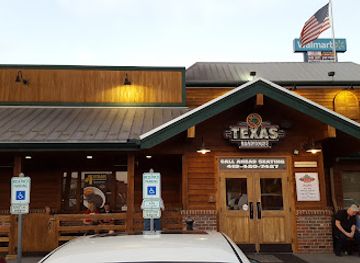
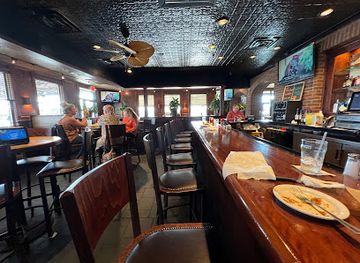
Texas Roadhouse
Experience the best of American dining at Texas Roadhouse in Findlay - where delicious steaks meet warm hospitality.
8 min drive · 2.8 km from city centre
-
Traditional American
Cheddar's Scratch Kitchen
Experience traditional American comfort food at Cheddar's Scratch Kitchen in Findlay, Ohio - where every meal is made from scratch!
14 min drive · 4.5 km from city centre
-
Pizza
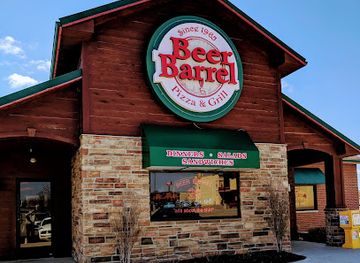
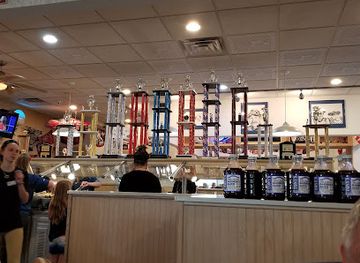
Beer Barrel Pizza & Grill
Experience the best of Findlay at Beer Barrel Pizza & Grill – where delicious pizza meets a vibrant atmosphere.
10 min drive · 3.4 km from city centre
-
Family-friendly
Tony's Restaurant
Experience the warmth of family dining at Tony's Restaurant in Findlay, Ohio – where delicious meals meet friendly service.
11 min drive · 3.8 km from city centre
Best bars in Findlay
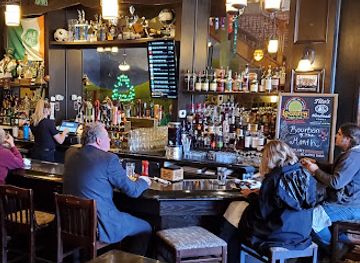
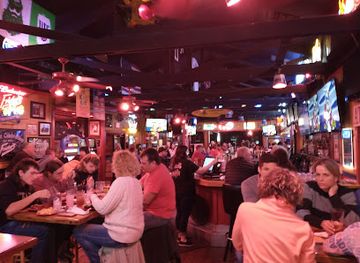
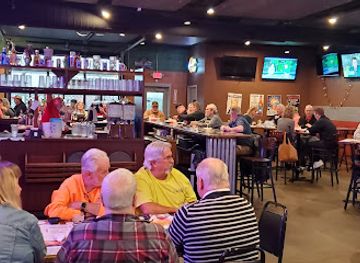
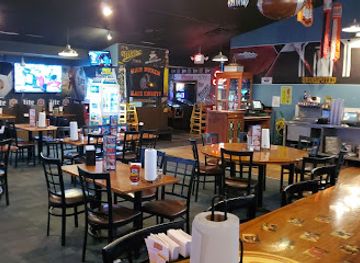
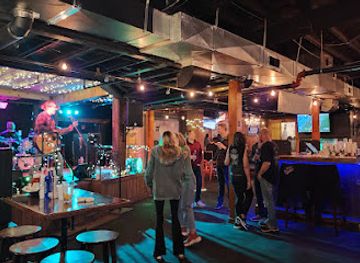
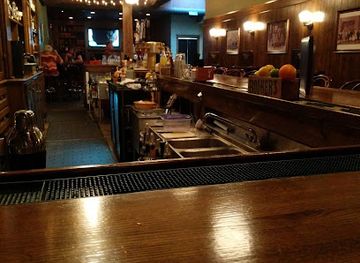
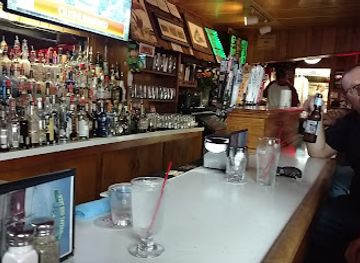
Findlay offers a vibrant nightlife scene for visitors to enjoy, with a variety of bars and nightclubs catering to different tastes. From cozy pubs serving craft beers to lively dance clubs with top DJs, there is something for everyone looking to unwind and have a good time. Live music performances, themed nights, and drink specials are common offerings, creating a lively and exciting atmosphere for tourists to experience and enjoy.
-
Irish pub
Logan's Irish Pub
Discover the flavors of Ireland at Logan's Irish Pub, where hearty meals and lively atmosphere create an unforgettable dining experience.
1 min walk · 0.1 km from city centre
-
Restaurant
Fricker's
Discover the vibrant atmosphere and delicious chicken wings at Fricker's in Findlay, Ohio, where food meets fun for the entire family.
6 min drive · 2.1 km from city centre
-
Mexican
Oler's Bar & Grill
Discover the vibrant flavors of Mexico at Oler's Bar & Grill in Findlay, Ohio – a delightful spot for authentic cuisine and refreshing drinks.
17 min walk · 1.4 km from city centre
-
American
Ralphies Sports Eatery
Experience the ultimate sports dining at Ralphies Sports Eatery in Findlay, Ohio, where great food meets a lively atmosphere!
8 min drive · 2.7 km from city centre
Best nightclubs in Findlay
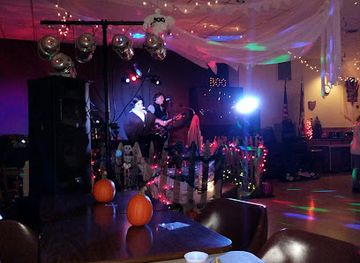
Findlay offers a vibrant nightlife scene for visitors to enjoy, with a variety of bars and nightclubs catering to different tastes. From cozy pubs serving craft beers to lively dance clubs with top DJs, there is something for everyone looking to unwind and have a good time. Live music performances, themed nights, and drink specials are common offerings, creating a lively and exciting atmosphere for tourists to experience and enjoy.
-
Bar
Alexandria's Bar, Restaurant & Event Venue
Discover the heart of Findlay at Alexandria's Bar, Restaurant & Event Venue, where delicious food meets lively entertainment in a welcoming atmosphere.
2 min walk · 0.1 km from city centre
-
Bar
The Bourbon Affair
Discover a premier bourbon bar in Findlay, Ohio, offering an extensive selection and a vibrant atmosphere for all bourbon enthusiasts.
1 min walk · 0.1 km from city centre
-
Grill
Findlay Moose Lodge #698
Experience the warmth of community and delicious grill cuisine at Findlay Moose Lodge #698, a must-visit for every traveler in Findlay, Ohio.
18 min walk · 1.4 km from city centre
-
Bar
West End Tavern
Experience the vibrant atmosphere and delightful cuisine at West End Tavern in Findlay, Ohio – a must-visit for every traveler.
8 min walk · 0.7 km from city centre
Best shops in Findlay
Findlay's shopping scene offers a delightful mix of charming boutiques, unique specialty stores, and well-known brands, providing visitors with a diverse range of shopping options. From trendy fashion shops to antique stores, visitors can explore the city's bustling downtown area and discover hidden gems around every corner. With friendly locals and a welcoming atmosphere, shopping in Findlay is not just about purchasing goods but also about experiencing the local culture and hospitality firsthand.
-
Game store
Go! Calendars, Toys & Games
Discover an exciting world of games, toys, and books at Go! Calendars, Toys & Games in Findlay, Ohio, perfect for all ages and interests.
11 min drive · 3.6 km from city centre
-
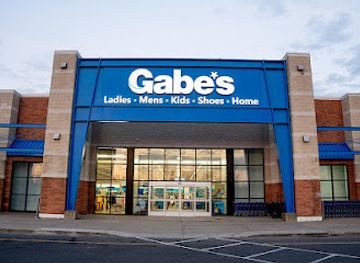
Discount store
Gabe's
Explore Gabe's in Findlay, Ohio, your go-to discount store for affordable fashion and unique finds for the whole family.
12 min drive · 4.0 km from city centre
-
Department store
T.J. Maxx
Discover unbeatable deals on fashion and home goods at T.J. Maxx in Findlay, Ohio, the ultimate shopping destination for savvy travelers.
15 min drive · 5.1 km from city centre
-
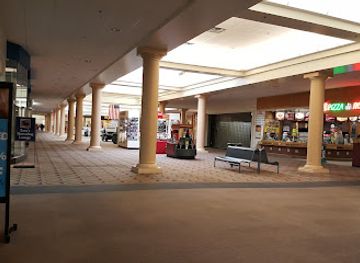
Shopping mall
Eastowne Plaza
Explore Eastowne Plaza, a bustling shopping mall in Findlay, Ohio, offering diverse stores and dining options for an unforgettable retail experience.
11 min drive · 3.7 km from city centre
Get your free copy of our complete guide to Findlay, delivered straight to you.
Everything on this page, from attractions and restaurants to essentials and local phrases, in one PDF you can read offline, print or share.
Already have an account? Sign in
Your Findlay guide is ready.
We'll send it to · Not you? Sign out

Getting your guide ready…
We are putting together a fresh copy of the Findlay guide. This can take up to a minute.
This can take a few moments. If your browser asks, choose Allow so the download can start. You'll find the guide in your Downloads folder.
Nothing happened? Download it again
Sorry, the guide is taking longer than usual. Please try again in a minute, or get it by email instead.
Findlay essentials
Currency and Payment
Safety
Emergency Situations
Do's and Don'ts
Local Tips
From Eve
Local phrases worth knowing
You don't need to get them perfect. A few words go a long way, and locals appreciate the effort.
Basics
| English | Local | Say it |
|---|---|---|
| Hello | Hey there | [Hey thair] |
| Goodbye | See ya | [See yuh] |
| Yes | Yep | [Yep] |
| No | Nope | [Noap] |
| Please/You're welcome | Please/No worries | [Pleez/No wur-eez] |
| Thank you | Thanks | [Thanks] |
| Excuse me/Sorry | Excuse me/My bad | [Ex-cuse me/My bad] |
| How are you? | How's it goin'? | [Hows it go-in?] |
| Fine. And you? | Good. You? | [Good. You?] |
| Do you speak English? | Ya speak English? | [Ya speak English?] |
| I don't understand | I don't get it | [I don't get it] |
Eating & Drinking
| English | Local | Say it |
|---|---|---|
| I'd like to see the menu, please | Let me see the menu, please | [Let me see the menu, please] |
| I don't eat meat | I don't do meat | [I don't do meat] |
| Cheers! | Cheers! | [Cheers!] |
| I would like to pay, please | I'll pay now, please | [I'll pay now, please] |
Emergencies
| English | Local | Say it |
|---|---|---|
| Help! | Help! | [Help!] |
| Go away! | Get lost! | [Get lost!] |
| Call the Police! | Call the cops! | [Call the cops!] |
| Call a doctor! | Get a doc! | [Get a doc!] |
| I'm lost | I'm lost | [I'm lost] |
| I'm ill | I'm sick | [I'm sick] |
Shopping
| English | Local | Say it |
|---|---|---|
| I'd like to buy... | I wanna buy... | [I wanna buy...] |
| I'm just looking | Just browsing | [Just browsing] |
| How much is it? | What's the cost? | [Whats the cost?] |
| That's too expensive | That's pricey | [Thats pricey] |
| Can you lower the price? | Can ya drop the price? | [Can ya drop the price?] |
Time & Numbers
| English | Local | Say it |
|---|---|---|
| What time is it? | What's the time? | [Whats the time?] |
| It's one o'clock | It's one | [Its one] |
| Half past (10) | Ten thirty | [Ten thirty] |
| Morning | Morning | [Morning] |
| Afternoon | Afternoon | [Afternoon] |
| Evening | Evening | [Evening] |
| Yesterday | Yesterday | [Yesterday] |
| Today | Today | [Today] |
| Tomorrow | Tomorrow | [Tomorrow] |
| 1 | One | [One] |
| 2 | Two | [Two] |
| 3 | Three | [Three] |
| 4 | Four | [Four] |
| 5 | Five | [Five] |
| 6 | Six | [Six] |
| 7 | Seven | [Seven] |
| 8 | Eight | [Eight] |
| 9 | Nine | [Nine] |
| 10 | Ten | [Ten] |
Transport & Directions
| English | Local | Say it |
|---|---|---|
| Where's a/the...? | Where's the...? | [Wheres the...?] |
| What's the address? | What's the address? | [Whats the address?] |
| Can you show me (on the map)? | Can you show me (on the map)? | [Can you show me (on the map)?] |
| When's the next (bus)? | When's the next (bus)? | [Whens the next (bus)?] |
| A ticket (to ....) | A ticket (to ....) | [A ticket (to ....)] |
History of Findlay
Early Indigenous Inhabitants
Before European settlers arrived, the area now known as Findlay was inhabited by Native American tribes, particularly the Shawnee and Wyandot. These tribes lived off the land, hunting, fishing, and farming, and their presence is still recognized in local place names and historical markers.
Founding of Findlay
Findlay was officially laid out in 1821 by Joseph Vance and Elnathan Cory. The city was named after Colonel James Findlay, who was a commander during the War of 1812. The town grew slowly at first, but the discovery of natural resources would soon change that.
The Black Swamp and Early Development
One of the major challenges for early settlers was the Black Swamp, a vast wetland that made travel and farming difficult. However, through perseverance and engineering, the settlers drained the swamp, turning the land into fertile farmland and paving the way for future growth.
Oil Boom of the 1880s
The discovery of natural gas and oil in the 1880s transformed Findlay into a bustling boomtown. This period saw rapid industrial growth and an influx of workers and businesses. The famous 'Gas Boom' led to the establishment of various glass and manufacturing industries, some of which are still operational.
The Great Fire of 1886
In 1886, a devastating fire broke out in downtown Findlay, destroying numerous buildings and businesses. Despite the destruction, the community came together to rebuild, and the fire led to improvements in building codes and fire safety measures that shaped the city's future.
Findlay College and Higher Education
Findlay College, now known as the University of Findlay, was established in 1882. The institution has grown significantly over the years, becoming a cornerstone of education and cultural life in the city. It offers a wide range of programs and attracts students from across the country.
World War II and Industrial Growth
During World War II, Findlay's industries played a crucial role in the war effort, producing materials and goods for the military. This period saw further industrial growth and the establishment of long-lasting manufacturing operations in the city.
Modern Findlay: A Hub of Culture and Commerce
Today, Findlay is known for its vibrant downtown, cultural institutions, and thriving businesses. The city has a rich architectural heritage, with historical buildings and modern amenities coexisting. Annual events like the Findlay Market and the Flag City BalloonFest draw visitors from near and far, showcasing the community's spirit and heritage.
Findlay in Photos
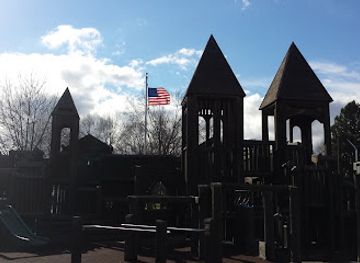
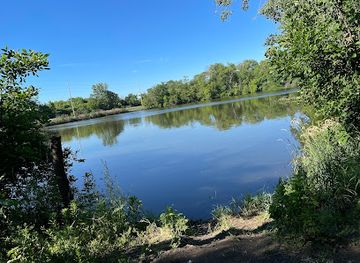
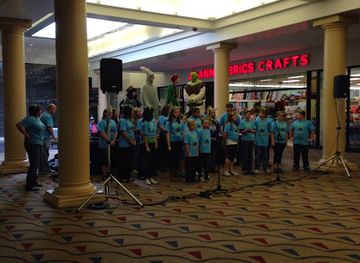
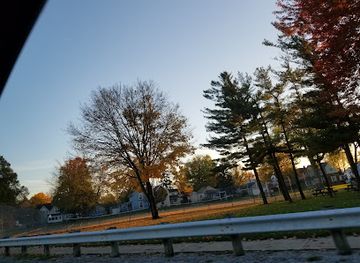
Browse through our photo collection highlighting the charm and character of the destination.
Cities near Findlay
The closest cities to Findlay, if you have time for more than one stop.
-
 Sandusky
Discover Sandusky, Ohio: A lakeside city offering thrilling amusement parks, scenic waterfront views, rich history, and year-round festivities for all ages.
1 h 51 min drive · 91 km from city centre
Sandusky
Discover Sandusky, Ohio: A lakeside city offering thrilling amusement parks, scenic waterfront views, rich history, and year-round festivities for all ages.
1 h 51 min drive · 91 km from city centre
-
 Mansfield
Discover Mansfield, Ohio: A captivating blend of history, nature, and culture, offering unforgettable experiences for every traveler.
2 h drive · 100 km from city centre
Mansfield
Discover Mansfield, Ohio: A captivating blend of history, nature, and culture, offering unforgettable experiences for every traveler.
2 h drive · 100 km from city centre
-
 Wooster
Discover Wooster, Ohio: A charming blend of history, culture, and nature, perfect for a relaxing getaway or a cultural adventure.
2 h 46 min drive · 146 km from city centre
Wooster
Discover Wooster, Ohio: A charming blend of history, culture, and nature, perfect for a relaxing getaway or a cultural adventure.
2 h 46 min drive · 146 km from city centre
-
 Dayton
Experience Dayton, Ohio: A city of innovation, culture, and natural beauty. Discover its aviation history, vibrant arts scene, and scenic outdoor spaces.
2 h 49 min drive · 149 km from city centre
Dayton
Experience Dayton, Ohio: A city of innovation, culture, and natural beauty. Discover its aviation history, vibrant arts scene, and scenic outdoor spaces.
2 h 49 min drive · 149 km from city centre
-
 Cleveland
Discover Cleveland in Ohio, a city where history meets modernity, offering world-class museums, lush parks, a vibrant food scene, and a dynamic cultural landscape.
3 h 11 min drive · 171 km from city centre
Cleveland
Discover Cleveland in Ohio, a city where history meets modernity, offering world-class museums, lush parks, a vibrant food scene, and a dynamic cultural landscape.
3 h 11 min drive · 171 km from city centre
Swipe for more cities

