

Free Dayton Travel Guide & Mobile App
Plan your Dayton trip with Evendo. Get free guides to top attractions, restaurants, hotels, and bars. Web access or download the mobile app.


Dayton, Ohio blends aviation history, inventive museums, riverfront trails, lively arts districts and distinctive Midwestern food culture for curious visitors.
A City Shaped by Invention
Dayton occupies a strategic stretch of southwestern Ohio where the Great Miami River and its tributaries meet a landscape of fertile plains, wooded creeks and long-established transport routes. Its name is closely associated with invention: Wilbur and Orville Wright developed the world's first practical powered aeroplane here, while businesses such as the National Cash Register Company helped establish Dayton as a centre of engineering and manufacturing. That inventive character remains visible in the city's museums, restored industrial sites and strong connection with aviation.Read more about Dayton
History in the Urban Landscape
Arts, Rivers and Aviation
When is the best time to visit Dayton?
Best: May–June, September · 22–27°C| Month | High (°C) | Rainfall (mm) |
|---|---|---|
| January | 3 | 66 |
| February | 4 | 60 |
| March | 10 | 82 |
| April | 17 | 93 |
| May (best) | 22 | 97 |
| June (best) | 27 | 95 |
| July | 29 | 102 |
| August | 29 | 95 |
| September (best) | 24 | 84 |
| October | 18 | 79 |
| November | 12 | 83 |
| December | 5 | 74 |
Getting to and around Dayton
How to get there
Transportation
Best attractions in Dayton
Dayton's attractions reveal a city where engineering, culture and public landscapes are closely connected. The National Museum of the United States Air Force, near Wright-Patterson Air Force Base, presents an exceptionally broad history of military aviation through aircraft, spacecraft and immersive galleries. In the city, Carillon Historical Park places Dayton's industrial development within a landscaped setting containing historic buildings, transport exhibits and objects linked to the Wright brothers. The Dayton Art Institute occupies a hilltop building with collections spanning European, American, Asian and African art, while the Dayton Aviation Heritage National Historical Park interprets the Wright brothers' work and the life of poet and aviator Paul Laurence Dunbar. Downtown's RiverScape MetroPark offers open space beside the Great Miami River, and the Oregon District adds historic architecture, independent businesses and evening activity. Together, these sites make sightseeing feel connected rather than confined to a single museum quarter.
-
 Tourist attraction
National Museum of the US Air Force
Discover the history and innovation of aviation at the National Museum of the US Air Force in Dayton, Ohio, home to over 360 aircraft and engaging exhibits.
22 min drive · 7.4 km from city centre
-
Casino
Hollywood Gaming at Dayton Raceway
Experience the thrill of gaming and racing at Hollywood Gaming at Dayton Raceway, where excitement and entertainment come together in Ohio.
20 min drive · 6.6 km from city centre
-
Tourist attraction
Scene75 Entertainment Center | Dayton
Experience the ultimate fun at Scene75 Entertainment Center in Dayton, Ohio - a top destination for thrilling games, delicious food, and family-friendly activities.
26 min drive · 8.8 km from city centre
-
Tourist attraction
Carillon Historical Park
Discover the rich history of Dayton, Ohio at Carillon Historical Park, where culture and nature meet in a stunning outdoor setting.
10 min drive · 3.4 km from city centre


Best landmarks in Dayton
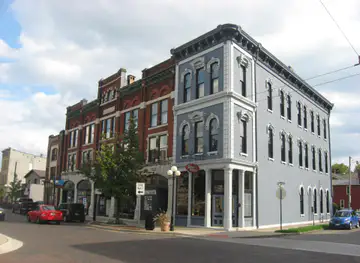
Dayton's landmarks give physical form to its industrial, civic and aviation history. The Dayton Aviation Heritage National Historical Park includes the Wright Cycle Company buildings, associated with Wilbur and Orville Wright's bicycle business and early aeronautical work, as well as sites connected with Paul Laurence Dunbar. Carillon Historical Park's Deeds Carillon is a prominent local monument, while the park's historic structures illustrate the city's manufacturing and social development. Downtown, the Dayton Arcade represents the scale and ambition of early twentieth-century commercial architecture, and the Dayton Memorial Hall reflects the civic commemorative traditions of the period. The Dayton Art Institute, set above the Great Miami River, is both a cultural institution and a notable architectural presence. Historic neighbourhoods such as the Oregon District retain brick commercial buildings and houses that convey the city's nineteenth- and early twentieth-century urban character, even as redevelopment continues around them.
-
Museum
National Museum of the US Air Force
Discover the rich history of aviation at the National Museum of the US Air Force, featuring a vast collection of historic aircraft and engaging exhibits.
22 min drive · 7.4 km from city centre
-
History museum
Carillon Historical Park
Explore the historical treasures of Carillon Historical Park in Dayton, Ohio, where the past comes alive through engaging exhibits and stunning landscapes.
10 min drive · 3.4 km from city centre
-
Park
RiverScape MetroPark
Discover RiverScape MetroPark, a beautiful urban park in Dayton, Ohio, offering lush landscapes, river views, and cultural events for tourists.
9 min walk · 0.7 km from city centre
-
Science museum
Boonshoft Museum of Discovery
Explore the Boonshoft Museum of Discovery: A family-friendly science museum featuring interactive exhibits, a zoo, and a planetarium in Dayton, Ohio.
10 min drive · 3.4 km from city centre


Explore Dayton on the map
Plan your Dayton trip on one map. See where the top attractions, landmarks, restaurants, bars and hotels are, find what's near where you're staying, and book hotels and experiences in a few clicks.
Neighbourhoods in Dayton
-

-

-


Swipe for more neighbourhoods
Best hotels in Dayton
Best restaurants in Dayton
Dayton's food culture combines southwestern Ohio traditions with a broad modern dining scene. Local pizza styles associated with Marion's Piazza and Cassano's are part of the city's culinary identity, with thin bases, distinctive toppings and long-standing regional loyalty. The historic Oregon District and nearby downtown streets contain restaurants ranging from casual American cooking to international cuisines, while independent cafés and bakeries give the centre a daily social rhythm. Second Street Market is especially useful for sampling local produce, prepared foods, baked goods and products from small vendors under one roof. Dayton's proximity to farm country also supports seasonal vegetables, meats and artisanal goods, while regional favourites such as Cincinnati-style chilli appear alongside newer menus shaped by the city's diverse communities. Dining is often informal, with neighbourhood restaurants and counter-service spots complementing more polished venues around the performing-arts district.
-
American
Smokey Bones Dayton
Discover the vibrant flavors of American barbecue at Smokey Bones Dayton - where every meal is a celebration!
29 min drive · 9.6 km from city centre
-
Irish pub
Dublin Pub
Discover Dublin Pub: A delightful Irish gastropub in Dayton offering authentic cuisine and a lively atmosphere for all visitors.
11 min walk · 0.9 km from city centre
-
Italian
Spaghetti Warehouse
Experience authentic Italian cuisine in the heart of Dayton at Spaghetti Warehouse - where every dish is crafted with love.
4 min walk · 0.3 km from city centre
-
Pizza
Old Scratch Pizza & Beer
Experience unique handcrafted pizzas and an extensive beer selection at Old Scratch Pizza & Beer in Dayton - a culinary delight not to be missed.
16 min walk · 1.3 km from city centre


Best bars in Dayton
Dayton's evening scene is concentrated rather than sprawling, with the Oregon District serving as the best-known cluster of bars, pubs, live-music rooms and late-night restaurants. Historic brick buildings house relaxed venues ranging from neighbourhood drinking spots to places presenting local bands, DJs and comedy, while downtown adds cocktail bars and hotel lounges around the Schuster Center, Victoria Theatre and other performing-arts venues. Live music is an important part of the city's identity, with independent stages and seasonal outdoor programming contributing to a varied calendar. The Dayton Beer Company and other local breweries reflect the wider craft-beer culture of Ohio, although individual venues and schedules change. For a quieter night, visitors can choose theatre, concerts, dance or cultural events rather than clubbing; the city remains more suited to a selection of neighbourhood evenings than to one continuous entertainment strip.
-
Irish pub
Dublin Pub
Discover the vibrant spirit of Ireland at the Dublin Pub, where hearty meals and lively atmosphere create unforgettable experiences.
11 min walk · 0.9 km from city centre
-
Grill
Jimmie's Ladder 11
Experience the vibrant flavors of Dayton at Jimmie's Ladder 11, a grill and restaurant that delights with its diverse menu and warm atmosphere.
5 min drive · 1.6 km from city centre
-
Gastropub
Troll Pub at the Wheelhouse
Experience a vibrant gastropub atmosphere with locally sourced dishes and craft drinks at Troll Pub in Dayton, Ohio.
9 min walk · 0.7 km from city centre
-
Bar
The Century Bar
Discover The Century Bar, a speakeasy-style bar in downtown Dayton offering exquisite craft cocktails and a lively atmosphere for all.
2 min walk · 0.2 km from city centre


Best nightclubs in Dayton
Dayton's evening scene is concentrated rather than sprawling, with the Oregon District serving as the best-known cluster of bars, pubs, live-music rooms and late-night restaurants. Historic brick buildings house relaxed venues ranging from neighbourhood drinking spots to places presenting local bands, DJs and comedy, while downtown adds cocktail bars and hotel lounges around the Schuster Center, Victoria Theatre and other performing-arts venues. Live music is an important part of the city's identity, with independent stages and seasonal outdoor programming contributing to a varied calendar. The Dayton Beer Company and other local breweries reflect the wider craft-beer culture of Ohio, although individual venues and schedules change. For a quieter night, visitors can choose theatre, concerts, dance or cultural events rather than clubbing; the city remains more suited to a selection of neighbourhood evenings than to one continuous entertainment strip.
-
Bar
Yellow Cab Tavern
Discover the heart of Dayton at Yellow Cab Tavern, where great food meets live music in a vibrant atmosphere.
11 min walk · 0.8 km from city centre
-
Grill
The Palms Lounge & Grill
Experience delicious grilled delights and a vibrant lounge atmosphere at The Palms Lounge & Grill in Dayton, Ohio, perfect for casual dining and socializing.
25 min drive · 8.3 km from city centre
-
Night club
Argos Bar
Discover the lively ambiance of Argos Bar in Dayton, where great drinks and unforgettable nightlife await you.
9 min drive · 3.1 km from city centre
-
Dance club
Club Evolution
Dive into Dayton's nightlife at Club Evolution, a premier dance club and event venue offering an inclusive space for unforgettable nights of music and dancing.
8 min walk · 0.6 km from city centre


Best shops in Dayton
Shopping in Dayton ranges from local food and craft markets to independent retail in historic districts. Second Street Market is the most distinctive place to browse regional produce, flowers, baked goods, prepared food and products made by small vendors, making it more closely tied to local life than a conventional shopping centre. The Oregon District has independent boutiques, gift shops, vintage and speciality retailers among its restaurants and bars, while downtown offers smaller galleries, event-related shopping and businesses around the central arts venues. Visitors interested in Dayton's aviation and industrial heritage will find museum shops carrying books, models and historical gifts, particularly at major museums. Larger suburban retail complexes lie outside the central city, but they are less useful for discovering local character. As elsewhere in the United States, shop prices normally exclude sales tax, and market stock reflects seasonal availability.
-
History museum
Carillon Historical Park
Explore Dayton's heritage at Carillon Historical Park, a captivating destination showcasing history, innovation, and beautiful landscapes.
10 min drive · 3.4 km from city centre
-
Shopping mall
Eastown Shopping Center
Experience shopping and entertainment like never before at Eastown Shopping Center in Dayton, Ohio, where fun meets convenience.
17 min drive · 5.7 km from city centre
-
Record store
Omega Music
Explore the vibrant music culture at Omega Music in Dayton, a haven for vinyl lovers and collectors of all genres.
6 min walk · 0.5 km from city centre
-
Gift shop
Kokopelli Gift House
Explore the unique treasures of Kokopelli Gift House in Dayton, Ohio, featuring Native American crafts, stunning jewelry, and beautiful rocks.
31 min drive · 11 km from city centre


Get your free copy of our complete guide to Dayton, delivered straight to you.
Everything on this page, from attractions and restaurants to essentials and local phrases, in one PDF you can read offline, print or share.
Already have an account? Sign in
Your Dayton guide is ready.
We'll send it to · Not you? Sign out

Getting your guide ready…
We are putting together a fresh copy of the Dayton guide. This can take up to a minute.
This can take a few moments. If your browser asks, choose Allow so the download can start. You'll find the guide in your Downloads folder.
Nothing happened? Download it again
Sorry, the guide is taking longer than usual. Please try again in a minute, or get it by email instead.
Dayton essentials
Currency and Payment
Safety
Emergency Situations
Do's and Don'ts
Local Tips
From Eve
Local phrases worth knowing
You don't need to get them perfect. A few words go a long way, and locals appreciate the effort.
Basics
| English | Local | Say it |
|---|---|---|
| Hello | Hey | [hey] |
| Goodbye | Bye | [bye] |
| Yes | Yeah | [yeah] |
| No | Nah | [nah] |
| Please/You're welcome | Please | [please] |
| Thank you | Thanks | [thanks] |
| Excuse me/Sorry | Sorry | [sorry] |
| How are you? | How ya doin'? | [how ya doin] |
| Fine. And you? | Good. You? | [good you] |
| Do you speak English? | Ya speak English? | [ya speak english] |
| I don't understand | I don't get it | [I don't get it] |
Eating & Drinking
| English | Local | Say it |
|---|---|---|
| I'd like to see the menu, please | Can I see the menu? | [can I see the menu] |
| I don't eat meat | I don't eat meat | [I don't eat meat] |
| Cheers! | Cheers! | [cheers] |
| I would like to pay, please | Can I pay, please | [can I pay please] |
Emergencies
| English | Local | Say it |
|---|---|---|
| Help! | Help! | [help] |
| Go away! | Go away! | [go away] |
| Call the Police! | Call the cops! | [call the cops] |
| Call a doctor! | Call a doctor! | [call a doctor] |
| I'm lost | I'm lost | [I'm lost] |
| I'm ill | I'm sick | [I'm sick] |
Shopping
| English | Local | Say it |
|---|---|---|
| I'd like to buy... | I wanna buy... | [I wanna buy] |
| I'm just looking | Just browsing | [just browsing] |
| How much is it? | How much? | [how much] |
| That's too expensive | Too pricey | [too pricey] |
| Can you lower the price? | Can you do any better? | [can you do any better] |
Time & Numbers
| English | Local | Say it |
|---|---|---|
| What time is it? | What time is it? | [what time is it] |
| It's one o'clock | It's one o'clock | [it's one o'clock] |
| Half past (10) | Half past ten | [half past ten] |
| Morning | Morning | [morning] |
| Afternoon | Afternoon | [afternoon] |
| Evening | Evening | [evening] |
| Yesterday | Yesterday | [yesterday] |
| Today | Today | [today] |
| Tomorrow | Tomorrow | [tomorrow] |
| 1 | One | [one] |
| 2 | Two | [two] |
| 3 | Three | [three] |
| 4 | Four | [four] |
| 5 | Five | [five] |
| 6 | Six | [six] |
| 7 | Seven | [seven] |
| 8 | Eight | [eight] |
| 9 | Nine | [nine] |
| 10 | Ten | [ten] |
Transport & Directions
| English | Local | Say it |
|---|---|---|
| Where's a/the...? | Where's the...? | [where's the] |
| What's the address? | What's the address? | [what's the address] |
| Can you show me (on the map)? | Can you show me (on the map)? | [can you show me on the map] |
| When's the next (bus)? | When's the next (bus)? | [when's the next bus] |
| A ticket (to ....) | A ticket (to ....)? | [a ticket to] |
History of Dayton
Indigenous Lands and Early Settlement
The Dayton area lies within the historic homelands and travel networks of Indigenous peoples including the Miami, Shawnee and Wyandot. In the late eighteenth century, the region became part of the expanding United States through treaties and settlement that displaced Native communities. Dayton was founded in 1796 by a group of investors known as the Dayton Company, including Jonathan Dayton, after whom the settlement was named. Its position at the confluence of the Great Miami, Mad and Stillwater rivers supported farming, milling and transport, helping the small community develop into a county seat and commercial centre.
Canals, Commerce and Civic Growth
During the nineteenth century, Dayton's economy expanded through agriculture, milling, river transport and the arrival of the Miami and Erie Canal in the 1820s. The canal connected the city with Lake Erie and the Ohio River system, encouraging trade and attracting workers and entrepreneurs. Railways later reduced the canal's commercial importance but strengthened Dayton's industrial connections. Downtown streets, civic buildings and surviving neighbourhoods reflect this period of growth, when Dayton became an important regional centre rather than simply a river settlement.
Industry and the National Cash Register
Dayton's industrial identity took shape in the late nineteenth and early twentieth centuries through machinery, printing, manufacturing and specialist engineering. The National Cash Register Company, founded in Dayton in 1884, became one of the city's most influential employers and helped popularise new approaches to sales, design and corporate organisation. Its legacy survives in the NCR Archives and in the wider story of Dayton's business culture. The city's factories also drew migrants and created a diverse working population, while civic reformers and business leaders invested in parks, education and public institutions.
The Wright Brothers and Powered Flight
Wilbur and Orville Wright were born in the Dayton area and conducted their bicycle business and early aeronautical work in the city. They made flight experiments at Kitty Hawk, North Carolina, but developed, constructed and tested much of their equipment in Dayton, where the Wright Cycle Company buildings and other associated sites preserve the local setting of their work. Their achievement in 1903 transformed Dayton's identity and helped establish a lasting connection with aviation research. The nearby Wright-Patterson Air Force Base and the National Museum of the United States Air Force extend that history into the modern aerospace era.
The Great Flood of 1913
In March 1913, exceptional rainfall caused catastrophic flooding across the Miami Valley. Dayton suffered extensive destruction as the Great Miami River and smaller waterways overwhelmed the city, killing hundreds across the region and displacing thousands. The disaster prompted one of the largest flood-control responses in the United States at the time. Local leaders and engineers created the Miami Conservancy District, whose upstream reservoirs and protective works changed the relationship between the city and its rivers. The flood remains central to Dayton's civic memory and to the design of its parks, waterways and public landscape.
Labour, Civil Rights and the Dayton Accords
Twentieth-century Dayton was shaped by industrial labour, migration, suburbanisation and the gradual transformation of its manufacturing economy. The city also became associated with an important diplomatic achievement when negotiations at Wright-Patterson Air Force Base produced the 1995 General Framework Agreement for Peace in Bosnia and Herzegovina, commonly known as the Dayton Agreement. Although the accord was formally signed in Paris, the negotiations in the Dayton area gave the city's name an international political association. Today, museums, historic districts and civic institutions present a more layered identity encompassing industry, innovation, social change and diplomacy.
Dayton in Photos
Browse through our photo collection highlighting the charm and character of the destination.
Cities near Dayton
The closest cities to Dayton, if you have time for more than one stop.
-

-

-

-

-


Swipe for more cities
Explore more

Explore more of Ohio
Explore Ohio's vibrant cities, rich history, and stunning natural landscapes. From bustling urban centers to serene state parks, Ohio offers diverse attractions for every traveler.
Explore Ohio