

Free Lawton Travel Guide & Mobile App
Plan your Lawton trip with Evendo. Get free guides to top attractions, restaurants, hotels, and bars. Web access or download the mobile app.


Lawton, Oklahoma pairs Comanche heritage, Fort Sill history, prairie landscapes and access to the Wichita Mountains for distinctive sightseeing and outdoor adventures.
A Southwestern Oklahoma City
Lawton lies in southwestern Oklahoma, where broad prairie meets the granite ridges and grassland of the Wichita Mountains. Founded at the opening of the former Kiowa, Comanche and Apache reservation lands in 1901, the city remains closely connected to the military presence at Fort Sill and to the cultural traditions of the region's Indigenous communities. Its setting gives Lawton a more spacious, open character than Oklahoma's larger urban centres, with long views, dry grasslands and a horizon shaped by the nearby mountains.Read more about Lawton
History and Cultural Identity
Outdoor Landscapes
When is the best time to visit Lawton?
Best: March–April, October · 19–24°C| Month | High (°C) | Rainfall (mm) |
|---|---|---|
| January | 11 | 31 |
| February | 13 | 32 |
| March (best) | 19 | 49 |
| April (best) | 24 | 71 |
| May | 28 | 102 |
| June | 33 | 89 |
| July | 36 | 72 |
| August | 35 | 68 |
| September | 31 | 77 |
| October (best) | 24 | 79 |
| November | 17 | 47 |
| December | 11 | 37 |
Getting to and around Lawton
How to get there
Transportation
Best attractions in Lawton
Lawton's principal attractions combine regional history with access to open prairie and mountain country. The Museum of the Great Plains explains the area's geology, wildlife, Indigenous history and settlement through displays suited to visitors new to southwestern Oklahoma. At the Comanche National Museum and Cultural Center, exhibitions present Comanche art, history and living cultural identity from a community-centred perspective. Fort Sill's museums and historic areas explore the military history of the Southern Plains, although access to the active installation is subject to current regulations. Within the city, Elmer Thomas Park offers lakeside paths, lawns and a quieter setting for a break from museum visits. The major outdoor draw is the Wichita Mountains Wildlife Refuge, northwest of Lawton, where rocky ridges, prairie, bison, longhorn cattle and prairie-dog towns create a distinctly different sightseeing experience. Nearby Lake Lawtonka and Medicine Park extend the possibilities into a wider regional outing.
-
Tourist attraction
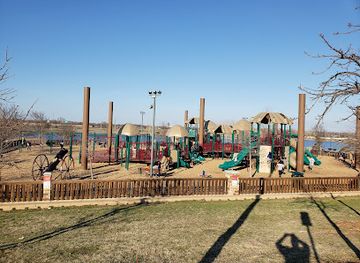
Elmer Thomas Park
Explore Elmer Thomas Park, a natural retreat in Lawton, Oklahoma, featuring lush landscapes, serene lakes, and family-friendly activities.
16 min walk · 1.3 km from city centre
-
Tourist attraction
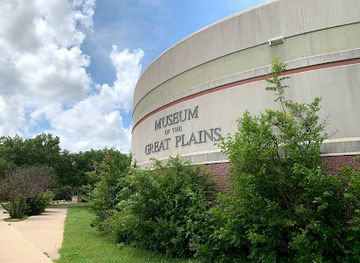
Museum of the Great Plains
Explore the Museum of the Great Plains in Lawton for an enriching journey through history, culture, and the natural beauty of the Great Plains region.
15 min walk · 1.2 km from city centre
-
Amusement center
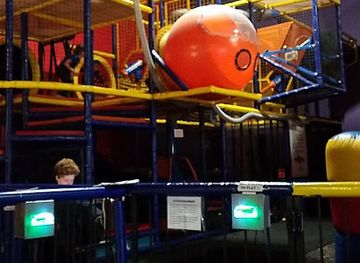
Laugh Out Loud
Experience the excitement at Laugh Out Loud, Lawton's premier amusement center, featuring games, attractions, and endless fun for all ages.
25 min drive · 8.3 km from city centre
-
Museum
Comanche National Museum and Cultural Center
Discover the vibrant culture and history of the Comanche Nation at the Comanche National Museum and Cultural Center in Lawton, Oklahoma.
17 min walk · 1.4 km from city centre
Best landmarks in Lawton
Lawton's landmarks tell the story of a planned Oklahoma settlement, a major military post and enduring Indigenous communities. Fort Sill, established in 1869, contains historic structures, museums and the cemetery where Geronimo was buried; because it remains an active Army installation, access and photography rules apply. The Mattie Beal Home, a preserved early twentieth-century residence, evokes the prosperity and civic confidence that followed Lawton's 1901 founding. In the city centre, the Comanche County Courthouse and surrounding historic streets represent Lawton's role as a county seat and regional administrative centre. The Museum of the Great Plains is both a cultural institution and an architectural point of reference for the city, while the Comanche National Museum and Cultural Center provides a landmark of contemporary Indigenous presence. Beyond town, the granite formations of the Wichita Mountains serve as natural landmarks inseparable from Lawton's identity.
-
Casino
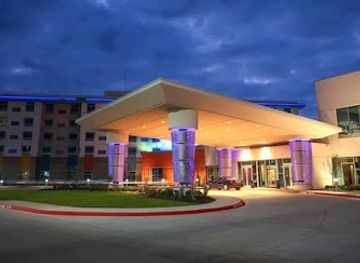
Apache Casino Hotel
Apache Casino Hotel: Your ultimate gaming and entertainment destination in Lawton, Oklahoma, with dining, events, and comfortable accommodations.
8 min drive · 2.8 km from city centre
-
Casino
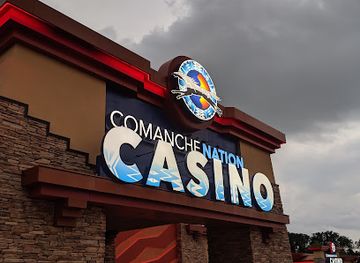
Comanche Nation Casino
Discover thrilling gaming, exquisite dining, and vibrant entertainment at Comanche Nation Casino in Lawton, Oklahoma, a must-visit for tourists looking for excitement.
18 min walk · 1.5 km from city centre
-
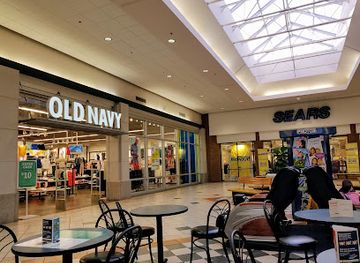
Shopping mall
Central Plaza Lawton
Experience the perfect blend of shopping, dining, and entertainment at Central Plaza Lawton, a must-visit destination in Oklahoma.
7 min walk · 0.6 km from city centre
-
Park
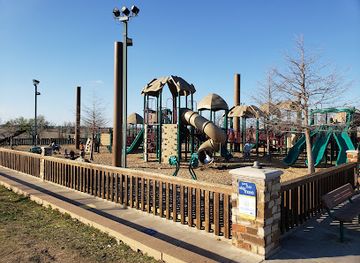
Elmer Thomas Park
Explore the lush landscapes, serene lakes, and historic military monuments at Elmer Thomas Park, a cherished destination in Lawton, Oklahoma.
16 min walk · 1.3 km from city centre
Explore Lawton on the map
Plan your Lawton trip on one map. See where the top attractions, landmarks, restaurants, bars and hotels are, find what's near where you're staying, and book hotels and experiences in a few clicks.
Best hotels in Lawton
Best restaurants in Lawton
Lawton's food scene reflects southwestern Oklahoma's practical, multicultural and military-influenced character. Visitors will find familiar American diners, grills, cafés and independent restaurants alongside Mexican and other international cooking shaped by the area's diverse communities. Barbecue, burgers, steaks and fried comfort food fit the region's rural and ranching traditions, while Tex-Mex styles of cooking are common across this part of the Southern Plains. Breakfast cafés and casual family-run eateries are useful introductions to local routines, and the city's military population contributes to a broader range of everyday cuisines than its size might suggest. Farmers' markets and seasonal produce connect dining with surrounding agriculture, though the choice of vendors changes throughout the year. For a more focused food experience, explore independently owned restaurants around central Lawton and check current local listings rather than assuming that every establishment keeps the same schedule.
-
 Restaurant
Apache Casino Hotel
Discover thrilling gaming, delicious dining, and vibrant entertainment at Apache Casino Hotel in Lawton, Oklahoma.
8 min drive · 2.8 km from city centre
-
Steak
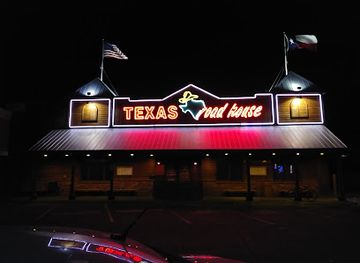
Texas Roadhouse
Discover the mouthwatering flavors of Texas Roadhouse in Lawton - your go-to spot for authentic American steakhouse cuisine.
20 min drive · 6.7 km from city centre
-
Mexican
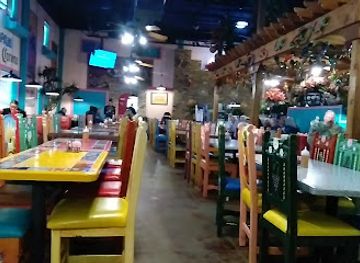
Los Tres Amigos
Experience authentic Mexican cuisine at Los Tres Amigos in Lawton, Oklahoma—where every meal feels like a fiesta.
21 min drive · 7.1 km from city centre
-
Italian
Olive Garden Italian Restaurant
Experience authentic Italian cuisine at Olive Garden in Lawton—perfect for families and food lovers alike!
16 min drive · 5.3 km from city centre

Best bars in Lawton
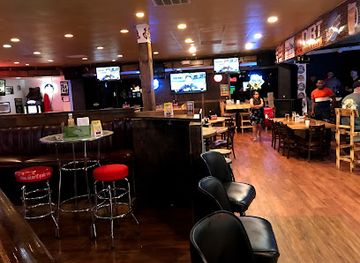
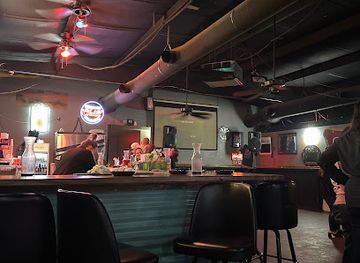
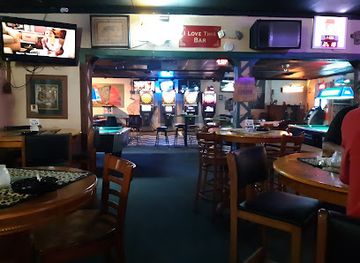
Lawton's evening scene is modest and locally focused rather than built around a large club district. Casual bars, sports bars, lounges and restaurants provide the main social settings, with activity concentrated around central commercial areas and places serving the military and resident communities. Live music and seasonal events may appear in local venues, but performances and opening patterns can change, so current listings are useful. Evenings can also centre on cinema, community events, cultural programmes or dining rather than late-night dancing. Visitors should remember that alcohol service follows Oklahoma law and venue policies, and a car is often needed between neighbourhoods. Outside the city, the Wichita Mountains and surrounding communities are better suited to sunset scenery and quiet evenings than nightlife, with dark rural roads requiring careful driving after dusk.
-
Sports bar
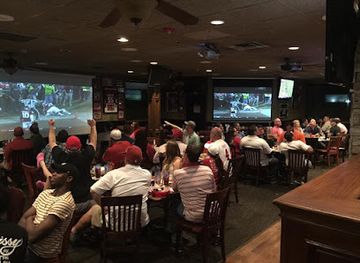
Mike's Sports Grille
Discover the ultimate destination for food, drinks, and sports at Mike's Sports Grille in Lawton, Oklahoma.
10 min walk · 0.8 km from city centre
-
Grill
Red Dirt Reloaded Bar & Grill
Discover the heart of Lawton's nightlife at Red Dirt Reloaded Bar & Grill, where delicious food meets live music in a vibrant setting.
23 min drive · 7.7 km from city centre
-
Bar
Fubar Saloon
Experience the vibrant nightlife at Fubar Saloon, Lawton's favorite bar for great drinks, live entertainment, and a friendly atmosphere.
5 min drive · 1.8 km from city centre
-
Bar
The Zoo
Discover the diverse wildlife and educational experiences at The Zoo in Lawton, Oklahoma, perfect for a fun-filled family day out.
9 min drive · 3.1 km from city centre
Best nightclubs in Lawton
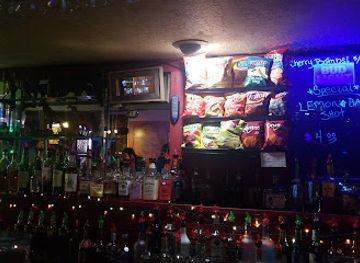
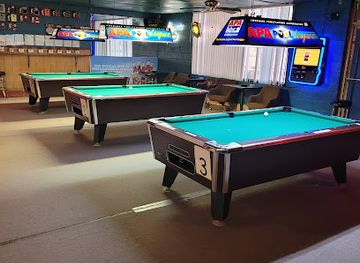
Lawton's evening scene is modest and locally focused rather than built around a large club district. Casual bars, sports bars, lounges and restaurants provide the main social settings, with activity concentrated around central commercial areas and places serving the military and resident communities. Live music and seasonal events may appear in local venues, but performances and opening patterns can change, so current listings are useful. Evenings can also centre on cinema, community events, cultural programmes or dining rather than late-night dancing. Visitors should remember that alcohol service follows Oklahoma law and venue policies, and a car is often needed between neighbourhoods. Outside the city, the Wichita Mountains and surrounding communities are better suited to sunset scenery and quiet evenings than nightlife, with dark rural roads requiring careful driving after dusk.
-
Bar
The Zoo
Discover the captivating world of wildlife at The Zoo in Lawton, Oklahoma, where learning and fun come together in a beautiful natural setting.
9 min drive · 3.1 km from city centre
-
Sports bar
Chele's Club
Experience the vibrant nightlife at Chele's Club, a top sports bar in Lawton, Oklahoma, offering delicious food, drinks, and live entertainment.
9 min drive · 3.1 km from city centre
-
Bar
Helens Club
Discover the lively nightlife at Helens Club in Lawton, OK - a perfect bar for affordable drinks and vibrant entertainment.
8 min drive · 2.7 km from city centre
-
Lounge
The Butterfly Lounge
Experience vibrant nightlife at The Butterfly Lounge in Lawton, Oklahoma, where great drinks and live music create unforgettable memories.
12 min drive · 4.2 km from city centre


Best shops in Lawton
Shopping in Lawton is centred on practical retail, local services, independent businesses and everyday commerce rather than a concentrated luxury district. Historic downtown streets offer the clearest sense of the city's older commercial fabric, with locally run shops and occasional antique, gift and specialist retailers. The Central Mall area supplies national chains and mainstream shopping, while supermarkets and local stores are useful for provisions before travelling into the refuge. Seasonal farmers' markets can provide regional produce, baked goods and handmade items, although stalls and schedules vary. Souvenirs with a genuine local connection include books about the Wichita Mountains, Oklahoma and Indigenous history, as well as work by Comanche and other Native artists when purchased through reputable cultural institutions or established galleries. Visitors should distinguish authentic community-produced art from generic items that use Indigenous imagery without clear provenance.
-
Shopping mall
Central Plaza Lawton
Discover Central Plaza Lawton, a lively shopping mall in Oklahoma offering diverse stores, dining options, and a vibrant atmosphere for all visitors.
7 min walk · 0.6 km from city centre
-
Shopping mall
Lawton Marketplace
Explore a diverse shopping experience at Lawton Marketplace, featuring shops, dining, and entertainment in the heart of Lawton, Oklahoma.
29 min drive · 9.8 km from city centre
-
Shopping mall
Cache Road Square
Explore Cache Road Square, a bustling shopping mall in Lawton, Oklahoma, featuring diverse stores, delicious eateries, and family-friendly entertainment.
15 min drive · 5.0 km from city centre
-
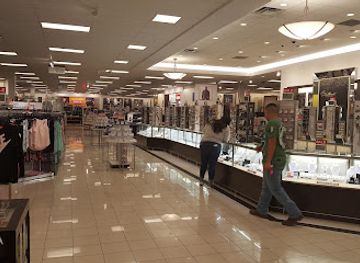
Department store
Kohl's
Explore Kohl's in Lawton for an extensive selection of budget-friendly clothing, home goods, and unique gifts in a welcoming department store atmosphere.
7 min walk · 0.5 km from city centre
Get your free copy of our complete guide to Lawton, delivered straight to you.
Everything on this page, from attractions and restaurants to essentials and local phrases, in one PDF you can read offline, print or share.
Already have an account? Sign in
Your Lawton guide is ready.
We'll send it to · Not you? Sign out

Getting your guide ready…
We are putting together a fresh copy of the Lawton guide. This can take up to a minute.
This can take a few moments. If your browser asks, choose Allow so the download can start. You'll find the guide in your Downloads folder.
Nothing happened? Download it again
Sorry, the guide is taking longer than usual. Please try again in a minute, or get it by email instead.
Lawton essentials
Currency and Payment
Safety
Emergency Situations
Do's and Don'ts
Local Tips
From Eve
Local phrases worth knowing
You don't need to get them perfect. A few words go a long way, and locals appreciate the effort.
Basics
| English | Local | Say it |
|---|---|---|
| Hello | Howdy | [haw-dee] |
| Goodbye | See ya | [see yuh] |
| Yes | Yep | [yep] |
| No | Nah | [nah] |
| Please/You're welcome | Please/No problem | [pleez/no problem] |
| Thank you | Thanks | [thanks] |
| Excuse me/Sorry | Pardon me/My bad | [par-dun me/my bad] |
| How are you? | Howdy | [haw-dee] |
| Fine. And you? | Fine. You? | [fine. yuh?] |
| Do you speak English? | Ya speak English? | [ya speak ing-lish?] |
| I don't understand | I don't get it | [I don't get it] |
Eating & Drinking
| English | Local | Say it |
|---|---|---|
| I'd like to see the menu, please | Menu, please | [men-yoo, please] |
| I don't eat meat | No meat for me | [no meat for me] |
| Cheers! | Cheers! | [cheers!] |
| I would like to pay, please | Check, please | [check, please] |
Emergencies
| English | Local | Say it |
|---|---|---|
| Help! | Help! | [help!] |
| Go away! | Get lost! | [get lost!] |
| Call the Police! | Call the cops! | [call the cops!] |
| Call a doctor! | Get a doc! | [get a doc!] |
| I'm lost | I'm lost | [I'm lost] |
| I'm ill | I'm sick | [I'm sick] |
Shopping
| English | Local | Say it |
|---|---|---|
| I'd like to buy... | I wanna buy... | [I wanna buy...] |
| I'm just looking | Just browsing | [just brows-ing] |
| How much is it? | How much? | [how much?] |
| That's too expensive | Too pricey | [too pry-see] |
| Can you lower the price? | Can you go lower? | [can you go lower?] |
Time & Numbers
| English | Local | Say it |
|---|---|---|
| What time is it? | What time? | [what time?] |
| It's one o'clock | It's one | [it's one] |
| Half past (10) | Half past ten | [half past ten] |
| Morning | Morning | [mor-ning] |
| Afternoon | Afternoon | [af-ter-noon] |
| Evening | Evening | [eve-ning] |
| Yesterday | Yesterday | [yes-ter-day] |
| Today | Today | [to-day] |
| Tomorrow | Tomorrow | [to-mor-row] |
| 1 | One | [wun] |
| 2 | Two | [too] |
| 3 | Three | [three] |
| 4 | Four | [four] |
| 5 | Five | [five] |
| 6 | Six | [six] |
| 7 | Seven | [sev-en] |
| 8 | Eight | [ate] |
| 9 | Nine | [nine] |
| 10 | Ten | [ten] |
Transport & Directions
| English | Local | Say it |
|---|---|---|
| Where's a/the...? | Where's the...? | [where's the...?] |
| What's the address? | Address? | [address?] |
| Can you show me (on the map)? | Show me on the map? | [show me on the map?] |
| When's the next (bus)? | When's the next bus? | [when's the next bus?] |
| A ticket (to ....) | Ticket (to ...) | [ticket (to ...)] |
History of Lawton
Indigenous Homelands and Fort Sill
The Lawton area lies within the historic homelands and later reservation territory associated with the Kiowa, Comanche and Apache peoples. Fort Sill was established by the United States Army in 1869 during a period of military campaigns and forced changes to Indigenous life across the Southern Plains. The post became a major centre in the region's subsequent history, and its surviving buildings and collections reflect the military presence that helped shape Lawton's development. The Comanche, Kiowa and Apache communities remain an essential part of the area's cultural identity, making Indigenous perspectives central to understanding the city rather than a peripheral historical theme.
The 1901 Lawton Land Opening
Lawton was founded in 1901 when reservation lands were opened to non-Indigenous settlement under federal policy. The town was named for Major General Henry Ware Lawton, a United States Army officer who had served at Fort Sill and was killed during the Philippine–American War in 1899. Settlement expanded rapidly, following the survey and sale of town lots, and Lawton soon became the seat of Comanche County. Its rectilinear streets and continuing relationship with Fort Sill can be traced to this early period, when the new town developed as a commercial and administrative centre on the edge of the military post.
Railways, Agriculture and Growth
Rail connections and the surrounding agricultural economy supported Lawton's early growth. Farmers cultivated the fertile parts of the Southern Plains, while merchants, transport workers and public institutions served a rapidly expanding population. The arrival of rail service linked the young city with wider regional markets and reinforced its role as a supply centre for southwestern Oklahoma. The Museum of the Great Plains explores this interaction between environment, settlement, technology and commerce. Lawton's growth was also shaped by its proximity to Fort Sill, whose personnel and government activity provided a continuing economic and social presence.
Military and Indigenous Legacies
Fort Sill became associated with several major and difficult chapters in United States history. Geronimo, the Chiricahua Apache leader, was held at Fort Sill after his surrender and died there in 1909; he was buried in the post cemetery. The installation also became a centre for artillery and later aviation training, linking Lawton to the changing organisation of the American military. These histories are presented through Fort Sill's museums and historic areas, although access to parts of the active installation is controlled. The city's historical landscape therefore combines military commemoration with the continuing presence of Indigenous nations.
Modern Lawton and Regional Identity
During the twentieth century, Lawton expanded as Fort Sill grew and as southwestern Oklahoma's service, education and public sectors developed. The city became a regional centre for Comanche County and a gateway to the Wichita Mountains, whose protected landscapes encouraged outdoor recreation and conservation. Institutions such as the Museum of the Great Plains and the Comanche National Museum and Cultural Center give the modern city ways to interpret both environmental history and living cultural identity. Today, Lawton's character is defined by the overlap of a military community, an agricultural region, Indigenous heritage and access to one of Oklahoma's most distinctive mountain landscapes.
Lawton in Photos
Browse through our photo collection highlighting the charm and character of the destination.
Cities near Lawton
The closest cities to Lawton, if you have time for more than one stop.
-
-

-

-

-


Swipe for more cities
Explore more
Explore more of Oklahoma
Discover Oklahoma: Where the spirit of the Old West meets modern charm, offering a rich mix of history, nature, and vibrant culture in the heart of the United States.
Explore Oklahoma