

Free Oklahoma City Travel Guide & Mobile App
Plan your Oklahoma City trip with Evendo. Get free guides to top attractions, restaurants, hotels, and bars. Web access or download the mobile app.


Oklahoma City blends frontier history, Native cultures, Western art, Bricktown entertainment and spacious parks with a growing modern food scene.
A Capital Shaped by the Plains
Oklahoma City spreads across the central Oklahoma plains, combining the scale of an American state capital with the open, practical character of a frontier city. Its story began with the Land Run of 22 April 1889, when the future city grew almost overnight from unsettled prairie into a railway and commercial centre. Today, the downtown skyline, the Oklahoma State Capitol and the National Cowboy & Western Heritage Museum reflect different chapters of that development, while wide roads and generous public spaces give the city a distinctly spacious feel.Read more about Oklahoma City
Culture, Memory and the Arts
Parks, Districts and Everyday City Life
When is the best time to visit Oklahoma City?
Best: April–May, October · 21–26°C| Month | High (°C) | Rainfall (mm) |
|---|---|---|
| January | 9 | 30 |
| February | 12 | 35 |
| March | 17 | 45 |
| April (best) | 22 | 50 |
| May (best) | 26 | 80 |
| June | 30 | 100 |
| July | 34 | 70 |
| August | 33 | 60 |
| September | 29 | 80 |
| October (best) | 21 | 50 |
| November | 15 | 40 |
| December | 9 | 30 |
Getting to and around Oklahoma City
How to get there
Transportation
Best attractions in Oklahoma City
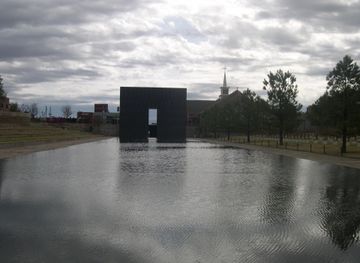
Oklahoma City’s attractions range from major museums to landscaped public spaces and distinctive urban districts. The National Cowboy & Western Heritage Museum traces the art, history and mythology of the American West through paintings, sculpture and historical displays, while the First Americans Museum presents the living cultures of Oklahoma’s tribal nations. At the Oklahoma City National Memorial & Museum, an outdoor field of empty chairs and a reflecting pool provide a thoughtful setting for understanding the 1995 bombing. Downtown’s Bricktown combines converted warehouses, the Bricktown Canal, restaurants and entertainment venues, while the Myriad Botanical Gardens offers a carefully planted green retreat at the foot of the skyline. Scissortail Park extends south towards the Oklahoma River, and the Boathouse District introduces rowing, kayaking and other active waterside pursuits. The Paseo Arts District and Plaza District add galleries, murals, independent shops and local creative life.
-
Museum
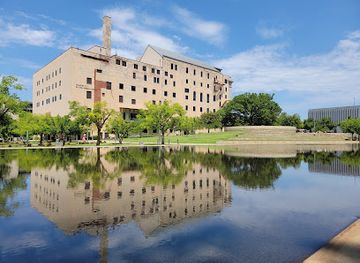
Oklahoma City National Memorial & Museum
Discover the Oklahoma City National Memorial & Museum, a profound tribute to resilience, community, and the enduring spirit of those affected by tragedy.
6 min drive · 1.9 km from city centre
-
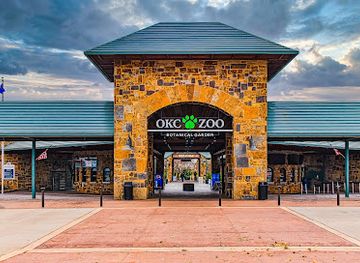
Zoo
Oklahoma City Zoo
Explore the Oklahoma City Zoo: A captivating blend of wildlife and botanical beauty in the heart of Oklahoma City.
22 min drive · 7.3 km from city centre
-
Botanical garden
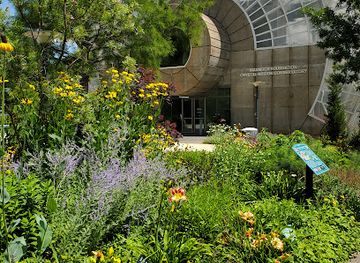
Myriad Botanical Gardens
Experience the tranquility and beauty of nature at Myriad Botanical Gardens, an urban oasis in Oklahoma City with stunning landscapes and diverse plant life.
7 min drive · 2.4 km from city centre
-
Botanical garden
Myriad Botanical Gardens
Explore the lush landscapes and vibrant floral displays of Myriad Botanical Gardens, a serene urban oasis in Oklahoma City’s Arts District.
7 min drive · 2.4 km from city centre



Best landmarks in Oklahoma City
The Oklahoma State Capitol is one of the city’s defining civic landmarks, distinguished by its dome and by the oil derrick standing on its grounds, a direct reference to Oklahoma’s petroleum history. Nearby, the First Americans Museum has a striking contemporary presence and serves as an important cultural landmark devoted to the state’s Native nations. In downtown Oklahoma City, the National Memorial’s bronze Gates of Time, reflecting pool and Field of Empty Chairs form a solemn architectural landscape on the former Murrah Federal Building site. The Skydance Bridge, shaped as a giant upraised bow, spans Interstate 40 and has become a recognisable piece of modern public art. The Devon Tower marks the skyline, while the Bricktown Canal and the renovated warehouses around it represent the city’s shift from industrial infrastructure towards a civic and entertainment district.
-
Museum
Oklahoma City National Memorial & Museum
Explore the Oklahoma City National Memorial & Museum, a poignant tribute to resilience, healing, and the enduring spirit of community after tragedy.
6 min drive · 1.9 km from city centre
-
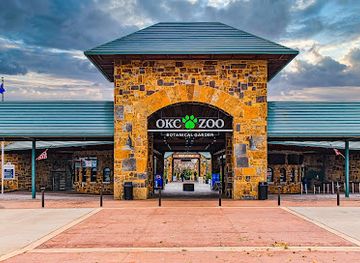
Zoo
Oklahoma City Zoo
Experience the Oklahoma City Zoo: an exciting blend of wildlife, conservation, and stunning botanical gardens in the heart of Oklahoma City.
22 min drive · 7.3 km from city centre
-
Botanical garden
Myriad Botanical Gardens
Discover the enchanting Myriad Botanical Gardens, an urban oasis in Oklahoma City, showcasing diverse flora and serene landscapes perfect for relaxation.
7 min drive · 2.4 km from city centre
-
Heritage museum
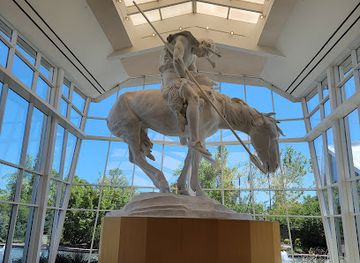
National Cowboy & Western Heritage Museum
Explore the National Cowboy & Western Heritage Museum in Oklahoma City, where the vibrant spirit of the American West comes to life through art and history.
23 min drive · 7.6 km from city centre
Explore Oklahoma City on the map
Plan your Oklahoma City trip on one map. See where the top attractions, landmarks, restaurants, bars and hotels are, find what's near where you're staying, and book hotels and experiences in a few clicks.
Neighbourhoods in Oklahoma City
-

-

-

-


Swipe for more neighbourhoods
Best hotels in Oklahoma City
Best restaurants in Oklahoma City
Oklahoma City’s food culture reflects cattle-country traditions, immigrant communities and a growing independent restaurant scene. The Oklahoma onion burger, traditionally cooked with thinly sliced onions pressed into the patty, is one of the state’s defining casual foods, while barbecue, chicken-fried steak and hearty breakfasts remain widely associated with local dining. Stockyards City is known for Western-style steakhouses and long-standing ranching connections, whereas the Asian District on North Classen Boulevard has a strong Vietnamese presence alongside other Asian cuisines. Plaza District and Uptown 23rd bring cafés, breweries and contemporary restaurants to former commercial streets, and the Paseo adds an arts-led setting for relaxed dining. Local bakeries, food halls and farmers’ markets broaden the scene, but Oklahoma City’s most distinctive meals often combine straightforward regional cooking with influences brought by successive immigrant communities.
-
Grill
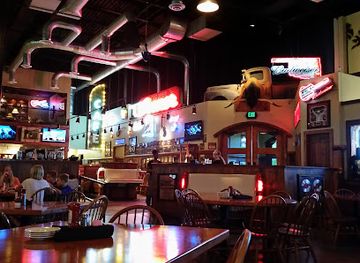
Toby Keith's I Love This Bar & Grill
Discover Toby Keith's I Love This Bar & Grill in Oklahoma City – where delicious food meets vibrant country music culture!
10 min drive · 3.3 km from city centre
-
New American
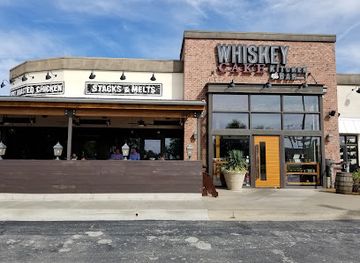
Whiskey Cake Kitchen & Bar
Experience Oklahoma City's culinary scene at Whiskey Cake Kitchen & Bar—where fresh ingredients meet innovative New American cuisine.
14 min drive · 4.6 km from city centre
-
Seafood
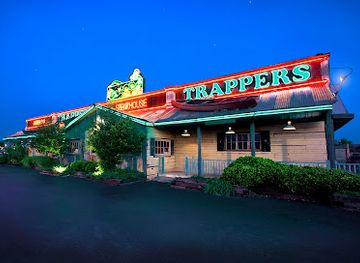
Trapper's Fishcamp & Grill
Discover the flavors of the sea at Trapper's Fishcamp & Grill in Oklahoma City - where fresh seafood meets warm hospitality.
18 min drive · 6.0 km from city centre
-
Latin American
Cafe Kacao
Discover authentic Guatemalan flavors at Café Kacao in Oklahoma City – where every dish tells a story.
7 min drive · 2.4 km from city centre
Best bars in Oklahoma City
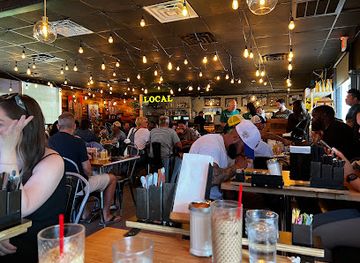
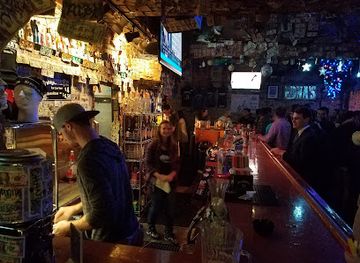
Nightlife in Oklahoma City is concentrated in a series of districts rather than one continuous late-night centre. Bricktown has sports bars, live entertainment and venues around the canal, while Automobile Alley and Midtown offer cocktail bars, breweries and more polished evening spaces in former commercial buildings. The Plaza District and Paseo Arts District have a more local, creative atmosphere, with independent bars, small music venues, gallery events and periodic street activity. Live music ranges from touring performances and country-oriented venues to jazz, rock and singer-songwriter sets, while the Oklahoma City Philharmonic and performing-arts institutions provide formal alternatives to bar culture. The city’s nightlife is generally social and district-based rather than dominated by large nightclubs, and evening plans should take account of the distances between neighbourhoods and the need for a safe return journey.
-
Bar
Fassler Hall
Experience the lively atmosphere and authentic flavors of Germany at Fassler Hall, Oklahoma City's premier bar and German restaurant.
18 min walk · 1.4 km from city centre
-
Live music bar
The Jones Assembly
Experience the vibrant atmosphere of The Jones Assembly, where live music meets delicious cuisine in the heart of Oklahoma City.
6 min drive · 1.9 km from city centre
-
Irish pub
McNellie's OKC
Discover McNellie's OKC, where Irish charm meets Oklahoma City’s vibrant nightlife—enjoy delicious food, drinks, and live entertainment!
16 min walk · 1.3 km from city centre
-
Bar
Edna's
Discover Edna's: A lively bar and night club in Oklahoma City offering great drinks, music, and an unforgettable nightlife experience.
14 min drive · 4.6 km from city centre
Best nightclubs in Oklahoma City
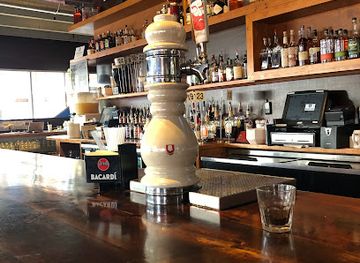
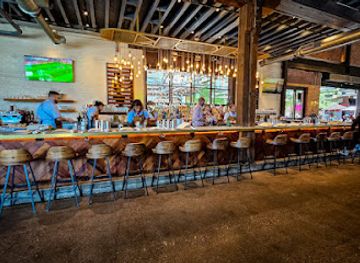
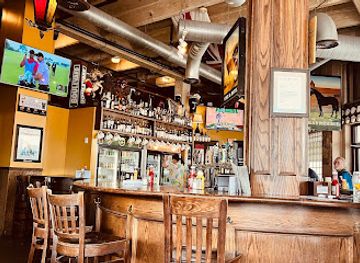
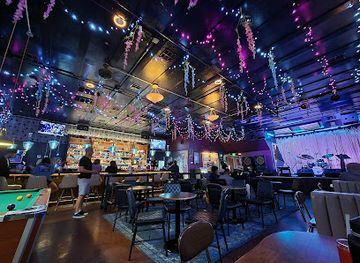
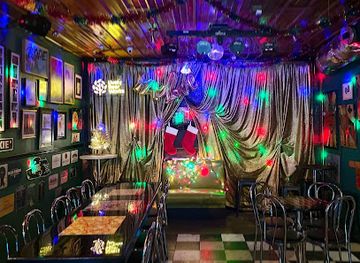
Nightlife in Oklahoma City is concentrated in a series of districts rather than one continuous late-night centre. Bricktown has sports bars, live entertainment and venues around the canal, while Automobile Alley and Midtown offer cocktail bars, breweries and more polished evening spaces in former commercial buildings. The Plaza District and Paseo Arts District have a more local, creative atmosphere, with independent bars, small music venues, gallery events and periodic street activity. Live music ranges from touring performances and country-oriented venues to jazz, rock and singer-songwriter sets, while the Oklahoma City Philharmonic and performing-arts institutions provide formal alternatives to bar culture. The city’s nightlife is generally social and district-based rather than dominated by large nightclubs, and evening plans should take account of the distances between neighbourhoods and the need for a safe return journey.
-
Bar
Blue Note Lounge
Discover the enchanting atmosphere of Blue Note Lounge, your go-to spot for live music, great drinks, and unforgettable nights in Oklahoma City.
7 min drive · 2.2 km from city centre
-
Lounge
The Tree Lounge
Discover The Tree Lounge, where Oklahoma City’s nightlife comes alive with craft cocktails, live music, and a vibrant atmosphere perfect for socializing.
11 min drive · 3.8 km from city centre
-
Karaoke bar
Cookie's
Experience the joy of singing at Cookie's, Oklahoma City's vibrant karaoke bar, where fun, music, and memories come together.
16 min walk · 1.3 km from city centre
-
Bar
Bunker Club
Experience the vibrant nightlife at Bunker Club, a must-visit bar in Oklahoma City with craft cocktails and a lively atmosphere.
6 min drive · 1.8 km from city centre


Best shops in Oklahoma City
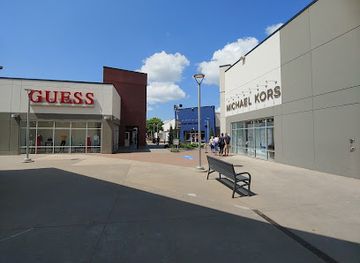
Shopping in Oklahoma City ranges from Western specialist retailers to independent design, vintage and arts businesses. Stockyards City is the most distinctive stop for cowboy boots, hats, saddlery, Western clothing and ranch-related goods, reflecting the district’s longstanding connection with livestock commerce. In the Paseo Arts District, galleries and studios offer paintings, ceramics, jewellery and other work by Oklahoma artists, while the Plaza District combines small boutiques, clothing, gifts and locally made products along a revitalised commercial strip. Automobile Alley and Midtown contain a changing mix of independent shops, design-led retailers and cafés, and larger conventional shopping is available in suburban centres outside downtown. Visitors interested in Oklahoma food traditions can look for regional pantry goods, coffee and speciality products, while Native-made art should be purchased from reputable galleries or artists who identify their work clearly.
-
Outlet mall
OKC Outlets
Explore the vibrant OKC Outlets for unbeatable deals on your favorite brands in the heart of Oklahoma City, perfect for shoppers of all ages.
30 min drive · 10 km from city centre
-
Gift shop
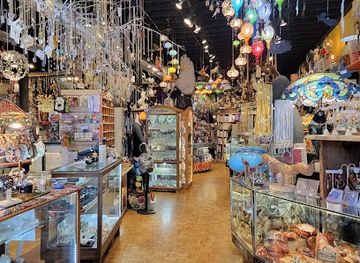
Craig's Curious Emporium
Explore Craig's Curious Emporium in Oklahoma City for a unique shopping experience filled with gifts, books, and mystical treasures.
16 min walk · 1.3 km from city centre
-
Gift shop
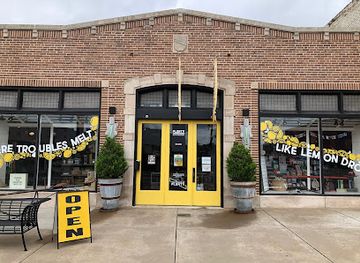
Plenty Mercantile - Gift Shop & Venue
Explore Plenty Mercantile, a charming gift shop and event venue in Oklahoma City, showcasing local artisans and unique treasures for every visitor.
6 min drive · 2.0 km from city centre
-
Antique store
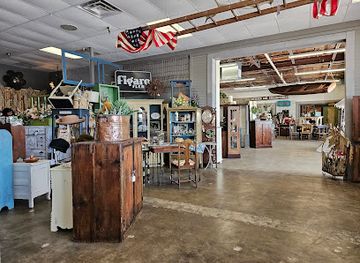
Antique Store: Decades Revisited, a Vintage Mall
Discover the charm of the past at Decades Revisited, a vintage mall in Oklahoma City filled with unique antiques and treasures waiting to be found.
16 min drive · 5.4 km from city centre
Get your free copy of our complete guide to Oklahoma City, delivered straight to you.
Everything on this page, from attractions and restaurants to essentials and local phrases, in one PDF you can read offline, print or share.
Already have an account? Sign in
Your Oklahoma City guide is ready.
We'll send it to · Not you? Sign out

Getting your guide ready…
We are putting together a fresh copy of the Oklahoma City guide. This can take up to a minute.
This can take a few moments. If your browser asks, choose Allow so the download can start. You'll find the guide in your Downloads folder.
Nothing happened? Download it again
Sorry, the guide is taking longer than usual. Please try again in a minute, or get it by email instead.
Oklahoma City essentials
Currency and Payment
Safety
Emergency Situations
Do's and Don'ts
Local Tips
From Eve
Local phrases worth knowing
You don't need to get them perfect. A few words go a long way, and locals appreciate the effort.
Basics
| English | Local | Say it |
|---|---|---|
| Hello | Howdy | [HOU-dee] |
| Goodbye | See ya | [SEE yuh] |
| Yes | Yep | [YEP] |
| No | Nah | [NAH] |
| Please/You're welcome | Please/No problem | [PLEEZ / NO prob-lem] |
| Thank you | Thanks | [THANKS] |
| Excuse me/Sorry | Pardon me/My bad | [PAR-dun mee / MY bad] |
| How are you? | How y'all doin'? | [HOU y'all DOO-in?] |
| Fine. And you? | Just fine. How 'bout you? | [JUST fine. HOW 'bout yuh?] |
| Do you speak English? | Ya speak English? | [Yuh speak ING-lish?] |
| I don't understand | I ain't gettin' it | [I AIN'T get-tin' it] |
Eating & Drinking
| English | Local | Say it |
|---|---|---|
| I'd like to see the menu, please | Let me check out the menu, if ya don't mind | [LET mee check out the MEN-yoo, if yuh don't mind] |
| I don't eat meat | I don't eat no meat | [I don't eat no meat] |
| Cheers! | Cheers! | [CHEERZ] |
| I would like to pay, please | Can I settle up, please | [Can I SET-tle up, please] |
Emergencies
| English | Local | Say it |
|---|---|---|
| Help! | Help! | [Help!] |
| Go away! | Git outta here! | [Git OUT-ta here!] |
| Call the Police! | Call the Po-lice! | [Call the Po-lice!] |
| Call a doctor! | Call a doc! | [Call a DOC!] |
| I'm lost | I'm all turned around | [I'm all turned a-ROUND] |
| I'm ill | I feel poorly | [I feel POOR-ly] |
Shopping
| English | Local | Say it |
|---|---|---|
| I'd like to buy... | I'm fixin' to purchase... | [I'm FIX-in' to PUR-chase...] |
| I'm just looking | Just browsin' | [Just BROW-sin'] |
| How much is it? | What's the damage? | [What's the DAM-age?] |
| That's too expensive | That's a bit steep | [That's a bit STEEP] |
| Can you lower the price? | Can ya come down on the price? | [Can yuh come DOWN on the price?] |
Time & Numbers
| English | Local | Say it |
|---|---|---|
| What time is it? | What's the time? | [What's the time?] |
| It's one o'clock | It's one o'clock | [It's one o'clock] |
| Half past (10) | Half past ten | [Half past ten] |
| Morning | Mornin' | [MORN-in'] |
| Afternoon | Afternoon | [Afternoon] |
| Evening | Evenin' | [EVE-nin'] |
| Yesterday | Yest'day | [YEST-day] |
| Today | Today | [Today] |
| Tomorrow | Tomorrer | [Tomor-er] |
| 1 | One | [One] |
| 2 | Two | [Two] |
| 3 | Three | [Three] |
| 4 | Four | [Four] |
| 5 | Five | [Five] |
| 6 | Six | [Six] |
| 7 | Seven | [Seven] |
| 8 | Eight | [Eight] |
| 9 | Nine | [Nine] |
| 10 | Ten | [Ten] |
Transport & Directions
| English | Local | Say it |
|---|---|---|
| Where's a/the...? | Where's the...? | [Where's the...?] |
| What's the address? | What's the address? | [What's the address?] |
| Can you show me (on the map)? | Can you show me (on the map)? | [Can you show me (on the map)?] |
| When's the next (bus)? | When's the next (bus)? | [When's the next (bus)?] |
| A ticket (to ....) | A ticket (to ....) | [A ticket (to ....)] |
History of Oklahoma City
Before the City: Native Homelands
The area that became Oklahoma City lies within the wider lands and histories of Native peoples, including communities displaced or relocated to what was then Indian Territory during the nineteenth century. Oklahoma’s present-day tribal landscape reflects federal removal policies, allotment and the establishment of reservations, as well as the persistence of Native governments and cultures. By the late nineteenth century, the central Oklahoma region was also crossed by expanding railways and shaped by federal decisions to open land to non-Native settlement. The city’s later civic identity was therefore built on a landscape with deep Indigenous histories, an essential context explored at the First Americans Museum and through Oklahoma’s 39 federally recognised tribes.
The Land Run of 1889
Oklahoma City was founded during the Land Run of 22 April 1889, when land in the central part of Indian Territory was opened to non-Native settlement. Thousands of people entered the territory by horseback, wagon and train, and a town rapidly formed around the future city centre. The event created a powerful founding legend, but it also represented the erosion of Native control over lands that had been assigned for Indigenous use. Surveying, rail connections and commercial speculation soon gave the new settlement a durable urban framework. Streets, civic institutions and businesses developed at remarkable speed, establishing Oklahoma City as a regional centre rather than a temporary frontier camp.
Statehood and Capital Growth
Oklahoma became the 46th US state in 1907, and Oklahoma City became the permanent state capital after a 1910 election moved the seat of government from Guthrie. The construction of the Oklahoma State Capitol strengthened the city’s political role, while railways, wholesale businesses and oil-related commerce supported further expansion. Petroleum discoveries across Oklahoma helped transform the state economy in the early twentieth century, bringing investment and population growth to the capital. The city’s broad civic spaces, commercial buildings and increasingly substantial institutions date from this era of state formation and economic acceleration.
Oil, Roads and the Modern City
The twentieth century brought Oklahoma City closer to the national economy through petroleum, aviation, highways and federal development. Route 66 passed through the city, linking it to the celebrated transcontinental road culture of the American West. The surrounding oil fields and later energy industries fostered corporate growth, while suburban expansion reshaped the metropolitan area after the Second World War. Like many American cities, Oklahoma City experienced urban renewal and the decline of some older central districts during the post-war decades. Several historic commercial areas later benefited from preservation, reinvestment and cultural redevelopment, including Bricktown’s conversion from a warehouse district into an entertainment quarter.
The 1995 Bombing and National Remembrance
On 19 April 1995, a bomb destroyed much of the Alfred P. Murrah Federal Building in downtown Oklahoma City, killing 168 people, including children at the building’s day-care centre. The attack was the deadliest act of domestic terrorism in the United States at that time and profoundly affected the city and the country. The Oklahoma City National Memorial was created on the former site, with the Field of Empty Chairs representing those killed and the reflecting pool marking the building’s footprint. The accompanying museum documents the event, its victims and its aftermath, while the memorial has become a significant place of public remembrance and civic reflection.
Reinvestment and Civic Renewal
In the decades since the bombing, Oklahoma City has invested heavily in public infrastructure, cultural institutions and downtown amenities. The Metropolitan Area Projects programme, known as MAPS, supported projects including the Bricktown Canal, the Chesapeake Energy Arena, the Oklahoma River improvements and Scissortail Park. Further development strengthened the arts, sports and museum sectors, while the First Americans Museum opened in 2021 as a major institution dedicated to the state’s Native cultures. This renewal has not erased the city’s older identities; instead, historic districts, Western institutions, Native cultural interpretation and new public spaces now sit alongside one another in a more layered urban landscape.
Oklahoma City in Photos
Browse through our photo collection highlighting the charm and character of the destination.
Cities near Oklahoma City
The closest cities to Oklahoma City, if you have time for more than one stop.
-

-

-
-

-


Swipe for more cities
Explore more
Explore more of Oklahoma
Discover Oklahoma: Where the spirit of the Old West meets modern charm, offering a rich mix of history, nature, and vibrant culture in the heart of the United States.
Explore Oklahoma