

Free Norman Travel Guide & Mobile App
Plan your Norman trip with Evendo. Get free guides to top attractions, restaurants, hotels, and bars. Web access or download the mobile app.


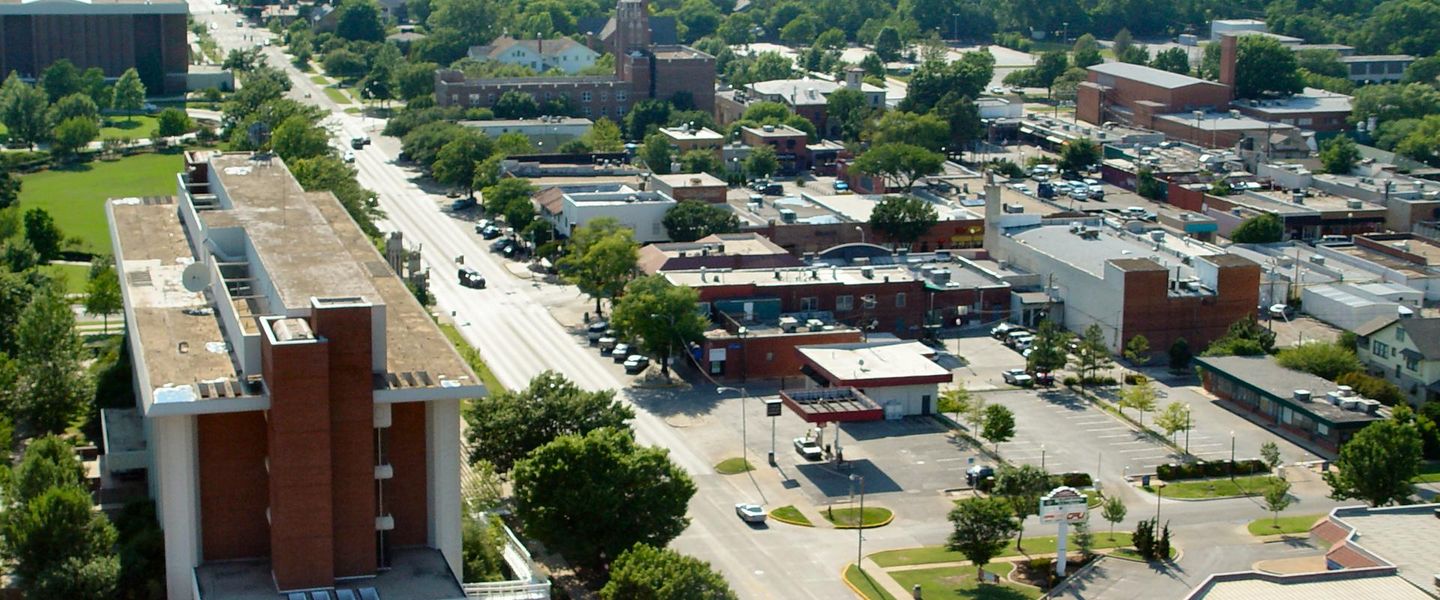


Norman, Oklahoma pairs University of Oklahoma culture, acclaimed museums, prairie landscapes and lively local districts south of Oklahoma City.
University Town, Prairie Setting
Norman lies in central Oklahoma, about 20 miles south of Oklahoma City, where the broad grasslands of the Southern Plains meet a place of considerable academic and cultural energy. The University of Oklahoma gives the city much of its distinctive character: its red-brick campus, landscaped walks, museums and college traditions draw students, researchers and visitors into a community that feels both collegiate and distinctly Oklahoman. Around it, Norman's neighbourhoods spread across an open landscape shaped by wide skies, seasonal weather and nearby Lake Thunderbird.Read more about Norman
Museums and Local Culture
Weather, Sport and Open Space
When is the best time to visit Norman?
Best: April, September–October · 23–30°C| Month | High (°C) | Rainfall (mm) |
|---|---|---|
| January | 10 | 31 |
| February | 13 | 34 |
| March | 18 | 46 |
| April (best) | 23 | 69 |
| May | 28 | 95 |
| June | 33 | 85 |
| July | 34 | 75 |
| August | 34 | 66 |
| September (best) | 30 | 58 |
| October (best) | 23 | 67 |
| November | 16 | 47 |
| December | 11 | 40 |
Getting to and around Norman
How to get there
Transportation
Best attractions in Norman
Norman's principal attractions combine university culture, science and open-air recreation. The University of Oklahoma campus provides a broad setting for exploring academic architecture, public art and the atmosphere of a major American college town, while the Sam Noble Oklahoma Museum of Natural History presents the state's fossils, wildlife and Indigenous cultural heritage through substantial collections. The Fred Jones Jr Museum of Art offers a more intimate encounter with Native American, European and American works. Downtown's Main Street brings together historic commercial buildings, galleries, cafés and the Sooner Theatre, a restored venue for performances and community events. Campus Corner, immediately north of the university, has independent shops and student-oriented places to eat. East of the city, Lake Thunderbird State Park adds trails, woodland, shoreline and water recreation to the sightseeing mix. Visitors interested in meteorology can also learn about Norman's role as a centre for severe-weather research around the National Weather Center.
-
Natural history museum
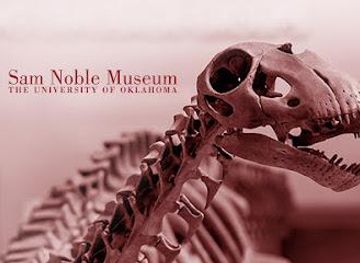
Sam Noble Oklahoma Museum of Natural History
Explore Oklahoma's natural history at the Sam Noble Museum, where engaging exhibits and rich cultural heritage await every visitor.
10 min drive · 3.2 km from city centre
-
Natural history museum
Sam Noble Oklahoma Museum of Natural History
Uncover the rich tapestry of Oklahoma's natural history at the Sam Noble Museum, where education meets exploration in a captivating setting.
10 min drive · 3.2 km from city centre
-
Tourist attraction
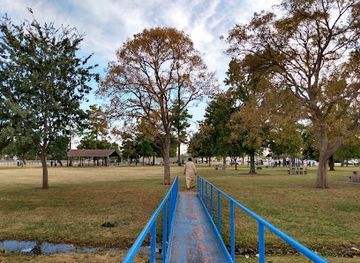
Reaves Park
Discover the beauty of Reaves Park in Norman, Oklahoma, a perfect blend of nature, recreation, and community spirit.
10 min drive · 3.2 km from city centre
-
Tourist attraction
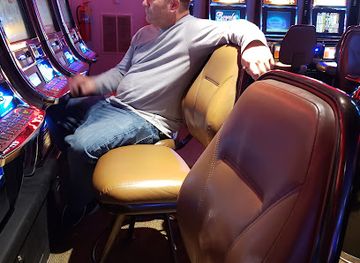
Goldsby Gaming Center
Unleash your excitement at Goldsby Gaming Center, a top tourist attraction in Norman, Oklahoma, offering thrilling gaming and vibrant entertainment.
21 min drive · 7.2 km from city centre
Best landmarks in Norman
The University of Oklahoma's Norman campus is the city's defining architectural and civic landmark, with red-brick academic buildings, landscaped courtyards and traditions that have shaped local identity since the university's early years. Gaylord Family–Oklahoma Memorial Stadium is a major symbol of collegiate sport and a prominent gathering place on football days. Near downtown, the Sooner Theatre occupies a historic former cinema building whose restored interior supports performances and community events, while the Main Street streetscape preserves the scale of Norman's older commercial centre. The Fred Jones Jr Museum of Art and Sam Noble Oklahoma Museum of Natural History are significant contemporary cultural landmarks, representing the city's investment in art, science and public education. Together with the National Weather Center, they express a Norman identity built as much on research and interpretation as on monuments and historic masonry.
-
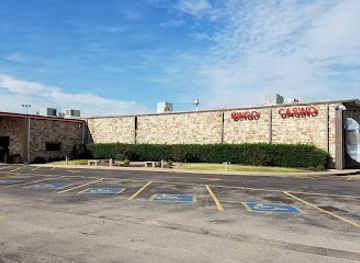
Casino
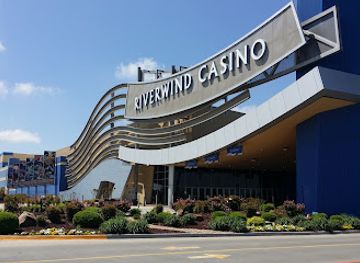
Riverwind Casino
Discover Riverwind Casino in Norman, Oklahoma - a premier destination for gaming, dining, and entertainment that guarantees an unforgettable experience.
22 min drive · 7.2 km from city centre
-
Hamburger
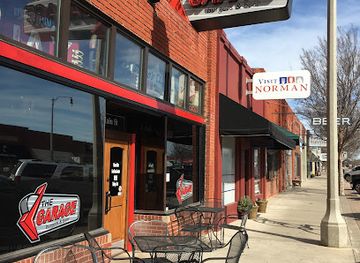
The Garage Burgers & Beer
Experience mouth-watering burgers and a vibrant atmosphere at The Garage Burgers & Beer, a top dining spot in Norman, Oklahoma.
1 min walk · 0.1 km from city centre
-
Natural history museum
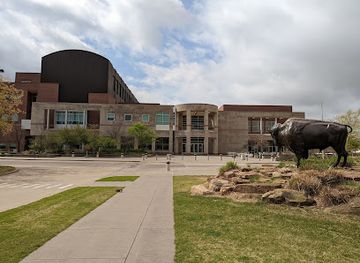
Sam Noble Oklahoma Museum of Natural History
Explore the marvels of nature at the Sam Noble Oklahoma Museum of Natural History, where learning meets adventure in the heart of Oklahoma.
10 min drive · 3.2 km from city centre
-
Casino
Goldsby Gaming Center
Discover the excitement of Goldsby Gaming Center in Oklahoma, where thrilling gaming meets vibrant dining and entertainment options.
21 min drive · 7.2 km from city centre
Explore Norman on the map
Plan your Norman trip on one map. See where the top attractions, landmarks, restaurants, bars and hotels are, find what's near where you're staying, and book hotels and experiences in a few clicks.
Best hotels in Norman
Best restaurants in Norman
Norman's dining scene reflects central Oklahoma's mixture of college-town energy, Southern Plains produce and long-established American comfort food. Independent restaurants, cafés and bars cluster around Main Street and Campus Corner, where students and residents share a broad choice of casual meals, coffee, baked goods and international cooking. Oklahoma staples such as fried onion burgers, chicken-fried steak, barbecue and pecan-based sweets appear alongside contemporary menus shaped by the university's international community. The city's food culture is more dispersed than a single market-centred culinary quarter, so exploring different districts reveals contrasting atmospheres: historic downtown for locally minded dining, Campus Corner for informal student life and larger roads for practical everyday eateries. Seasonal farmers' markets and local events may provide opportunities to find Oklahoma-grown produce and small-scale food businesses, although schedules and stallholders vary.
-
Mexican
Tarahumara's Méxican Cafe & Cantina
Experience the vibrant taste of Mexico at Tarahumara's Méxican Cafe & Cantina in Norman, Oklahoma – where tradition meets flavor.
8 min walk · 0.6 km from city centre
-
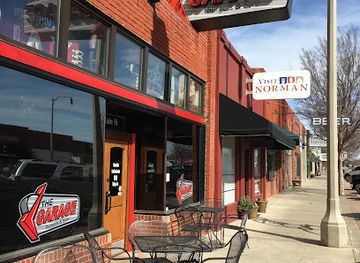
Hamburger
The Garage Burgers & Beer
Discover gourmet burgers and craft beers at The Garage Burgers & Beer in Norman, Oklahoma – where flavor meets fun!
1 min walk · 0.1 km from city centre
-
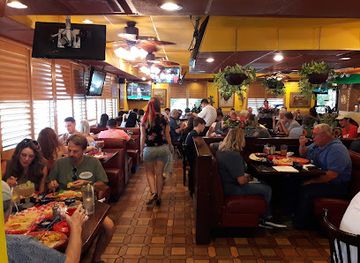
Traditional American
Cheddar's Scratch Kitchen
Discover the flavors of comfort food at Cheddar's Scratch Kitchen in Norman - where every dish is made from scratch for an unforgettable dining experience.
12 min drive · 4.1 km from city centre
-
Grill
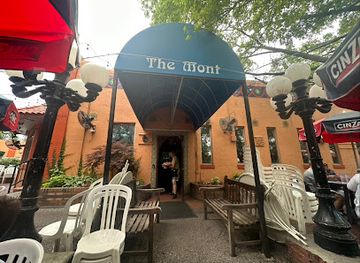
The Mont
Discover delicious American and Mexican cuisine at The Mont in Norman, Oklahoma—a must-visit for food lovers!
17 min walk · 1.3 km from city centre
Best bars in Norman
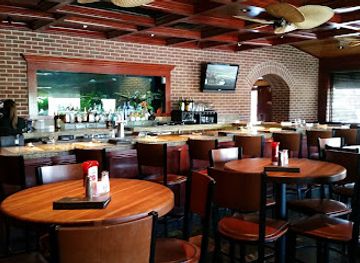
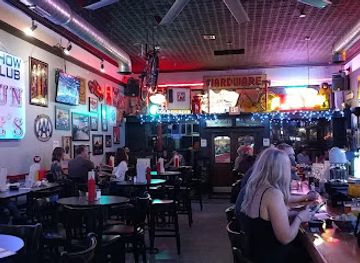
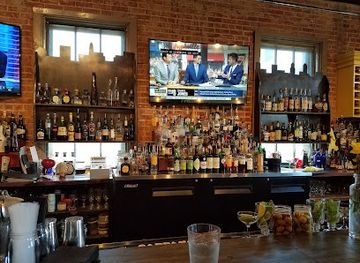
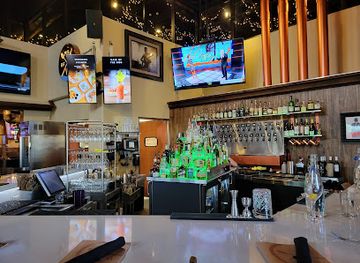
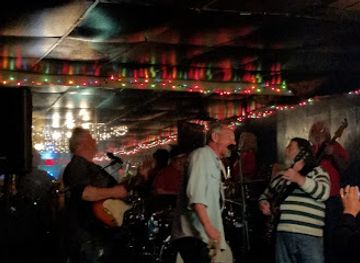
Norman's evening life is shaped less by a large club scene than by the combination of university events, live music, independent bars and relaxed social venues. Campus Corner is the most recognisably student-oriented area, with casual places that become busier around University of Oklahoma events, while downtown Main Street offers bars, cafés and performance spaces in older commercial surroundings. The Opolis has been associated with Norman's live-music culture, hosting touring and local acts in an intimate setting, and the Sooner Theatre provides a different kind of evening through stage performances and community programming. Sport is another major part of the night-time atmosphere, with game days bringing crowds to venues across the city. Visitors should expect activity to vary with the academic calendar, concerts and university fixtures rather than assume a uniformly late-night entertainment district.
-
Hamburger
The Garage Burgers & Beer
Discover the perfect blend of gourmet burgers and craft beers at The Garage Burgers & Beer in Norman, Oklahoma, an essential stop for food lovers.
1 min walk · 0.1 km from city centre
-
German
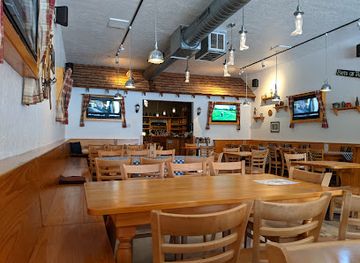
Das Boot Camp
Experience authentic German flavors at Das Boot Camp, a cozy restaurant in Norman, Oklahoma, perfect for food lovers seeking European cuisine.
2 min walk · 0.1 km from city centre
-
New American
Scratch Kitchen & Cocktails
Experience the fusion of contemporary American cuisine and creative cocktails at Scratch Kitchen & Cocktails in Norman, Oklahoma.
7 min walk · 0.6 km from city centre
-
Restaurant
Pub W
Discover the heart of Norman at Pub W, where American flavors meet a lively pub atmosphere, perfect for gatherings and casual dining.
15 min drive · 5.1 km from city centre
Best nightclubs in Norman
Norman's evening life is shaped less by a large club scene than by the combination of university events, live music, independent bars and relaxed social venues. Campus Corner is the most recognisably student-oriented area, with casual places that become busier around University of Oklahoma events, while downtown Main Street offers bars, cafés and performance spaces in older commercial surroundings. The Opolis has been associated with Norman's live-music culture, hosting touring and local acts in an intimate setting, and the Sooner Theatre provides a different kind of evening through stage performances and community programming. Sport is another major part of the night-time atmosphere, with game days bringing crowds to venues across the city. Visitors should expect activity to vary with the academic calendar, concerts and university fixtures rather than assume a uniformly late-night entertainment district.
-
Bar
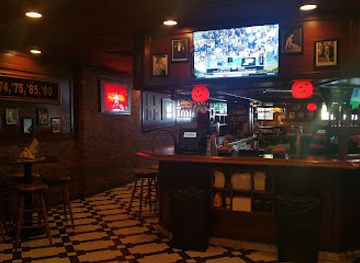
Red Brick Bar
Discover the lively spirit of Norman at Red Brick Bar, where great drinks and a vibrant atmosphere await you.
1 min walk · 0.1 km from city centre
-
Bar
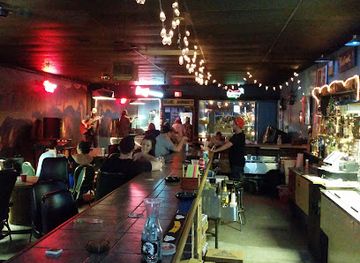
Bluebonnet Bar
Discover the lively atmosphere of Bluebonnet Bar in Norman, OK - a perfect blend of music, drinks, and social vibes.
1 min walk · 0.1 km from city centre
-
Bar
Logie's On The Corner
Discover the lively atmosphere and local flavor at Logie's On The Corner, a must-visit bar in Norman, Oklahoma.
16 min walk · 1.3 km from city centre
-
Bar
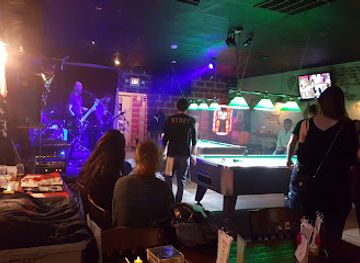
The Barracuda
Experience the vibrant nightlife at The Barracuda in Norman, OK, featuring live music, pool, and an affordable drink selection.
13 min drive · 4.3 km from city centre
Best shops in Norman
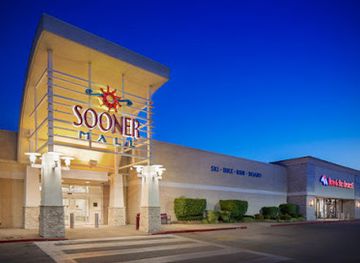
Shopping in Norman divides naturally between the independent character of downtown, the student-focused retail of Campus Corner and larger commercial areas along major roads. Main Street's older buildings contain local boutiques, galleries, gift shops, book retailers and businesses that make browsing feel connected to the city's civic centre, while Campus Corner caters to University of Oklahoma life with clothing, memorabilia, cafés and practical student shopping. Sooner Mall provides a conventional enclosed shopping environment south of central Norman, with mainstream retailers and services. Visitors looking for distinctive purchases can explore Oklahoma-made art, Native American artworks from reputable and appropriately identified sources, regional food products, books and university-related goods rather than generic souvenirs. Antique and specialist shops appear among the city's independent businesses, although individual stock and opening patterns change over time.
-
Shopping mall
Sooner Mall
Discover Sooner Mall: Your Ultimate Shopping and Dining Destination in Norman, Oklahoma.
14 min drive · 4.7 km from city centre
-
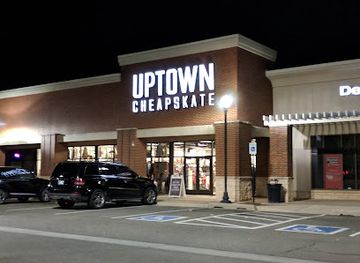
Thrift store
Uptown Cheapskate Norman
Explore the vibrant Uptown Cheapskate Norman for unique thrifted clothing and accessories at affordable prices, perfect for eco-conscious shoppers.
13 min drive · 4.4 km from city centre
-
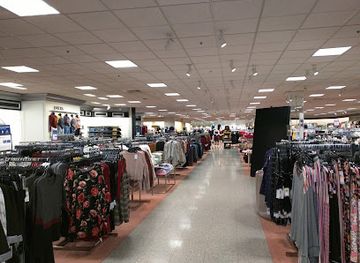
Department store
Dillard's
Discover an exceptional shopping experience at Dillard's in Norman, Oklahoma, featuring fashion, cosmetics, and home goods for all tastes.
14 min drive · 4.7 km from city centre
-
Shopping mall
Brookhaven Village
Discover unique shops and delightful dining at Brookhaven Village, a vibrant shopping destination in Norman, Oklahoma.
16 min drive · 5.2 km from city centre
Get your free copy of our complete guide to Norman, delivered straight to you.
Everything on this page, from attractions and restaurants to essentials and local phrases, in one PDF you can read offline, print or share.
Already have an account? Sign in
Your Norman guide is ready.
We'll send it to · Not you? Sign out

Getting your guide ready…
We are putting together a fresh copy of the Norman guide. This can take up to a minute.
This can take a few moments. If your browser asks, choose Allow so the download can start. You'll find the guide in your Downloads folder.
Nothing happened? Download it again
Sorry, the guide is taking longer than usual. Please try again in a minute, or get it by email instead.
Norman essentials
Currency and Payment
Safety
Emergency Situations
Do's and Don'ts
Local Tips
From Eve
Local phrases worth knowing
You don't need to get them perfect. A few words go a long way, and locals appreciate the effort.
Basics
| English | Local | Say it |
|---|---|---|
| Hello | Howdy | [haw-dee] |
| Goodbye | See ya later | [see yuh lay-tur] |
| Yes | Yep | [yep] |
| No | Nope | [nohp] |
| Please/You're welcome | Please and thank ya | [pleez and thank yah] |
| Thank you | Much obliged | [much uh-blahjd] |
| Excuse me/Sorry | Pardon me | [pahr-dun mee] |
| How are you? | Howdy | [haw-dee] |
| Fine. And you? | Fine. And you? | [fine. and yuh?] |
| Do you speak English? | Ya speak English? | [yah speak ing-glish?] |
| I don't understand | I ain't catchin' on | [ahy ent kach-in awn] |
Eating & Drinking
| English | Local | Say it |
|---|---|---|
| I'd like to see the menu, please | Can I take a gander at the menu, please | [kan ahy tayk uh gan-der at thuh men-yoo, pleez] |
| I don't eat meat | I don't eat meat | [ahy dohnt eet meet] |
| Cheers! | Cheers! | [cheers] |
| I would like to pay, please | I reckon I'll settle up now, please | [ahy rek-uhn ayl set-l up now, pleez] |
Emergencies
| English | Local | Say it |
|---|---|---|
| Help! | Help! | [help] |
| Go away! | Git gone! | [git gawn] |
| Call the Police! | Ring up the Law! | [ring up thuh law] |
| Call a doctor! | Fetch a healer! | [fetch uh hee-ler] |
| I'm lost | I'm turned around | [ahym turnd uh-round] |
| I'm ill | I'm feelin' poorly | [ahym feel-in poor-lee] |
Shopping
| English | Local | Say it |
|---|---|---|
| I'd like to buy... | I'm fixin' to buy... | [ahym fiks-in tuh by...] |
| I'm just looking | Jest browsin' | [jehst brow-zin] |
| How much is it? | How much fer it? | [how much fur it?] |
| That's too expensive | That's a mite pricey | [thats uh myt pry-see] |
| Can you lower the price? | Kin ya knock a bit off? | [kin yah nok uh bit awf?] |
Time & Numbers
| English | Local | Say it |
|---|---|---|
| What time is it? | What's the hour? | [whats thuh ow-er] |
| It's one o'clock | It's one | [its wun] |
| Half past (10) | Half past ten | [haff past ten] |
| Morning | Mornin' | [morn-in] |
| Afternoon | Afternoon | [af-ter-noon] |
| Evening | Evenin' | [eev-nin] |
| Yesterday | Yest'day | [yest-duh] |
| Today | Today | [toh-day] |
| Tomorrow | Tomorrer | [tom-or-er] |
| 1 | One | [wun] |
| 2 | Two | [too] |
| 3 | Three | [three] |
| 4 | Four | [for] |
| 5 | Five | [fahyv] |
| 6 | Six | [siks] |
| 7 | Seven | [sev-uhn] |
| 8 | Eight | [ayt] |
| 9 | Nine | [nahyn] |
| 10 | Ten | [ten] |
Transport & Directions
| English | Local | Say it |
|---|---|---|
| Where's a/the...? | Where's a/the...? | [wheres uh/the] |
| What's the address? | What's the address? | [whats thuh add-dress] |
| Can you show me (on the map)? | Can you show me (on the map)? | [kin yah show mee (awn thuh map)] |
| When's the next (bus)? | When's the next (bus)? | [whens thuh nekst (buss)] |
| A ticket (to ....) | A ticket (to ....) | [uh tik-it (tuh)] |
History of Norman
The Land Run and Norman's Founding
Norman emerged during the 1889 Land Run, when non-Indigenous settlers entered lands opened by the federal government in present-day central Oklahoma. The town was named for Abner Norman, a surveyor whose name appeared on a railway surveying party's camp sign before the settlement was established. The Santa Fe Railway helped give the new community a practical connection with regional markets, while the surrounding prairie supported farming and ranching. Norman's formation occurred within a much longer Indigenous history: peoples including the Kiowa, Comanche, Wichita and affiliated communities had longstanding relationships with the region, and the creation of the town was part of a disruptive colonial process.
A University Town Takes Shape
The University of Oklahoma was established in 1890, before Oklahoma statehood, and Norman became its permanent home during the institution's early development. The university expanded the settlement's educational, cultural and economic importance, attracting faculty, students and public institutions as the town grew. Oklahoma entered the Union in 1907, and Norman continued to develop alongside the new state's political and civic systems. The university's campus architecture, academic departments and traditions gradually became central to the city's identity, while downtown Norman supplied commerce and services for both residents and the expanding student population.
Growth, Campus and Community
During the twentieth century, Norman developed from a small railway and agricultural town into a major regional centre shaped by education, research and suburban growth. The University of Oklahoma expanded its campus and public programmes, and university sport became an important part of civic life. Residential areas spread beyond the original commercial core, while Main Street and Campus Corner retained distinct roles as gathering places. The construction and enlargement of cultural institutions, including university museums, helped make Norman a destination for art, science and educational visits as well as a place serving its local population.
Weather Research and Public Science
Norman's place in modern scientific history is closely connected with severe-weather research. The National Severe Storms Laboratory was established in Norman in 1964, building on the city's growing concentration of atmospheric scientists and forecasting expertise. The National Weather Center later brought together federal and university organisations, including the National Weather Service's Norman Forecast Office and University of Oklahoma weather programmes. This concentration of research has influenced local education, public awareness and the city's reputation as a centre for understanding tornadoes, thunderstorms and the wider atmosphere.
A Contemporary Cultural Centre
In recent decades, Norman has combined university expansion with investment in cultural, civic and recreational spaces. Downtown revitalisation has supported independent businesses, restaurants, galleries and performances in historic commercial buildings, while the Fred Jones Jr Museum of Art and Sam Noble Oklahoma Museum of Natural History have strengthened the city's cultural profile. Norman's present identity brings together academic research, Native and regional heritage, university athletics, creative activity and access to the open landscapes around Lake Thunderbird. Its history remains visible in the relationship between the older town centre, the university campus and the prairie setting that surrounds them.
Norman in Photos
Browse through our photo collection highlighting the charm and character of the destination.
Cities near Norman
The closest cities to Norman, if you have time for more than one stop.
-

-

-

-

-


Swipe for more cities
Explore more
Explore more of Oklahoma
Discover Oklahoma: Where the spirit of the Old West meets modern charm, offering a rich mix of history, nature, and vibrant culture in the heart of the United States.
Explore Oklahoma