

Coos County, Oregon Travel Guide
Discover Coos County, Oregon's coastal gem, offering stunning dunes, scenic state parks, vibrant arts, and rich maritime history. Perfect for nature and adventure lovers.
Coos County, located on the picturesque Southern Oregon Coast, is a haven for nature enthusiasts, history buffs, and adventure seekers alike. With its lush forests, rugged coastline, and charming small towns, Coos County offers a unique blend of natural beauty and cultural richness. One of the highlights of Coos County is the Oregon Dunes National Recreation Area, which features some of the largest coastal sand dunes in North America. Visitors can enjoy activities such as dune buggy rides, hiking, and sandboarding. The area is also home to a diverse range of wildlife, making it a perfect spot for birdwatching and nature photography. Coos Bay, the largest city in the county, boasts a vibrant arts scene, delicious seafood, and a rich maritime history. Walk along the historic waterfront, visit the Coos History Museum, or explore the many art galleries and shops. Nearby, the Cape Arago State Park offers stunning ocean views, tide pools, and the chance to see seals and sea lions basking on the rocks. For those who enjoy outdoor activities, Coos County has plenty to offer. There are numerous hiking and biking trails, pristine beaches, and scenic drives. The South Slough National Estuarine Research Reserve is a great place for kayaking and learning about the local ecosystem. Golfers will also find top-notch courses with breathtaking views of the Pacific Ocean. Whether you are seeking adventure, relaxation, or a bit of both, Coos County is a destination that promises unforgettable experiences and lasting memories.

Know before you go
Hi, I'm Eve. Here are a few practical things to know before exploring Coos County.
- Visit during the summer for the best weather and outdoor activities.
- Check local tide schedules if planning to explore tide pools.
- Reserve dune buggy rides in advance, especially during peak season.
- Bring layers; coastal weather can change quickly.
- Don't miss the fresh seafood at local restaurants.
Explore Coos County: Things to Do, Places to Eat, Hotels & More
Handpicked recommendations for top attractions, local dining, accommodations, and more

Top Attractions & Sightseeing in Coos County
Top-rated picks
Best Attractions

Umpqua Hot Springs
Discover the natural beauty and soothing waters of Umpqua Hot Springs in Idleyld Park, Oregon – a hidden gem for relaxation and adventure.

Collier Logging Museum
Discover the Collier Logging Museum, where the history of Oregon's logging industry comes to life through fascinating exhibits and stunning outdoor displays.

Best landmarks in Coos County
Top-rated picks
Best Landmarks

Fort Rock State Natural Area
Discover the geological marvels and rich history of Fort Rock State Natural Area, a serene retreat in the heart of Oregon's high desert.

Kam Wah Chung State Heritage Site
Explore the rich history of Chinese immigrants at Kam Wah Chung State Heritage Site, a unique blend of culture and heritage in John Day, Oregon.

Bigelow Hot Springs
Discover the serene beauty of Bigelow Hot Springs in Oregon, a natural thermal bath paradise perfect for relaxation and rejuvenation.

Philip Foster Farm Historic Site on the Barlow Road/Oregon Trail
Explore Oregon's pioneering history at Philip Foster Farm, a historical site where the spirit of the Oregon Trail comes alive with interactive exhibits and authentic reenactments.


Explore Coos County on the Map
A handpicked selection of must-see spots in Coos County, mapped for you.
Coos County Essentials
-
Coos County is located on the southern coast of Oregon, and the nearest major airport is Southwest Oregon Regional Airport in North Bend. This airport offers limited commercial flights, primarily connecting through Portland and San Francisco. For more extensive flight options, travelers can fly into Eugene Airport, which is about a 2-hour drive from Coos County. From the airport, you can rent a car or take a shuttle service to reach your destination in Coos County. Additionally, driving is a popular option for visitors coming from nearby states; Coos County is accessible via U.S. Route 101.
-
Transportation within Coos County primarily relies on cars. Renting a car is highly recommended, as public transportation options are limited. Local bus services, such as Coos County Area Transit (CCAT), provide routes within the county but may not cover all tourist attractions efficiently. Taxis and rideshare services like Uber and Lyft are available but may have limited availability, especially in more remote areas. Biking is also a popular option for exploring the scenic landscapes and coastal areas.
-
The official currency in Coos County, like the rest of the United States, is the U.S. Dollar (USD). Credit and debit cards are widely accepted in most hotels, restaurants, and shops. However, it's advisable to carry some cash, especially when visiting smaller towns or rural areas where card payments might not be accepted. ATMs are available in larger towns such as Coos Bay and North Bend. For international travelers, currency exchange services are best accessed at the airport or in larger cities before arriving in Coos County.
-
Coos County is generally a safe destination for tourists. However, it is important to take standard precautions. Avoid leaving valuables in your car, especially in visible areas. While the majority of Coos County is safe, some areas in Coos Bay and North Bend have higher crime rates. It's recommended to avoid poorly lit areas at night and stay in well-populated areas. Always be aware of your surroundings and trust your instincts.
-
In case of an emergency, dial 911 for immediate assistance. Coos County has several medical facilities, including Bay Area Hospital in Coos Bay, which offers emergency services. It's advisable to have travel insurance that covers medical emergencies. For minor health issues, pharmacies are available in larger towns where you can purchase over-the-counter medications. Be aware of natural hazards such as coastal tides and hiking trails, and take appropriate precautions.
-
Fashion: Do dress in layers, as coastal weather can be unpredictable. Avoid overly formal attire unless attending a specific event. Religion: Do respect local customs and traditions, especially when visiting historical sites or local churches. Public Transport: Do be patient, as public transportation is limited. Don't rely solely on buses for your travel itinerary. Greetings: Do greet people with a friendly handshake or a smile. Locals are generally warm and welcoming. Eating & Drinking: Do try local seafood, as Coos County is known for its fresh catches. Don't forget to tip, as it is customary in the U.S., typically around 15-20% of the bill.
-
To experience Coos County like a local, visit the farmer's markets where you can buy fresh produce and local crafts. Engage with locals, as they are often friendly and willing to share stories about the area's history and hidden gems. Don't miss the Oregon Dunes National Recreation Area for some off-road adventures or the Shore Acres State Park for its beautiful gardens and coastal views. For a unique experience, take a charter fishing trip or explore the historic lighthouses along the coast.
When is the best time to visit Coos County?
Useful Local Phrases for Coos County
You don't need to speak the language perfectly. Even learning a few simple words can make conversations warmer—and locals usually appreciate the effort.
— Eve

Here are the phrases I use most often in Coos County. Try a few—you'll be surprised how far they go! 😊
❤️
-
- HelloHey there
[Hey thair] - GoodbyeSee ya
[See yah] - YesYep
[Yep] - NoNah
[Nah] - Please/You're welcomeSure thing
[Shoor thing] - Thank youThanks a lot
[Thangs a lot] - Excuse me/SorrySorry 'bout that
[Sorry 'bout that] - How are you?How's it goin'?
[How's it goin'?] - Fine. And you?Good. You?
[Good. You?] - Do you speak English?You speakin' English?
[You speakin' English?] - I don't understandI ain't gettin' it
[I ain't gettin' it]
- HelloHey there
-
- I'd like to see the menu, pleaseCan I see the menu?
[Can I see the menu?] - I don't eat meatI ain't eatin' meat
[I ain't eatin' meat] - Cheers!Cheers!
[Cheers!] - I would like to pay, pleaseCan I get the check?
[Can I get the check?]
- I'd like to see the menu, pleaseCan I see the menu?
-
- Help!Help!
[Help!] - Go away!Get lost!
[Get lost!] - Call the Police!Call the cops!
[Call the cops!] - Call a doctor!Get a doctor!
[Get a doctor!] - I'm lostI’m turned around
[I’m turned around] - I'm illI ain't feelin' good
[I ain't feelin' good]
- Help!Help!
-
- I'd like to buy...I wanna buy...
[I wanna buy...] - I'm just lookingJust browsin'
[Just browsin'] - How much is it?What’s the price?
[What’s the price?] - That's too expensiveThat’s pricey
[That’s pricey] - Can you lower the price?Can you bring it down?
[Can you bring it down?]
- I'd like to buy...I wanna buy...
-
- What time is it?What time's it?
[What time's it?] - It's one o'clockIt's one
[It's one] - Half past (10)Half past ten
[Half past ten] - MorningMornin'
[Mornin'] - AfternoonAfternoon
[Afternoon] - EveningEvenin'
[Evenin'] - YesterdayYesterday
[Yesterday] - TodayToday
[Today] - TomorrowTomorrow
[Tomorrow] - 1One
[One] - 2Two
[Two] - 3Three
[Three] - 4Four
[Four] - 5Five
[Five] - 6Six
[Six] - 7Seven
[Seven] - 8Eight
[Eight] - 9Nine
[Nine] - 10Ten
[Ten]
- What time is it?What time's it?
-
- Where's a/the...?Where's the...?
[Where's the...?] - What's the address?What’s the address?
[What’s the address?] - Can you show me (on the map)?Can you point it out?
[Can you point it out?] - When's the next (bus)?When's the next bus?
[When's the next bus?] - A ticket (to ....)A ticket to...
[A ticket to...]
- Where's a/the...?Where's the...?
History of Coos County
-
Long before European settlers arrived, Coos County was inhabited by the Coos, Lower Umpqua, and Siuslaw tribes. These indigenous peoples thrived along the rivers and coastal areas, relying on the abundant natural resources for fishing, hunting, and gathering. Their rich cultural heritage is still evident in the area today, with numerous archaeological sites and cultural events celebrating their traditions.
-
In the early 1800s, European explorers and fur traders began to venture into what is now Coos County. The most notable of these was Jedediah Smith, an American explorer who traveled through the region in 1828. His journeys helped open the area to further exploration and eventual settlement by European-Americans.
-
Coos County was officially established on December 22, 1853. The county was named after the Coos tribe, one of the area's original inhabitants. Early settlers were drawn to the region's natural resources, including timber, fish, and fertile land for farming. The establishment of the county marked the beginning of organized governance and community development in the area.
-
The discovery of gold in the nearby Rogue River Valley in the 1850s brought an influx of miners and prospectors to the region. Although Coos County itself did not have significant gold deposits, the economic boom from the gold rush spurred development in the area. Mining for other minerals, such as coal, also became an important industry in the county.
-
During the late 19th and early 20th centuries, the timber industry became a cornerstone of Coos County's economy. The dense forests of the region provided an abundant supply of high-quality lumber. The establishment of sawmills and logging operations attracted workers and contributed to the growth of towns such as Coos Bay and North Bend. The timber industry remains an important part of the local economy to this day.
-
The natural harbor at Coos Bay has long been a vital asset for the region. The development of the Port of Coos Bay in the early 20th century facilitated the export of timber, coal, and other goods. The port's strategic location and deep-water capabilities made it a key hub for maritime trade on the West Coast. Today, the port continues to play a crucial role in the local economy and serves as a gateway for international commerce.
-
During World War II, Coos County's strategic coastal location led to the establishment of several military installations, including radar stations and coastal defenses. The region's industries also supported the war effort, with local shipyards producing vessels for the U.S. Navy. The war years brought significant changes to the area, including population growth and increased industrial activity.
-
In the latter half of the 20th century, Coos County experienced a cultural renaissance. Efforts to preserve and celebrate the region's history and natural beauty led to the establishment of museums, cultural centers, and festivals. The Coos Art Museum, founded in 1966, became a central institution for the arts in the region. Today, the county is known for its vibrant cultural scene, which includes music, theater, and visual arts.
-
Today, Coos County is a thriving community that blends its rich historical heritage with modern development. The region's natural beauty, from its rugged coastline to its lush forests, continues to attract visitors and residents alike. Economic diversification has brought new industries, including tourism and technology, while preserving the area's traditional strengths in timber and maritime trade. Coos County remains a unique and dynamic part of Oregon's cultural and economic landscape.
Neighbouring Regions of Coos County
The closest regions to Coos County, if you have time for more than one.



Your all‑in‑one travel companion app
Explore expert travel guides, compare and book tours, experiences, hotels, and more—all from the palm of your hand. Download now for seamless trip planning wherever your wanderlust takes you.


Explore More of Oregon

Looking beyond Coos County? Discover Oregon for broader travel guides, local hot-spots, and regional highlights.
Explore OregonCoos County in Photos
Browse through our photo collection highlighting the charm and character of the destination.


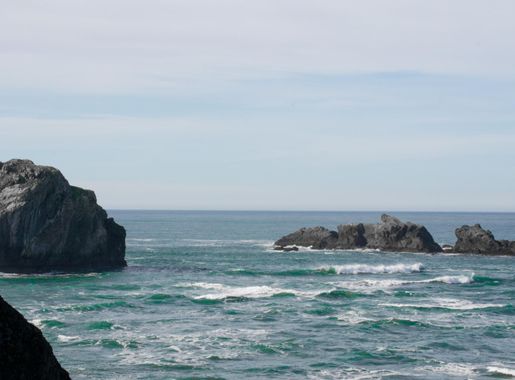


Exploring the Enchanting Coos County: Oregon's Coastal Gem
Coos County, located on the picturesque Southern Oregon Coast, is a haven for nature enthusiasts, history buffs, and adventure seekers alike. With its lush forests, rugged coastline, and charming small towns, Coos County offers a unique blend of natural beauty and cultural richness. One of the highlights of Coos County is the Oregon Dunes National Recreation Area, which features some of the largest coastal sand dunes in North America. Visitors can enjoy activities such as dune buggy rides, hiking, and sandboarding. The area is also home to a diverse range of wildlife, making it a perfect spot for birdwatching and nature photography. Coos Bay, the largest city in the county, boasts a vibrant arts scene, delicious seafood, and a rich maritime history. Walk along the historic waterfront, visit the Coos History Museum, or explore the many art galleries and shops. Nearby, the Cape Arago State Park offers stunning ocean views, tide pools, and the chance to see seals and sea lions basking on the rocks. For those who enjoy outdoor activities, Coos County has plenty to offer. There are numerous hiking and biking trails, pristine beaches, and scenic drives. The South Slough National Estuarine Research Reserve is a great place for kayaking and learning about the local ecosystem. Golfers will also find top-notch courses with breathtaking views of the Pacific Ocean. Whether you are seeking adventure, relaxation, or a bit of both, Coos County is a destination that promises unforgettable experiences and lasting memories.