

Umpqua Valley, Oregon Travel Guide
Discover Umpqua Valley, Oregon's hidden gem, where lush landscapes, world-class wineries, and endless outdoor adventures await. Perfect for nature lovers and wine enthusiasts.
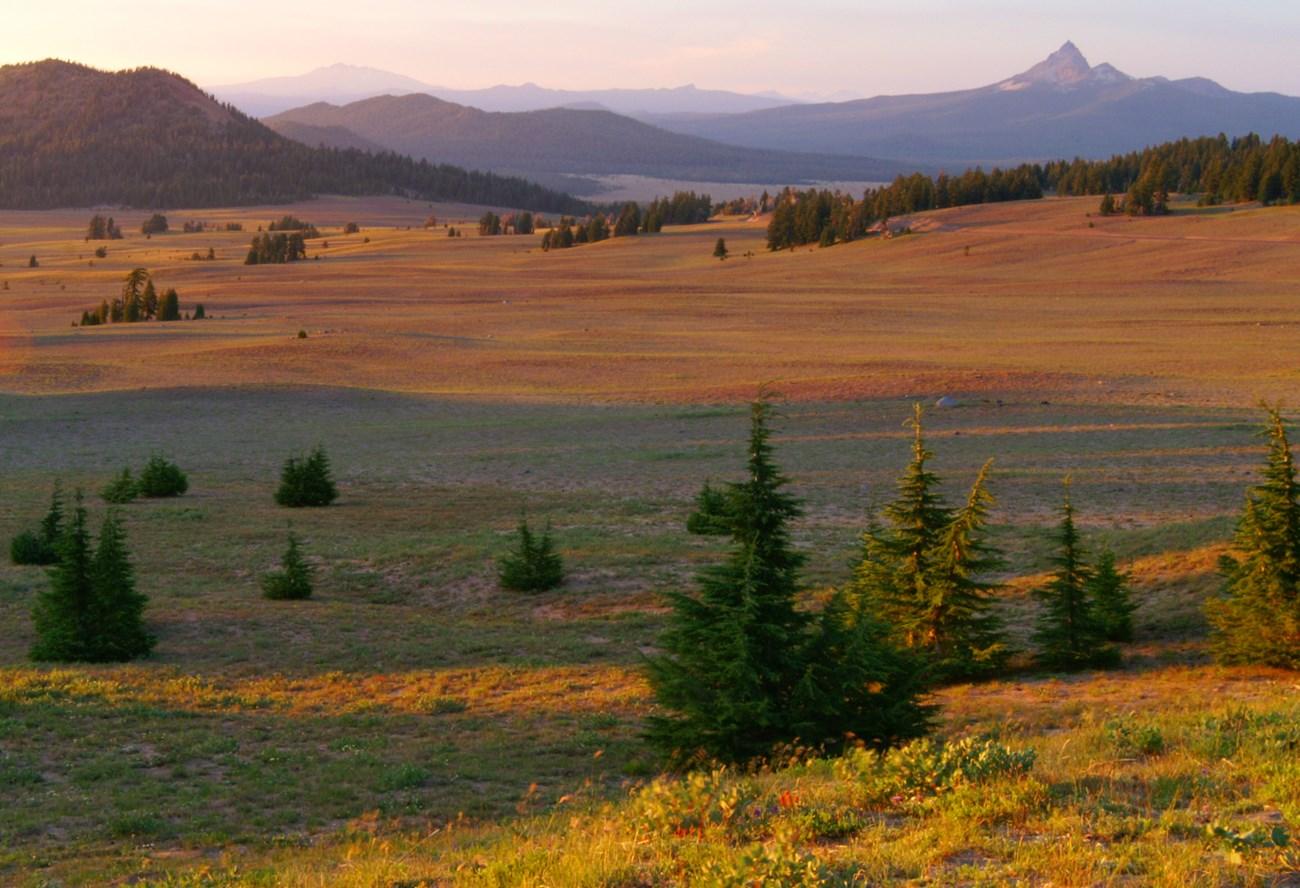
Nestled in the heart of Oregon, Umpqua Valley is a picturesque destination known for its lush landscapes, scenic rivers, and world-class wineries. This charming valley offers visitors a unique blend of outdoor adventures and cultural experiences, making it a perfect getaway for nature lovers and wine enthusiasts alike. The Umpqua River, which meanders through the valley, provides ample opportunities for fishing, kayaking, and rafting. Wildlife enthusiasts will delight in the diverse flora and fauna that call this region home, including the majestic bald eagle and the elusive Roosevelt elk. The valley is also home to several state parks and hiking trails, such as the North Umpqua Trail, which offers breathtaking views of waterfalls and old-growth forests. Wine aficionados will be thrilled by the Umpqua Valley's burgeoning wine scene. The region's unique climate and soil conditions make it ideal for growing a variety of grape varietals, including Pinot Noir, Chardonnay, and Syrah. Visitors can explore numerous family-owned wineries and vineyards, where they can sample award-winning wines and learn about the winemaking process from passionate vintners. In addition to its natural and viticultural attractions, Umpqua Valley boasts a vibrant arts and culture scene. The historic towns of Roseburg and Oakland offer a glimpse into the area's rich history, with charming architecture, antique shops, and local museums. Throughout the year, the valley hosts a variety of festivals and events, celebrating everything from local art and music to food and wine.

Know before you go
Hi, I'm Eve. Here are a few practical things to know before exploring Umpqua Valley.
- Visit during the fall to enjoy the stunning autumn foliage and harvest season at the vineyards.
- Make sure to explore the North Umpqua Trail for some of the best hiking and waterfall views.
- Check out the local farmers' markets for fresh produce and artisanal goods.
- Book wine tastings in advance, especially on weekends, to ensure you get a spot at your preferred wineries.
- Bring a camera to capture the breathtaking scenery and wildlife you'll encounter.
Destinations in Umpqua Valley
Resorts, valleys and scenic spots worth a trip of their own.

Explore Umpqua Valley: Things to Do, Places to Eat, Hotels & More
Handpicked recommendations for top attractions, local dining, accommodations, and more

Top Attractions & Sightseeing in Umpqua Valley
Top-rated picks
Best Attractions

Rim Village Visitor Center
Discover the breathtaking beauty and rich history of Crater Lake at the Rim Village Visitor Center, your gateway to nature's wonders.

Toketee Falls
Experience the breathtaking beauty of Toketee Falls, a stunning waterfall in the heart of Oregon's Umpqua National Forest, perfect for nature lovers and adventurers.

Umpqua Hot Springs
Experience the natural beauty and therapeutic warmth of Umpqua Hot Springs in Oregon—a perfect getaway for relaxation and adventure in nature.

Starvation Creek State Park
Explore the scenic trails, stunning waterfalls, and serene landscapes at Starvation Creek State Park, a hidden gem along the Historic Columbia River Highway.

Best landmarks in Umpqua Valley
Top-rated picks
Best Landmarks

Crater Lake National Park
Discover the breathtaking beauty of Crater Lake National Park in Oregon, a stunning natural wonder with deep blue waters and diverse outdoor adventures.

Willamette National Forest
Explore the breathtaking landscapes of Willamette National Forest, Oregon's premier destination for outdoor adventure and natural beauty.

Rim Village Visitor Center
Explore the stunning vistas and rich history of Crater Lake National Park at the Rim Village Visitor Center, your gateway to adventure.

Tamolitch Falls (Blue Pool)
Explore Tamolitch Falls, a stunning hiking area in Oregon's national forests, where vibrant blue waters and serene nature await your discovery.

Best restaurants in Umpqua Valley
Top-rated picks
Best Restaurants

Mustards Grill
Experience exquisite American cuisine at Mustards Grill in Napa Valley - where fresh ingredients meet culinary artistry.

Diamond Lake Resort
Discover nature's splendor at Diamond Lake Resort - A perfect blend of relaxation and adventure awaits you in Oregon.
Belknap Hot Springs, Lodge and Gardens.
Discover the tranquility of Belknap Hot Springs: soak in healing waters amidst Oregon's stunning landscapes.

Rim Village Visitor Center
Experience nature's masterpiece at Rim Village Visitor Center in Crater Lake National Park—where education meets breathtaking beauty.


Best shops in Umpqua Valley
Top-rated picks
Best Shops

Toketee Falls
Explore Toketee Falls, a breathtaking waterfall in Oregon's Umpqua National Forest, perfect for nature lovers and outdoor adventurers alike.

Shop Smart
Discover quality groceries and local products at Shop Smart in La Pine, your go-to supermarket for all your grocery needs.

Umpqua Bank
Discover Umpqua Bank in The Dalles, where community spirit meets exceptional banking services, enriching your travel experience.

Explore Umpqua Valley on the Map
A handpicked selection of must-see spots in Umpqua Valley, mapped for you.
Umpqua Valley Essentials
-
Umpqua Valley is located in southwestern Oregon, United States. The nearest major airport is Eugene Airport (EUG), approximately 70 miles north of the valley. From Eugene Airport, you can rent a car or take a shuttle service to reach Umpqua Valley. Portland International Airport (PDX) is another option, located about 180 miles north. If you prefer traveling by train, Amtrak's Coast Starlight route stops in nearby Eugene, where you can rent a car or use local transportation to reach the valley.
-
Umpqua Valley is best explored by car to fully appreciate the scenic routes and numerous vineyards. Car rentals are available at both Eugene and Portland airports. For local travel within the valley, taxis and rideshare services like Uber and Lyft are available, though rental cars offer greater flexibility. Some wineries and local attractions may offer shuttle services, but these should be arranged in advance.
-
The official currency in the United States is the US Dollar (USD). Credit and debit cards are widely accepted in most establishments, including hotels, restaurants, and shops. It is advisable to carry some cash for smaller businesses or rural areas that may not accept cards. ATMs are readily available in towns across Umpqua Valley, but it's always good to have some cash on hand.
-
Umpqua Valley is generally a safe destination for tourists. However, as with any travel destination, it is wise to take standard precautions. Avoid leaving valuables in your car, especially in plain sight. The towns within Umpqua Valley are mostly safe, but it is always good practice to stay vigilant, especially at night. There are no specific high-crime areas targeting tourists, but being aware of your surroundings will ensure a pleasant visit.
-
In case of an emergency, dial 911 for immediate assistance. Umpqua Valley is served by local police and fire departments, and there are medical facilities available in towns like Roseburg. It is recommended to have travel insurance that covers medical emergencies. For minor health issues, pharmacies are available in most towns where you can purchase over-the-counter medications.
-
Fashion: Do dress casually and comfortably, especially if you plan to visit vineyards and outdoor attractions. Layers are advisable due to variable weather. Religion: Do respect local customs, although Umpqua Valley is generally secular. Public Transport: Do use public transportation where available, but be aware that options may be limited. Renting a car is often more practical. Greetings: Do greet people with a smile and a handshake. Eating & Drinking: Do try the local wines and farm-to-table cuisine. Don’t bring outside food and drink into wineries without permission.
-
To experience Umpqua Valley like a local, visit the many vineyards and participate in wine tastings. Engage with winemakers and local residents to learn about the region's rich history and wine culture. Don't miss the Umpqua River for fishing or kayaking, and explore the Umpqua National Forest for hiking and scenic views. Visit local farmers' markets to enjoy fresh, locally-sourced produce and artisanal goods.
When is the best time to visit Umpqua Valley?
Useful Local Phrases for Umpqua Valley
You don't need to speak the language perfectly. Even learning a few simple words can make conversations warmer—and locals usually appreciate the effort.
— Eve

Here are the phrases I use most often in Umpqua Valley. Try a few—you'll be surprised how far they go! 😊
❤️
-
- HelloHowdy
[Haudi] - GoodbyeSee you later
[See ya lay-ter] - YesYep
[Yep] - NoNope
[Nope] - Please/You're welcomeSure thing
[Shur thing] - Thank youThanks a lot
[Thangs a lot] - Excuse me/SorryPardon me
[Pardon me] - How are you?How's it going?
[How's it goin'?] - Fine. And you?I’m good. You?
[I'm good. You?] - Do you speak English?You speakin' English?
[Ya speakin' English?] - I don't understandI ain't following you
[I ain't followin' ya]
- HelloHowdy
-
- I'd like to see the menu, pleaseCan I get a look at the menu?
[Can I get a look at the menu?] - I don't eat meatI’m not into meat
[I'm not into meat] - Cheers!Cheers!
[Cheers!] - I would like to pay, pleaseCan I get the bill, please?
[Can I get the bill, please?]
- I'd like to see the menu, pleaseCan I get a look at the menu?
-
- Help!Help!
[Help!] - Go away!Leave me alone!
[Leave me alone!] - Call the Police!Call the cops!
[Call the cops!] - Call a doctor!Get a doc!
[Get a doc!] - I'm lostI can’t find my way
[I can't find my way] - I'm illI’m not feeling well
[I’m not feelin' well]
- Help!Help!
-
- I'd like to buy...I wanna buy...
[I wanna buy...] - I'm just lookingJust browsing
[Just browsing] - How much is it?What’s the price?
[What's the price?] - That's too expensiveThat's way too high
[That's way too high] - Can you lower the price?Can you cut me a deal?
[Can ya cut me a deal?]
- I'd like to buy...I wanna buy...
-
- What time is it?What time ya got?
[What time ya got?] - It's one o'clockIt's one
[It's one] - Half past (10)Half past ten
[Half past ten] - MorningMorning
[Mornin'] - AfternoonAfternoon
[Afternoon] - EveningEvening
[Evenin'] - YesterdayYesterday
[Yesterday] - TodayToday
[Today] - TomorrowTomorrow
[Tomorrow] - 1One
[One] - 2Two
[Two] - 3Three
[Three] - 4Four
[Four] - 5Five
[Five] - 6Six
[Six] - 7Seven
[Seven] - 8Eight
[Eight] - 9Nine
[Nine] - 10Ten
[Ten]
- What time is it?What time ya got?
-
- Where's a/the...?Where's the ...?
[Where's the ...?] - What's the address?What's the addy?
[What's the addy?] - Can you show me (on the map)?Can you point it out?
[Can ya point it out?] - When's the next (bus)?When's the next bus?
[When's the next bus?] - A ticket (to ....)A ticket to ...
[A ticket to ...]
- Where's a/the...?Where's the ...?
History of Umpqua Valley
-
Long before European settlers arrived, the Umpqua Valley was home to several Native American tribes, including the Umpqua, Cow Creek Band of Umpqua Tribe of Indians, and the Yoncalla. These tribes lived off the land, fishing in the Umpqua River, hunting game, and gathering plants. They developed a rich cultural heritage that included intricate basket weaving, storytelling, and spiritual practices tied to the natural world.
-
Although the Lewis and Clark Expedition did not pass directly through the Umpqua Valley, it played a critical role in opening the Pacific Northwest to European-American exploration and settlement. Members of the expedition documented the geography, flora, and fauna of Oregon, which later attracted fur trappers and traders to the region.
-
In the early 19th century, the Umpqua Valley became a hotspot for fur trappers and traders, including those from the Hudson's Bay Company and the North West Company. These traders established relationships with local tribes and created trading posts that facilitated the exchange of beaver pelts and other goods.
-
During the 1850s, conflicts between Native American tribes and European-American settlers escalated into what is known as the Rogue River Wars. Many tribes, including those in the Umpqua Valley, were forcibly removed from their lands and relocated to reservations. This period marked a significant and tragic disruption in the lives of the valley's original inhabitants.
-
The discovery of gold in Oregon during the mid-19th century brought an influx of prospectors and settlers to the Umpqua Valley. Mining towns sprang up rapidly, and the local economy experienced a boom. However, the gold rush also led to environmental degradation and further displacement of Native American tribes.
-
In the late 19th and early 20th centuries, the Umpqua Valley's abundant forests attracted the timber industry. Logging became a major economic driver, with sawmills and logging camps dotting the landscape. The timber boom contributed to the growth of towns like Roseburg, which became a regional hub for trade and commerce.
-
During the Prohibition era (1920-1933), the Umpqua Valley's remote and rugged terrain made it an ideal location for illegal moonshine operations. Local lore is filled with stories of hidden stills and daring bootleggers who supplied alcohol to speakeasies and private parties, adding a colorful chapter to the valley's history.
-
In recent decades, the Umpqua Valley has gained recognition for its burgeoning wine industry. The region's unique climate and soil conditions are ideal for growing a variety of grape varietals, leading to the establishment of numerous vineyards and wineries. Today, the Umpqua Valley is celebrated for its award-winning wines and vibrant wine tourism industry.
Neighbouring Regions of Umpqua Valley
The closest regions to Umpqua Valley, if you have time for more than one.
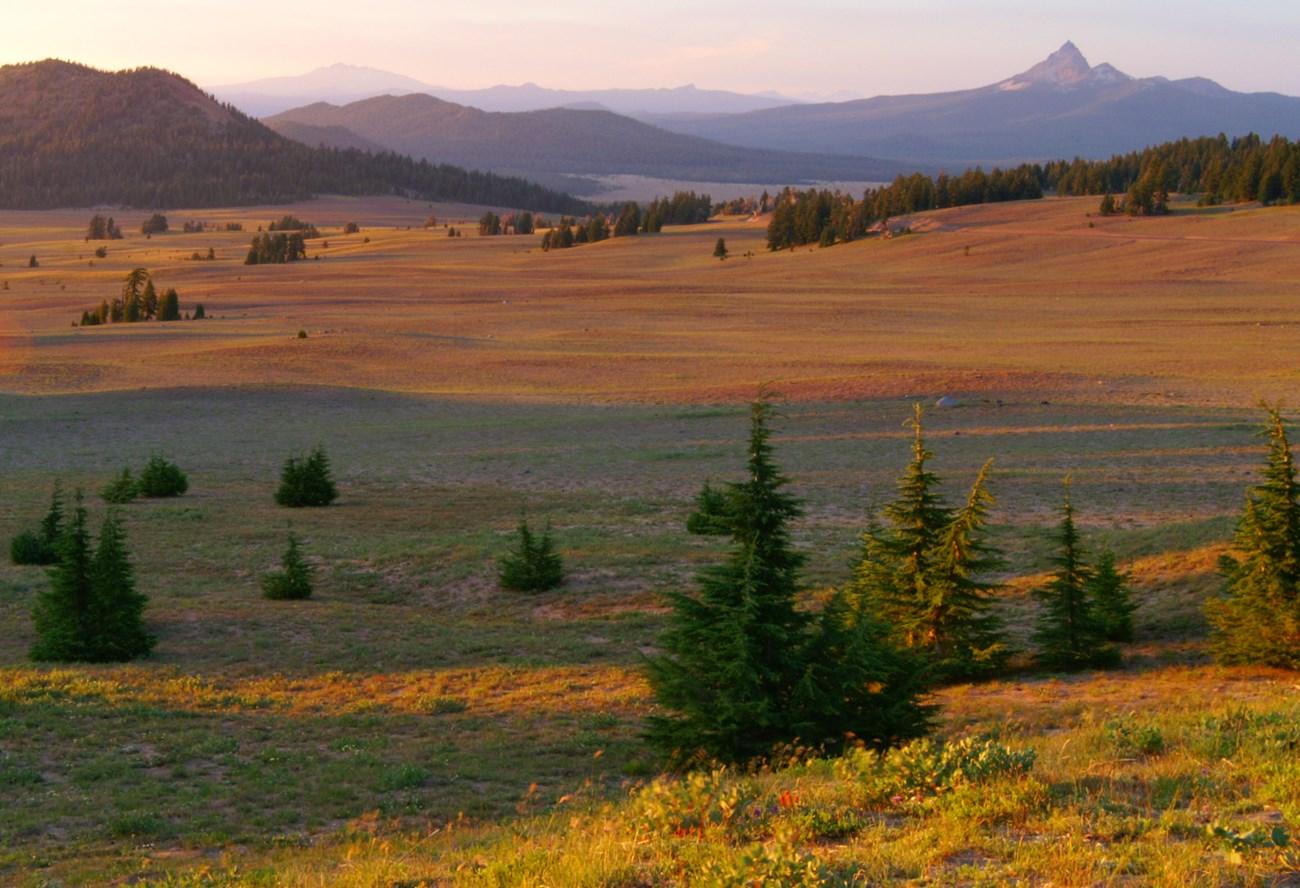
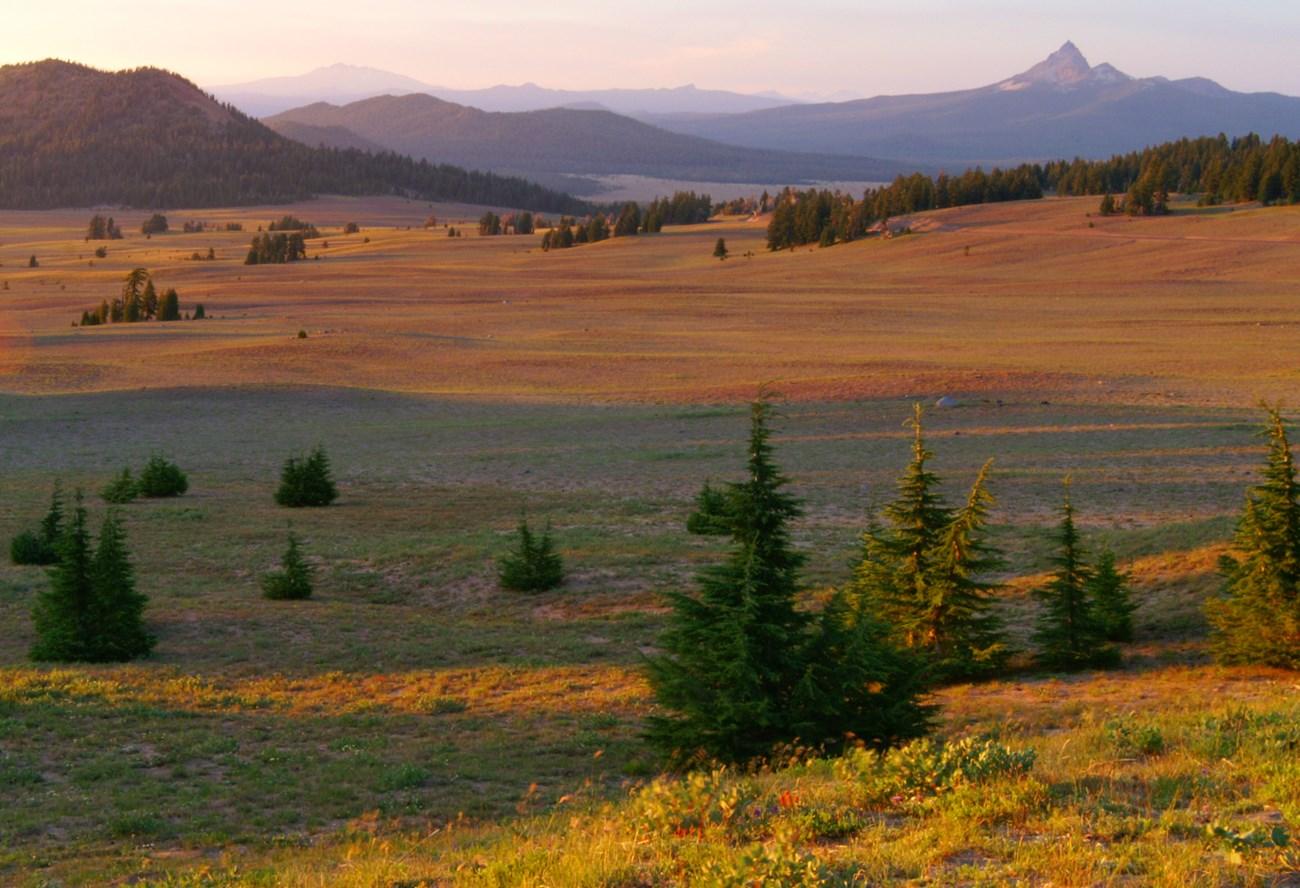

Your all‑in‑one travel companion app
Explore expert travel guides, compare and book tours, experiences, hotels, and more—all from the palm of your hand. Download now for seamless trip planning wherever your wanderlust takes you.


Explore More of Oregon

Looking beyond Umpqua Valley? Discover Oregon for broader travel guides, local hot-spots, and regional highlights.
Explore OregonUmpqua Valley in Photos
Browse through our photo collection highlighting the charm and character of the destination.

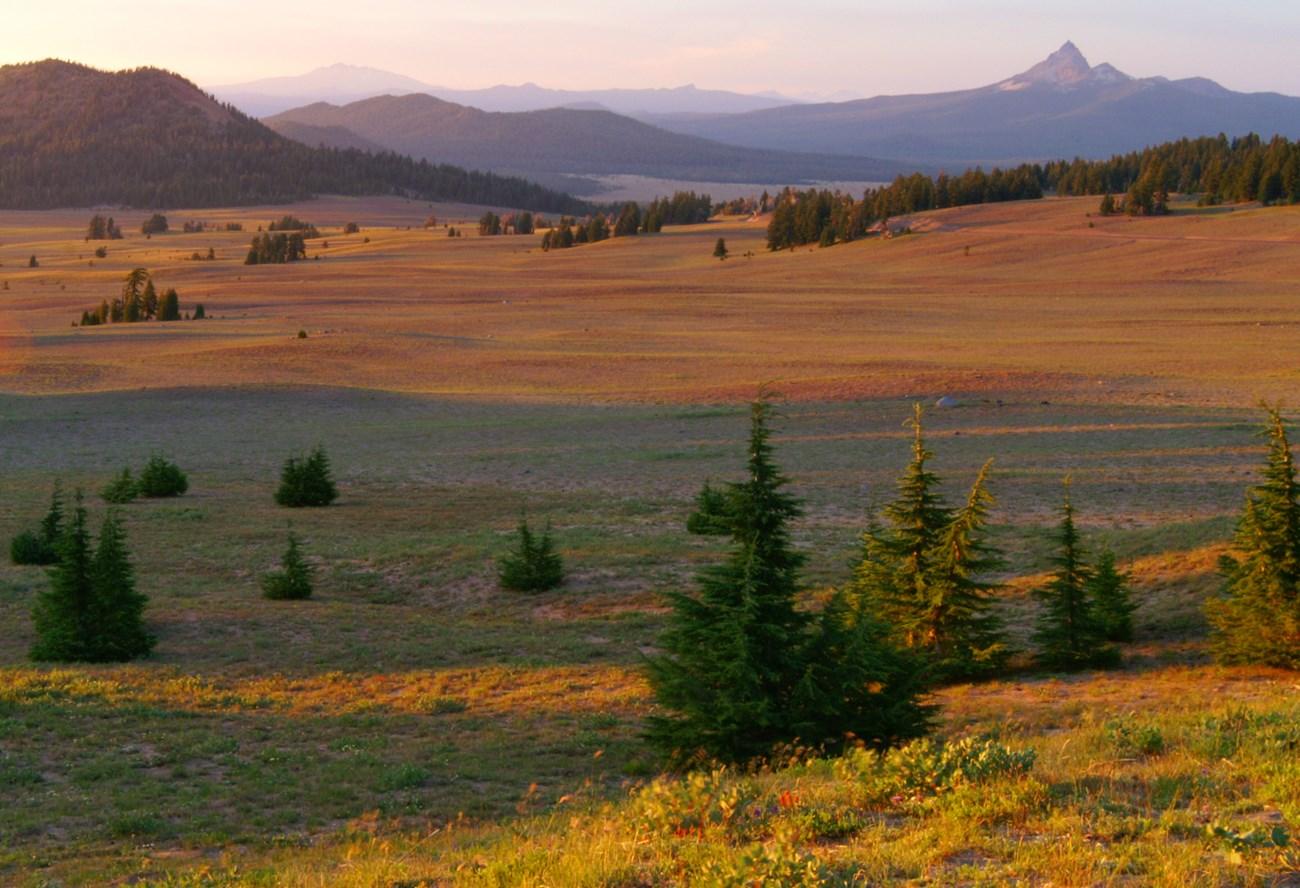


Umpqua Valley: Oregon's Hidden Gem of Natural Beauty and Wine
Nestled in the heart of Oregon, Umpqua Valley is a picturesque destination known for its lush landscapes, scenic rivers, and world-class wineries. This charming valley offers visitors a unique blend of outdoor adventures and cultural experiences, making it a perfect getaway for nature lovers and wine enthusiasts alike. The Umpqua River, which meanders through the valley, provides ample opportunities for fishing, kayaking, and rafting. Wildlife enthusiasts will delight in the diverse flora and fauna that call this region home, including the majestic bald eagle and the elusive Roosevelt elk. The valley is also home to several state parks and hiking trails, such as the North Umpqua Trail, which offers breathtaking views of waterfalls and old-growth forests. Wine aficionados will be thrilled by the Umpqua Valley's burgeoning wine scene. The region's unique climate and soil conditions make it ideal for growing a variety of grape varietals, including Pinot Noir, Chardonnay, and Syrah. Visitors can explore numerous family-owned wineries and vineyards, where they can sample award-winning wines and learn about the winemaking process from passionate vintners. In addition to its natural and viticultural attractions, Umpqua Valley boasts a vibrant arts and culture scene. The historic towns of Roseburg and Oakland offer a glimpse into the area's rich history, with charming architecture, antique shops, and local museums. Throughout the year, the valley hosts a variety of festivals and events, celebrating everything from local art and music to food and wine.