

Free Portland Metropolitan Area Travel Guide & Mobile App
Explore Portland Metropolitan Area with free travel guides. Discover regional history, expert tips, proposed trips, and audio guides on web or mobile app.


Explore Portland and its Oregon suburbs for riverfront walks, urban forests, local food, gardens, culture and access to the Cascades.
Read more about Portland Metropolitan Area
When is the best time to visit Portland Metropolitan Area?
Best: July–September · 25–28°C| Month | High (°C) | Rainfall (mm) |
|---|---|---|
| January | 11 | 159 |
| February | 12 | 117 |
| March | 15 | 117 |
| April | 17 | 84 |
| May | 20 | 61 |
| June | 23 | 48 |
| July (best) | 27 | 17 |
| August (best) | 28 | 19 |
| September (best) | 25 | 41 |
| October | 18 | 85 |
| November | 12 | 160 |
| December | 9 | 173 |
Getting to and around Portland Metropolitan Area
How to get there
Transportation
Best attractions in Portland Metropolitan Area
The Portland Metropolitan Area combines urban cultural attractions with an unusually accessible natural setting. In Portland, visitors can explore the Portland Art Museum, Oregon Museum of Science and Industry, Lan Su Chinese Garden, Portland Japanese Garden and the extensive paths of Washington Park, which also contains the International Rose Test Garden and Oregon Zoo. Forest Park provides a large network of wooded trails within the city, while the Eastbank Esplanade and riverfront parks offer easier walking and cycling. Beyond the central city, the Tualatin River National Wildlife Refuge protects wetland habitat in the western suburbs, and the Rice Northwest Museum of Rocks and Minerals lies near Hillsboro. Oregon City adds the End of the Oregon Trail interpretation and access to the historic Willamette Falls area. Gresham and the eastern metropolitan edge provide routes towards wooded foothills and the Columbia Gorge, though many Gorge attractions lie outside the metropolitan boundary. Gardens, breweries, food markets, historic districts and small museums complete an attraction landscape that is more about varied neighbourhoods, rivers and outdoor access than a single cluster of major monuments.
-
Local history museum
Pittock Mansion
Explore the historical elegance of Pittock Mansion, a stunning architectural gem in Portland, surrounded by breathtaking gardens and city views.

Best landmarks in Portland Metropolitan Area
The St Johns Bridge is one of the Portland area's most recognisable structures, its Gothic-inspired towers spanning the Willamette beneath the wooded bluffs of North Portland. Pittock Mansion, high in the West Hills, is an important early twentieth-century house whose grounds provide broad views across the city and towards Mount Hood, which is outside the metropolitan area. The Portlandia sculpture and Portland Building represent a later, more expressive phase of civic architecture in the city centre, while Union Station's historic rail terminal recalls Portland's role as a regional transport hub. In the east, Mount Tabor's volcanic landscape and reservoirs form a distinctive urban landmark. Oregon City's Willamette Falls is a major natural and industrial landmark, marking the historic head of navigation on the river, and the city's Municipal Elevator is an unusual piece of civic infrastructure linking different levels of the hillside. The Tualatin River wetlands and Forest Park are less monumental but equally important regional landmarks, demonstrating how closely the metropolitan landscape remains connected to rivers, forest and habitat.
-
Historical landmark
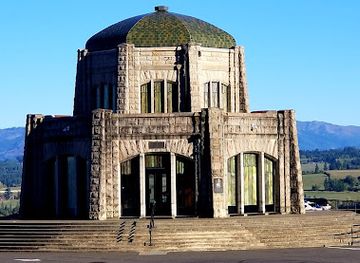
Vista House at Crown Point
Discover the breathtaking views and rich history at Vista House, a stunning landmark overlooking the Columbia River Gorge in Oregon.
-
Museum
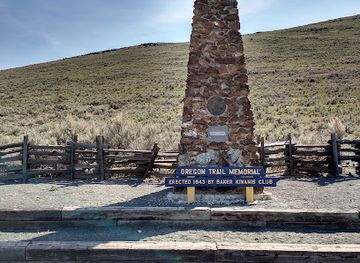
National Historic Oregon Trail Interpretive Center
Discover the rich history of the Oregon Trail at the National Historic Oregon Trail Interpretive Center in Baker City, Oregon, a captivating journey through America's pioneering past.
-
State park
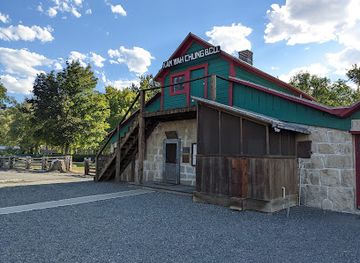
Kam Wah Chung State Heritage Site
Uncover the legacy of Chinese immigrants at Kam Wah Chung State Heritage Site, a unique historical museum in John Day, Oregon.
-
State park
Fort Rock State Natural Area
Explore the unique geological formations and rich history of Fort Rock State Natural Area, an essential Oregon destination for nature lovers and history enthusiasts.

Explore Portland Metropolitan Area on the map
Plan your trip on one map. See where the top cities, national parks and sights are, and book hotels and experiences in a few clicks.
Best hotels in Portland Metropolitan Area
Best restaurants in Portland Metropolitan Area
Dining in the Portland Metropolitan Area reflects Oregon's agricultural abundance and the region's independent food culture. Portland is particularly associated with food carts, neighbourhood cafés, coffee roasters, bakeries, breweries and restaurants ranging from casual counter-service meals to ambitious contemporary cooking. Menus often draw on Pacific Northwest ingredients such as salmon, berries, mushrooms, hazelnuts, apples and seasonal vegetables, while the area's substantial immigrant communities bring East Asian, South Asian, Latin American, African and Middle Eastern traditions into the local dining scene. Beaverton is especially useful for exploring international food and specialist markets, while Hillsboro and the western suburbs offer a broad mixture of family restaurants and modern dining rooms. Farmers' markets provide a direct route to local produce, cheese, bread and preserves. Oregon wines from the Willamette Valley, which lies outside the metropolitan area, are widely represented, alongside locally made beer, cider and spirits. Reservations are sensible for popular restaurants, but casual food-cart pods and cafés make spontaneous eating easy.
-
American
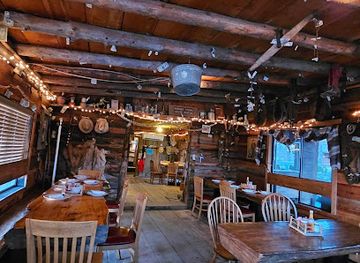
Cowboy Dinner Tree
Experience authentic American cuisine in a rustic setting at Cowboy Dinner Tree in Silver Lake, Oregon—where every meal is an adventure!
Best bars in Portland Metropolitan Area
Portland's evening culture is dispersed through neighbourhoods rather than concentrated in one large entertainment district. Downtown, the Pearl District, Northwest, the Central Eastside, Hawthorne, Belmont, Mississippi and Alberta offer combinations of pubs, cocktail bars, breweries, wine bars, live music venues and late cafés, with the character changing noticeably from one area to another. The city has a strong craft-beer tradition, but its nightlife also includes independent cinemas, theatres, comedy, small concert rooms and cultural events that do not centre on alcohol. Beaverton and Hillsboro provide suburban restaurants, breweries and bars, while Oregon City and Gresham have a more local, town-focused evening rhythm. Nightclubs exist but are not the defining feature of the metropolitan area; many venues are small and schedules vary. Use public transport or a designated driver, and check current arrangements before travelling because opening patterns and live events change frequently.
-
Bar
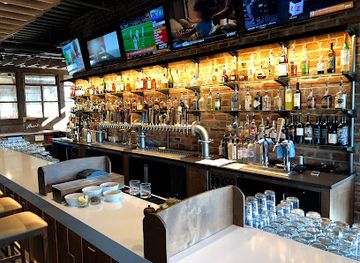
The Hammond Kitchen & Craft Bar
Experience the best of local dining at The Hammond Kitchen & Craft Bar in Camas, where craft beverages meet delicious cuisine in a cozy setting.
-
Restaurant
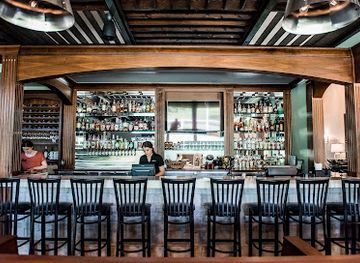
Hickory Restaurant + Bar
Discover Hickory Restaurant + Bar: A culinary gem in Camas, WA, serving delightful American cuisine with stunning views.
Best nightclubs in Portland Metropolitan Area
Portland's evening culture is dispersed through neighbourhoods rather than concentrated in one large entertainment district. Downtown, the Pearl District, Northwest, the Central Eastside, Hawthorne, Belmont, Mississippi and Alberta offer combinations of pubs, cocktail bars, breweries, wine bars, live music venues and late cafés, with the character changing noticeably from one area to another. The city has a strong craft-beer tradition, but its nightlife also includes independent cinemas, theatres, comedy, small concert rooms and cultural events that do not centre on alcohol. Beaverton and Hillsboro provide suburban restaurants, breweries and bars, while Oregon City and Gresham have a more local, town-focused evening rhythm. Nightclubs exist but are not the defining feature of the metropolitan area; many venues are small and schedules vary. Use public transport or a designated driver, and check current arrangements before travelling because opening patterns and live events change frequently.
-
Adult entertainment club
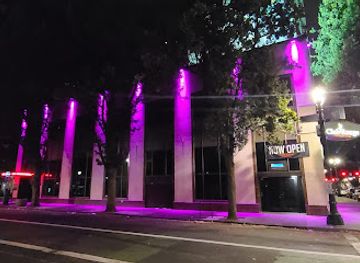
Club Rouge Portland
Discover the allure of Club Rouge Portland, an upscale adult entertainment club in the heart of the city, offering captivating performances and a vibrant atmosphere.
Best shops in Portland Metropolitan Area
Shopping in the Portland Metropolitan Area is strongest in independent neighbourhood retail, specialist food shops, markets and locally produced goods rather than in a single luxury quarter. Portland's Pearl District combines galleries, design-led stores and established retailers, while Northwest 23rd Avenue, Hawthorne, Alberta, Mississippi and the downtown core offer different mixes of clothing, books, records, homewares, antiques and gifts. The city's Saturday Market is a long-running open-air institution near the waterfront, although stalls and operating arrangements should be checked before visiting. Farmers' markets across Portland and the suburbs are good places to find Oregon fruit, vegetables, flowers, cheese, baked goods and preserves. Beaverton and Hillsboro have particularly useful international supermarkets and food businesses reflecting their diverse communities. Oregon-made wine, craft beer, coffee, chocolate, ceramics, outdoor equipment and design products make practical souvenirs, while Oregon City provides a smaller historic-town shopping experience. Remember that tax-free pricing is a state-wide Oregon characteristic, not a special Portland retail promotion.
-
Gift shop
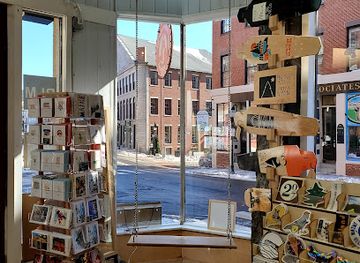
The Maine Souvenir Shop - Portland
Discover unique Maine gifts and local artisan treasures at The Maine Souvenir Shop in Portland's charming Old Port district.
Get your free copy of our complete guide to Portland Metropolitan Area, delivered straight to you.
Everything on this page, from attractions and restaurants to essentials and local phrases, in one PDF you can read offline, print or share.
Already have an account? Sign in
Your Portland Metropolitan Area guide is ready.
We'll send it to · Not you? Sign out

Getting your guide ready…
We are putting together a fresh copy of the Portland Metropolitan Area guide. This can take up to a minute.
This can take a few moments. If your browser asks, choose Allow so the download can start. You'll find the guide in your Downloads folder.
Nothing happened? Download it again
Sorry, the guide is taking longer than usual. Please try again in a minute, or get it by email instead.
Portland Metropolitan Area essentials
Currency and Payment
Safety
Emergency Situations
Do's and Don'ts
Local Tips
From Eve
Local phrases worth knowing
You don't need to get them perfect. A few words go a long way, and locals appreciate the effort.
Basics
| English | Local | Say it |
|---|---|---|
| Hello | Hey there | [hey thair] |
| Goodbye | See ya | [see yah] |
| Yes | Yup | [yuhp] |
| No | Nah | [nah] |
| Please/You're welcome | No problem | [noh prob-luhm] |
| Thank you | Thanks | [thangs] |
| Excuse me/Sorry | My bad | [my bad] |
| How are you? | How's it going? | [how's it goin?] |
| Fine. And you? | Good. You? | [good. you?] |
| Do you speak English? | Can you speak English? | [can you speak ing-glish?] |
| I don't understand | I don't get it | [I don't get it] |
Eating & Drinking
| English | Local | Say it |
|---|---|---|
| I'd like to see the menu, please | Can I check out the menu? | [can I check out the menu?] |
| I don't eat meat | I'm vegan | [I'm vee-gun] |
| Cheers! | Cheers! | [cheers!] |
| I would like to pay, please | Can I get the check? | [can I get the check?] |
Emergencies
| English | Local | Say it |
|---|---|---|
| Help! | Help! | [help!] |
| Go away! | Leave me alone! | [leave me alone!] |
| Call the Police! | Call 911! | [call nine-one-one!] |
| Call a doctor! | Get a doctor! | [get a doctor!] |
| I'm lost | I'm kinda lost | [I'm kinda lost] |
| I'm ill | I'm not feeling well | [I'm not feelin well] |
Shopping
| English | Local | Say it |
|---|---|---|
| I'd like to buy... | I'm looking to buy... | [I'm looking to buy...] |
| I'm just looking | Just browsing | [just browsing] |
| How much is it? | What's the price? | [what's the price?] |
| That's too expensive | That's a bit steep | [that's a bit steep] |
| Can you lower the price? | Can you cut me a deal? | [can you cut me a deal?] |
Time & Numbers
| English | Local | Say it |
|---|---|---|
| What time is it? | What time's it? | [what time's it?] |
| It's one o'clock | It's one | [it's one] |
| Half past (10) | Half past ten | [half past ten] |
| Morning | Morning | [morning] |
| Afternoon | Afternoon | [afternoon] |
| Evening | Evening | [evening] |
| Yesterday | Yesterday | [yesterday] |
| Today | Today | [today] |
| Tomorrow | Tomorrow | [tomorrow] |
| 1 | One | [one] |
| 2 | Two | [two] |
| 3 | Three | [three] |
| 4 | Four | [four] |
| 5 | Five | [five] |
| 6 | Six | [six] |
| 7 | Seven | [seven] |
| 8 | Eight | [eight] |
| 9 | Nine | [nine] |
| 10 | Ten | [ten] |
Transport & Directions
| English | Local | Say it |
|---|---|---|
| Where's a/the...? | Where's the...? | [where's the...?] |
| What's the address? | What's the address? | [what's the address?] |
| Can you show me (on the map)? | Can you point it out? | [can you point it out?] |
| When's the next (bus)? | When's the next bus? | [when's the next bus?] |
| A ticket (to ....) | A ticket to ... | [a ticket to ...] |
History of Portland Metropolitan Area
Chinookan homelands before American settlement
The lower Columbia and Willamette valleys were long inhabited and travelled by Indigenous peoples, including Multnomah and Clackamas communities associated with the wider Chinookan cultural world. Villages, fishing places and trading networks connected the rivers and wetlands that now lie beneath the metropolitan area. Disease, displacement and the pressures of colonial expansion severely affected Indigenous populations during the nineteenth century. Their presence is not merely historical: tribal communities, cultural organisations and continuing stewardship remain part of Oregon's contemporary story.
Oregon City and the overland migration era
Oregon City, at the Willamette Falls, became a crucial settlement during the early period of Euro-American expansion. The falls supplied power and marked the head of navigation for larger vessels, while the town served as an administrative and commercial centre. It was the first incorporated city west of the Rocky Mountains and the provisional capital of the Oregon Country before government institutions shifted north to Portland. The nearby End of the Oregon Trail interpretation preserves the area's connection with nineteenth-century emigrant routes.
Portland's founding and river commerce
Portland was established in the 1840s near the confluence of the Willamette and Columbia rivers, a location that favoured shipping, timber commerce and regional trade. Its name was chosen by a coin toss between founders Francis Pettygrove and Asa Lovejoy, but the city's later growth depended less on the anecdote than on its strategic river position. Wharves, warehouses and transport links made Portland a commercial gateway for Oregon's interior, while surrounding communities developed around agriculture, milling, transport and river industry.
Railways, timber and industrial expansion
During the late nineteenth and early twentieth centuries, railways and port improvements connected Portland more closely with the Pacific Northwest and the Pacific coast. Timber, grain, livestock and manufactured goods moved through the region, while sawmills, shipyards and other industries shaped the Willamette waterfront. Electric streetcars encouraged suburban growth and helped form the pattern of distinct neighbourhoods that still characterises Portland. Industrial development also brought pollution, labour conflict and the alteration of riverbanks and wetlands.
Vanport and post-war transformation
Vanport, a large wartime housing community built north of Portland during the Second World War, accommodated workers employed in shipyards and related industries. It was destroyed by a catastrophic flood in 1948, displacing thousands of residents and leaving a lasting mark on the region's social history. Post-war suburbanisation, highway construction and industrial change reshaped Portland and its surrounding towns. The period also exposed the effects of racial discrimination in housing and employment, subjects that remain important in local museums, archives and public discussions.
Planning, environmentalism and a changing city
From the late twentieth century, Oregon's land-use planning system helped contain metropolitan expansion and preserve a distinction between urban development and surrounding farmland and natural landscapes. Portland became associated with neighbourhood planning, public transport investment, cycling and environmental activism, although these achievements developed alongside serious debates about housing costs, displacement and inequality. The metropolitan economy subsequently diversified into healthcare, education, creative industries, manufacturing and technology, particularly around Hillsboro and the western suburbs.
Contemporary cultural and economic diversity
Today the Portland Metropolitan Area is shaped by migration, international business, higher education, design, food culture and the technology sector. Hillsboro and Beaverton have become important employment and residential centres, while Portland's historic inner districts have experienced both creative renewal and pressure from rising costs. The region's public life continues to reflect its river-based origins, Indigenous history, industrial past and environmental setting, with debates over urban growth, homelessness, transport and climate resilience forming part of its current identity.
Portland Metropolitan Area in Photos
Browse through our photo collection highlighting the charm and character of the destination.
Neighbouring regions of Portland Metropolitan Area
The closest regions to Portland Metropolitan Area, if you have time for more than one.
-

-
-

-

-


Swipe for more regions
Explore more

Explore more of Oregon
Discover Oregon's diverse landscapes, vibrant cities, and rich culture. From stunning coastlines to lush forests, this Pacific Northwest gem offers endless adventures.
Explore Oregon