

Fairy Meadows Travel Guide - Free Web & App
Your ultimate guide to Fairy Meadows. Discover top landmarks, proposed trips, and local tips. Free on the web or via the Evendo companion app.


Fairy Meadows Pakistan offers Nanga Parbat views, alpine trekking, jeep access, village stays and a high-altitude glimpse of the Himalaya in Gilgit-Baltistan.
Mountain Landscape
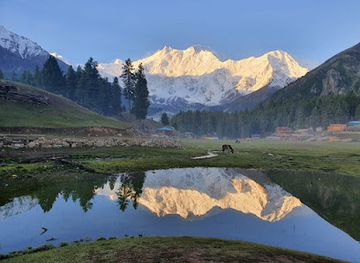
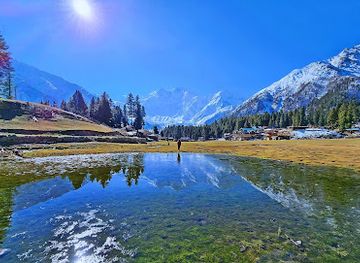
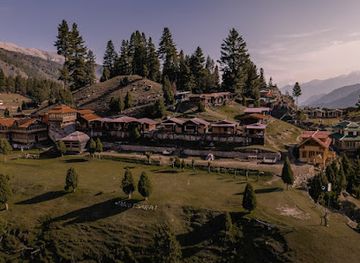
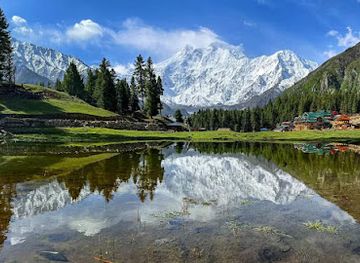
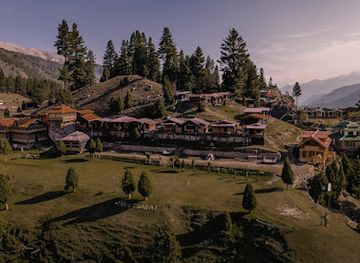
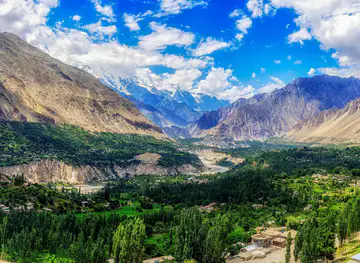
Fairy Meadows is a high alpine pasture in Pakistan's Gilgit-Baltistan region, set above the Raikot Valley on the northern side of Nanga Parbat. The meadow is not a town or a conventional resort, but a small seasonal settlement of grassland, conifer forest and simple accommodation overlooking one of the world's great mountain walls. At roughly 3,300 metres, it provides an accessible vantage point for Nanga Parbat, whose summit rises to 8,126 metres and whose immense snowy face dominates the skyline in clear weather.Read more about Fairy Meadows
Access and Local Character
Exploring the Area
When is the best time to visit Fairy Meadows?
Best: April–May, October · 25–31°C| Month | High (°C) | Rainfall (mm) |
|---|---|---|
| January | 12 | 80 |
| February | 14 | 70 |
| March | 19 | 60 |
| April (best) | 25 | 50 |
| May (best) | 31 | 50 |
| June | 36 | 60 |
| July | 37 | 70 |
| August | 36 | 80 |
| September | 32 | 70 |
| October (best) | 27 | 60 |
| November | 17 | 60 |
| December | 14 | 70 |
Getting to and around Fairy Meadows
How to get there
Transportation
Best attractions in Fairy Meadows
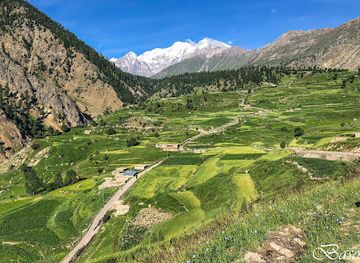
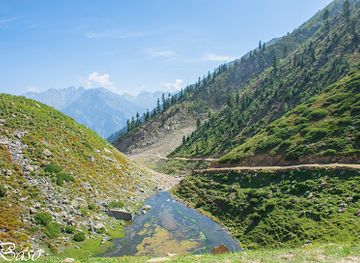
The defining attraction is the meadow itself, an open alpine pasture framed by conifer forest and the immense northern wall of Nanga Parbat. From the main settlement, paths lead towards Beyal Camp, a higher grazing and trekking area that provides changing perspectives on the mountain and its surrounding valleys. The walk between Fairy Meadows and Beyal Camp passes through forest and highland terrain rather than a formal, heavily serviced trail, so conditions should be checked locally. The Raikot Valley offers a dramatic approach through steep mountain terrain, while the wider Diamer landscape reveals the contrast between high pastures, dry lower valleys and the Indus corridor. Visitors also come for sunrise and clear-weather views, although cloud can obscure Nanga Parbat without warning. The destination's appeal lies in the close relationship between a seasonal pasture, local transport and guiding traditions, and one of the world's major high peaks, rather than in a large collection of built attractions.
-
Bridge
Raikot Bridge
Discover the breathtaking Raikot Bridge along the Karakoram Highway, a gateway to stunning landscapes and adventure in Gilgit-Baltistan.
-
Rama Meadows
Explore the stunning Rama Meadows in Astore Valley, a perfect blend of adventure and tranquility amidst Pakistan's natural beauty.
-
Tourist attraction
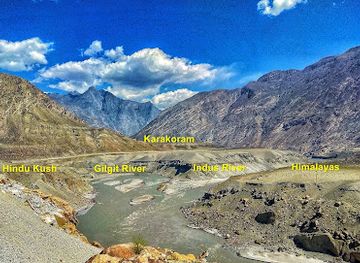
The Three Mountains Junction View Point
Experience the breathtaking beauty of The Three Mountains Junction View Point in Gilgit-Baltistan, where three majestic peaks meet.
-
Mini Rama Lake Astore
Experience tranquility at Mini Rama Lake Astore, a hidden gem in Gilgit-Baltistan with stunning views and serene landscapes.
Best landmarks in Fairy Meadows
Nanga Parbat is the outstanding natural landmark of Fairy Meadows, its 8,126-metre summit and heavily glaciated upper slopes rising above the Raikot side of the mountain. The meadow forms a recognisable foreground to this panorama, while the forested approach and steep Raikot Valley demonstrate the sharp relief of the western Himalaya. Beyal Camp is an important waymark and highland stopping point on walks towards the mountain's northern base, although it is a simple mountain location rather than a monumental building. The Raikot Bridge, on the Karakoram Highway, is the principal transport gateway and marks the transition from the road corridor into the remote valley route. Together these places express Fairy Meadows' identity through altitude, pasture, forest, glacial terrain and access to one of Pakistan's most significant peaks.
-
Hotel
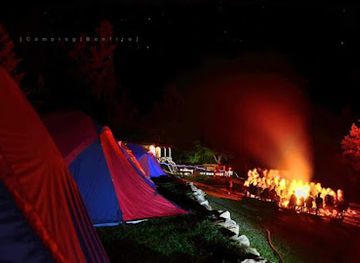
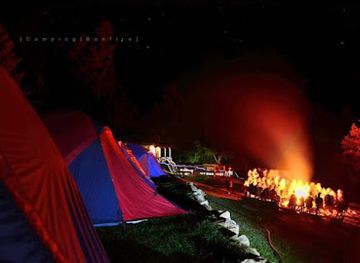
Fairy Meadows Cottages
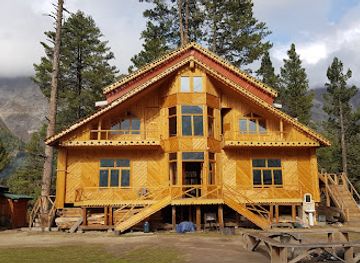
Experience natural beauty and adventure at Fairy Meadows Cottages, a serene escape nestled in the heart of northern Pakistan's stunning landscapes.
-
Resort hotel
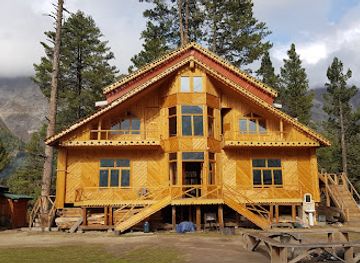
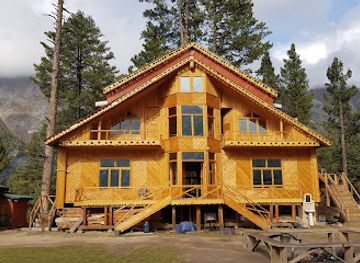
Fairy Meadows Broad View Hotel & Resort
Experience breathtaking landscapes and serene comfort at Fairy Meadows Broad View Hotel & Resort, the perfect escape in Gilgit-Baltistan, Pakistan.
-
Hotel
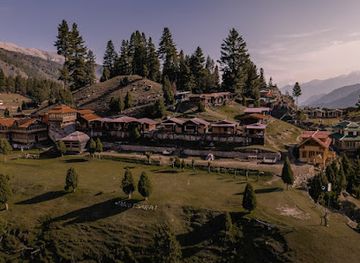
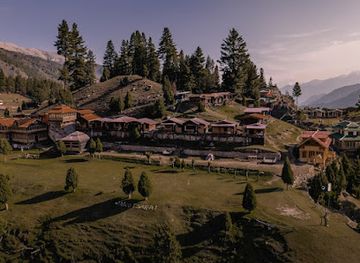
Raikot Sarai
Experience the breathtaking beauty of Raikot Sarai on the Nanga Parbat Base Camp Trail in Gilgit-Baltistan, a serene retreat for adventurers and nature lovers.
-
Resort hotel
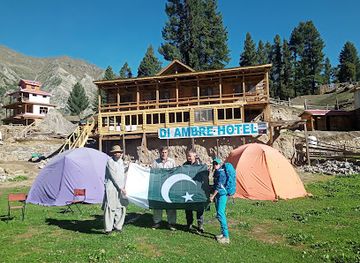
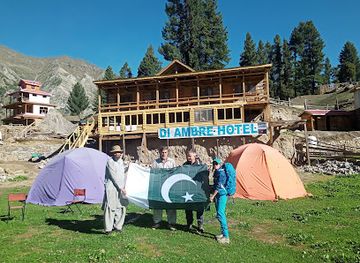
Di Ambre Fairy Meadows
Experience the breathtaking beauty of Di Ambre Fairy Meadows, a luxury resort hotel nestled in the heart of Pakistan's stunning landscapes.
Explore Fairy Meadows on the map
Plan your trip on one map. See where the top attractions, landmarks, restaurants and hotels are, and book hotels and experiences in a few clicks.
Best hotels in Fairy Meadows
Best restaurants in Fairy Meadows
Dining at Fairy Meadows is simple and closely tied to the seasonal lodge and camping economy. Visitors can generally expect basic meals prepared at guesthouses or camps, with supplies brought up from lower settlements and menus shaped by what can be transported and stored in a remote mountain environment. In the wider region, food reflects northern Pakistani and local mountain traditions, including rice and bread-based meals, lentils, vegetables, tea and meat dishes, while Shina-speaking communities have their own regional culinary customs. More varied restaurants and provisions are found in gateway towns such as Chilas and Gilgit rather than on the meadow itself. Travellers should carry suitable snacks and drinking water, communicate dietary needs before arrival and avoid assuming that remote accommodation can provide a broad choice of international food.
-
Hotel
Fairy Meadows Cottages
Discover serenity at Fairy Meadows Cottages - your gateway to breathtaking mountain views and unforgettable adventures in Pakistan's wilderness.
-
Resort hotel
Fairy Meadows Broad View Hotel & Resort
Discover tranquility and adventure at Fairy Meadows Broad View Hotel & Resort, where breathtaking mountain views meet luxury accommodations in Gilgit-Baltistan.
-
Hotel
Raikot Sarai
Discover unparalleled beauty at Raikot Sarai, your gateway to Nanga Parbat and Fairy Meadows' breathtaking landscapes.
-
Resort hotel
Di Ambre Fairy Meadows
Experience luxury and nature at Di Ambre Fairy Meadows – a stunning resort hotel in Tattu with breathtaking mountain views and outdoor adventures.
Best bars in Fairy Meadows
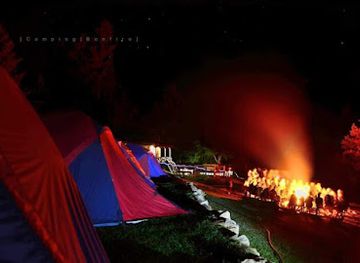
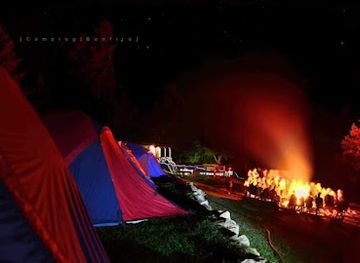
Fairy Meadows has no developed nightlife district, nightclub scene or late-evening entertainment infrastructure. Evenings are generally quiet and centred on guesthouse dining areas, shared camp spaces and the mountain landscape, with visitors spending time talking, observing the sky or preparing for an early walk. Alcohol is not an appropriate assumption in this conservative and remote part of Pakistan, and visitors should respect local religious and social norms. Chilas and Gilgit have more conventional hotel and restaurant environments, but they are gateway settlements outside the meadow rather than extensions of its evening scene. Limited electricity, cold temperatures, weather and the need for early mountain travel all contribute to a subdued atmosphere after dark.
-
Hotel
Fairy Meadows Cottages
Experience the serene beauty of Fairy Meadows Cottages, your perfect escape nestled at the foot of Nanga Parbat in Pakistan's breathtaking wilderness.
-
Restaurant
Resham Steak n Grill
Experience the authentic tastes of Gilgit at Resham Steak n Grill, where every meal is a celebration of flavor and hospitality in a stunning location.
-
Restaurant
Nanga Parbat View Hotel
Experience the stunning beauty of Nanga Parbat at this charming restaurant, where local flavors meet breathtaking views in Gilgit-Baltistan.
-
Resort hotel
Fairy Meadows Broad View Hotel & Resort
Discover the serene beauty of Fairy Meadows Broad View Hotel & Resort, where stunning mountain views and warm hospitality await in Gilgit-Baltistan.
Best nightclubs in Fairy Meadows
Fairy Meadows has no developed nightlife district, nightclub scene or late-evening entertainment infrastructure. Evenings are generally quiet and centred on guesthouse dining areas, shared camp spaces and the mountain landscape, with visitors spending time talking, observing the sky or preparing for an early walk. Alcohol is not an appropriate assumption in this conservative and remote part of Pakistan, and visitors should respect local religious and social norms. Chilas and Gilgit have more conventional hotel and restaurant environments, but they are gateway settlements outside the meadow rather than extensions of its evening scene. Limited electricity, cold temperatures, weather and the need for early mountain travel all contribute to a subdued atmosphere after dark.
-
Plateau
Fairy Meadows
Experience the breathtaking beauty of Fairy Meadows, a stunning plateau at the foot of Nanga Parbat, perfect for adventure and relaxation.
-
Hotel
Fairy Meadows Cottages
Discover the serene beauty of Fairy Meadows Cottages, where adventure meets tranquility amidst the stunning peaks of Nanga Parbat.
-
Hotel
Raikot Sarai
Discover the beauty of Gilgit-Baltistan at Raikot Sarai, your gateway to Nanga Parbat's breathtaking landscapes and adventures.
-
Resort hotel
Shambala Resorts Fairy Meadows
Discover the breathtaking beauty and serenity of Shambala Resorts Fairy Meadows, a hidden paradise in Gilgit Baltistan's majestic mountains.
Best shops in Fairy Meadows
Shopping at Fairy Meadows is limited and usually connected with practical supplies, simple souvenirs and goods sold through seasonal accommodation businesses rather than a permanent retail centre. The main purchases are more likely to be snacks, drinks, basic trekking necessities or locally made items available through individual camps and lodges, with selection varying by season. Chilas and Gilgit offer more dependable opportunities to buy food, outdoor supplies, textiles and regional handicrafts before travelling into the Raikot Valley. Visitors may encounter products associated with northern Pakistani handwork, but should ask about provenance rather than assuming that every souvenir is locally made. Because transport to the meadow is difficult and waste disposal is sensitive, reusable containers and essential supplies are more useful than extensive last-minute shopping.
-
Plateau
Fairy Meadows
Discover the breathtaking beauty of Fairy Meadows, a serene plateau near Nanga Parbat that offers stunning landscapes and unforgettable adventures.
-
Hotel
Fairy Meadows Cottages
Discover tranquility and breathtaking scenery at Fairy Meadows Cottages, your ideal escape near the majestic Nanga Parbat.
-
Resort hotel
Fairy Meadows Broad View Hotel & Resort
Experience the breathtaking beauty of Nanga Parbat at Fairy Meadows Broad View Hotel & Resort, your serene escape in Gilgit-Baltistan.
-
Hotel
Raikot Sarai
Unwind in nature’s embrace at Raikot Sarai, the gateway to Nanga Parbat’s breathtaking beauty, where adventure meets tranquility.
Get your free copy of our complete guide to Fairy Meadows, delivered straight to you.
Everything on this page, from attractions and restaurants to essentials and local phrases, in one PDF you can read offline, print or share.
Already have an account? Sign in
Your Fairy Meadows guide is ready.
We'll send it to · Not you? Sign out

Getting your guide ready…
We are putting together a fresh copy of the Fairy Meadows guide. This can take up to a minute.
This can take a few moments. If your browser asks, choose Allow so the download can start. You'll find the guide in your Downloads folder.
Nothing happened? Download it again
Sorry, the guide is taking longer than usual. Please try again in a minute, or get it by email instead.
Fairy Meadows essentials
Currency and Payment
Safety
Emergency Situations
Do's and Don'ts
Local Tips
From Eve
Local phrases worth knowing
You don't need to get them perfect. A few words go a long way, and locals appreciate the effort.
Basics
| English | Local | Say it |
|---|---|---|
| Hello | سلام | [salaam] |
| Goodbye | خدا حافظ | [khuda hafiz] |
| Yes | ہاں | [haan] |
| No | نہیں | [nahin] |
| Please/You're welcome | براہ کرم | [baraah karam] |
| Thank you | شکریہ | [shukriya] |
| Excuse me/Sorry | معاف کیجیے | [maaf kijiye] |
| How are you? | آپ کیسے ہیں؟ | [aap kaise hain?] |
| Fine. And you? | ٹھیک ہوں۔ آپ؟ | [theek hoon. aap?] |
| Do you speak English? | کیا آپ انگریزی بولتے ہیں؟ | [kya aap angrezi boltay hain?] |
| I don't understand | مجھے سمجھ نہیں آیا | [mujhe samajh nahi aya] |
Eating & Drinking
| English | Local | Say it |
|---|---|---|
| I'd like to see the menu, please | براہ کرم مینو دیکھنا ہے | [baraah karam menu dekhna hai] |
| I don't eat meat | میں گوشت نہیں کھاتا | [main gosht nahi khaata] |
| Cheers! | خوشیاں! | [khushiyan!] |
| I would like to pay, please | براہ کرم انعام دینا ہے | [baraah karam inaam dena hai] |
Emergencies
| English | Local | Say it |
|---|---|---|
| Help! | مدد! | [madad!] |
| Go away! | دور ہوجاؤ! | [door ho jao!] |
| Call the Police! | پولیس کو بلاؤ! | [police ko bulao!] |
| Call a doctor! | ڈاکٹر کو بلاؤ! | [doctor ko bulao!] |
| I'm lost | میں گم ہوگیا ہوں | [main gum hogaya hoon] |
| I'm ill | میں بیمار ہوں | [main bemar hoon] |
Shopping
| English | Local | Say it |
|---|---|---|
| I'd like to buy... | میں خریدنا چاہتا ہوں... | [main kharidna chahta hoon...] |
| I'm just looking | میں صرف دیکھ رہا ہوں | [main sirf dekh raha hoon] |
| How much is it? | یہ کتنا ہے؟ | [ye kitna hai?] |
| That's too expensive | یہ بہت مہنگا ہے | [ye bohat mehnga hai] |
| Can you lower the price? | کیا آپ قیمت کم کرسکتے ہیں؟ | [kya aap qeemat kam kar sakte hain?] |
Time & Numbers
| English | Local | Say it |
|---|---|---|
| What time is it? | وقت کیا ہوا ہے؟ | [waqt kya hua hai?] |
| It's one o'clock | ایک بجے ہیں | [aik bajay hain] |
| Half past (10) | دس بج کر پندرہ منٹ ہوں | [das baj kar pandra minute hoon] |
| Morning | صبح | [subah] |
| Afternoon | دوپہر | [dopehar] |
| Evening | شام | [shaam] |
| Yesterday | کل | [kal] |
| Today | آج | [aaj] |
| Tomorrow | کل | [kal] |
| 1 | ایک | [aik] |
| 2 | دو | [do] |
| 3 | تین | [teen] |
| 4 | چار | [chaar] |
| 5 | پانچ | [paanch] |
| 6 | چھے | [chhay] |
| 7 | سات | [saat] |
| 8 | آٹھ | [aath] |
| 9 | نو | [no] |
| 10 | دس | [das] |
Transport & Directions
| English | Local | Say it |
|---|---|---|
| Where's a/the...? | ...کہاں ہے؟ | [kahan hai?] |
| What's the address? | پتہ کیا ہے؟ | [pata kya hai?] |
| Can you show me (on the map)? | کیا آپ مجھے دکھا سکتے ہیں؟ | [kya aap mujhe dikhha sakte hain?] |
| When's the next (bus)? | اگلا کب ہے؟ | [agla kab hai?] |
| A ticket (to ....) | ٹکٹ (جائزہ ...) | [ticket (jaiza ...)] |
History of Fairy Meadows
A Young Himalayan Landscape
Fairy Meadows lies within the western Himalaya, a mountain system formed and continually uplifted by the collision of the Indian and Eurasian tectonic plates. The steep relief around the Raikot Valley reflects prolonged erosion by rivers, glaciers and freeze-thaw processes. Nanga Parbat is a major part of this geological setting, rising abruptly from the Indus valley and displaying immense changes in altitude over a comparatively short horizontal distance. The meadow itself is a high pasture shaped by climate, soil, seasonal water and grazing rather than a formal settlement founded at a single known historical moment.
Pastoral Life in Diamer
The wider Diamer region has long been connected with mountain pastoralism, seasonal movement and settlements positioned along river valleys and traditional routes. High meadows such as those around Fairy Meadows have been valued as summer grazing grounds, while the lower valleys provide more permanent homes, fields and access to trade routes. The local population is predominantly Dardic-speaking, with Shina widely used in Diamer, and community life remains closely linked to the restricted growing season, livestock and the difficult geography of the northern mountains. Fairy Meadows is therefore better understood as part of a working upland landscape than as an isolated wilderness.
Nanga Parbat and Mountaineering
Nanga Parbat entered international mountaineering history through repeated, often tragic expeditions during the twentieth century. The mountain was first climbed successfully in 1953 by the Austrian climber Hermann Buhl, who reached the summit alone after the rest of the expedition had turned back. The Raikot side, visible from Fairy Meadows and the route towards Beyal Camp, became an important approach to the mountain's northern base. Mountaineering brought international attention to the area, although the meadow itself remains a relatively simple base for sightseeing and trekking rather than a fully developed climbing centre.
From Highway Access to Mountain Tourism
The construction and development of the Karakoram Highway created a strategic road connection through northern Pakistan and made the Raikot Bridge approach more accessible from the Indus corridor. From there, local four-wheel-drive transport and the walking trail have enabled a growing flow of domestic and international visitors to Fairy Meadows. Tourism has brought seasonal income through guiding, transport, food and basic lodging, while also increasing pressure on waste management, water use and the pasture environment. The broader Nanga Parbat area is associated with protected-landscape management, but conditions and facilities can vary, so visitors should follow current local guidance.
Fairy Meadows in Photos
Browse through our photo collection highlighting the charm and character of the destination.
Neighbouring destination travel guides
The closest destinations to Fairy Meadows, if you have time for more than one.
-

-

-

-

-


Swipe for more destinations
Explore more
Explore more of Gilgit-Baltistan
Explore Gilgit-Baltistan’s glacier-carved valleys, historic forts, high plateaux and mountaineering routes across northern Pakistan.
Explore Gilgit-Baltistan
Explore more of Pakistan
Discover Pakistan: A land of majestic mountains, rich history, and delicious cuisine, where every journey is an adventure and every moment is filled with wonder.
Explore Pakistan