

Neelum Valley, Ladakh Travel Guide
Experience the breathtaking landscapes and rich cultural heritage of Neelum Valley, a hidden gem in Pakistan perfect for nature lovers and adventure seekers.
Neelum Valley is a breathtaking destination known for its stunning landscapes, lush greenery, and serene environment, perfect for nature lovers and adventure seekers alike. This picturesque valley in Pakistan offers a unique blend of natural beauty and cultural richness, making it an ideal getaway for tourists seeking tranquility and adventure.
A brief summary to Neelum Valley
- Neelum Valley Road, Sharda, PK

Know before you go
Hi, I'm Eve. Here are a few practical things to know before exploring Neelum Valley.
- Visit during the spring or summer months to enjoy the lush greenery and blooming flowers.
- Try local Kashmiri dishes to fully experience the culinary heritage of the valley.
- Engage with local guides for trekking to ensure a safe and informative journey through the valley.
- Pack warm clothing, as temperatures can drop significantly, especially at higher altitudes.
- Respect local customs and traditions when visiting villages to foster a positive cultural exchange.
Do you manage this location?
Take control to get all the benefits, like improved information, better appearance, and stronger visibility across AI-powered discovery. Learn more about listing your business on Evendo
Activate your presenceOther nearby places you may find interesting
The closest places of the same kind, if this one is not quite what you had in mind.
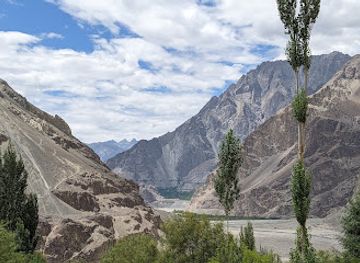
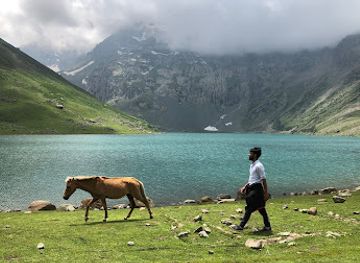
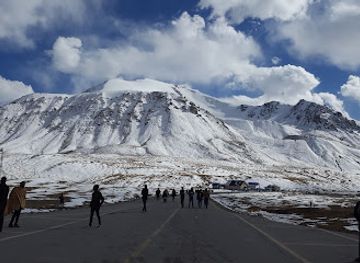

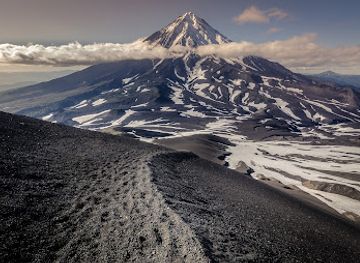
Explore Neelum Valley on the Map
A handpicked selection of must-see spots near Neelum Valley, mapped for you.
Getting There
-
Car
If you're driving from Leh, take the NH1D highway towards Kargil. After approximately 220 km, reach Kargil and continue towards Skardu. After about 40 km, you will arrive at the intersection for the Neelum Valley Road. Follow the signs for Neelum Valley, which will lead you through picturesque landscapes. The drive can take around 7-8 hours, depending on traffic and road conditions. Make sure your vehicle is in good condition, as some roads can be challenging.
-
Public Transportation (Bus)
From Leh, you can take a bus to Kargil, which operates daily and takes around 6-7 hours. Once in Kargil, you can catch another bus towards Skardu. Upon reaching Skardu, you will find local transport options to take you to Neelum Valley. Be prepared for a possible wait time for the bus to fill up before it departs. The total travel time may take up to 12 hours or more, depending on connections and waiting times.
-
Shared Taxi
Shared taxis are available from Leh to Kargil and Skardu. You can negotiate a fare, which usually ranges from PKR 2000 to PKR 3000 per person. After reaching Skardu, you can hire a local taxi to take you to Neelum Valley. This option is faster than the bus, but costs more. Ensure to agree on the fare before the journey.
-
Local Transport (Rickshaw/Taxi) in Neelum Valley
Once you arrive in Sharda at Neelum Valley, you will find local rickshaws and taxis available for hire. These can take you to various attractions within the valley. Fares typically range from PKR 500 to PKR 1500 depending on the distance. It's advisable to negotiate the fare before starting your journey.
Discover more about Neelum Valley













Your all‑in‑one travel companion app
Explore expert travel guides, compare and book tours, experiences, hotels, and more—all from the palm of your hand. Download now for seamless trip planning wherever your wanderlust takes you.


Explore More of Ladakh
Looking beyond Neelum Valley? Discover Ladakh for broader travel guides, local hot-spots, and regional highlights.
Explore Ladakh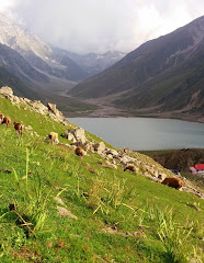
Explore Saif ul Malook National Park, a breathtaking blend of stunning landscapes and rich folklore in Khyber Pakhtunkhwa, Pakistan.
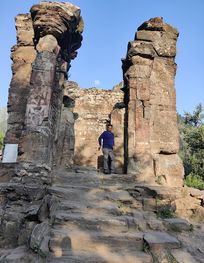
Experience the serene beauty of Neelum Valley at Sharda Camping Site, where nature and adventure meet in a perfect harmony.
