

Free Ladakh Travel Guide & Mobile App
Explore Ladakh with free travel guides. Discover regional history, expert tips, proposed trips, and audio guides on web or mobile app.


Explore Ladakh in India for high Himalayan valleys, ancient monasteries, stark mountain passes, turquoise lakes and distinctive Tibetan-influenced culture.
Read more about Ladakh
When is the best time to visit Ladakh?
Best: June–August · 22–24°C| Month | High (°C) | Rainfall (mm) |
|---|---|---|
| January | -3 | 10 |
| February | -1 | 10 |
| March | 7 | 10 |
| April | 12 | 10 |
| May | 17 | 10 |
| June (best) | 22 | 15 |
| July (best) | 24 | 15 |
| August (best) | 23 | 15 |
| September | 19 | 15 |
| October | 13 | 10 |
| November | 7 | 10 |
| December | -1 | 10 |
Getting to and around Ladakh
How to get there
Transportation
Top city travel guides in Ladakh
The cities of Ladakh, and the easiest places to base yourself.
-

-

-


Swipe for more cities
Destinations in Ladakh
Resorts, valleys and scenic spots worth a trip of their own.
-

-

-

-

-

-


Swipe for more destinations
Best attractions in Ladakh
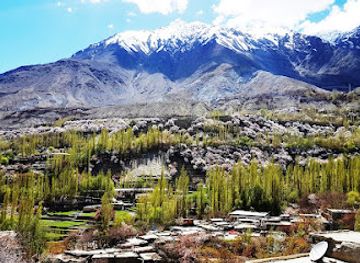
Ladakh's attractions are defined by the relationship between high mountains, historic settlements and living religious institutions. Leh offers the former royal palace, the old town and accessible viewpoints, while nearby monasteries such as Thiksey and Hemis present different architectural settings and ritual traditions. Alchi is especially important for its early wall paintings and sculpture, whereas Lamayuru is associated with a dramatic eroded landscape. The Nubra Valley combines cultivated villages, monasteries, mountain passes and dunes near Hunder; Pangong Tso provides a remote lakeside landscape, while Tso Moriri lies in a broad, wildlife-rich wetland setting. Around Kargil, the Suru Valley offers greener agricultural landscapes, glacier views and access to rural communities. Hemis National Park is known for its high-altitude wildlife, including the elusive snow leopard, although sightings are never guaranteed. Rafting on suitable sections of the Indus, trekking, cycling and scenic road journeys are popular, but all require attention to altitude, weather and local conditions.
-
Museum
Hall of Fame, Leh
Explore the Hall of Fame in Leh: A prestigious museum celebrating Ladakh's culture, history, and military legacy amidst stunning landscapes.
-
Tourist attraction
Leh Palace
Discover the majestic Leh Palace, a historic marvel overlooking the scenic beauty of Ladakh, showcasing rich Tibetan architecture and breathtaking views.
-
Historical place
Pari Mahal
Discover the enchanting beauty of Pari Mahal, a historical gem in Srinagar, showcasing Mughal architecture and vibrant gardens with breathtaking views.
-
Buddhist temple
Thiksey Monastery
Discover the spiritual heart of Ladakh at Thiksey Monastery, an architectural gem offering breathtaking views and rich cultural experiences.
Best landmarks in Ladakh
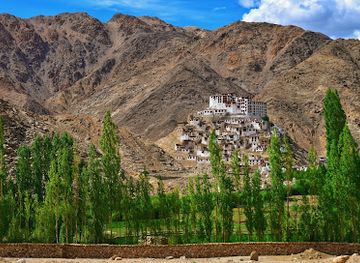
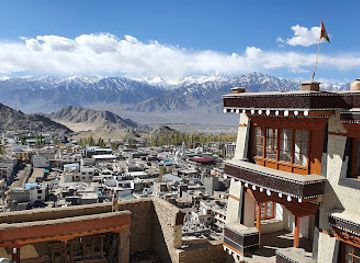
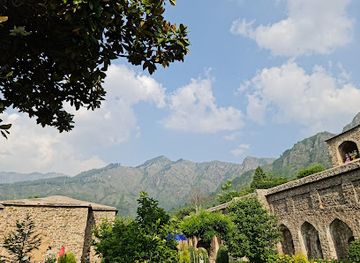
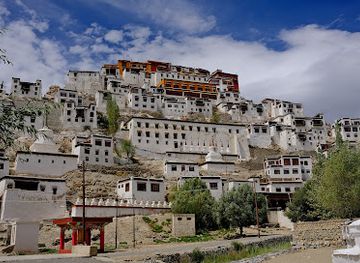
Leh Palace is Ladakh's most recognisable historic building, rising above the old town as a reminder of the Namgyal royal period. Nearby Shanti Stupa is a modern Buddhist monument with broad views across Leh, while the palace and temples at Shey reflect the former political and religious importance of the Indus valley. Thiksey Monastery is notable for its hilltop profile and layered monastic architecture, and Hemis is one of Ladakh's most important Drukpa Buddhist institutions. The temple complex at Alchi is distinguished by its exceptional medieval murals and sculpture. In western Ladakh, Lamayuru's monastery and surrounding moonlike terrain form a memorable cultural and geological landmark. Diskit Monastery overlooks the Nubra Valley and its large Maitreya statue has become an emblem of the area. Natural landmarks include Pangong Tso, Tso Moriri and the high passes linking the valleys, while the mountains around Kargil and the Dras region carry both scenic and modern military historical significance.
-
Mosque
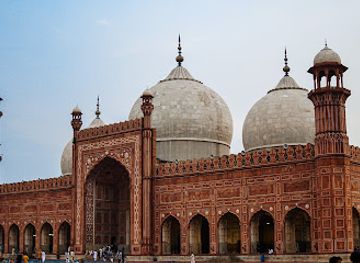
Badshahi Mosque
Explore the majestic Badshahi Mosque in Lahore, a stunning masterpiece of Mughal architecture and a must-see for every traveler.
-
 Historical landmark
Lahore Fort
Discover the history and beauty of Lahore Fort, a UNESCO World Heritage site showcasing stunning Mughal architecture and rich cultural heritage.
-
Monument
Pakistan Monument
Explore the Pakistan Monument in Islamabad, a stunning tribute to national unity with rich history, beautiful gardens, and captivating architecture.
-
Museum
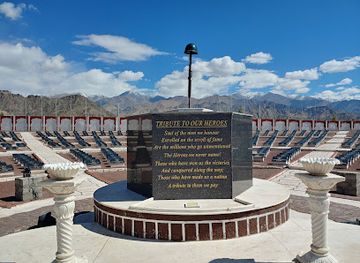
Hall of Fame, Leh
Explore the Hall of Fame in Leh, a captivating museum honoring the bravery of the Indian Armed Forces amidst the stunning landscapes of Ladakh.
Explore Ladakh on the map
Plan your trip on one map. See where the top cities, national parks and sights are, and book hotels and experiences in a few clicks.
Best hotels in Ladakh
Best restaurants in Ladakh
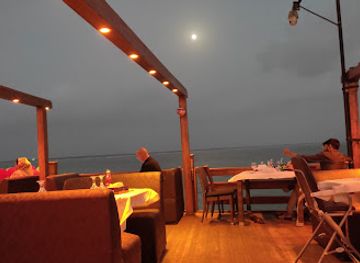
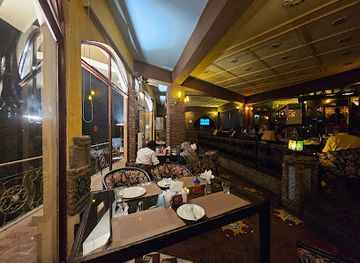
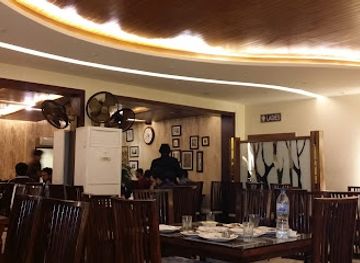
Ladakhi food reflects the region's Tibetan, Himalayan, Kashmiri and Central Asian connections. In Leh and Kargil, visitors can find thukpa noodle soup, momos, tingmo steamed bread, skyu, thenthuk and dishes made with barley, while tsampa remains an important traditional food. Butter tea and locally grown apricots are characteristic of Ladakh, and seasonal produce from irrigated valleys includes peas, potatoes and leafy vegetables. Western Ladakh and Kargil also offer foods associated with Balti and Kashmiri Muslim communities, including richer rice and meat dishes. Restaurants in Leh range from modest cafés to contemporary dining rooms, while village homestays provide a more direct introduction to household cooking. Bakeries are useful for breakfast and supplies, and markets offer dried fruit, nuts and local snacks. Outside the main towns, eating choices become simpler, so travellers should not assume that remote lakeside camps or villages will provide extensive menus.
-
Restaurant
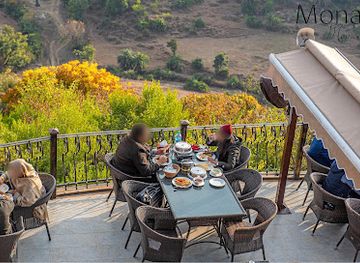
The Monal Islamabad
Discover exquisite Pakistani cuisine amidst breathtaking views at The Monal Islamabad - a true culinary gem in the hills.
-
Pakistani
Kolachi Restaurant
Experience authentic Pakistani cuisine at Kolachi Restaurant, where stunning sea views meet culinary excellence in Karachi.
-
Pakistani
Haveli Restaurant
Experience authentic Pakistani cuisine at Haveli Restaurant with stunning views near Badshahi Mosque in Lahore's historic Walled City.
-
Restaurant
Allah Malak Family Restaurant
Experience authentic Pakistani cuisine at Allah Malak Family Restaurant in Sialkot—where every meal is a celebration of flavor.
Best bars in Ladakh
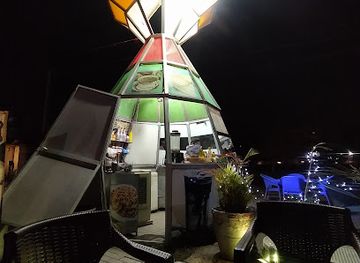
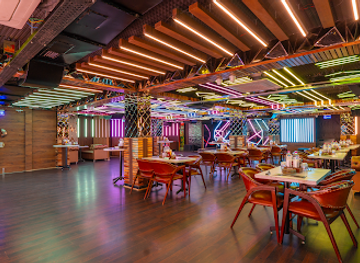
Ladakh does not have a large conventional nightclub scene. Evening life is concentrated in Leh, where cafés, hotel lounges and a small selection of restaurants provide places to meet after excursions. Some venues offer live music or cultural performances, particularly during the main tourism season, but programmes and opening arrangements vary. Traditional tea houses and cafés are often more representative of local evening rhythms than late-night bars. Kargil has restaurants, cafés and hotel-based social spaces, while smaller valleys generally become quiet after dark. Alcohol is available in some licensed establishments, but it is not necessary for experiencing Ladakh's culture, and responsible behaviour is especially important in small communities and at high altitude. Seasonal tourism, weather and local regulations can greatly affect evening options.
-
Bar
Mocktail Bar
Experience the best of Lahore's nightlife at Mocktail Bar, where innovative non-alcoholic drinks meet a vibrant atmosphere.
-
Restaurant
Lehchen Restaurant and Bar
Experience the best of Ladakhi and international cuisine at Lehchen Restaurant and Bar in the heart of Leh.
-
Lounge
Airport Inner Lounge
Experience the ultimate in comfort and relaxation at the Airport Inner Lounge in Sialkot, where luxury meets convenience for every traveler.
-
Cocktail bar
Malta Pan Shop
Experience the vibrant nightlife of Lahore at Malta Pan Shop, where expertly crafted cocktails meet a lively atmosphere.
Best nightclubs in Ladakh
Ladakh does not have a large conventional nightclub scene. Evening life is concentrated in Leh, where cafés, hotel lounges and a small selection of restaurants provide places to meet after excursions. Some venues offer live music or cultural performances, particularly during the main tourism season, but programmes and opening arrangements vary. Traditional tea houses and cafés are often more representative of local evening rhythms than late-night bars. Kargil has restaurants, cafés and hotel-based social spaces, while smaller valleys generally become quiet after dark. Alcohol is available in some licensed establishments, but it is not necessary for experiencing Ladakh's culture, and responsible behaviour is especially important in small communities and at high altitude. Seasonal tourism, weather and local regulations can greatly affect evening options.
-
Night club
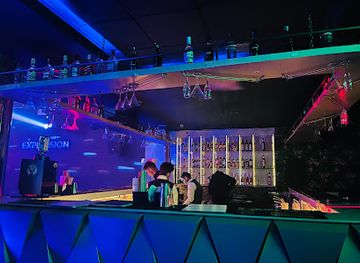
Explosion NightClub
Discover the electrifying nightlife of Manali at Explosion NightClub, where dance, drinks, and unforgettable moments await.
-
Night club
Night eye club
Dive into the heart of Manali's nightlife at Night Eye Club—a premier destination for music, dancing, and unforgettable experiences.
-
Hotel
Serena Khaplu Palace
Discover the enchanting Serena Khaplu Palace, a luxurious heritage hotel nestled in the breathtaking valleys of Khaplu, Pakistan.
-
Tour operator
K2 PAKISTAN
Explore K2, the second highest mountain in the world, and discover breathtaking landscapes and rich culture in the heart of Pakistan's Karakoram range.

Best shops in Ladakh
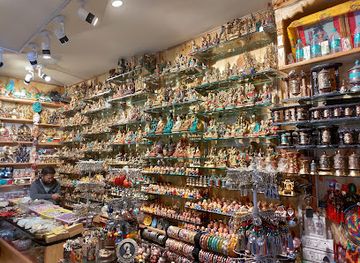
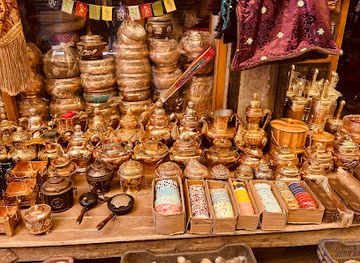
Leh is Ladakh's principal shopping centre, with streets and market areas selling woollen clothing, carpets, jewellery, prayer items, books, dried fruit, apricots and packaged local foods. Look for products made from pashmina or other wool only when the material and origin are clearly explained, as quality and authenticity vary. Handicrafts may include woodwork, metalwork, woven goods and Tibetan-influenced religious art, although visitors should avoid buying old artefacts or anything that may have been removed from a heritage site. Kargil and smaller market towns have a more local orientation, offering practical clothing, foodstuffs and regional produce rather than a broad tourist-retail selection. Cooperative shops and socially responsible craft outlets can connect purchases with local producers, but stock is seasonal. Markets are also useful for apricots, walnuts, barley products and spices, while bookshops in Leh provide background on Ladakh's history, Buddhism, geography and contemporary society.
-
Market
Leh Main Market
Discover the charm of Leh Main Market, a vibrant hub of local culture, crafts, and delicious street food in the heart of Ladakh.
-
Hotel
Serena Khaplu Palace
Experience the majestic Serena Khaplu Palace, a blend of history, luxury, and breathtaking scenery in the heart of Gilgit-Baltistan.
-
Tourist attraction
Kargil City View Point
Discover the breathtaking beauty of Kargil City View Point, where stunning Himalayan vistas meet rich cultural heritage in the heart of Ladakh.
-
Market
Leh market
Explore Leh Market, a vibrant shopping destination in the heart of Ladakh, filled with unique crafts, delicious street food, and rich local culture.
Get your free copy of our complete guide to Ladakh, delivered straight to you.
Everything on this page, from attractions and restaurants to essentials and local phrases, in one PDF you can read offline, print or share.
Already have an account? Sign in
Your Ladakh guide is ready.
We'll send it to · Not you? Sign out

Getting your guide ready…
We are putting together a fresh copy of the Ladakh guide. This can take up to a minute.
This can take a few moments. If your browser asks, choose Allow so the download can start. You'll find the guide in your Downloads folder.
Nothing happened? Download it again
Sorry, the guide is taking longer than usual. Please try again in a minute, or get it by email instead.
Ladakh essentials
Currency and Payment
Safety
Emergency Situations
Do's and Don'ts
Local Tips
From Eve
Local phrases worth knowing
You don't need to get them perfect. A few words go a long way, and locals appreciate the effort.
Basics
| English | Local | Say it |
|---|---|---|
| Hello | नमस्ते | [Namaste] |
| Goodbye | अलविदा | [Alvida] |
| Yes | हाँ | [Haan] |
| No | नहीं | [Nahin] |
| Please/You're welcome | कृपया/आपका स्वागत है | [Kripya/Aapka Swagat Hai] |
| Thank you | धन्यवाद | [Dhanyavaad] |
| Excuse me/Sorry | माफ कीजिये/क्षमा करें | [Maaf Kijiye/Kshama Karein] |
| How are you? | आप कैसे हैं? | [Aap Kaise Hain?] |
| Fine. And you? | ठीक हूँ। और आप? | [Theek Hoon. Aur Aap?] |
| Do you speak English? | क्या आप अंग्रेजी बोलते हैं? | [Kya Aap Angrezi Bolte Hain?] |
| I don't understand | मुझे समझ में नहीं आता | [Mujhe Samajh Mein Nahin Aata] |
Eating & Drinking
| English | Local | Say it |
|---|---|---|
| I'd like to see the menu, please | कृपया मेनू दिखाइए | [Kripya Menu Dikhaiye] |
| I don't eat meat | मैं मांस नहीं खाता | [Main Maans Nahin Khata] |
| Cheers! | स salud! | [Salud!] |
| I would like to pay, please | कृपया, मुझे भुगतान करना है | [Kripya, Mujhe Bhugtaan Karna Hai] |
Emergencies
| English | Local | Say it |
|---|---|---|
| Help! | मदद करो! | [Madad Karo!] |
| Go away! | जाओ यहाँ से! | [Jaao Yahan Se!] |
| Call the Police! | पुलिस को बुलाओ! | [Police Ko Bulao!] |
| Call a doctor! | डॉक्टर को बुलाओ! | [Doctor Ko Bulao!] |
| I'm lost | मैं खो गया हूँ | [Main Kho Gaya Hoon] |
| I'm ill | मैं बीमार हूँ | [Main Beemar Hoon] |
Shopping
| English | Local | Say it |
|---|---|---|
| I'd like to buy... | मैं खरीदना चाहता हूँ... | [Main Kharidna Chahta Hoon...] |
| I'm just looking | मैं बस देख रहा हूँ | [Main Bas Deekh Raha Hoon] |
| How much is it? | यह कितना है? | [Yeh Kitna Hai?] |
| That's too expensive | यह बहुत महंगा है | [Yeh Bahut Mahanga Hai] |
| Can you lower the price? | क्या आप कीमत कम कर सकते हैं? | [Kya Aap Keemat Kam Kar Sakte Hain?] |
Time & Numbers
| English | Local | Say it |
|---|---|---|
| What time is it? | क्या समय हुआ है? | [Kya Samay Hua Hai?] |
| It's one o'clock | यह एक बजे है | [Yeh Ek Baje Hai] |
| Half past (10) | साढ़े (10) | [Saade (10)] |
| Morning | सुबह | [Subah] |
| Afternoon | दोपहर | [Dopahar] |
| Evening | शाम | [Shaam] |
| Yesterday | कल | [Kal] |
| Today | आज | [Aaj] |
| Tomorrow | कल | [Kal] |
| 1 | 1 | [1] |
| 2 | 2 | [2] |
| 3 | 3 | [3] |
| 4 | 4 | [4] |
| 5 | 5 | [5] |
| 6 | 6 | [6] |
| 7 | 7 | [7] |
| 8 | 8 | [8] |
| 9 | 9 | [9] |
| 10 | 10 | [10] |
Transport & Directions
| English | Local | Say it |
|---|---|---|
| Where's a/the...? | एक/दूसरा...कहाँ है? | [Ek/Dusra...Kahan Hai?] |
| What's the address? | पता क्या है? | [Pata Kya Hai?] |
| Can you show me (on the map)? | क्या आप मुझे दिखा सकते हैं (नक्शे पर)? | [Kya Aap Mujhe Dikha Sakte Hain (Nakshe Par)?] |
| When's the next (bus)? | अगली (बस) कब है? | [Agli (Bus) Kab Hai?] |
| A ticket (to ....) | एक टिकट (के लिए....) | [Ek Ticket (Ke Liye....)] |
History of Ladakh
Early Trade and the Upper Indus
Ladakh's settlements developed along the Indus and other river valleys, where irrigation made agriculture possible in an otherwise arid mountain environment. The region's position between the Tibetan plateau, Kashmir, Central Asia and the western Himalaya encouraged trade in wool, salt, textiles, spices and precious goods. Caravans crossed difficult passes, linking Leh with markets far beyond the region. Archaeological remains, rock carvings and early religious sites indicate cultural contacts that predate the consolidation of the historic Ladakhi kingdom.
The Rise of the Ladakhi Kingdom
A central Ladakhi kingdom emerged during the medieval period and expanded its influence across much of the present-day region. Under rulers associated with the Namgyal dynasty, Leh became a political and commercial centre, while fortified palaces and monasteries were established in strategic valleys. The kingdom's culture developed through close links with Tibet but also absorbed influences from Kashmir and Central Asia. The ruins and surviving structures of Leh Palace, Shey and Basgo illustrate this period of political consolidation and artistic patronage.
Tibetan Buddhism and Monastic Culture
Tibetan Buddhist institutions became central to Ladakhi religious, artistic and social life, particularly through the Drukpa, Gelugpa and other traditions. Monasteries functioned as places of worship, learning, artistic production and community organisation. Monastic complexes at Alchi, Lamayuru, Hemis, Thiksey and Diskit preserve different architectural and artistic traditions, including murals, manuscripts, sculpture and ritual objects. Islam also became deeply established, especially in western Ladakh and around Kargil, creating a region with diverse religious communities.
Dogra Expansion and the Kashmir Connection
In the nineteenth century, forces of the Dogra ruler Gulab Singh expanded into Ladakh under the general Zorawar Singh. The campaign brought the region into the political sphere of the princely state of Jammu and Kashmir after conflict with Tibetan forces. Trade routes remained important, but political control, taxation and military administration changed. This period connected Ladakh more closely with Kashmir while leaving its distinct languages, religious institutions and high-altitude economy intact.
The End of the Caravan Era
From the late nineteenth century into the twentieth, changing borders, modern transport and political upheaval gradually weakened Ladakh's traditional caravan trade. Routes through the Himalaya became restricted, and Leh lost some of its earlier role as an international entrepôt. Roads and air links later brought new forms of administration, commerce, education and tourism. The decline of long-distance caravans remains visible in old merchant houses, bazaar architecture and stories of trading communities.
Partition, Conflict and Strategic Roads
The partition of British India in 1947 placed Ladakh within India and left neighbouring territories under Pakistani administration, creating a sensitive international frontier. Conflict in the wider region affected places such as Kargil and Dras, while military roads and airfields became significant to regional infrastructure. Visitors should respect restrictions around military sites and border zones. The strategic setting continues to influence access, communications and the location of some settlements.
Ladakh as a Union Territory
Ladakh became a separate union territory of India in 2019, administratively distinct from Jammu and Kashmir, with Leh and Kargil as its two districts. The change renewed attention to local governance, infrastructure, environmental pressure and cultural identity. Tourism, roads and telecommunications have expanded, but water scarcity, waste management, fragile ecosystems and the effects of climate change remain important concerns. Contemporary Ladakh therefore combines rapid modernisation with strong efforts to protect local landscapes and traditions.
Neighbouring regions of Ladakh
The closest regions to Ladakh, if you have time for more than one.
-

-

-

-

-


Swipe for more regions
Explore more

Explore more of Pakistan
Discover Pakistan: A land of majestic mountains, rich history, and delicious cuisine, where every journey is an adventure and every moment is filled with wonder.
Explore Pakistan