

Free Lasbela Travel Guide & Mobile App
Explore Lasbela with free travel guides. Discover regional history, expert tips, proposed trips, and audio guides on web or mobile app.


Discover Lasbela in southern Balochistan for Hingol landscapes, ancient pilgrimage, desert coastlines and journeys along Pakistan’s Arabian Sea frontier.
Read more about Lasbela
When is the best time to visit Lasbela?
Best: December–February · 26–28°C| Month | High (°C) | Rainfall (mm) |
|---|---|---|
| January (best) | 26 | 8 |
| February (best) | 28 | 10 |
| March | 32 | 12 |
| April | 36 | 6 |
| May | 40 | 5 |
| June | 41 | 3 |
| July | 39 | 15 |
| August | 38 | 18 |
| September | 36 | 12 |
| October | 35 | 7 |
| November | 31 | 6 |
| December (best) | 27 | 7 |
Getting to and around Lasbela
How to get there
Transportation
Top city travel guides in Lasbela
The cities of Lasbela, and the easiest places to base yourself.

Swipe for more cities
Destinations in Lasbela
Resorts, valleys and scenic spots worth a trip of their own.

Swipe for more destinations
Best attractions in Lasbela
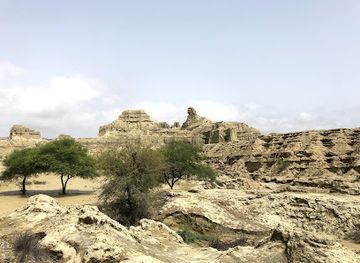
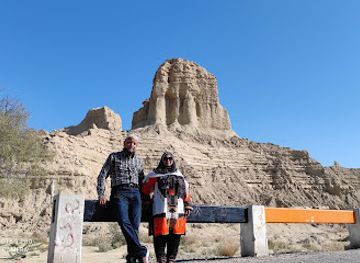
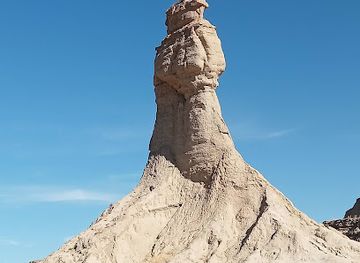
Lasbela’s attractions are primarily geological, coastal, religious and cultural rather than urban. Hingol National Park provides the region’s defining experience: a vast landscape of limestone ridges, winding valleys, dry riverbeds and desert vegetation, with opportunities for scenic driving, wildlife observation and short walks where conditions permit. The natural rock formation called the Princess of Hope is one of the area’s most recognisable roadside features, while nearby formations are often compared informally with monumental sculptures. Kund Malir and other beaches along the coastal highway offer broad views of the Arabian Sea, though facilities are sparse and visitors must be self-sufficient. The Hinglaj Mata shrine is a living pilgrimage destination rather than a conventional museum or monument, and visitors should approach it with respect. Bela offers a more settled contrast, with local markets, historic associations and access to the cultural geography of the former Lasbela state. Uthal serves as a useful base for understanding the inland district and arranging onward travel. The region is best explored as a road journey, with realistic expectations about distance, heat, limited services and the need to protect fragile desert and coastal environments.
-
Museum
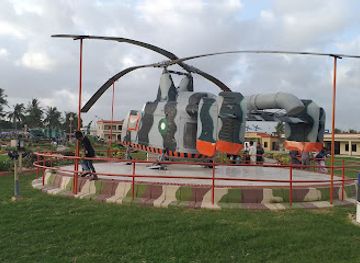
Pakistan Air Force Museum
Discover the legacy of aviation at the Pakistan Air Force Museum in Karachi, showcasing historical aircraft and honoring the valor of the Air Force.
-
Maritime museum
Pakistan Maritime Museum
Discover the maritime heritage of Pakistan at the Pakistan Maritime Museum, a premier tourist attraction in Karachi filled with naval history and artifacts.
-
Library
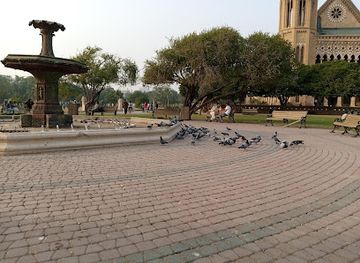
Frere Hall
Discover Frere Hall, a historical library and landmark in Karachi, showcasing colonial architecture and vibrant cultural events in tranquil gardens.
-
Wildlife and safari park
Safari Park
Discover the beauty of wildlife at Karachi's Safari Park, where adventure and education meet in a lush, family-friendly environment.
Best landmarks in Lasbela
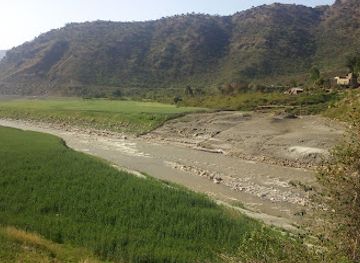
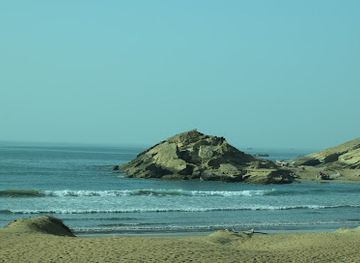
The most important natural landmark in Lasbela is the Hingol landscape, where the Hingol River passes between eroded limestone hills before reaching the Arabian Sea. Within this wider setting, the rock formation known as the Princess of Hope has become a visual symbol of the coastal highway, its weathered profile created by wind and geological erosion rather than human construction. Hinglaj Mata, a cave shrine in the Hingol area, is the region’s most significant living religious landmark and a destination of pilgrimage for Hindus; its importance should be understood through its continuing devotional use. Kund Malir is notable as a broad, remote coastal setting where harsh mountains meet the sea, rather than as a developed beach resort. Bela represents the historical centre of the former Lasbela state and remains the clearest urban expression of the region’s political heritage. The contrast between Bela’s settled riverine environment, the barren parkland and the open Arabian Sea is central to Lasbela’s visual identity.
-
Resort hotel
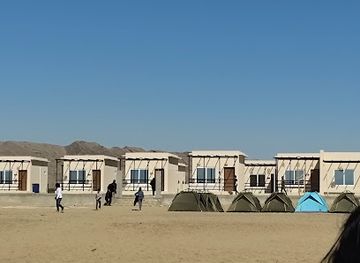
Kund Malir Beach Resort
Experience the serene beauty of Kund Malir Beach Resort, a hidden gem along the Makran Coastal Highway in Balochistan, Pakistan.
-
National park
Hingol Balochistan National Park
Explore the stunning landscapes and rich biodiversity of Hingol Balochistan National Park, a must-visit destination for nature lovers and adventurers.
-
Tourist attraction
Princess of Hope
Experience the breathtaking beauty of the Princess of Hope, a stunning rock formation in Las Bela, Balochistan, perfect for hiking and photography.
-
Beach
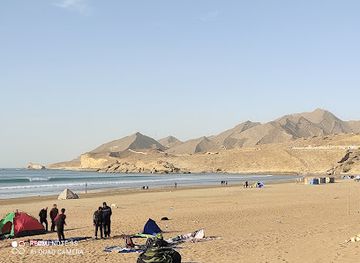
Kund malir Beach
Discover the unspoiled beauty and tranquility of Kund Malir Beach, a hidden gem along Pakistan's stunning coastline in Balochistan.
Explore Lasbela on the map
Plan your trip on one map. See where the top cities, national parks and sights are, and book hotels and experiences in a few clicks.
Best hotels in Lasbela
Best restaurants in Lasbela
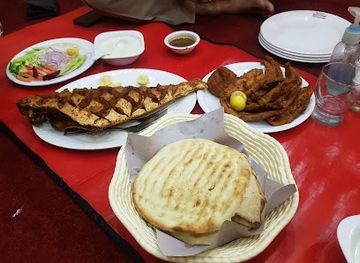
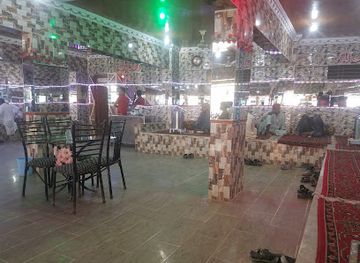
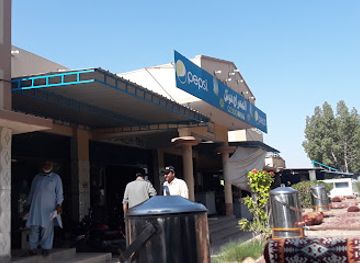
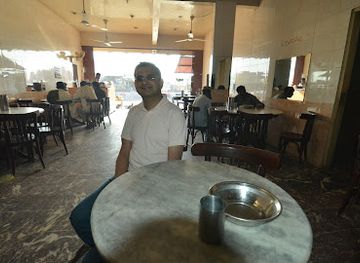
Dining in Lasbela is straightforward and closely tied to local transport routes, markets and household cooking rather than a developed restaurant scene. Bela and Uthal provide the widest choice of tea stalls, small eateries, roadside grills and simple restaurants, where visitors may find rice dishes, lentils, flatbreads, meat curries and grilled chicken or mutton. Balochi and wider Pakistani food traditions overlap here, with hearty portions and robust use of spices, while fresh fish and seafood are more relevant in coastal communities than inland towns. Tea is a central part of roadside hospitality, but travellers should use bottled or treated water and choose food that is freshly cooked and served hot. Along the Makran Coastal Highway, dining options can be widely spaced, so packed provisions are sensible for excursions. Markets may offer dates, fruit, savoury snacks and basic drinks, although selection varies by season and settlement. There is little reason to expect a formal fine-dining culture outside the larger nearby urban centres.
-
Pakistani
Kolachi Restaurant
Discover authentic Pakistani cuisine at Kolachi Restaurant while enjoying stunning seaside views in Karachi.
-
Restaurant
Balochistan Sajji
Experience authentic Balochi cuisine at Balochistan Sajji in Karachi—home of the famous Sajji and other traditional delights.
-
Pakistani
Al Habib Restaurant
Experience authentic Pakistani cuisine at Al Habib Restaurant on the Karachi-Hyderabad Motorway - a must-visit culinary destination.
-
Restaurant
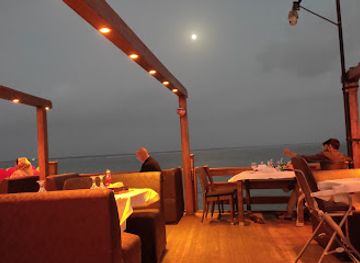
Dua Restaurant, Hawksbay Beach - دُعا ریسٹورنٹ ہاکس بے بِیچ
Experience authentic Pakistani cuisine at Dua Restaurant while enjoying breathtaking views of Hawksbay Beach.
Best bars in Lasbela
Lasbela does not have a conventional bar or nightclub scene, reflecting Pakistan’s Muslim social environment and the region’s predominantly rural character. Evening life centres on tea stalls, family gatherings, roadside restaurants and informal conversation in Bela, Uthal and other settled communities. After dark, the coastal and Hingol areas are exceptionally quiet, with no dependable entertainment infrastructure and limited lighting. Travellers staying near remote beaches should bring suitable supplies, avoid isolated walks at night and follow local guidance. In larger towns, simple eateries may remain active into the evening, but opening arrangements vary and should not be assumed. Visitors seeking a broader choice of cinemas, cafés or nightlife generally travel to Karachi, which is outside Lasbela, rather than treating the district as an urban entertainment destination.
-
Restaurant
Zero Point Restaurant
Experience the local flavors and breathtaking views at Zero Point Restaurant on Makran Coastal Highway, a must-visit culinary destination in Balochistan.
-
Restaurant
نیو السعودیہ VIP ریسٹورنٹ حب چوکی بلوچستان
Discover the rich flavors of Pakistani cuisine at نیو السعودیہ VIP ریسٹورنٹ in Hub, بلوچستان, a must-visit for food lovers.
-
Restaurant
Al-Meraj Restaurant
Discover the rich flavors of Balochistan at Al-Meraj Restaurant, where local cuisine meets warm hospitality.
-
Restaurant
Sajan Hotel
Discover authentic Baloch cuisine at Sajan Hotel in Winder, Las Bela, where every dish is a celebration of local flavors.

Best nightclubs in Lasbela
Lasbela does not have a conventional bar or nightclub scene, reflecting Pakistan’s Muslim social environment and the region’s predominantly rural character. Evening life centres on tea stalls, family gatherings, roadside restaurants and informal conversation in Bela, Uthal and other settled communities. After dark, the coastal and Hingol areas are exceptionally quiet, with no dependable entertainment infrastructure and limited lighting. Travellers staying near remote beaches should bring suitable supplies, avoid isolated walks at night and follow local guidance. In larger towns, simple eateries may remain active into the evening, but opening arrangements vary and should not be assumed. Visitors seeking a broader choice of cinemas, cafés or nightlife generally travel to Karachi, which is outside Lasbela, rather than treating the district as an urban entertainment destination.
-
Tourist attraction
Princess of Hope
Discover the enchanting Princess of Hope in Balochistan, a stunning natural wonder perfect for hiking and breathtaking views.
-
Bar
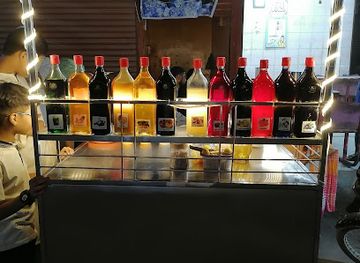
Vertigo Flavours Land the soda center
Dive into the vibrant nightlife of Karachi at Vertigo Flavours Land, where unique local flavors meet an exhilarating atmosphere.
-
Night club
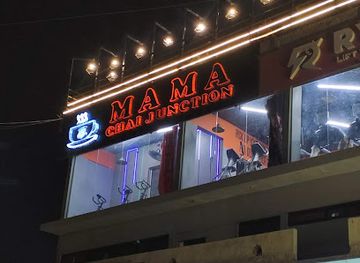
Mama Chai Collection
Dive into Karachi's nightlife at Mama Chai Collection, where vibrant music and an electrifying atmosphere await every night.
-
Night club
hazrat nooro shah boqari
Dive into Karachi's vibrant nightlife at Hazrat Nooro Shah Boqari, where music, dance, and unforgettable memories await in the heart of the city.
Best shops in Lasbela
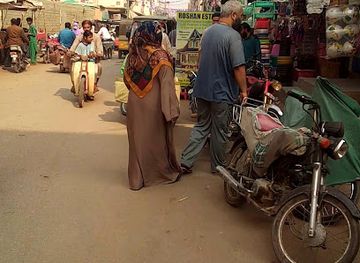
Shopping in Lasbela is practical and local rather than centred on large retail complexes. Bela and Uthal have markets and small high-street businesses selling clothing, household goods, mobile accessories, food and everyday travel supplies. Visitors may find regional dry goods, dates, spices, embroidered textiles and simple handicrafts, although selection and quality vary between shops. Roadside stalls and market traders can provide snacks and locally used products, but formal souvenir retail is limited. The area’s most meaningful purchases are generally modest food products or handmade items bought directly and respectfully from local sellers rather than heavily branded tourism goods. Travellers heading into Hingol or towards the coast should buy essentials, cash-paid provisions and fuel before leaving the main towns. Larger selections of Pakistani crafts, books, clothing and specialist goods are available in Karachi, outside Lasbela, so the district is best approached as a destination for landscapes and cultural encounters rather than extensive shopping.
-
Tourist attraction
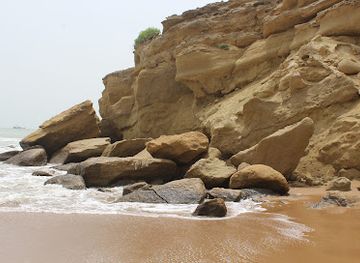
Kund Malir Seaside Balochistan
Explore the breathtaking Kund Malir Seaside in Balochistan, where golden sands meet turquoise waters for an unforgettable coastal experience.
-
Seafood wholesaler
Kund Malir Fish Market
Discover the vibrant atmosphere and rich flavors of Kund Malir Fish Market, where fresh seafood and local culture blend seamlessly.
-
Grocery store
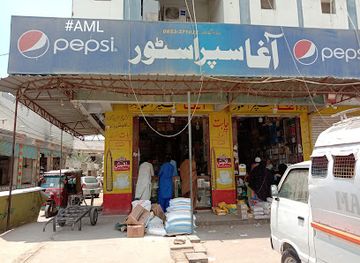
Aagha super store آغا سپر سٹور
Aagha Super Store in Hub offers a diverse selection of groceries and local delights, perfect for tourists seeking authentic flavors and convenience.
-
Shopping mall
Zulfiqar Stationery Karimabad
Explore Zulfiqar Stationery in Karimabad for unique stationery and gifts, blending local culture with quality shopping in Karachi.
Get your free copy of our complete guide to Lasbela, delivered straight to you.
Everything on this page, from attractions and restaurants to essentials and local phrases, in one PDF you can read offline, print or share.
Already have an account? Sign in
Your Lasbela guide is ready.
We'll send it to · Not you? Sign out

Getting your guide ready…
We are putting together a fresh copy of the Lasbela guide. This can take up to a minute.
This can take a few moments. If your browser asks, choose Allow so the download can start. You'll find the guide in your Downloads folder.
Nothing happened? Download it again
Sorry, the guide is taking longer than usual. Please try again in a minute, or get it by email instead.
Lasbela essentials
Currency and Payment
Safety
Emergency Situations
Do's and Don'ts
Local Tips
From Eve
Local phrases worth knowing
You don't need to get them perfect. A few words go a long way, and locals appreciate the effort.
Basics
| English | Local | Say it |
|---|---|---|
| Hello | السلام علیکم | [Assalam Alaikum] |
| Goodbye | خدا حافظ | [Khuda Hafiz] |
| Yes | جی ہاں | [Ji Haan] |
| No | نہیں | [Nahi] |
| Please/You're welcome | براہ کرم/خوش آمدید | [Barah-e-Karam/Khosh Aamdeed] |
| Thank you | شکریہ | [Shukriya] |
| Excuse me/Sorry | معاف کیجئے | [Maaf Kijiye] |
| How are you? | آپ کیسے ہیں؟ | [Aap Kaise Hain?] |
| Fine. And you? | ٹھیک ہوں۔ اور آپ؟ | [Theek Hoon. Aur Aap?] |
| Do you speak English? | کیا آپ انگریزی بولتے ہیں؟ | [Kya Aap Angrezi Bolte Hain?] |
| I don't understand | مجھے سمجھ نہیں آتا | [Mujhe Samajh Nahi Aata] |
Eating & Drinking
| English | Local | Say it |
|---|---|---|
| I'd like to see the menu, please | براہ کرم مینو دکھائیں | [Barah-e-Karam Menu Dikhain] |
| I don't eat meat | میں گوشت نہیں کھاتا | [Main Gosht Nahi Khata] |
| Cheers! | زندگی! | [Zindagi!] |
| I would like to pay, please | براہ کرم، میں بل ادا کرنا چاہتا ہوں | [Barah-e-Karam, Main Bill Ada Karna Chahta Hoon] |
Emergencies
| English | Local | Say it |
|---|---|---|
| Help! | مدد کریں! | [Madad Karein!] |
| Go away! | چلے جاؤ! | [Chalay Jao!] |
| Call the Police! | پولیس کو بلائیں! | [Police Ko Bulain!] |
| Call a doctor! | ڈاکٹر کو بلائیں! | [Doctor Ko Bulain!] |
| I'm lost | میں گم ہو گیا ہوں | [Main Gum Ho Gaya Hoon] |
| I'm ill | میں بیمار ہوں | [Main Bimaar Hoon] |
Shopping
| English | Local | Say it |
|---|---|---|
| I'd like to buy... | میں خریدنا چاہتا ہوں... | [Main Kharidna Chahta Hoon...] |
| I'm just looking | میں صرف دیکھ رہا ہوں | [Main Sirf Dekh Raha Hoon] |
| How much is it? | یہ کتنے کا ہے؟ | [Yeh Kitne Ka Hai?] |
| That's too expensive | یہ بہت مہنگا ہے | [Yeh Bohat Mehnga Hai] |
| Can you lower the price? | کیا آپ قیمت کم کر سکتے ہیں؟ | [Kya Aap Qeemat Kam Kar Sakte Hain?] |
Time & Numbers
| English | Local | Say it |
|---|---|---|
| What time is it? | کیا وقت ہوا ہے؟ | [Kya Waqt Hua Hai?] |
| It's one o'clock | یہ ایک بجے ہیں | [Yeh Aik Baje Hain] |
| Half past (10) | ساڑھے (10) | [Saadhe (10)] |
| Morning | صبح | [Subah] |
| Afternoon | دوپہر | [Dopahar] |
| Evening | شام | [Shaam] |
| Yesterday | کل | [Kal] |
| Today | آج | [Aaj] |
| Tomorrow | کل | [Kal] |
| 1 | ایک | [Aik] |
| 2 | دو | [Do] |
| 3 | تین | [Teen] |
| 4 | چار | [Chaar] |
| 5 | پانچ | [Paanch] |
| 6 | چھ | [Chay] |
| 7 | سات | [Saat] |
| 8 | آٹھ | [Aath] |
| 9 | نو | [Nau] |
| 10 | دس | [Das] |
Transport & Directions
| English | Local | Say it |
|---|---|---|
| Where's a/the...? | کہاں ہے ...؟ | [Kahan Hai ...?] |
| What's the address? | پتہ کیا ہے؟ | [Pata Kya Hai?] |
| Can you show me (on the map)? | کیا آپ مجھے دکھا سکتے ہیں (نقشے پر)؟ | [Kya Aap Mujhe Dikhha Sakte Hain (Naqshay Par)?] |
| When's the next (bus)? | اگلی (بس) کب ہے؟ | [Agli (Bus) Kab Hai?] |
| A ticket (to ....) | ایک ٹکٹ (.... کے لیے) | [Aik Ticket (.... Ke Liye)] |
History of Lasbela
Early settlements and the Lasbela landscape
Lasbela lies within a long-established corridor between the lower Indus region, the Balochistan uplands and the Arabian Sea. Archaeological evidence from the broader coastal and inland zone points to prehistoric movement, seasonal settlement and exchange between communities using river valleys, grazing grounds and maritime routes. The arid landscape has always made water and access especially important. Rather than developing a dense urban network, the region was shaped by dispersed settlements, tribal territories and routes connecting the coast with inland markets.
Bela and the rise of local rule
Bela became the principal historic centre of Lasbela and the seat of the Jam rulers. The title Jam reflects a wider tradition of local Muslim ruling houses in parts of Sindh and Balochistan. From Bela, authority was exercised over a territory whose communities included settled townspeople, pastoral groups and coastal populations. The town’s importance came less from monumental urban development than from its position on routes linking the Arabian Sea with inland Balochistan.
Hinglaj Mata and a continuing pilgrimage tradition
The cave shrine of Hinglaj Mata, located in the Hingol landscape, is one of the most important Hindu pilgrimage sites in Pakistan. Its significance predates modern national boundaries and is connected with the religious geography of the wider Indian subcontinent. Pilgrims traditionally travel through a demanding desert and mountain environment to reach the shrine, with the journey itself forming part of the religious observance. Hinglaj remains an important example of living heritage within a predominantly Muslim region.
British-era strategic and coastal connections
During the period of British influence in the subcontinent, Lasbela retained the status of a princely state while operating within the strategic environment created by British India. The coast and inland routes acquired additional importance because the authorities were concerned with movement between Sindh, Balochistan and the Arabian Sea. Roads, administrative arrangements and changing political boundaries gradually connected Bela and the surrounding territory more closely with Karachi and other centres.
Lasbela under Pakistan
After the creation of Pakistan in 1947, the Lasbela princely state acceded to Pakistan and subsequently became part of the administrative evolution of Balochistan. Traditional authority gave way to modern district administration, while Bela and Uthal continued as important local centres. State-building brought new roads, schools, government services and links with the national economy, although the region’s sparse settlement and difficult terrain have continued to limit infrastructure.
Roads, industry and the modern coast
Modern Lasbela has been influenced by its position between Karachi and Balochistan’s interior. The N-25 and the Makran Coastal Highway improved road access, while industrial and port-related activity around neighbouring Hub and the coast altered patterns of employment and movement. The better-known ship-breaking activity at Gadani is associated with the wider Lasbela coastal zone, although present administrative boundaries and the creation of Hub District should be checked when planning visits. Tourism in the region remains largely landscape- and pilgrimage-based.
Lasbela in Photos
Browse through our photo collection highlighting the charm and character of the destination.
Neighbouring regions of Lasbela
The closest regions to Lasbela, if you have time for more than one.
-

-

-

-

-


Swipe for more regions
Explore more

Explore more of Pakistan
Discover Pakistan: A land of majestic mountains, rich history, and delicious cuisine, where every journey is an adventure and every moment is filled with wonder.
Explore Pakistan