

Free Sindh Travel Guide & Mobile App
Explore Sindh with free travel guides. Discover regional history, expert tips, proposed trips, and audio guides on web or mobile app.


Explore Sindh in Pakistan for Mohenjo-daro, Sufi shrines, Indus landscapes, Thar Desert heritage, Karachi culture and distinctive handicrafts.
Read more about Sindh
When is the best time to visit Sindh?
Best: February, November–December · 21–28°C| Month | High (°C) | Rainfall (mm) |
|---|---|---|
| January | 21 | 4 |
| February (best) | 25 | 5 |
| March | 30 | 6 |
| April | 37 | 3 |
| May | 41 | 2 |
| June | 42 | 10 |
| July | 41 | 20 |
| August | 40 | 20 |
| September | 39 | 10 |
| October | 36 | 4 |
| November (best) | 28 | 2 |
| December (best) | 21 | 2 |
Getting to and around Sindh
How to get there
Transportation
Top city travel guides in Sindh
The cities of Sindh, and the easiest places to base yourself.

Swipe for more cities
Destinations in Sindh
Resorts, valleys and scenic spots worth a trip of their own.

Swipe for more destinations
Best attractions in Sindh
Sindh’s attractions range from the archaeological city of Mohenjo-daro near Larkana to the Islamic monuments of Thatta and the urban museums, galleries and historic quarters of Karachi. The Makli necropolis and Shah Jahan Mosque provide an exceptional concentration of medieval and Mughal-era heritage, while Ranikot Fort introduces a dramatic landscape of walls and gateways in the Kirthar hills. Around Hyderabad and Khairpur, visitors can explore handicraft traditions, palaces, shrines and historic settlements. Nature is equally varied: Keenjar Lake offers a major freshwater setting near Thatta, the Indus delta supports mangroves and birdlife, and the Thar Desert around Mithi and Nagarparkar combines dunes, seasonal wetlands, temples and village craft traditions. Kirthar National Park offers rugged hills and wildlife habitat, although access requires careful planning and local guidance. Karachi adds beaches, the National Museum of Pakistan, the Pakistan Maritime Museum and busy food and market districts, giving the region a strong contemporary dimension alongside its ancient sites. Many attractions are dispersed and lightly serviced, so visits are more rewarding when organised around a few connected areas rather than attempted as a rapid checklist.
-
Museum
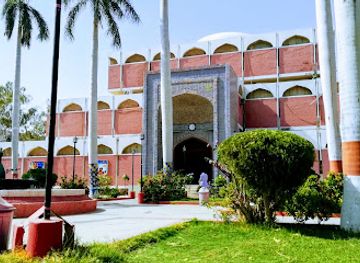
Sindhology Museum
Explore the vibrant cultural heritage of Sindh at the Sindhology Museum, a treasure trove of historical artifacts and exhibits.
-
Zoo
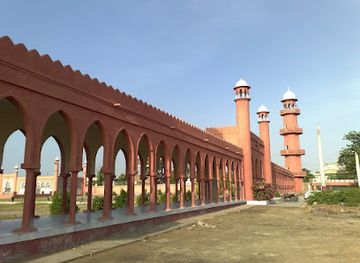
Rani Bagh Zoo
Discover the diverse wildlife and beautiful landscapes at Rani Bagh Zoo in Hyderabad, a family-friendly attraction for all ages.
-
Tourist attraction
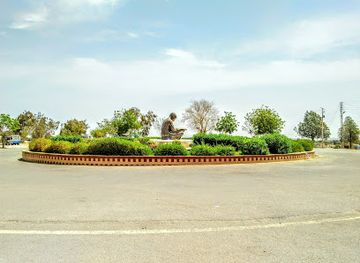
Zero Point
Discover the breathtaking views and serene environment of Zero Point, a hidden gem in Jamshoro, Sindh, perfect for nature lovers and photographers.
-
Tourist attraction
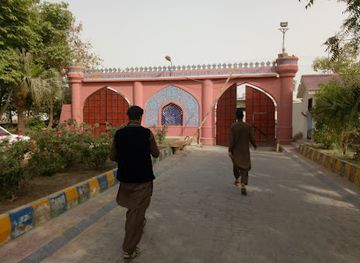
Pakka Qila Ground
Discover the historical marvels of Pakka Qila Ground in Hyderabad, where ancient architecture meets vibrant local culture.
Best landmarks in Sindh
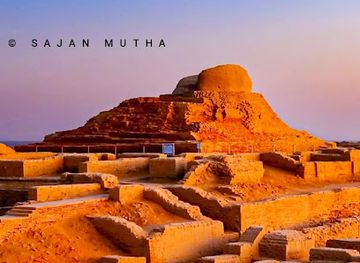
Mohenjo-daro is Sindh’s defining archaeological landmark: its gridded streets, engineered drainage and surviving brick structures offer a direct view of urban life more than four millennia ago. At Thatta, the Makli necropolis stretches across a broad plateau of tombs, domes, carved stonework and glazed decoration, recording the region’s medieval political and religious history. Nearby, the Shah Jahan Mosque is distinguished by its extensive brick vaulting, blue-and-white tile details and remarkable acoustic design. Ranikot Fort, in the Kirthar hills, is one of the region’s most imposing defensive landscapes, with long walls following the contours of an otherwise rugged setting. The Tombs of the Talpur Mirs in Hyderabad represent the architectural world of Sindh’s eighteenth- and nineteenth-century rulers, while Faiz Mahal in Khairpur reflects the later princely state of Khairpur. In the southeast, the temples and rock formations around Nagarparkar mark a distinctive meeting of desert geology, Hindu religious heritage and historic trade routes. Together these sites show that Sindh’s visual identity is shaped by river civilisation, Islamic dynasties, princely courts, desert cultures and living religious traditions.
-
Historical place
Mohenjo Daro
Discover the ancient wonders of Mohenjo Daro, a UNESCO World Heritage Site showcasing the brilliance of the Indus Valley Civilization.
-
Tourist attraction
Kot Diji Fort
Discover the grandeur of Kot Diji Fort, a historical fortress in Khairpur, Sindh, showcasing stunning architecture and breathtaking views of the landscape.
-
Historical landmark
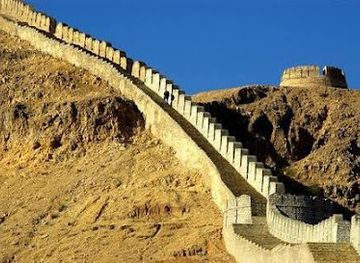
RaniKot Fort Sindh
RaniKot Fort: Discover Pakistan's largest historical fort, rich in culture and breathtaking views, perfect for adventurers and history lovers.
-
Historical place museum
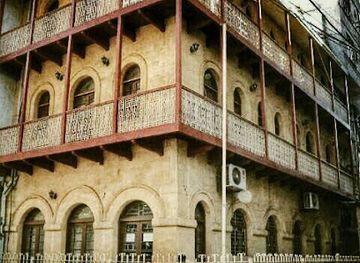
Wazir Mansion ( Quaid-e-Azam Place)
Discover Wazir Mansion, the birthplace of Quaid-e-Azam, a captivating historical museum in Karachi showcasing Pakistan's rich heritage.

Explore Sindh on the map
Plan your trip on one map. See where the top cities, national parks and sights are, and book hotels and experiences in a few clicks.
Best hotels in Sindh
Best restaurants in Sindh
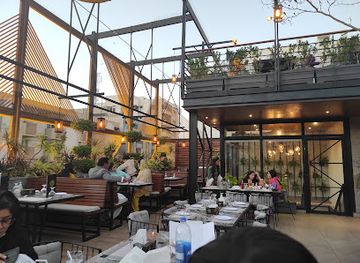
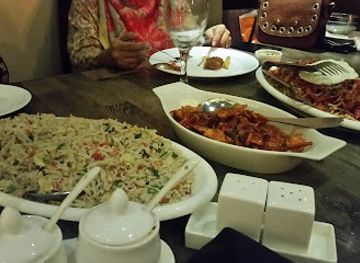
Sindhi cooking draws on the produce of the Indus plain, the coast and the desert, with rice, wheat, lentils, vegetables, freshwater fish, meat and dairy appearing in different regional forms. In Karachi, dining ranges from seafood and traditional home-style food to restaurants serving the cuisines of Pakistan’s many migrant communities. Sindhi biryani, sai bhaji, karhi, meat preparations and fish dishes are widely associated with the region, while sweet dishes and wheat-based breads vary between households and districts. Hyderabad and Sukkur are useful places to look for Sindhi snacks, desserts and local specialities, and roadside restaurants along major routes often serve filling rice and curry meals. Tea, lassi and seasonal fruit drinks are common, while coastal areas offer fish and other seafood when supplies permit. Markets and family-run eateries can reveal more about local food culture than formal dining rooms; visitors should choose busy, well-maintained establishments and take care with untreated water and raw food in hot weather.
-
Fast Food
Foods Inn
Discover authentic Pakistani fast food at Foods Inn in Karachi – a vibrant dining experience rich in flavor and local culture.
-
Chinese
Ginsoy - SMCHS Branch
Explore the rich flavors of Chinese cuisine at Ginsoy - SMCHS Branch in Karachi, where tradition meets local taste in every dish.
-
Restaurant
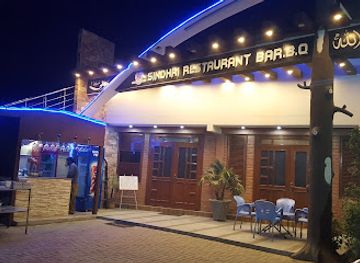
Sindhri Restaurant Sukkur Sindh
Experience authentic Pakistani cuisine at Sindhri Restaurant in Sukkur—where every meal tells a story.
-
Chinese
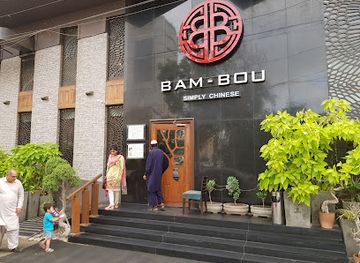
Bam-Bou Restaurant
Experience the best of Chinese cuisine at Bam-Bou Restaurant in Karachi - where flavors meet tradition in a delightful setting.
Best bars in Sindh
Sindh’s evening culture is not centred on a conventional bar and nightclub scene, since alcohol is restricted under Pakistani law and nightlife varies according to local customs and regulations. Karachi has the region’s widest choice of late-opening restaurants, cafés, dessert shops, cultural venues and occasional live-music or performance spaces, with activity concentrated in commercial districts rather than one single nightlife quarter. In Hyderabad, Sukkur and other cities, evenings commonly revolve around family restaurants, tea stalls, food streets and social gatherings. Rural towns and desert settlements are quieter, with shrine festivals, music, poetry and community events providing more culturally significant evening experiences than clubs. Visitors should follow venue rules, dress modestly, arrange transport in advance and avoid photographing performances or religious gatherings without permission. Seasonal heat means that urban dining and social life often become busier after sunset.
-
Bar
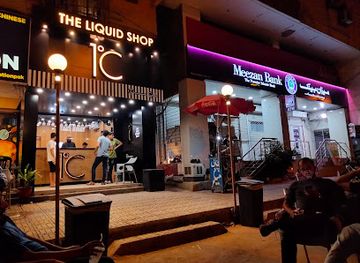
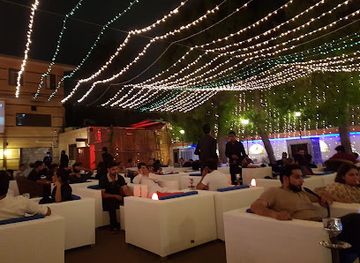
1°C - One Degree Centigrade: Gulshan e Iqbal Branch
Discover unique soda flavors at 1°C - One Degree Centigrade, a vibrant bar in Gulshan-e-Iqbal, Karachi, perfect for tourists seeking a refreshing escape.
-
Restaurant
Irish Night
Savor the authentic flavors of Ireland at Irish Night in Karachi, a top-tier restaurant for an unforgettable dining experience.
-
Lounge
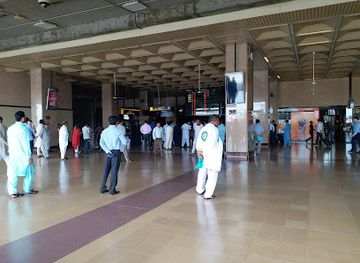
Arrival Lounge Domestic
Experience comfort and convenience at the Arrival Lounge Domestic in Karachi, the perfect retreat for travelers seeking relaxation and amenities.
-
Bar
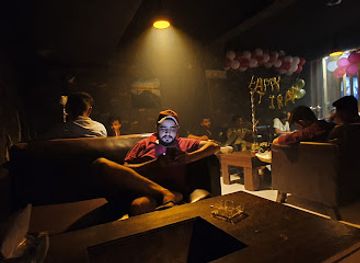
Chai Together
Discover the vibrant essence of Karachi at Chai Together, where every drink is a delightful journey through local flavors and hospitality.
Best nightclubs in Sindh
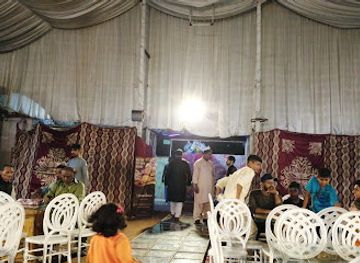
Sindh’s evening culture is not centred on a conventional bar and nightclub scene, since alcohol is restricted under Pakistani law and nightlife varies according to local customs and regulations. Karachi has the region’s widest choice of late-opening restaurants, cafés, dessert shops, cultural venues and occasional live-music or performance spaces, with activity concentrated in commercial districts rather than one single nightlife quarter. In Hyderabad, Sukkur and other cities, evenings commonly revolve around family restaurants, tea stalls, food streets and social gatherings. Rural towns and desert settlements are quieter, with shrine festivals, music, poetry and community events providing more culturally significant evening experiences than clubs. Visitors should follow venue rules, dress modestly, arrange transport in advance and avoid photographing performances or religious gatherings without permission. Seasonal heat means that urban dining and social life often become busier after sunset.
-
Night club
Snoker Club
Dive into the lively nightlife of Hyderabad at Snoker Club, where unforgettable music and vibrant dance come alive in a dazzling atmosphere.
-
Wedding venue
Season tonight
Experience elegance and unforgettable moments at Season Tonight, Karachi's premier wedding venue, perfect for your special celebrations.
-
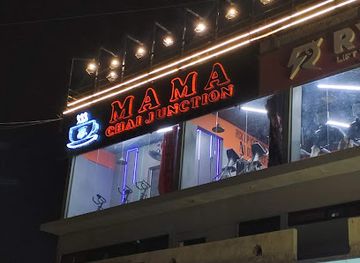
Night club
Mama Chai Collection
Dive into the vibrant nightlife of Karachi at Mama Chai Collection, where exquisite chai and pulsating music create unforgettable experiences.
-
 Disco club
Soomro Club
Experience the electrifying nightlife at Soomro Club in Jacobabad, where music, dance, and vibrant energy create unforgettable moments.
Best shops in Sindh
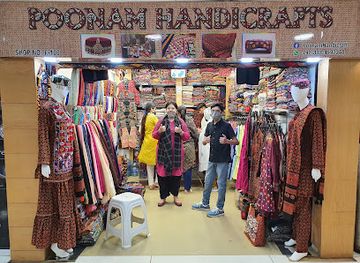
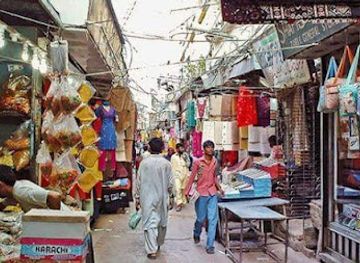
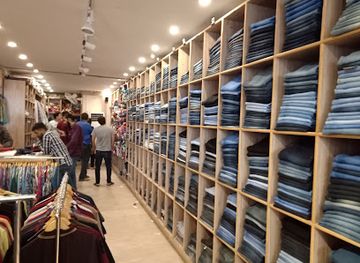
Karachi offers Sindh’s broadest shopping range, from modern retail and bookshops to traditional markets selling textiles, jewellery, leather goods, spices and household items. Hyderabad is particularly associated with Sindhi craft traditions, including ajrak block-printed cloth, embroidered textiles, bangles and rilli quilts, although quality and provenance vary between sellers. Across the region, market towns and craft cooperatives are useful places to look for handwork connected with local communities, while Thar settlements are known for colourful embroidery, woven goods and patchwork. Sindhi caps, pottery, carved wood, lacquerware and regional sweets can make more meaningful purchases than generic souvenirs, provided the seller can explain how and where items were made. In Karachi and larger towns, supermarkets and speciality food shops stock dates, spices, pickles and packaged regional products. Bargaining is normal in many traditional markets but not necessarily in fixed-price shops; agree on the price clearly and carry small rupee notes for independent vendors.
-
Shopping mall
Dolmen Mall Tariq Road
Discover the vibrant shopping scene at Dolmen Mall Tariq Road in Karachi, where fashion, food, and fun come together in a remarkable experience.
-
Market
Resham Bazar
Discover the colorful fabrics and vibrant culture at Resham Bazar, Hyderabad's premier market for traditional and contemporary clothing.
-
Fashion accessories store
Bachaa Party | Kids Shopping Store | Hyderabad
Explore the magical shopping experience at Bachaa Party, Hyderabad's ultimate kids' fashion accessories store in Boulevard Mall.
-
Clothing store
Unofficial Clothing
Discover the latest fashion trends at Unofficial Clothing in Karachi, a vibrant store featuring unique styles and a friendly shopping atmosphere.

Get your free copy of our complete guide to Sindh, delivered straight to you.
Everything on this page, from attractions and restaurants to essentials and local phrases, in one PDF you can read offline, print or share.
Already have an account? Sign in
Your Sindh guide is ready.
We'll send it to · Not you? Sign out

Getting your guide ready…
We are putting together a fresh copy of the Sindh guide. This can take up to a minute.
This can take a few moments. If your browser asks, choose Allow so the download can start. You'll find the guide in your Downloads folder.
Nothing happened? Download it again
Sorry, the guide is taking longer than usual. Please try again in a minute, or get it by email instead.
Sindh essentials
Currency and Payment
Safety
Emergency Situations
Do's and Don'ts
Local Tips
From Eve
Local phrases worth knowing
You don't need to get them perfect. A few words go a long way, and locals appreciate the effort.
Basics
| English | Local | Say it |
|---|---|---|
| Hello | السلام علیکم | [Assalam Alaikum] |
| Goodbye | خدا حافظ | [Khuda Hafiz] |
| Yes | جی ہاں | [Ji Haan] |
| No | نہیں | [Nahin] |
| Please/You're welcome | براہ کرم/خوش آمدید | [Barah-e-Karam/Khosh Aamdeed] |
| Thank you | شکریہ | [Shukriya] |
| Excuse me/Sorry | معاف کرنا | [Maaf Karna] |
| How are you? | آپ کیسے ہیں؟ | [Aap Kaise Hain?] |
| Fine. And you? | ٹھیک ہوں۔ اور آپ؟ | [Theek Hoon. Aur Aap?] |
| Do you speak English? | کیا آپ انگریزی بولتے ہیں؟ | [Kya Aap Angrezi Bolte Hain?] |
| I don't understand | مجھے سمجھ نہیں آتی | [Mujhe Samajh Nahin Aati] |
Eating & Drinking
| English | Local | Say it |
|---|---|---|
| I'd like to see the menu, please | براہ کرم مینو دکھائیں | [Barah-e-Karam Menu Dikhain] |
| I don't eat meat | میں گوشت نہیں کھاتا | [Main Gosht Nahin Khata] |
| Cheers! | چینج! | [Cheers!] |
| I would like to pay, please | براہ کرم میں ادائیگی کرنا چاہتا ہوں | [Barah-e-Karam Main Adaigi Karna Chahta Hoon] |
Emergencies
| English | Local | Say it |
|---|---|---|
| Help! | مدد! | [Madad!] |
| Go away! | چلے جاؤ! | [Chalay Jao!] |
| Call the Police! | پولیس کو بلائیں! | [Police Ko Bulain!] |
| Call a doctor! | ڈاکٹر کو بلائیں! | [Doctor Ko Bulain!] |
| I'm lost | میں کھو گیا ہوں | [Main Kho Gaya Hoon] |
| I'm ill | میں بیمار ہوں | [Main Bimar Hoon] |
Shopping
| English | Local | Say it |
|---|---|---|
| I'd like to buy... | میں خریدنا چاہتا ہوں... | [Main Kharidna Chahta Hoon...] |
| I'm just looking | میں صرف دیکھ رہا ہوں | [Main Sirf Dekh Raha Hoon] |
| How much is it? | یہ کتنے کا ہے؟ | [Yeh Kitne Ka Hai?] |
| That's too expensive | یہ بہت مہنگا ہے | [Yeh Bohat Mehnga Hai] |
| Can you lower the price? | کیا آپ قیمت کم کر سکتے ہیں؟ | [Kya Aap Qeemat Kam Kar Sakte Hain?] |
Time & Numbers
| English | Local | Say it |
|---|---|---|
| What time is it? | کیا وقت ہے؟ | [Kya Waqt Hai?] |
| It's one o'clock | یہ ایک بجے ہیں | [Yeh Aik Baje Hain] |
| Half past (10) | ساڑھے (10) | [Saadhe (10)] |
| Morning | صبح | [Subah] |
| Afternoon | دوپہر | [Dopahar] |
| Evening | شام | [Shaam] |
| Yesterday | کل | [Kal] |
| Today | آج | [Aaj] |
| Tomorrow | کل | [Kal] |
| 1 | 1 | [1] |
| 2 | 2 | [2] |
| 3 | 3 | [3] |
| 4 | 4 | [4] |
| 5 | 5 | [5] |
| 6 | 6 | [6] |
| 7 | 7 | [7] |
| 8 | 8 | [8] |
| 9 | 9 | [9] |
| 10 | 10 | [10] |
Transport & Directions
| English | Local | Say it |
|---|---|---|
| Where's a/the...? | کہاں ہے ...؟ | [Kahan Hai ...?] |
| What's the address? | پتہ کیا ہے؟ | [Pata Kya Hai?] |
| Can you show me (on the map)? | کیا آپ مجھے (نقشے پر) دکھا سکتے ہیں؟ | [Kya Aap Mujhe (Naqshe Par) Dikhah Sakte Hain?] |
| When's the next (bus)? | اگلی (بس) کب ہے؟ | [Aagli (Bus) Kab Hai?] |
| A ticket (to ....) | ایک ٹکٹ (.... کے لیے) | [Aik Ticket (.... Ke Liye)] |
History of Sindh
The Indus Civilisation at Mohenjo-daro, c. 2500–1900 BCE
Mohenjo-daro, near Larkana, is one of the principal urban sites of the Indus or Harappan Civilisation. Its planned streets, baked-brick buildings, wells, drainage channels and large public structures reveal a sophisticated urban society connected to a wide trading network. The city’s decline formed part of a broader transformation across the Indus world, probably involving several environmental and economic factors rather than one simple catastrophe. Excavations made the site internationally known in the twentieth century, while erosion, salt and fluctuating groundwater continue to make conservation important.
Early Buddhist and Indo-Scythian Sindh
After the decline of the urban centres of the Indus Civilisation, Sindh remained connected to wider movements across the north-western subcontinent. Buddhist communities, local kingdoms and Indo-Scythian and Kushan-era powers influenced parts of the lower Indus region. Archaeological remains, coins and the Buddhist site of Brahmanabad, near modern Matli and Hyderabad, indicate the importance of settled agriculture, river trade and religious exchange. Much of this history is less immediately visible than Mohenjo-daro, but it helps explain Sindh’s long role as a corridor between inland South Asia, Iran and the Arabian Sea.
The Arab Conquest and Medieval Islamic Sindh, from 711
In 711, Muhammad bin Qasim led the Umayyad conquest of Sindh, taking Debal and advancing towards important settlements along the lower Indus. The conquest introduced new political and religious structures, although local communities, languages and social institutions continued to shape everyday life. Later centuries saw the rise of regional dynasties, including the Soomras and Sammas, as well as connections with Persianate and wider Islamic worlds. Thatta grew as a centre of commerce, learning and political authority, laying foundations for the monumental cemetery and mosques that survive in the surrounding landscape.
The Samma Dynasty and the Monuments of Thatta, c. 1350–1520
Under the Samma dynasty, Thatta became one of Sindh’s most significant political and cultural centres. The dynasty’s period is associated with the development of distinctive funerary architecture, shaped by local stone carving and broader Islamic artistic influences. The Makli necropolis began to expand as rulers, nobles, scholars and members of influential families were buried on the plateau outside Thatta. Its domes, glazed tiles, carved inscriptions and stone screens preserve the changing artistic language of medieval Sindh and form one of the region’s most important historical landscapes.
Arghun, Tarkhan and Mughal Rule, sixteenth to seventeenth centuries
Control of Sindh shifted among the Arghuns, Tarkhans and the Mughal Empire during the sixteenth and seventeenth centuries. Thatta remained a prosperous commercial and manufacturing centre, linked to the Indus and maritime routes, while Persianate court culture influenced architecture, administration and scholarship. The Shah Jahan Mosque at Thatta, built in the seventeenth century during Mughal rule, is a major surviving expression of this period. Its many domes, patterned brickwork and carefully designed vaults demonstrate how imperial patronage was adapted to regional materials and traditions.
The Talpurs and the rise of Hyderabad, eighteenth–nineteenth centuries
The Talpur dynasty established its authority in Sindh in the eighteenth century after the weakening of Afghan and Mughal power. Hyderabad became an important political centre, and Talpur monuments such as the tomb complex known as the Tombs of the Talpur Mirs reflect the dynasty’s funerary and architectural traditions. The period also saw competition among regional rulers and growing pressure from the British East India Company. Sindh was annexed by the British in 1843 after the battles of Miani and Dubbo, bringing the region into the colonial administrative system.
Colonial infrastructure and the modern Indus economy
British rule reshaped Sindh through new administrative institutions, railway lines, roads, ports and irrigation works. The expansion of canal irrigation altered agricultural production and encouraged the growth of market towns, although it also changed patterns of landholding and water access. Karachi developed from a regional harbour into a major colonial port and later Pakistan’s principal commercial city. Sukkur Barrage, completed in the twentieth century, became one of the world’s major irrigation works, distributing Indus water across large areas of Sindh and profoundly influencing the region’s agricultural geography.
Sindh in Pakistan since 1947
At independence in 1947, Sindh became part of Pakistan and experienced major demographic and economic change. Karachi served as the country’s first capital and received large numbers of migrants, rapidly expanding into a densely populated industrial and commercial metropolis. Rural Sindh retained strong ties to agriculture, shrine culture and regional languages, while Hyderabad and other cities developed as centres of education, manufacturing and public life. Contemporary Sindh combines ancient archaeological heritage with modern port activity, water-management challenges, textile and craft production, and cultural traditions expressed through Sindhi language, music and dress.
Sindh in Photos
Browse through our photo collection highlighting the charm and character of the destination.
Neighbouring regions of Sindh
The closest regions to Sindh, if you have time for more than one.
-

-

-

-

-


Swipe for more regions
Explore more

Explore more of Pakistan
Discover Pakistan: A land of majestic mountains, rich history, and delicious cuisine, where every journey is an adventure and every moment is filled with wonder.
Explore Pakistan