

Free Lower Sindh Travel Guide & Mobile App
Explore Lower Sindh with free travel guides. Discover regional history, expert tips, proposed trips, and audio guides on web or mobile app.


Discover the hidden treasures of Lower Sindh, Pakistan: A blend of history, culture, and natural beauty awaits in this enchanting region.
Read more about Lower Sindh
When is the best time to visit Lower Sindh?
Best: December–February · 22–26°C| Month | High (°C) | Rainfall (mm) |
|---|---|---|
| January (best) | 22 | 5 |
| February (best) | 26 | 7 |
| March | 31 | 8 |
| April | 36 | 5 |
| May | 41 | 2 |
| June | 42 | 20 |
| July | 39 | 100 |
| August | 38 | 100 |
| September | 37 | 30 |
| October | 34 | 10 |
| November | 29 | 5 |
| December (best) | 23 | 5 |
Getting to and around Lower Sindh
How to get there
Transportation
Top city travel guides in Lower Sindh
The cities of Lower Sindh, and the easiest places to base yourself.

Swipe for more cities
Destinations in Lower Sindh
Resorts, valleys and scenic spots worth a trip of their own.

Swipe for more destinations
Best attractions in Lower Sindh
Lower Sindh in Pakistan offers an enchanting tapestry of history, culture, and natural beauty that beckons every traveler. Wander through the ancient ruins of the Indus Valley Civilization at Mohenjo-daro, where you can marvel at the ingenuity of one of the world's earliest urban centers. Explore the vibrant bazaars and colonial architecture of Hyderabad, where history blends seamlessly with the bustling life of today. The serene Makli Necropolis, one of the largest funerary sites in the world, invites you to stroll among centuries-old tombs and mausoleums adorned with intricate carvings. Nature enthusiasts will be captivated by the tranquil beauty of Keenjhar Lake, a haven for birdwatchers and a perfect spot for boating. Additionally, the folklore-rich city of Thatta, with its grand Shah Jahan Mosque and the intriguing Bhambore ruins, offers glimpses into the region's storied past. From the lush green fields and winding rivers to the timeless heritage sites, Lower Sindh promises a journey through time and an immersion in the diverse cultural heritage of Pakistan.
-
Historical place
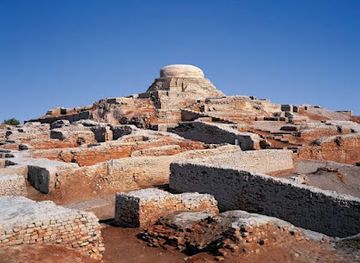
Mohenjo Daro
Discover Mohenjo Daro, an ancient city of the Indus Valley Civilization, offering rich history and stunning archaeological wonders in Sindh, Pakistan.
-
Tourist attraction
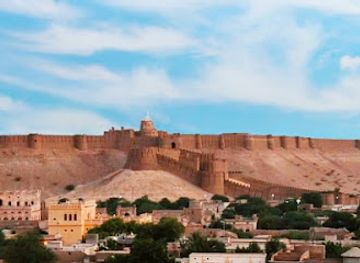
Kot Diji Fort
Explore Kot Diji Fort, an iconic fortress in Khairpur, Sindh, where history, architecture, and breathtaking views come together for a memorable experience.
-
Park
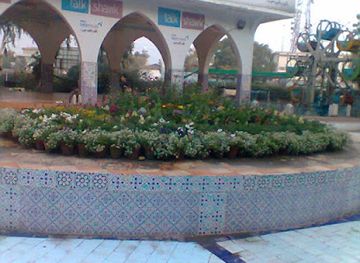
Muhammad Bin Qasim Park
Explore the natural beauty and tranquility of Muhammad Bin Qasim Park, a serene escape in Sukkur, Sindh, perfect for relaxation and outdoor activities.
-
Amusement park
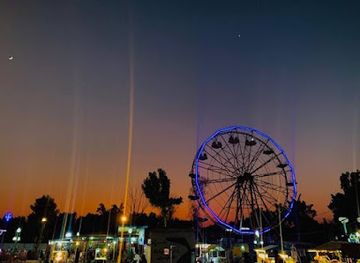
Rani Bagh Fun Land راڻي باغ فن لينڊ
Experience endless fun at Rani Bagh Fun Land in Hyderabad, where thrilling rides and family entertainment await every visitor.
Best landmarks in Lower Sindh
Lower Sindh, a region rich in history and culture, offers visitors an unforgettable journey through time. Explore the ancient ruins of Mohenjo-Daro, a UNESCO World Heritage site that dates back to the Indus Valley Civilization, where you can wander through meticulously planned streets and marvel at sophisticated urban planning from millennia ago. In Karachi, the vibrant metropolis, visit the Quaid-e-Azam's Mausoleum, an iconic symbol of Pakistan's independence, and stroll through the bustling markets of Saddar to experience a blend of colonial architecture and modern commerce. The serene Makli Necropolis near Thatta, one of the largest funerary sites in the world, captivates with its intricate tombs and mausoleums that tell tales of the region's illustrious past. For a taste of natural beauty, the Keenjhar Lake offers a peaceful retreat with opportunities for boating and bird-watching. Each landmark in Lower Sindh promises a unique glimpse into the region's storied past and vibrant present, ensuring an enriching experience for every visitor.
-
Historical landmark
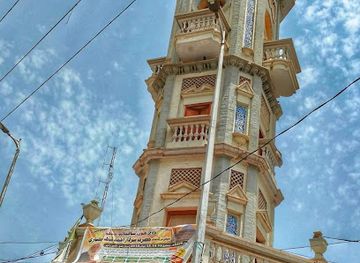
Clock Tower
Explore the Clock Tower of Sukkur, a historical landmark that embodies the city’s rich heritage and vibrant local culture.
-
Historical landmark
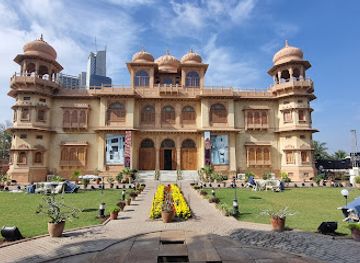
Mohatta Palace Museum
Discover the enchanting Mohatta Palace Museum in Karachi, a cultural gem showcasing Pakistan's rich history and architectural beauty.
-
Historical place
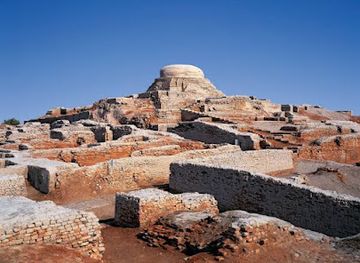
Mohenjo Daro
Explore Mohenjo Daro, an ancient marvel and UNESCO World Heritage Site, where history, culture, and stunning architecture converge in Pakistan's Sindh province.
-
Tourist attraction
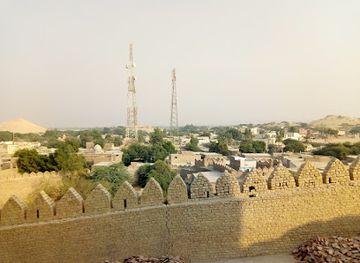
Kot Diji Fort
Discover the historical charm and architectural beauty of Kot Diji Fort, a magnificent fortress in the heart of Sindh, Pakistan.
Explore Lower Sindh on the map
Plan your trip on one map. See where the top cities, national parks and sights are, and book hotels and experiences in a few clicks.
Best hotels in Lower Sindh
Best restaurants in Lower Sindh
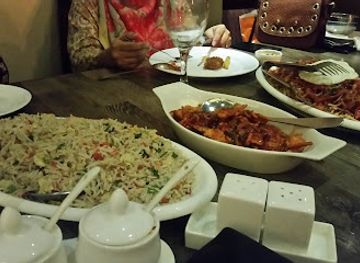
Lower Sindh, Pakistan, offers a gastronomic journey that is as rich and diverse as its history. Visitors can expect to indulge in a variety of traditional Sindhi dishes, such as the famous Sindhi biryani, which is a fragrant, spicy rice dish layered with tender meat and aromatic spices. Street food enthusiasts will relish the opportunity to try paapri chaat, a tangy and crunchy snack, or enjoy a warm bowl of haleem, a slow-cooked stew made from meat, lentils, and barley. Seafood lovers will be delighted by the fresh fish and prawns, often cooked in unique Sindhi spices and herbs. The region is also known for its vibrant markets, where local vendors sell an array of snacks, sweets, and beverages like the refreshing thadal, a cooling drink made from almonds and poppy seeds. Each meal in Lower Sindh is a celebration of flavors, colors, and textures, promising an unforgettable experience for every palate.
-
Chinese
Ginsoy - SMCHS Branch
Experience authentic Chinese flavors at Ginsoy - SMCHS Branch in Karachi; where culinary excellence meets vibrant ambiance.
-
Restaurant
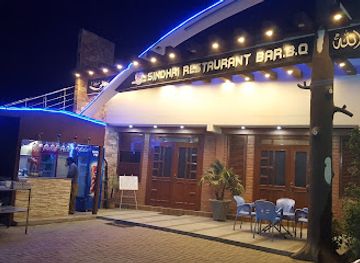
Sindhri Restaurant Sukkur Sindh
Discover authentic Pakistani flavors at Sindhri Restaurant in Sukkur – where every meal tells a story.
-
Restaurant
Sizzlerz Cafe & Grill
Discover the vibrant flavors of Karachi at Sizzlerz Cafe & Grill - where every meal is an unforgettable experience.
-
Pakistani
Al-Rahim Restaurant & BBQ
Discover authentic Pakistani cuisine at Al-Rahim Restaurant & BBQ in Hyderabad; enjoy flavorful barbecue and traditional dishes in a welcoming family setting.

Best bars in Lower Sindh
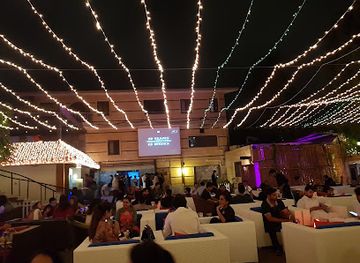
While Lower Sindh may not boast the bustling nightlife of cosmopolitan cities, it offers a unique and captivating experience that seamlessly blends history, culture, and local charm. Visitors can enjoy traditional music and dance performances at local cultural centers, where the vibrant beats of Sindhi folk music create an unforgettable atmosphere. The streets of Hyderabad come alive in the evenings with bustling night markets offering a variety of local delicacies and crafts. For a more laid-back experience, the serene banks of the Indus River provide a perfect setting for evening strolls under the starlit sky, as the distant sounds of melodies from nearby gatherings fill the air. Although you won't find international nightclubs, the local dhabas (tea houses) offer a cozy ambiance where you can sip on chai and engage in conversations with friendly locals, making for a truly immersive experience.
-
Restaurant
Irish Night
Discover the authentic taste of Ireland at Irish Night, Karachi's premier destination for delightful cuisine and vibrant nightlife.
-
Bar
The Juice Zone 96
Experience the vibrant flavors of Hyderabad at The Juice Zone 96, your go-to bar for refreshing juices and smoothies.
-
Restaurant
New Quetta Dilbar Restaurant
Experience the essence of Pakistani cuisine at New Quetta Dilbar Restaurant, where tradition meets taste in every dish.
-
Bar
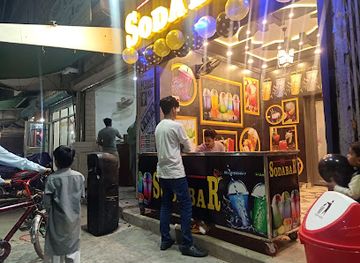
The SodaBar Limca
Experience the vibrant local culture at The SodaBar Limca in Larkana - a refreshing retreat with delightful beverages and friendly service.
Best nightclubs in Lower Sindh
While Lower Sindh may not boast the bustling nightlife of cosmopolitan cities, it offers a unique and captivating experience that seamlessly blends history, culture, and local charm. Visitors can enjoy traditional music and dance performances at local cultural centers, where the vibrant beats of Sindhi folk music create an unforgettable atmosphere. The streets of Hyderabad come alive in the evenings with bustling night markets offering a variety of local delicacies and crafts. For a more laid-back experience, the serene banks of the Indus River provide a perfect setting for evening strolls under the starlit sky, as the distant sounds of melodies from nearby gatherings fill the air. Although you won't find international nightclubs, the local dhabas (tea houses) offer a cozy ambiance where you can sip on chai and engage in conversations with friendly locals, making for a truly immersive experience.
-
Night club
Snoker Club
Discover the vibrant nightlife at Snoker Club in Hyderabad, where music, dancing, and a lively atmosphere await every night.
-
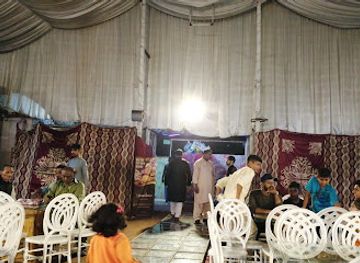
Wedding venue
Season tonight
Experience elegance and sophistication at Season Tonight, Karachi's premier wedding venue, perfect for unforgettable celebrations.
-
 Disco club
Soomro Club
Dive into the vibrant nightlife at Soomro Club in Jacobabad, where music, dance, and culture come together for an unforgettable experience.
-
Disco club
SLOW NUCES
Experience the vibrant nightlife of Karachi at SLOW NUCES, where electrifying beats and lively atmosphere come together for an unforgettable night out.
Best shops in Lower Sindh
Lower Sindh, Pakistan, offers a vibrant and diverse shopping experience that is a feast for the senses. Visitors can meander through bustling bazaars brimming with colorful textiles, intricate handicrafts, and traditional Sindhi ajrak prints. The air is filled with the rich aroma of spices from stalls selling everything from saffron to dried chilies. Antique shops and roadside vendors offer unique souvenirs, including hand-carved woodwork and exquisite jewelry that reflect the region's rich cultural heritage. For a more modern touch, sleek shopping malls in the urban centers provide international brands and contemporary fashion, ensuring there's something for every kind of shopper. The juxtaposition of old-world charm and new-age commerce makes shopping in Lower Sindh an unmissable experience.
-
Store
ShopOnly.pk
Discover the vibrant shopping experience at ShopOnly.pk in Hyderabad, where local culture meets quality goods in a welcoming atmosphere.
-
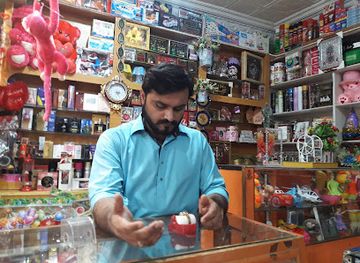
Gift shop
Classic Gift Point
Explore Classic Gift Point in Hala for unique gifts and traditional handicrafts that embody the charm of Sindh's culture.
-
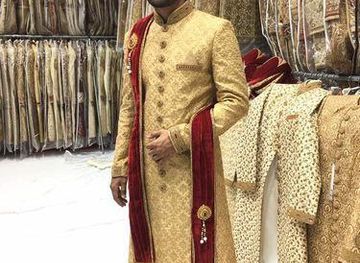
Clothing store
Trendy Boutique & Dulha House (Wide range of men and kids wear for wedding & party)
Explore Trendy Boutique & Dulha House in Hyderabad for exquisite men's and kids' attire, perfect for weddings and special occasions.
-
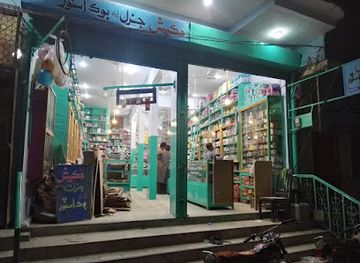
Shopping mall
Mukesh General store & (Zellbury Brand) ( IFG Brand ) (Framesi&Keune hair colour SHOP)
Discover local fashion and beauty at Mukesh General Store in Larkana, offering a unique shopping experience for tourists exploring Sindh.

Get your free copy of our complete guide to Lower Sindh, delivered straight to you.
Everything on this page, from attractions and restaurants to essentials and local phrases, in one PDF you can read offline, print or share.
Already have an account? Sign in
Your Lower Sindh guide is ready.
We'll send it to · Not you? Sign out

Getting your guide ready…
We are putting together a fresh copy of the Lower Sindh guide. This can take up to a minute.
This can take a few moments. If your browser asks, choose Allow so the download can start. You'll find the guide in your Downloads folder.
Nothing happened? Download it again
Sorry, the guide is taking longer than usual. Please try again in a minute, or get it by email instead.
Lower Sindh essentials
Currency and Payment
Safety
Emergency Situations
Do's and Don'ts
Local Tips
From Eve
Local phrases worth knowing
You don't need to get them perfect. A few words go a long way, and locals appreciate the effort.
Basics
| English | Local | Say it |
|---|---|---|
| Hello | سلام | [Salaam] |
| Goodbye | خداحافظ | [Khuda Hafiz] |
| Yes | جی ہاں | [Ji Haan] |
| No | نہیں | [Nahin] |
| Please/You're welcome | مہربانی | [Mehrbani] |
| Thank you | شکریہ | [Shukriya] |
| Excuse me/Sorry | معاف کرنا | [Maaf Karna] |
| How are you? | آپ کیسے ہیں؟ | [Aap Kaise Hain?] |
| Fine. And you? | ٹھیک ہوں۔ اور آپ؟ | [Theek Hoon. Aur Aap?] |
| Do you speak English? | کیا آپ انگریزی بولتے ہیں؟ | [Kya Aap Angrezi Bolte Hain?] |
| I don't understand | مجھے سمجھ نہیں آتا | [Mujhe Samaj Nahin Aata] |
Eating & Drinking
| English | Local | Say it |
|---|---|---|
| I'd like to see the menu, please | برائے مہربانی مینو دکھائیں | [Baraye Mehrbani Menu Dikhain] |
| I don't eat meat | میں گوشت نہیں کھاتا | [Main Gosht Nahin Khata] |
| Cheers! | زندگی! | [Zindagi!] |
| I would like to pay, please | برائے مہربانی میں بل دینا چاہتا ہوں | [Baraye Mehrbani Main Bill Dena Chahta Hoon] |
Emergencies
| English | Local | Say it |
|---|---|---|
| Help! | مدد کریں! | [Madad Karein!] |
| Go away! | چلے جاؤ! | [Chalay Jao!] |
| Call the Police! | پولیس کو بلائیں! | [Police Ko Bulain!] |
| Call a doctor! | ڈاکٹر کو بلائیں! | [Doctor Ko Bulain!] |
| I'm lost | میں کھو گیا ہوں | [Main Kho Gaya Hoon] |
| I'm ill | میں بیمار ہوں | [Main Bimaar Hoon] |
Shopping
| English | Local | Say it |
|---|---|---|
| I'd like to buy... | میں خریدنا چاہتا ہوں... | [Main Khareedna Chahta Hoon...] |
| I'm just looking | میں صرف دیکھ رہا ہوں | [Main Sirf Dekh Raha Hoon] |
| How much is it? | یہ کتنے کا ہے؟ | [Yeh Kitne Ka Hai?] |
| That's too expensive | یہ بہت مہنگا ہے | [Yeh Bohat Mehnga Hai] |
| Can you lower the price? | کیا آپ قیمت کم کر سکتے ہیں؟ | [Kya Aap Qeemat Kam Kar Sakte Hain?] |
Time & Numbers
| English | Local | Say it |
|---|---|---|
| What time is it? | کیا وقت ہوا ہے؟ | [Kya Waqt Hua Hai?] |
| It's one o'clock | یہ ایک بجے ہیں | [Yeh Ek Baje Hain] |
| Half past (10) | سوا (10) | [Sawa (10)] |
| Morning | صبح | [Subah] |
| Afternoon | دوپہر | [Dupahar] |
| Evening | شام | [Shaam] |
| Yesterday | کل | [Kal] |
| Today | آج | [Aaj] |
| Tomorrow | کل | [Kal] |
| 1 | ایک | [Ek] |
| 2 | دو | [Do] |
| 3 | تین | [Teen] |
| 4 | چار | [Chaar] |
| 5 | پانچ | [Paanch] |
| 6 | چھ | [Chay] |
| 7 | سات | [Saat] |
| 8 | آٹھ | [Aath] |
| 9 | نو | [Nau] |
| 10 | دس | [Das] |
Transport & Directions
| English | Local | Say it |
|---|---|---|
| Where's a/the...? | کہاں ہے ...؟ | [Kahan Hai ...?] |
| What's the address? | پتہ کیا ہے؟ | [Pata Kya Hai?] |
| Can you show me (on the map)? | کیا آپ مجھے دکھا سکتے ہیں (نقشے پر)؟ | [Kya Aap Mujhe Dikha Sakte Hain (Naqshay Par)?] |
| When's the next (bus)? | اگلی (بس) کب ہے؟ | [Agli (Bus) Kab Hai?] |
| A ticket (to ....) | ایک ٹکٹ (.... کے لیے) | [Ek Ticket (.... Ke Liye)] |
History of Lower Sindh
Indus Valley Civilization
Lower Sindh is home to some of the earliest known human settlements, dating back to the Indus Valley Civilization, around 3300 BCE to 1300 BCE. The ruins of the ancient city of Mohenjo-Daro, located near Larkana, are a testament to the advanced urban planning, architecture, and social organization of this civilization. This UNESCO World Heritage Site features well-planned streets, sophisticated drainage systems, and impressive public baths.
Arrival of Alexander the Great
In 326 BCE, Alexander the Great passed through Lower Sindh during his campaign to conquer the Indian subcontinent. His army marched along the River Indus, interacting with local tribes and leaving behind a legacy of Hellenistic influence. The impact of his journey is still evident in the archaeological finds and historical records of the region.
Spread of Islam
The arrival of Islam in Lower Sindh was marked by the conquest of Sindh by Muhammad bin Qasim in 711 CE. This event led to the establishment of Muslim rule in the region and the spread of Islamic culture, art, and architecture. The city of Thatta became a major center of Islamic learning and culture, with its beautiful mosques and mausoleums, like the Shah Jahan Mosque, reflecting the rich heritage of this period.
Mughal Era
During the Mughal era (1526–1857), Lower Sindh flourished as a center of trade, culture, and administration. The Mughals invested in building infrastructure, including roads, forts, and gardens. Thatta, in particular, saw significant development and became an important hub for commerce and culture. The Mughal influence is still visible in the region's architecture and historical monuments.
British Colonial Period
Lower Sindh came under British colonial rule in the mid-19th century after the defeat of the Talpur dynasty. The British introduced modern infrastructure, including railways and irrigation systems, which transformed the region's economy. Karachi, the capital of Sindh, grew rapidly during this period, becoming an important port city and trade center. The colonial architecture of Karachi, including the Frere Hall and Empress Market, reflects this era's influence.
Post-Independence Era
After Pakistan gained independence in 1947, Lower Sindh became a vital region for the newly formed country. Karachi was chosen as the first capital of Pakistan, and the city experienced rapid urbanization and industrial growth. The influx of migrants from India and other parts of Pakistan contributed to the region's cultural diversity. Today, Lower Sindh continues to be a vibrant area, rich in history and cultural heritage.
Lower Sindh in Photos
Browse through our photo collection highlighting the charm and character of the destination.
Neighbouring regions of Lower Sindh
The closest regions to Lower Sindh, if you have time for more than one.
-

-

-

-

-


Swipe for more regions
Explore more

Explore more of Pakistan
Discover Pakistan: A land of majestic mountains, rich history, and delicious cuisine, where every journey is an adventure and every moment is filled with wonder.
Explore Pakistan