

Free Upper Sindh Travel Guide & Mobile App
Explore Upper Sindh with free travel guides. Discover regional history, expert tips, proposed trips, and audio guides on web or mobile app.


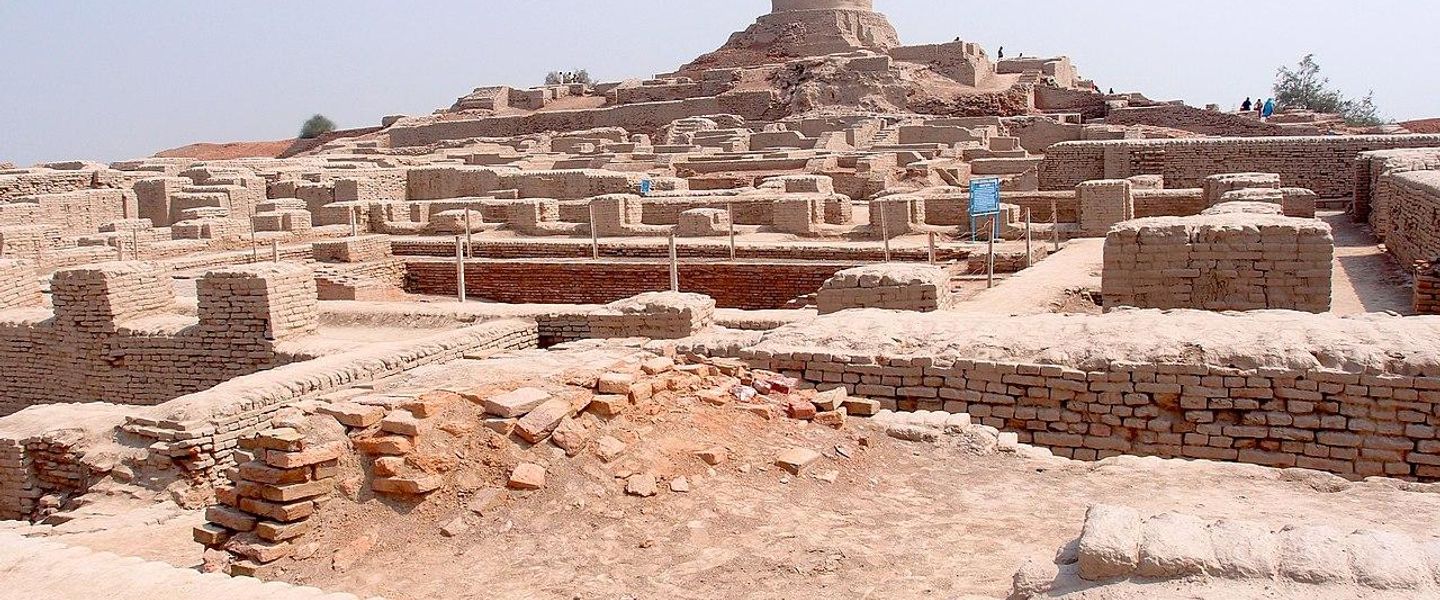


Upper Sindh combines Indus landscapes, Mohenjo-daro, historic Sukkur, Sufi shrines, princely architecture and Khairpur’s renowned date-growing country.
Read more about Upper Sindh
When is the best time to visit Upper Sindh?
Best: January–February, November · 21–27°C| Month | High (°C) | Rainfall (mm) |
|---|---|---|
| January (best) | 21 | 5 |
| February (best) | 24 | 7 |
| March | 29 | 10 |
| April | 36 | 12 |
| May | 41 | 15 |
| June | 43 | 18 |
| July | 39 | 20 |
| August | 38 | 18 |
| September | 37 | 15 |
| October | 33 | 12 |
| November (best) | 27 | 7 |
| December | 21 | 5 |
Getting to and around Upper Sindh
How to get there
Transportation
Best attractions in Upper Sindh
Upper Sindh’s attractions range from major archaeology to living religious and riverine landscapes. Mohenjo-daro near Larkana is the region’s most important heritage destination, with excavated streets, brick structures and public buildings revealing the scale of Indus Civilisation urbanism. Around Sukkur and Rohri, visitors can explore historic river crossings, shrines, old bazaars and the island sanctuary of Sadh Belo, subject to local access arrangements. Khairpur offers the former princely state’s architecture, including Faiz Mahal, while Kot Diji introduces an earlier fortified settlement and a valuable archaeological setting. Shikarpur is notable for its traditional urban fabric and mercantile history, although exploration should be planned with local guidance. The wider countryside provides views of irrigated fields, canals, date palms and Indus floodplain scenery rather than formal recreational infrastructure. Religious sites, Sufi shrines and seasonal gatherings are important cultural attractions, but they are places of worship first and tourist sites second. Journeys between them are part of the experience, revealing the region’s agricultural economy and settlement patterns.
-
Historical landmark
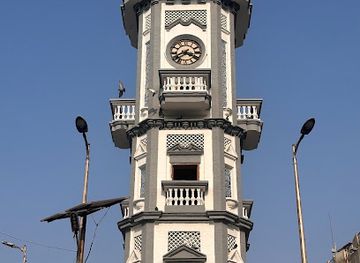
Clock Tower
Discover the historical Clock Tower of Sukkur, a stunning landmark that reflects the city’s rich cultural heritage and vibrant local life.
-
Park
Hilal Park
Discover the tranquility of Hilal Park, a lush green retreat in Karachi perfect for relaxation, family outings, and enjoying local culture.
-
Cemetery
Makli Necropolis
Explore the Makli Necropolis, a UNESCO World Heritage site, and uncover the rich history and stunning architecture of Sindh's ancient burial ground.
-
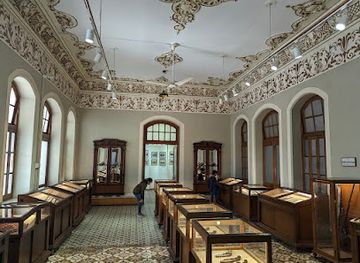
Archaeological museum
Mukhi House Museum
Explore the Mukhi House Museum in Hyderabad, Sindh, where history unfolds through captivating archaeological exhibits and stories of local heritage.
Best landmarks in Upper Sindh
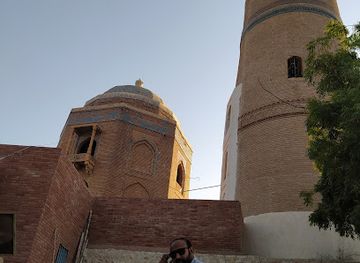
The Lansdowne Bridge at Sukkur is Upper Sindh’s most recognisable engineering landmark, spanning the Indus beside Rohri and symbolising the region’s importance as a transport crossing. Nearby Sukkur and Rohri contain a dense group of river-facing shrines, historic religious sites and urban structures, including the Masoom Shah Jo Minaro, a distinctive brick minaret associated with the late sixteenth century. Sadh Belo’s temple complex occupies an island in the Indus and reflects the religious diversity of the river corridor. In Khairpur, Faiz Mahal represents the courtly architecture of the Talpur-era princely state, while Kot Diji Fort stands on a prominent ridge south of the city and combines defensive architecture with the archaeological importance of the surrounding area. Mohenjo-daro is the region’s landmark archaeological landscape: its planned streets and monumental brick remains embody the achievements of the Indus Civilisation. Together, these places express Upper Sindh’s connections with ancient urbanism, river commerce, princely rule, pilgrimage and modern infrastructure.
-
Historical landmark
Clock Tower
Explore the Clock Tower of Sukkur, a historical landmark that showcases the rich cultural heritage and vibrant atmosphere of Pakistan's Sindh region.
-
Historical place
Mohenjo Daro
Discover the ancient wonders of Mohenjo Daro, a UNESCO World Heritage Site revealing the secrets of one of the world's oldest urban civilizations.
-
Tourist attraction
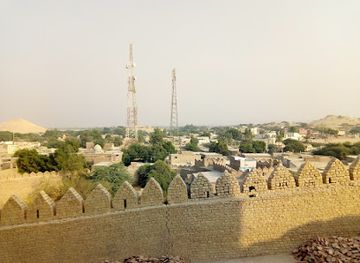
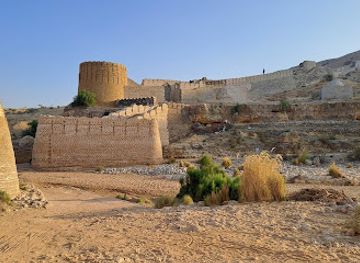
Kot Diji Fort
Discover Kot Diji Fort, a historic fortress in Khairpur, Pakistan, showcasing stunning architecture and a rich cultural heritage.
-
Historical landmark
RaniKot Fort Sindh
Explore RaniKot Fort, a historical landmark in Sindh offering breathtaking views, rich history, and adventure for every traveler.
Explore Upper Sindh on the map
Plan your trip on one map. See where the top cities, national parks and sights are, and book hotels and experiences in a few clicks.
Best hotels in Upper Sindh
Best restaurants in Upper Sindh
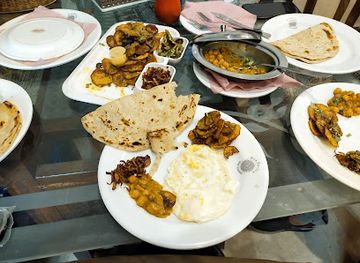
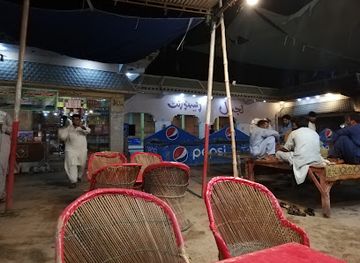
Dining in Upper Sindh is shaped by Sindhi home cooking, roadside hospitality and the produce of the Indus plain. Rice, lentils, vegetables, flatbreads, spiced meat and freshwater fish appear widely, while Sindhi biryani and sai bhaji are familiar regional-style dishes in local restaurants and homes. Fish from the river and irrigation waters may be available seasonally, though preparation and reliability vary by establishment. Khairpur is particularly associated with dates, which are sold fresh or dried and used in sweets and snacks. Tea, lassi and sweet drinks are common during hot journeys. In Sukkur, Rohri and Larkana, visitors will find a wider choice of family restaurants, cafés, bakeries and hotel dining rooms; smaller towns rely more on dhabas, market stalls and simple eateries. Hygiene standards differ, so busy establishments with a high local turnover are usually the more practical choice, and bottled or treated water is advisable.
-
Restaurant
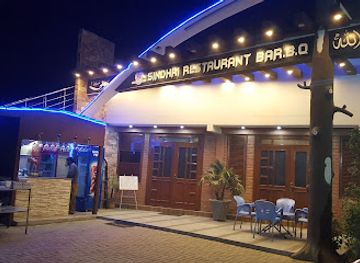
Sindhri Restaurant Sukkur Sindh
Experience authentic Sindhi cuisine at Sindhri Restaurant in Sukkur – where every meal tells a story.
-
Restaurant
Pakistan Restaurant
Explore authentic Pakistani cuisine at Pakistan Restaurant—where every dish tells a story of tradition and flavor.
-
Restaurant
Des Pardes Restaurant (ديس پرديس ريسٽورنٽ)
Experience authentic Asian flavors at Des Pardes Restaurant in Khairpur - where every meal tells a story.
-
Restaurant
Laj pal Restaurant لجپال ريسٽورنٽ
Discover authentic Sindhi flavors at Laj pal Restaurant, where delicious local dishes meet warm hospitality in Bandhi.

Best bars in Upper Sindh
Upper Sindh does not have a conventional bar-and-nightclub culture, and evening life is centred instead on family restaurants, tea stalls, cafés, hotel lounges and busy bazaars. Sukkur, Rohri and Larkana offer the broadest choice of places to eat and socialise after dark, while smaller towns become quiet earlier. Traditional tea gatherings and roadside eateries are important parts of local evening life, particularly when temperatures fall. Live entertainment may accompany weddings, shrine events or cultural programmes, but these are not fixed nightlife venues and access can be private or seasonal. Alcohol is restricted and socially sensitive in Pakistan, so visitors should not expect public bars or assume that drinks are available. Evening travel outside urban centres is best arranged in advance, with a trusted driver and awareness of local security guidance.
-
Pakistani
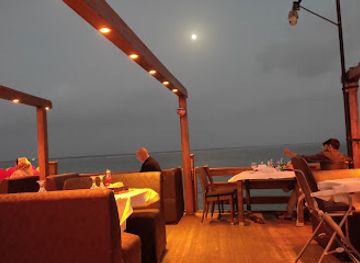
Kolachi Restaurant
Experience the authentic taste of Karachi at Kolachi Restaurant, where exquisite Pakistani cuisine meets stunning seaside views.
-
Barbecue
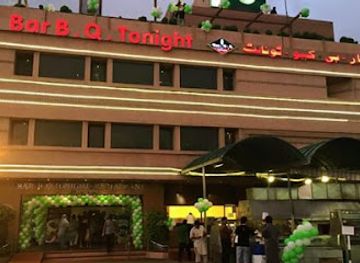
Bar BQ Tonight Clifton
Experience Karachi's culinary delights at Bar BQ Tonight Clifton, where authentic barbecue meets vibrant atmosphere and rich flavors.
-
Barbecue
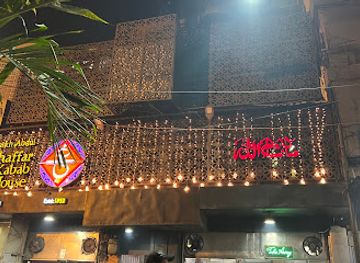
Shaikh Abdul Ghaffar Kabab House
Experience the rich flavors of Karachi at Shaikh Abdul Ghaffar Kabab House, renowned for its delectable barbecue dishes and vibrant atmosphere.
-
Arab restaurant
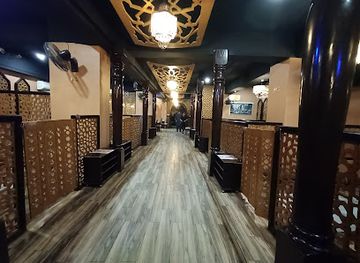
Ridan House of Mandi
Experience the rich flavors of Arabian cuisine at Ridan House of Mandi, a must-visit dining destination in Karachi.
Best nightclubs in Upper Sindh
Upper Sindh does not have a conventional bar-and-nightclub culture, and evening life is centred instead on family restaurants, tea stalls, cafés, hotel lounges and busy bazaars. Sukkur, Rohri and Larkana offer the broadest choice of places to eat and socialise after dark, while smaller towns become quiet earlier. Traditional tea gatherings and roadside eateries are important parts of local evening life, particularly when temperatures fall. Live entertainment may accompany weddings, shrine events or cultural programmes, but these are not fixed nightlife venues and access can be private or seasonal. Alcohol is restricted and socially sensitive in Pakistan, so visitors should not expect public bars or assume that drinks are available. Evening travel outside urban centres is best arranged in advance, with a trusted driver and awareness of local security guidance.
-
Night club
Snoker Club
Discover the pulsating nightlife of Hyderabad at Snoker Club, where music, dance, and a vibrant crowd come together for an unforgettable experience.
-
 Disco club
Soomro Club
Discover the vibrant nightlife at Soomro Club, Jacobabad's top disco club, where music and dance create unforgettable memories.
-
Disco club
SLOW NUCES
Discover the electrifying atmosphere of SLOW NUCES, Karachi's top disco club, where unforgettable nights and vibrant music come alive.
-
Night club
Dua Vip Palace
Discover the electrifying nightlife of Karachi at Dua Vip Palace, a premier night club blending music, dance, and an unforgettable atmosphere.
Best shops in Upper Sindh
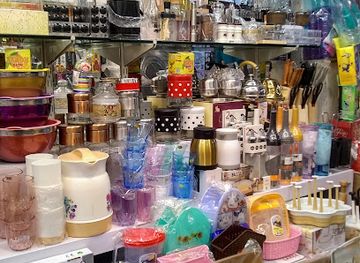
Shopping in Upper Sindh is primarily local and practical, with the strongest urban bazaars in Sukkur, Rohri, Larkana, Khairpur and Shikarpur. Markets sell textiles, ready-made clothing, bangles, leather goods, household items, spices and sweets, while traditional town streets retain the atmosphere of longstanding commercial centres. Khairpur is the best place to look for locally grown dates, especially during the relevant harvest and marketing season; packaging and availability vary, so ask vendors about provenance and storage. Shikarpur has a reputation for mercantile traditions and regional foods, although the character of its retail streets is more everyday than specialised for tourists. At shrines and heritage sites, small stalls may sell devotional objects, caps, scarves and inexpensive souvenirs. Visitors should distinguish handmade local goods from mass-produced items, bargain politely where customary and avoid buying archaeological fragments or objects whose provenance is unclear.
-
Shopping mall
Gul Plaza Shopping Centre
Gul Plaza Shopping Centre: A vibrant shopping destination in Karachi, showcasing local craftsmanship and modern retail in a lively atmosphere.
-
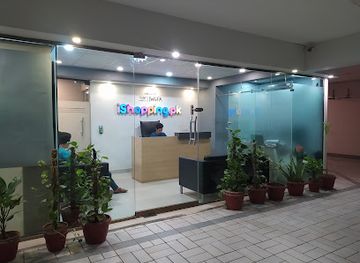
E-commerce service
iShopping - Online Shopping Store in Pakistan
iShopping in Karachi offers a vast selection of products, from fashion to electronics, all at your fingertips for a seamless online shopping experience.
-
Grocery store
Icon by Ghouri's (Society Branch), 100 Feet Road
Discover the essence of Sukkur through local flavors at Icon by Ghouri's, your go-to grocery store for fresh produce and regional specialties.
-
Gift shop
Tali
Explore Tali in Karachi for unique gifts and handcrafted treasures that embody the rich artistry of Pakistan's culture.
Get your free copy of our complete guide to Upper Sindh, delivered straight to you.
Everything on this page, from attractions and restaurants to essentials and local phrases, in one PDF you can read offline, print or share.
Already have an account? Sign in
Your Upper Sindh guide is ready.
We'll send it to · Not you? Sign out

Getting your guide ready…
We are putting together a fresh copy of the Upper Sindh guide. This can take up to a minute.
This can take a few moments. If your browser asks, choose Allow so the download can start. You'll find the guide in your Downloads folder.
Nothing happened? Download it again
Sorry, the guide is taking longer than usual. Please try again in a minute, or get it by email instead.
Upper Sindh essentials
Currency and Payment
Safety
Emergency Situations
Do's and Don'ts
Local Tips
From Eve
Local phrases worth knowing
You don't need to get them perfect. A few words go a long way, and locals appreciate the effort.
Basics
| English | Local | Say it |
|---|---|---|
| Hello | السلام علیکم | [As-salāmu ʿalaykum] |
| Goodbye | خدا حافظ | [Khudā hāfiz] |
| Yes | ہاں | [Hān] |
| No | نہیں | [Nahin] |
| Please/You're welcome | براہ کرم/خوش آمدید | [Barāh karām/Khuš āmdid] |
| Thank you | شکریہ | [Shukriyā] |
| Excuse me/Sorry | معاف کرنا | [Maʿāf karnā] |
| How are you? | آپ کیسے ہیں؟ | [Āp kaisē hain?] |
| Fine. And you? | ٹھیک ہوں۔ اور آپ؟ | [Ṭhīk hūn. Aur āp?] |
| Do you speak English? | کیا آپ انگریزی بولتے ہیں؟ | [Kyā āp Angrēzī boltē hain?] |
| I don't understand | مجھے سمجھ نہیں آتا | [Mujhē samajh nahīn āta] |
Eating & Drinking
| English | Local | Say it |
|---|---|---|
| I'd like to see the menu, please | مہربانی کر کے مینو دکھائیں | [Meharbānī kar kē menu dikhāin] |
| I don't eat meat | میں گوشت نہیں کھاتا | [Main gōsht nahīn khātā] |
| Cheers! | زندگی! (یا چسکے) | [Zindagī! (Ya chaskē)] |
| I would like to pay, please | مہربانی کر کے بل دیں | [Meharbānī kar kē bil dēn] |
Emergencies
| English | Local | Say it |
|---|---|---|
| Help! | مدد کریں! | [Madad karēn!] |
| Go away! | چلے جاؤ! | [Chalē jāo!] |
| Call the Police! | پولیس کو بلائیں! | [Polīs kō bulāin!] |
| Call a doctor! | ڈاکٹر کو بلائیں! | [Ḍāktar kō bulāin!] |
| I'm lost | میں کھو گیا ہوں | [Main kho gayā hūn] |
| I'm ill | میں بیمار ہوں | [Main bīmār hūn] |
Shopping
| English | Local | Say it |
|---|---|---|
| I'd like to buy... | میں خریدنا چاہتا ہوں... | [Main kharīdnā chāhtā hūn...] |
| I'm just looking | میں صرف دیکھ رہا ہوں | [Main sirf dēkh rahā hūn] |
| How much is it? | یہ کتنے کا ہے؟ | [Yeh kitnē kā hai?] |
| That's too expensive | یہ بہت مہنگا ہے | [Yeh bahut mehngā hai] |
| Can you lower the price? | کیا آپ قیمت کم کر سکتے ہیں؟ | [Kyā āp qīmat kam kar sakte hain?] |
Time & Numbers
| English | Local | Say it |
|---|---|---|
| What time is it? | کیا وقت ہوا ہے؟ | [Kyā waqt huā hai?] |
| It's one o'clock | یہ ایک بجے ہیں | [Yeh ēk bajē hain] |
| Half past (10) | ساڑھے دس بجے | [Sāṛhē das bajē] |
| Morning | صبح | [Subah] |
| Afternoon | دوپہر | [Dopahar] |
| Evening | شام | [Shām] |
| Yesterday | کل | [Kal] |
| Today | آج | [Āj] |
| Tomorrow | کل | [Kal] |
| 1 | ایک | [Ēk] |
| 2 | دو | [Do] |
| 3 | تین | [Tīn] |
| 4 | چار | [Chār] |
| 5 | پانچ | [Pānch] |
| 6 | چھ | [Chh] |
| 7 | سات | [Sāt] |
| 8 | آٹھ | [Āṭh] |
| 9 | نو | [Nau] |
| 10 | دس | [Das] |
Transport & Directions
| English | Local | Say it |
|---|---|---|
| Where's a/the...? | ایک/وہ...کہاں ہے؟ | [Ēk/Woh...kahān hai?] |
| What's the address? | پتہ کیا ہے؟ | [Patā kyā hai?] |
| Can you show me (on the map)? | کیا آپ مجھے دکھا سکتے ہیں (نقشے پر)? | [Kyā āp mujhē dikhā sakte hain (naqshē par)?] |
| When's the next (bus)? | اگلی (بس) کب ہے؟ | [Aglī (bus) kab hai?] |
| A ticket (to ....) | ایک ٹکٹ (.... کے لیے) | [Ēk ṭikṭ (.... kē liē)] |
History of Upper Sindh
The Indus Civilisation at Mohenjo-daro
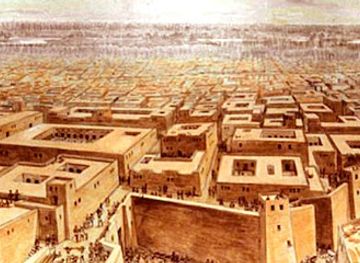
Mohenjo-daro, near Larkana, was one of the major urban centres of the Indus Civilisation, flourishing during the third millennium BCE. Its carefully planned streets, baked-brick buildings, wells and sophisticated drainage demonstrate a substantial urban tradition long before the arrival of later empires in Sindh. The city’s decline was gradual and remains the subject of archaeological study rather than a single confirmed catastrophe. Today, its excavated streets and monumental structures provide the region’s clearest connection with the ancient history of South Asia, although the exposed site also faces serious conservation pressures from heat, salinity and groundwater.
Early Buddhist and Hindu-Buddhist Sindh
After the Indus Civilisation, northern Sindh passed through changing cultural and political spheres, including periods associated with Indo-Greek, Kushan and later Buddhist traditions. Archaeological evidence from the wider Larkana and upper Indus areas records the movement of ideas, artistic forms and trade along the river corridors. Although many remains are fragmentary, they show that Upper Sindh was not isolated from the wider networks linking the north-western subcontinent with Central Asia and the Indian plains. Later Hindu traditions also remained important, and religious sites in Sukkur and Rohri preserve elements of this long, layered history.
Arab Conquest and the Medieval Muslim Indus
The Arab conquest of Sindh began in the early eighth century, bringing the lower and middle Indus into the orbit of the Umayyad Caliphate. Northern Sindh subsequently experienced the rule and influence of several regional and imperial powers, including the Soomra and Samma dynasties, the Delhi Sultanate and the Arghuns. Control was often expressed through river crossings, fortified settlements, taxation and trade rather than through uniform administration across the countryside. The period established foundations for the Islamic religious and architectural culture that later developed through the spread of Sufi orders and local patronage.
Sufism and the Cultural Formation of Sindh
From the medieval period onwards, Sufi teachers, shrine custodians, poets and local communities helped shape Sindh’s religious and cultural landscape. In Upper Sindh, shrines associated with figures such as Sachal Sarmast near Khairpur became centres of devotion, poetry and vernacular spiritual expression. Sufi traditions often developed alongside older local practices and drew visitors from different communities. Their legacy is visible in shrine architecture, devotional gatherings, poetry and the social importance attached to hospitality and pilgrimage. Sindhi literary culture, including the work of Shah Abdul Latif Bhittai and later poets, provides a wider context for these traditions.
Kalhora and Talpur Rule
The Kalhora dynasty consolidated much of Sindh during the eighteenth century, followed by the Talpurs, who ruled until the British annexation in 1843. Upper Sindh was divided among influential landed and princely interests, with irrigation, agriculture and control of river routes central to political power. The Talpur period is particularly important in Khairpur, where a branch of the family established a princely state that survived under British paramountcy. Faiz Mahal and other surviving buildings reflect the courtly culture and architectural patronage associated with this era.
British Annexation, Railways and River Engineering
The British annexed Sindh in 1843 and incorporated it into the Bombay Presidency before later administrative changes. Their rule brought new systems of revenue collection, canals, roads and railways, while also reshaping older trading towns. Sukkur and Rohri gained strategic importance as a river crossing and transport junction. The Lansdowne Bridge, opened in 1889, linked the railway systems on either side of the Indus and became a major engineering landmark. British infrastructure strengthened the movement of agricultural produce but also altered local economies and patterns of authority.
Partition and Pakistan’s Changing Indus Economy
The creation of Pakistan in 1947 transformed Upper Sindh’s population, administration and commercial life. Partition brought major migration, while existing Sindhi communities adapted to new political and economic arrangements. Irrigation, barrages, roads and rail connections continued to make the Indus basin central to agriculture, particularly wheat, rice, sugar crops and dates. Sukkur developed as a significant regional service and transport centre, while Larkana and Khairpur retained strong agricultural identities. Contemporary Upper Sindh therefore reflects both ancient settlement and the large-scale infrastructural, demographic and political changes of modern Pakistan.
Upper Sindh in Photos
Browse through our photo collection highlighting the charm and character of the destination.
Neighbouring regions of Upper Sindh
The closest regions to Upper Sindh, if you have time for more than one.
-

-

-

-

-


Swipe for more regions
Explore more

Explore more of Pakistan
Discover Pakistan: A land of majestic mountains, rich history, and delicious cuisine, where every journey is an adventure and every moment is filled with wonder.
Explore Pakistan