

Free Western Balochistan Travel Guide & Mobile App
Explore Western Balochistan with free travel guides. Discover regional history, expert tips, proposed trips, and audio guides on web or mobile app.


Explore Western Balochistan’s mountain basins, desert landscapes and Makran coast through careful journeys shaped by geography, culture and security.
Read more about Western Balochistan
When is the best time to visit Western Balochistan?
Best: February–March, November · 22–27°C| Month | High (°C) | Rainfall (mm) |
|---|---|---|
| January | 19 | 5 |
| February (best) | 22 | 5 |
| March (best) | 27 | 7 |
| April | 32 | 3 |
| May | 38 | 1 |
| June | 42 | 1 |
| July | 43 | 5 |
| August | 42 | 4 |
| September | 38 | 1 |
| October | 32 | 2 |
| November (best) | 24 | 3 |
| December | 20 | 4 |
Getting to and around Western Balochistan
How to get there
Transportation
Top city travel guides in Western Balochistan
The cities of Western Balochistan, and the easiest places to base yourself.
-

-

-


Swipe for more cities
Destinations in Western Balochistan
Resorts, valleys and scenic spots worth a trip of their own.
-

-


Swipe for more destinations
Best attractions in Western Balochistan
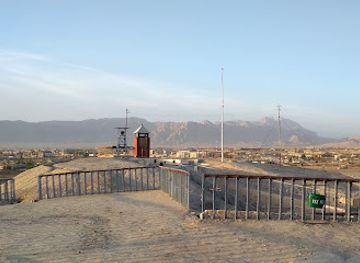
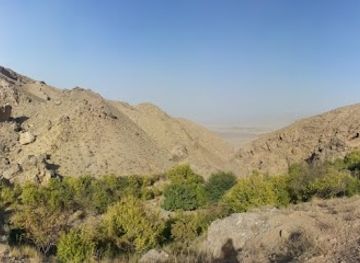
Western Balochistan’s attractions are defined less by dense collections of ticketed sites than by expansive landscapes and the contrast between inland highlands and the Makran coast. Quetta offers bazaars, fruit markets, historic urban districts and access to the surrounding mountain basin, while Hanna Lake is a well-known local recreational setting outside the city. The Chagai and Nushki areas present austere desert scenery, volcanic formations and mineral country, although locations connected with mining and strategic infrastructure may be restricted. Towards the south-west, Gwadar combines a working port, bare coastal hills, fishing activity and views across the Arabian Sea. The Makran shoreline around Pasni and neighbouring settlements includes beaches, tidal landscapes and remote coastal scenery, but facilities are often limited. Birdlife and seasonal wetlands can appear around desert water bodies such as the Hamun-i-Mashkel area, subject to access and conditions. Visits to archaeological, environmental or frontier locations require particularly careful planning, and many apparently accessible places are not suitable for unaccompanied foreign travellers.
-
Tourist attraction
Urak Valley,Quetta
Discover the breathtaking beauty of Urak Valley, a serene escape in Quetta, Pakistan, blending nature, culture, and adventure.
-
Tourist attraction
Pakistan Flag on Mountain
Discover the majestic Pakistan Flag on Mountain in Quetta, a symbol of national pride set against breathtaking natural beauty.
-
 Mountain peak
Nangan Sar
Discover Nangan Sar, a breathtaking mountain peak in Balochistan, offering stunning views and serene hiking trails for nature lovers and adventurers alike.
Best landmarks in Western Balochistan
The most recognisable landmarks of Western Balochistan arise from its geography and strategic history. Quetta’s surrounding mountains create a distinctive highland basin, while the city’s traditional bazaars and older civic and institutional buildings reflect its development as a frontier and provincial centre. Hanna Lake, set among barren hills outside Quetta, is an important local landscape landmark rather than a natural lake of abundant year-round water. Gwadar’s distinctive profile is formed by its narrow coastal peninsula, elevated hills and harbour, which separate the open Arabian Sea from sheltered waters and explain the settlement’s maritime importance. Along the Makran coast, bare ridges descending towards beaches and fishing villages provide the region’s most characteristic scenery. Inland, the desert plains and volcanic country of Chagai, including the wider landscape associated with the Reko Diq mineral district, are visually significant but include controlled areas that visitors cannot freely enter. These landmarks are best appreciated as parts of a vast environmental and strategic setting, not as isolated monuments with uniform public access.
-
Historical place
Quaid-i-Azam Residency, Ziarat Balochistan
Discover the Quaid-i-Azam Residency in Ziarat, a historic retreat of Pakistan's founder, surrounded by breathtaking natural beauty in Balochistan.
-
Tourist attraction
Pir Ghaib , Balochistan
Discover the enchanting beauty and rich heritage of Pir Ghaib, a breathtaking natural attraction in Balochistan, Pakistan.
-
Fortress
Miri FORT
Discover the historic Miri Fort in Quetta, a stunning fortress offering panoramic views and rich cultural heritage.
-
National park
Hazarganji-Chiltan National Park
Explore the breathtaking landscapes and rich biodiversity of Hazarganji-Chiltan National Park in Balochistan, Pakistan, a true haven for nature lovers.
Explore Western Balochistan on the map
Plan your trip on one map. See where the top cities, national parks and sights are, and book hotels and experiences in a few clicks.
Best hotels in Western Balochistan
Best restaurants in Western Balochistan
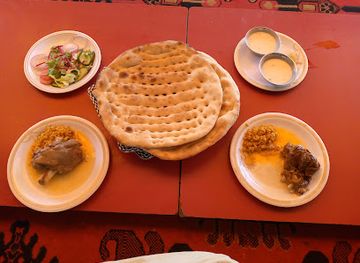
Dining in Western Balochistan is closely tied to local markets, household cooking and long-distance travel rather than a concentrated restaurant scene. Quetta is the region’s most varied food centre, with tea houses, bakeries, kebab establishments, rice dishes, flatbreads and restaurants reflecting Balochi, Pashtun, Afghan, Persian and wider Pakistani influences. Dried fruit and nuts are prominent in Quetta’s trade, while apples and other highland produce appear seasonally. Balochi sajji, traditionally associated with slow-roasted meat, is widely known in the province, although preparation and presentation differ between establishments. In Gwadar, Pasni and other coastal communities, fish and seafood are central to local eating, often simply grilled or cooked with rice and spices. Towns outside the main centres have fewer reliable choices, and remote road journeys may offer only basic tea, bread and local meals. Carrying sealed water and checking hygiene standards is sensible, particularly away from established hotels.
-
Restaurant
Kashghar restaurant
Experience authentic Pakistani cuisine at Kashghar Restaurant in Qila Saifullah - a must-visit culinary destination in Balochistan.
-
Restaurant
Quetta Restaurant
Savor authentic Balochistani cuisine at Quetta Restaurant – where tradition meets flavor in every dish.
-
Restaurant
Dubai Hotal & Restaurant دبٸ ہوٹل اینڈ ریسٹورنٹ
Experience authentic Pakistani cuisine at Dubai Hotel & Restaurant in Zhob - where tradition meets flavor.
-
Restaurant
Gulab Hotel
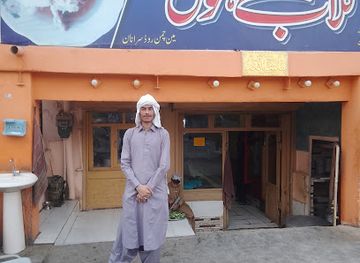
Experience authentic Pakistani cuisine at Gulab Hotel in Pishin, Balochistan—where tradition meets flavor.
Best bars in Western Balochistan
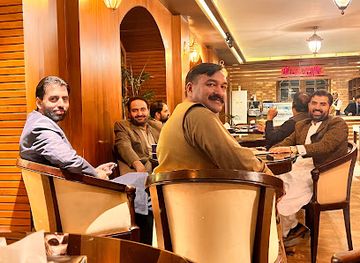
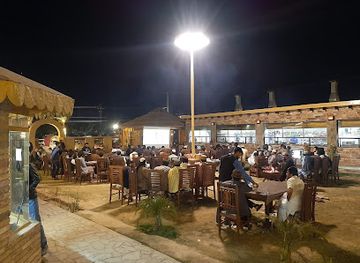
Western Balochistan does not have a conventional bar and nightclub culture, and alcohol is restricted under Pakistan’s laws, with narrow legal exceptions that do not function as ordinary tourist provision. Evening social life generally centres on tea houses, restaurants, hotel lounges, family gatherings, bazaars and informal conversations rather than drinking venues. Quetta has the broadest selection of cafés and late-opening eateries, while Gwadar’s evening activity is shaped by the waterfront, hotels and local dining rather than a large club district. In smaller desert, inland and coastal settlements, nights are quiet and services can close early. Visitors should avoid treating nightlife as a reason to enter isolated areas after dark, observe local expectations about dress and behaviour, and follow hotel or host guidance about photography, public gatherings and movement. Occasional cultural performances or community events may occur, but schedules and access should be confirmed locally rather than assumed.
-
Restaurant
Quetta Club Limited
Experience the rich culinary heritage of Balochistan at Quetta Club Limited, where every dish tells a story.
-
Restaurant
ZVR (Zahoor Village Restaurant)
Experience authentic Pakistani cuisine at Zahoor Village Restaurant, conveniently located near Quetta Airport, perfect for travelers and food lovers.
-
Restaurant
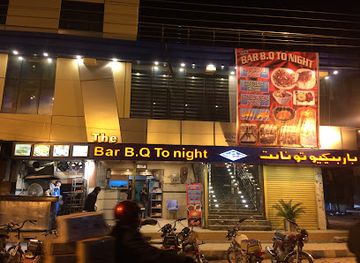
The Bar-B-Q TONIGHT
Experience the authentic taste of Pakistani barbecue at The Bar-B-Q TONIGHT in Quetta, where every bite tells a story of tradition and flavor.
-
Restaurant
Chiltan Nights
Discover the rich flavors of Balochistan at Chiltan Nights, Quetta's premier dining destination, where every meal is a celebration of culture.
Best nightclubs in Western Balochistan
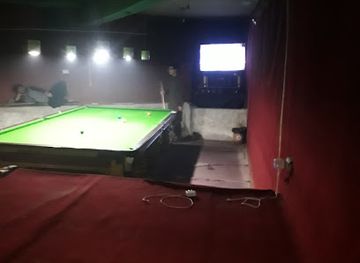
Western Balochistan does not have a conventional bar and nightclub culture, and alcohol is restricted under Pakistan’s laws, with narrow legal exceptions that do not function as ordinary tourist provision. Evening social life generally centres on tea houses, restaurants, hotel lounges, family gatherings, bazaars and informal conversations rather than drinking venues. Quetta has the broadest selection of cafés and late-opening eateries, while Gwadar’s evening activity is shaped by the waterfront, hotels and local dining rather than a large club district. In smaller desert, inland and coastal settlements, nights are quiet and services can close early. Visitors should avoid treating nightlife as a reason to enter isolated areas after dark, observe local expectations about dress and behaviour, and follow hotel or host guidance about photography, public gatherings and movement. Occasional cultural performances or community events may occur, but schedules and access should be confirmed locally rather than assumed.
-
Night club
Star Snooker Club
Experience the vibrant nightlife at Star Snooker Club, Quetta's top spot for snooker and socializing in an inviting atmosphere.
-
Disco club
Afghan Galli Area
Dive into the vibrant nightlife of Afghan Galli Area, Usta Muhammad, where music, dance, and culture come alive in an unforgettable disco experience.
-
Jazz
Jazz Point
Discover the soulful melodies of Jazz Point, a hidden gem in Quetta, where live music and local culture come together for an unforgettable experience.
-
Night club
New english Snooker Club
Discover a lively nightlife at the New English Snooker Club in Quetta, where fun, games, and new friendships await.
Best shops in Western Balochistan
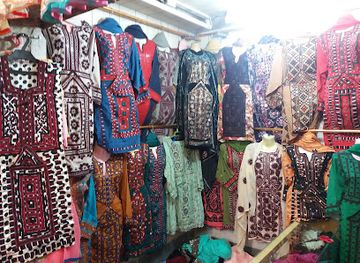
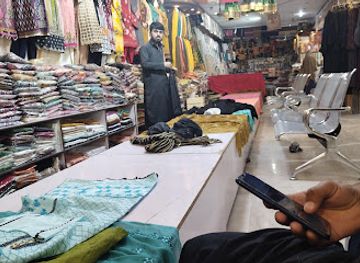
Shopping in Western Balochistan is concentrated in Quetta’s bazaars and the principal markets of towns such as Gwadar rather than in large retail centres. Quetta is the best place to look for dried fruit, nuts, spices, carpets, textiles, embroidered goods, traditional clothing and practical supplies for overland travel. Market merchandise often reflects cross-border trade and the wider cultural connections of Afghanistan, Iran and Pakistan, but buyers should check customs rules before taking food, antiques or animal products across an international border. Gwadar and other coastal towns offer locally caught fish, seafood and everyday market goods, while smaller settlements have limited specialist shopping. Handicrafts and embroidered textiles may differ by community and family tradition, so asking about provenance is preferable to assuming that every item is locally made. Bargaining can be customary in some bazaars but should remain polite, and travellers should avoid purchasing archaeological objects, undocumented antiquities or products made from protected wildlife.
-
Shopping mall
Millennium Mall
Experience the shopping extravaganza at Millennium Mall, Quetta—your gateway to international brands and local delights in a vibrant atmosphere.
-
Shopping mall
Shopping Centres Liaquat Bazar quetta
Discover the vibrant shopping experience at Liaquat Bazar in Quetta, where local culture meets modern retail therapy.
-
Shopping mall
Haroon Shopping Centre ®
Discover the vibrant culture and shopping allure at Haroon Shopping Centre in Quetta, where tradition meets modern retail.
-
Shopping mall
ZamZama Super Store
Explore diverse shopping experiences at ZamZama Super Store in Quetta—where culture meets commerce in a vibrant atmosphere.


Get your free copy of our complete guide to Western Balochistan, delivered straight to you.
Everything on this page, from attractions and restaurants to essentials and local phrases, in one PDF you can read offline, print or share.
Already have an account? Sign in
Your Western Balochistan guide is ready.
We'll send it to · Not you? Sign out

Getting your guide ready…
We are putting together a fresh copy of the Western Balochistan guide. This can take up to a minute.
This can take a few moments. If your browser asks, choose Allow so the download can start. You'll find the guide in your Downloads folder.
Nothing happened? Download it again
Sorry, the guide is taking longer than usual. Please try again in a minute, or get it by email instead.
Western Balochistan essentials
Currency and Payment
Safety
Emergency Situations
Do's and Don'ts
Local Tips
From Eve
Local phrases worth knowing
You don't need to get them perfect. A few words go a long way, and locals appreciate the effort.
Basics
| English | Local | Say it |
|---|---|---|
| Hello | سلام | [Salam] |
| Goodbye | خدا حافظ | [Khuda Hafiz] |
| Yes | ہاں | [Haan] |
| No | نہیں | [Nahin] |
| Please/You're welcome | براہ کرم/خوش آمدید | [Barah-e-Karam/Khosh Aamdeed] |
| Thank you | شکریہ | [Shukriya] |
| Excuse me/Sorry | معاف کرنا/معاف کریں | [Maaf Karna/Maaf Karen] |
| How are you? | آپ کیسے ہیں؟ | [Aap Kaise Hain?] |
| Fine. And you? | ٹھیک ہوں۔ اور آپ؟ | [Theek Hoon. Aur Aap?] |
| Do you speak English? | کیا آپ انگریزی بولتے ہیں؟ | [Kya Aap Angrezi Bolte Hain?] |
| I don't understand | مجھے سمجھ نہیں آتا | [Mujhe Samaj Nahin Aata] |
Eating & Drinking
| English | Local | Say it |
|---|---|---|
| I'd like to see the menu, please | مہربانی کرکے مینو دکھائیں | [Mehrbani Karke Menu Dikhain] |
| I don't eat meat | میں گوشت نہیں کھاتا | [Main Gosht Nahin Khata] |
| Cheers! | چین | [Chin] |
| I would like to pay, please | مہربانی کرکے میں ادا کرنا چاہتا ہوں | [Mehrbani Karke Main Ada Karna Chahta Hoon] |
Emergencies
| English | Local | Say it |
|---|---|---|
| Help! | مدد! | [Madad!] |
| Go away! | چلے جاؤ! | [Chalay Jao!] |
| Call the Police! | پولیس کو بلائیں! | [Police Ko Bulain!] |
| Call a doctor! | ڈاکٹر کو بلائیں! | [Doctor Ko Bulain!] |
| I'm lost | میں کھو گیا ہوں | [Main Kho Gaya Hoon] |
| I'm ill | میں بیمار ہوں | [Main Bimar Hoon] |
Shopping
| English | Local | Say it |
|---|---|---|
| I'd like to buy... | میں خریدنا چاہتا ہوں... | [Main Kharidna Chahta Hoon...] |
| I'm just looking | میں صرف دیکھ رہا ہوں | [Main Sirf Dekh Raha Hoon] |
| How much is it? | یہ کتنے کا ہے؟ | [Yeh Kitne Ka Hai?] |
| That's too expensive | یہ بہت مہنگا ہے | [Yeh Bohat Mehnga Hai] |
| Can you lower the price? | کیا آپ قیمت کم کرسکتے ہیں؟ | [Kya Aap Qeemat Kam Kar Sakte Hain?] |
Time & Numbers
| English | Local | Say it |
|---|---|---|
| What time is it? | کیا وقت ہوا ہے؟ | [Kya Waqt Hua Hai?] |
| It's one o'clock | یہ ایک بجے ہیں | [Yeh Aik Baje Hain] |
| Half past (10) | سوا (10) | [Sawa (10)] |
| Morning | صبح | [Subah] |
| Afternoon | دوپہر | [Dopahar] |
| Evening | شام | [Shaam] |
| Yesterday | کل | [Kal] |
| Today | آج | [Aaj] |
| Tomorrow | کل | [Kal] |
| 1 | ایک | [Aik] |
| 2 | دو | [Do] |
| 3 | تین | [Teen] |
| 4 | چار | [Chaar] |
| 5 | پانچ | [Paanch] |
| 6 | چھ | [Chay] |
| 7 | سات | [Saat] |
| 8 | آٹھ | [Aath] |
| 9 | نو | [Nau] |
| 10 | دس | [Das] |
Transport & Directions
| English | Local | Say it |
|---|---|---|
| Where's a/the...? | کہاں ہے...؟ | [Kahan Hai...?] |
| What's the address? | پتہ کیا ہے؟ | [Pata Kya Hai?] |
| Can you show me (on the map)? | کیا آپ مجھے دکھا سکتے ہیں (نقشے پر)? | [Kya Aap Mujhe Dikhah Sakte Hain (Naqshay Par)?] |
| When's the next (bus)? | اگلی (بس) کب ہے؟ | [Agli (Bus) Kab Hai?] |
| A ticket (to ....) | ایک ٹکٹ (کی طرف) | [Aik Ticket (Ki Taraf)] |
History of Western Balochistan
Ancient Routes across the Balochistan Plateau
Western Balochistan has long formed part of a difficult but important corridor between the Iranian plateau, southern Afghanistan, the Indus region and the Arabian Sea. Seasonal water sources, mountain passes and oases made movement possible across terrain that otherwise appears inhospitable. Archaeological evidence from Balochistan as a whole demonstrates very early settled farming and exchange, although the best-known prehistoric sites are outside the western districts described here. In the west, later routes connected inland settlements with Makran’s ports and with markets across the Iranian frontier, creating a history shaped as much by mobility and trade as by permanent urban centres.
Makran and the Early Maritime World
The Makran coast was incorporated into successive imperial and trading networks linking the Arabian Sea with southern Iran, the Gulf and the Indus basin. Ancient accounts identify the coast as a demanding maritime and overland environment, and the region’s ports and anchorages served travellers moving between larger centres. Control was often indirect because the mountains and deserts made administration difficult. Fishing, pastoralism, coastal trade and caravan movement remained more durable than any single imperial system. This maritime setting continues to distinguish the coastal districts around Gwadar, Pasni and Ormara from the highlands around Quetta.
Islamisation and Medieval Regional Powers
Islam spread through Makran and the wider Balochistan region from the early medieval period, through conquest, trade and the movement of religious scholars. Western districts subsequently lay within the orbit of several Persianate, Afghan and local political powers, although authority was frequently negotiated with tribal and pastoral communities. Settlements expanded around wells, cultivated valleys and caravan routes rather than across the open desert. The resulting cultural landscape combined Islamic institutions with older patterns of seasonal movement, local allegiance and kinship. Many modern political and social relationships in Balochistan retain echoes of this decentralised history.
Baloch Tribal Confederacies and Khanate Influence
From the seventeenth century onwards, Baloch tribal organisation became a major force in the politics of the region. The Khanate of Kalat, centred in central Balochistan, exercised varying influence over western territories, while local sardars and tribal leaders retained substantial authority. Political control was influenced by access to water, grazing, caravan routes and fortified settlements. The Balochi language and cultural traditions developed across a broad area that now extends beyond Pakistan’s borders, so modern provincial boundaries do not fully describe the region’s historical connections.
British Expansion and the Strategic Frontier
British India’s interest in Balochistan grew during the nineteenth century because of its position between Afghanistan, Iran and the approaches to the Arabian Sea. Quetta became an important military and administrative centre, while roads, railways and telegraph links strengthened the strategic frontier. British arrangements with the Khanate of Kalat and local authorities did not create a uniform system of rule; instead, they combined direct administration in selected areas with indirect influence elsewhere. The prominence of Quetta’s cantonment, transport corridors and administrative institutions reflects this frontier history.
Partition and the Creation of Pakistan
When British India was partitioned in 1947, the political future of Balochistan involved the Khanate of Kalat, neighbouring princely territories and areas already administered by British authorities. Kalat’s accession to Pakistan in 1948 was followed by armed opposition and continuing disputes over autonomy, resources and political representation. The new province inherited a difficult geography, limited infrastructure and a highly decentralised social structure. In western districts, the border with Iran and the strategic importance of the coast added further significance to the region’s place within Pakistan.
Ports, Highways and Resource Development
During the later twentieth and early twenty-first centuries, roads, telecommunications, the development of Gwadar Port and interest in mineral resources altered the strategic and economic importance of western Balochistan. Gwadar became a major focus of national and international infrastructure planning, while copper and gold prospects in the Chagai district attracted attention and controversy. These projects have also intensified debates about local employment, land, water, environmental protection and provincial rights. For visitors, the modern landscape is therefore marked by a contrast between large strategic ambitions and communities still facing sparse services and difficult access.
Western Balochistan in Photos
Browse through our photo collection highlighting the charm and character of the destination.
Neighbouring regions of Western Balochistan
The closest regions to Western Balochistan, if you have time for more than one.
-

-

-

-

-


Swipe for more regions
Explore more

Explore more of Pakistan
Discover Pakistan: A land of majestic mountains, rich history, and delicious cuisine, where every journey is an adventure and every moment is filled with wonder.
Explore Pakistan