

Free Eastern Balochistan Travel Guide & Mobile App
Explore Eastern Balochistan with free travel guides. Discover regional history, expert tips, proposed trips, and audio guides on web or mobile app.


Explore Eastern Balochistan for Quetta's mountain basin, Ziarat's ancient junipers, historic passes, archaeological heritage and distinctive regional cultures.
Read more about Eastern Balochistan
When is the best time to visit Eastern Balochistan?
Best: February–March, November · 20–26°C| Month | High (°C) | Rainfall (mm) |
|---|---|---|
| January | 18 | 10 |
| February (best) | 20 | 13 |
| March (best) | 26 | 18 |
| April | 31 | 10 |
| May | 37 | 10 |
| June | 41 | 5 |
| July | 42 | 25 |
| August | 41 | 20 |
| September | 38 | 8 |
| October | 32 | 5 |
| November (best) | 24 | 10 |
| December | 18 | 8 |
Getting to and around Eastern Balochistan
How to get there
Transportation
Top city travel guides in Eastern Balochistan
The cities of Eastern Balochistan, and the easiest places to base yourself.

Swipe for more cities
Best attractions in Eastern Balochistan
Eastern Balochistan's attractions are dispersed across mountain basins, historic corridors and dry plains rather than concentrated in a single resort area. In Quetta, visitors can explore bazaars, the mountain setting around the city, Hanna Lake and the road towards Urak Valley, subject to local access conditions. Hazarganji-Chiltan National Park offers a rugged landscape close to the capital and is associated with the distinctive Chiltan ibex. Ziarat combines the Quaid-e-Azam Residency with walks and viewpoints among ancient juniper woodland, while the journey itself reveals changing elevations and exposed mountain scenery. Sibi and the Bolan corridor provide historical context through their role as routes between upland Balochistan and the Indus plain. Farther east, the archaeological landscape around Mehrgarh records some of the earliest settled farming communities in South Asia, although access should be arranged in advance. Zhob and Loralai offer quieter views of high valleys, pastoral country and Pashtun cultural landscapes, but visitor infrastructure is limited. Outdoor activities are primarily walking, landscape observation and road-based exploration rather than a developed adventure-tourism circuit, and every excursion should take account of security guidance, weather, water supplies and local permissions.
-
Historical place
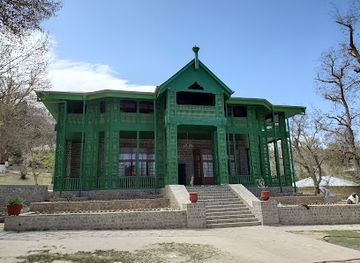
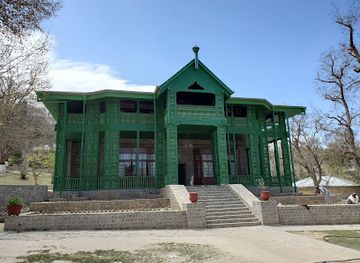
Quaid-i-Azam Residency, Ziarat Balochistan
Explore the Quaid-i-Azam Residency in Ziarat, a historical gem surrounded by breathtaking nature, where Pakistan's founder spent his final days.
-
Park
Liaquat Family Park
Explore Liaquat Family Park in Quetta, a serene green space perfect for relaxation, family outings, and enjoying the natural beauty of Balochistan.
-
Fortress
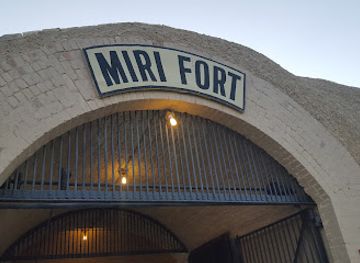
Miri FORT
Discover the majestic Miri Fort in Quetta, Balochistan—a historical fortress offering stunning views and a rich cultural experience.
-
Park
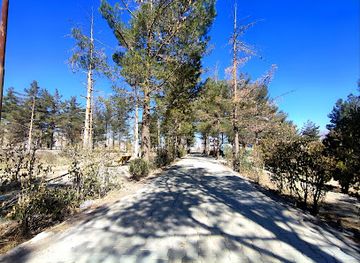
Mian Ghundi Recreational Park
Explore Mian Ghundi Recreational Park, a serene oasis in Hazarganji National Park, Quetta, offering lush landscapes, wildlife, and tranquil beauty.
Best landmarks in Eastern Balochistan
The Quaid-e-Azam Residency in Ziarat is Eastern Balochistan's most recognisable historic landmark. Its association with Muhammad Ali Jinnah gives the timber-and-stone building national significance, while its setting among the town's old juniper trees connects political history with the highland environment. Quetta's mountain skyline, particularly the Chiltan and Takatu ranges, forms another defining regional landmark and explains the city's character as a basin settlement surrounded by steep terrain. The Bolan Pass is a geographical and historical landmark rather than a single monument: its narrow route through the mountains has carried armies, railway lines, roads and trade between the plateau and the plains. Near Quetta, Hazarganji-Chiltan National Park represents the region's protected dry-mountain landscape and the habitat associated with the Chiltan ibex. The ruins and archaeological deposits of Mehrgarh, in the Kachhi area east of the uplands, are of exceptional importance for understanding early farming societies in South Asia. Sibi's position at the meeting point of the Bolan route and the plains also gives the town a lasting geographical significance, even though much of its historic character is experienced through movement and setting rather than monumental architecture.
-
Historical place
Quaid-i-Azam Residency, Ziarat Balochistan
Explore the Quaid-i-Azam Residency in Ziarat, a historical site where Pakistan's founder lived surrounded by breathtaking natural beauty.
-
National park
Hingol Balochistan National Park
Explore the breathtaking Hingol Balochistan National Park, a natural wonder in Pakistan featuring diverse landscapes, wildlife, and geological marvels.
-
Tourist attraction
Pir Ghaib , Balochistan
Discover the hidden gem of Pir Ghaib in Balochistan, a breathtaking tourist attraction showcasing nature's beauty and rich cultural heritage.
-
Park
Liaquat Family Park
Discover the beauty of Liaquat Family Park in Quetta, a serene escape with lush greenery, vibrant flowers, and perfect spots for family picnics.
Explore Eastern Balochistan on the map
Plan your trip on one map. See where the top cities, national parks and sights are, and book hotels and experiences in a few clicks.
Best hotels in Eastern Balochistan
Best restaurants in Eastern Balochistan
Dining in Eastern Balochistan is shaped by Quetta's position at the meeting point of Baloch, Brahui, Pashtun, Hazara and wider Pakistani food traditions. Quetta is the best place to find variety, from tea houses, bakeries and casual kebab restaurants to establishments serving grilled meats, rice dishes, breads and hearty broths. Sajji, traditionally associated with Balochistan, is commonly prepared as seasoned roasted meat, while lamb, mutton and chicken are prominent in local and regional cooking. Landhi-style dried meat and Quetta's baked breads are also associated with the province, though menus and preparation vary between communities and restaurants. In smaller towns, dining is more likely to centre on simple cafés, roadside eateries and family-run establishments than on formal restaurants. Dried fruit, nuts and seasonal produce reflect trade between the highlands and the plains, and tea is an important part of everyday hospitality. Carrying water and allowing for limited choice outside Quetta is sensible, particularly on long road journeys.
-
Restaurant
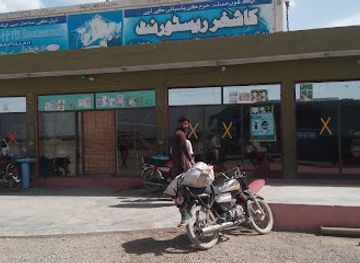
Kashghar restaurant
Discover authentic Balochistani flavors at Kashghar Restaurant in Killa Saifullah - A must-visit culinary destination.
-
Restaurant
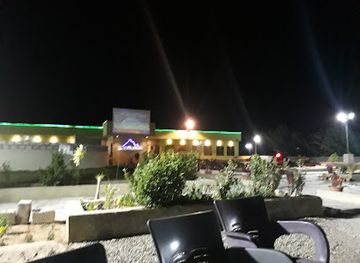
ChromPur Restaurant
Discover authentic Pakistani cuisine at ChromPur Restaurant in Muslim Bagh - where tradition meets taste!
-
Restaurant
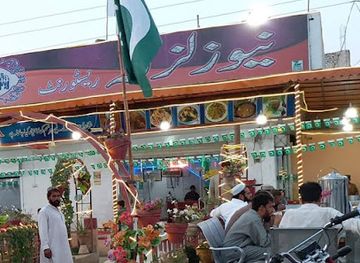
New Zalzala Restaurant
Experience authentic Balochi cuisine at New Zalzala Restaurant in Pishin - where tradition meets taste.
-
Restaurant
Quetta Restaurant
Discover authentic flavors at Quetta Restaurant, where traditional Pakistani and Afghan cuisine meets warm Balochistani hospitality.
Best bars in Eastern Balochistan
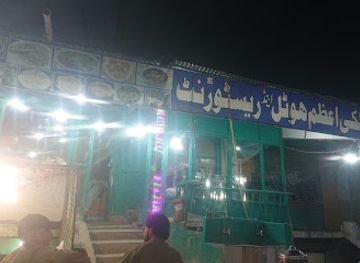
Eastern Balochistan does not have a conventional bar and nightclub scene. Pakistan's legal and social environment means that evening life is generally centred on family restaurants, tea houses, bakeries, hotel dining rooms and traditional cafés rather than alcohol-led venues. Quetta has the region's broadest choice of places to eat after dark, although opening arrangements, security procedures and access can change. In Ziarat, Sibi, Zhob and Loralai, evenings are quieter and may revolve around local markets, guesthouse dining, tea and conversation, with little organised nightlife for international visitors. Some hotels provide lounges or indoor recreational spaces, but these should not be assumed to serve alcohol. Dress modestly, respect local customs and avoid walking unfamiliar streets late at night; ask accommodation staff about suitable areas and current conditions.
-
Restaurant
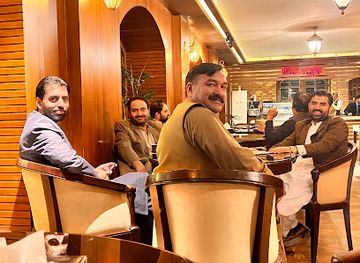
Quetta Club Limited
Experience the culinary excellence at Quetta Club Limited, where local flavors meet international cuisine in a welcoming atmosphere.
-
Restaurant
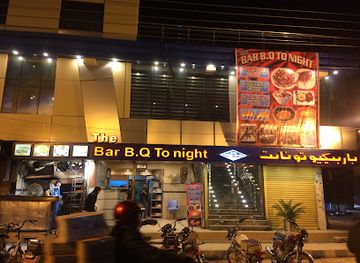
The Bar-B-Q TONIGHT
Experience the authentic taste of Pakistani barbecue at The Bar-B-Q TONIGHT in Quetta, where rich flavors and a festive atmosphere await.
-
Restaurant
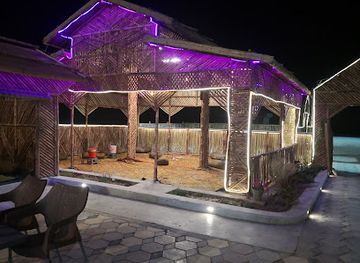
Chiltan Nights
Discover authentic Balochistani cuisine at Chiltan Nights in Quetta, where flavors meet hospitality in a vibrant dining atmosphere.
-
Restaurant
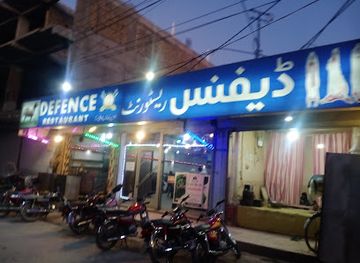
Defence Restaurant & Bar B Q
Experience the authentic taste of Pakistani barbecue at Defence Restaurant & Bar B Q in Quetta, where every meal is a flavorful adventure.
Best nightclubs in Eastern Balochistan
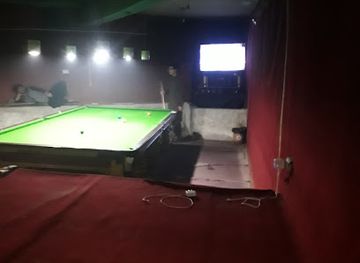
Eastern Balochistan does not have a conventional bar and nightclub scene. Pakistan's legal and social environment means that evening life is generally centred on family restaurants, tea houses, bakeries, hotel dining rooms and traditional cafés rather than alcohol-led venues. Quetta has the region's broadest choice of places to eat after dark, although opening arrangements, security procedures and access can change. In Ziarat, Sibi, Zhob and Loralai, evenings are quieter and may revolve around local markets, guesthouse dining, tea and conversation, with little organised nightlife for international visitors. Some hotels provide lounges or indoor recreational spaces, but these should not be assumed to serve alcohol. Dress modestly, respect local customs and avoid walking unfamiliar streets late at night; ask accommodation staff about suitable areas and current conditions.
-
Night club
Star Snooker Club
Discover the lively atmosphere and friendly competition at Star Snooker Club, a top night club for snooker enthusiasts in Quetta, Balochistan.
-
 Disco club
Afghan Galli Area
Discover the pulsating nightlife of Afghan Galli Area, a premier disco club in Usta Muhammad, Balochistan, perfect for dance and fun.
-
Jazz
Jazz Point
Experience the enchanting rhythms of Jazz Point in Quetta, where live music and a cozy atmosphere create unforgettable moments.
-
Night club
New english Snooker Club
Experience the energetic nightlife and snooker excitement at the New English Snooker Club in Quetta, where fun and competition await.
Best shops in Eastern Balochistan
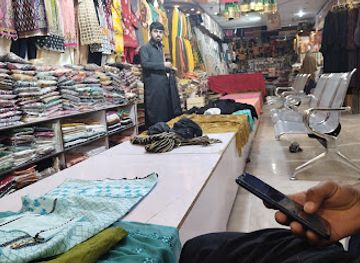
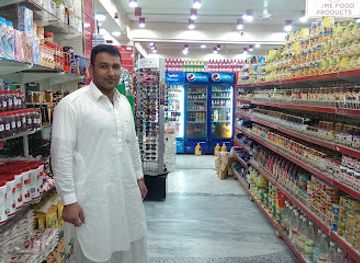
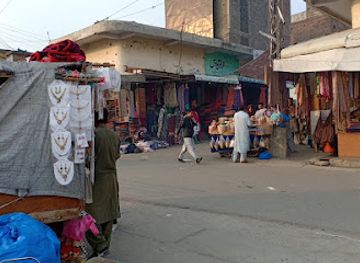
Quetta is the region's principal shopping centre, with bazaars offering textiles, embroidered clothing, shawls, carpets, leather goods, dry fruit, nuts and spices. Products reflect links with Balochistan's pastoral communities, Afghan and Iranian trade routes, and the wider markets of Pakistan, so provenance and workmanship can vary. Visitors interested in traditional items should compare quality, ask about materials and buy through established shops rather than assuming that every product is locally made. Dry fruit, almonds, raisins and other highland produce are practical regional purchases when properly packaged for travel. Smaller markets in Ziarat, Sibi, Zhob and Loralai are more focused on everyday provisions, livestock-related trade and locally used goods than on dedicated souvenirs. Quetta also has bookshops, bakeries and general retail streets, but it is not a large luxury-shopping destination. Bargaining may be customary in some bazaars, while fixed prices are more common in established stores; courteous negotiation and modest dress are appropriate.
-
Shopping mall
Haroon Shopping Centre ®
Experience the vibrant shopping scene at Haroon Shopping Centre in Quetta, where culture meets modern retail for an unforgettable experience.
-
Shopping mall
ZamZama Super Store
Explore the vibrant ZamZama Super Store in Quetta, a shopping haven offering a blend of local and international products in a modern setting.
-
Store
Chena Market Ali Clothes House
Discover the vibrant Chena Market Ali Clothes House, where local culture meets unique fashion in a colorful shopping experience for every traveler.
-
Gift shop
Shopping Gali
Discover unique gifts and party supplies at Shopping Gali, a vibrant shop celebrating local culture and creativity.
Get your free copy of our complete guide to Eastern Balochistan, delivered straight to you.
Everything on this page, from attractions and restaurants to essentials and local phrases, in one PDF you can read offline, print or share.
Already have an account? Sign in
Your Eastern Balochistan guide is ready.
We'll send it to · Not you? Sign out

Getting your guide ready…
We are putting together a fresh copy of the Eastern Balochistan guide. This can take up to a minute.
This can take a few moments. If your browser asks, choose Allow so the download can start. You'll find the guide in your Downloads folder.
Nothing happened? Download it again
Sorry, the guide is taking longer than usual. Please try again in a minute, or get it by email instead.
Eastern Balochistan essentials
Currency and Payment
Safety
Emergency Situations
Do's and Don'ts
Local Tips
From Eve
Local phrases worth knowing
You don't need to get them perfect. A few words go a long way, and locals appreciate the effort.
Basics
| English | Local | Say it |
|---|---|---|
| Hello | سلام | [Salam] |
| Goodbye | خدا حافظ | [Khuda Hafiz] |
| Yes | ہاں | [Haan] |
| No | نہیں | [Nahin] |
| Please/You're welcome | براہ کرم / خوش آمدید | [Barah-e-Karam / Khush Aamdeed] |
| Thank you | شکریہ | [Shukriya] |
| Excuse me/Sorry | معاف کیجیے / معاف کرنا | [Maaf Kijiye / Maaf Karna] |
| How are you? | آپ کیسے ہیں؟ | [Aap Kaise Hain?] |
| Fine. And you? | ٹھیک ہوں۔ اور آپ؟ | [Theek Hoon. Aur Aap?] |
| Do you speak English? | کیا آپ انگریزی بولتے ہیں؟ | [Kya Aap Angrezi Bolte Hain?] |
| I don't understand | مجھے سمجھ نہیں آتا | [Mujhe Samajh Nahin Aata] |
Eating & Drinking
| English | Local | Say it |
|---|---|---|
| I'd like to see the menu, please | براہ کرم مینو دکھائیں | [Barah-e-Karam Menu Dikhain] |
| I don't eat meat | میں گوشت نہیں کھاتا | [Main Gosht Nahin Khata] |
| Cheers! | چینج! | [Cheers!] |
| I would like to pay, please | براہ کرم، میں ادا کرنا چاہوں گا | [Barah-e-Karam, Main Ada Karna Chahoon Ga] |
Emergencies
| English | Local | Say it |
|---|---|---|
| Help! | مدد! | [Madad!] |
| Go away! | چلے جاؤ! | [Chalay Jao!] |
| Call the Police! | پولیس کو بلاؤ! | [Police Ko Bulao!] |
| Call a doctor! | ڈاکٹر کو بلاؤ! | [Doctor Ko Bulao!] |
| I'm lost | میں راستہ بھول گیا ہوں | [Main Rasta Bhool Gaya Hoon] |
| I'm ill | میں بیمار ہوں | [Main Bimaar Hoon] |
Shopping
| English | Local | Say it |
|---|---|---|
| I'd like to buy... | میں خریدنا چاہتا ہوں... | [Main Khareedna Chahta Hoon...] |
| I'm just looking | میں صرف دیکھ رہا ہوں | [Main Sirf Dekh Raha Hoon] |
| How much is it? | یہ کتنے کا ہے؟ | [Yeh Kitne Ka Hai?] |
| That's too expensive | یہ بہت مہنگا ہے | [Yeh Bohat Mehnga Hai] |
| Can you lower the price? | کیا آپ قیمت کم کر سکتے ہیں؟ | [Kya Aap Qeemat Kam Kar Sakte Hain?] |
Time & Numbers
| English | Local | Say it |
|---|---|---|
| What time is it? | کیا وقت ہوا ہے؟ | [Kya Waqt Hua Hai?] |
| It's one o'clock | یہ ایک بجے ہیں | [Yeh Aik Baje Hain] |
| Half past (10) | ساڑھے (10) بجے | [Saadhe (10) Baje] |
| Morning | صبح | [Subah] |
| Afternoon | دوپہر | [Dopahar] |
| Evening | شام | [Shaam] |
| Yesterday | کل | [Kal] |
| Today | آج | [Aaj] |
| Tomorrow | کل | [Kal] |
| 1 | ایک | [Aik] |
| 2 | دو | [Do] |
| 3 | تین | [Teen] |
| 4 | چار | [Chaar] |
| 5 | پانچ | [Paanch] |
| 6 | چھ | [Chay] |
| 7 | سات | [Saat] |
| 8 | آٹھ | [Aath] |
| 9 | نو | [Nau] |
| 10 | دس | [Das] |
Transport & Directions
| English | Local | Say it |
|---|---|---|
| Where's a/the...? | کہاں ہے ...؟ | [Kahan Hai ...?] |
| What's the address? | پتہ کیا ہے؟ | [Pata Kya Hai?] |
| Can you show me (on the map)? | کیا آپ مجھے (نقشے پر) دکھا سکتے ہیں؟ | [Kya Aap Mujhe (Naqsha Par) Dikhana Sakte Hain?] |
| When's the next (bus)? | اگلی (بس) کب ہے؟ | [Agli (Bus) Kab Hai?] |
| A ticket (to ....) | ایک ٹکٹ (کی طرف ...) | [Aik Ticket (Ki Taraf ...)] |
History of Eastern Balochistan
Mehrgarh and the Beginnings of Settled Life
Mehrgarh, in the Kachhi plain east of the Balochistan mountains, is one of South Asia's most important prehistoric archaeological sites. Occupation began in the Neolithic period, several thousand years ago, and the settlement provides evidence of early farming, cattle keeping, mud-brick construction, craft production and changing burial practices. Its location near routes leading towards the Bolan Pass helps explain the long-standing connection between upland Balochistan and the Indus plain. The site's discoveries have transformed understanding of how settled communities developed in the region before the mature Indus civilisation.
The Bolan Pass and Imperial Frontiers
The Bolan Pass became one of the principal routes through the mountains between the Indus plain and the Quetta basin. Its difficult terrain made it strategically important to successive powers, while caravans, armies and officials used the corridor to connect the subcontinent with western regions. Control of the pass was never simply a matter of holding a road: surrounding tribal territories, water sources and fortified settlements also mattered. The landscape's historical significance remains visible in the old route network and in the continuing importance of the highway and railway corridors through the pass.
Kalat and Regional Political Authority
For much of the early modern period, political authority in central and eastern Balochistan was linked to the Khanate of Kalat, whose influence extended unevenly across Baloch, Brahui and Pashtun areas. Authority was negotiated through tribal relationships, local chiefs, fortified settlements and control of routes rather than imposed uniformly across the mountains. The history of Quetta and the surrounding districts therefore belongs to a complex political landscape in which regional autonomy, imperial pressure and local alliances continually interacted.
British Expansion and the Quetta Cantonment
British involvement intensified during the nineteenth century as the colonial government sought secure approaches towards Afghanistan and the north-western frontier. Quetta developed as a military and administrative centre, while roads and railways through the Bolan Pass connected the uplands more closely with the plains. The cantonment, transport infrastructure and strategic routes altered the scale of movement through the region, although they operated alongside established tribal and commercial systems. The First and Second Anglo-Afghan Wars reinforced Quetta's importance as a frontier base.
Railways, Trade and the Mountain Economy
Late nineteenth- and early twentieth-century transport development changed the economic geography of Eastern Balochistan. Rail and road links through the Bolan corridor allowed agricultural produce, livestock, military supplies and manufactured goods to move between the highlands and the Indus basin. Quetta became a major market and service centre, while Sibi gained importance at the junction between the plains and mountain routes. These connections also encouraged seasonal movement and expanded the reach of regional bazaars without eliminating the importance of pastoral livelihoods and local trading networks.
Partition, Jinnah and Pakistan's Balochistan
The political transition of 1947 reshaped the region as British India was divided and the princely state of Kalat negotiated its relationship with Pakistan. Quetta became the capital of the newly organised Balochistan province and continued to serve as its principal administrative and commercial centre. Ziarat is closely associated with Muhammad Ali Jinnah, who stayed at the residency there during the last part of his life in 1948. The early Pakistani period established many of the political and administrative structures through which the province is governed today.
Eastern Balochistan in Photos
Browse through our photo collection highlighting the charm and character of the destination.
Neighbouring regions of Eastern Balochistan
The closest regions to Eastern Balochistan, if you have time for more than one.
-

-

-

-

-


Swipe for more regions
Explore more

Explore more of Pakistan
Discover Pakistan: A land of majestic mountains, rich history, and delicious cuisine, where every journey is an adventure and every moment is filled with wonder.
Explore Pakistan