

El Valle de Anton Travel Guide - Free Web & App
Your ultimate guide to El Valle de Anton. Discover top landmarks, proposed trips, and local tips. Free on the web or via the Evendo companion app.


El Valle de Anton, Panama, pairs a cool volcanic valley with hiking trails, waterfalls, hot springs, wildlife, artisan markets and mountain views.
A Mountain Valley in a Volcanic Crater
El Valle de Anton lies in Panama's Coclé Province, roughly two hours west of Panama City by road. The settlement occupies a broad, elevated valley formed within the remains of a large volcanic crater, where mild temperatures, steep green ridges and forested slopes create a marked contrast with the hotter lowlands. The town is the principal visitor base for exploring the surrounding mountains, waterfalls, thermal pools and cloud-forest habitats.Read more about El Valle de Anton
Landscape, Wildlife and Local Character
Exploring El Valle
When is the best time to visit El Valle de Anton?
Best: January–March · 31°C| Month | High (°C) | Rainfall (mm) |
|---|---|---|
| January (best) | 31 | 50 |
| February (best) | 31 | 50 |
| March (best) | 31 | 50 |
| April | 31 | 50 |
| May | 32 | 50 |
| June | 32 | 50 |
| July | 32 | 50 |
| August | 32 | 50 |
| September | 32 | 50 |
| October | 33 | 50 |
| November | 33 | 50 |
| December | 33 | 50 |
Getting to and around El Valle de Anton
How to get there
Transportation
Best attractions in El Valle de Anton
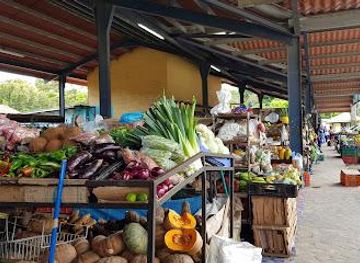
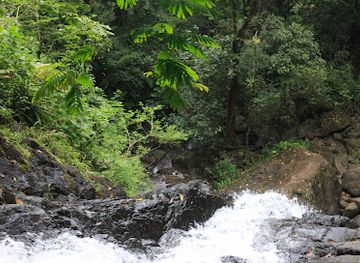
El Valle de Anton's attractions combine volcanic scenery with accessible rural experiences. La India Dormida is the area's defining ridge, with routes leading towards elevated views and landscapes linked to local legend. Chorro El Macho is a well-known waterfall and forest excursion, while Chorro Las Mozas offers another waterside setting close to the town. La Piedra Pintada preserves pre-Columbian rock markings and adds an archaeological dimension to the valley's natural scenery. El Níspero provides gardens and captive wildlife facilities, including conservation-related interest, rather than a guarantee of seeing animals in their natural habitat. The thermal pools offer a quieter experience based on the valley's geology, subject to local operating arrangements. Around town, the Sunday market is an attraction in its own right, bringing together produce, plants, crafts and food. The forested slopes and higher areas around Cerro Gaital are particularly appealing for birdwatching, walking and observing tropical vegetation.
-
Market
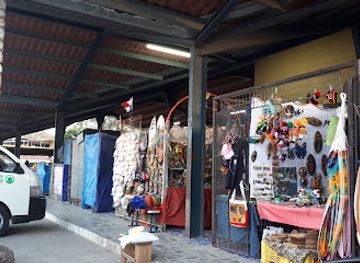
El Valle Market
Experience the vibrant culture of Panama at El Valle Market with local crafts, fresh produce, and delicious street food in a stunning mountain setting.
-
Tourist attraction
Chorro Las Mozas
Experience the beauty of Chorro Las Mozas in Anton Valley, where stunning waterfalls and natural pools create a perfect escape in Panama's lush landscape.
-
Restaurant
Restaurante Massiel
Discover the authentic taste of Panama at Restaurante Massiel, where local flavors meet inviting ambiance in the heart of Anton Valley.
-
Tourist attraction
Cascada Las Pailas | Loma Grande
Explore the serene beauty of Cascada Las Pailas in Penonome, Panamá, a stunning waterfall oasis perfect for nature lovers and adventure seekers.



Best landmarks in El Valle de Anton
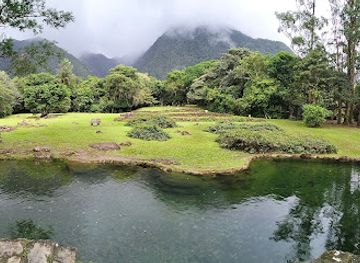
The volcanic crater landscape is El Valle de Anton's principal landmark, expressed through the ring of forested mountains and the elevated basin occupied by the town. La India Dormida is the most recognisable natural feature, its profile linked to a Panamanian legend and visible from several parts of the valley. Cerro Gaital represents the area's protected upland environment, where forest habitats and steep terrain support notable biodiversity. Chorro El Macho and Chorro Las Mozas are landmarks shaped by water moving through the valley's volcanic terrain, while the thermal pools reflect its geological character. La Piedra Pintada is important for its pre-Columbian rock markings, connecting the modern visitor landscape with earlier human presence. The Sunday market is a cultural landmark of contemporary El Valle, reflecting the agricultural, craft and community life that distinguishes the town from a purely scenic attraction.
-
Zoo
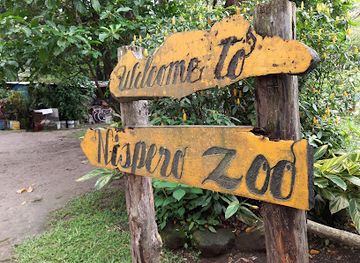
El Nispero Zoo
Explore the wonders of El Nispero Zoo in Anton Valley, where Panama's wildlife comes alive in a lush, family-friendly environment.
-
Market
El Valle Market
Explore the vibrant El Valle Market for a taste of Panama's culture, crafts, and culinary delights amidst stunning mountain scenery.
-
Tourist attraction
Butterfly Haven
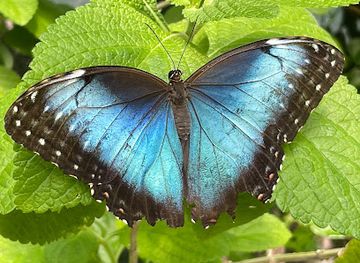
Uncover the beauty of nature at Butterfly Haven in El Valle de Antón, where vibrant butterflies and lush landscapes create an unforgettable experience.
-
Hiking area
India Dormida
Experience the breathtaking beauty and thrilling trails of India Dormida in Anton Valley, a hiker's paradise in Panama's lush landscapes.
Explore El Valle de Anton on the map
Plan your trip on one map. See where the top attractions, landmarks, restaurants and hotels are, and book hotels and experiences in a few clicks.
Best hotels in El Valle de Anton
Best restaurants in El Valle de Anton
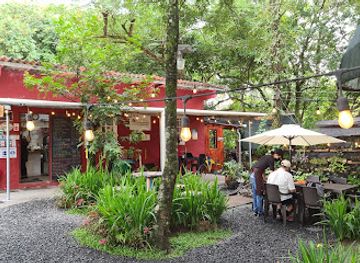
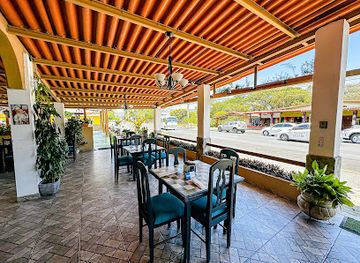
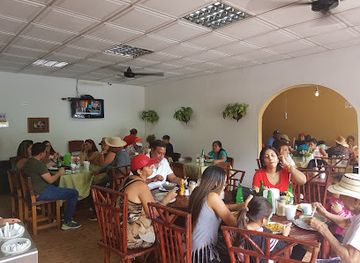
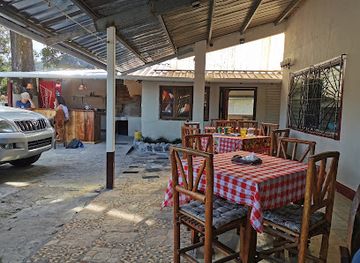
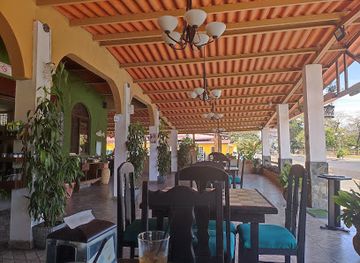
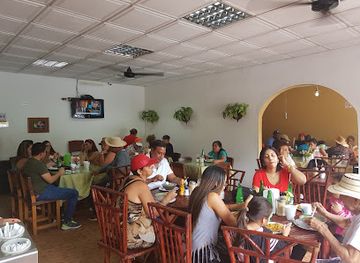
Dining in El Valle de Anton is concentrated in the town and around its accommodation areas rather than scattered through the surrounding forests. Visitors can find casual restaurants, cafés, bakeries and family-run establishments serving a mixture of Panamanian food and familiar international dishes. Local cooking often draws on rice, beans, plantains, corn, chicken, pork and seasonal produce, while the surrounding highland farms contribute vegetables, fruit, herbs and ornamental plants sold at the market. Breakfasts and packed food are useful before setting out on trails, as options become limited away from the settlement. The Sunday market may offer prepared snacks and fresh ingredients, although its stalls vary. Visitors seeking a more distinctive regional meal should ask locally about current opening arrangements, since rural dining services can be seasonal and less extensive than those in Panama City.
-
Restaurant
La Divina Commedia
Discover the flavors of Italy at La Divina Commedia, where delicious pizzas meet a cozy ambiance in beautiful El Valle de Antón.
-
Italian
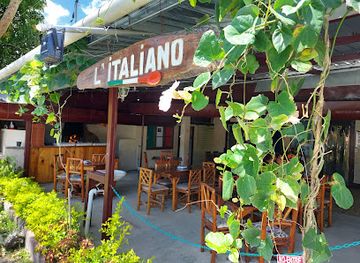
L'italiano Ristorante
Discover authentic Italian flavors at L'italiano Ristorante in El Valle de Antón - where every meal is a celebration of culinary excellence.
-
Restaurant
Bruschetta Restaurant
Discover delicious flavors at Bruschetta Restaurant in El Valle de Antón—where local cuisine meets warm hospitality.
-
Restaurant
Restaurante Doña Nella
Experience authentic Panamanian cuisine at Restaurante Doña Nella in Anton Valley - where every dish tells a story.
Best bars in El Valle de Anton
El Valle de Anton has a quiet evening scene shaped by its role as a mountain town and nature base rather than a nightlife destination. Evenings generally centre on the restaurants, cafés, hotel dining rooms and occasional bars attached to accommodation, with conversation and early dinners more characteristic than late clubs or large entertainment venues. Some establishments may offer drinks or informal music, but programmes and opening arrangements can change, particularly outside busier weekends and holiday periods. Visitors should not expect a dedicated nightclub district or extensive late-night transport. The cooler climate makes the town pleasant for a relaxed walk after dinner, but rural roads and trails should not be treated as illuminated evening promenades.
-
 Restaurant
La Divina Commedia
Experience the vibrant flavors of El Valle de Antón at La Divina Commedia, a restaurant that offers delicious pizzas and local dishes in a charming setting.
-
Italian
L'italiano Ristorante
Experience authentic Italian flavors in the heart of El Valle de Antón, where every meal is a celebration of culinary excellence.
-
Restaurant
Bruschetta Restaurant
Savor the authentic flavors of El Valle de Antón at Bruschetta Restaurant, where every dish tells a story of local culinary heritage.
-
Restaurant
Restaurante Doña Nella
Experience the authentic flavors of Panama at Restaurante Doña Nella in the stunning Anton Valley, where local cuisine meets warm hospitality.
Best nightclubs in El Valle de Anton
El Valle de Anton has a quiet evening scene shaped by its role as a mountain town and nature base rather than a nightlife destination. Evenings generally centre on the restaurants, cafés, hotel dining rooms and occasional bars attached to accommodation, with conversation and early dinners more characteristic than late clubs or large entertainment venues. Some establishments may offer drinks or informal music, but programmes and opening arrangements can change, particularly outside busier weekends and holiday periods. Visitors should not expect a dedicated nightclub district or extensive late-night transport. The cooler climate makes the town pleasant for a relaxed walk after dinner, but rural roads and trails should not be treated as illuminated evening promenades.
-
Restaurant
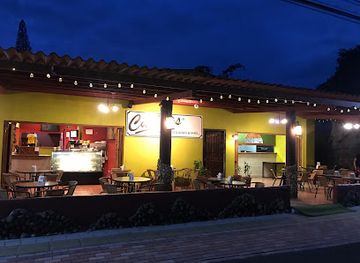
Carlitos Pizzas El Valle
Discover the authentic taste of El Valle de Antón at Carlitos Pizzas, where local ingredients meet delightful flavors in a stunning natural setting.
-
Grill
Okey Okey - Bar Restaurante
Discover the vibrant flavors of El Valle de Antón at Okey Okey, a delightful bar and restaurant offering exquisite grilled dishes and a warm atmosphere.
-
Cafeteria
Heaven's Cafe
Discover the flavors of Panama at Heaven's Cafe, a cozy cafeteria in El Valle de Antón, perfect for tourists seeking delicious, affordable cuisine.
-
Restaurant
Ruta 71 - Restaurante Bar
Experience the vibrant flavors of Panama at Ruta 71 - Restaurante Bar in Anton Valley, a delightful spot for tourists seeking local culinary treasures.
Best shops in El Valle de Anton
Shopping in El Valle de Anton is modest but closely connected with local agriculture, crafts and the visitor economy. The Sunday market is the main retail occasion, with stalls selling fruit, vegetables, plants, flowers, handmade objects, souvenirs and prepared food; its range and individual vendors can vary. Small shops and market traders in the town provide everyday supplies and locally themed gifts, while some galleries, garden outlets and craft sellers offer pottery, woodwork, textiles or artworks associated with Panama's wider traditions. The valley is particularly known for its plant nurseries and highland produce, reflecting its fertile volcanic soils and cooler climate. Visitors should carry cash for market purchases and avoid assuming that every stall accepts cards. There is no extensive shopping district, so specialist equipment and a broader choice of goods are easier to find in larger Panamanian towns or Panama City.
-
Zoo
El Nispero Zoo
Explore El Nispero Zoo in Anton Valley: A family-friendly oasis for wildlife enthusiasts and conservation advocates in the heart of Panama.
-
Market
El Valle Market
Explore El Valle Market: A cultural treasure in Panama offering local crafts, fresh produce, and authentic culinary experiences.
-
Shopping mall
Paseo El Valle
Discover a unique shopping experience in Paseo El Valle, where local culture meets vibrant commerce in the heart of El Valle de Antón.
-
Bakery
Panadería Cano
Discover the taste of Panama at Panadería Cano in El Valle de Antón, where freshly baked goods and a warm atmosphere await every visitor.
Get your free copy of our complete guide to El Valle de Anton, delivered straight to you.
Everything on this page, from attractions and restaurants to essentials and local phrases, in one PDF you can read offline, print or share.
Already have an account? Sign in
Your El Valle de Anton guide is ready.
We'll send it to · Not you? Sign out

Getting your guide ready…
We are putting together a fresh copy of the El Valle de Anton guide. This can take up to a minute.
This can take a few moments. If your browser asks, choose Allow so the download can start. You'll find the guide in your Downloads folder.
Nothing happened? Download it again
Sorry, the guide is taking longer than usual. Please try again in a minute, or get it by email instead.
El Valle de Anton essentials
Currency and Payment
Safety
Emergency Situations
Do's and Don'ts
Local Tips
From Eve
Local phrases worth knowing
You don't need to get them perfect. A few words go a long way, and locals appreciate the effort.
Basics
| English | Local | Say it |
|---|---|---|
| Hello | Hola | [oh-lah] |
| Goodbye | Adiós | [ah-dee-ohs] |
| Yes | Sí | [see] |
| No | No | [noh] |
| Please/You're welcome | Por favor/De nada | [por fah-vor/de nah-dah] |
| Thank you | Gracias | [grah-see-as] |
| Excuse me/Sorry | Disculpe/Lo siento | [dee-skool-pe/loh see-en-toh] |
| How are you? | ¿Cómo estás? | [koh-moh es-tahs] |
| Fine. And you? | Bien. ¿Y tú? | [byen. ee too] |
| Do you speak English? | ¿Hablas inglés? | [ah-blahs een-glays] |
| I don't understand | No entiendo | [noh en-tee-en-doh] |
Eating & Drinking
| English | Local | Say it |
|---|---|---|
| I'd like to see the menu, please | Me gustaría ver el menú, por favor | [may goo-stah-ree-ah ver el may-noo, por fah-vor] |
| I don't eat meat | No como carne | [noh koh-moh kahr-neh] |
| Cheers! | ¡Salud! | [sah-lood] |
| I would like to pay, please | Me gustaría pagar, por favor | [may goo-stah-ree-ah pah-gar, por fah-vor] |
Emergencies
| English | Local | Say it |
|---|---|---|
| Help! | ¡Ayuda! | [ah-yoo-dah] |
| Go away! | ¡Vete! | [veh-teh] |
| Call the Police! | ¡Llama a la Policía! | [yah-mah ah lah poh-lee-see-ah] |
| Call a doctor! | ¡Llama a un médico! | [yah-mah ah oon meh-dee-koh] |
| I'm lost | Estoy perdido | [es-toy pehr-dee-doh] |
| I'm ill | Estoy enfermo | [es-toy en-fehr-moh] |
Shopping
| English | Local | Say it |
|---|---|---|
| I'd like to buy... | Me gustaría comprar... | [may goo-stah-ree-ah kohm-prar] |
| I'm just looking | Solo estoy mirando | [soh-loh es-toy mee-rahn-doh] |
| How much is it? | ¿Cuánto cuesta? | [kwan-toh kways-tah] |
| That's too expensive | Eso es demasiado caro | [eh-so es deh-mah-syah-doh kah-roh] |
| Can you lower the price? | ¿Puede bajar el precio? | [pweh-deh bah-har el pree-syoh] |
Time & Numbers
| English | Local | Say it |
|---|---|---|
| What time is it? | ¿Qué hora es? | [keh oh-rah es] |
| It's one o'clock | Es la una | [es lah oo-nah] |
| Half past (10) | Media (10) | [meh-dee-ah (dheez)] |
| Morning | Mañana | [mah-nyah-nah] |
| Afternoon | Tarde | [tahr-deh] |
| Evening | Noche | [noh-cheh] |
| Yesterday | Ayer | [ah-yehr] |
| Today | Hoy | [oy] |
| Tomorrow | Mañana | [mah-nyah-nah] |
| 1 | Uno | [oo-noh] |
| 2 | Dos | [dohs] |
| 3 | Tres | [trehs] |
| 4 | Cuatro | [koo-ah-troh] |
| 5 | Cinco | [seen-koh] |
| 6 | Seis | [says] |
| 7 | Siete | [syeh-teh] |
| 8 | Ocho | [oh-choh] |
| 9 | Nueve | [nweh-veh] |
| 10 | Diez | [dyehs] |
Transport & Directions
| English | Local | Say it |
|---|---|---|
| Where's a/the...? | ¿Dónde está un/el...? | [dohn-deh es-tah oon/el] |
| What's the address? | ¿Cuál es la dirección? | [kwal es lah dee-rek-syon] |
| Can you show me (on the map)? | ¿Puede mostrarme (en el mapa)? | [pweh-deh mohs-trar-meh (en el mah-pah)] |
| When's the next (bus)? | ¿Cuándo es el próximo (autobús)? | [kwan-doh es el proh-ksee-moh (ow-toh-boos)] |
| A ticket (to ....) | Un boleto (a ....) | [oon boh-leh-to (ah)] |
History of El Valle de Anton
Volcanic Origins of the Valley
El Valle de Anton occupies a depression formed by ancient volcanic activity in the mountains of central Panama. The crater landscape, surrounding ridges and fertile soils shaped the area's later settlement and agriculture, while the elevated position produces a cooler climate than the nearby Pacific lowlands. The valley's geology remains central to its identity: visitors encounter steep volcanic slopes, rock outcrops, waterfalls and mineral-rich thermal waters within a relatively compact area.
Early Human Presence
Indigenous communities used the central Panamanian landscape long before the modern town developed. La Piedra Pintada, a rock bearing pre-Columbian markings, is one of the best-known reminders of earlier human activity in the valley. The meaning and precise age of such markings should not be assumed from their appearance alone, but their presence connects present-day El Valle with the wider archaeological history of the isthmus and the movement of people through its mountain environments.
The Growth of Modern El Valle
The settlement that visitors know today developed as roads and other connections made the elevated valley more accessible from Panama's central lowlands and the capital. Its mild climate, fertile land and scenery encouraged a mixture of farming, rural residence and recreation. El Valle remained smaller and quieter than Panama's coastal resorts, with local life organised around the town, surrounding farms and the roads leading through the crater landscape.
Tourism and Conservation
During the twentieth century, El Valle became increasingly recognised as a weekend and nature destination for residents of Panama City and as a stop for international visitors. Walking routes, waterfalls, thermal pools, gardens and wildlife facilities helped broaden its appeal, while forest protection around Cerro Gaital and other upland areas reflected growing concern for the valley's biodiversity. Conservation attention has been especially strong because the region is associated with threatened amphibians, including Panama's golden frog, whose survival depends on carefully managed breeding and habitat-protection efforts.
El Valle de Anton in Photos
Browse through our photo collection highlighting the charm and character of the destination.
Neighbouring destination travel guides
The closest destinations to El Valle de Anton, if you have time for more than one.
-

-

-

-

-


Swipe for more destinations
Explore more

Explore more of Atlantic Coast
Discover Panama's Atlantic Coast: Pristine beaches, historic towns, vibrant culture, and lush rainforests await you in this hidden gem of natural beauty.
Explore Atlantic Coast
Explore more of Panama
Discover Panama: A vibrant blend of modernity and nature, where historic charm, tropical rainforests, and pristine beaches come together in the heart of Central America.
Explore Panama