

Pedasi Travel Guide - Free Web & App
Your ultimate guide to Pedasi. Discover top landmarks, proposed trips, and local tips. Free on the web or via the Evendo companion app.


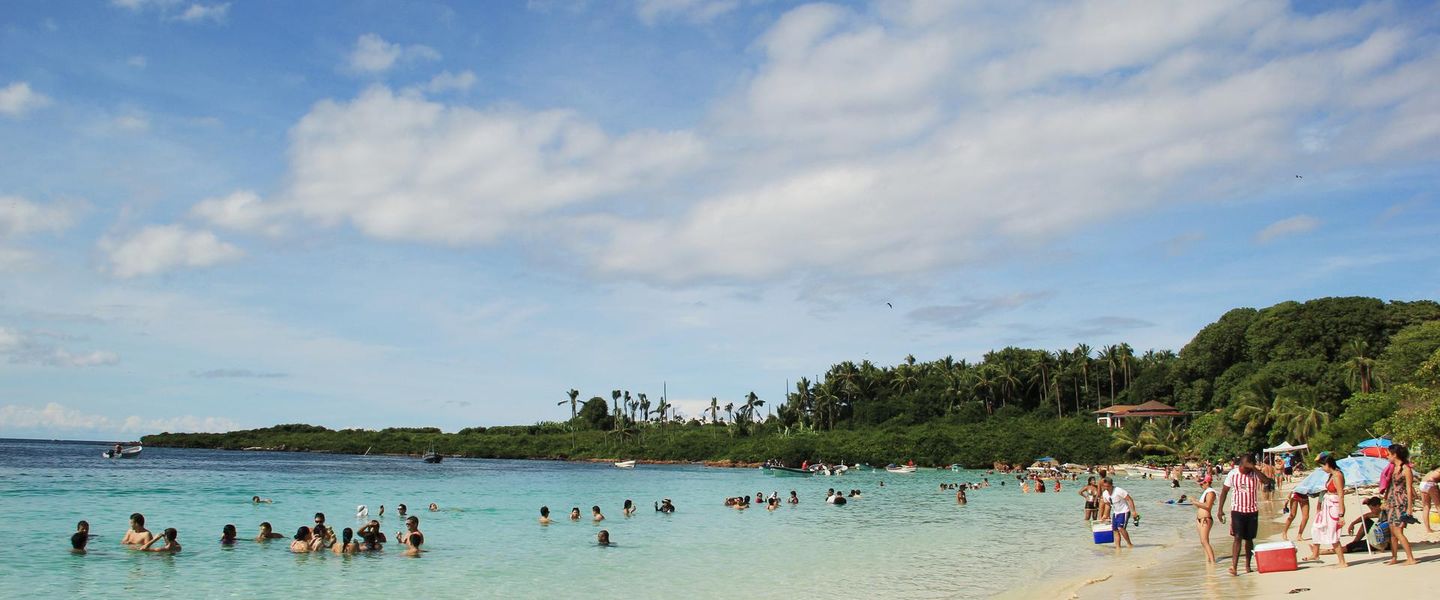


Pedasí, Panama blends Azuero heritage, Pacific beaches, surf, wildlife excursions and rural landscapes near Isla Iguana and the Gulf of Panama.
Town, Coast and Countryside
Pedasí is a small town on Panama’s Azuero Peninsula, in Los Santos Province, where a carefully preserved colonial-era street plan meets dry tropical countryside and a Pacific coastline of beaches, rocky shores and mangrove-fringed inlets. The town is known for its low-rise buildings, broad central square and strong local traditions, while the surrounding district extends through pastures, farms and coastal communities rather than forming a single compact resort. Pedasí’s atmosphere is relaxed and distinctly regional, with daily life centred on family businesses, local food, religious celebrations and the rhythms of the sea.Read more about Pedasi
Beaches and Marine Landscapes
Azuero Culture
When is the best time to visit Pedasi?
Best: January–March · 31–32°C| Month | High (°C) | Rainfall (mm) |
|---|---|---|
| January (best) | 31 | 34 |
| February (best) | 31 | 20 |
| March (best) | 32 | 15 |
| April | 31 | 57 |
| May | 31 | 202 |
| June | 31 | 234 |
| July | 30 | 232 |
| August | 31 | 235 |
| September | 31 | 277 |
| October | 31 | 324 |
| November | 31 | 290 |
| December | 31 | 124 |
Getting to and around Pedasi
How to get there
Transportation
Best attractions in Pedasi
Pedasí’s principal attractions lie between its traditional town centre and the Pacific coast. The streets around the central square provide an easy introduction to the settlement’s colonial character, while the surrounding district opens into dry countryside, small farms and scattered coastal communities. Playa El Arenal is a practical access point for the coast, and Playa El Toro offers a broad shoreline close to town; Playa Los Destiladeros is known for its more rugged coastal setting and surf-oriented atmosphere. Isla Iguana Wildlife Refuge, reached by boat from the Pedasí area, adds a marine and wildlife dimension with beaches, reefs and seabird habitat, subject to conservation rules and sea conditions. Visitors may also explore neighbouring villages, look for seasonal humpback whales in the Gulf of Panama, or combine beach visits with the Azuero Peninsula’s music, dance and craft traditions. The experience is less about a single central attraction than about moving between town, countryside and shore.
-
Park
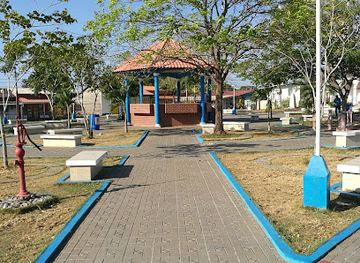
Plaza Mayor de Pedasí
Explore the lively Plaza Mayor de Pedasí in Panama, a vibrant park filled with culture, cuisine, and community spirit in the heart of this charming coastal town.
-
Park
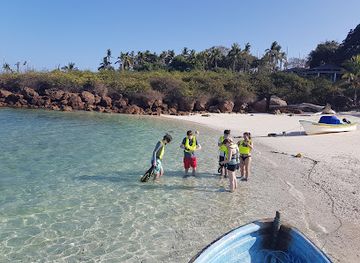
Iguana Island Forest Reserve
Experience the breathtaking beauty of Iguana Island Forest Reserve, a peaceful haven of biodiversity and natural splendor for all nature enthusiasts.
-
Tourist attraction
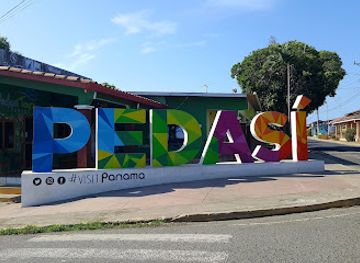
Parador Fotografico de Pedasí
Experience the stunning vistas and vibrant landscapes at Parador Fotografico de Pedasí, a top destination for photography and nature lovers in Panama.
-
Tourist attraction
Playa Puerto Escondido
Explore the stunning Playa Puerto Escondido in Los Santos Province, a tranquil beach paradise perfect for relaxation and cultural immersion.
Best landmarks in Pedasi
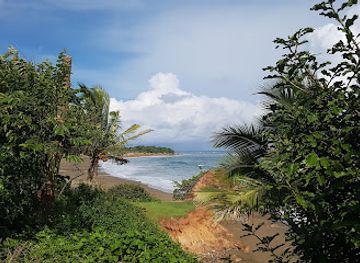
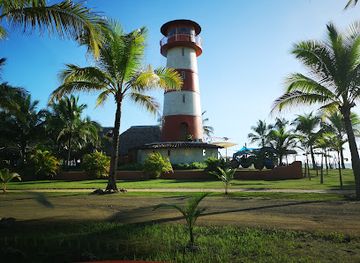
Pedasí’s most recognisable man-made landmark is its historic central townscape, where the main square and church express the settlement’s colonial origins and continuing community life. Beyond the town, the defining landmarks are coastal: the beaches and rocky shores around El Arenal, El Toro and Los Destiladeros mark the transition from Azuero’s dry inland landscape to the Pacific, while nearby Isla Iguana forms a prominent offshore natural landmark in the Gulf of Panama. The island’s significance is ecological as well as scenic, with protected marine and coastal environments that support seabirds and other wildlife. The open Pacific horizon, seasonal whale migration routes and low coastal vegetation give the wider seascape its character. Regional historic and cultural landmarks are also found in neighbouring Azuero towns, but they should not be confused with features located within Pedasí itself.
-
Park
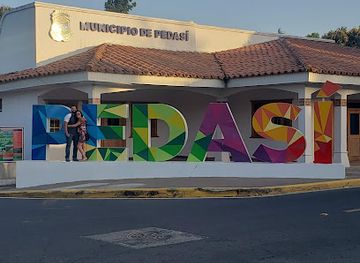
Plaza Mayor de Pedasí
Discover the beauty and charm of Plaza Mayor de Pedasí, a serene park perfect for relaxation, cultural experiences, and enjoying local delicacies.
-
Restaurant
Smiley's Restaurant
Discover the culinary delights of Smiley's Restaurant in Purio, where local flavors meet warm hospitality for an unforgettable dining experience.
-
 Hotel
HotelHotel Punta Franca
Escape to Hotel Punta Franca in Los Santos Province for a tranquil getaway amidst stunning landscapes and rich Panamanian culture.
-
Restaurant
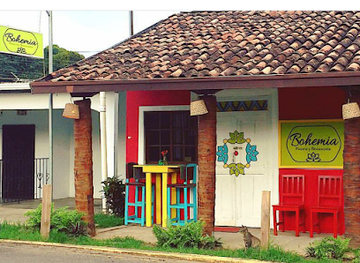
Bohemia
Experience the vibrant flavors of Pedasi at Bohemia, a renowned restaurant with exceptional pizzas and a cozy atmosphere.
Explore Pedasi on the map
Plan your trip on one map. See where the top attractions, landmarks, restaurants and hotels are, and book hotels and experiences in a few clicks.
Best hotels in Pedasi
Best restaurants in Pedasi
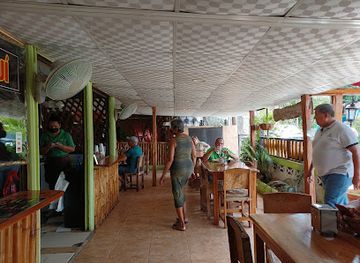
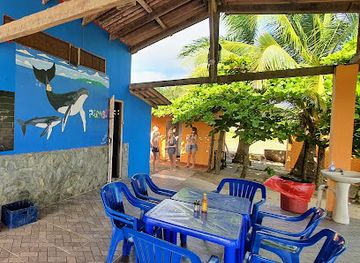
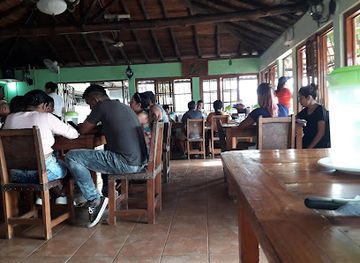
Pedasí’s dining is concentrated in the town rather than along every beach, with small restaurants, cafés, fondas and accommodation-based kitchens providing the most dependable options. Local cooking reflects Panama’s coastal and rural character: visitors may encounter ceviche, fried or grilled fish, seafood, patacones, rice-based meals, soups such as sancocho and everyday dishes shaped by the wider Azuero region. Menus and opening patterns can be informal, so it is sensible to ask locally about current options before setting out for a remote beach. Fresh ingredients are often central to the appeal, while breakfasts and simple takeaway food are useful for day trips. Larger settlements such as Las Tablas and Chitré, outside Pedasí, offer a broader range of supermarkets, cafés and restaurants when visitors need more choice or supplies for self-catering.
-
Restaurant
Restaurante El Chichemito
Discover authentic Panamanian cuisine at Restaurante El Chichemito in Pedasi—where every dish tells a story of local flavors.
-
Restaurant
Smiley's Restaurant
Savor the authentic flavors of Panama at Smiley's Restaurant in Purio - where every meal is crafted with love and local ingredients.
-
Restaurant
Playa El Arenal Pedasi
Experience the serene beauty and vibrant culture at Playa El Arenal Pedasi - a must-visit destination on Panama's stunning coast.
-
Restaurant
Restaurante Isla Iguana
Discover authentic Panamanian flavors at Restaurante Isla Iguana in Purio - a must-visit dining destination for every traveler.
Best bars in Pedasi
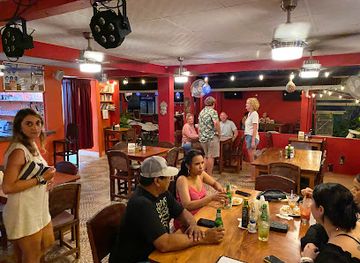
Pedasí has a quiet evening scene centred on local bars, casual restaurants and small hospitality venues rather than a dedicated nightclub district. Evenings are generally suited to a relaxed drink, conversation and regional food after time at the coast, with atmosphere varying according to the day, season and local events. Traditional music, dancing and community celebrations are more culturally significant than clubbing, particularly across the wider Azuero Peninsula. Some beach areas may have occasional evening activity connected with accommodation or surf communities, but visitors should not expect continuous nightlife or late transport between the beaches and town. Las Tablas and Chitré, outside Pedasí, provide a larger selection of evening venues and organised events, although they are separate destinations and require planned transport for the return journey.
-
Restaurant
Restaurante El Chichemito
Experience authentic Panamanian cuisine in the heart of Pedasi at Restaurante El Chichemito, where every dish tells a story of flavor and tradition.
-
Restaurant
Smiley's Restaurant
Savor the flavors of Panama at Smiley's Restaurant in Purio, where every dish is a culinary delight waiting to be explored.
-
Restaurant
Restaurante Isla Iguana
Experience fresh seafood and authentic Panamanian cuisine at Restaurante Isla Iguana, a culinary gem in the heart of Purio, Los Santos Province.
-
Restaurant
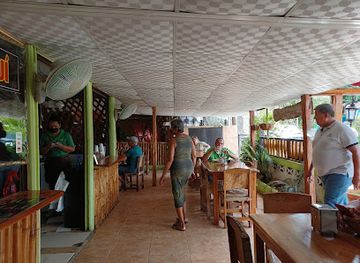
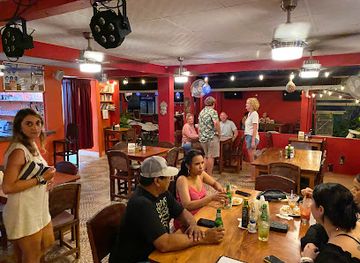
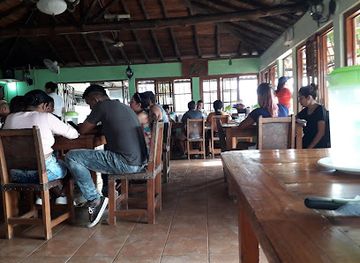
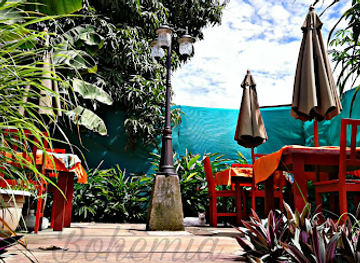
Bohemia
Experience the vibrant flavors of Panama at Bohemia, a culinary gem in Pedasi's charming atmosphere, offering authentic local dishes and delightful seafood.
Best nightclubs in Pedasi
Pedasí has a quiet evening scene centred on local bars, casual restaurants and small hospitality venues rather than a dedicated nightclub district. Evenings are generally suited to a relaxed drink, conversation and regional food after time at the coast, with atmosphere varying according to the day, season and local events. Traditional music, dancing and community celebrations are more culturally significant than clubbing, particularly across the wider Azuero Peninsula. Some beach areas may have occasional evening activity connected with accommodation or surf communities, but visitors should not expect continuous nightlife or late transport between the beaches and town. Las Tablas and Chitré, outside Pedasí, provide a larger selection of evening venues and organised events, although they are separate destinations and require planned transport for the return journey.
-
Restaurant
Smiley's Restaurant
Explore the rich flavors of Panama at Smiley's Restaurant in Purio, where local cuisine meets a warm and inviting atmosphere.
-
Restaurant
Restaurante Isla Iguana
Discover exquisite Panamanian cuisine at Restaurante Isla Iguana in Purio, where fresh seafood and local flavors come together in a vibrant setting.
-
Hotel
Pedasi Sports Club Hotel and Resort
Experience relaxation and adventure at Pedasi Sports Club Hotel and Resort, your gateway to the stunning beauty of Panama.
-
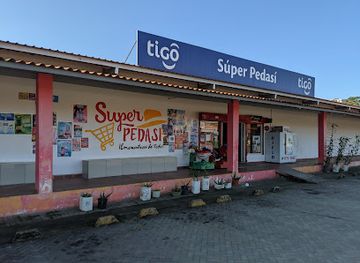
Supermarket
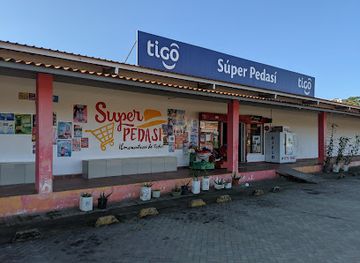
Super Pedasi
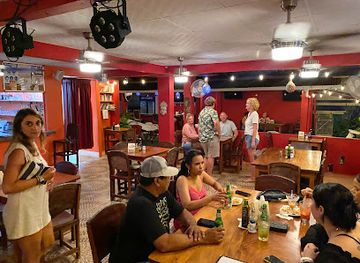
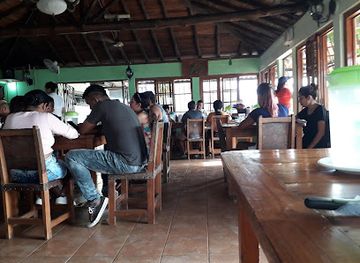
Discover Super Pedasi, a vibrant supermarket offering local delicacies and essentials in the heart of Pedasi, Panama - a must-visit for tourists!
Best shops in Pedasi
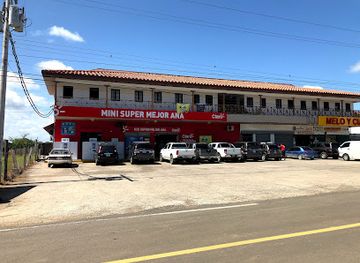
Shopping in Pedasí is modest and practical, with small shops, supermarkets and local businesses serving residents and visitors rather than a large commercial district. Supplies for beach days, basic groceries and everyday necessities are generally easier to find in town than on the coast. Visitors interested in Azuero craftsmanship can look for regional textiles, straw work, pottery, leather goods, folk art and food products, although the range and availability of individual items vary. The wider Los Santos region is strongly associated with folkloric dress, music and craft traditions, and nearby towns such as Las Tablas offer more cultural and retail connections; Chitré provides the broadest commercial choice in the area. Ask sellers about provenance when buying handmade goods and avoid products made from protected wildlife or natural materials.
-
Bakery
Le Panier Panadería Pedasí
Experience the taste of Pedasí with artisan breads and pastries at Le Panier Panadería, a must-visit bakery for every traveler.
-
Supermarket
Ana’s Supermarket
Explore the flavors of Panama at Ana's Supermarket in Purio, your go-to destination for fresh local ingredients and unique culinary delights.
-
Coffee shop
Coucou Crazy
Discover the vibrant ambiance and exceptional coffee at Coucou Crazy, the perfect spot to relax and recharge in Pedasi, Los Santos Province.
-
Supermarket
Super Pedasi
Discover local flavors and essentials at Super Pedasi, the vibrant supermarket in the heart of Pedasi, Panama.
Get your free copy of our complete guide to Pedasi, delivered straight to you.
Everything on this page, from attractions and restaurants to essentials and local phrases, in one PDF you can read offline, print or share.
Already have an account? Sign in
Your Pedasi guide is ready.
We'll send it to · Not you? Sign out

Getting your guide ready…
We are putting together a fresh copy of the Pedasi guide. This can take up to a minute.
This can take a few moments. If your browser asks, choose Allow so the download can start. You'll find the guide in your Downloads folder.
Nothing happened? Download it again
Sorry, the guide is taking longer than usual. Please try again in a minute, or get it by email instead.
Pedasi essentials
Currency and Payment
Safety
Emergency Situations
Do's and Don'ts
Local Tips
From Eve
Local phrases worth knowing
You don't need to get them perfect. A few words go a long way, and locals appreciate the effort.
Basics
| English | Local | Say it |
|---|---|---|
| Hello | Hola | [oh-lah] |
| Goodbye | Adiós | [ah-dee-ohs] |
| Yes | Sí | [see] |
| No | No | [noh] |
| Please/You're welcome | Por favor/De nada | [por fah-vor/deh nah-dah] |
| Thank you | Gracias | [grah-see-ahs] |
| Excuse me/Sorry | Perdón/Lo siento | [pair-dohn/loh see-en-toh] |
| How are you? | ¿Cómo estás? | [koh-moh ehs-tahs] |
| Fine. And you? | Bien. ¿Y tú? | [bee-ehn. ee too] |
| Do you speak English? | ¿Hablas inglés? | [ah-blahs een-glays] |
| I don't understand | No entiendo | [noh ehn-tee-ehn-doh] |
Eating & Drinking
| English | Local | Say it |
|---|---|---|
| I'd like to see the menu, please | Me gustaría ver el menú, por favor | [may goo-stah-ree-ah vehr ehl meh-noo, poor fah-vor] |
| I don't eat meat | No como carne | [noh koh-moh kahr-neh] |
| Cheers! | ¡Salud! | [sah-lood] |
| I would like to pay, please | Me gustaría pagar, por favor | [may goo-stah-ree-ah pah-gahr, poor fah-vor] |
Emergencies
| English | Local | Say it |
|---|---|---|
| Help! | ¡Ayuda! | [ah-yoo-dah] |
| Go away! | ¡Vete! | [veh-teh] |
| Call the Police! | ¡Llama a la policía! | [yah-mah ah lah poh-lee-see-ah] |
| Call a doctor! | ¡Llama a un doctor! | [yah-mah ah oon dohk-tohr] |
| I'm lost | Estoy perdido | [ehs-toy pair-dee-doh] |
| I'm ill | Estoy enfermo | [ehs-toy ehn-fehr-moh] |
Shopping
| English | Local | Say it |
|---|---|---|
| I'd like to buy... | Me gustaría comprar... | [may goo-stah-ree-ah kohm-prahr] |
| I'm just looking | Solo estoy mirando | [soh-loh ehs-toy mee-rahn-doh] |
| How much is it? | ¿Cuánto cuesta? | [kwan-toh kwehs-tah] |
| That's too expensive | Eso es demasiado caro | [eh-soh ehs deh-mah-see-ah-doh kah-roh] |
| Can you lower the price? | ¿Puede bajar el precio? | [pweh-deh bah-har ehl pree-syoh] |
Time & Numbers
| English | Local | Say it |
|---|---|---|
| What time is it? | ¿Qué hora es? | [keh oh-rah ehs] |
| It's one o'clock | Es la una | [ehs lah oo-nah] |
| Half past (10) | Las diez y media | [lahs dyehs ee meh-dee-ah] |
| Morning | Mañana | [mah-nyah-nah] |
| Afternoon | Tarde | [tahr-deh] |
| Evening | Noche | [noh-cheh] |
| Yesterday | Ayer | [ah-yehr] |
| Today | Hoy | [oy] |
| Tomorrow | Mañana | [mah-nyah-nah] |
| 1 | Uno | [oo-noh] |
| 2 | Dos | [dohs] |
| 3 | Tres | [trehs] |
| 4 | Cuatro | [kwah-troh] |
| 5 | Cinco | [seen-koh] |
| 6 | Seis | [says] |
| 7 | Siete | [syeh-teh] |
| 8 | Ocho | [oh-choh] |
| 9 | Nueve | [nweh-veh] |
| 10 | Diez | [dyehs] |
Transport & Directions
| English | Local | Say it |
|---|---|---|
| Where's a/the...? | ¿Dónde está...? | [dohn-deh ehs-tah] |
| What's the address? | ¿Cuál es la dirección? | [kwal ehs lah dee-rehk-syohn] |
| Can you show me (on the map)? | ¿Puedes mostrarme (en el mapa)? | [pweh-dehs mohs-trahr-meh (ehn ehl mah-pah)] |
| When's the next (bus)? | ¿Cuándo es el próximo (autobús)? | [kwan-doh ehs ehl proh-ksee-moh (ow-toh-boos)] |
| A ticket (to ....) | Un boleto (a ....) | [oon boh-leh-toh (ah)] |
History of Pedasi
Azuero’s First Communities
The Azuero Peninsula has a long human history predating Spanish rule, with Indigenous communities living in and moving through a landscape of coasts, rivers, woodland and seasonal savannah. Archaeological evidence across the wider peninsula records pre-Columbian settlement and artistic traditions, although the surviving historic character of Pedasí is principally associated with later rural and colonial development. The peninsula’s environment shaped movement and subsistence: fishing and marine resources complemented agriculture, while the dry climate encouraged seasonal patterns of land use.
Colonial Foundations
Pedasí developed as a Spanish colonial settlement in the eighteenth century, traditionally dated to 1775. Its central town layout, church and low-rise buildings reflect the modest scale of historic communities established on the Azuero Peninsula. Spanish settlement brought new administrative, religious and agricultural systems, while local society evolved through the interaction of Indigenous, European and African influences. Cattle raising, small-scale farming and coastal resource use became enduring elements of the district’s economy and identity.
Rural Life in the Azuero
During the nineteenth and twentieth centuries, Pedasí remained a rural community linked to the wider Azuero economy through agriculture, livestock, fishing and coastal trade. Roads and communications gradually connected the town more closely with Las Tablas, Chitré and Panama’s larger urban centres, but the district retained a dispersed settlement pattern. Regional customs associated with music, dance, festive dress, horses and religious celebrations continued to shape public life, helping make Los Santos one of Panama’s strongest centres of folkloric culture.
Modern Tourism and Conservation
Tourism expanded as visitors began combining Pedasí’s traditional townscape with nearby beaches, surfing areas, sport fishing and nature excursions. The designation of Isla Iguana as a wildlife refuge placed greater emphasis on protecting its marine and coastal ecosystems, while wider conservation work in the Gulf of Panama recognises the importance of mangroves, seabird habitat and seasonal whale migration. Pedasí’s contemporary identity therefore rests on a balance between small-town development, agricultural land, growing visitor interest and responsible management of its coastal environment.
Pedasi in Photos
Browse through our photo collection highlighting the charm and character of the destination.
Neighbouring destination travel guides
The closest destinations to Pedasi, if you have time for more than one.
-

-

-

-

-


Swipe for more destinations
Explore more

Explore more of Azuero Peninsula
Discover the Azuero Peninsula: Panama's cultural and natural heartland, filled with vibrant traditions, stunning landscapes, and warm local hospitality.
Explore Azuero Peninsula
Explore more of Panama
Discover Panama: A vibrant blend of modernity and nature, where historic charm, tropical rainforests, and pristine beaches come together in the heart of Central America.
Explore Panama