

Gamboa Travel Guide - Free Web & App
Your ultimate guide to Gamboa. Discover top landmarks, proposed trips, and local tips. Free on the web or via the Evendo companion app.


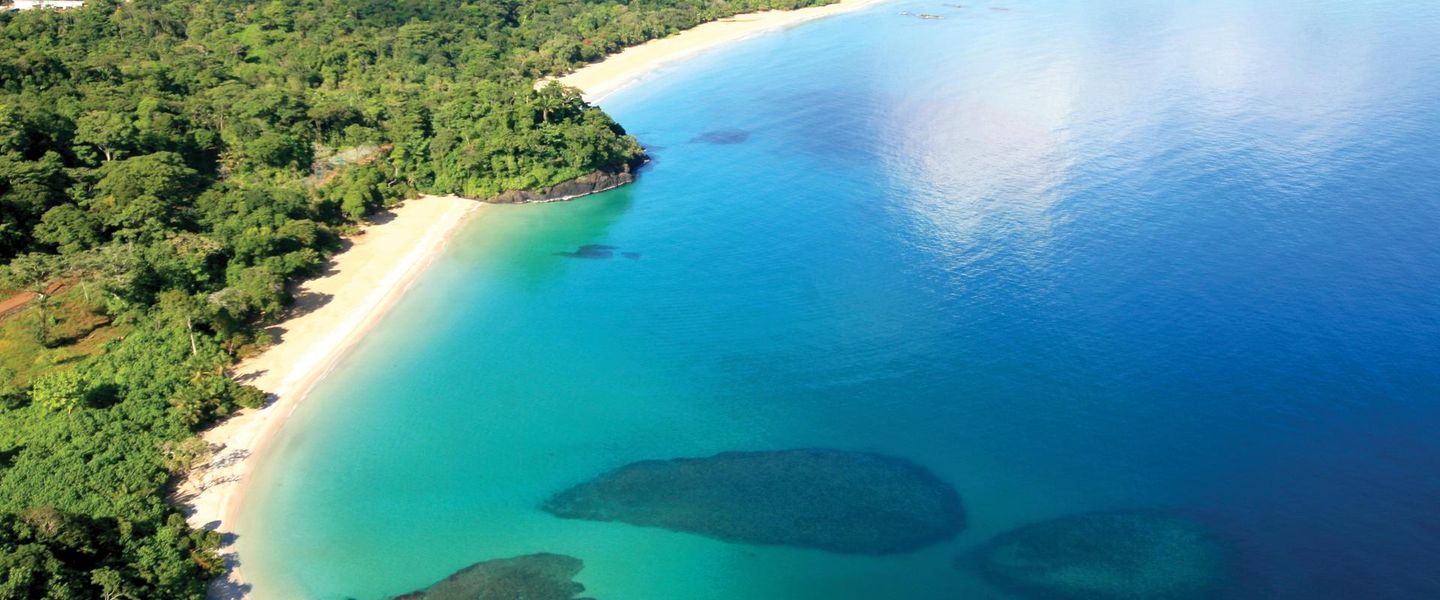


Gamboa, Panama combines rainforest wildlife, Gatun Lake boat trips, Pipeline Road birdwatching and Panama Canal history near Panama City.
Rainforest at the Canal
Gamboa occupies an unusually atmospheric position in central Panama, where the Chagres River meets the Panama Canal and dense lowland rainforest stretches towards Soberanía National Park. Although it is a small settlement rather than a conventional resort, its location makes it one of the country's most rewarding bases for exploring the canal watershed and observing tropical wildlife. The surrounding forest supports howler monkeys, sloths, agoutis, toucans and numerous other species, while the waterways provide access to the broad expanse of Gatun Lake and the canal's busy channel.Read more about Gamboa
Wildlife and Landscape
History and Local Character
When is the best time to visit Gamboa?
Best: July, November–December · 30°C| Month | High (°C) | Rainfall (mm) |
|---|---|---|
| January | 31 | 100 |
| February | 30 | 100 |
| March | 31 | 100 |
| April | 30 | 100 |
| May | 30 | 100 |
| June | 30 | 100 |
| July (best) | 30 | 100 |
| August | 30 | 100 |
| September | 30 | 100 |
| October | 30 | 100 |
| November (best) | 30 | 100 |
| December (best) | 30 | 100 |
Getting to and around Gamboa
How to get there
Transportation
Best attractions in Gamboa
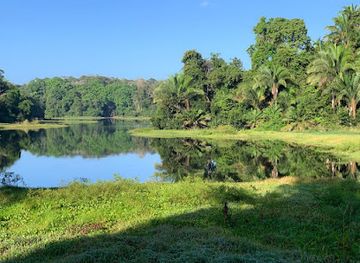
Gamboa's principal attractions are its surrounding rainforest, waterways and canal setting. Pipeline Road, within Soberanía National Park, is a celebrated birdwatching route where patient walkers may encounter monkeys, sloths and other forest wildlife, while the Rainforest Discovery Center offers trails and raised observation structures near the same protected landscape. The Summit Botanical Garden and Zoo, on the road between Panama City and Gamboa, combines tropical plant collections with displays of native and regional animals. Boat excursions from the Gamboa area explore Gatun Lake and the Chagres River, passing forested islands and canal infrastructure and often focusing on wildlife observation. Visitors can also view ships using the Panama Canal from suitable public locations or join a canal-focused excursion, although active operational areas are restricted. The nearby Camino de Cruces National Park adds historic forest trails and remnants of the old route between Panama City and the Caribbean.
-
Visitor center
Panama Rainforest Discovery Center
Discover the enchanting biodiversity of Panama at the Rainforest Discovery Center – your gateway to the heart of the rainforest.
-
Hiking area
Gamboa Rainforest Reserve
Discover the breathtaking beauty and rich biodiversity of Gamboa Rainforest Reserve, Panama's premier eco-tourism destination.
-
National reserve
Soberania National Park
Discover the rich biodiversity and stunning landscapes of Soberania National Park, a must-visit national reserve in Panama for nature lovers and adventure seekers.
-
Park
Panama rainforest
Explore the breathtaking Panama Rainforest in Colón Province, a vibrant sanctuary of wildlife and natural beauty, perfect for adventure enthusiasts and nature lovers.


Best landmarks in Gamboa
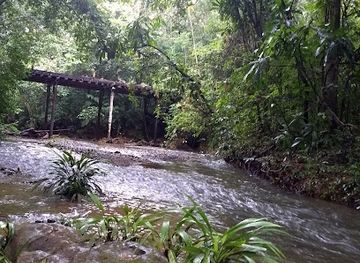
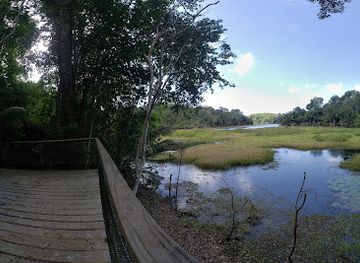
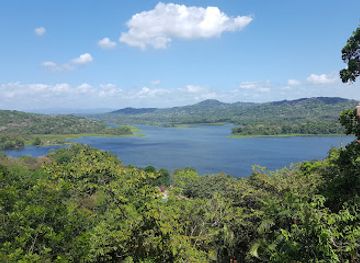
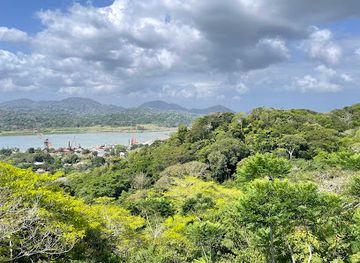
The defining landmark of Gamboa is the meeting of the Chagres River with the Panama Canal, a place where natural drainage and human engineering are visibly interwoven. Gatun Lake, created as part of the canal system, forms an expansive inland water landscape of forested islands and shipping routes, while the surrounding rainforest belongs to the wider protected watershed of central Panama. Pipeline Road is both a celebrated natural route and a reminder of the scientific importance of the canal zone's forests. The Summit Botanical Garden and Zoo provides a more structured introduction to regional flora and fauna. Historic significance is also attached to the Camino de Cruces route and the canal-era settlement pattern, although many of the most important canal structures are operational infrastructure rather than conventional monuments open for unrestricted exploration.
-
Tourist attraction
Gamboa Rainforest Reserve
Discover the Gamboa Rainforest Reserve, where nature's beauty meets adventure in the heart of Panama's lush landscapes.
-
National park
Parque Nacional Soberanía
Explore the stunning landscapes and rich biodiversity of Parque Nacional Soberanía, a premier national park in Panama perfect for nature lovers and adventure seekers.
-
Visitor center
Panama Rainforest Discovery Center
Explore the lush biodiversity of Panama's rainforest at the Panama Rainforest Discovery Center, a must-visit for nature lovers and adventure seekers.
-
Garden
Gamboa Rainforest Resort Butterfly Garden and Frog Exibit
Discover the vibrant ecosystems of Panama at the Gamboa Rainforest Resort Butterfly Garden and Frog Exhibit, a haven for nature lovers and families.
Explore Gamboa on the map
Plan your trip on one map. See where the top attractions, landmarks, restaurants and hotels are, and book hotels and experiences in a few clicks.
Best hotels in Gamboa
Best restaurants in Gamboa
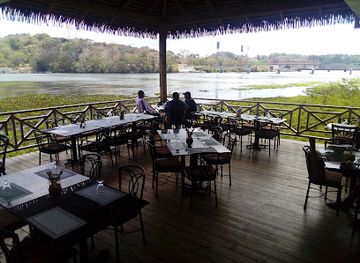
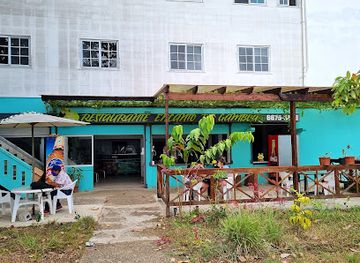
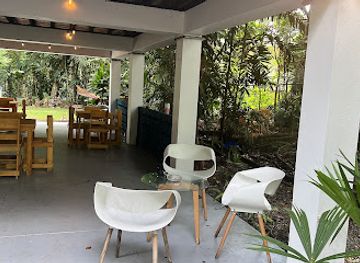
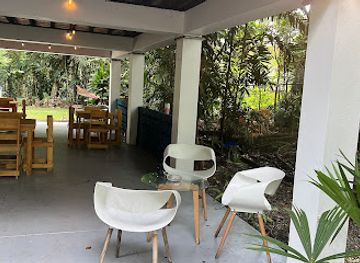
Gamboa's dining scene is small and closely linked to its accommodation properties and organised excursions rather than a broad restaurant district. The Gamboa Rainforest Resort is the area's best-known full-service hospitality base, with dining for guests and visitors subject to current arrangements. Independent options are limited within the settlement, so travellers often plan meals through their accommodation or eat in Panama City and nearby communities before or after an excursion. Panamanian cooking commonly combines rice, beans, plantains, chicken, beef, seafood and tropical fruit, while canal-region menus reflect the country's diverse Caribbean, Afro-Panamanian and international influences. Packed food and water can be practical for long birdwatching walks, but visitors should follow park guidance and remove all rubbish. Larger supermarkets, cafés and a wider range of restaurants are found in the capital rather than in the forest.
-
Restaurant
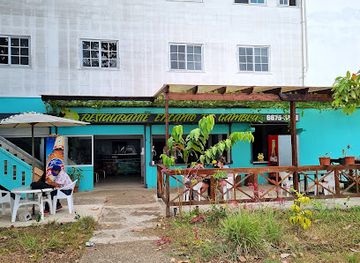
Don Caimán Restaurant
Experience authentic Panamanian flavors at Don Caimán Restaurant in Gamboa—where nature meets delicious cuisine.
-
Restaurant
Restaurante Encanto de Gamboa
Discover flavorful Panamanian cuisine in a charming setting at Restaurante Encanto de Gamboa - A must-visit culinary destination.
-
Pizza
Treehouse Pizza Gamboa
Experience delectable gourmet pizzas in a charming treehouse setting surrounded by nature at Treehouse Pizza Gamboa.
-
Grill
Monkey Bar
Experience the vibrant flavors of Panama at Monkey Bar in Gamboa - where grilling meets tropical relaxation!
Best bars in Gamboa
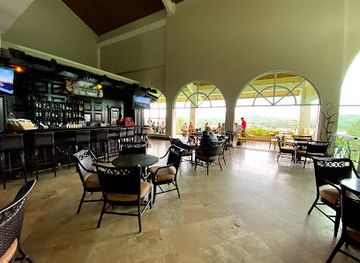
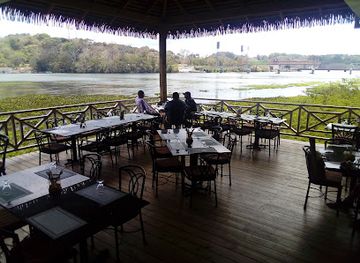
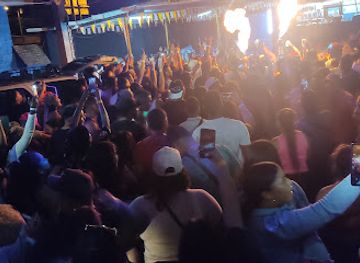
Gamboa is not a nightlife destination and has no concentrated bar or nightclub district. Evening activity is generally centred on the restaurant and lounge facilities of larger accommodation, especially the Gamboa Rainforest Resort, together with the quieter social atmosphere of a small canal settlement. Visitors may enjoy a drink after a guided forest or lake excursion, but venue choices and operating arrangements should be checked locally rather than assumed. The strongest evening experiences are often environmental: listening for frogs and nocturnal insects around suitable accommodation grounds, or joining a properly organised night nature outing where available. For live music, clubs, theatres and a broader choice of bars, Panama City is the relevant nearby centre and requires planned transport back to Gamboa.
-
Restaurant
Don Caimán Restaurant
Experience the authentic flavors of Panama at Don Caimán Restaurant in Gamboa, where culinary traditions meet breathtaking natural beauty.
-
Restaurant
Restaurante Encanto de Gamboa
Discover the rich flavors of Panama at Restaurante Encanto de Gamboa, where delightful cuisine meets breathtaking natural beauty.
-
Pizza
Treehouse Pizza Gamboa
Discover the charm of Treehouse Pizza Gamboa, where delicious pizzas meet a family-friendly atmosphere in the heart of Panama's lush landscape.
-
Piano bar
Mil Amores
Experience the enchanting melodies and lively atmosphere of Mil Amores, a premier piano bar in the heart of Panama City.
Best shops in Gamboa
Shopping in Gamboa is limited and primarily practical, with small-scale supplies and souvenirs associated with accommodation or visitor services rather than a permanent retail centre. The settlement is not the place to expect a large market, craft quarter or extensive choice of outdoor equipment. Visitors seeking Panamanian handicrafts, textiles, jewellery, coffee, chocolate and regional food products will find a much broader selection in Panama City, particularly at established craft outlets and markets, although product quality and provenance vary. Small food producers and souvenir sellers may appear along routes serving the canal and national parks, but availability is not guaranteed. Buy only items that can be transported legally and responsibly, and avoid products made from protected wildlife, tropical hardwoods or other threatened natural materials.
-
Tourist attraction
Gamboa Rainforest Reserve
Experience the breathtaking beauty and adventure of Gamboa Rainforest Reserve, a top eco-tourism destination in Panama's lush rainforest.
-
Visitor center
Panama Rainforest Discovery Center
Explore the breathtaking biodiversity of the Panama Rainforest at the Discovery Center, a hub for eco-tourism and conservation efforts.
-
Fashion accessories store
Joyars Online
Discover the vibrant world of fashion accessories at Joyars Online in Gamboa, where local craftsmanship meets contemporary style.
-
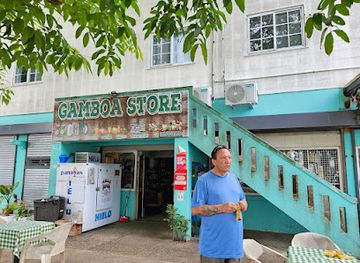
Grocery store
Gamboa store
Discover local flavors and essentials at The Gamboa Store, a must-visit grocery store in the heart of Gamboa, Panama.
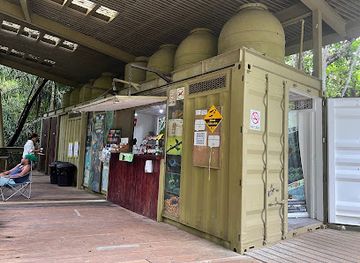

Get your free copy of our complete guide to Gamboa, delivered straight to you.
Everything on this page, from attractions and restaurants to essentials and local phrases, in one PDF you can read offline, print or share.
Already have an account? Sign in
Your Gamboa guide is ready.
We'll send it to · Not you? Sign out

Getting your guide ready…
We are putting together a fresh copy of the Gamboa guide. This can take up to a minute.
This can take a few moments. If your browser asks, choose Allow so the download can start. You'll find the guide in your Downloads folder.
Nothing happened? Download it again
Sorry, the guide is taking longer than usual. Please try again in a minute, or get it by email instead.
Gamboa essentials
Currency and Payment
Safety
Emergency Situations
Do's and Don'ts
Local Tips
From Eve
Local phrases worth knowing
You don't need to get them perfect. A few words go a long way, and locals appreciate the effort.
Basics
| English | Local | Say it |
|---|---|---|
| Hello | Hola | [oh-la] |
| Goodbye | Adiós | [ah-dee-ohs] |
| Yes | Sí | [see] |
| No | No | [no] |
| Please/You're welcome | Por favor/De nada | [por fah-bor/de nah-dah] |
| Thank you | Gracias | [grah-see-ahs] |
| Excuse me/Sorry | Disculpe/Perdón | [dees-cool-peh/pehr-dohn] |
| How are you? | ¿Cómo estás? | [koh-moh ehs-tahs] |
| Fine. And you? | Bien. ¿Y tú? | [bee-ehn. ee too] |
| Do you speak English? | ¿Hablas inglés? | [ah-blahs een-glays] |
| I don't understand | No entiendo | [no ehn-tee-ehn-doh] |
Eating & Drinking
| English | Local | Say it |
|---|---|---|
| I'd like to see the menu, please | Me gustaría ver el menú, por favor | [meh goos-tah-ree-ah behr ehl meh-noo, por fah-bor] |
| I don't eat meat | No como carne | [no koh-moh kahr-neh] |
| Cheers! | ¡Salud! | [sah-lood] |
| I would like to pay, please | Me gustaría pagar, por favor | [meh goos-tah-ree-ah pah-gahr, por fah-bor] |
Emergencies
| English | Local | Say it |
|---|---|---|
| Help! | ¡Ayuda! | [ah-yoo-dah] |
| Go away! | ¡Vete! | [veh-teh] |
| Call the Police! | ¡Llama a la policía! | [yah-mah ah lah poh-lee-see-ah] |
| Call a doctor! | ¡Llama a un médico! | [yah-mah ah oon meh-dee-koh] |
| I'm lost | Estoy perdido | [ehs-toy pehr-dee-doh] |
| I'm ill | Estoy enfermo | [ehs-toy ehn-fehr-moh] |
Shopping
| English | Local | Say it |
|---|---|---|
| I'd like to buy... | Me gustaría comprar... | [meh goos-tah-ree-ah kohm-prahr...] |
| I'm just looking | Solo estoy mirando | [soh-loh ehs-toy mee-rahn-doh] |
| How much is it? | ¿Cuánto cuesta? | [kwan-to kwehs-tah] |
| That's too expensive | Eso es muy caro | [eh-soh ehs mwee kah-roh] |
| Can you lower the price? | ¿Puede bajar el precio? | [pweh-deh bah-har ehl pree-see-oh] |
Time & Numbers
| English | Local | Say it |
|---|---|---|
| What time is it? | ¿Qué hora es? | [keh oh-rah ehs] |
| It's one o'clock | Es la una | [ehs lah oo-nah] |
| Half past (10) | Media (10) | [meh-dee-ah (dies)] |
| Morning | Mañana | [mah-nyah-nah] |
| Afternoon | Tarde | [tahr-deh] |
| Evening | Noche | [noh-cheh] |
| Yesterday | Ayer | [ah-yehr] |
| Today | Hoy | [oy] |
| Tomorrow | Mañana | [mah-nyah-nah] |
| 1 | Uno | [oo-noh] |
| 2 | Dos | [dohs] |
| 3 | Tres | [trehs] |
| 4 | Cuatro | [kwah-troh] |
| 5 | Cinco | [seen-koh] |
| 6 | Seis | [says] |
| 7 | Siete | [syeh-teh] |
| 8 | Ocho | [oh-choh] |
| 9 | Nueve | [nweh-veh] |
| 10 | Diez | [dyehs] |
Transport & Directions
| English | Local | Say it |
|---|---|---|
| Where's a/the...? | ¿Dónde está...? | [dohn-deh ehs-tah] |
| What's the address? | ¿Cuál es la dirección? | [kwal ehs lah dee-rehk-see-ohn] |
| Can you show me (on the map)? | ¿Puede mostrarme (en el mapa)? | [pweh-deh mohs-trar-meh (ehn ehl mah-pah)] |
| When's the next (bus)? | ¿Cuándo es el próximo (autobús)? | [kwan-doh ehs ehl proh-ksih-moh (ow-toh-boos)] |
| A ticket (to ....) | Un boleto (para ....) | [oon boh-leh-toh (pah-rah)] |
History of Gamboa
A Tropical Waterway Landscape
Gamboa's physical setting was shaped by the tropical watershed of the Chagres River and the wider lowlands crossed by the Panama Canal. The river was incorporated into the canal's engineered lake system, making the surrounding forests important not only as habitat but also as part of the water catchment that supports canal operations. The landscape visitors see today therefore combines natural riverine and rainforest environments with one of the most consequential water-management systems in modern history.
The Canal Construction Era
Gamboa emerged as a Canal Zone settlement during the period of United States-led canal construction and administration. Its position beside the Chagres River and the canal made it useful for transport, maintenance and the organisation of canal activities. The Panama Canal opened in 1914, transforming the isthmus into a global maritime corridor and giving Gamboa a continuing role within the canal's operational landscape. The settlement's broad, green character reflects planning associated with the former Canal Zone rather than the dense form of Panama City.
Canal Zone Communities and Change
For much of the twentieth century, Gamboa functioned within the social and administrative world of the Canal Zone, whose institutions and patterns of residence reflected the unequal colonial structure of the period. Canal construction and later operation altered rivers, forests and communities throughout central Panama, while the creation of Gatun Lake submerged earlier landscapes and connected distant waterways. The Canal Zone was transferred progressively to Panama under the Torrijos–Carter Treaties, with full Panamanian control of the canal beginning in 1999.
Forest Conservation and Ecotourism
The forests around Gamboa gained increasing importance as scientists and conservationists recognised their value for biodiversity, watershed protection and canal security. Soberanía National Park, established in 1980, protects extensive rainforest near the settlement, while nearby Chagres National Park safeguards a larger part of the canal watershed. Research, birdwatching and guided nature tourism subsequently became central to Gamboa's visitor identity. Today, the area's history is encountered through both its canal infrastructure and the protected forests that help sustain the water system on which the waterway depends.
Gamboa in Photos
Browse through our photo collection highlighting the charm and character of the destination.
Neighbouring destination travel guides
The closest destinations to Gamboa, if you have time for more than one.
-

-

-

-

-


Swipe for more destinations
Explore more
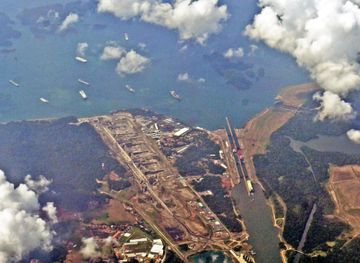
Explore more of Panama Canal Zone
Explore the Panama Canal Zone, an engineering marvel that bridges two oceans and offers rich history, culture, and natural beauty for every traveler.
Explore Panama Canal Zone
Explore more of Panama
Discover Panama: A vibrant blend of modernity and nature, where historic charm, tropical rainforests, and pristine beaches come together in the heart of Central America.
Explore Panama