

Lake Erie Travel Guide - Free Web & App
Your ultimate guide to Lake Erie. Discover top landmarks, proposed trips, and local tips. Free on the web or via the Evendo companion app.


Lake Erie in Pennsylvania offers Presque Isle beaches, maritime history, boating, birdwatching, sunsets and shoreline towns around Erie and North East, USA.
Landscape and Shoreline
Pennsylvania's Lake Erie coast is a compact but varied corner of the Great Lakes, stretching along the state's north-western edge from the Ohio border towards New York. The shoreline is anchored by Erie, the state's principal harbour city, while Presque Isle State Park projects into the lake as a curving sandy peninsula enclosing Presque Isle Bay. Beaches, dunes, lagoons, wooded trails and open water give the park a different character from the bluffer coast around Erie Bluffs State Park and the agricultural shoreline farther east near North East. The lake's scale is most apparent from the waterfront, where weather can change quickly and the horizon runs beyond sight.Read more about Lake Erie
Maritime and Cultural Heritage
Ways to Experience the Lake
When is the best time to visit Lake Erie?
Best: June–August · 24–27°C| Month | High (°C) | Rainfall (mm) |
|---|---|---|
| January | 2 | 60 |
| February | 2 | 48 |
| March | 8 | 63 |
| April | 14 | 70 |
| May | 19 | 91 |
| June (best) | 24 | 97 |
| July (best) | 27 | 93 |
| August (best) | 27 | 91 |
| September | 22 | 90 |
| October | 17 | 77 |
| November | 9 | 80 |
| December | 4 | 59 |
Getting to and around Lake Erie
How to get there
Transportation
Best attractions in Lake Erie
Presque Isle State Park is Pennsylvania's principal Lake Erie attraction, combining sandy beaches, a sheltered bay, lagoons, wooded areas and a network of roads and trails on a curving peninsula north of Erie. Its varied habitats make it a significant place for birdwatching as well as swimming, cycling, fishing where permitted and water-based recreation. In the city, the Erie Maritime Museum and US Brig Niagara provide the clearest introduction to the region's naval history, while the waterfront and Presque Isle Bay offer views of working and recreational harbour activity. West of Erie, Erie Bluffs State Park presents a quieter landscape of high shoreline, wooded ravines and meadow, with views across the lake rather than a developed beach resort. East of the city, North East and the surrounding countryside bring together rural roads, vineyards, orchards and access to the open coast. The destination's attractions are spread across these contrasting settings rather than concentrated in one centre.
-
Tourist attraction
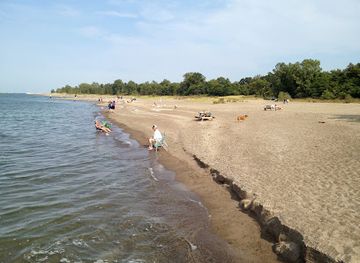
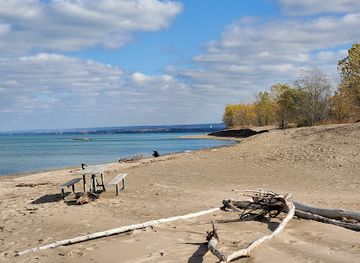
Presque Isle Beach
Immerse yourself in the natural beauty of Presque Isle Beach, a stunning public beach and top tourist attraction in Erie, Pennsylvania, perfect for relaxation and adventure.
-
Tourist attraction
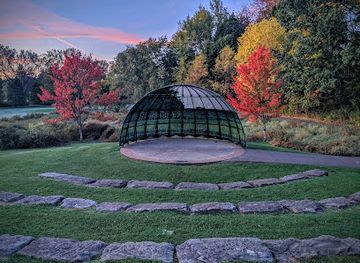
Lake Erie Arboretum at Frontier
Experience the natural beauty and tranquility of Lake Erie Arboretum, a perfect destination for relaxation, education, and birdwatching in Erie, PA.
-
Tourist attraction
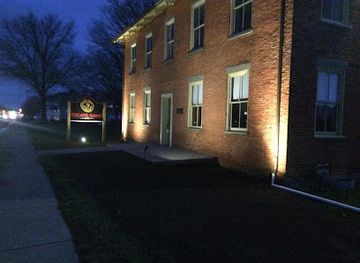
Escape Game Erie
Experience the thrill of adventure at Escape Game Erie, where teamwork meets fun in immersive escape room challenges for all ages.
-
Tourist attraction
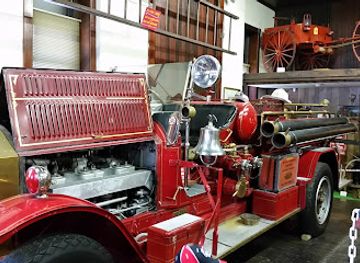
Firefighters Historical Museum
Discover the rich heritage of firefighting at the Firefighters Historical Museum in Erie, PA, showcasing vintage equipment and heroic stories.
Best landmarks in Lake Erie
Presque Isle is the defining natural landmark of Pennsylvania's Lake Erie coast: its sandy, shifting peninsula shelters Presque Isle Bay while separating calmer inner waters from the open lake. The broad sweep of the lake itself is another landmark, particularly when viewed from the peninsula, Erie waterfront or higher ground at Erie Bluffs State Park. The Commodore Perry Monument at Presque Isle commemorates the American naval victory in the Battle of Lake Erie, whose setting is further explained at the Erie Maritime Museum and aboard US Brig Niagara. In Erie, the Bicentennial Tower at Dobbins Landing is a prominent modern waterfront viewpoint over the harbour and lake. Farther east, the bluffs, ravines, vineyards and open farmland around North East express the geological and agricultural character of the wider shoreline rather than a collection of monumental buildings.
-
State park
Presque Isle State Park
Explore Presque Isle State Park, a natural paradise on Lake Erie, offering stunning beaches, diverse wildlife, and endless recreational activities for all ages.
-
Museum
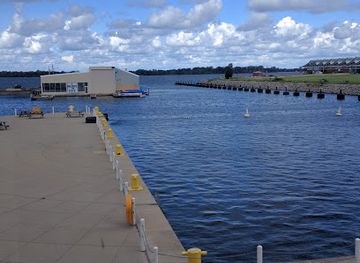
Erie Maritime Museum - Homeport of the U.S. Brig Niagara
Explore Erie Maritime Museum, home of the U.S. Brig Niagara, and uncover the rich maritime history of Pennsylvania's Great Lakes.
-
Nature preserve
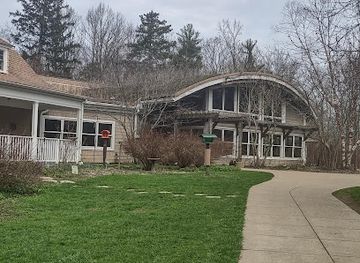
Asbury Woods
Experience the serene beauty and diverse wildlife at Asbury Woods, a nature preserve in Erie, PA, ideal for hiking, education, and family adventures.
-
Art museum
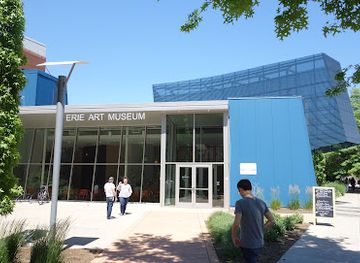
Erie Art Museum
Explore the Erie Art Museum: A vibrant hub of creativity showcasing local and international art in a welcoming environment.
Explore Lake Erie on the map
Plan your trip on one map. See where the top attractions, landmarks, restaurants and hotels are, and book hotels and experiences in a few clicks.
Best hotels in Lake Erie
Best restaurants in Lake Erie
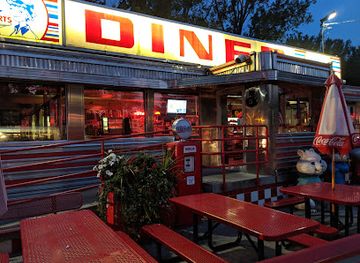
Dining along Pennsylvania's Lake Erie shore is concentrated in Erie and the larger settlements rather than within the more natural parts of the coastline. Erie restaurants, cafés, waterfront venues and neighbourhood establishments draw on familiar Great Lakes ingredients, including locally caught or regionally supplied perch and walleye when available, alongside the city's own long-standing association with pepperoni-topped pizza. Presque Isle is primarily a park destination, so visitors should plan meals and provisions before spending a full day on the peninsula; facilities there should not be assumed to operate year-round. North East adds cafés, taverns, farm-oriented businesses and dining linked to the surrounding grape-growing district, while nearby wineries may offer tastings or food according to their individual arrangements. Local produce, apples, grapes and seasonal market goods reflect the agricultural belt behind the shore, but opening patterns and menus vary considerably outside Erie.
-
American
Sara's Restaurant
Discover Sara's Restaurant in Erie, PA: your go-to spot for delicious American classics including burgers, hot dogs, and irresistible ice cream treats.
-
American
Shoreline Bar & Grille
Experience waterfront dining at Shoreline Bar & Grille with exquisite American cuisine and stunning views in Erie.
-
Family-friendly
McGarrey's Oakwood Cafe
Discover the family-friendly charm of McGarrey's Oakwood Cafe in Erie - where delicious comfort food meets warm hospitality.
-
Restaurant
Underdog BBQ
Experience mouthwatering barbecue and vibrant atmosphere at Underdog BBQ in Erie, PA - a top destination for food lovers.
Best bars in Lake Erie
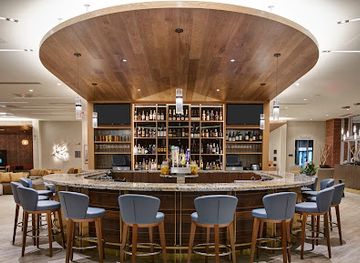
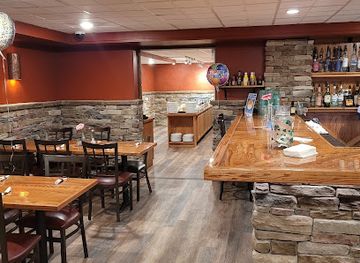
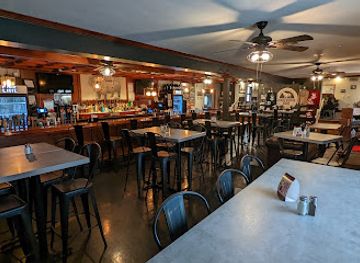
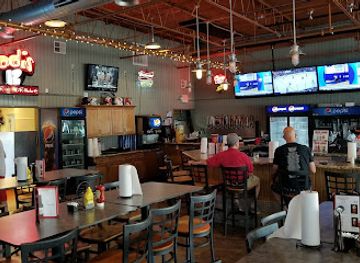
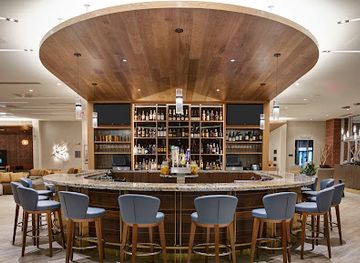
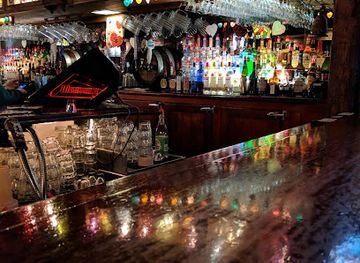
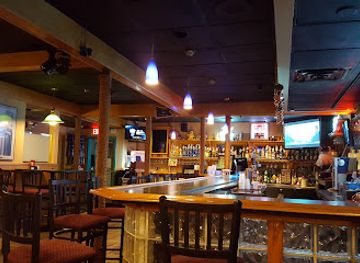
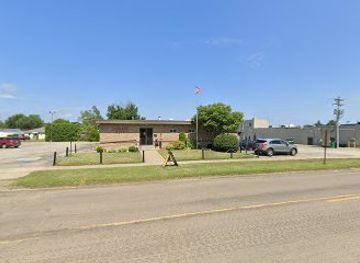
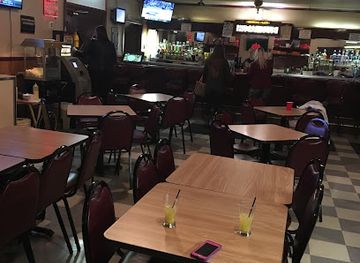
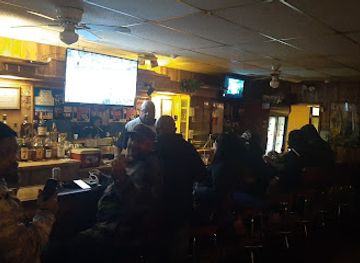
Nightlife is modest and divided between Erie's urban waterfront and the quieter communities along the lake. In Erie, visitors can find established pubs, bars, restaurant lounges and occasional live entertainment, with the most developed evening choice around the city rather than inside Presque Isle State Park. The waterfront and marina areas can feel more sociable during the warmer season, although individual venues and events change. North East and other shoreline settlements are better suited to relaxed taverns, winery tastings where offered and early evening meals than to clubbing. After dark, the parks and beaches are primarily natural settings rather than entertainment districts, and visitors should observe local access rules. Seasonal festivals, concerts and community events may add to the summer calendar, but they should be checked locally rather than assumed to be running during every visit.
-
Sports bar
Odis 12 Sports Bar & Grille
Discover Odis 12 Sports Bar & Grille - where great food meets thrilling sports action in a lively Erie atmosphere.
-
American
Shoreline Bar & Grille
Savor the essence of American cuisine at Shoreline Bar & Grille, where stunning bay views meet exceptional dining experiences.
-
Grill
Plymouth Tavern
Experience hearty meals and a vibrant atmosphere at Plymouth Tavern, Erie's favorite grill spot for locals and tourists alike.
-
American
Sloppy Duck Saloon
Discover the lively Sloppy Duck Saloon, where delicious American cuisine meets vibrant live music on Erie’s beautiful Bayfront.
Best nightclubs in Lake Erie
Nightlife is modest and divided between Erie's urban waterfront and the quieter communities along the lake. In Erie, visitors can find established pubs, bars, restaurant lounges and occasional live entertainment, with the most developed evening choice around the city rather than inside Presque Isle State Park. The waterfront and marina areas can feel more sociable during the warmer season, although individual venues and events change. North East and other shoreline settlements are better suited to relaxed taverns, winery tastings where offered and early evening meals than to clubbing. After dark, the parks and beaches are primarily natural settings rather than entertainment districts, and visitors should observe local access rules. Seasonal festivals, concerts and community events may add to the summer calendar, but they should be checked locally rather than assumed to be running during every visit.
-
Bar
Rack & Roll
Experience the vibrant nightlife at Rack & Roll, Erie's favorite bar and pool hall, where fun and relaxation meet in a lively atmosphere.
-
Club
Zukor Club
Discover the pulsating nightlife of Zukor Club in Erie, PA, where music, dance, and vibrant social interactions come together for an unforgettable experience.
-
Club
Huzars Club
Discover the electrifying nightlife at Huzars Club in Erie, PA – a premier destination for music, dancing, and unforgettable experiences.
-
Bar
Bayfront Lounge
Discover the lively Bayfront Lounge in Erie, PA - where affordable drinks and a friendly atmosphere await your arrival.

Best shops in Lake Erie
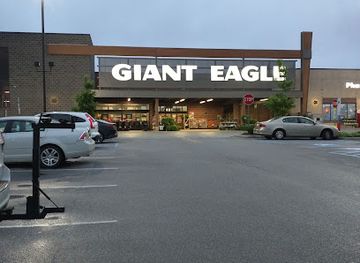
Shopping is centred on Erie, where visitors will find the broadest selection of practical supplies, outdoor equipment, independent businesses and general retail, with additional commercial areas outside the historic waterfront. Presque Isle offers a natural setting rather than a substantial shopping district, so beach equipment, food and weather-appropriate clothing are best obtained in Erie before travelling to the peninsula. North East and the surrounding countryside provide opportunities to seek regional wine, grape products, orchard goods, farm-market produce and locally made items through individual producers and seasonal outlets. Museum and park shops may carry books, maritime material and souvenirs connected with the lake, although stock and opening arrangements vary. Local food markets and community events can be worthwhile places to find produce and crafts, but they are not necessarily permanent daily markets.
-
Shopping mall
Millcreek Mall Complex
Explore the Millcreek Mall Complex in Erie, PA, your ultimate shopping destination with diverse stores, dining, and entertainment for all ages.
-
Shopping mall
Millcreek Marketplace
Experience the best of shopping and dining at Millcreek Marketplace in Erie, PA, where every visit is a delightful adventure.
-
Business center
The Shops at The Colony
Explore The Shops at The Colony in Erie, PA – a unique shopping destination with local shops, dining, and vibrant community events.
-
Gift shop
Pressed Books & Coffee
Discover the perfect blend of books and coffee at Pressed Books & Coffee, a must-visit destination for literary enthusiasts in Erie, PA.


Get your free copy of our complete guide to Lake Erie, delivered straight to you.
Everything on this page, from attractions and restaurants to essentials and local phrases, in one PDF you can read offline, print or share.
Already have an account? Sign in
Your Lake Erie guide is ready.
We'll send it to · Not you? Sign out

Getting your guide ready…
We are putting together a fresh copy of the Lake Erie guide. This can take up to a minute.
This can take a few moments. If your browser asks, choose Allow so the download can start. You'll find the guide in your Downloads folder.
Nothing happened? Download it again
Sorry, the guide is taking longer than usual. Please try again in a minute, or get it by email instead.
Lake Erie essentials
Currency and Payment
Safety
Emergency Situations
Do's and Don'ts
Local Tips
From Eve
Local phrases worth knowing
You don't need to get them perfect. A few words go a long way, and locals appreciate the effort.
Basics
| English | Local | Say it |
|---|---|---|
| Hello | Howdy | [haw-dee] |
| Goodbye | See ya | [see yuh] |
| Yes | Yep | [yep] |
| No | Nah | [nah] |
| Please/You're welcome | Please/No problem | [pleez/no prob-lem] |
| Thank you | Thanks a bunch | [thanks uh bunch] |
| Excuse me/Sorry | Pardon me/My bad | [par-dun me/my bad] |
| How are you? | How ya doin'? | [how yuh doin] |
| Fine. And you? | Fine. How 'bout you? | [fine. how 'bout yuh] |
| Do you speak English? | Ya speak English? | [ya speak ing-glish] |
| I don't understand | I ain't gettin' it | [I aint get-tin it] |
Eating & Drinking
| English | Local | Say it |
|---|---|---|
| I'd like to see the menu, please | Can I see the menu, please | [can I see the menu, please] |
| I don't eat meat | I don't do meat | [I don't do meat] |
| Cheers! | Cheers! | [cheers] |
| I would like to pay, please | I'll pay now, thanks | [I'll pay now, thanks] |
Emergencies
| English | Local | Say it |
|---|---|---|
| Help! | Help! | [help] |
| Go away! | Get lost! | [get lost] |
| Call the Police! | Ring the cops! | [ring the cops] |
| Call a doctor! | Call a doc! | [call a doc] |
| I'm lost | I'm lost | [I'm lost] |
| I'm ill | I'm feelin' sick | [I'm feelin sick] |
Shopping
| English | Local | Say it |
|---|---|---|
| I'd like to buy... | I wanna buy... | [I wanna buy] |
| I'm just looking | I'm just browsin' | [I'm just browsin] |
| How much is it? | What's the cost? | [what's the cost] |
| That's too expensive | That's too pricey | [that's too pricey] |
| Can you lower the price? | Can ya cut the price? | [can ya cut the price] |
Time & Numbers
| English | Local | Say it |
|---|---|---|
| What time is it? | What's the time? | [what's the time] |
| It's one o'clock | It's one | [It's one] |
| Half past (10) | Half ten | [Half ten] |
| Morning | Mornin' | [Mornin] |
| Afternoon | Afternoon | [Afternoon] |
| Evening | Evenin' | [Evenin] |
| Yesterday | Yest'day | [Yest'day] |
| Today | Today | [Today] |
| Tomorrow | Tomorruh | [Tomorruh] |
| 1 | One | [One] |
| 2 | Two | [Two] |
| 3 | Three | [Three] |
| 4 | Four | [Four] |
| 5 | Five | [Five] |
| 6 | Six | [Six] |
| 7 | Seven | [Seven] |
| 8 | Eight | [Eight] |
| 9 | Nine | [Nine] |
| 10 | Ten | [Ten] |
Transport & Directions
| English | Local | Say it |
|---|---|---|
| Where's a/the...? | Where's the... | [Where's the] |
| What's the address? | What's the addy? | [What's the addy] |
| Can you show me (on the map)? | Can you point it out (on the map)? | [Can you point it out (on the map)] |
| When's the next (bus)? | When's the next (bus)? | [When's the next (bus)] |
| A ticket (to ....) | A ticket (to ....) | [A ticket (to ....)] |
History of Lake Erie
A Glacial Great Lake
Lake Erie occupies a basin shaped by repeated Pleistocene glaciations, whose retreat left the Great Lakes and rearranged the shoreline, islands and shallow waters familiar today. Pennsylvania's coast combines sandy formations around Presque Isle with higher bluffs and agricultural land farther west and east. Presque Isle itself is a dynamic sand peninsula, continually influenced by waves, currents and sediment movement. This physical setting has always affected settlement and transport: the peninsula shelters Presque Isle Bay, while the open lake remains exposed to storms and seasonal ice. The geological story is therefore inseparable from the modern landscape of beaches, wetlands, harbour waters and eroding shorelines.
Indigenous and Colonial Shorelines
The Lake Erie region was occupied and travelled by Indigenous peoples long before European settlement, with the lake serving as a source of fish, a route of movement and part of a wider network of waterways. During the eighteenth century, French and British imperial rivalry brought military attention to the coast. The French established Fort Presque Isle in 1753 near the present city of Erie, linking the lake to their chain of posts between the Great Lakes and the Ohio country. Control shifted after the French and Indian War, and changing imperial boundaries were followed by the expansion of the United States into the region.
The Battle of Lake Erie
Erie's most internationally significant historical episode came during the War of 1812, when the United States built and assembled naval vessels at Presque Isle Bay. On 10 September 1813, Commodore Oliver Hazard Perry's squadron defeated a British fleet in the Battle of Lake Erie, securing American control of the lake for the remainder of the campaign. The bay's sheltered waters and the local shipbuilding effort were central to the episode. Today, the Erie Maritime Museum and the reconstructed sailing vessel US Brig Niagara interpret this naval history, while the lake and peninsula preserve the geographical setting in which the fleet was prepared.
Port, Industry and Agricultural Change
During the nineteenth and twentieth centuries, Erie developed as a Great Lakes port and industrial centre, connected to wider markets by water, rail and road. Manufacturing, shipping and fishing shaped the city's waterfront, while farms and orchards occupied the eastern and western hinterland. The protected waters of Presque Isle Bay supported harbour uses as well as recreation, and the broader lake became increasingly important to tourism. North East and surrounding communities retained a stronger agricultural identity, particularly through grape growing and wine production. These overlapping economies explain why the Pennsylvania shore combines working infrastructure, urban history, beaches and cultivated rural landscapes.
Parks, Conservation and Recreation
Presque Isle became a public park in the early twentieth century and developed into Pennsylvania's best-known Lake Erie recreation area, with beaches, roads, trails, lagoons and habitats managed alongside heavy seasonal visitation. Conservation work has had to accommodate the peninsula's shifting sands, wetland ecology, migrating birds and vulnerability to storms. Erie Bluffs State Park provides a contrasting protected landscape of wooded ravines, meadow and elevated shoreline west of the city. Modern Lake Erie tourism rests on this balance between public recreation, habitat protection, maritime interpretation, commercial navigation and a continuing effort to manage an active Great Lakes shore.
Lake Erie in Photos
Browse through our photo collection highlighting the charm and character of the destination.
Cities in Lake Erie
The towns and cities of Lake Erie, and the easiest places to base yourself.
-

-


Swipe for more cities
Neighbouring destination travel guides
The closest destinations to Lake Erie, if you have time for more than one.
-

-

-

-

-


Swipe for more destinations
Explore more

Explore more of Western Pennsylvania
Explore Western Pennsylvania for Pittsburgh culture, Lake Erie beaches, steel heritage, forested hills and the outdoor landscapes of the Laurel Highlands.
Explore Western Pennsylvania
Explore more of Pennsylvania
Discover Pennsylvania: A blend of rich history, breathtaking nature, and vibrant culture awaits you in the Keystone State.
Explore Pennsylvania