

Free Erie Travel Guide & Mobile App
Plan your Erie trip with Evendo. Get free guides to top attractions, restaurants, hotels, and bars. Web access or download the mobile app.


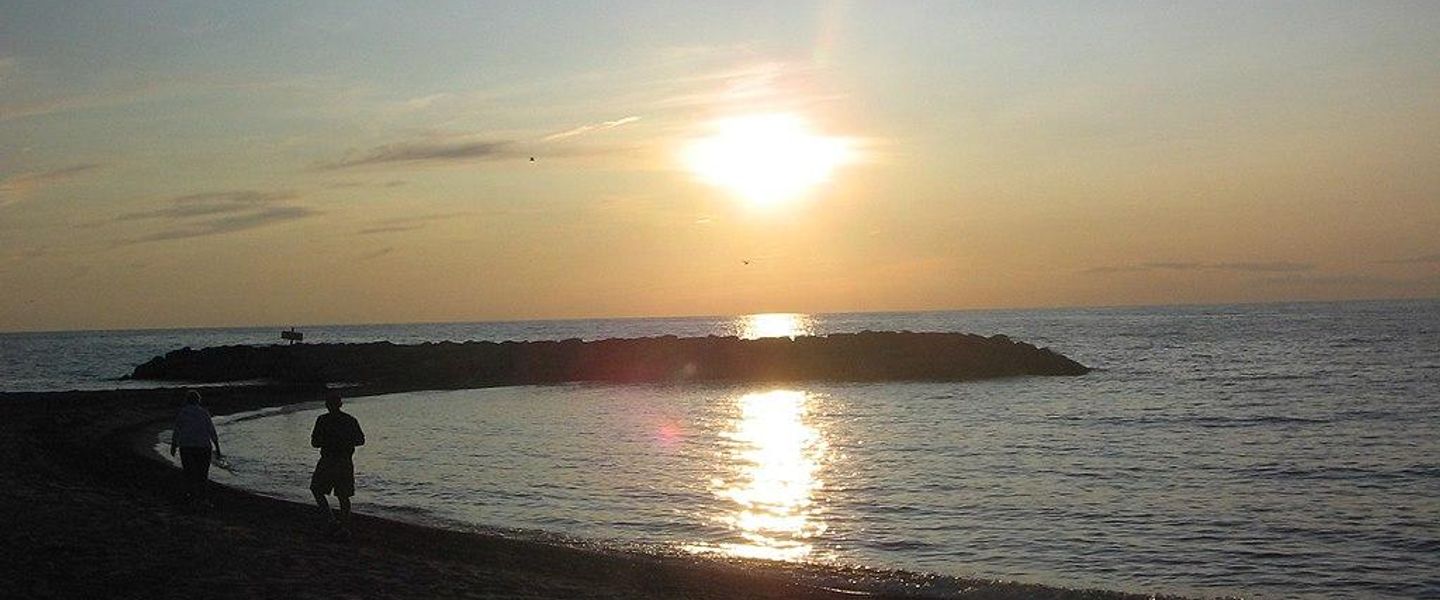


Erie, Pennsylvania blends Lake Erie beaches, Presque Isle State Park, maritime history, museums, local food and four-season outdoor escapes and culture.
Lake Erie and Presque Isle
Erie occupies Pennsylvania’s north-western corner on the shore of Lake Erie, where a broad natural bay and the distinctive sandy peninsula of Presque Isle shape the city’s character. Presque Isle State Park is Erie’s defining landscape: its beaches, lagoons, wooded trails and shifting shoreline create a setting that feels markedly different from the industrial waterfront and urban streets nearby. The Tom Ridge Environmental Center provides an introduction to the peninsula’s ecology, while the park’s beaches and trails draw visitors throughout the warmer months.Read more about Erie
Maritime Heritage and City Life
Outdoor Horizons
When is the best time to visit Erie?
Best: June–August · 24–27°C| Month | High (°C) | Rainfall (mm) |
|---|---|---|
| January | 2 | 62 |
| February | 3 | 54 |
| March | 7 | 61 |
| April | 14 | 75 |
| May | 19 | 84 |
| June (best) | 24 | 93 |
| July (best) | 27 | 90 |
| August (best) | 26 | 88 |
| September | 22 | 82 |
| October | 16 | 75 |
| November | 10 | 78 |
| December | 4 | 72 |
Getting to and around Erie
How to get there
Transportation
Best attractions in Erie
Erie’s principal attractions divide naturally between the lakefront, the peninsula and the compact central district. Presque Isle State Park offers sandy beaches, lagoons, wooded paths, cycling routes and changing views across Lake Erie, while the Tom Ridge Environmental Center explains the peninsula’s geology, wildlife and fragile shoreline. At the bayfront, the Erie Maritime Museum explores the city’s naval history and includes the U.S. Brig Niagara, a reconstructed nineteenth-century sailing warship that recalls the Battle of Lake Erie. Downtown, the Erie Art Museum presents American art and works connected with regional culture, and the Warner Theatre contributes a grand setting for performances and community events. The Erie Zoo, Waldameer Park and Water World, and Bicentennial Tower broaden the city’s family and recreation offer, while the Presque Isle Lighthouse adds a historic coastal perspective near the western side of the peninsula.
-
State park
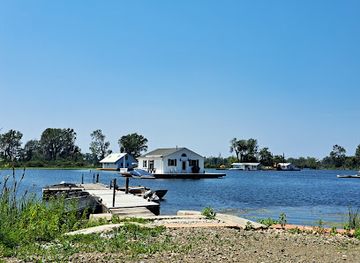
Presque Isle State Park
Discover the breathtaking beauty and endless outdoor adventures at Presque Isle State Park on Lake Erie, a true gem for nature lovers.
18 min drive · 5.8 km from city centre
-
State park
Presque Isle State Park
Experience the stunning natural landscapes and recreational activities at Presque Isle State Park, a true outdoor paradise on Lake Erie.
18 min drive · 5.8 km from city centre
-
Tourist attraction
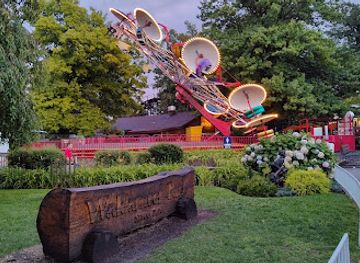
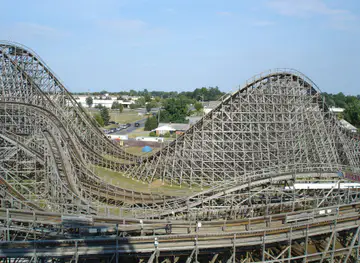
Waldameer & Water World
Experience exhilarating rides and refreshing water attractions at Waldameer & Water World in Erie, PA, the ultimate family-friendly amusement park.
20 min drive · 6.6 km from city centre
-
Tourist attraction
Waldameer & Water World
Experience endless fun and adventure at Waldameer & Water World, Erie’s premier amusement and water park destination for families and thrill-seekers alike.
20 min drive · 6.6 km from city centre


Best landmarks in Erie
Erie’s landmarks express its position as a port, naval centre and industrial city. The Erie Maritime Museum and U.S. Brig Niagara are central to the city’s memory of the War of 1812 and the Battle of Lake Erie, while the Perry Monument on Presque Isle commemorates Commodore Oliver Hazard Perry and the American naval victory. The Presque Isle Lighthouse, built in the nineteenth century, marks the peninsula’s working relationship with shipping and navigation. Downtown, the Warner Theatre is a prominent historic performance building, and Perry Square forms an important civic open space surrounded by public and commercial architecture. The Erie Art Museum occupies historic downtown buildings and represents the city’s investment in cultural life, while the Bicentennial Tower provides a modern waterfront viewpoint over the bay and peninsula. Together these sites connect Erie’s maritime past with its continuing civic and artistic identity.
-
State park
Presque Isle State Park
Explore the stunning landscapes and diverse wildlife of Presque Isle State Park, a gem on the shores of Lake Erie, perfect for outdoor enthusiasts and nature lovers.
18 min drive · 5.8 km from city centre
-
Zoo
Erie Zoo
Experience the joy of wildlife at Erie Zoo, where conservation meets adventure in the heart of Pennsylvania.
6 min drive · 1.9 km from city centre
-
Historical place museum
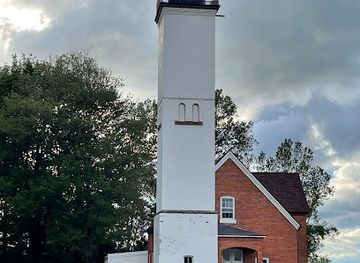
Presque Isle Lighthouse
Explore the historic Presque Isle Lighthouse in Erie, PA – a stunning blend of maritime history and natural beauty within Presque Isle State Park.
20 min drive · 6.5 km from city centre
-
Observation deck
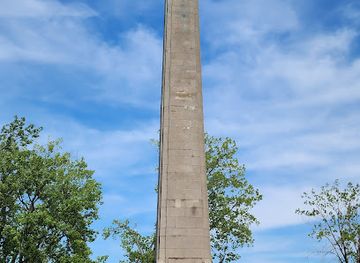
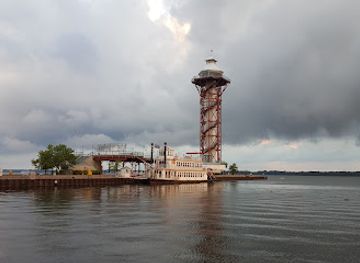
Bicentennial Tower
Experience breathtaking views of Lake Erie and the cityscape from the iconic Bicentennial Tower, a must-see observation deck in Erie, Pennsylvania.
9 min drive · 3.0 km from city centre
Explore Erie on the map
Plan your Erie trip on one map. See where the top attractions, landmarks, restaurants, bars and hotels are, find what's near where you're staying, and book hotels and experiences in a few clicks.
Neighbourhoods in Erie
-

-

-


Swipe for more neighbourhoods
Best hotels in Erie
Best restaurants in Erie
Erie’s dining culture reflects its Great Lakes location, industrial history and long-established immigrant communities. Downtown and the State Street corridor offer casual restaurants, cafés, breweries and more contemporary dining, while neighbourhood establishments preserve regional habits such as Greek-style sauce served with hot dogs and the locally associated pepperoni ball, a baked savoury snack linked to the city’s Italian-American food tradition. Lake fish and seafood appear seasonally, although the local menu is broader than a single regional speciality, encompassing pizza, sandwiches, diner food, Polish and other eastern European influences, and international cuisines shaped by later migration. The Erie Farmers’ Market provides a seasonal connection to nearby farms and producers, and the waterfront adds restaurants and casual stops with views towards Presque Isle Bay. Nearby Lake Erie vineyards and rural food producers belong to the wider region rather than the city itself.
-
American
Shoreline Bar & Grille
Experience delectable American cuisine with stunning waterfront views at Shoreline Bar & Grille in Erie.
9 min drive · 2.9 km from city centre
-
Family-friendly
McGarrey's Oakwood Cafe
Experience family-friendly dining at McGarrey's Oakwood Cafe in Erie, PA—where delicious comfort food meets a warm atmosphere.
11 min drive · 3.6 km from city centre
-
American
Smokey Bones Erie
Experience the best of American cuisine at Smokey Bones in Erie - where barbecue meets great company.
17 min drive · 5.8 km from city centre
-
Grill
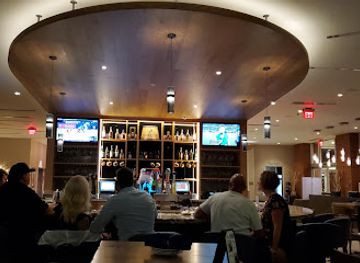
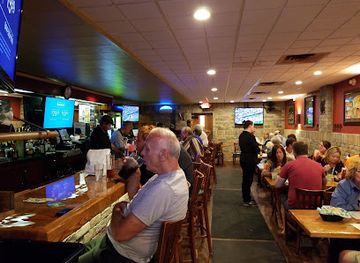
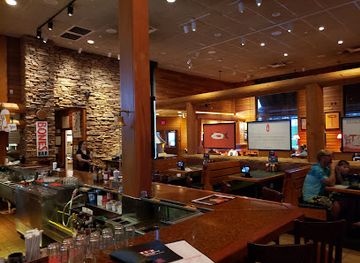
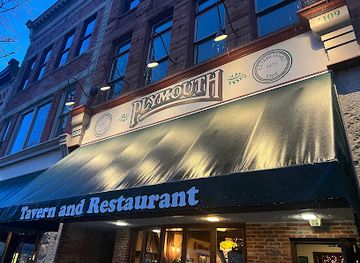
Plymouth Tavern
Discover Plymouth Tavern in Erie: A cozy grill serving delicious American fare and refreshing drinks in a warm atmosphere.
15 min walk · 1.2 km from city centre
Best bars in Erie
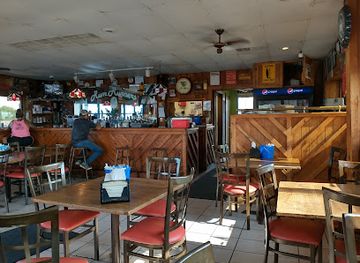
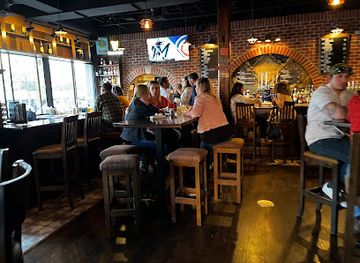
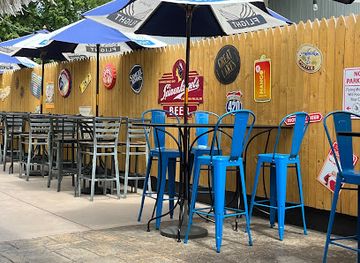
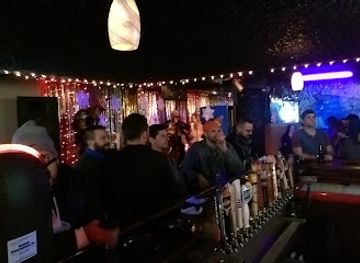
Erie’s evening scene is modest and locally oriented rather than dominated by large clubs. Downtown State Street and the area around Perry Square contain bars, pubs, restaurants with evening service and venues where residents gather for live music or informal drinks. Craft beer has a visible presence, reflecting the broader Pennsylvania brewing culture, while the waterfront supplies a seasonal setting for relaxed evenings near the bay. The Warner Theatre presents concerts, touring performances and other events, and the Erie Playhouse contributes community theatre to the city’s cultural calendar, offering alternatives to bar-based nightlife. In summer, activity expands around festivals, outdoor events and Presque Isle, though the peninsula is primarily a daytime and nature destination. Visitors should check current event details and transport arrangements, as late-night options and opening patterns can vary by day and season.
-
Grill
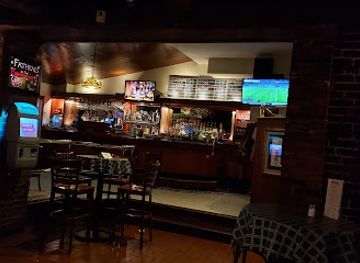
Plymouth Tavern
Discover the rustic charm and delicious flavors of Plymouth Tavern in Erie, PA - a local favorite for grilled delights and refreshing drinks.
15 min walk · 1.2 km from city centre
-
Grill
Rum Runners
Discover Rum Runners in Erie, PA – a lively grill offering beachy vibes, delicious food, and refreshing drinks by the scenic waterfront.
9 min drive · 2.9 km from city centre
-
Gastropub
U Pick 6 Tap House
Discover U Pick 6 Tap House, a top gastropub in Erie, PA, offering flavorful American cuisine and an extensive selection of craft beers.
6 min drive · 2.1 km from city centre
-
Grill
Oasis Pub & Tiki Bar
Experience the ultimate lakeside dining at Oasis Pub & Tiki Bar with delicious grilled meals and refreshing tropical drinks in a vibrant atmosphere.
20 min drive · 6.8 km from city centre
Best nightclubs in Erie
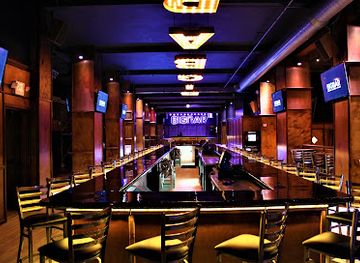
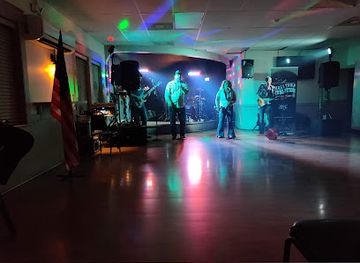
Erie’s evening scene is modest and locally oriented rather than dominated by large clubs. Downtown State Street and the area around Perry Square contain bars, pubs, restaurants with evening service and venues where residents gather for live music or informal drinks. Craft beer has a visible presence, reflecting the broader Pennsylvania brewing culture, while the waterfront supplies a seasonal setting for relaxed evenings near the bay. The Warner Theatre presents concerts, touring performances and other events, and the Erie Playhouse contributes community theatre to the city’s cultural calendar, offering alternatives to bar-based nightlife. In summer, activity expands around festivals, outdoor events and Presque Isle, though the peninsula is primarily a daytime and nature destination. Visitors should check current event details and transport arrangements, as late-night options and opening patterns can vary by day and season.
-
Night club
BIGBAR
Discover the ultimate nightlife experience at BIGBAR, where delicious food meets vibrant entertainment in Erie, PA.
17 min walk · 1.4 km from city centre
-
Bar
Rack & Roll
Experience the lively atmosphere of Rack & Roll, Erie’s favorite bar and pool hall, where fun and friendly competition await every night.
13 min drive · 4.5 km from city centre
-
Club
The Sunflower Club
Experience the vibrant nightlife at The Sunflower Club in Erie, PA, where great music and a lively atmosphere await every night of the week.
15 min walk · 1.2 km from city centre
-
Club
Cascade Park Club
Cascade Park Club: Your Ultimate Destination for Unforgettable Nights in Erie, Pennsylvania with Live Music and Vibrant Atmosphere.
9 min drive · 3.0 km from city centre
Best shops in Erie
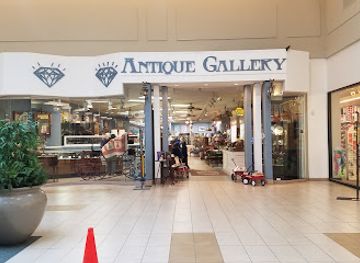
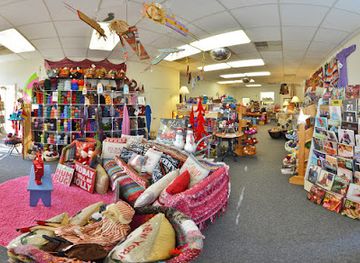
Shopping in Erie combines practical retail, independent downtown businesses, seasonal produce and larger commercial areas beyond the historic centre. The Erie Farmers’ Market is the most distinctive local stop, with regional produce, baked goods and small-scale products varying by season. Downtown around State Street and nearby streets contains independent shops, cafés, galleries and service businesses, although the retail landscape is smaller and more dispersed than that of a major metropolitan centre. Millcreek Mall, located in Millcreek Township rather than within Erie city limits, is the area’s principal enclosed shopping destination, with national retailers and restaurants. Visitors seeking locally flavoured purchases can look for Lake Erie food products, regional wine, crafts and maritime-themed goods, while Presque Isle and the city’s museums provide souvenirs connected with the lake, wildlife and naval history rather than a single defining handicraft tradition.
-
Shopping mall
Millcreek Mall Complex
Discover Millcreek Mall Complex in Erie, PA: A premier shopping destination filled with diverse stores, dining, and entertainment for all ages.
16 min drive · 5.4 km from city centre
-
Business center
The Shops at The Colony
Discover unique shops and local boutiques at The Shops at The Colony in Erie, PA, where shopping meets local charm and delightful dining options.
17 min drive · 5.5 km from city centre
-
Toy store
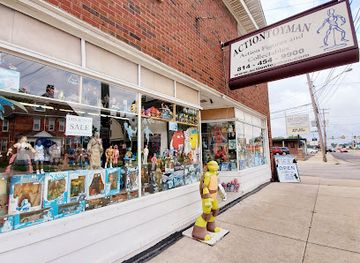
ACTIONTOYMAN
Explore ACTIONTOYMAN, a vibrant toy store in Erie, PA, offering an extensive selection of toys, collectibles, and comics for all ages.
7 min drive · 2.4 km from city centre
-
Gift shop
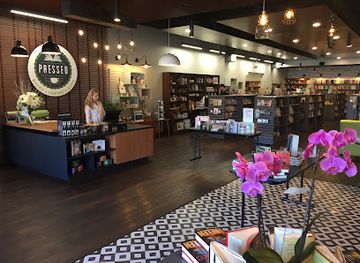
Pressed Books & Coffee
Explore Pressed Books & Coffee in Erie, PA, where books meet brews in a cozy atmosphere perfect for relaxation and inspiration.
10 min drive · 3.4 km from city centre
Get your free copy of our complete guide to Erie, delivered straight to you.
Everything on this page, from attractions and restaurants to essentials and local phrases, in one PDF you can read offline, print or share.
Already have an account? Sign in
Your Erie guide is ready.
We'll send it to · Not you? Sign out

Getting your guide ready…
We are putting together a fresh copy of the Erie guide. This can take up to a minute.
This can take a few moments. If your browser asks, choose Allow so the download can start. You'll find the guide in your Downloads folder.
Nothing happened? Download it again
Sorry, the guide is taking longer than usual. Please try again in a minute, or get it by email instead.
Erie essentials
Currency and Payment
Safety
Emergency Situations
Do's and Don'ts
Local Tips
From Eve
Local phrases worth knowing
You don't need to get them perfect. A few words go a long way, and locals appreciate the effort.
Basics
| English | Local | Say it |
|---|---|---|
| Hello | Hey | [hey] |
| Goodbye | See ya | [see ya] |
| Yes | Yep | [yep] |
| No | Nah | [nah] |
| Please/You're welcome | Please/No problem | [please/no problem] |
| Thank you | Thanks | [thanks] |
| Excuse me/Sorry | Sorry | [sorry] |
| How are you? | How you doin'? | [how you doin'] |
| Fine. And you? | Good. You? | [good. you?] |
| Do you speak English? | You speak English? | [you speak English?] |
| I don't understand | I don't get it | [I don't get it] |
Eating & Drinking
| English | Local | Say it |
|---|---|---|
| I'd like to see the menu, please | Can I see the menu? | [can I see the menu?] |
| I don't eat meat | I don't eat meat | [I don't eat meat] |
| Cheers! | Cheers! | [cheers!] |
| I would like to pay, please | Can I pay? | [can I pay?] |
Emergencies
| English | Local | Say it |
|---|---|---|
| Help! | Help! | [help!] |
| Go away! | Get lost! | [get lost!] |
| Call the Police! | Call the cops! | [call the cops!] |
| Call a doctor! | Call a doc! | [call a doc!] |
| I'm lost | I'm lost | [I'm lost] |
| I'm ill | I'm sick | [I'm sick] |
Shopping
| English | Local | Say it |
|---|---|---|
| I'd like to buy... | I wanna buy... | [I wanna buy...] |
| I'm just looking | Just lookin' | [just lookin'] |
| How much is it? | How much? | [how much?] |
| That's too expensive | Too much | [too much] |
| Can you lower the price? | Can you do better? | [can you do better?] |
Time & Numbers
| English | Local | Say it |
|---|---|---|
| What time is it? | What time is it? | [what time is it?] |
| It's one o'clock | It's one | [It's one] |
| Half past (10) | Half past ten | [half past ten] |
| Morning | Morning | [morning] |
| Afternoon | Afternoon | [afternoon] |
| Evening | Evening | [evening] |
| Yesterday | Yesterday | [yesterday] |
| Today | Today | [today] |
| Tomorrow | Tomorrow | [tomorrow] |
| 1 | One | [one] |
| 2 | Two | [two] |
| 3 | Three | [three] |
| 4 | Four | [four] |
| 5 | Five | [five] |
| 6 | Six | [six] |
| 7 | Seven | [seven] |
| 8 | Eight | [eight] |
| 9 | Nine | [nine] |
| 10 | Ten | [ten] |
Transport & Directions
| English | Local | Say it |
|---|---|---|
| Where's a/the...? | Where's the...? | [where's the...?] |
| What's the address? | What's the address? | [what's the address?] |
| Can you show me (on the map)? | Show me on the map | [show me on the map] |
| When's the next (bus)? | When's the next bus? | [when's the next bus?] |
| A ticket (to ....) | Ticket to... | [ticket to...] |
History of Erie
Indigenous Shores and French Presque Isle
The Lake Erie shore around present-day Erie was inhabited by Indigenous peoples long before European settlement, including communities connected to the wider Haudenosaunee and Great Lakes world. French imperial interest intensified in the eighteenth century, when Fort Presque Isle was established in 1753 near the bay as part of a chain of posts linking the Great Lakes with the Ohio country. The name Presque Isle, meaning “almost island” in French, refers to the peninsula that shelters Erie’s harbour. During the French and Indian War, the fort became part of the struggle between France and Britain for control of the interior. These early military and trading connections established the strategic importance of the natural harbour.
British Rule and American Settlement
Britain gained control of the region after the French and Indian War, but the area’s political future changed again following the American Revolution. Pennsylvania secured its claim to the Lake Erie shore through an agreement with the federal government and Indigenous nations, and organised settlement expanded during the late eighteenth and early nineteenth centuries. The town of Erie developed around the harbour and was incorporated as a borough in 1805. Its position at the western edge of Pennsylvania gave it strategic importance despite its distance from the state’s major eastern cities. Surveyed streets, harbour facilities and early civic institutions laid the foundations for the city that would be incorporated in 1851.
The War of 1812 and Oliver Hazard Perry
Erie became nationally significant during the War of 1812, when the United States built a naval fleet in the sheltered harbour. Commodore Oliver Hazard Perry used the fleet in the Battle of Lake Erie on 10 September 1813, defeating the British squadron and securing American control of the lake. Perry’s dispatch, reporting that he had met the enemy and they were his, became one of the conflict’s best-known statements. The victory is commemorated across the city and region, while the Erie Maritime Museum interprets the naval construction and wartime logistics that made the campaign possible. The episode firmly connected Erie’s identity with maritime history and the defence of the Great Lakes.
Canals, Railways and Industrial Growth
Transport improvements transformed Erie during the nineteenth century. The Erie Extension Canal, completed in 1844, linked the city with Pennsylvania’s canal network and connected Lake Erie commerce to the interior. Railways later strengthened the port’s position, carrying agricultural produce, coal, manufactured goods and passengers across the developing industrial region. Iron and steel production, locomotive manufacturing, shipbuilding and related trades brought workers and investment, while German, Irish, Italian, Polish and other immigrant communities helped shape neighbourhoods, religious institutions and local businesses. Erie’s location between Buffalo and Cleveland made it an important Great Lakes manufacturing centre, and its industrial waterfront became a defining part of the city’s economic landscape.
Modern Industry and Lakefront Renewal
Erie remained closely associated with heavy industry and railway manufacturing into the twentieth century, but changes in American manufacturing and transport brought economic pressure in the later decades of the century. At the same time, the city increasingly emphasised its lakefront, historic institutions and environmental resources. Presque Isle State Park became a major recreational asset, while projects around the bay improved public access and interpretation. Cultural institutions such as the Erie Art Museum, the Warner Theatre and the Erie Maritime Museum preserve different aspects of the city’s civic story. Contemporary Erie therefore presents an interwoven identity: an industrial Great Lakes city whose harbour, cultural organisations and peninsula continue to influence urban life.
Erie in Photos
Browse through our photo collection highlighting the charm and character of the destination.
Cities near Erie
The closest cities to Erie, if you have time for more than one stop.
-

-
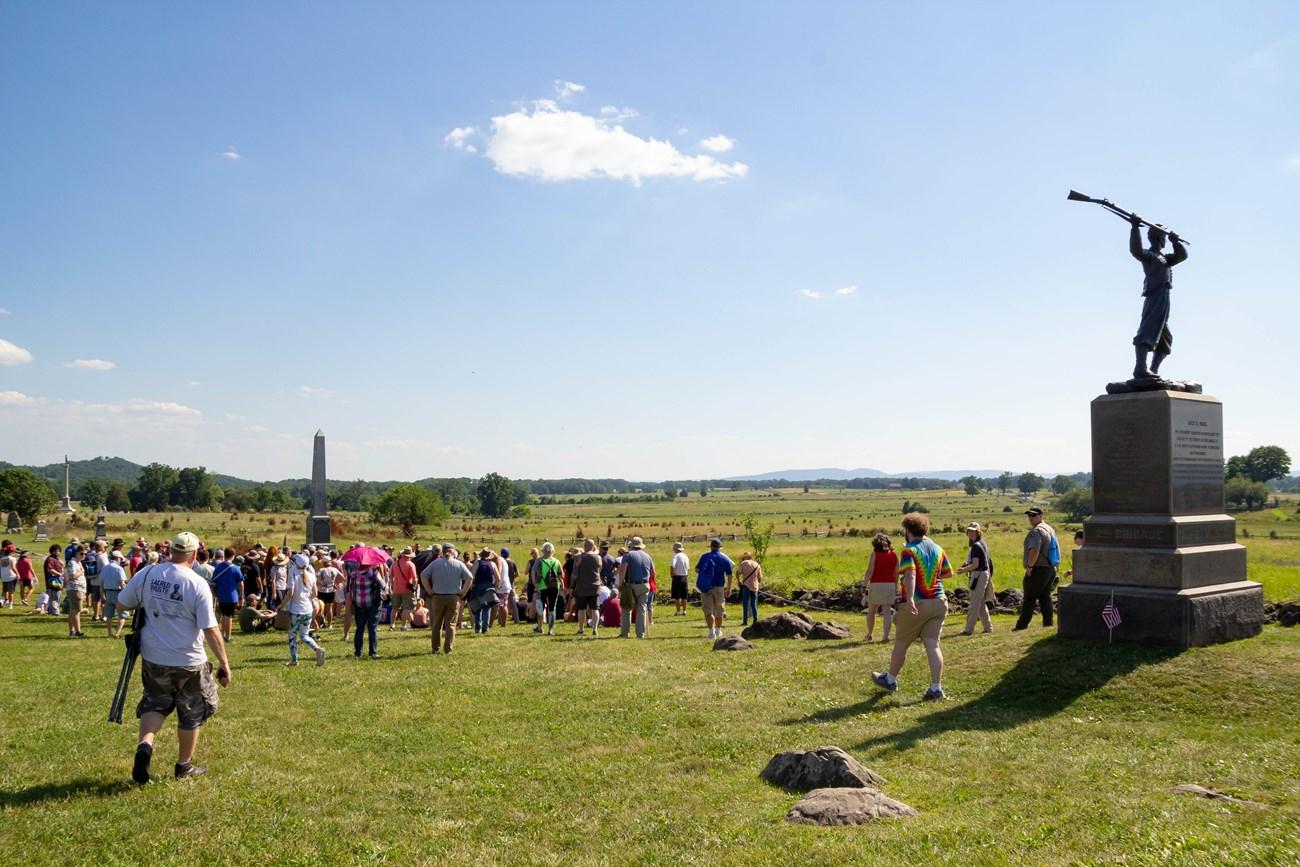 Gettysburg
, Pennsylvania, brings Civil War history to life through its battlefield, museums, historic streets, monuments and thoughtful local culture.
6 h 9 min drive · 349 km from city centre
Gettysburg
Gettysburg, Pennsylvania, brings Civil War history to life through its battlefield, museums, historic streets, monuments and thoughtful local culture.
6 h 9 min drive · 349 km from city centre
-
-

-


Swipe for more cities
Explore more

Explore more of Pennsylvania
Discover Pennsylvania: A blend of rich history, breathtaking nature, and vibrant culture awaits you in the Keystone State.
Explore Pennsylvania