

Free Western Pennsylvania Travel Guide & Mobile App
Explore Western Pennsylvania with free travel guides. Discover regional history, expert tips, proposed trips, and audio guides on web or mobile app.


Explore Western Pennsylvania for Pittsburgh culture, Lake Erie beaches, steel heritage, forested hills and the outdoor landscapes of the Laurel Highlands.
Getting to and around Western Pennsylvania
How to get there
Transportation
Top city travel guides in Western Pennsylvania
The cities of Western Pennsylvania, and the easiest places to base yourself.
-

-
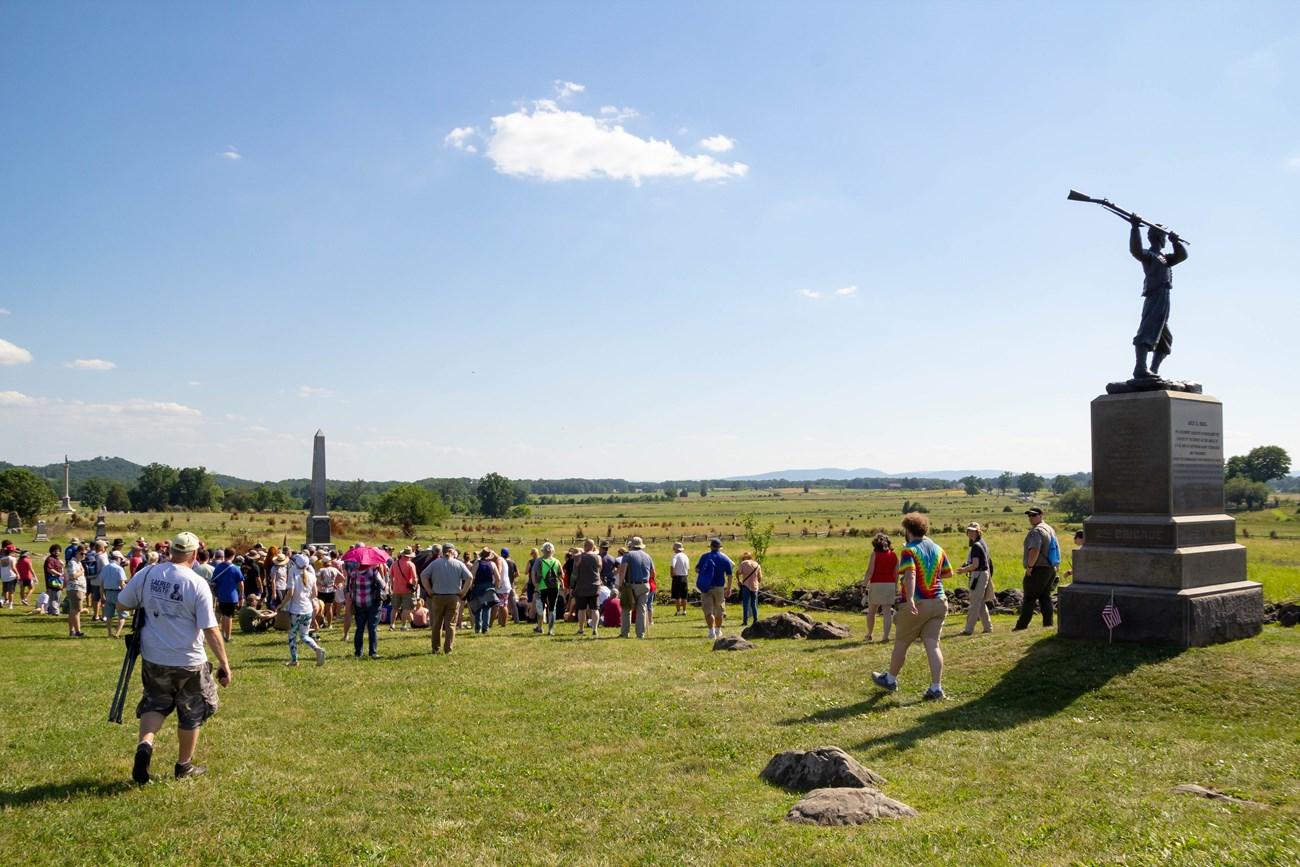 Gettysburg
, Pennsylvania, brings Civil War history to life through its battlefield, museums, historic streets, monuments and thoughtful local culture.
-


Swipe for more cities
Destinations in Western Pennsylvania
Resorts, valleys and scenic spots worth a trip of their own.
-
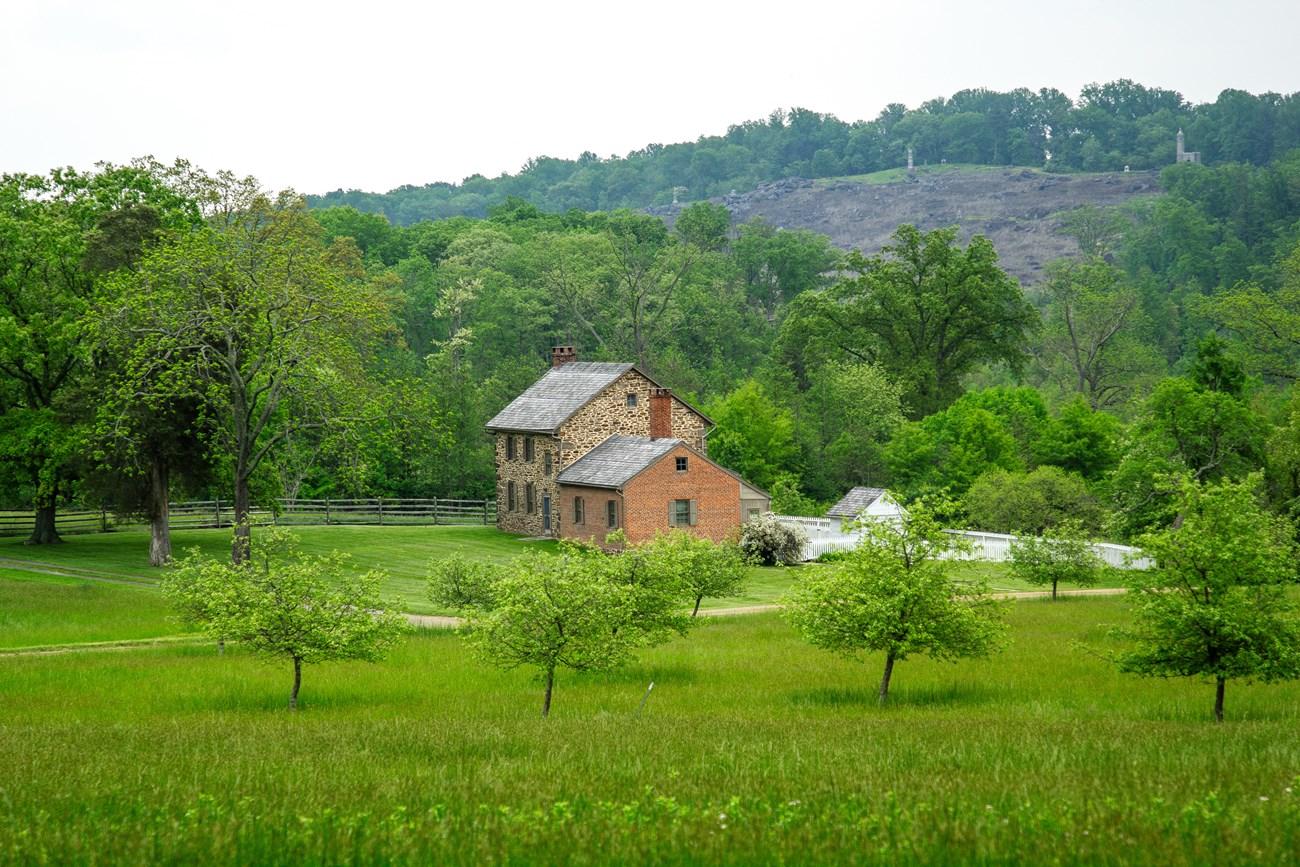 Gettysburg Battlefield
 in Pennsylvania traces the 1863 Civil War battle through monuments, historic fields, museum exhibits and guided tours near Gettysburg.
-

-
-

-
-


Swipe for more destinations
Best attractions in Western Pennsylvania
Western Pennsylvania offers a broad mix of urban culture, industrial heritage and outdoor recreation. Pittsburgh's museums include the Carnegie Museum of Natural History, Carnegie Museum of Art and the Andy Warhol Museum, while the city's rivers, bridges and former industrial corridors provide a distinctive setting for walking, cycling and riverfront events. In the Laurel Highlands, Fallingwater, Ohiopyle State Park and Fort Necessity National Battlefield combine architecture, conservation and frontier history. Johnstown interprets the 1889 flood and the valley's industrial past through museums and historic sites. North-western Pennsylvania brings a different experience at Presque Isle State Park, with beaches, lagoons, trails and birdlife on Lake Erie, while the Allegheny National Forest and Kinzua Bridge State Park offer woodland scenery, overlooks and more remote recreation. Rail heritage around Altoona, the Flight 93 National Memorial near Shanksville and historic river communities add further depth. The attraction landscape is therefore less a single circuit than a series of contrasting areas best approached through separate day trips or short touring itineraries.
-
Amusement park
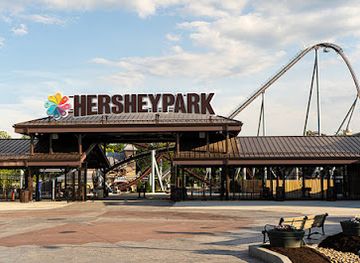
Hersheypark
Experience thrilling rides, family fun, and Hershey's sweetest treats at Hersheypark, Pennsylvania's premier amusement park for all ages.
-
Historical place
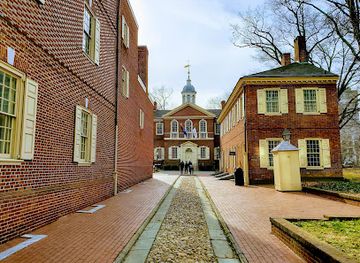
Independence National Historical Park
Discover the birthplace of American independence at Independence National Historical Park, where history comes alive through iconic landmarks and rich narratives.
-
Art museum
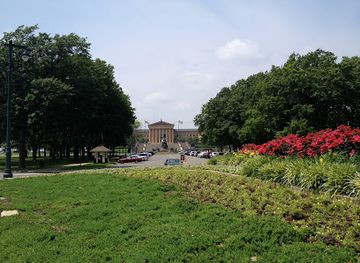
Philadelphia Museum of Art
Explore a world of art at the Philadelphia Museum of Art, featuring stunning collections and vibrant exhibitions in a historic setting.
-
Historical landmark
Liberty Bell
Discover the Liberty Bell, a historic symbol of freedom in Philadelphia, where history and national pride come alive for every visitor.
Best landmarks in Western Pennsylvania
Pittsburgh's three rivers and its dense collection of bridges are the region's defining urban landmarks, with the Point State Park fountain marking the confluence that shaped the city's strategic and commercial importance. The Duquesne and Monongahela inclines climb Mount Washington and provide a visual connection between the river valleys and the hilltop city, while the historic Allegheny County Courthouse and former industrial districts express Pittsburgh's civic and manufacturing past. Fallingwater near Mill Run is a landmark of twentieth-century architecture, designed by Frank Lloyd Wright above a waterfall and carefully integrated with its wooded setting. The Kinzua Bridge State Park skywalk in McKean County represents both railway engineering and the force of a 2003 tornado that destroyed much of the original viaduct. In the south-western uplands, Fort Necessity and the reconstructed Mount Washington Tavern recall the colonial frontier. The Flight 93 National Memorial near Shanksville is a major contemporary landmark of remembrance, while the Lake Erie shore and Presque Isle peninsula provide a natural counterpart to the region's built heritage.
-
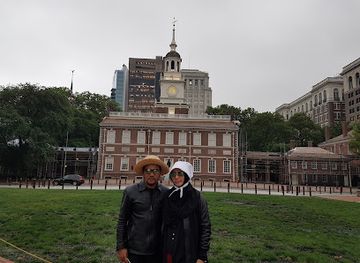
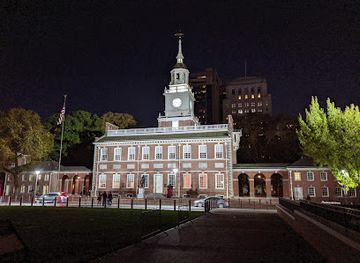
Historical place
Independence National Historical Park
Discover the heart of America’s history at Independence National Historical Park, where freedom and democracy were born.
-
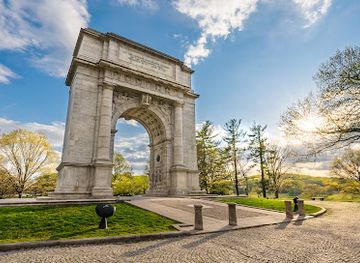
Park
Valley Forge National Historical Park
Discover the breathtaking Valley Forge National Historical Park, where history and nature unite in a stunning landscape of remembrance and recreation.
-
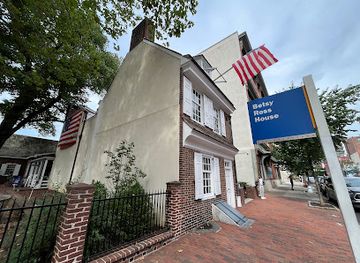
Historical landmark
Betsy Ross House
Explore the Betsy Ross House in Philadelphia, where history comes alive with the story of America's first flag and its iconic seamstress.
-
History museum
Senator John Heinz History Center
Explore the history of Western Pennsylvania at the Senator John Heinz History Center, where the past comes alive through engaging exhibits and rich storytelling.

Explore Western Pennsylvania on the map
Plan your trip on one map. See where the top cities, national parks and sights are, and book hotels and experiences in a few clicks.
Best hotels in Western Pennsylvania
Best restaurants in Western Pennsylvania
Dining in western Pennsylvania reflects Pittsburgh's industrial-era immigration as well as the produce and traditions of its surrounding countryside. Pierogies, stuffed cabbage, kielbasa, chipped ham and wedding soup appear alongside Italian-American cooking, Appalachian influences and contemporary interpretations of the region's working-class food culture. Pittsburgh neighbourhoods offer everything from longstanding diners and bakeries to modern restaurants, while the Strip District is associated with food shops, market stalls and speciality ingredients. In the Laurel Highlands, rural inns, cafés and seasonal farm-based menus make use of apples, berries, mushrooms, venison and other local produce, although availability varies by season. Erie contributes freshwater and lake-region flavours, with local wineries and orchards in the wider area. Farmers' markets, craft breweries, roadside produce stands and independent bakeries are useful places to encounter regional products. Tipping remains customary in full-service restaurants, and menus often reflect the broader American practice of generous portions and optional substitutions.
-
Restaurant
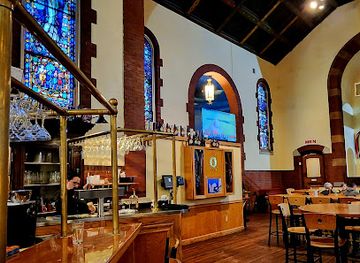
The Church Brew Works
Discover Pittsburgh's unique brewpub experience at The Church Brew Works—where culinary delights meet handcrafted beers in a historic setting.
-
Restaurant
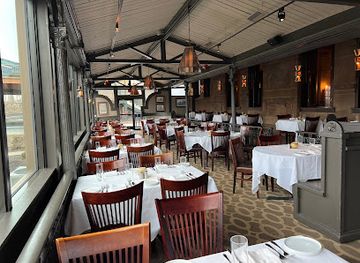
Grand Concourse
Discover Pittsburgh's Grand Concourse: A blend of history and gourmet dining set against scenic riverfront views.
-
American
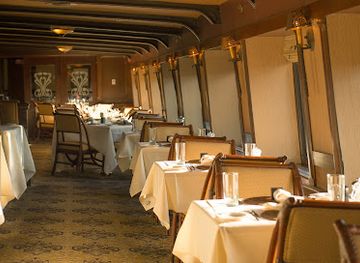
Moshulu
Experience fine dining aboard Moshulu - Philadelphia's iconic floating restaurant offering American cuisine with stunning river views.
-
Brunch
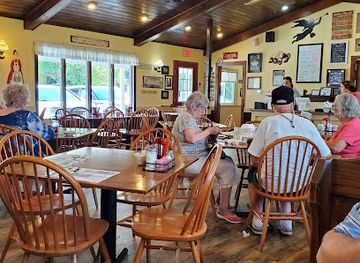
Brown's Country Kitchen
Experience the best brunch in Portersville at Brown's Country Kitchen - where comfort food meets warm hospitality.
Best bars in Western Pennsylvania
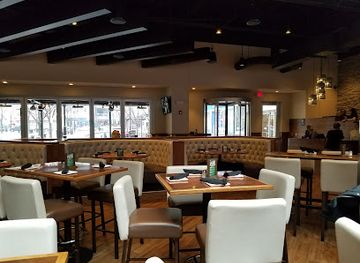
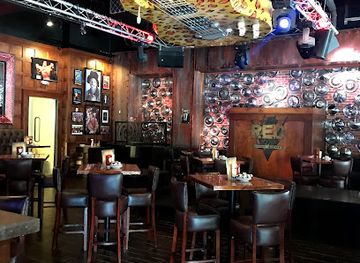
Pittsburgh has the region's most varied evening scene, ranging from traditional neighbourhood taverns and historic-style pubs to cocktail bars, breweries, live-music rooms and venues associated with its theatre and cultural districts. The Strip District, Lawrenceville, South Side, Downtown and other central neighbourhoods each have different patterns of evening activity, though establishments and trading arrangements change over time. Erie offers bars, breweries, waterfront-season venues and live entertainment on a smaller scale. In Johnstown, Greensburg, Altoona and Laurel Highlands communities, evenings are more commonly centred on pubs, restaurants, local music and seasonal events than on large nightclubs. Rural districts require planning because venues may be widely separated and late-night transport is limited. Alcohol is regulated under Pennsylvania law, and visitors should carry accepted identification and arrange a safe journey rather than rely on walking between dispersed establishments.
-
American
City Works (Market Square - Pittsburgh)
Discover the perfect blend of American cuisine and sports excitement at City Works in Pittsburgh's Market Square.
-
Grill
Tequila Cowboy
Experience the vibrant atmosphere, delicious grill cuisine, and lively nightlife at Tequila Cowboy, Pittsburgh's top destination for fun and flavor.
-
Bar
Max's Allegheny Tavern
Savor authentic German dishes and an extensive beer selection at Max's Allegheny Tavern in Pittsburgh.
-
German
Hofbräuhaus Pittsburgh
Discover authentic German flavors and vibrant atmosphere at Hofbräuhaus Pittsburgh, a must-visit brewery and restaurant in the heart of the city.


Best nightclubs in Western Pennsylvania
Pittsburgh has the region's most varied evening scene, ranging from traditional neighbourhood taverns and historic-style pubs to cocktail bars, breweries, live-music rooms and venues associated with its theatre and cultural districts. The Strip District, Lawrenceville, South Side, Downtown and other central neighbourhoods each have different patterns of evening activity, though establishments and trading arrangements change over time. Erie offers bars, breweries, waterfront-season venues and live entertainment on a smaller scale. In Johnstown, Greensburg, Altoona and Laurel Highlands communities, evenings are more commonly centred on pubs, restaurants, local music and seasonal events than on large nightclubs. Rural districts require planning because venues may be widely separated and late-night transport is limited. Alcohol is regulated under Pennsylvania law, and visitors should carry accepted identification and arrange a safe journey rather than rely on walking between dispersed establishments.
-
Cocktail bar
Mixtape
Discover Mixtape, a vibrant cocktail bar and lounge in Pittsburgh, where creative drinks and a cozy atmosphere await you.
-
Night club
Nightclub Reverb
Discover the electrifying nightlife at Nightclub Reverb, Reading's ultimate destination for music, dancing, and unforgettable experiences.
-
Bar
P Town Bar
Discover the lively atmosphere of P Town Bar, a premier gay and karaoke bar in Pittsburgh, where every night is a celebration of fun and inclusivity.
-
Bar
Jimmy D's
Discover the energetic nightlife at Jimmy D's, a vibrant bar in Pittsburgh's South Side Flats, perfect for drinks and live entertainment.


Best shops in Western Pennsylvania
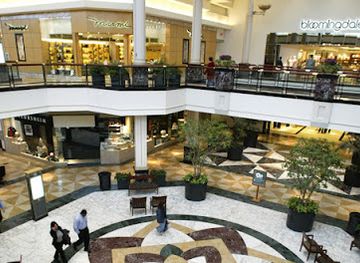
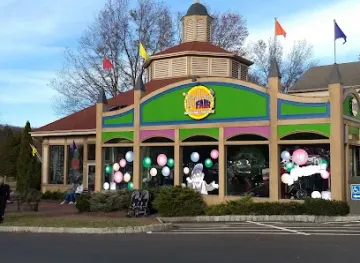
Shopping in western Pennsylvania ranges from Pittsburgh's independent neighbourhood streets and food-oriented Strip District to the traditional high streets of Erie, Greensburg, Indiana, Indiana County, and smaller market towns. Pittsburgh is particularly useful for regional food products, books, art, vintage goods, specialist groceries and locally made crafts, while galleries and studio shops provide work by artists from the wider Appalachian and Great Lakes region. In the Laurel Highlands, visitors will find antiques, handmade items, pottery, woodwork, farm products and souvenirs connected with outdoor travel, though retail is dispersed rather than concentrated in one large shopping district. Erie combines conventional retail with independent shops and seasonal markets, and rural communities often sell apples, preserves, maple products, baked goods and locally produced wine or beer. Farmers' markets are a practical way to encounter local produce, but their days and seasons vary. Carrying goods carefully is important in summer market heat, and smaller businesses may accept cards but appreciate cash for modest purchases.
-
Shopping mall
King of Prussia
Discover the ultimate shopping experience at King of Prussia, featuring luxury brands, diverse dining, and endless entertainment options.
-
Shopping mall
Peddler's Village
Experience the quaint charm of Peddler's Village, a premier shopping and dining destination in Lahaska, PA, with unique boutiques and delicious culinary delights.
-
Outlet mall
Pocono Premium Outlets
Discover unbeatable deals at Pocono Premium Outlets, where fashion meets affordability in the scenic Pocono Mountains.
-
Outlet mall
Philadelphia Premium Outlets
Discover unbeatable deals at Philadelphia Premium Outlets, where shopping meets savings in a vibrant outdoor setting.

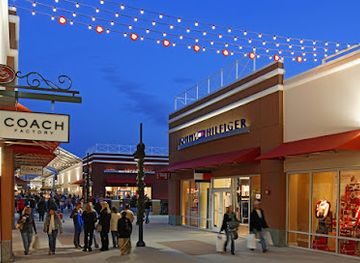
Get your free copy of our complete guide to Western Pennsylvania, delivered straight to you.
Everything on this page, from attractions and restaurants to essentials and local phrases, in one PDF you can read offline, print or share.
Already have an account? Sign in
Your Western Pennsylvania guide is ready.
We'll send it to · Not you? Sign out

Getting your guide ready…
We are putting together a fresh copy of the Western Pennsylvania guide. This can take up to a minute.
This can take a few moments. If your browser asks, choose Allow so the download can start. You'll find the guide in your Downloads folder.
Nothing happened? Download it again
Sorry, the guide is taking longer than usual. Please try again in a minute, or get it by email instead.
Western Pennsylvania essentials
Currency and Payment
Safety
Emergency Situations
Do's and Don'ts
Local Tips
From Eve
Local phrases worth knowing
You don't need to get them perfect. A few words go a long way, and locals appreciate the effort.
Basics
| English | Local | Say it |
|---|---|---|
| Hello | Howdy | [Ha-dee] |
| Goodbye | See ya | [See yah] |
| Yes | Yep | [Yep] |
| No | Nah | [Nah] |
| Please/You're welcome | No problem | [No prob-lem] |
| Thank you | Thanks | [Thangs] |
| Excuse me/Sorry | Excuse me | [Ex-cuse me] |
| How are you? | How ya doin'? | [How yah doin'?] |
| Fine. And you? | Good. And you? | [Good. An' you?] |
| Do you speak English? | Ya speakin' English? | [Ya speakin' Ing-lish?] |
| I don't understand | I don’t get it | [I don’t git it] |
Eating & Drinking
| English | Local | Say it |
|---|---|---|
| I'd like to see the menu, please | Can I see the menu? | [Can I see the men-you?] |
| I don't eat meat | I don't eat no meat | [I don’t eat no meet] |
| Cheers! | Cheers! | [Cheers!] |
| I would like to pay, please | Can I get the check? | [Can I get the check?] |
Emergencies
| English | Local | Say it |
|---|---|---|
| Help! | Help! | [Help!] |
| Go away! | Get lost! | [Get lost!] |
| Call the Police! | Call the cops! | [Call the cops!] |
| Call a doctor! | Get a doctor! | [Get a doc-tor!] |
| I'm lost | I’m lost | [I’m lost] |
| I'm ill | I ain't feelin' good | [I ain't feelin' good] |
Shopping
| English | Local | Say it |
|---|---|---|
| I'd like to buy... | I wanna buy... | [I wanna buy...] |
| I'm just looking | Just lookin' | [Just lookin'] |
| How much is it? | How much is this? | [How much is this?] |
| That's too expensive | That's too pricey | [That's too price-ee] |
| Can you lower the price? | Can ya knock down the price? | [Can yah knock down the price?] |
Time & Numbers
| English | Local | Say it |
|---|---|---|
| What time is it? | What time's it? | [What time's it?] |
| It's one o'clock | It's one o'clock | [It's one o'clock] |
| Half past (10) | Half past ten | [Half past ten] |
| Morning | Mornin' | [Mornin'] |
| Afternoon | Afternoon | [Afternoon] |
| Evening | Evenin' | [Evenin'] |
| Yesterday | Yest'day | [Yest'day] |
| Today | To-day | [To-day] |
| Tomorrow | Tomorrah | [Tomor-rah] |
| 1 | One | [One] |
| 2 | Two | [Two] |
| 3 | Three | [Three] |
| 4 | Four | [Four] |
| 5 | Five | [Five] |
| 6 | Six | [Six] |
| 7 | Seven | [Seven] |
| 8 | Eight | [Eight] |
| 9 | Nine | [Nine] |
| 10 | Ten | [Ten] |
Transport & Directions
| English | Local | Say it |
|---|---|---|
| Where's a/the...? | Where's a ...? | [Where's a ...?] |
| What's the address? | What's the address? | [What's the address?] |
| Can you show me (on the map)? | Can ya show me on the map? | [Can yah show me on the map?] |
| When's the next (bus)? | When's the next bus? | [When's the next bus?] |
| A ticket (to ....) | A ticket to ... | [A ticket to ...] |
History of Western Pennsylvania
Indigenous Homelands and the Ohio Country
Long before European settlement, the region was inhabited and used by Indigenous peoples, including communities associated with the Haudenosaunee Confederacy, Lenape and Shawnee, among others. The forks of the Ohio at present-day Pittsburgh were strategically important because rivers connected the Great Lakes, the interior and the Mississippi basin. Archaeological evidence and surviving Indigenous place names form part of a deeper history often obscured by later colonial development. During the eighteenth century, rival British and French claims and Indigenous diplomacy made western Pennsylvania a contested borderland.
Fort Duquesne and the Colonial Frontier
The struggle for control of the Ohio country brought French and British forces into direct conflict. The French established Fort Duquesne at the forks of the Ohio, while British expeditions attempted to seize the position. In 1754, the young George Washington's defeat at nearby Fort Necessity helped ignite the French and Indian War, the North American theatre of the global Seven Years' War. Fort Necessity National Battlefield and reconstructed frontier sites in the Laurel Highlands preserve the setting of these events and their consequences for imperial power.
Settlement, Agriculture and the Early Republic
After the American Revolution, settlers moved into western Pennsylvania through river valleys and over mountain routes, establishing farms, mills, churches and market towns. Pittsburgh grew at a strategic transportation junction, while places such as Greensburg, Washington and Bedford served surrounding agricultural districts, although Bedford lies east of the region's core. Albert Gallatin, whose home Friendship Hill is preserved near Point Marion, represented the political and economic importance of the western counties in the early republic. Canals, turnpikes and river navigation gradually connected the interior with eastern markets.
Canals, Railways and Industrial Expansion
Nineteenth-century transport transformed western Pennsylvania. The Pennsylvania Canal and later railways linked Pittsburgh and the mountain valleys with Philadelphia, the Great Lakes and the wider national economy. Coal from the surrounding hills fuelled ironworks, locomotives, glassmaking and other industries. Johnstown, Altoona, Pittsburgh and numerous smaller communities expanded around mills, rail yards and mines. Rail engineering shaped Altoona in particular, while Pittsburgh's riverfront industrial districts became the foundation of a manufacturing metropolis. The region's landscape, labour patterns and settlement map still reflect this period.
Steel, Immigration and the Working City
From the late nineteenth century into the twentieth, Pittsburgh became one of the world's best-known steel centres, supported by coal, railways and river transport. The industry attracted migrants from Europe and drew workers from across the United States, creating neighbourhoods with distinctive churches, social clubs, foods and languages. Industrial power brought wealth as well as dangerous work, polluted air and intense labour conflict, including the Homestead Strike of 1892 south-east of Pittsburgh. Steelmaking also spread through the Monongahela and Allegheny valleys, leaving a substantial architectural and social legacy.
The Johnstown Flood of 1889
On 31 May 1889, the South Fork Dam failed after heavy rain, sending a devastating flood through the Conemaugh Valley and Johnstown. More than 2,000 people died, making it one of the worst disasters in United States history at the time. The dam had been associated with an exclusive private club whose members included prominent industrialists, prompting lasting questions about responsibility, infrastructure and inequality. The Johnstown Flood Museum, the preserved South Fork Dam site and the surrounding landscape help visitors understand both the event and the industrial communities it affected.
Deindustrialisation and Regional Reinvention
From the 1970s, international competition, technological change and the collapse of much American steel production caused severe economic disruption across western Pennsylvania. Mills closed, employment fell and many river valleys faced population loss and environmental damage. Pittsburgh subsequently developed strengths in healthcare, education, technology, finance, culture and robotics, while brownfield reclamation opened parts of former industrial land to new uses. Other communities continue to balance manufacturing, energy, logistics, heritage tourism and outdoor recreation. The region's present identity therefore combines industrial memory with ongoing economic adaptation.
Western Pennsylvania in Photos
Browse through our photo collection highlighting the charm and character of the destination.
Neighbouring regions of Western Pennsylvania
The closest regions to Western Pennsylvania, if you have time for more than one.
-

-

-

-
-
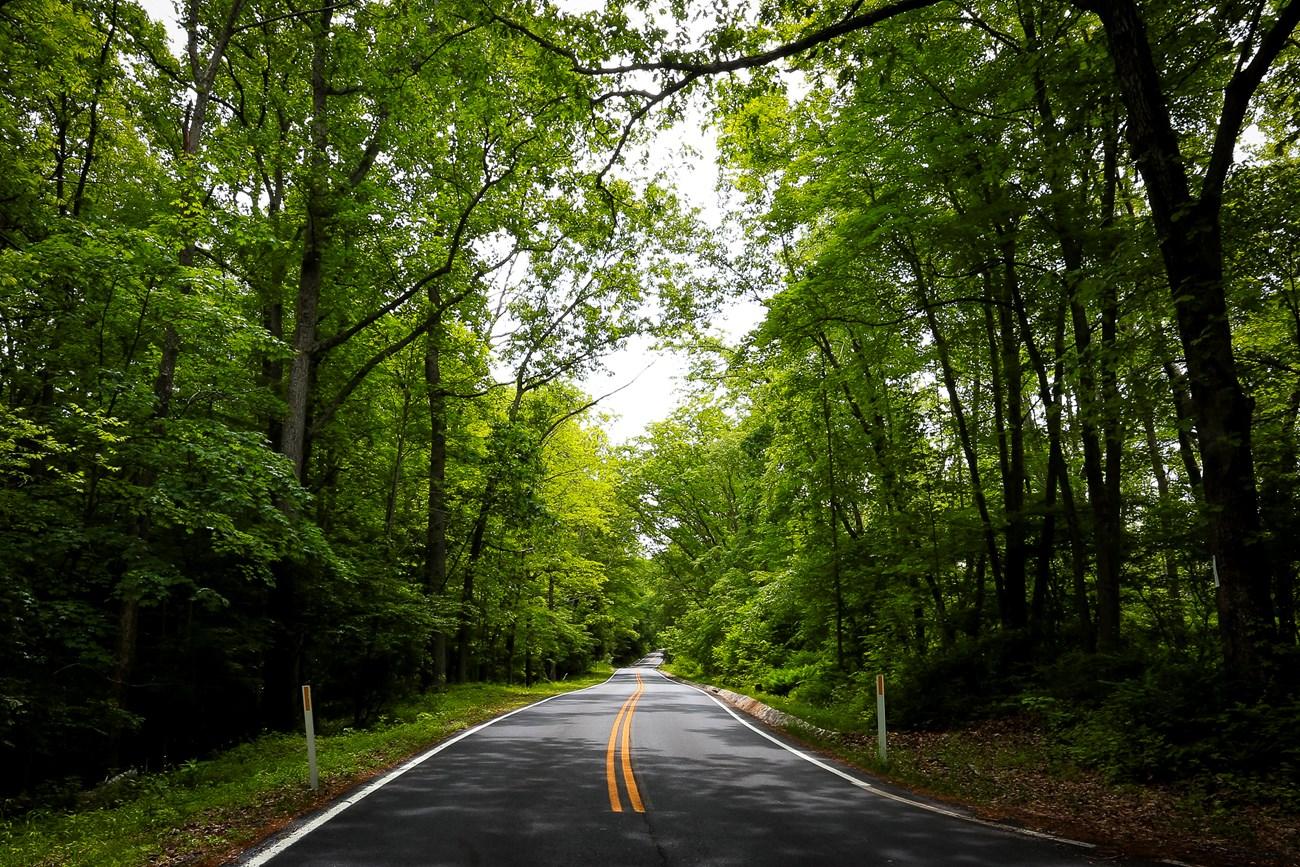 Appalachian Mountains
Explore Pennsylvania’s Appalachian Mountains for forested ridges, waterfall trails, historic towns, river valleys and landmark architecture.


Swipe for more regions
Explore more

Explore more of Pennsylvania
Discover Pennsylvania: A blend of rich history, breathtaking nature, and vibrant culture awaits you in the Keystone State.
Explore Pennsylvania