

Yanahuara (Arequipa) Travel Guide - Free
Explore Yanahuara in Arequipa with Evendo's free guide. Find the best shops, historic streets, restaurants, and gems on web or mobile.


Yanahuara in Arequipa pairs white sillar streets, the famous mirador, colonial heritage, picanterías and clear views of Peru’s volcanoes.
Colonial Streets and Volcanic Horizons
\n\nYanahuara occupies a gentle rise just west of Arequipa’s historic centre, where white volcanic-stone buildings, narrow lanes and irrigated gardens frame some of the city’s clearest views towards Misti, Chachani and Pichu Pichu. Its best-known viewpoint, the Mirador de Yanahuara, is a series of sillar arches overlooking the city and its surrounding peaks. The arches are engraved with verses and commemorative inscriptions, making the site both a scenic stop and a distinctly Arequipeñan piece of civic architecture.\n\nA District with a Local Identity
\n\nYanahuara is more than a lookout. Around the Plaza de Yanahuara stands the Iglesia de San Juan Bautista, an elegant eighteenth-century church whose carved sillar façade reflects the regional blend of Spanish forms and Andean workmanship. Behind the principal square, residential streets retain a quieter rhythm, with traditional houses, high walls, flowering courtyards and old irrigation channels. The district developed from an indigenous settlement and agricultural landscape into one of Arequipa’s established urban areas, while preserving a strong sense of place.\n\nPicanterías and Everyday Arequipa
\n\nFood is central to the Yanahuara experience. Traditional picanterías serve substantial Arequipeñan dishes such as rocoto relleno, chupe de camarones, adobo and solterito, often in atmospheric buildings adapted to modern dining. The streets around the plaza and Avenida Ejército also offer cafés, restaurants and practical links into the wider city. Visitors will find that the neighbourhood is most rewarding when explored on foot: combine the church and mirador with a slow walk through the surrounding lanes, then pause for regional cooking rather than treating Yanahuara as a single viewpoint.Best attractions in Yanahuara
The central attraction is the Mirador de Yanahuara, where carved sillar arches open towards Misti and the other volcanoes surrounding Arequipa; the inscriptions also make the viewpoint a compact expression of local civic culture. Nearby, the Plaza de Yanahuara provides a handsome setting for the Iglesia de San Juan Bautista, whose ornate stone façade rewards close observation. Beyond these recognised sights, Yanahuara is best explored through its quieter lanes, courtyard houses, garden walls and surviving irrigation channels, which show how the district grew from an agricultural settlement into an established urban neighbourhood. Traditional picanterías add a culinary dimension to sightseeing, while Avenida Ejército offers a busier contrast with cafés, restaurants and ordinary city life. The area’s appeal lies in the relationship between architecture and landscape: white volcanic stone, cultivated greenery and broad Andean views appear repeatedly as visitors move between the plaza and residential streets.
-
Tourist attraction
Plaza de Yanahuara
Explore the beauty of Plaza de Yanahuara, a captivating park in Arequipa that blends stunning views, rich culture, and vibrant local life.
1 min walk · 0.1 km from neighbourhood centre
-
Tourist attraction
Selva Alegre Park
Explore the serene beauty and vibrant wildlife of Selva Alegre Park, a lush escape in Arequipa, Peru, perfect for relaxation and outdoor activities.
15 min walk · 1.2 km from neighbourhood centre
-
Tourist attraction
Mundo Alpaca
Explore the rich textile heritage of Peru at Mundo Alpaca, Arequipa's premier boutique for alpaca clothing and cultural experiences.
13 min walk · 1.0 km from neighbourhood centre
-
Tourist attraction
Tótem - Arequipa, Perú
Explore the breathtaking Tótem of Arequipa—an iconic symbol of culture and history set against the stunning backdrop of the Andes mountains.
2 min walk · 0.1 km from neighbourhood centre


Best landmarks in Yanahuara
Yanahuara’s defining landmarks are built from sillar, the pale volcanic stone that gives much of Arequipa its architectural character. The Mirador de Yanahuara’s arched arcade is both a viewing structure and a civic monument, with carved inscriptions that connect the neighbourhood to Arequipa’s literary and public identity. The Iglesia de San Juan Bautista, facing the Plaza de Yanahuara, is the district’s principal historic church and is especially notable for its richly worked eighteenth-century façade. The plaza itself forms an important spatial landmark, linking religious architecture with public life, while older houses, high walls, gardens and irrigation channels preserve traces of the area’s agricultural past. Avenida Ejército represents a different layer: a major urban corridor connecting Yanahuara with the wider city and its commercial growth. Together, these features show how indigenous settlement, colonial parish life, volcanic geology and modern metropolitan development remain visible within a compact district.
-
Historical landmark
Plaza de Armas Arequipa
Experience the vibrant charm and historical significance of Plaza de Armas Arequipa, a must-visit destination in the heart of Peru.
18 min walk · 1.5 km from neighbourhood centre
-
Scenic spot
Yanahuara Scenic Overlook
Discover the stunning Yanahuara Scenic Overlook, where breathtaking views of Arequipa's volcanoes meet rich cultural heritage.
2 min walk · 0.1 km from neighbourhood centre
-
Park
Plaza de Yanahuara
Explore the captivating beauty and cultural heritage of Plaza de Yanahuara, a serene park offering breathtaking views and vibrant local life in Arequipa, Peru.
1 min walk · 0.1 km from neighbourhood centre
-
Archaeological museum
Museo Santuarios Andinos
Explore the rich cultural heritage of the Andes at Museo Santuarios Andinos in Arequipa, home to the famous Ice Maiden and incredible archaeological treasures.
5 min drive · 1.5 km from neighbourhood centre


Explore Yanahuara on the map
A handpicked selection of must-see spots in Yanahuara, mapped for you.
Best hotels in Yanahuara
Best restaurants in Yanahuara
Yanahuara is one of the most useful parts of Arequipa for experiencing picantería cooking, the region’s hearty culinary tradition historically associated with communal daytime meals, chicha and substantial local dishes. Established names such as La Nueva Palomino and Sol de Mayo are associated with Yanahuara’s dining identity, while the streets around the plaza and Avenida Ejército contain further restaurants, cafés and contemporary options. Menus commonly include rocoto relleno, chupe de camarones, adobo, solterito and other Arequipeñan specialities, with portions that reflect the cuisine’s rural and highland roots. Picanterías may occupy atmospheric buildings with courtyards or rustic details, making the setting part of the experience. Visitors should ask about ingredients and spice levels, particularly with rocoto-based dishes, and should not assume that a traditional restaurant functions like a quick snack stop. The district’s food culture is strongest when regional cooking is treated as part of Yanahuara’s history rather than simply as a list of local dishes.
-
Peruvian
La Nueva Palomino
Experience authentic Peruvian cuisine at La Nueva Palomino in Yanahuara – a culinary gem where tradition meets flavor.
4 min walk · 0.4 km from neighbourhood centre
-
Restaurant
Restaurante El Cebillano
Discover exquisite fusion cuisine at Restaurante El Cebillano in Yanahuara - where tradition meets innovation in every bite.
5 min walk · 0.4 km from neighbourhood centre
-
Restaurant
Sol de Mayo
Experience authentic Peruvian cuisine at Sol de Mayo in Yanahuara - where tradition meets flavor.
4 min walk · 0.4 km from neighbourhood centre
-
Peruvian
Callejón Ugarte
Experience the essence of Peruvian cuisine at Callejón Ugarte in Arequipa – where tradition meets flavor in every bite.
3 min walk · 0.2 km from neighbourhood centre


Best bars in Yanahuara
Yanahuara is not primarily a late-night clubbing district, and its evenings tend to centre on restaurants, cafés and relaxed drinks rather than large dance venues. Around Avenida Ejército and the busier roads are contemporary bars and dining rooms where visitors can continue an evening after exploring the mirador, while traditional picanterías often provide a more characterful setting for regional food and conversation. Some hotels and restaurants offer rooftop or terrace views towards the city, though availability and opening arrangements vary. The neighbourhood becomes quieter in its residential lanes after dinner, so visitors seeking Arequipa’s fullest concentration of late-night entertainment may need to continue towards the historic centre or other city districts. Keep noise low near homes, use arranged transport for the return journey and treat the viewpoint and church area as public heritage spaces rather than nightlife venues.
-
Grill
LUCKY AND CRAZY Beer and grill
Discover the vibrant flavors of Arequipa at LUCKY AND CRAZY Beer and Grill, where every meal is a celebration of taste and atmosphere.
15 min walk · 1.2 km from neighbourhood centre
-
Restaurant
Seven Restobar
Discover the culinary treasures of Peru at Seven Restobar, a vibrant gastropub in Yanahuara offering gourmet dishes and an inviting atmosphere.
5 min walk · 0.4 km from neighbourhood centre
-
Bar
KeNi's Place
Experience the vibrant nightlife at KeNi's Place in Yanahuara, where delicious drinks and a friendly atmosphere await every visitor.
5 min walk · 0.4 km from neighbourhood centre
-
 Gastropub
Epoca
Discover the vibrant flavors of Peru at Epoca, a top gastropub in Yanahuara offering a unique culinary experience.
5 min walk · 0.4 km from neighbourhood centre


Best nightclubs in Yanahuara
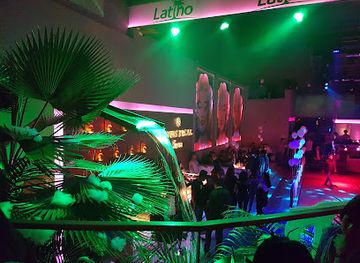
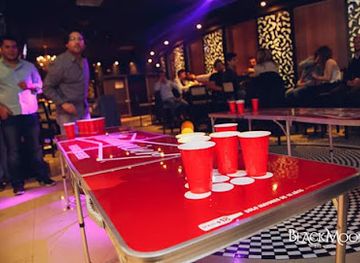
Yanahuara is not primarily a late-night clubbing district, and its evenings tend to centre on restaurants, cafés and relaxed drinks rather than large dance venues. Around Avenida Ejército and the busier roads are contemporary bars and dining rooms where visitors can continue an evening after exploring the mirador, while traditional picanterías often provide a more characterful setting for regional food and conversation. Some hotels and restaurants offer rooftop or terrace views towards the city, though availability and opening arrangements vary. The neighbourhood becomes quieter in its residential lanes after dinner, so visitors seeking Arequipa’s fullest concentration of late-night entertainment may need to continue towards the historic centre or other city districts. Keep noise low near homes, use arranged transport for the return journey and treat the viewpoint and church area as public heritage spaces rather than nightlife venues.
-
Disco club
La Casona Forum
Experience the vibrant nightlife at La Casona Forum, Arequipa's top disco club with electrifying music and an unforgettable atmosphere.
16 min walk · 1.3 km from neighbourhood centre
-
Disco club
Patria 209
Discover Arequipa's vibrant nightlife at Patria 209, a premier disco club where thrilling music and unforgettable moments await you.
6 min walk · 0.4 km from neighbourhood centre
-
Disco club
Deja Vu
Discover the vibrant nightlife of Arequipa at Deja Vu, a premier disco club offering a dynamic atmosphere and eclectic music for an unforgettable experience.
16 min walk · 1.2 km from neighbourhood centre
-
Disco club
BLACK MOON - Bar club
Discover the electric atmosphere of BLACK MOON - Bar Club in Arequipa, where nightlife meets extraordinary entertainment and unforgettable moments.
7 min walk · 0.5 km from neighbourhood centre


Best shops in Yanahuara
Shopping in Yanahuara is practical and mixed rather than concentrated in one historic bazaar. Avenida Ejército is the main commercial corridor, with cafés, everyday services, restaurants, pharmacies and modern retail, while the streets around the plaza contain smaller businesses serving local residents. Visitors may find Arequipeñan food products, sweets, textiles and craft items through specialist shops or temporary displays, but the neighbourhood is better known for its architecture, viewpoint and dining than for a single signature market. The clearest retail experience comes from browsing independently rather than expecting a large souvenir quarter: look at small food shops, bakeries and local businesses, then compare offerings with those in Arequipa’s historic centre. Ask permission before photographing shop interiors or handmade work, and remember that stock and opening arrangements vary. Yanahuara’s commercial character is valuable precisely because it remains part of an inhabited district rather than a purpose-built shopping zone.
-
Gift shop
Regalos Arequipa
Discover unique Peruvian souvenirs at Regalos Arequipa, a charming gift shop in Yanahuara showcasing local artisanal craftsmanship.
11 min walk · 0.9 km from neighbourhood centre
-
Clothing store
C´Sexy Fashion Boutique
Explore the vibrant fashion scene at C´Sexy Fashion Boutique in Yanahuara, where style meets exceptional service and local flair.
13 min walk · 1.1 km from neighbourhood centre
-
Boutique
RQ Tendencias Store
Explore RQ Tendencias Store in Arequipa for a unique blend of contemporary fashion and local artistry in a vibrant boutique setting.
18 min walk · 1.5 km from neighbourhood centre
-
Gift shop
All memories Store Aqp
Explore the charm of Peru at All Memories Store Aqp, a unique gift shop melding local artistry with a passion for music.
18 min walk · 1.4 km from neighbourhood centre


Yanahuara essentials
Getting There
Getting Around
Safety
Emergency Situations
Do's and Don'ts
Local Tips
History of Yanahuara
The Yanahuara Indigenous Settlement
Yanahuara takes its name from the Yanahuara people, an indigenous group associated with the area before and during the Spanish colonial period. The name is often explained through a Quechua expression referring to dark clothing, although interpretations vary. The settlement occupied fertile ground near Arequipa, supported by irrigation and agriculture in the valley. Its location helps explain the district’s continuing identity as a place of gardens, cultivated plots and water channels rather than a purely monumental urban quarter.
Colonial Reorganisation and the Parish Church
Spanish colonial rule reorganised local settlements and landholding around religious institutions, roads and agricultural estates. Yanahuara retained a distinct community identity while becoming tied to the expanding city of Arequipa. The Iglesia de San Juan Bautista de Yanahuara, generally dated to the eighteenth century, became the area’s principal architectural marker. Its carved sillar façade demonstrates the regional stone-working tradition that shaped Arequipa’s churches, mansions and civic buildings.
Agricultural Land on Arequipa’s Edge
For much of its history, Yanahuara stood between the built-up city and the productive countryside of the Chili River valley. Irrigation channels, orchards and fields influenced both the local economy and the layout of streets and compounds. As Arequipa grew, roads and residential development gradually absorbed agricultural land, but the district’s mature gardens, courtyard houses and surviving acequias still reveal this earlier landscape. The transition was gradual rather than a single episode of urban transformation.
The Mirador and Modern Civic Identity
The Mirador de Yanahuara gave the district a powerful modern symbol: a row of sillar arches aligned with the volcanic landscape and decorated with inscriptions connected to Arequipa’s civic culture. It transformed an elevated neighbourhood space into one of the city’s most recognisable viewpoints. Subsequent residential and commercial growth strengthened Yanahuara’s connection to the metropolitan area, while the church, plaza, stone architecture and picanterías continued to distinguish it from newer urban districts.
Yanahuara in Photos
Browse through our photo collection highlighting the charm and character of the destination.
Neighbourhoods near Yanahuara
The closest neighbourhoods to Yanahuara, if you have time for more than one stop.
-

-
-


Swipe for more neighbourhoods
Explore more

Explore more of Arequipa
Arequipa, Peru’s white-stone city, pairs colonial architecture and volcano views with Andean history, regional cuisine and journeys to Colca Canyon.
Explore Arequipa