

Sacsayhuaman (Cusco) Travel Guide - Free
Explore Sacsayhuaman in Cusco with Evendo's free guide. Find the best shops, historic streets, restaurants, and gems on web or mobile.


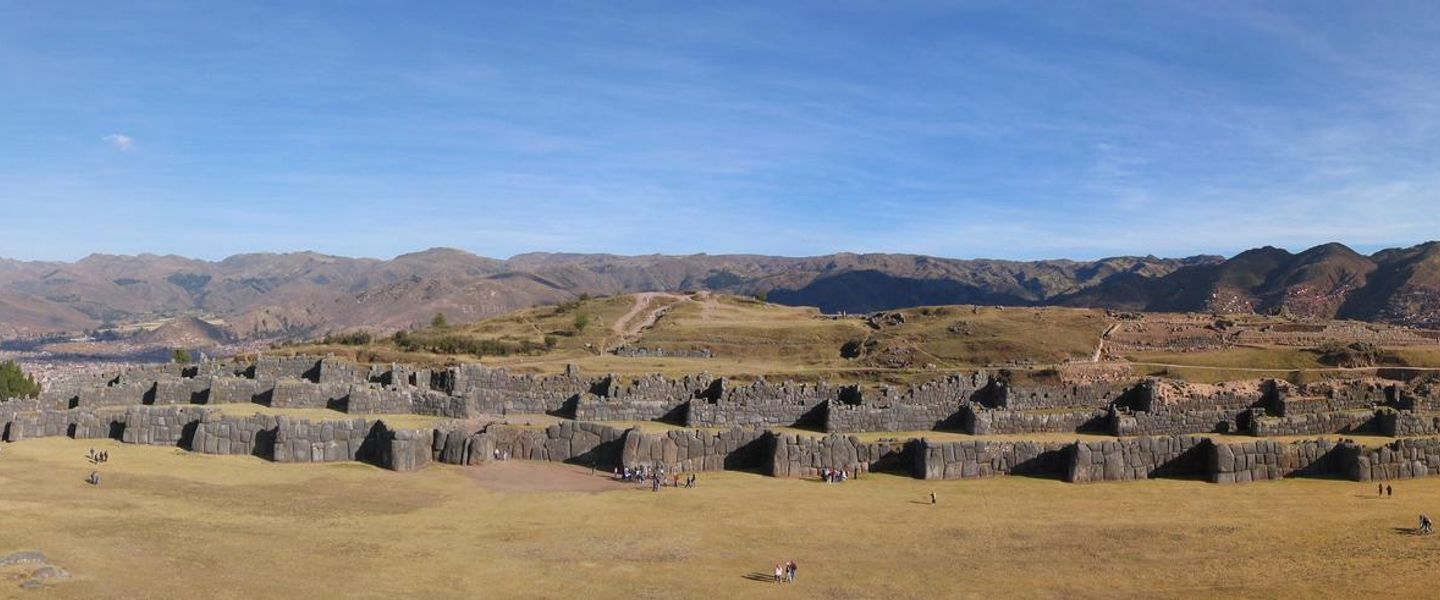


Sacsayhuaman in Cusco, Peru, pairs monumental Inca stonework with high-altitude walks, sweeping Andes views, nearby ruins and the living traditions of Inti Raymi.
Stone, Sky and Sacred Ground
Sacsayhuaman occupies the high ground immediately north of Cusco, where the city’s dense streets give way to open slopes, eucalyptus and broad views across the Andean basin. It is best understood not as a conventional residential neighbourhood but as an archaeological landscape centred on one of the greatest surviving Inca complexes. Massive, precisely fitted limestone walls rise in three great zigzag terraces, while the upper area contains broad ceremonial spaces, foundations and the remains of structures whose original purposes continue to be studied.Read more about Sacsayhuaman
A Living Part of Cusco
The Archaeological Park
Best attractions in Sacsayhuaman
The main attraction is the Sacsayhuaman archaeological complex itself, whose three immense zigzagging limestone terraces demonstrate the precision of Inca stonework on a monumental scale. Above and behind the principal walls, open ceremonial areas and foundations reveal that the site was more than a simple defensive position, while the hillside offers expansive views across Cusco and the surrounding mountains. The wider Archaeological Park of Sacsayhuaman extends across the high ground and includes separate nearby sites such as Q’enqo, with its carved rock and subterranean chambers, and the smaller complexes of Puka Pukara and Tambomachay. These are commonly visited on the same circuit but should not be confused with the main Sacsayhuaman enclosure. The landscape itself is part of the experience: stone paths, open grassland, exposed terraces and high-altitude light show how closely the Inca capital was tied to its surrounding hills.
-
Plaza
Plaza Mayor de Cusco
Explore Plaza Mayor de Cusco, a vibrant cultural hub filled with history, stunning architecture, and the essence of Peruvian life in the heart of the city.
14 min walk · 1.1 km from neighbourhood centre
-
Tourist attraction
Huaca Sapantiana
Explore the ancient ruins of Huaca Sapantiana, a captivating archaeological site in the heart of Cusco, Peru, steeped in history and culture.
8 min walk · 0.6 km from neighbourhood centre
-
Tourist attraction
Rodadero
Explore Rodadero, a stunning archaeological site in Cusco, where history and breathtaking landscapes converge for an unforgettable experience.
2 min walk · 0.1 km from neighbourhood centre
-
Tourist attraction
Calle Loreto
Discover the rich history and vibrant culture of Calle Loreto in Cusco, a must-visit destination for every traveler exploring Peru.
17 min walk · 1.4 km from neighbourhood centre


Best landmarks in Sacsayhuaman
Sacsayhuaman’s defining landmarks are its three great zigzag walls, built from enormous limestone blocks fitted together with remarkable precision and rising in stepped terraces above Cusco. The scale and engineering of the masonry express the authority of the Inca state, while the surviving stones also bear witness to the later dismantling of the complex for colonial construction. The broad central area and upper foundations are important architectural remains, although the original arrangement and purpose of some structures remain subjects of archaeological interpretation. The site’s position above the city is itself significant: it forms part of Cusco’s historic sacred and defensive landscape and provides a physical counterpoint to the colonial churches and streets below. Nearby Q’enko, Puka Pukara and Tambomachay are related archaeological landmarks within the wider park, but they are separate complexes.
-
Plaza
Plaza Mayor de Cusco
Discover the vibrant heart of Cusco at Plaza Mayor, surrounded by stunning colonial architecture and rich cultural experiences.
14 min walk · 1.1 km from neighbourhood centre
-
 Historical place
Saqsaywaman
Discover the architectural marvels and rich Incan history at Saqsaywaman, a breathtaking archaeological site near Cusco, Peru.
5 min walk · 0.4 km from neighbourhood centre
-
Observation deck
Mirador desde el Cristo Blanco
Experience the breathtaking views and cultural significance of Cristo Blanco, Cusco's iconic observation deck offering a serene escape in the Andes.
5 min walk · 0.4 km from neighbourhood centre
-
Archaeological site
Rodadero
Discover the ancient wonders of Rodadero in Cusco, Peru, where history and breathtaking landscapes create an unforgettable experience.
2 min walk · 0.1 km from neighbourhood centre


Explore Sacsayhuaman on the map
A handpicked selection of must-see spots in Sacsayhuaman, mapped for you.
Best hotels in Sacsayhuaman
Best restaurants in Sacsayhuaman
Sacsayhuaman has very limited dining infrastructure within the archaeological landscape, so most visitors eat in Cusco before or after visiting. The streets and plazas of the historic centre below offer the widest choice, from everyday Peruvian cooking and Andean specialities to cafés and restaurants serving international food. Food stalls and informal vendors may appear around busy access points or festival periods, but availability and regulation can vary, so they should not be treated as a permanent market. Visitors joining a full-day archaeological circuit may encounter lunch arrangements elsewhere along the route rather than at Sacsayhuaman itself. Carrying water and a light snack is practical, particularly when walking uphill at altitude, but eating should be kept away from fragile archaeological areas and all packaging taken away.
-
Restaurant
LIMBUS RESTOBAR
Discover culinary excellence at Limbus Restobar in Cusco - where local flavors meet breathtaking views.
13 min walk · 1.1 km from neighbourhood centre
-
Restaurant
Organika Restaurant
Experience authentic Peruvian cuisine at Organika Restaurant in Cusco - where fresh ingredients meet vibrant flavors.
12 min walk · 1.0 km from neighbourhood centre
-
Peruvian
Yaku Restaurant
Discover the vibrant tastes of Peru at Yaku Restaurant in Cusco – where tradition meets modern culinary artistry.
14 min walk · 1.1 km from neighbourhood centre
-
Restaurant
Chicha por Gaston Acurio
Experience the best of Peruvian cuisine at Chicha por Gaston Acurio in Cusco - where tradition meets innovation in every dish.
15 min walk · 1.2 km from neighbourhood centre


Best bars in Sacsayhuaman
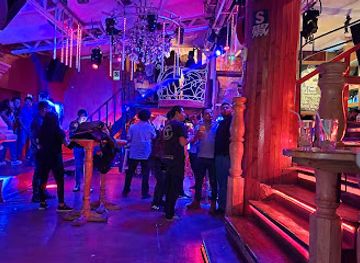
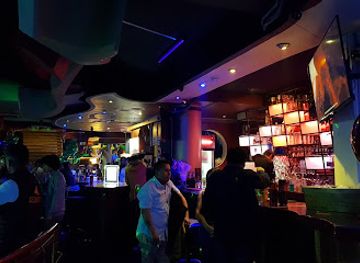
Sacsayhuaman is not a nightlife district and becomes quiet after the day’s archaeological visits, with no established concentration of bars or nightclubs on the hillside. Evening entertainment is found downhill in Cusco’s historic centre, where restaurants, traditional music venues, bars and tourist-oriented clubs cluster around the central streets and plazas. The route back from Sacsayhuaman is steep and poorly suited to casual late-night wandering, so visitors should arrange a taxi or return with a reliable group and avoid treating the archaeological park as an after-dark shortcut. During Inti Raymi and other major cultural occasions, the site may host performances or ceremonial activity, but these are event-based rather than part of a regular nightlife programme.
-
Bar
LIMBUS RESTOBAR
Discover the vibrant flavors and breathtaking views at Limbus Restobar, a must-visit destination in Cusco for culinary enthusiasts and travelers alike.
13 min walk · 1.1 km from neighbourhood centre
-
Bar
La chupiteria the shot bar
Experience the vibrant nightlife at La Chupiteria, Cusco's top-rated shot bar, perfect for creating unforgettable memories with friends.
12 min walk · 0.9 km from neighbourhood centre
-
Bar
Los Perros
Experience the lively bar scene of Cusco at Los Perros, where delightful cuisine meets a vibrant atmosphere.
12 min walk · 0.9 km from neighbourhood centre
-
Bar
Black Cat Bar Cusco - Craft Cocktails & Spirits
Savor the best craft cocktails in Cusco at Black Cat Bar, where creativity meets tradition in a vibrant atmosphere.
12 min walk · 1.0 km from neighbourhood centre


Best nightclubs in Sacsayhuaman
Sacsayhuaman is not a nightlife district and becomes quiet after the day’s archaeological visits, with no established concentration of bars or nightclubs on the hillside. Evening entertainment is found downhill in Cusco’s historic centre, where restaurants, traditional music venues, bars and tourist-oriented clubs cluster around the central streets and plazas. The route back from Sacsayhuaman is steep and poorly suited to casual late-night wandering, so visitors should arrange a taxi or return with a reliable group and avoid treating the archaeological park as an after-dark shortcut. During Inti Raymi and other major cultural occasions, the site may host performances or ceremonial activity, but these are event-based rather than part of a regular nightlife programme.
-
Disco club
Inka Team
Experience the vibrant nightlife of Cusco at Inka Team, where music and dance come together in a lively disco atmosphere.
13 min walk · 1.0 km from neighbourhood centre
-
Disco club
El Muki
Experience the pulsating energy of El Muki, Cusco's top disco club, where vibrant music and electrifying atmosphere come together for unforgettable nights.
15 min walk · 1.2 km from neighbourhood centre
-
Disco club
Caos Cusco
Discover the vibrant nightlife of Cusco at Caos Cusco, where music and culture unite for an unforgettable disco experience.
6 min drive · 1.9 km from neighbourhood centre
-
Bar
Chango Club Cusco
Experience the vibrant nightlife of Cusco at Chango Club, where music, dance, and fun come together in an unforgettable atmosphere.
12 min walk · 1.0 km from neighbourhood centre


Best shops in Sacsayhuaman
Shopping at Sacsayhuaman is limited and mainly connected with informal visitor services rather than a permanent retail quarter. Around the access areas, vendors may offer small souvenirs, textiles, crafts or photographs, particularly when visitor numbers rise, but stock, authorisation and availability can vary. The more substantial shopping experience is in Cusco below, especially around the historic centre and established markets, where visitors can compare alpaca textiles, woven goods, ceramics, jewellery and other Peruvian handicrafts. Bargaining may be customary with some independent sellers, but it should be polite and clear, while claims about fibre content or provenance are best checked carefully. Visitors should not buy archaeological-looking objects or anything presented as a fragment from the site, and should keep commercial activity separate from the protected walls and ceremonial spaces.
-
Store
Pedazo de Arte
Discover the heart of Peruvian culture at Pedazo de Arte in Cusco, a treasure trove of unique crafts and authentic souvenirs.
13 min walk · 1.0 km from neighbourhood centre
-
Clothing store
Cocoliso
Discover the charm of Peruvian culture at Cocoliso, a boutique clothing store in the heart of Cusco offering unique, handcrafted garments.
12 min walk · 0.9 km from neighbourhood centre
-
Clothing store
Yana Alpaca Boutique
Discover the elegance of Peruvian craftsmanship at Yana Alpaca Boutique in the heart of Cusco, where alpaca fashion meets cultural heritage.
15 min walk · 1.2 km from neighbourhood centre
-
Souvenir store
Souvenir and woodworking store
Explore the vibrant artisan culture of Cusco at this charming souvenir and woodworking store, your gateway to authentic Peruvian treasures.
13 min walk · 1.0 km from neighbourhood centre


Sacsayhuaman essentials
Getting There
Getting Around
Safety
Emergency Situations
Do's and Don'ts
Local Tips

From Eve
Local phrases worth knowing
You don't need to get them perfect. A few words go a long way, and locals appreciate the effort.
Basics
| English | Local | Say it |
|---|---|---|
| Hello | Qoyanawasqayki | [koy-ya-na-was-kay-ki] |
| Goodbye | Qanpas | [kan-pas] |
| Yes | Arí | [a-ree] |
| No | Manam | [mah-nam] |
| Please/You're welcome | Sumaj | [soo-mah] |
| Thank you | Sulpayki | [sul-pie-kee] |
| Excuse me/Sorry | Qhaspa | [kas-pa] |
| How are you? | Imaynalla kashanki? | [ee-mai-na-ya ka-shan-kee] |
| Fine. And you? | Allillan. Ñoqa? | [ai-ya-yan. nyok-ka] |
| Do you speak English? | Inglisqa rimaykuyki? | [ing-lees-ka ree-mai-koo-kee] |
| I don't understand | Mana rikurichiy | [mah-nah ree-koo-ree-chee] |
Eating & Drinking
| English | Local | Say it |
|---|---|---|
| I'd like to see the menu, please | Menuyta qawaykuyki, jamuspa | [men-oo-ee-ta ka-wai-koo-kee, ha-moos-pa] |
| I don't eat meat | Karne mikuyta mana mikurani | [kar-nay mee-koo-ee-ta mah-nah mee-koo-ra-nee] |
| Cheers! | Arriba! | [a-ree-ba] |
| I would like to pay, please | Tikitiyta qawaykuyki, jamuspa | [tee-kee-tee-ta ka-wai-koo-kee, ha-moos-pa] |
Emergencies
| English | Local | Say it |
|---|---|---|
| Help! | Ñakay! | [nyakai] |
| Go away! | Pakarik! | [pa-ka-reek] |
| Call the Police! | Wasipaq simikuyki! | [wa-see-pak see-mee-koo-kee] |
| Call a doctor! | Yachakmiq simikuyki! | [ya-chaak-meek see-mee-koo-kee] |
| I'm lost | Willakuyki | [wee-ya-koo-kee] |
| I'm ill | Rikuchiyki | [ree-koo-chee-kee] |
Shopping
| English | Local | Say it |
|---|---|---|
| I'd like to buy... | Markatayta qawaykuyki... | [mar-ka-tai-ta ka-wai-koo-kee] |
| I'm just looking | Munankuyta chaskiy | [moo-nan-koo-ee-ta chas-kee] |
| How much is it? | Ima kutikuyta? | [ee-ma koo-tee-koo-ee-ta] |
| That's too expensive | Kutichiq paqariy | [koo-tee-cheek pa-ka-ree] |
| Can you lower the price? | Kutin munayki? | [koo-teen moo-nai-kee] |
Time & Numbers
| English | Local | Say it |
|---|---|---|
| What time is it? | Ima shamukuyta? | [ee-ma sha-moo-koo-ee-ta] |
| It's one o'clock | Jusk'a shamurik | [hoos-kah sha-moo-reek] |
| Half past (10) | Jisk'a llank'ay | [hees-kah yan-kai] |
| Morning | P'unchay | [poon-chai] |
| Afternoon | Ch'aski | [chas-kee] |
| Evening | Tuta | [too-ta] |
| Yesterday | Huk p'unchaw | [hook poon-chow] |
| Today | Kay p'unchaw | [kai poon-chow] |
| Tomorrow | Kuska p'unchaw | [koos-ka poon-chow] |
| 1 | Huk | [hook] |
| 2 | Iskay | [ees-kai] |
| 3 | Kinsa | [keen-sa] |
| 4 | Tawa | [tah-wa] |
| 5 | Phisqa | [fees-ka] |
| 6 | Suyu | [soo-you] |
| 7 | Qanchis | [kahn-chees] |
| 8 | Pusaq | [poo-sak] |
| 9 | Isqun | [ees-koon] |
| 10 | Chunka | [choon-ka] |
Transport & Directions
| English | Local | Say it |
|---|---|---|
| Where's a/the...? | Pipasqa... | [pee-pas-ka] |
| What's the address? | Nispa kasqa? | [nees-pa kas-ka] |
| Can you show me (on the map)? | Mapapiq siq'uyki? | [ma-pa-peek see-koo-ee-kee] |
| When's the next (bus)? | Imayna kachkan bus? | [ee-mai-na kach-kahn boos] |
| A ticket (to ....) | Tikiti | [tee-kee-tee] |
History of Sacsayhuaman
An Inca Ceremonial Stronghold
Sacsayhuaman developed during the expansion of the Inca state, particularly under the rulers Pachacuti Inca Yupanqui and his successors in the fifteenth century. Its enormous limestone terraces, open spaces and carefully engineered foundations formed part of the defensive and ceremonial landscape above Cusco, the imperial capital. The exact function of every structure remains debated: the complex was associated with military protection, ritual gatherings and the symbolic power of the Inca state rather than serving simply as a fortress in the modern sense. Its commanding position over the city helped make the hillside an important element in Cusco’s urban and sacred geography.
The Conquest and Siege of Cusco
Sacsayhuaman became a decisive military position during the Spanish conquest and the Inca resistance led by Manco Inca. In 1536, fighting around the complex formed part of the siege of Cusco, in which Inca forces attempted to recover the capital from the Spanish and their Indigenous allies. The engagement left the site closely associated with the defence of Cusco and with the violence of the conquest. Spanish control was eventually re-established, and the complex’s role changed as the colonial city was built over and around the former Inca capital.
Colonial Dismantling
After the conquest, many of Sacsayhuaman’s visible walls and structures were dismantled, with cut stone reused in colonial construction in Cusco. The largest and most carefully fitted blocks were generally too difficult to move, which is why the great zigzag terraces survived. The removal altered the monument’s appearance and reduced its role as a functioning Inca complex, while colonial descriptions and later archaeological work preserved memories of its former scale. The surviving masonry now makes the contrast between Inca engineering and the later city particularly clear.
Preservation and Contemporary Ceremony
During the modern archaeological and heritage era, Sacsayhuaman became one of the principal protected sites associated with Cusco and the wider Archaeological Park. Conservation has focused on stabilising the terraces, managing visitor movement and protecting the exposed stonework from erosion and heavy use. The complex also regained a prominent ceremonial role through the annual Inti Raymi celebrations, revived in the twentieth century and staged at Sacsayhuaman after processions through Cusco. The festival is a modern public performance drawing on Inca themes, rather than an unchanged continuation of an imperial ceremony.
Sacsayhuaman in Photos
Browse through our photo collection highlighting the charm and character of the destination.
Neighbourhoods near Sacsayhuaman
The closest neighbourhoods to Sacsayhuaman, if you have time for more than one stop.
-

-

-


Swipe for more neighbourhoods
Explore more

Explore more of Cusco
Cusco, Peru, pairs Inca heritage, Spanish colonial architecture and Andean culture with memorable sightseeing, markets and journeys into the Sacred Valley.
Explore Cusco